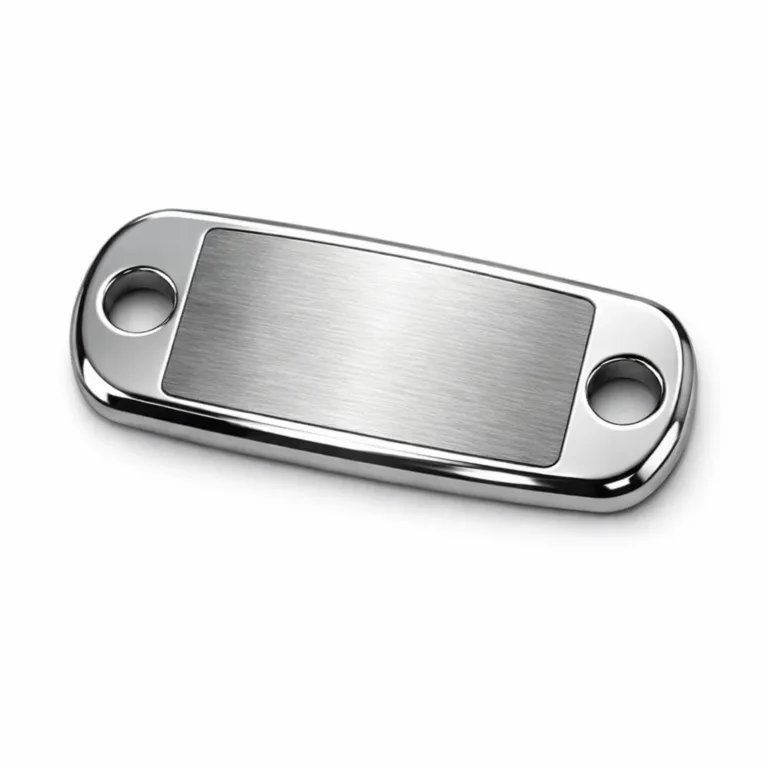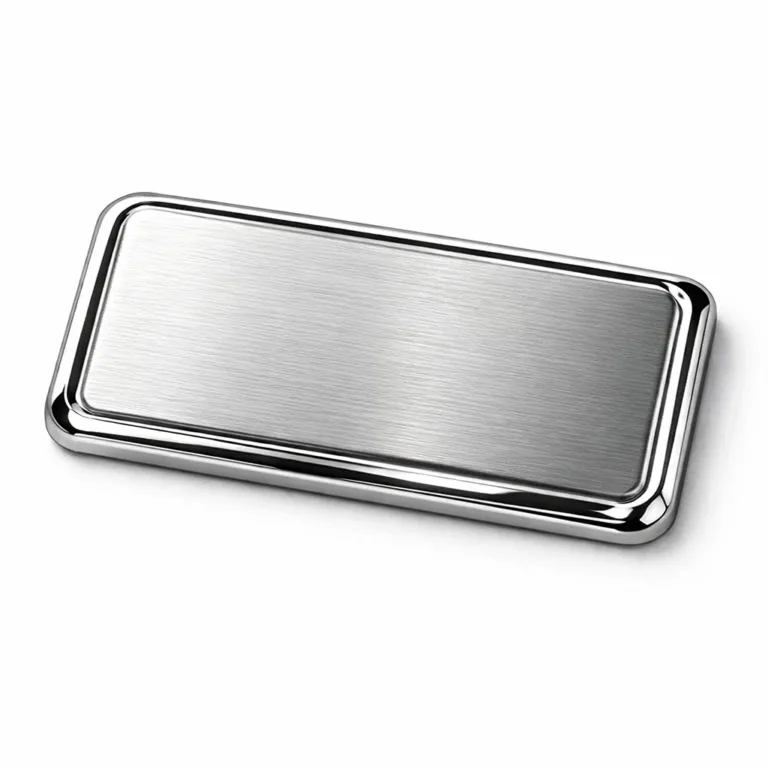
Introduction to Metal Labels in Fashion Branding
Fashion Branding has evolved dramatically in recent years, and one of the most noticeable shifts is the growing preference for Metal Labels among both established and emerging apparel companies. No longer limited to just luxury bags or outdoor gear, these metal sew-on labels are becoming a statement piece, transforming not just aesthetics but the entire value proposition of a garment.
Unlike fabric tags, Metal Labels convey a modern, premium identity from the very first touch. They offer clean lines, gleaming finishes, and a tactile weight that signals lasting quality—precisely the traits brands want associated with their products. This rise aligns with the broader trend of premium branding in fashion, where every detail, even the humble sew-on label, is optimized to attract today’s discerning consumer.
Durability and high design impact are key. Metal Labels stand up to repeated washes, harsh handling, and shifting trends, keeping brands readable and recognizable long after the point of sale. Environmental concerns also play a pivotal part: many metal labels can be recycled, addressing the demands of a growing eco-conscious market segment.
Metal Labels, therefore, are about more than just marking ownership—they blend endurance, aesthetics, and sustainability in a way that fabric tags simply can’t. This article unpacks their role in Fashion Branding, exploring materials, manufacturing, and the psychology behind perceived value.
Defining Metal Sew-On Labels
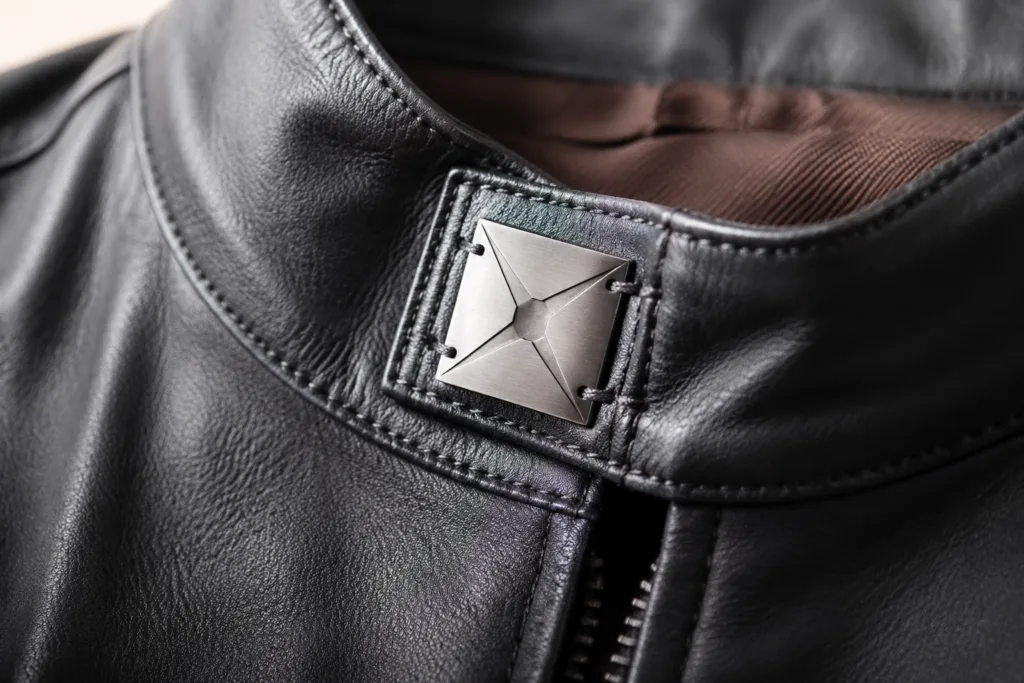
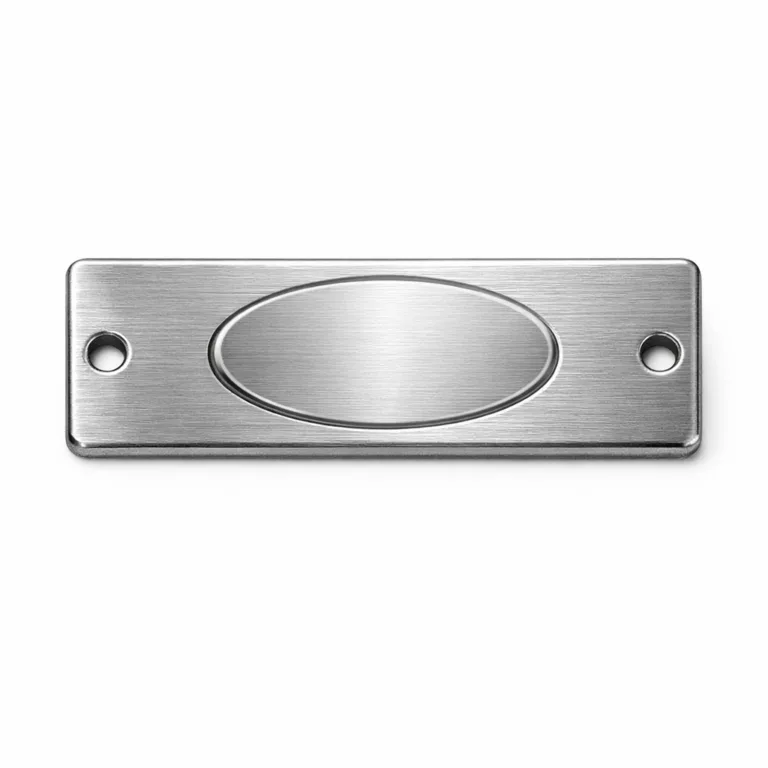
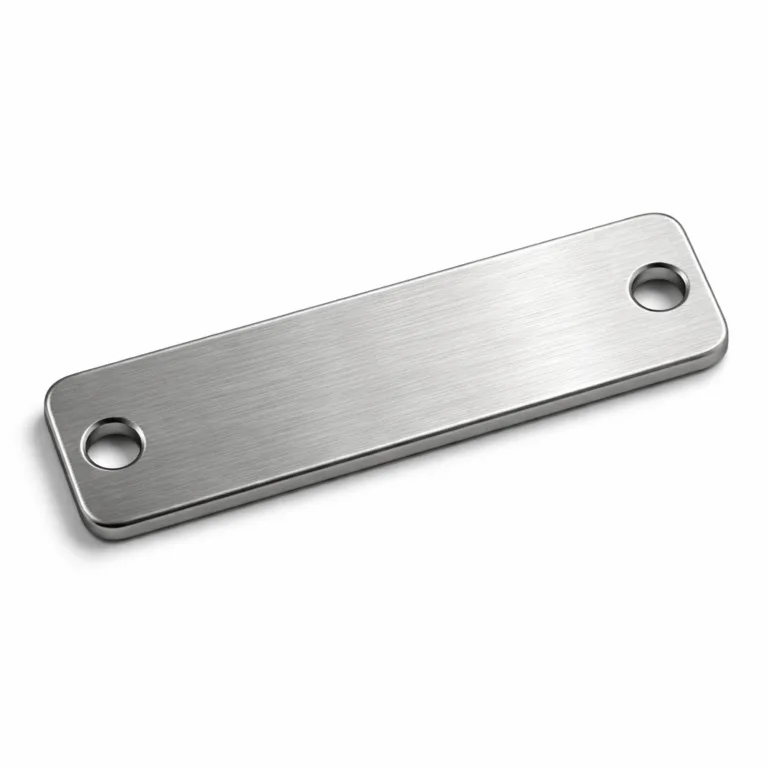
Metal sew-on labels are small, durable plates—usually made from aluminum, stainless steel, or brass—custom-fabricated to showcase a brand’s logo, motto, or detailed information. Attached to garments by discreet stitching, these labels offer a unique and lasting alternative to traditional woven or fabric tags.
Unlike fabric labels, which risk fading, fraying, or becoming unreadable with repeated use, Metal Labels maintain their clarity and physical integrity. Their rigid form, distinctive shine, and array of possible shapes set them apart in tactile and visual ways. Common components include custom shapes, debossed or embossed logos, and optional attachment features such as rivet holes or even integrated QR codes for digital engagement.
In branding and product identification, Metal Labels instantly elevate perceived value—research shows consumers often associate metal accents with quality, authenticity, and innovation. In sectors like outdoor wear, luggage, or high-performance apparel, they serve as both functional IDs and premium branding tools. As their presence grows, expectations for garment presentation have shifted: brands not sporting Metal Labels risk being perceived as less forward-thinking or durable.
Materials Comparison: Best Choices for Metal Labels
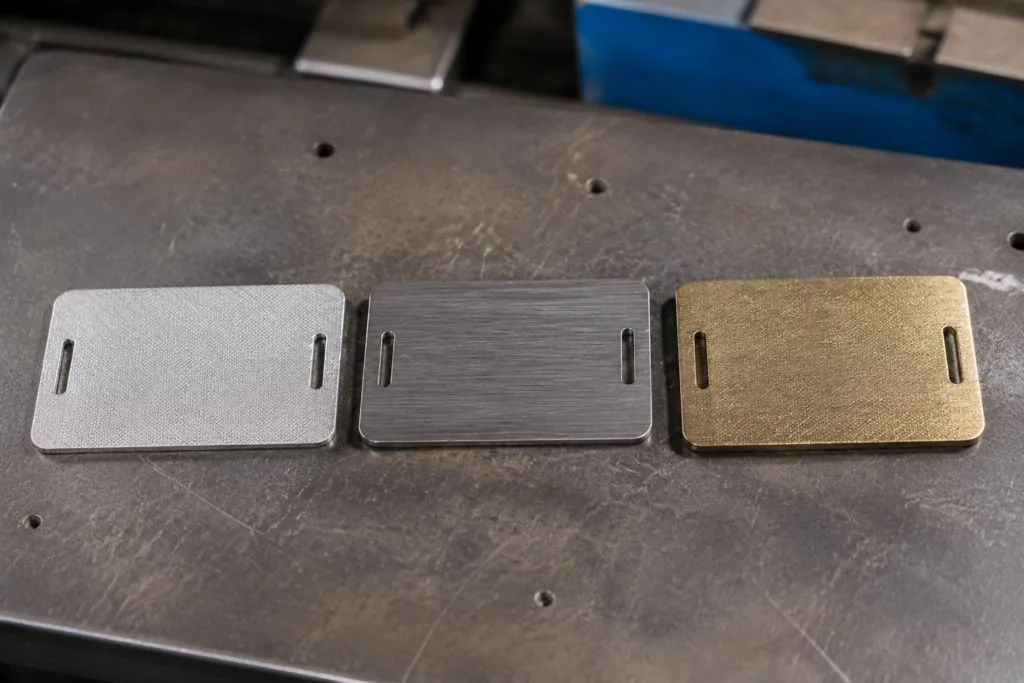
Every material choice for Metal Labels impacts not just aesthetics but garment performance, longevity, and brand positioning. Common options include aluminum, stainless steel, and brass, and each brings unique strengths and trade-offs.
| Material | Key Features | Ideal For | Environmental Impact |
|---|---|---|---|
| Aluminum | Lightweight, excellent corrosion resistance, available in anodized colors, budget-friendly | Activewear, urban fashion, mass-market labels | Highly recyclable, low energy use in recycling |
| Stainless Steel | Exceptional strength, heavy feel, long-term rust resistance, scratch resistant | Luxury collections, technical gear, luggage | Recyclable, more energy-intensive to produce than aluminum |
| Brass | Distinctive gold-like luster, premium touch, excellent for embossing, can patina/tarnish over time | Heritage/inspired fashion, accessories, luxury | Recyclable, requires periodic cleaning for longevity |
Aluminum tends to be favored for its featherweight profile and color versatility through anodizing, ideal when designers want bold, modern branding without adding bulk. Stainless steel projects substance and technical durability, best suited for garments where lasting performance is paramount—think luxury outerwear or premium luggage. Brass, meanwhile, appeals to those seeking classic warmth and an instantly upmarket feel; however, its tendency to tarnish must be managed for a consistent look.
From an environmental angle, all three materials are recyclable, but aluminum stands out for its low re-melting requirements, aligning well with circular economy goals. Eco-conscious branding teams can highlight this advantage in their sustainability narratives. For even more on the balance between durability and environmental impact, see Reusable Metal Tags vs. Foil Capsules: The Sustainable Choice for Beverage Packaging.
Ultimately, the best choice depends on the product’s intended use, the desired design language, and brand values—each with environmental considerations influencing the final decision.
Manufacturing Methods: Choosing the Right Technique
Crafting Metal Labels involves several manufacturing processes, each influencing the label’s appearance, texture, cost, and durability. Four of the most widely used techniques are engraving, stamping, etching, and printing.
- Engraving: Precision cutting (usually by CNC or laser) creates deep, permanent marks ideal for text and fine logos. Extremely durable but can add to costs and is best for smaller batches where custom detail is paramount.
- Stamping: Uses specialized dies to press (deboss or emboss) designs into the metal. Highly efficient for large runs, it gives a crisp, tactile result. However, very fine details may not translate as well as with engraving or etching.
- Chemical Etching: Selectively removes material using chemicals for intricate, high-contrast designs. Offers excellent detail at scale and allows for enamel color fills, but chemical handling and disposal require careful management.
- Printing (UV, Pad, or Screen): Adds vibrant color and photographic effects, expanding design possibilities. Less durable than etched or stamped methods, so best suited for products with lower exposure to abrasion or washing.
From a branding perspective, the method you choose signals different priorities: tactile debossed branding enhances perceived value; colorful printing highlights design creativity but may fade over time. According to Rain Chen, a veteran production craftsman at UC Tag, even small decisions—like choosing thicker gauge for stampings—can dramatically impact the label’s performance in everyday wear or repeated laundering.
For high-touch, luxury products, deep engraving or stamping is recommended, while mass-market or trend-driven lines often choose etching for intricate patterns. Testing prototypes under real-world conditions (UV, wash cycles, abrasion) ensures your selected method matches the anticipated product lifecycle, preserving both appearance and readability for years.
Design & Spec Checklist for Metal Labels
Designing Metal Labels for Fashion Branding requires careful consideration of aesthetics, function, and manufacturing feasibility. To simplify the process, here’s a checklist of specs and best practices to help your team move from concept to production confidently.
| Design Element | Specification/Options | Impact on Branding |
|---|---|---|
| Size | Common: 20–40 mm (W), 10–20 mm (H) | Bigger sizes are more visible but can overwhelm subtle designs. |
| Thickness | Standard: 0.5–1.5 mm | Thicker labels feel premium and withstand more stress. |
| Finish | Brushed, polished, matte, two-tone, PVD/plated color | Modifies aesthetic appeal and durability. Brushed hides wear; polished looks high-end. |
| Attachment | Sew-on holes, adhesive backing, rivet points | Sew-on offers permanence; adhesives speed up application but may be less durable on flexible fabrics. |
| Readability | High contrast, deep embossing, black fill, or sandblast background | Ensures logos/text remain visible after washing and use. |
| Tolerances | ±0.1 mm (industrial standard) | Tighter tolerances improve alignment in assembly and attachment visuals. |
When specifying Metal Labels, keep contrast and text readability at the forefront—labels with black fill or sandblast effects often outperform shiny-only finishes. Attachment consistency is also vital: sew-on holes at the right spacing make industrial sewing predictable and reduce product defects. You can find examples of successful, contrasting designs in Why Heavy Metal Tags Instantly Upgrade Your Brand’s Perceived Value: The Science Explained.
Not sure which thickness or finish suits your application? Brands can request shop-floor recommendations from suppliers like UC Tag, who’ve seen which specs survive the harshest washing tests and which cause snags or peeling on the assembly line. Early proofing—always review physical or high-fidelity digital samples before signing off—catches most avoidable mistakes and confirms your branding intent will hold up on the final product.
Ensuring Durability: Performance Testing for Metal Labels
The core appeal of Metal Labels is their proven ability to outlast harsh conditions, but not all labels perform equally under stress. Proper durability testing is vital to ensure your branding stands the test of time and reinforces consumer trust.
Key factors affecting durability include:
- Corrosion Resistance: Examined using salt spray tests, especially important for brass and steel materials exposed to sweat or outdoor climates.
- Abrasion Resistance: Simulates friction and wear from everyday use, performed using cyclical rub tests and real-world launderings.
- UV Exposure: Accelerated aging chambers assess fade resistance, critical for labels on sun-exposed garments like outerwear and bags.
Common test methods include the ASTM B117 salt spray test for corrosion, Taber Abraser for surface wear, and QUV chambers for colorfastness. For example, anodized aluminum labels often pass 500–1000 hours of salt spray without measurable degradation, while deeply stamped stainless steel remains legible even after hundreds of wash cycles. Meanwhile, brass labels may develop a patina unless specially coated—a characteristic that some heritage brands intentionally embrace.
Certifications such as ISO 9227 for corrosion testing or ISO 105-C06 for textile washing bolster confidence in durability claims. Consistent performance means consumers experience your branding as intended, avoiding embarrassing failures like peeling, fading, or illegibility. For further insights on food-grade and chemical resistance, see Ultimate Guide to Food Grade Safety: Regulations for Metal Tags in Wine & Spirits.
Industry Applications: Where Metal Labels Make a Difference
Metal Labels play a defining role across multiple sectors. In luxury fashion, they signal exclusivity—think signature logo plates on handbags or coats. For performance wear, their resilience under extreme washing or weather conditions meets the real-world standards demanded by athletes, outdoor fans, and industrial workers alike.
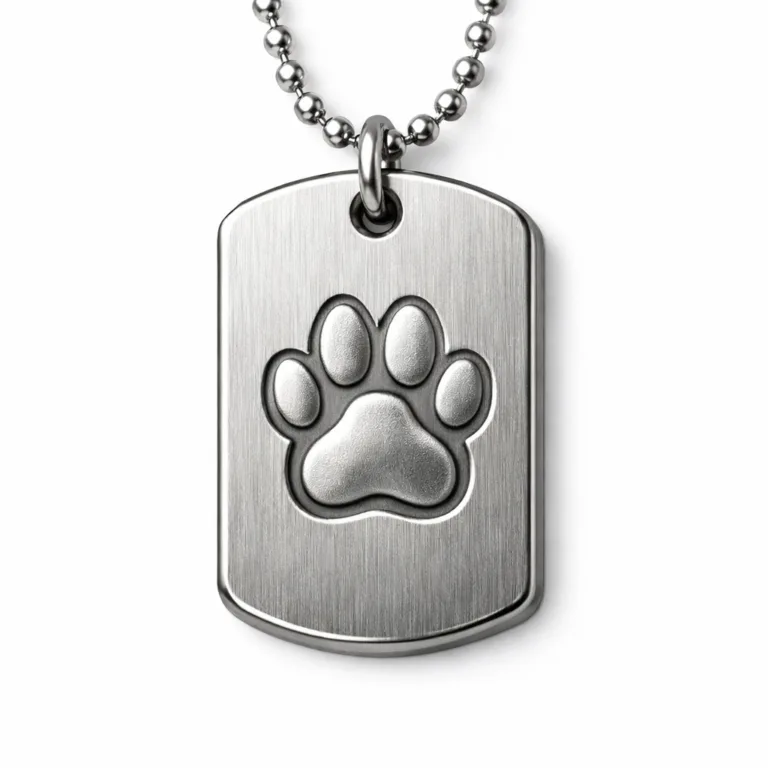
Industrial applications leverage Metal Labels for crucial identification needs on uniforms and gear where fabric solutions can’t survive abrasion, oil, or repeated sterilization. Meanwhile, pet products and luggage are booming markets for Metal Labels: owners value clear, permanent branding (and contact info) that survives rough handling. Consider reviewing luggage tag manufacturer solutions for practical case studies on high-durability, high-design tags.
Top-line fashion houses, as well as boutique brands, have turned to Metal Labels to differentiate themselves—even limited edition drops often use serialized metal tags. Expanding consumer appreciation for tactile, “forever” branding continues to fuel innovation in metal tag applications.
Common Mistakes to Avoid When Choosing Metal Labels
Transitioning to Metal Labels offers lasting value, but errors in specification or execution can undermine even the strongest brand intent. Some pitfalls to avoid include:
- Unreadable Text: Opting for highly reflective finishes with fine etching can make brands illegible, especially on small tags.
- Poor Adhesive Choice: Relying on standard adhesives for highly flexible fabrics leads to peeling or lost tags—opt for proven sew-on or industrial adhesive solutions.
- Ignoring Environmental Factors: Not matching the metal type or protective finish to the environment (e.g., high humidity or salt exposure) invites corrosion and rapid wear.
- Neglecting Attachment/Size Consistency: Inconsistent hole placement or inappropriate tag size disrupts automated sewing and results in uneven presentation.
- Skipping Proper Proofing: Failing to review physical or detailed pre-production samples increases errors in logo proportions, color, and attachment function.
In Rain Chen’s experience at UC Tag, the most preventable failures come from minor design oversights or miscommunications between product teams and technical suppliers—never skip the proofing stage, and always test labels in their intended environment to safeguard Fashion Branding impact.
Ordering Guide: Navigating the Procurement Process

Ordering custom Metal Labels is straightforward when you follow a structured approach that reduces surprises and ensures your branding vision is executed correctly.
Here’s what B2B buyers should prioritize:
- Minimum Order Quantity (MOQ) & Lead Times: Many factories set MOQs (often 300–1000pcs) and need 2–5 weeks for standard production. Communicate your forecasted needs early to avoid delays.
- Artwork & Proofing: Always supply vector logos and detailed spec sheets. Approve digital or physical samples to confirm shape, finish, and attachment fit prior to mass run.
- Sampling & Quality Assurance: Opt for pre-production sampling before locking in your final PO. Look for suppliers offering clear defect policies and transparent test reports.
- Packing & Shipping: Discuss options for individual polybagging, grouped sets, or sustainable packaging, as these affect both protection in transit and unboxing appeal. For large runs, pallet shipping may reduce costs.
- Supplier Relationships: Long-term partnerships yield better quality and responsiveness. Share feedback often—proactive suppliers will suggest process improvements to help your business grow. Explore industry-focused partners like garment tag manufacturer for sector-specific experience.
Clear, consistent communication and up-front sampling are the foundations of successful procurement. Investing a little more time at the start pays dividends in long-term durability and brand trust.
Frequently Asked Questions
Are Metal Labels suitable for machine washing and drying?
Yes, Metal Labels designed for garments typically withstand both machine washing and drying; specifying the right material and testing with your laundry process is recommended for best results.
Do Metal Labels support color printing or custom shapes for Fashion Branding?
Absolutely—methods like UV printing and chemical etching allow for full-color logos and a range of custom shapes, but durability depends on the process and should be matched to intended use.
How eco-friendly are Metal Labels compared to woven tags?
Most Metal Labels are fully recyclable, with aluminum having a notably low recycling energy footprint; they can be more sustainable if disposed of responsibly and designed for longevity.
What is the typical lead time for custom Metal Labels?
Lead times generally range from 2 to 5 weeks after artwork approval and sample sign-off, though rush service or large orders can impact this window; consult your supplier for specifics.
Can Metal Labels cause discomfort or damage to fabrics?
Properly designed Metal Labels with smoothed edges and secure sewing rarely cause discomfort or fabric damage; always request production samples to test on intended garments beforehand.
Is proofing or sampling necessary before large production runs?
Proofing is essential; physical or high-detail digital samples help confirm design, fit, and finish so you avoid costly errors and ensure your branding appears exactly as intended.
Related Reading
- How to Achieve High-End Branding with Cost-Efficient Metal Tags
- The Science Behind Premium Perception: How Heavy Metal Tags Influence Buyers
- Private Labeling Secrets: Instantly Set Your Products Apart with Custom Metal Tags
- Sensory Branding: How Sound and Texture in Metal Tags Elevate Your Products
- Unlock Powerful Unboxing: How Metal Tags Drive Customer Engagement & Brand Loyalty
- Rebranding Checklist: Seamless Logo Tag Upgrades for a Fresh Image