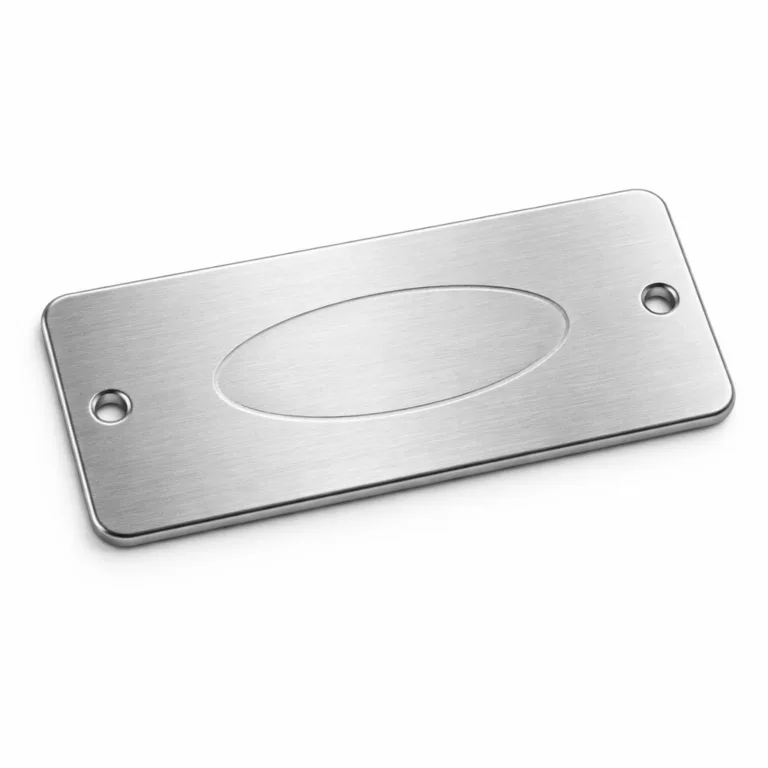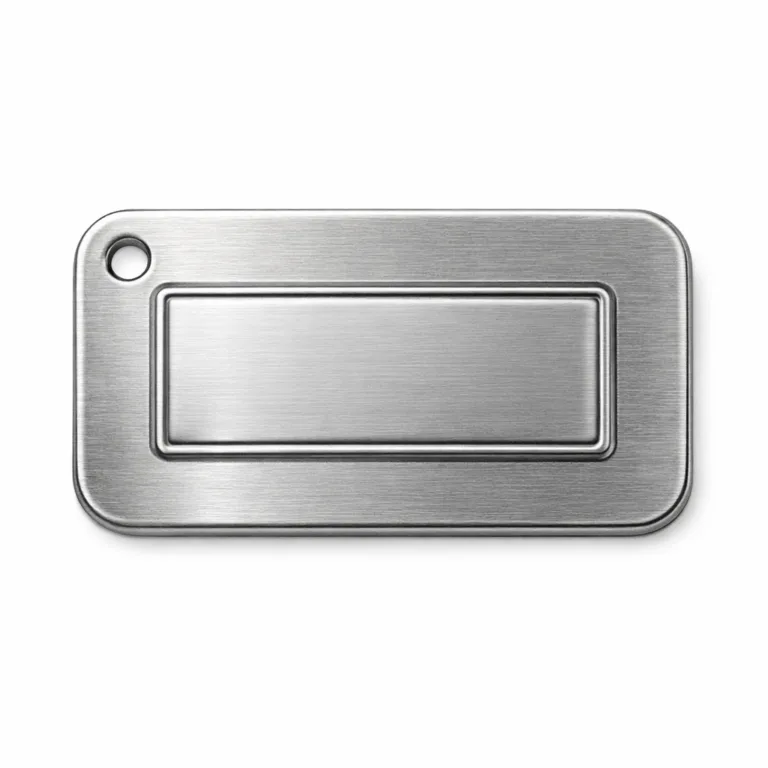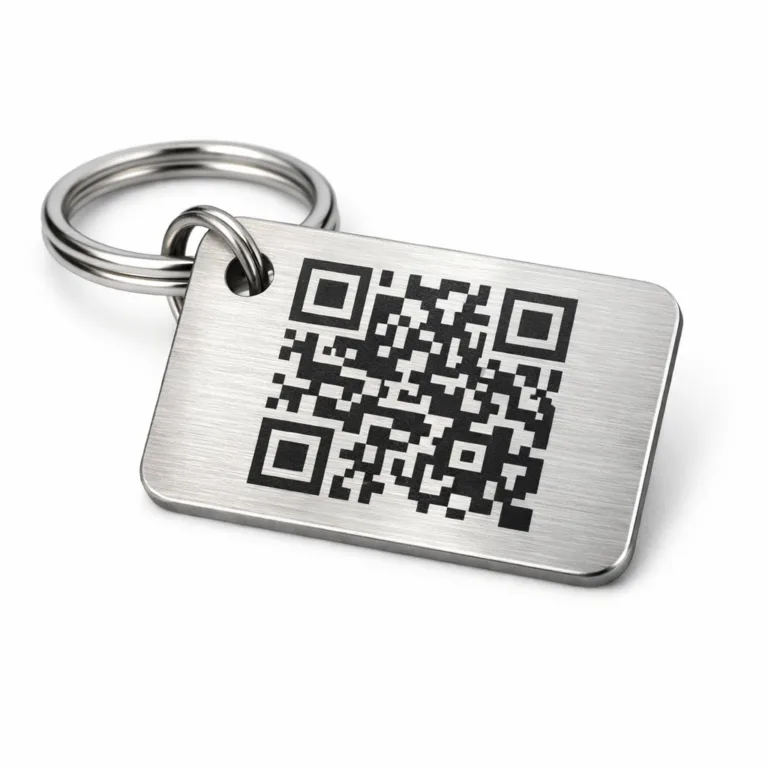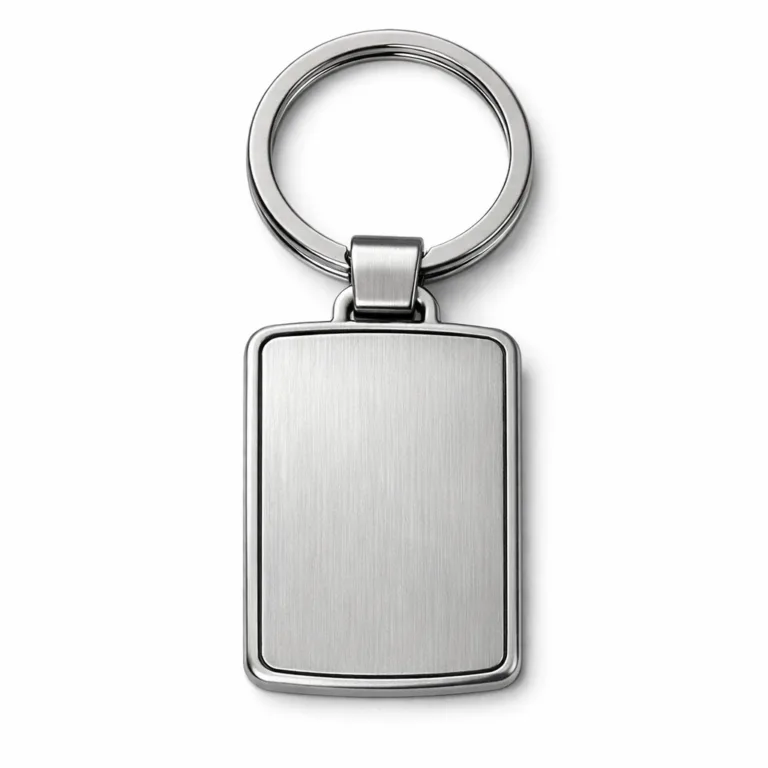
Introduction to the Power of Metal in Branding
Understanding the impact of material selection—especially the use of metal tags—on brand perception is increasingly important for B2B buyers, engineers, and brand managers. Research shows that consumers intuitively link the quality and feel of physical objects to the reputation of the companies behind them. The PROMPT “metal tags, brand perception” captures this strong correlation, where the right tag material can subtly influence buyers’ emotions, trust, and sense of value.
Studies in consumer psychology reveal that touch and weight play a powerful role in how people judge a product. Holding a heavy, cool-to-the-touch object triggers subconscious associations with reliability and craftsmanship. When a consumer encounters metal tags—whether on a fine bottle of wine or a rugged piece of equipment—they’re not just seeing a brand mark, they’re feeling a statement of quality.
Metal tags distinctly stand apart from plastic or paper alternatives. Their durability and tactile presence reinforce the promise of longevity and enduring value. This isn’t just modern psychology at play; there’s often a sense of nostalgia and authenticity attached to real metal. The metallic sheen of an engraved tag may remind users of heirloom products from past generations, strengthening the story of the brand.
As companies search for ways to make lasting impressions, tactile and visual experiences become vital brand differentiators. The use of metal tags, and the weight they bring, is an intentional choice that signals to both clients and end-users that a brand values durability, quality, and authentic experience.
Understanding the Psychology of ‘Heaviness’
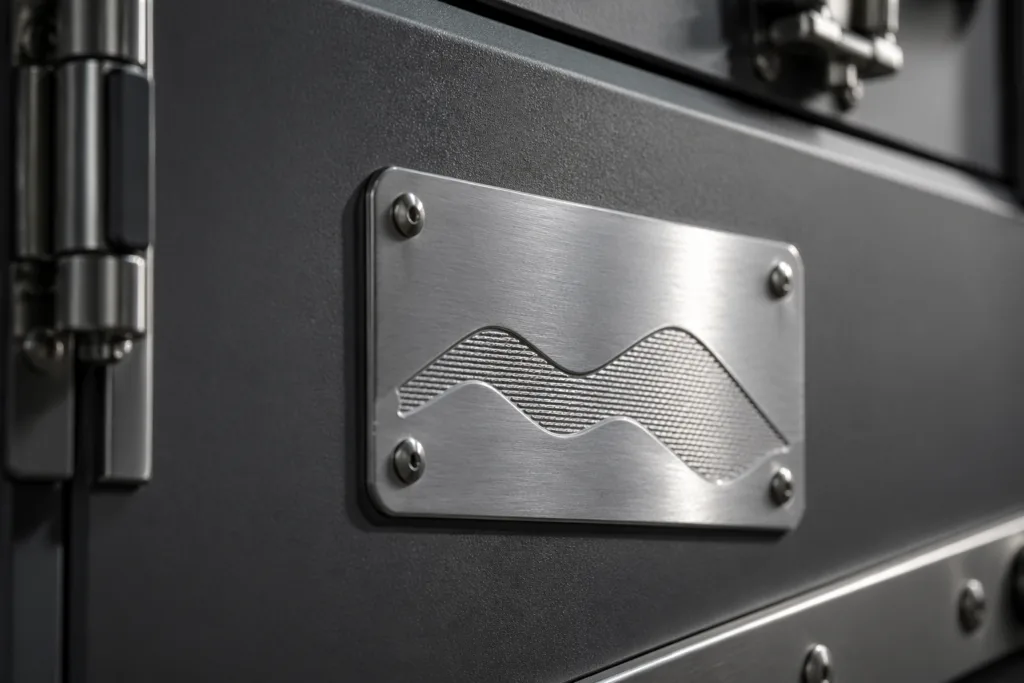
Why does heaviness matter in branding? The underlying psychology is simple: most people naturally read heavier objects as more valuable, solid, and lasting. This response is rooted in cognitive biases shaped by everyday encounters with materials. For example, when comparing a lightweight, flimsy plastic tag to a stainless steel tag, consumers unconsciously associate the heavier tag with higher worth and durability.
Heaviness triggers emotional responses at the point of contact. A luxury watch feels more premium because of its weight; the same goes for high-end electronics or automotive parts. These industries deliberately choose heavy materials for elements consumers touch and see, knowing that substantiality conveys trust and lasting value.
The “material presence” of metal tags can tip a purchasing decision. When buyers pick up an item—be it a branded gadget, a bottle of spirits, or a piece of luggage—and feel reassuring weight from a metal label, it reassures them of the brand’s commitment to excellence. This is closely linked to a phenomenon called the “expensive equals heavy” bias, where people judge heavier items as more costly and sophisticated.
Several sectors demonstrate this psychology in action. Automotive brands use hefty, laser-engraved nameplates on their vehicles. Industrial manufacturers select thick aluminum or brass plates for their machinery. Wine distilleries and craft breweries often use die-cast bottle neck tags to suggest an artisanal, time-tested heritage. The use of metal tags isn’t just about function; it’s psychological reinforcement of brand perception.
- Heaviness signals premium quality, trust, and authenticity.
- Lightweight materials may be read as “cheap” or temporary.
- Weight is especially critical for products where first impressions and tactile engagement matter.
Key Materials for Metal Tags: A Comparison
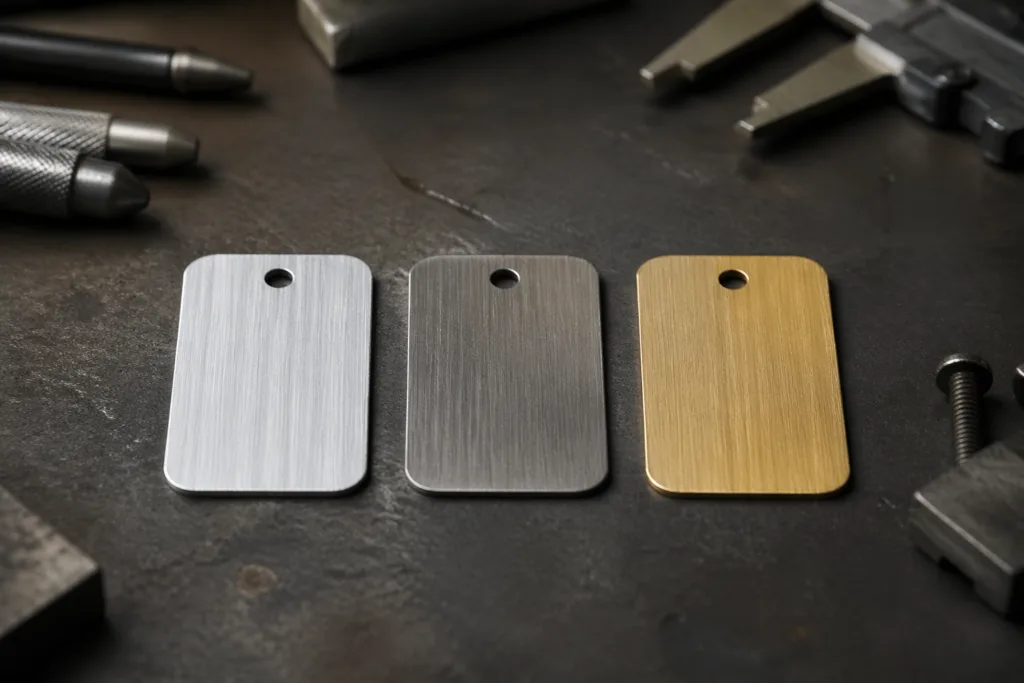
Choosing the right material for metal tags isn’t just about aesthetics; it deeply affects perceived durability, touch, and long-term brand reputation. The top contenders include aluminum, stainless steel, and brass, each offering distinct trade-offs for buyers and engineers to consider.
| Material | Weight | Finish Options | Corrosion Resistance | Cost | Common Use Cases |
|---|---|---|---|---|---|
| Aluminum | Light | Anodized, brushed, color-coated | High (with anodizing) | $$ | Asset tags, outdoor equipment, luggage ID |
| Stainless Steel | Heavy | Brushed, mirror finish, matte | Excellent | $$$ | Harsh environments, industrial machinery, pet tags |
| Brass | Medium-Heavy | Antique, polished, matte | Good (can tarnish over time) | $$$ | Luxury branding, vintage look, wine tags |
Aluminum is known for being lightweight and cost-effective, offering excellent corrosion resistance—especially in anodized finishes. While it does not offer the “heft” of other metals, it shines in applications where mass is a concern, such as aviation or high-volume asset management. For environments requiring color coding or bold graphics, aluminum’s versatility is unmatched.
Stainless steel provides the classic “heavy tag” experience. It’s dense, highly resistant to corrosion, and supports both brushed and mirror polishes for a premium look. This material is the go-to for situations where the tag will face abrasion, harsh chemicals, or constant outdoor exposure. According to Rain Chen from UC Tag, stainless steel is favored in projects where long-lasting readability under abuse is essential, though it typically increases lead time and cost compared to aluminum.
Brass occupies a unique space, combining an attractive yellow-gold finish with reassuring weight. While resistant to most environmental factors, it can develop a natural patina, which for many brands becomes a storytelling advantage—suggesting authenticity and heritage. Brass is often used by brands targeting classic, vintage, or luxury aesthetics, such as boutique wine labels or specialty luggage tags.
Best practices suggest first considering the intended environment, the tactile experience you wish to convey, and the necessary budget. For example, an asset tag requiring laser barcodes for warehouse use will often warrant a sturdy, etched stainless steel or anodized aluminum tag. In contrast, jewelry or premium beverage packaging might choose brass for its timeless appeal.
Material Choice Case Studies
Case 1: A European outdoor apparel brand selected thick-gauge stainless steel for their logo plates, citing both the “cold touch” and weight as reasons customers saw the garments as more durable, justifying a premium price tag.
Case 2: A craft spirits distillery shifted from paper labels to deep-etched brass neck tags. The result was a direct increase in customer feedback praising the product’s prestige, with several buyers mentioning the “chunky, vintage” tag as a standout detail.
Manufacturing Methods and Their Impact on Perception
Metal tags can be manufactured using techniques like engraving, stamping, chemical etching, and UV printing, each imparting a different look, feel, and depth. The method chosen has a direct effect on touch, durability, and overall brand perception.
Engraving—whether by CNC machine or laser—removes material to leave crisp, permanent markings. This method is prized for industrial and consumer products requiring detailed logos, serial numbers, or QR codes that need to last. Engraved metal tags are often specified for asset tracking, medical alert, and outdoor equipment due to their resistance to fading and abrasion.
Stamping uses a die to press the design into the metal, creating raised or recessed features. It is chosen when brands want pronounced texture, such as on antique brass luggage tags or classic logo plates. Stamped details often feel premium and immovable, emphasizing robust quality.
Chemical etching allows for very fine graphics—often used for barcodes, intricate logos, or information plates. While not as deep as mechanical engraving or stamping, etching can handle complex designs and is suited for mid-volume runs where photographic clarity is needed.
UV printing delivers bold color and photo-realistic finishes onto metal surfaces, opening up branding options for limited edition products or promotional tags, but may not carry the tactile depth buyers associate with “luxury.”
| Method | Depth/Texture | Durability | Ideal Use |
|---|---|---|---|
| Engraving | Deep, tactile lines | Excellent | Industrial, traceable assets, personal ID |
| Stamping | Bold, raised/recessed | High | Luggage, garment, keychain, retro |
| Chemical Etching | Fine, low profile | Good | Barcodes, info plates, moderate wear |
| UV Printing | Flat, colorful | Moderate | Promo tags, limited editions |
Manufacturing quality also depends on the supplier’s expertise. For example, UC Tag’s craft approach ensures edge finishing, consistent gauge, and precise inlay of color fills, which is noticed by discerning clients seeking flawless brand presentation. Brands excelling in this area—such as luxury bag labels and premium spirits—choose methods that communicate both story and substance, from hand-stamped serials to dual-process etched-and-filled metal tags.
The right choice depends on the balance between tactile impact, long-term visibility, and cost. For high-volume, basic asset marking, deep engraving is preferred; for high-touch, visually striking branding, a combination of stamping and specialized finishes adds both weight and drama to metal tags.
The Role of Design Elements in Brand Impact
Design plays a decisive role in how effective metal tags are as branding tools. Critical elements include the tag’s size, thickness, surface finish, and use of color—all factors that shape both visual appeal and physical presence in the buyer’s hand.
The right thickness not only affects tactile perception but also enhances durability—thicker tags resist warping and convey a more premium feel. The finish, whether high-gloss, matte, brushed, or antiqued, frames the brand’s personality: a mirror finish might suggest luxury, while a sandblasted texture appears rugged and industrial.
- Readability is paramount: Choose contrasting colors and deep engraving for vital info.
- Customization can reinforce story: Unique shapes, cut-outs, or serial numbers craft a sense of exclusivity.
- Attachment options matter: Strong adhesives (such as 3M) provide a seamless look; rivet and screw holes are critical for harsh or mobile environments.
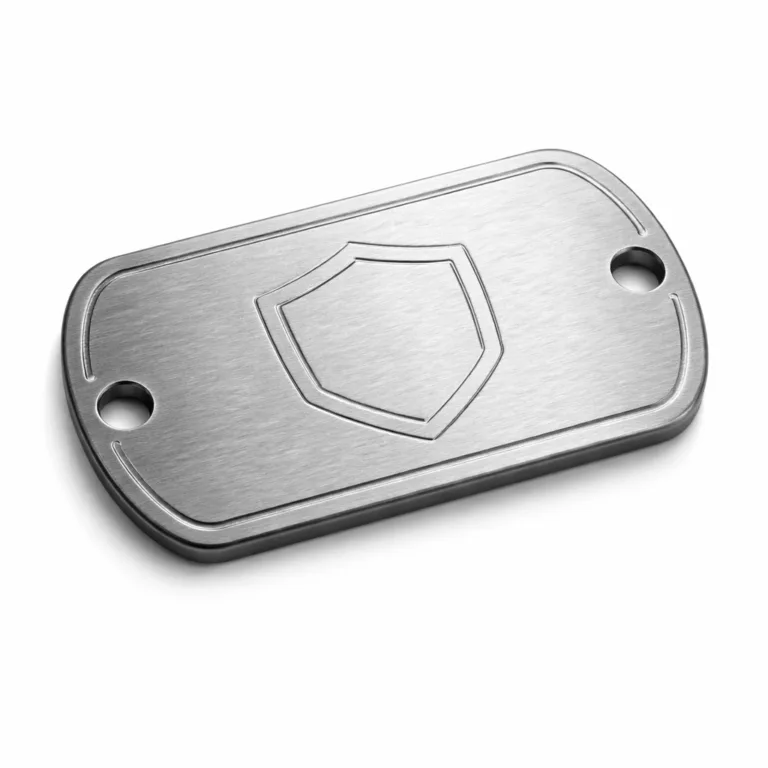
For brands with storytelling at their core, metal tags can be shaped or inlaid to echo visual motifs found across the product line—crests, shields, icons, or even tactile graphics for accessibility. Optimizing design means considering not just looks but context: a marine equipment tag demands rugged resilience, while a boutique fashion piece might emphasize intricate texture and weight in a compact form.
Ultimately, great design for metal tags is about clarity, differentiation, and lasting visual and tactile impression—all driving elevated brand perception.
Durability Testing: Ensuring Longevity of Metal Tags
Ensuring metal tags withstand their intended environments is fundamental to protecting brand reputation. Comprehensive durability testing allows brands to guarantee longevity—meaning details remain readable and presentable throughout years of use.
Key durability tests include:
- Corrosion resistance—Simulated exposure to saline mist (salt spray) for verifying performance in marine or outdoor applications.
- Abrasion durability—Repeated cycles of rubbing or scratching to ensure markings don’t fade.
- UV exposure—Prolonged light testing to check for fading, yellowing, or surface breakdown.
The standards for exposure are often demanding, especially for tags used outdoors or in harsh facilities. Tags for utility poles, outdoor equipment, or process plants may need to withstand years of sun, frost, salt, and impact. Testing according to recognized industry or ISO standards (see this ISO 9001 overview) reassures both engineers and procurement managers.
The impact on brand perception is direct: a tag that corrodes, peels, or fades reflects poorly on the item—and the company—it identifies. For instance, a side-by-side comparison of anodized aluminum tags and untreated brass plates in marine environments reveals that the former retain their color and detail much longer, crucial for safety and compliance labeling.
Suggested durability tests by use case:
| Application | Recommended Test | Comments |
|---|---|---|
| Outdoor & Marine | Salt Spray, UV | Critical for signs, marine gear, bikes |
| Industrial | Abrasion, Chemical | Machinery, process equipment |
| Consumer | Light Wear & Tear | Fashion, keychains, luxury packaging |
Investing in proper testing up front prevents costly brand damage—and assures end-users that your product’s name will stand the test of time.
Industry Applications: Where Metal Tags Shine
Metal tags serve as critical identifiers in industries where brand perception, traceability, and longevity cannot be compromised. From heavy industry to high fashion, the PROMPT “metal tags, brand perception” echoes across a spectrum of use cases where the power of material presence matters.
Industrial Sectors: In manufacturing, logistics, and warehousing, metal tags are used for inventory, asset management, and compliance. Heavy-duty stainless steel asset tags withstand abrasion and chemicals, ensuring that machinery is always traceable—even after years of harsh service. Logistics providers rely on robust metal serial number and QR code tags for fast, error-free tracking and maintenance records.
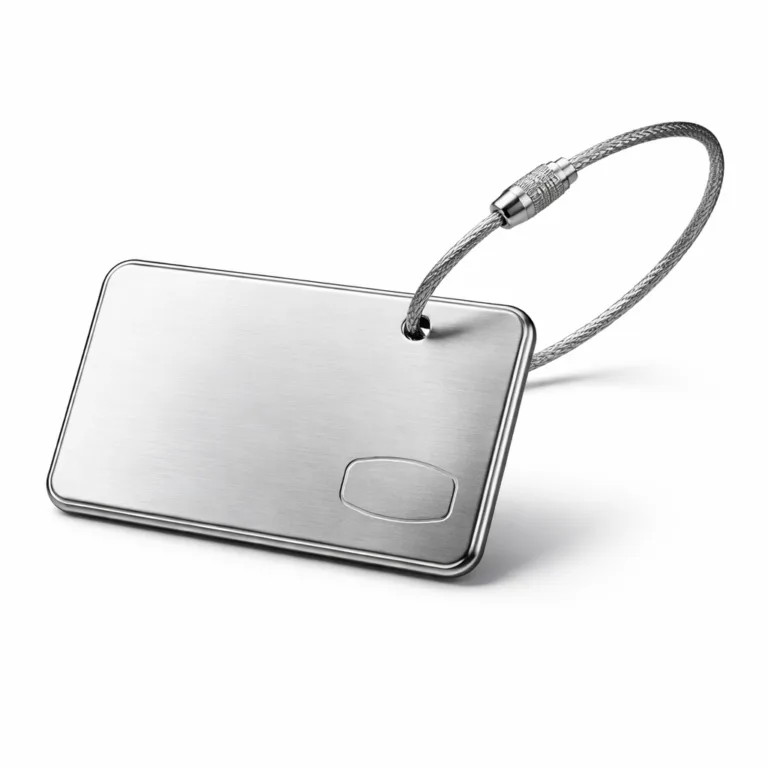
Consumer Products: High-end pet tags, luggage tags, and jewelry feature deep-etched names and logos for both personalization and enduring recognition. Many B2B clients source engraved or stamped luggage and bag tags from luggage tag manufacturers like UC Tag to reinforce their luxury or adventure-focused brand positioning, knowing the tag itself becomes a story for the consumer.
Healthcare & Automotive: In healthcare, metal ID tags offer permanent, sterile markings for instruments and medical alerts. In the automotive sector, heavy nameplates provide vehicle identification and enhance the perceived value of limited-edition models.
Success Story: A global player in the outdoor gear industry shifted from lightweight plastic to custom-shaped, deep-engraved aluminum tags, leading to improved customer trust and fewer lost items during rigorous use. In another example, boutique hotels use heavy, serial-numbered keychain tags to add tangible exclusivity and prevent unauthorized duplication.
Considerations for selecting tags based on industry:
- Harsh environments: Prioritize corrosion-proof materials (stainless steel, anodized aluminum) and deep marking methods.
- Luxury or gift items: Opt for substantial weight, unique shapes, and premium finishes like brass or gold plating.
- Mass tracking: Use machine-readable formats (barcodes, QR) and consider stamping or engraving for permanent data integrity.
Common Mistakes to Avoid in Choosing Metal Tags
The benefits of metal tags are only realized when buyers avoid several common pitfalls during selection and specification. Too often, issues crop up from material mismatches, overlooked attachment needs, and design oversights.
One frequent oversight is choosing materials based solely on cost or visual appeal, rather than environmental suitability. For example, untreated brass, while attractive, may tarnish and become illegible in corrosive environments; similarly, light-gauge aluminum may bend if used on high-impact machinery. The right material must match real-world exposure and handling conditions.
Ensuring readability and visibility is essential. Tags intended for compliance, asset tracking, or safety labeling should use high-contrast markings and font sizes large enough for quick scanning—especially in dim or dirty settings. An error here can render an asset tag ineffective, even if the material is top-notch.
Attachment choices also matter. The wrong adhesive—chosen without regard for temperature, moisture, or surface roughness—can lead to peeling or loss. UC Tag’s production team routinely helps engineers troubleshoot with alternatives such as industrial rivets or screws for rough environments.
Poor design specifications—such as under-specifying thickness, finish, or dimensions—can compromise both aesthetics and function. Rain Chen recommends always referencing environmental tests and requesting physical samples when in doubt. If tags corrode, warp, or detach in the field, the cost to reputation and safety may far outweigh the initial sourcing savings.
- Review application environment with production expert before finalizing material and finish choices.
- Always request a sample when trying a new supplier or specification.
- Align design intent (size, color, readability) to real-world use, not just the drawing board.
An Ordering Guide for Metal Tags
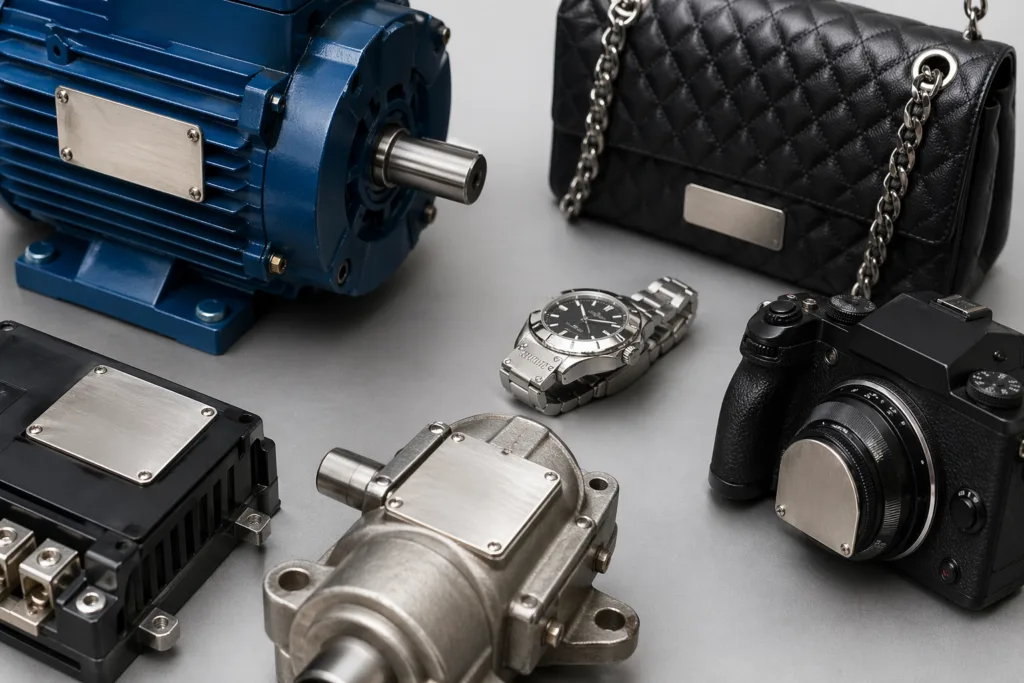
Navigating the ordering process for metal tags can be smooth with upfront planning. The first step is understanding Minimum Order Quantities (MOQs) and associated pricing structures. Most manufacturers, including established suppliers like UC Tag’s custom metal tag solutions, set MOQs for custom shapes or finishes—typically 100 to 500 pieces—but the specifics depend on process and complexity.
Production lead times vary. Standard engraved aluminum tags may be ready in two weeks or less, while complex, multi-process tags (like dual-plated, deep-etched brass) may take four to six weeks. Rush orders are sometimes available for a fee. Transparent communication about timelines, finishing options, and logistics is key to meeting launch dates.
Best practice: always submit high-resolution artwork and a detailed proof, specifying dimensions, color Pantones, finishes, and all necessary attachment specs. Sampling is strongly advised for quality assurance—most reputable suppliers offer physical or digital samples before proceeding to mass production (order samples here).
When shipping bulk orders, consider packaging needs. For heavy or delicate tags, custom trays, padding, or reusable containers may prevent scratches or deformation. Factor this into total landed cost and storage planning.
| Step | Action | Tip |
|---|---|---|
| 1 | Confirm exact specs (size, thickness, finish, attachment) | Ask for manufacturer design checklist |
| 2 | Request quote and timeline with MOQ info | Identify if prototypes or samples are needed |
| 3 | Submit artwork for proof approval | Use vector files for best clarity |
| 4 | Approve samples or physical mock-ups | Test in intended environment if possible |
| 5 | Finalize production and arrange shipment | Confirm packaging and delivery method |
Frequently Asked Questions
What materials are best for outdoor use?
Stainless steel and anodized aluminum are ideal for outdoor metal tags due to their superior corrosion resistance, durability, and ability to maintain clear markings in harsh environments.
How do I ensure my logo looks good on a metal tag?
Submit a high-resolution vector file of your logo and choose an engraving or etching method that matches the tag’s finish; always review a proof or physical sample to confirm details and contrast.
Can I get custom shapes for my tags?
Yes, most tag manufacturers offer custom die-cut shapes for metal tags, and you can specify size, cut-outs, and design features; just be aware of minimum order quantities and tooling fees.
What is the difference between engraving and etching?
Engraving physically removes material with a tool or laser, creating deep, tactile marks, while etching uses chemicals to dissolve specific areas, allowing for finer and more detailed designs but with less depth.
How should I maintain my metal tags?
Clean metal tags with a soft, damp cloth and mild detergent; avoid abrasive scrubbers, especially on plated or coated surfaces, to preserve readability and finish for as long as possible.
Why is weight important for my branding?
Heavier metal tags subconsciously signal quality, durability, and authenticity to end-users, boosting brand perception and helping your products feel more premium and reliable.
Related Reading
- See why thickness and weight directly boost perceived brand value
- Discover the pros and cons of stainless steel vs aluminum tags for your project
- Find out if brass is the top choice for pet tags and luxury branding
- Learn how ISO 9001 impacts reliable metal tag manufacturing
- Get practical tips on dog tag design for maximum readability and durability