Introduction to Brass Dog Tags for Pets
Choosing the right pet identification is more than a trend—it’s a crucial decision for both safety and style. Brass dog tags for pets have become a sought-after option for brands and owners who want reliable, attractive identification that stands out from common alternatives.
The vintage appeal and distinct luster of solid brass draw attention, while its substantial feel signals premium quality. Importantly, opting for the proper material, like brass, affects not just aesthetics but also the tag’s durability and your peace of mind. Whether you manage a pet brand or purchase in bulk for a boutique, understanding why brass dog tags for pets are gaining popularity will help you make a smarter selection.
Definition and Basics of Brass Dog Tags
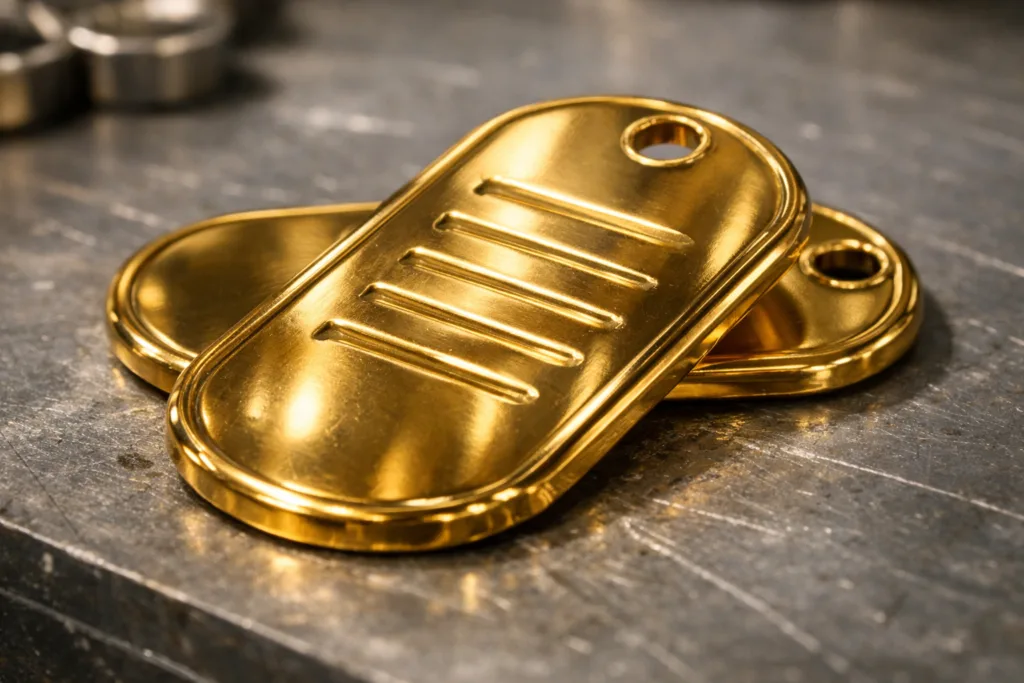
Brass id tags are crafted from an alloy primarily composed of copper and zinc, prized for its golden tone and tactile weight. In pet applications, brass is used because it’s malleable yet resilient, making it ideal for stamping or engraving personalized details.
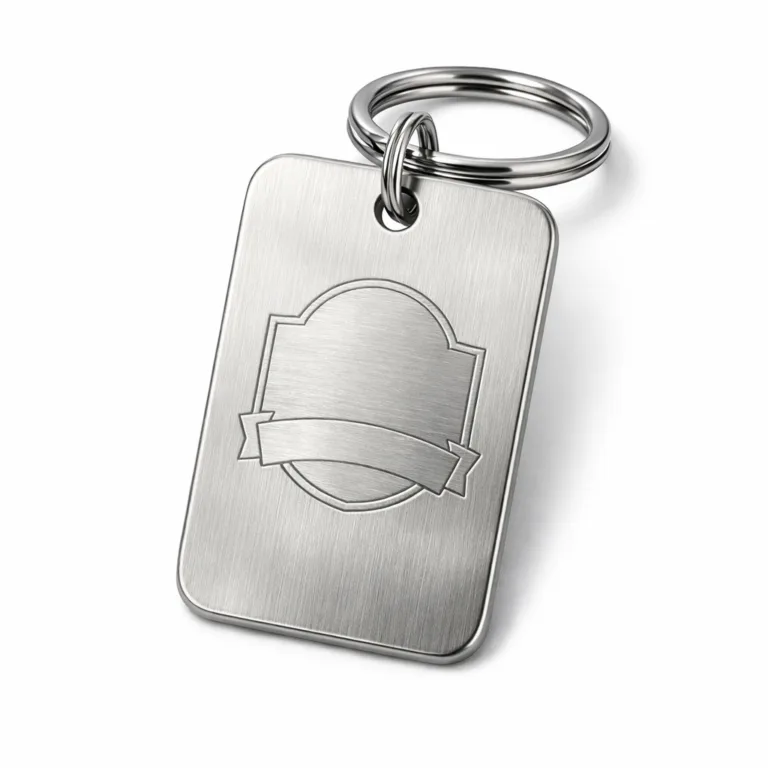
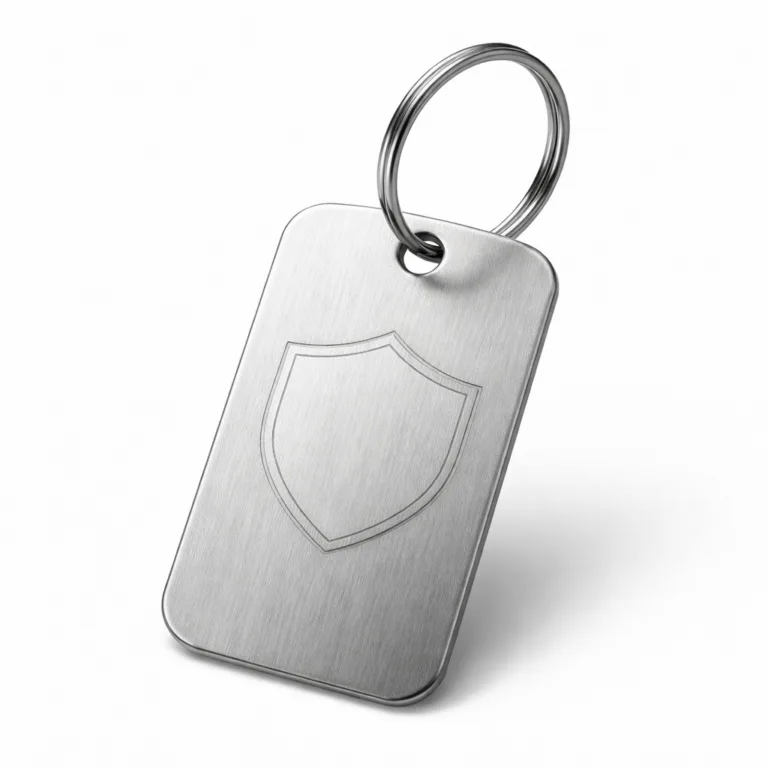
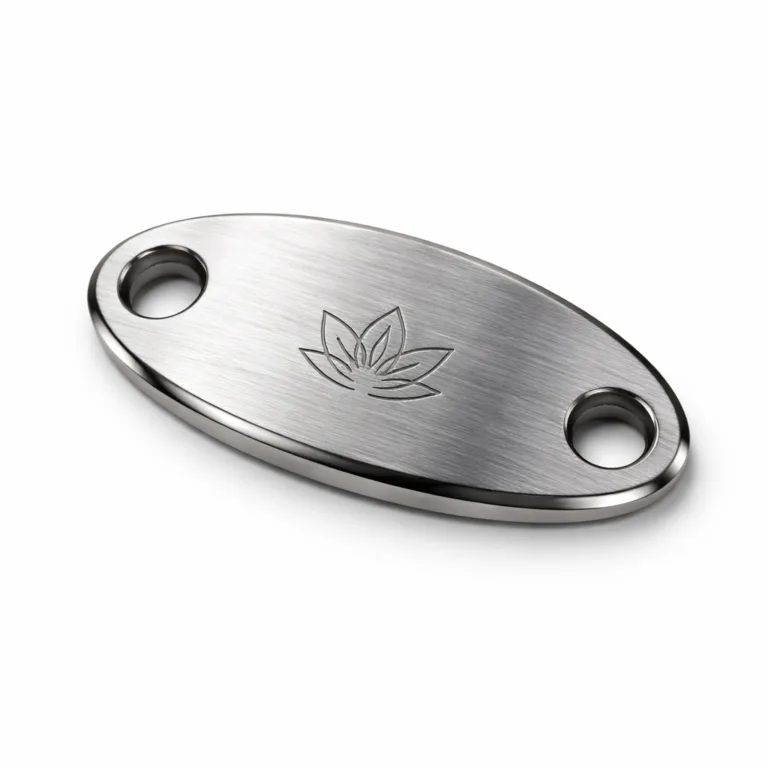
Typical brass dog tags come in a variety of shapes such as bones, circles, rectangles, and shields, ranging from 20mm mini sizes up to 50mm for visibility and branding. The weight of brass means that these tags often feel more premium and substantial than lightweight aluminum, but they’re still comfortable for pets to wear daily.
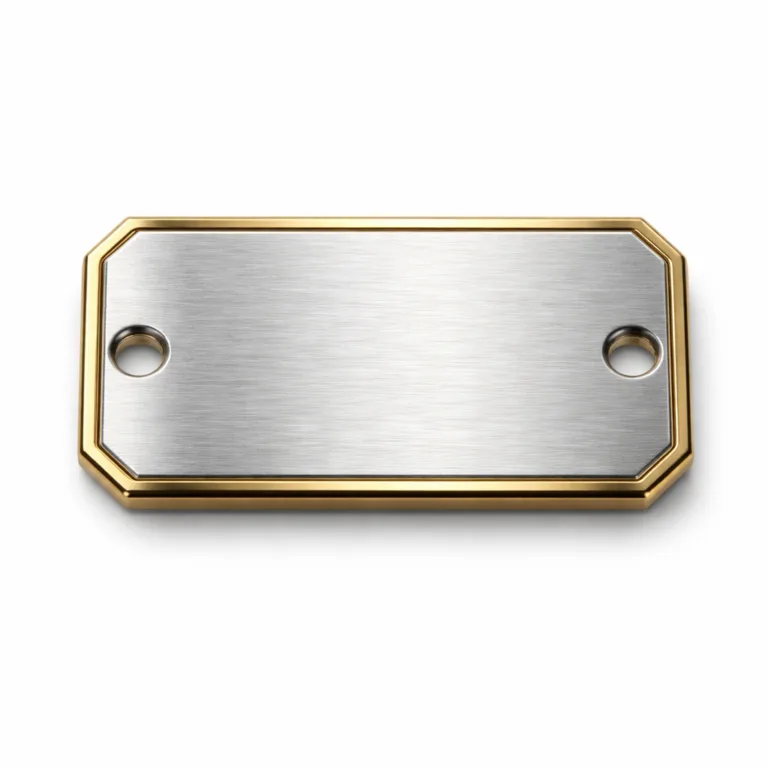
Custom dog tag specifications can vary widely—buyers can request specific sizes, thicknesses (usually 1–2mm for strength), and personal touches like deep engravings or double-sided text. Common features include split rings, rivet holes, and adhesive-backing for versatile attachment. Polished, brushed, or antique finishes let you tailor the look for specific pet and brand aesthetics.
Materials Comparison: Brass vs. Aluminum vs. Stainless Steel
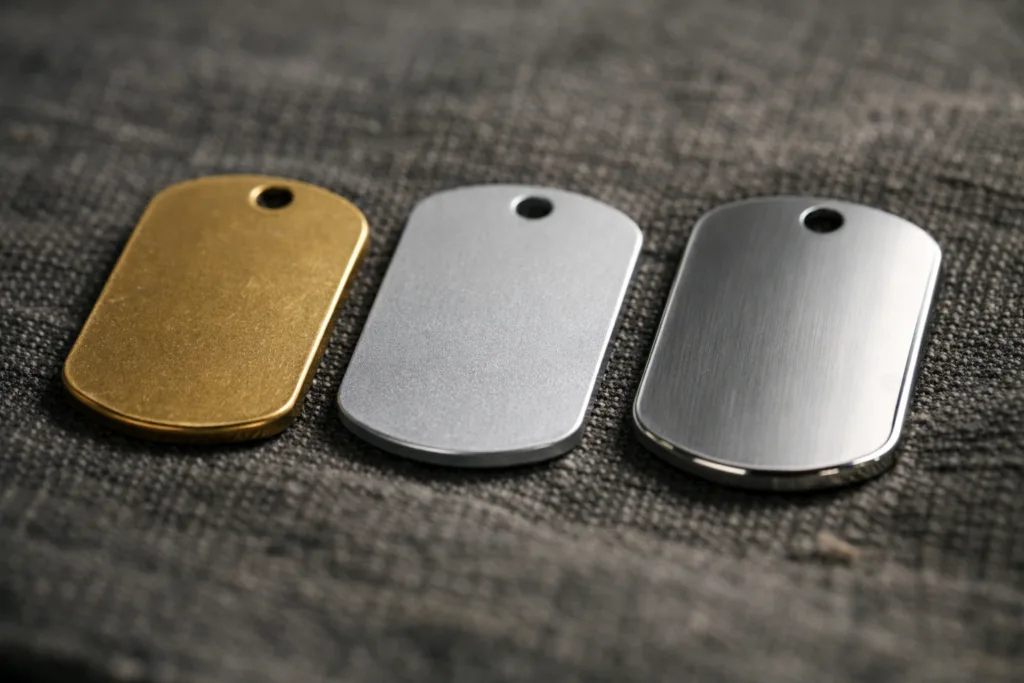
When selecting brass dog tags, it’s important to know how they compare to other widespread materials. Aluminum tags are lightweight and relatively affordable, making them appealing for mass-market applications. However, they can bend more easily and show wear over time. In contrast, brass dog tags for pets possess a satisfying heft and a timeless gold color that signals tradition or luxury—qualities that attract premium pet brands and discerning buyers.
Stainless steel is known for its exceptional corrosion resistance and high durability, which is why it’s often favored for working or very active dogs. Stainless tags are silver-toned and may require less maintenance, but they can lack the distinctive antique or vintage look that brass naturally provides. Both brass and stainless steel engrave crisply, though brass offers a deeper, richer engraving effect which makes details stand out—especially for custom or branded artwork.
Below is a quick comparison overview:
| Feature | Brass Dog Tags | Aluminum Tags | Stainless Steel Tags |
|---|---|---|---|
| Visual Appeal | Golden luster, vintage option | Bright, modern, less premium | Silver, sleek, modern |
| Weight | Medium, substantial | Lightweight | Heavy, ultra-durable |
| Corrosion Resistance | Good (better with coating) | Fair, rustproof but surface scratches show | Excellent, nearly maintenance-free |
| Cost | Mid-High | Low | High |
| Engraving Detail | Deep, crisp, visible | Shallow, can fade | Precise but sometimes less contrast |
Maintenance is another factor: brass requires occasional polishing to prevent tarnish, while aluminum and stainless are less prone to visual changes. Consider your brand’s audience and the real-world conditions tags will face when making your selection.
Manufacturing Methods for Brass Dog Tags
The production method directly influences both look and performance of brass id tags. Engraving and stamping are common—for permanent, readable text, deep laser or rotary engraving works especially well on brass, creating strong contrast and tactility. Stamp pressing is ideal for simple logos or mass production where consistent depth is important.
For detailed graphics, brands may choose chemical etching, which removes precise layers of metal, allowing for fine, intricate artwork. UV printing is another option—applying vivid colored designs atop the brass. This method is great for boutique or commemorative tags, though it’s best suited for indoor or occasional outdoor use, as printed colors may require UV coatings for weather resilience.
Every method impacts durability: deeply engraved or stamped tags resist abrasion and retain legibility over time. For outdoor pets, opt for sealed finishes or anodized coatings which extend the brass’s resilience. At UC Tag, we often advise brands to pair the chosen manufacturing technique with the tag’s primary setting—such as grooming salons (indoor) versus field trainers (outdoor)—to balance performance and aesthetics.
Design & Specification Checklist for Brass Dog Tags
Thoughtful design ensures your custom dog tag balances style, durability, and practical performance. Pre-production specs prevent costly errors. Here’s a quick checklist for buyers and project managers:
- Choose size and thickness based on breed/use (e.g., 25mm x 1.2mm for small breeds, 38mm x 1.5mm for working dogs)
- Select shape to match audience—bone, circle, shield, or unique custom forms
- Finish options: polished for brilliance, brushed for understated luxe, or antique for a vintage vibe
- Engraving: opt for deep, clear fonts with contrasting backgrounds for easy readability
- Attachment method: punched holes for split rings/rivets, adhesive for collars or harnesses, or dual attachment for extra security
- Durability: minimum 1mm thickness and domed or beveled edges to protect against wear
| Spec | Recommended Value |
|---|---|
| Material | Solid brass, C260 or C360 alloy |
| Thickness | 1–2 mm |
| Attachment | Punched hole, split ring, or adhesive |
| Finish | Polished, brushed, antique |
| Tolerances | ±0.1 mm |
| Font Depth | ≥0.35 mm (engravings) |
Refer to this guide to pet tag shapes for inspiration if planning a custom dog tag launch.
Durability and Testing of Brass Dog Tags
Durability is vital for brass dog tags for pets, especially when tags are exposed to playful activities, scratching, and the outdoors. Brass naturally resists corrosion better than plain steel but less so than stainless steel. Applying protective coatings—such as clear lacquer or nickel-plating—significantly boosts its resilience against air, moisture, and salt spray.
Brass also holds up well to abrasion, maintaining readable text and design if engraving is deep. For pets near coastal regions, salt spray testing ensures that the tags won’t corrode prematurely—a standard procedure for B2B buyers serving those markets. UV resistance matters especially for outdoor pets; while brass itself stays stable, printed or colored finishes may fade and require reapplication.
Case studies show brass tags often last five years or more in moderate conditions with basic care. Lifespan ultimately depends on engraving method, coating type, and exposure to harsh chemicals or water. For instance, engraved brass tags used by professional kennel services retain data far longer than painted aluminum tags in the same setting.
Factors affecting lifespan include environment, level of abrasion, finish (polished surfaces can scratch more than brushed ones), and how regularly tags are cleaned.
Industry/Application Fit for Brass Dog Tags
Brass id tags excel in markets where traditional style or premium perception matter. Leading pet accessory brands often choose brass dog tags to evoke a sense of heritage, quality, or luxury—especially for handmade collar lines or vintage-themed collections. Boutique pet stores highlight the antique brass look to differentiate from mass-market tags.
Groomers and kennels also value brass for its blend of function and aesthetics: tags stay legible and resist tarnishing in high-humidity utility rooms, while still matching upscale facility décor. According to feedback, engraved brass tags are favorites among commemorative or memorial lines, where durability and a timeless appearance are essential.
The unique selling proposition for brands lies in customizations—such as exclusive shapes, detailed logo engravings, and deep antique finishes. Some B2B buyers use brass tags as special-edition upgrades or for cross-market applications: high-end luggage, bag tags, or event souvenirs benefit from the same material characteristics.
Beyond pets, find inspiration for elevated branding in custom brass bag tag plates used by luxury brands.
Common Mistakes and Troubleshooting for Brass Dog Tags
While brass dog tags are robust, avoidable mistakes can lead to problems like illegible text or premature rusting. Shallow engraving or light laser marking is a frequent pitfall—details can wear off quickly if not specified deep enough (minimum 0.35mm suggested).
Choosing inappropriate adhesives for outdoor tags is another issue. Use outdoor-rated, UV-resistant adhesives wherever possible; indoor glues will fail when exposed to rain or sunlight. If you notice finish peeling, the culprit is often low-grade lacquer or improper cleaning chemicals. Opt for mild soap and a soft cloth instead of abrasive cleaners or bleach.
To prevent corrosion, periodically polish tags with a brass-safe product and avoid letting the tag sit in standing water. Best practices for longevity include selecting a thicker tag (1.2mm+), using beveled or domed edges, and specifying clear, large fonts. Read more about engraving and finish issues in this in-depth durability guide.
Ordering Guide for Custom Brass Dog Tags
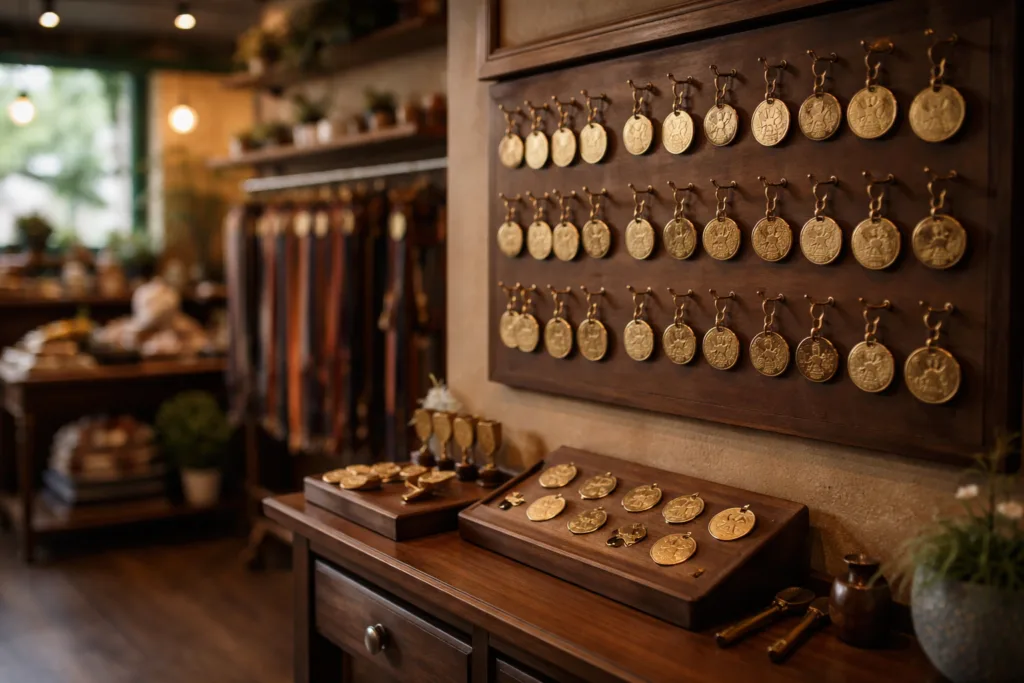
Ordering a custom dog tag at scale requires careful prep. Most manufacturers, including UC Tag, set a minimum order quantity (MOQ) that ranges from 100 to 500 pieces depending on tag complexity and finish. Classic shapes have shorter lead times (7–14 days), while advanced customizations—like cut-outs or multi-layer engravings—may extend that window.
Supplying vector artwork and clear proofs ensures your design transfers perfectly onto brass. Many buyers request a physical or digital sample first—this is smart practice, highlighting potential flaws before full production begins. For B2B orders, packaging options include bulk delivery, individual pouches, or branded boxes, and shipping methods span express to sea freight.
To further streamline your process, see why MOQs matter for custom tags and how to manage approval cycles efficiently.
Frequently Asked Questions
What engraving method is best for brass dog tags?
Deep rotary or laser engraving ensures brass dog tags have highly readable, durable text, while chemical etching is a great choice for logos and intricate designs.
How can I keep my brass tag readable for years?
Choose deep engravings, clean gently with a soft cloth and mild soap, and occasionally polish or seal with a clear lacquer to reduce tarnish and keep details legible.
Can brass dog tags for pets handle frequent water exposure?
Brass tags perform well with sporadic water exposure, but for swimming dogs or coastal use, specify a protective coating to minimize tarnishing and extend tag life.
What’s the best way to attach brass dog tags to a collar?
Use a strong split ring or rivet attachment; ensure the hole size matches the collar hardware and consider dual rings for active pets to prevent tag loss.
Is it possible to customize a brass id tag with a logo?
Yes, custom logos can be deeply engraved, stamped, or etched on brass id tags, allowing brands or pet owners to showcase unique graphics, symbols, or crests.
How does brass compare in weight to other tag materials?
Brass is heavier than aluminum but lighter or similar to stainless steel, offering a premium feel without being overly heavy for most pets or applications.
Related Reading
- Aluminum vs. Stainless Steel Dog Tags: How to Pick the Ideal Material for Pet Safety
- Top-Selling Pet Tag Shapes and When to Use Them for Your Brand
- Design Tactics to Ensure Your Dog Tags Remain Readable and Durable for Years
- Why MOQs Matter: Avoid Unexpected Delays with Smart Custom Metal Tag Planning
- Engraved vs. Printed Dog Tags: Pros, Cons, and How to Choose for Your Application