Introduction to Private Labeling
Private Labeling has emerged as a key strategy for businesses seeking to stand out in a crowded and highly competitive product marketplace. In essence, private labeling involves taking a generic product—one that could be sold under any brand—and customizing it so it carries the unique identity of your company or brand. This approach is especially relevant when the underlying product is similar to those offered by competitors, making differentiation essential for market success.
The driving force behind private labeling is branding. Branding does far more than help consumers recognize your products; it builds trust, creates emotional engagement, and sets your goods apart with visual cues and quality signals. For many B2B buyers, investing in private labeling is ultimately a way to create a coherent story around their offerings.
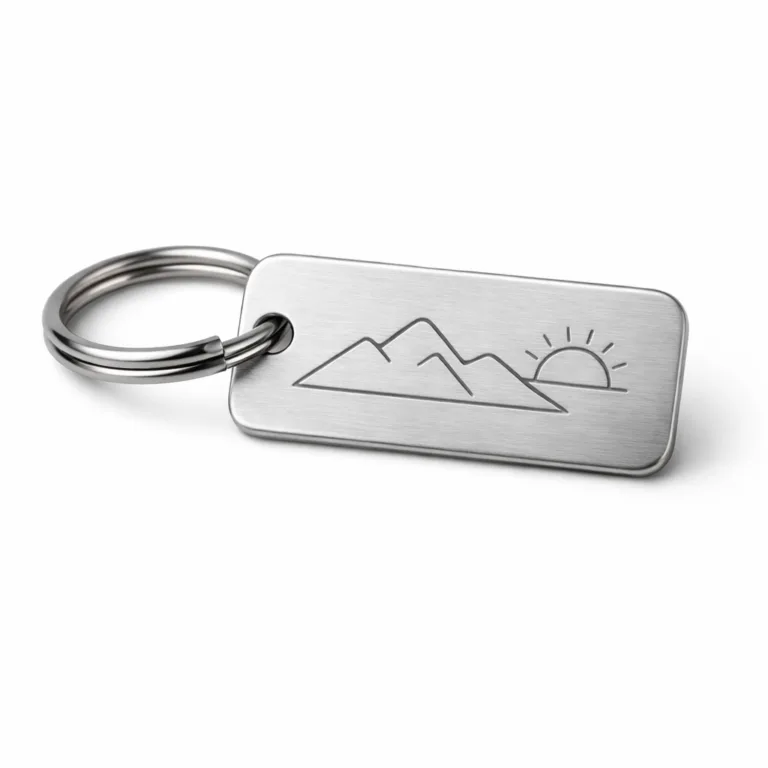
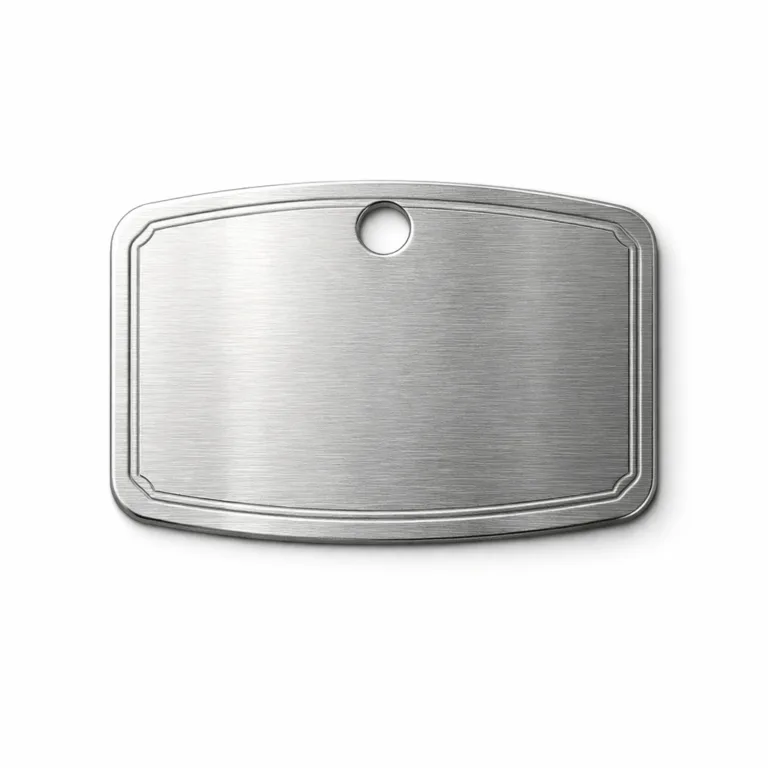
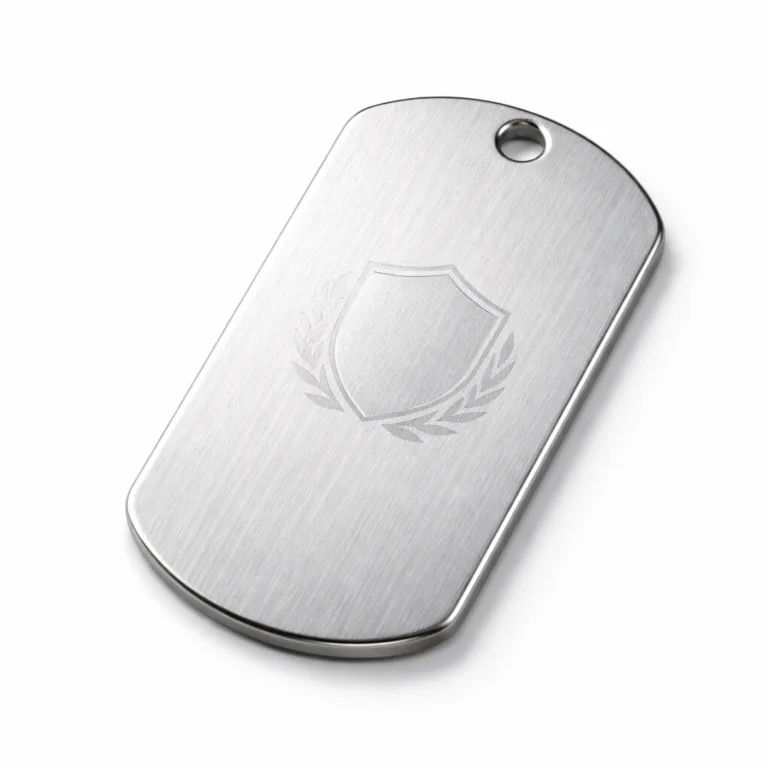
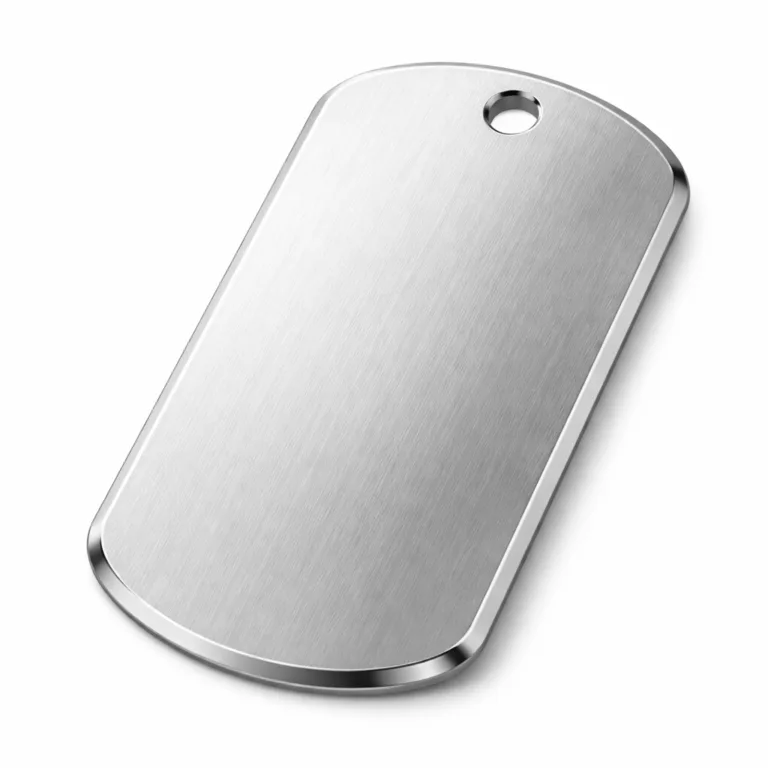
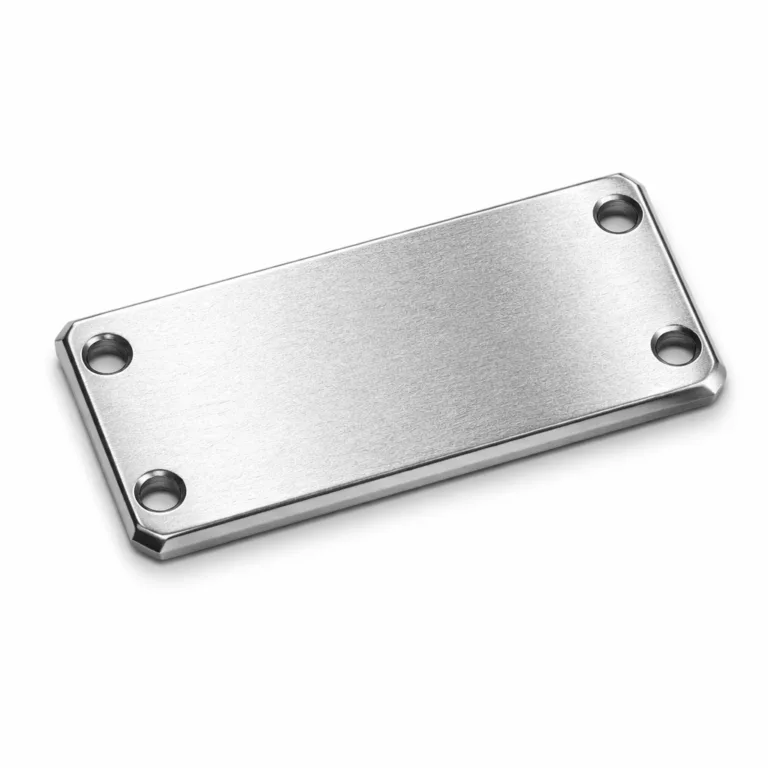
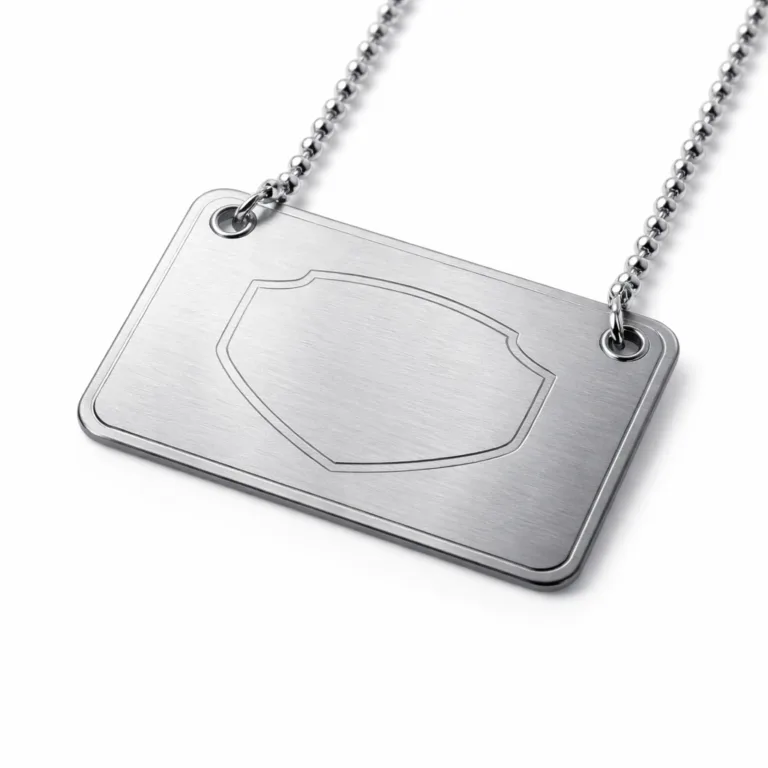
Custom tags are a practical and impactful way to implement private labeling. By adding your brand’s logo, color, or message on a durable tag, you turn an everyday item into one with unique identity and value. Metal tags, in particular, are versatile and offer options for personalization that cover everything from shape and finish to specialized information, such as QR codes or serial numbers.
The popularity of private labeling is growing across diverse industries, including industrial tools, consumer electronics, automotive parts, hardware, and luxury goods. Why? The reasons are clear: improved customer loyalty, expanded market reach, and a lasting impression that supports future growth. In today’s market, buyers and end users alike expect not just quality but also clear, memorable branding—and private labeling with custom tags delivers exactly that.
The Importance of Custom Tags in Branding
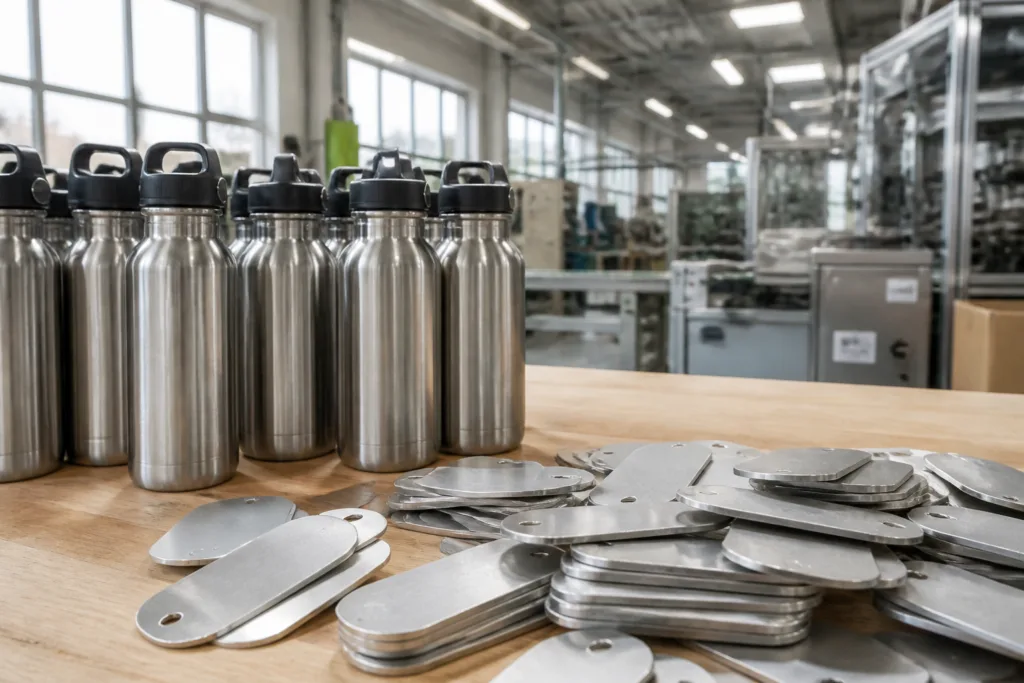
Custom tags are more than just product identifiers—they are tactile, immediate representations of your brand’s essence. When done right, custom tags communicate reliability, style, and values in a way no paper label or printed sticker can match. The feel of engraved stainless steel or the visual depth of an embossed aluminum plate tells your customers that your brand values quality down to the last detail.
Tag design plays a critical role in shaping customer perception. A thoughtfully designed tag attracts attention and plants your logo firmly in the buyer’s mind. This visual signature influences purchasing behavior and can turn a one-time buyer into a loyal customer. The emotional impact of holding a weighty, well-finished tag is considerable; it reinforces the sense that they’ve chosen a premium brand over a nameless alternative.
Consider this case: A leading outdoor gear company switched their generic product tags to custom-etched, anodized aluminum nameplates. After the change, a survey of their customers showed a 22% increase in reported brand recognition and a 15% increase in perceived product value—demonstrating the measurable advantages of investing in custom tags.
The long-term payoff is significant. Consistently using custom tags builds recognition over time, and every customer who interacts with your product becomes a brand ambassador. The cumulative effect boosts loyalty and helps your business become the first choice in its category. Sticker Labels vs. Metal Tags: The Essential Guide to Durable Product Branding breaks down how durable tags support lasting impressions, ensuring your message doesn’t fade away with wear and tear.
- Reinforce brand values directly on the product surface
- Support regulatory compliance and traceability
- Forge lasting emotional connections with end users
- Enable mass customization for limited editions or co-branding projects
- Expand recognition and recall, even across global markets
Selecting Materials for Custom Tags
Material selection for custom tags is a critical decision that affects durability, cost, look, and sustainability. Popular metals for custom tags include aluminum, stainless steel, and brass—each with distinct advantages suited to different environments and applications.
Aluminum tags are lightweight, rust-proof, and cost-effective. They’re perfect for high-volume consumer items, asset tracking, or outdoor gear. Stainless steel tags, while more expensive, deliver unmatched corrosion resistance and strength—ideal for heavy equipment, marine, or industrial use. Brass tags offer a classic appearance and antimicrobial benefits, often chosen for luxury goods, wine bottles, or environments needing a touch of elegance.
| Feature | Aluminum | Stainless Steel | Brass |
|---|---|---|---|
| Weight | Light | Medium | Medium |
| Cost | Low | Medium-High | Medium |
| Corrosion Resistance | Excellent (with anodizing) | Excellent | Good |
| Best Applications | Outdoor, asset labels, mass retail | Industrial, marine, harsh environments | Luxury, wine & spirits, decorative |
| Recyclability | High | High | Moderate |
| Customization Options | Engraving, anodizing, printing | Engraving, etching, stamping | Stamping, engraving, patina |
Industry requirements should guide your decision. For instance, the healthcare sector often prefers stainless steel for its hygienic and non-reactive properties, while promotional companies may select aluminum to control shipping costs. Environmental considerations also matter—both aluminum and stainless steel are widely recycled, supporting green procurement policies.
Always balance lifespan with usage context: lightweight tags suit high-rotation consumer products, while heavy-duty machinery or prolonged outdoor exposure calls for stainless steel. Need guidance? Stainless Steel vs Aluminum Dog Tags: Which Tag Material Is Right for Your Project? offers a detailed comparison tailored to real-world use cases.
Manufacturing Methods for Custom Tags
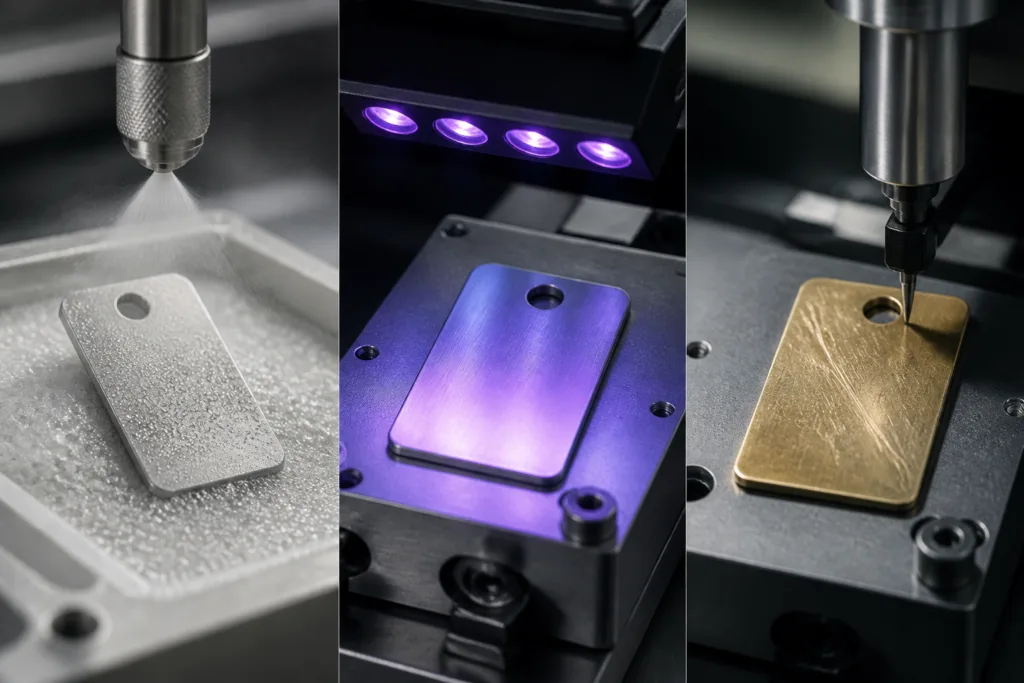
The way custom tags are manufactured has a direct impact on their durability, appearance, and branding potential. Major production techniques include engraving, stamping, chemical etching, and UV printing—each offering unique results based on the application and chosen material.
- Engraving: Provides deep, permanent marks. Suits serialized numbering, high-detail logos, or QR codes.
- Stamping: Ideal for high-volume orders with raised or recessed designs that need to be felt and seen.
- Chemical Etching: Creates precision detail while maintaining smooth surfaces—excellent for intricate branding or multi-color infill.
- UV Printing: Delivers vibrant colors and complex graphics but may require surface protection for harsh environments.
Each manufacturing method affects the tag’s resilience differently. For instance, laser engraving on stainless steel offers decades of readability, even in outdoor conditions. Meanwhile, stamped brass tags communicate luxury and tradition for premium merchandise.
Selecting the right process means understanding your design needs and application. Rain Chen, head craftsman at UC Tag, notes, “The best outcomes happen when your design intent is matched from the start with compatible methods and materials. Over-specifying can inflate costs without adding value, while under-specifying risks performance or legibility.”
Matching methods and materials is vital: engraving pairs well with stainless steel, while anodized aluminum is a prime canvas for vibrant UV prints. Case in point: a logistics firm adopted deep-stamped serial number tags in brass, eliminating confusion from fading ink and boosting audit traceability. For further process insights, see Custom Metal Tag Solutions.
Design and Specification Checklist for Custom Tags
Creating effective custom tags starts with a strong design and careful specification. Overlooking details at this stage often leads to avoidable production issues later. The checklist below outlines what to consider for each project:
| Specification | Recommendation |
|---|---|
| Size | Match industry norms; optimize for visibility without bulk |
| Thickness | 1–2 mm for standard tags; up to 4 mm for heavy-duty |
| Finish | Matte, brushed, or polished—select for intended appearance & feel |
| Holes & Attachments | Rivet, adhesive backing, or chain—choose for environment and handling |
For optimal readability, select clean fonts and ensure strong contrast between text or graphics and the background color or finish. Industrial-grade tags demand precise tolerances, typically ±0.2 mm, to guarantee fit and uniformity during mass production.
Artwork quality is non-negotiable. Always submit vector-based logo files with clear boundaries and adequate stroke weight—this ensures even tiny details are preserved during production. For sample designs and layout ideas, explore the Practical Guide to Designing Dog Tags That Remain Readable and Durable.
Testing Durability of Custom Tags
Ensuring the durability of custom tags is crucial for reliability and compliance. Key testing protocols include:
- Corrosion Testing: Simulates exposure to water, chemicals, or industrial cleaning solutions—especially vital for marine or food-grade equipment.
- Abrasion Testing: Assesses resistance to scratches, wear, and repeated handling.
- UV Resistance: Measures fading or degradation after exposure to direct sunlight—essential for outdoor assets or branding plates.
- Salt Spray Testing: Predicts long-term performance in coastal or road-exposed environments.
Material choice profoundly affects outcomes. Stainless steel excels under harsh UV and chemical exposure. Anodized aluminum resists fading and corrosion but may show wear after extended abrasion. Always request a test sample before full production to confirm real-world performance.
Follow established industry protocols such as ASTM B117 (salt spray) or ISO 9227, ensuring consistency and international acceptance. A leading transit infrastructure firm saw service calls cut by a third after switching to rigorously tested, laser-engraved steel ID tags—proving that upfront investment in durability recoups value many times over. For guidance on processes and standards, reference Why ISO 9001 Sets the Gold Standard for Quality Management in Metal Manufacturing.
Industry Applications for Custom Tags
Custom tags shine across a broad variety of applications—even beyond conventional labeling. Here are six prominent use cases:
- Industrial equipment: Rugged, etched nameplates for machine identification and safety labeling.
- Asset tracking: Serialized barcoded aluminum or steel tags to maintain visibility in logistics and warehousing.
- Healthcare: Stainless steel tags for surgical tools, equipment, and medical devices, supporting hygiene and traceability.
- Consumer goods: Decorative logo plates and brand tags for electronics, sporting gear, and luxury bags.
- Hospitality and travel: Custom luggage tags and keychains for hotel branding, loyalty programs, and event giveaways.
- Wine and spirits: Patina brass neck tags distinguishing club or limited-release bottles.
Each industry sector presents unique branding and compliance challenges. For instance, automotive and aviation tags must withstand tough chemical exposure and are often subject to specific regulatory standards. In healthcare, materials must be hypoallergenic and traceable, while logistics firms need tags that resist harsh transit and abrasion.
Scalability is also vital. Bulk production of custom tags necessitates consistent quality and reliable delivery schedules. For a direct look at how custom tags support rebranding success—including for logo upgrades and compliance needs—see How to Upgrade Your Physical Assets: The Complete Rebranding Checklist for Logo Tags.
Common Mistakes in Custom Tag Implementation
Even well-intended private labeling projects can be undermined by avoidable missteps. The following are common pitfalls—and proven fixes—when implementing custom tags:
- Unreadable Text: Choosing decorative but impractical fonts or placing dark logos on dark finishes hurts visibility. Use clean, contrasting elements and always request pre-production proofs.
- Poor Design Choices: Overly complex designs blur when downsized. Simplify artwork and specify minimum line thicknesses for engraving or stamping.
- Faulty Attachment: Using the wrong adhesive or hardware often results in peeling tags. Select rivet holes or industrial-grade adhesives compatible with your product’s intended environment.
- Ignoring Environment: Failure to account for exposure (e.g., not choosing corrosion-resistant metal for outdoor use) leads to premature wear. Always match materials and coatings to use cases.
The solution? Iterative testing. Build in time for user feedback and field trials before scaling production. Most issues become apparent in the prototype stage, saving the frustration of a failed rollout. For best practices and troubleshooting, see the Tag Solutions resource page.
Ordering Guide for Custom Tags
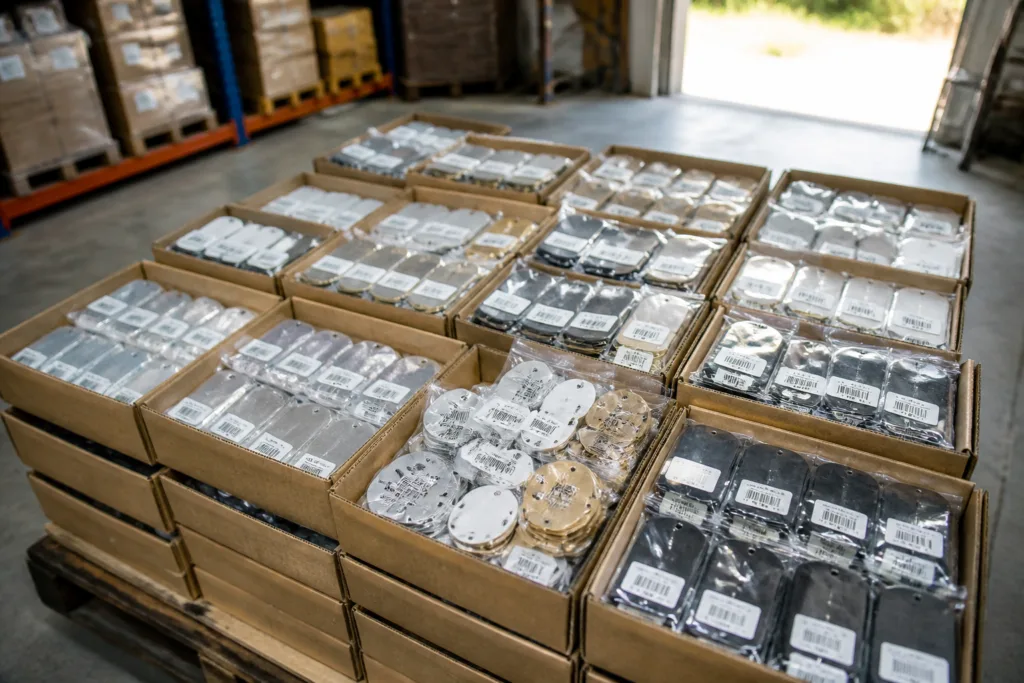
Ordering custom tags can be straightforward with proper planning. Here are the steps to streamline your procurement process:
- Check Minimum Order Quantities (MOQ): Typical runs start at 100–500 units, but some manufacturers cater to smaller test batches.
- Plan for Lead Time: Production usually takes 2–5 weeks depending on complexity and finish.
- Submit Clear Specifications: Precise artwork, material, and attachment requirements prevent costly errors.
- Proofing Process: Always review a physical or digital sample before greenlighting the main batch. This is your quality control checkpoint.
Packaging and shipping matter. Discuss bulk packaging versus individual wrapping based on your warehouse and distribution needs. Bulk orders may offer better pricing, but rush requests often carry surcharges.
If you need assistance clarifying your specs or want sample packs, platforms like Custom Metal Tag Samples can simplify the selection process and help you avoid common sourcing obstacles.
FAQ on Custom Tags and Private Labeling
What is the minimum order quantity for custom tags?
The minimum order quantity varies by manufacturer but typically ranges from 100 to 500 pieces depending on design complexity, with some offering smaller sample runs.
How long does it take to produce custom tags for private labeling?
Lead times usually run from 2 to 5 weeks based on material, finish, and total order quantity, but expedited service is sometimes available for urgent projects.
Which material is best for outdoor or harsh environments?
Stainless steel is optimal for outdoor and industrial use due to its corrosion resistance and strength, while anodized aluminum is also suited for lighter-weight applications.
How can I ensure my tag design is readable?
Use high-contrast colors, simple fonts, and submit vector artwork to the manufacturer; reviewing proofs before full production further ensures legibility and brand clarity.
Are there compliance issues with custom tags for certain industries?
Yes, some industries require materials to be hypoallergenic, food-safe, or traceable; always check relevant certifications like ISO 9001 or material compliance standards.
Can I order bulk custom tags with unique serial numbers or barcodes?
Absolutely—many suppliers can engrave or print sequential numbers, QR codes, and barcodes for asset tracking, regulatory compliance, or anti-counterfeit measures.
Related Reading
- Maximize Customer Loyalty With Memorable Unboxing and Custom Metal Tags
- How to Achieve Luxury Branding on a Budget Using Metal Tags
- Boost Your Brand’s Perceived Value with Heavy Metal Tags: Science-Backed Insights
- Revolutionize Inventory Control with Metal Tags and Sequential Numbering
- Co-Brand Power: Real Examples and Strategies for Dual-Logo Metal Tags
- Meet the Gold Standard: Why ISO 9001 Matters for Metal Tag Quality