Understanding Rebranding and Its Importance
Rebranding is the strategic process of changing a company’s identity elements, such as names, logos, colors, and messaging, to better align with current markets, audience expectations, or business goals. For procurement specialists and engineers, rebranding typically signals an update not only to digital assets but also to physical assets—those touchpoints that shape buyer perception daily.
At the heart of a successful rebranding project is visual identity. Your logo, color palette, and typography appear everywhere—from digital banners to physical products—and contribute to how customers judge quality, trust, and recognition. Logo tags, especially those fashioned from robust materials like metal, are a visible, tactile embodiment of this identity. When deployed across your physical assets, they reinforce consistency and professional presence.
The impact of cohesive physical branding goes beyond aesthetics—customers form quick judgments based on the tactile quality and visual appeal of tags, nameplates, or markers attached to equipment, products, or packaging. Using custom logo tags as part of your rebranding ensures that every point of contact speaks the same visual language, increasing the sense of reliability and elevating brand perception.
Rebranding, logo tags, metal tags, and physical assets aren’t just industry buzzwords—they shape practical outcomes in real-world touchpoints. Aligning these elements as part of a thoughtful brand refresh strengthens your company’s image, especially in competitive sectors where quality and recognizability matter.
The Role of Metal Tags in Brand Identity

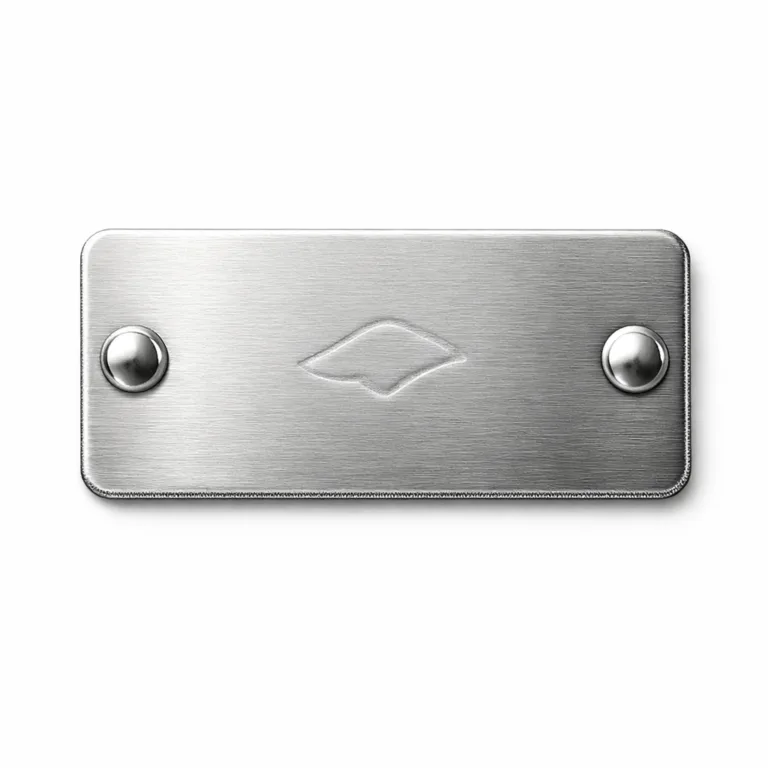
Metal tags are more than product identifiers—they’re symbols of durability and quality. When your physical assets feature logo tags made from expertly finished metal, customers and partners immediately associate your brand with toughness and attention to detail.
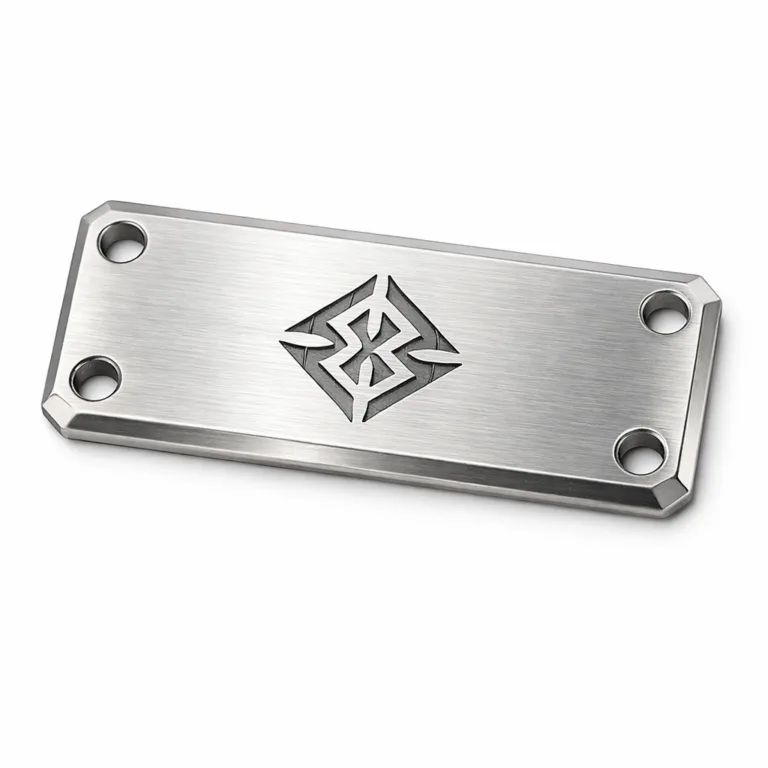
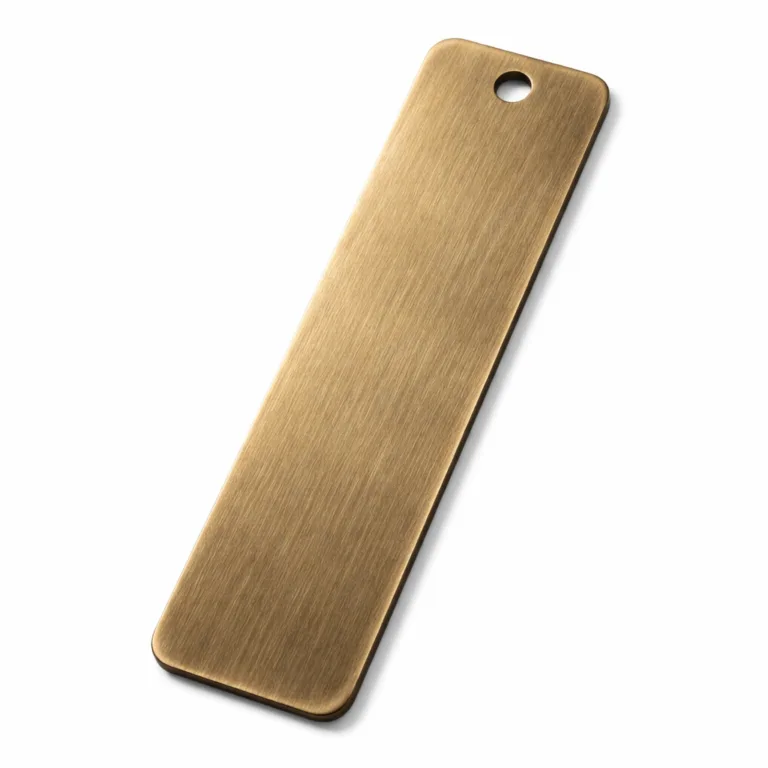
The choice of material and finish for metal tags directly reflects your brand ethos. For example, a matte nickel finish communicates modern minimalism, while antique brass evokes tradition and luxury. The precision of CNC engraving or deep stamping signals rigorous quality control. Industries like manufacturing, logistics, and retail rely on metal tags for traceability, inventory management, and visual branding, underscoring their critical function in everyday operations.
Brand loyalty is also shaped by these tags. Durable, high-quality logo tags stand up to harsh conditions, showing your commitment to longevity and care. Customers and field users routinely interact with these points—whether on equipment, pet collars, or luggage—and their experience influences both trust and engagement.
Take logistics firms for example: rugged metal tags on transport cases improve asset tracking and emphasize operational excellence. In hospitality, customized metal luggage tags enhance perceived value and customer satisfaction. To see how heavy metal tags upgrade your brand’s perceived value, explore metal tags and brand perception. Rain Chen of UC Tag notes, “A tag that survives years exposed to weather, wear, and handling is not just a tag—it’s a promise, quietly kept every day.”
Choosing the Right Materials for Your Logo Tags
Selecting the most suitable material for logo tags depends on environmental demands, visual requirements, and cost targets. Aluminum, stainless steel, and brass are the primary metals for custom branding. Each offers unique trade-offs:
- Aluminum: Lightweight, corrosion-resistant, affordable, versatile in finish and color.
- Stainless Steel: Maximum durability, excellent corrosion resistance, modern aesthetic, slightly higher cost.
- Brass: Luxurious appearance, classic color, medium durability, commonly used for premium items.
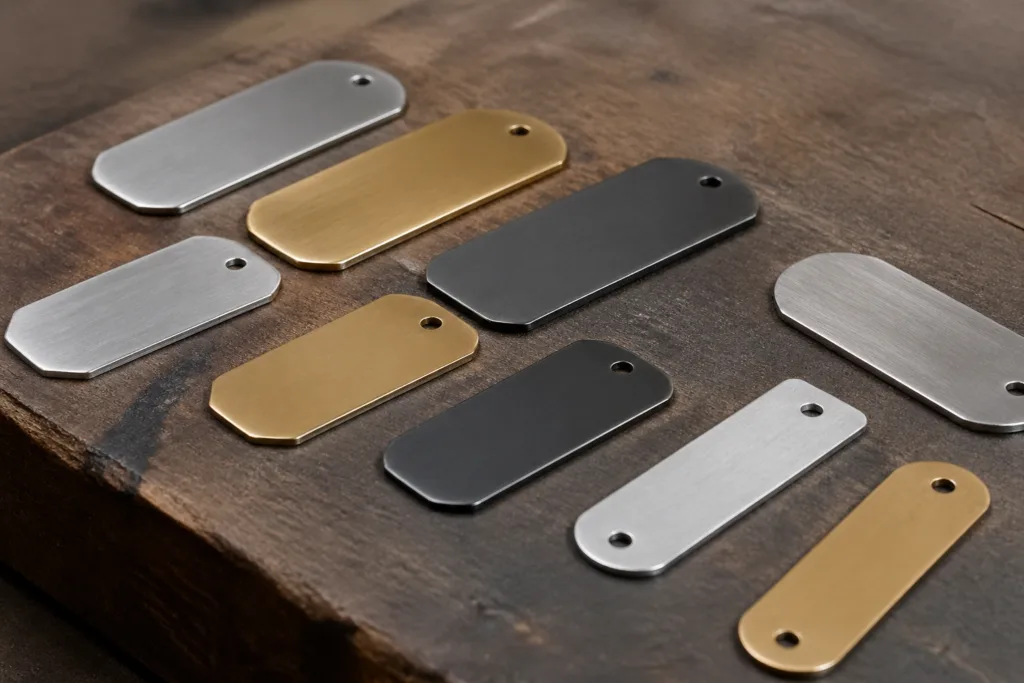
Corrosion resistance is critical in outdoor or harsh environments. Stainless steel tags excel in industrial and marine settings, while anodized aluminum is favored for consumer products and lightweight applications. Brass tags offer unique warmth and color for boutique or upscale branding, but may require more maintenance.
Visual impact matters, too. The finish—matte, polished, brushed, or plated—can align with your brand and complement other hardware. For cost-effectiveness, aluminum is the top choice for large volumes and diverse shapes. When longevity outweighs price, stainless steel leads. Brass strikes a balance for specialized deployments.
| Material | Durability | Corrosion Resistance | Finish Options | Typical Cost | Recommended Applications |
|---|---|---|---|---|---|
| Aluminum | Medium | High | Anodized, painted, brushed | Low | Luggage tags, consumer products |
| Stainless Steel | High | Very High | Brushed, polished, matte | Medium | Industrial, outdoor equipment |
| Brass | Medium | Medium | Antique, polished, plated | Medium-High | Luxury, boutique branding |
For deeper material comparisons and guidance, visit stainless steel vs aluminum tags and brass tag pros and cons.
Manufacturing Methods: Finding the Best Fit for Your Tags
The manufacturing method determines how your metal tags look, feel, and perform. Popular methods include engraving, stamping, etching, and UV or digital printing. Each method balances cost, durability, and appearance:
- Engraving: Offers lasting readability, suitable for serial numbers, logos, and deep marks. CNC and laser engraving both deliver high precision.
- Stamping: Produces raised or recessed designs. Durable and tactile; ideal for mass production. Deep stamping increases thickness and texture.
- Chemical Etching: Allows intricate surface designs, good for fine detail work. Slightly less tactile compared to stamping.
- Printing (UV or digital): Enables full-color designs, but is best for indoor or minimal-wear scenarios.
Durability is shaped by method. For example, stamped and engraved metal tags withstand abrasion and weather much better than printed tags. Appearance also varies: stamping can impart bold textures, while etching offers subtle lines. For budget-conscious buyers, printing delivers speed but may require more frequent replacement.
Recommended practices for application:
- Choose engraving for long-term ID and outdoor use.
- Pick stamping for volume order consistency and rugged branding.
- Opt for etching on luxury or detailed logo tags.
- Use printing for rapid, flexible batches and colorful designs.
Lead times differ: engraving and stamping require longer tooling and proofing stages, but yield more consistent results. Printing and etching are faster, especially for prototype runs. For more on how engraving and stamping methods affect durability, see engraved vs printed guide.
Design & Spec Checklist for New Logo Tags
Design details matter when updating or replacing logo tags across your physical assets. Use this checklist to guide your spec creation:
- Size: Ensure the tag fits your asset without interfering with function or aesthetics.
- Thickness: Choose thickness based on desired weight and durability. Thicker tags feel premium but may increase cost.
- Shape: Custom shapes can highlight your logo, but standard shapes simplify ordering.
- Finish: Select finishes that balance visual appeal and resistance, such as brushed, polished, anodized, or plated.
- Readability: Opt for fonts that are clear and contrast well with the background. Avoid overly decorative scripts.
- Attachment: Specify holes, adhesive backings, rivets, or snap-on designs, depending on the asset’s material and context.
| Spec Item | Recommendation |
|---|---|
| Size (mm/inch) | Match to asset scale; avoid oversized or undersized tags |
| Thickness | 1.0–2.5mm for premium feel; 0.5–1.0mm for lightweight needs |
| Font/Readability | Sans-serif, high contrast preferred |
| Finish | Brushed, matte, anodized, plated |
| Attachment | Holes, adhesive, rivets; select based on asset composition |
Proper specs guarantee not only visual consistency but also ease of installation and durability. For a closer look at hardware color matching, read metal hardware color consistency.
Ensuring Durability: Testing and Quality Checks
Physical assets are exposed to diverse conditions—sun, moisture, abrasion, and chemicals. That’s why durability testing for logo tags and metal tags is essential before full deployment.
Standard tests include corrosion resistance (salt spray and humidity), abrasion (rubbing and scratch tests), UV exposure (simulated sunlight), and adhesion strength (for adhesive-backed tags). Metal tags intended for outdoor use must meet higher thresholds—ensuring they don’t fade, peel, or degrade.
In sectors like logistics or heavy industry, tags are often checked for resistance to solvents and impact. Consistent quality checks, both during and after manufacturing, help maintain brand standards and user safety. Quality management is central to long-lasting physical assets; see ISO 9001 in tag production.
Rain Chen, production craftsman at UC Tag, shares: “When a company’s logo tag is still readable and present after years in the field, it’s the result of rigorous quality checks. Don’t skip them.” Durability directly impacts customer experience, reducing complaints and warranty claims for assets that maintain their branded appearance.
Industry Applications of Custom Logo Tags
Custom logo tags have a wide range of applications across manufacturing, logistics, retail, hospitality, and consumer products. In manufacturing, they distinguish equipment, tools, and parts for easy ID and compliance. Logistics firms use metal logo tags for asset tracking and inventory management. Retailers deploy tags for branding on garments, accessories, and packaging.
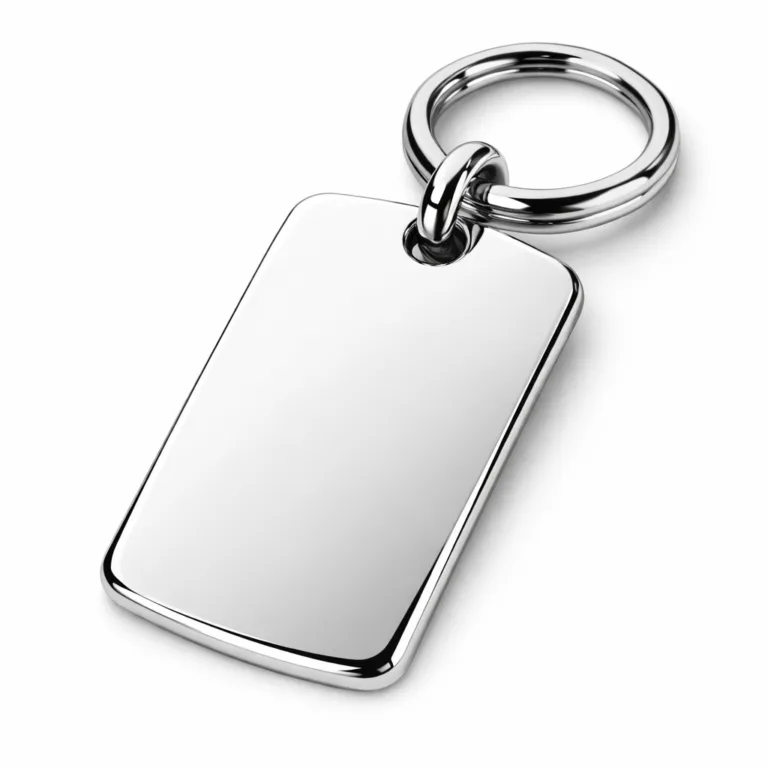
Smaller tags serve as pet IDs, luggage markers, and keychain branding. Premium wine producers may use metal tags for bottle neck branding, while luxury apparel brands select high-polish garment tags for a sophisticated look. QR and barcode integration enables fast asset tracking, anti-counterfeit measures, and smart inventory systems. For practical examples, see asset tracking with serial tags and QR code logo tags.
Case studies highlight how a successful rebranding project can transform perception. After one manufacturer replaced old plastic tags with deeply engraved stainless steel logo plates, warranty claims dropped, and buyer reviews improved for perceived value and reliability.
- Manufacturing: Machine branding, serial plates, compliance ID
- Logistics: Asset tracking, equipment identification, inventory management
- Retail: Garment tags, jewelry plates, packaging logos
- Consumer: Pet tags, luggage tags, keychain branding
- Beverage: Wine bottle tags, club member badges
For custom applications across physical assets, see tag solutions.
Common Mistakes to Avoid When Rebranding with Metal Tags
Rebranding with metal tags is an investment, but mistakes like unreadable text or poor contrast can downgrade brand quality. Avoid these common pitfalls:
- Unreadable font styles (too thin, overly decorative)
- Poor color contrast between text and background
- Inadequate adhesive for the intended application; tags falling off or shifting
- Mismatched material choices—such as brass for marine assets (prone to corrosion)
- Underestimating environmental conditions leading to premature wear
To mitigate risks, always review tags under real-world conditions before finalizing large orders, and consult with experienced fabrication partners. Troubleshooting tag failures can involve evaluating attachment methods, finish flaws, or design oversights. Explore guides on deep engraving techniques and design for readability.
The Ordering Process: What to Expect
Once specs are ready, understanding ordering logistics for new logo tags and metal tags will help you avoid surprises. Minimum order quantities (MOQs) depend on production method and material. Engraved or stamped tags often have higher MOQs due to set-up costs, while printed or etched tags may allow lower thresholds.
Lead times vary by method and finish. Stamping and engraving require tooling, which adds a few weeks; printing can be completed faster but may trade off long-term durability. Providing clear artwork and proofing files (preferably vector format) streamlines approval and reduces errors.
Packaging for bulk orders is usually standardized—tags grouped by type, asset, or serial number for easy distribution. Shipping options can be tailored for rush timelines or budget constraints. For sample requests and standard offerings, check custom metal tag samples and standard samples.
An experienced partner will guide your team from quote to delivery, flagging risk factors and helping ensure brand consistency. For complete ordering guidance, see custom metal tag solutions.
Frequently Asked Questions

What materials are best for durability?
Stainless steel is the top choice for long-term durability, followed by anodized aluminum and brass for specialty or luxury applications.
How long does the manufacturing process take?
Lead times usually range from 2–4 weeks for engraving or stamping, while printed or etched tags can be finished within 1–2 weeks depending on order size.
What are the available finishes?
Finishes include brushed, polished, matte, anodized, plated (gold, nickel), and antique effects, each selected based on brand and asset requirements.
How to ensure good tag readability?
Use high-contrast colors, clear sans-serif fonts, and avoid overly decorative or thin scripts; proof samples under real-world lighting for confirmation.
What options do I have for attachment?
Attachment options include holes for rivets, adhesive backing, snap-on and sew-on designs, and special brackets for equipment or packaging assets.
Can I see a sample of a finished product?
Yes, most manufacturers provide physical or digital samples based on your artwork and specs, often before full production is scheduled.
Summary and Call to Action
Updating logo tags as part of your rebranding gives your physical assets a fresh, consistent identity. The right materials, finishes, and specifications reinforce quality, trust, and recognition across industries.
Evaluate your physical touchpoints—every label, tag, and plate is an opportunity to impress or disappoint. Visual consistency and durability matter as much as digital branding. If you need help selecting appropriate metals and finishes, UC Tag can offer practical options for your application based on real production experience.
Ready to strengthen your brand? Contact UC Tag for a quote or to discuss custom manufacturing capabilities tailored to your physical asset needs.
Related Reading
- How Durable Metal Tags Boost Brand Trust and Perceived Quality
- Choosing Between Stainless Steel and Aluminum Tags for Reliability
- Engraved vs Printed Metal Tags: Finding Your Fit for Longevity and Looks
- Asset Tracking Made Easy with Custom Serial Number Metal Tags
- Ensuring Consistency and Safety: Quality Management in Metal Tag Production
- Unlock Deeper Brand Impact with Deep Engraving and Paint Infill Techniques