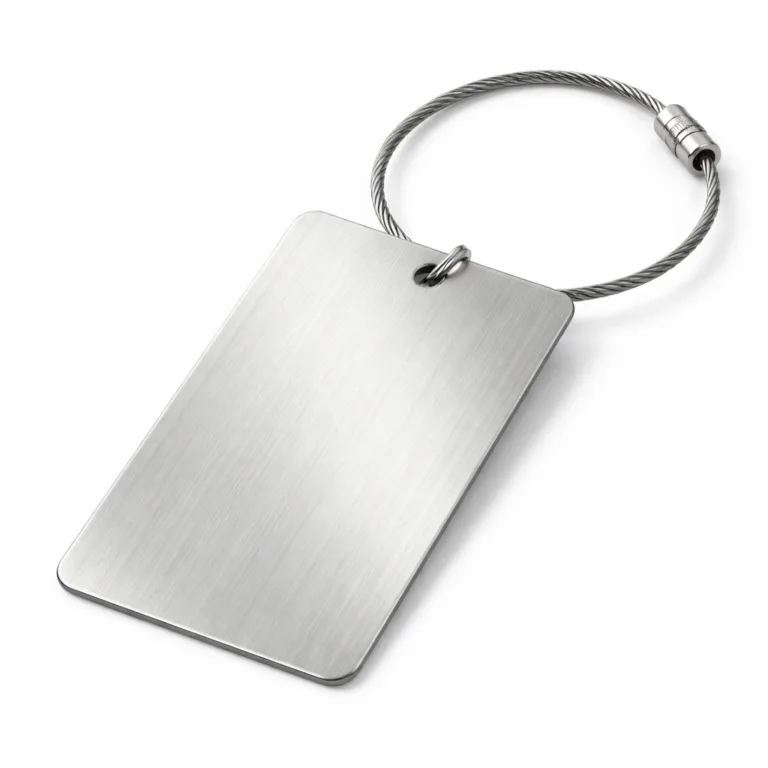
Understanding Branding and its Importance in Metal Hardware
Consistent branding is the backbone of a strong market presence. It means every touchpoint—from digital media to physical assets—delivers the same core identity. For B2B buyers and engineers, this goes far beyond logos on paper; it includes tangible items like metal hardware, where logo colors and finishes reinforce a company’s values every time they’re seen.
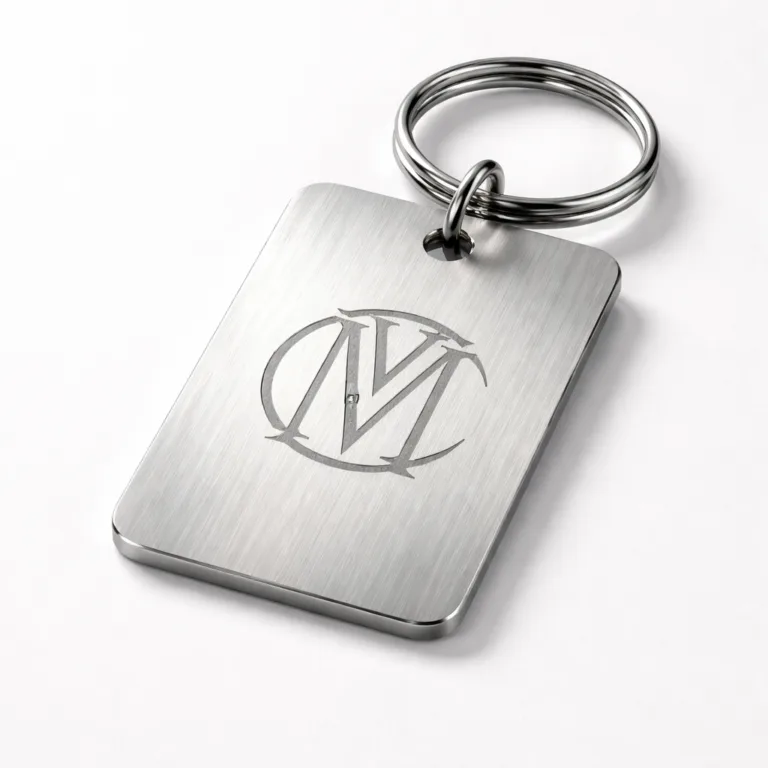
In industrial and commercial settings, branded metal tags serve multiple purposes. They help identify equipment, ensure traceability, and deliver instant validation through visual identity. Matching your metal hardware to your logo colors shows commitment to quality and professionalism. This is particularly important where tags are seen by partners, auditors, or end customers.
Color is central to branding, and its psychological impact is powerful. A business’s choice of logo colors can evoke confidence, trust, and innovation. When translated onto durable metal hardware—such as asset tags or nameplates—these colors become lasting symbols. For example, manufacturers using blue in their logo often select anodized aluminum tags in matching shades to underline dependability. Successful branding can be seen in industries like automotive and electronics, where every visible metal tag mirrors brand standards.
- Brand consistency fosters recognition and trust.
- Metal hardware, from logo plates to luggage tags, reinforces brand professionalism.
- Logo colors influence perception—making color matching crucial.
- Industrial brands benefit from physical assets that reflect their visual identity.
To learn how heavy metal tags affect perceived value, check out metal tags brand perception.
The Psychological Impact of Colors in Branding
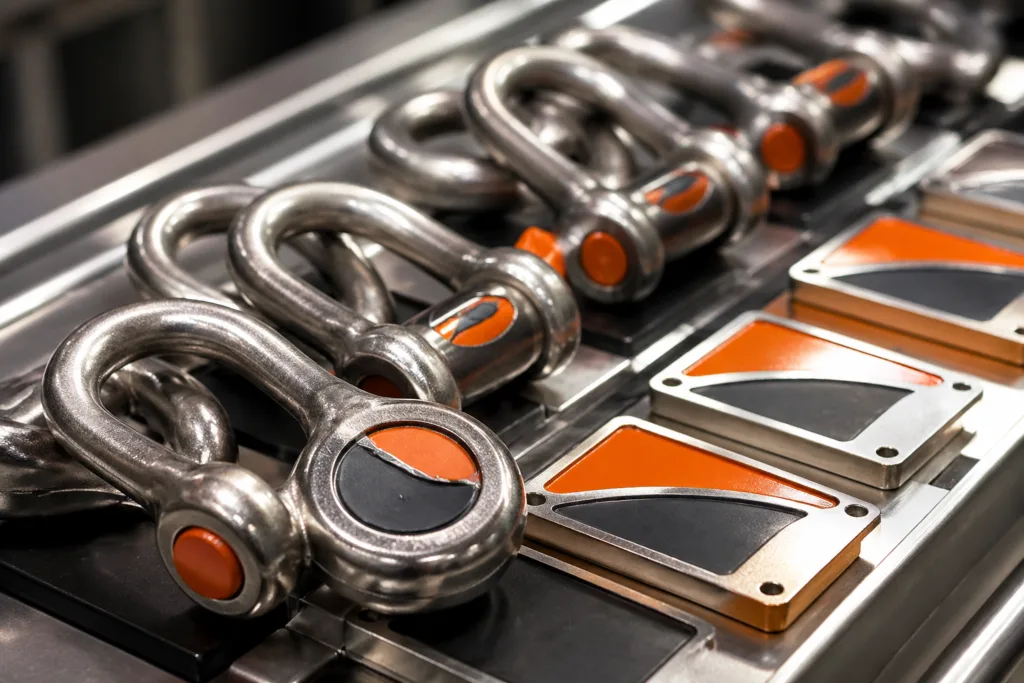
Colors aren’t arbitrary; they trigger emotional and cognitive responses. When selecting logo colors for metal hardware, the right hues can instantly communicate reliability, innovation, or luxury to your clients and stakeholders.
For example, blue is associated with trust and stability, making it a preferred choice for industrial firms and tech brands. Red conveys urgency or passion, and gold signals premium quality. Multiple studies show nearly 85% of consumers recognize brands primarily by color, with misaligned hues causing confusion and diluting the intended message.
Brand attributes like reliability and innovation can be reinforced by the correct use of logo colors on metal hardware. For instance, logistics companies often use green or blue tags to emphasize eco-friendly practices and operational stability. Mismatching colors between your logo and hardware, however, can result in lost opportunities for brand recognition. Consider the rollout of new product lines: consistent color application across all hardware ensures seamless customer experience.
Companies who successfully align their hardware with logo colors include those in hospitality, packaging, and electronics. For example, a premium wine brand uses gold-plated bottle neck tags for luxury, matching their golden logo. This creates unified visual storytelling from the bottle to the shelf. For examples of how ethical sourcing shapes modern metal tag production, visit ethical sourcing conflict-free minerals.
Materials Comparison for Metal Hardware
Aluminum
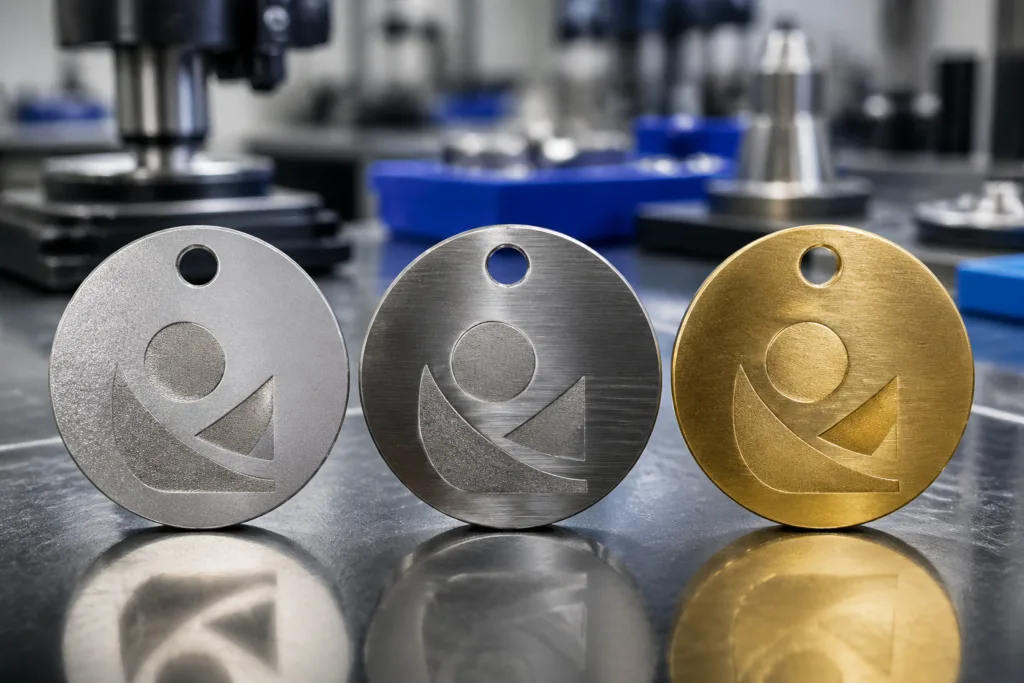
Aluminum is prized for its light weight and corrosion resistance, making it ideal for outdoor hardware. Its surface can be anodized, allowing rich logo colors and durable finishes. Cost-wise, aluminum is usually more budget-friendly for bulk applications.
Stainless Steel
Stainless steel offers superior durability and resistance to industrial chemicals. It’s heavier than aluminum and has a high-end aesthetic, but color application can be limited. Most branding is done via laser engraving, which highlights contrast but doesn’t provide vibrant logo colors.
Brass
Brass is valued for its classic appearance and corrosion resistance. It’s often chosen for tags with intricate designs or when a gold-like finish matches luxury branding. Brass hardware commands a higher price, especially for advanced finishes or custom shapes.
| Material | Durability | Color Application | Weight | Cost | Typical Use Cases |
|---|---|---|---|---|---|
| Aluminum | Very High | Anodizing, UV Print | Light | Low-Moderate | Asset tags, outdoor equipment |
| Stainless Steel | Exceptional | Engraving | Medium-Heavy | Moderate-High | ID plates, machinery, pet tags |
| Brass | High | Electroplating, Enamel, Stamping | Medium | High | Luggage tags, luxury branding |
Every material brings unique trade-offs for metal hardware. Rain Chen, veteran at UC Tag, shares: “We recommend aluminum for high-volume color-critical jobs. Brass is best where luxurious feel matters and stainless for extreme durability.” To compare stainless steel and aluminum dog tags for your project, see stainless steel dog tags aluminum dog tags.
Manufacturing Methods and Color Matching
Engraving
Engraving cuts directly into the metal hardware, guaranteeing permanent marks. However, it doesn’t offer true logo colors unless filled with special paint. For asset tags or industrial branding, deep engraved text remains visible long term.
Stamping and Etching
Stamping presses shapes and textures into tags for tactile branding, while chemical etching creates fine details. Both methods are durable, but color options depend on secondary finishes like electroplating or enamel.
Printing
UV or digital printing enables direct application of logo colors onto metal hardware. This method is best for vivid branding but typically suits indoor applications unless special protective coatings are added.
Production timelines and costs vary; stamping and etching usually require custom tooling, impacting order lead times. Printing is faster but can wear over time in harsh environments unless protected by resin domes or anodizing.
Matching manufacturing choices to branding goals means balancing the need for accurate logo colors with durability demands. For example, stamped and anodized tags keep colors vibrant outdoors, while printed logo tags work for consumer packaging.
- Choose manufacturing method based on environment and branding priorities.
- Engraving offers durability, stamping/etching allows intricate shapes, printing enables color fidelity.
- Production timelines and costs are influenced by complexity and quantity.
For creative engraving techniques, read deep engraving paint infill.
Creating a Design & Spec Checklist
Essential Specifications
When designing metal tags, define the following: material, size, thickness, shape, and finish. Each factor impacts branding efficacy and durability. Logo colors should be specified with Pantone or RGB codes for accuracy.
Readability Factors
- Font style: Sans-serif fonts improve readability.
- Font size: Minimum 6pt for industrial tags, larger for consumer products.
- Contrast: Logo colors must visibly stand out against the metal background.
Practical Considerations
Plan attachment points (holes, rivets, adhesives) based on installation needs. Packaging details, like bulk or retail formats, can shape perceived value.
| Checklist Item | Reason | Specification Example |
|---|---|---|
| Material | Durability & Branding Fit | Aluminum, stainless, brass |
| Finish | Color Accuracy / Corrosion | Anodize, PVD, enamel |
| Size & Shape | Visibility / Compliance | 50x20mm rectangle |
| Font & Contrast | Readability | White text on blue anodize |
| Attachment | Installation & Security | 3M adhesive, rivet holes |
| Packaging | Perceived Value | Retail box, polybag |
| Logo Colors | Brand Consistency | Pantone 295C, Gold |
Every choice—from shape to logo colors—should link back to your brand strategy and application requirements. For dog tags that balance readability and durability, view dog tag ideas examples sample.
Testing Durability and Environmental Suitability
Durability testing is essential before deploying metal hardware in demanding environments. Common tests include corrosion resistance (salt spray), abrasion testing (scratch and wear), UV exposure checks for color fading, and extreme temperature trials.
Outdoor vs. indoor placement dramatically affects how metal hardware performs. Tag finishes that look vibrant indoors may fade when exposed to sunlight or harsh chemicals. Industry standards like ISO 9001 set benchmarks for durability, requiring tags to maintain readability and logo colors after repeated exposure.
Failures often stem from mismatched materials or under-tested finishes. For example, tags in coastal environments may corrode faster if the wrong base metal is used. Conversely, successful tags have passed rigorous corrosion, UV, and abrasion testing, remaining branded and visible for years.
- Spec environmental testing standards upfront.
- Choose metal hardware and logo colors for longevity in real-world conditions.
- Verify quality with batch samples.
For more on quality standards, consult ISO 9001 quality management.
Understanding Industry/Application Fit
Branding with metal hardware varies by industry. Manufacturers use asset tags with matching logo colors for traceability and compliance. Logistics firms rely on ID plates to unify branding across thousands of items. The retail sector leverages branded tags for product marketing and theft prevention.
Use cases differ: asset identification for machinery, logo plates for luxury goods, compliance tags for regulated industries. For instance, equipment in the food and beverage sector needs tags that are food-grade and color-matched for brand trust.
Industrial contexts often require robust tags, while retail branding prioritizes aesthetics. Color choices should meet industry standards—safety equipment often uses high-visibility colors, while luxury brands prefer golds, silvers, and deep hues.
- Manufacturing: ID tags, traceability, compliance.
- Logistics: Asset tags, inventory control.
- Retail: Product branding, security, marketing.
Companies succeeding in this space seamlessly integrate logo colors in their metal hardware, enhancing recognition and compliance. For premium bag tag options, visit luxury brand bag tag.
Common Mistakes and Troubleshooting Tips
Design Mistakes
Unreadable text, low color contrast, and misplaced logos are among the biggest errors in metal hardware design. Skipping these steps weakens branding and can hinder compliance.
Attachment Issues
Choosing the wrong adhesive or attachment method (like rivets vs. 3M tape) can result in tags falling off or being tampered with. Specify attachment options based on surface and environment.
Material Compatibility
Incompatible material and finish choices may lead to corrosion, peeling, or fading logo colors. Always match metal type and coating with your operating conditions.
- Double-check color contrast and font size.
- Test adhesives, rivets, and installation processes.
- Perform batch quality checks during selection.
Learn about cost pitfalls with hidden costs duties taxes setup fees.
Ordering Guide for Metal Hardware
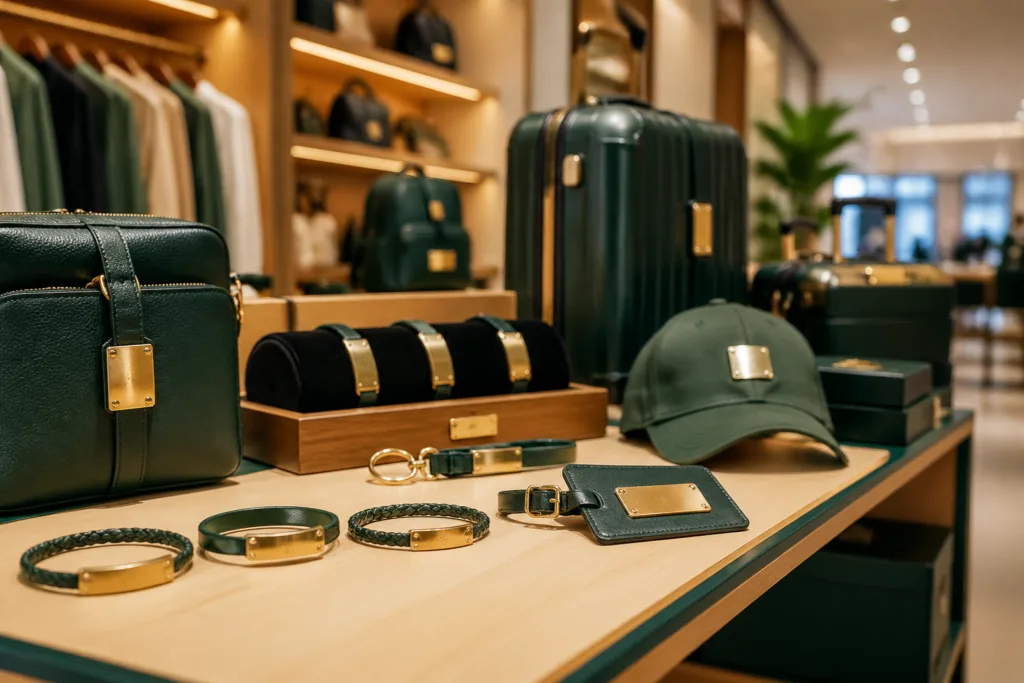
Placing an order for custom metal hardware requires careful planning. Minimum order quantities vary; small runs incur higher unit costs, while larger batches benefit from economies of scale. Lead times depend on material, manufacturing method, and finish complexity.
Accurate artwork speeds proofing and production. Provide logo color codes, tag dimensions, and attachment specs upfront. Packaging matters—bulk shipments are typical for industrial uses, while consumer products may require premium wrapping.
Requesting samples before committing to full production is wise. This allows evaluation of logo colors, hardware durability, and attachment methods. Custom manufacturing lets brands tailor tags to specific applications and consistency needs.
| Ordering Step | Key Tip | Benefit |
|---|---|---|
| Define Quantity | Match to application need | Cost optimization |
| Provide Artwork | Supply vector files & color codes | Color accuracy |
| Packaging Choice | Specify for bulk or retail | Brand presentation |
| Request Samples | Test in real-world conditions | Confidence & quality |
For order optimization, check out bulk discounts quantity thresholds.
Frequently Asked Questions
Which material is best for durable metal hardware in harsh environments?
Stainless steel is generally preferred for its exceptional durability and corrosion resistance, especially in industrial and outdoor applications.
How do I achieve accurate logo colors on metal hardware?
Provide precise color codes such as Pantone or RGB values; choose anodizing, UV printing, or enamel for color fidelity, depending on the base material.
What is the minimum order quantity for custom metal tags?
Minimum orders vary by manufacturer and factory process, often starting at 100–500 units to cover setup and production costs efficiently.
Can metal hardware be used for both branding and traceability?
Yes, tags can be customized with logo colors and serial numbers, allowing dual use for brand visibility and asset identification.
How do I ensure my logo colors won’t fade outdoors?
Select finishes like anodizing or PVD for color durability, and always perform environmental testing for UV and corrosion resistance if exposure is expected.
What mistakes should I avoid when designing branded metal hardware?
Avoid poor color contrast, tiny fonts, improper attachment methods, and mismatched material/finish choices which may result in corrosion or lack of brand cohesion.
Related Reading
- How Metal Tags Influence Your Brand’s Image & Value
- Compare Stainless Steel vs. Aluminum: Smart Tag Choices
- Unlock Creative Engraving & Color Techniques for Metal Tags
- Master Bulk Discounts and Quantity Strategies for Custom Tags
- Learn How ISO 9001 Ensures Metal Tag Quality and Consistency
- Discover the Impact of Ethical Sourcing & Conflict-Free Metals