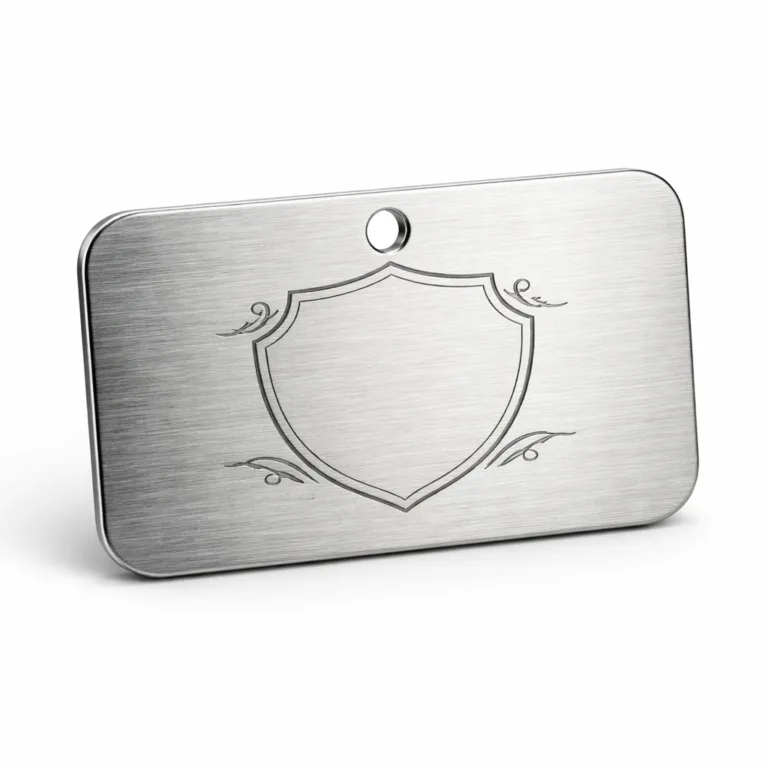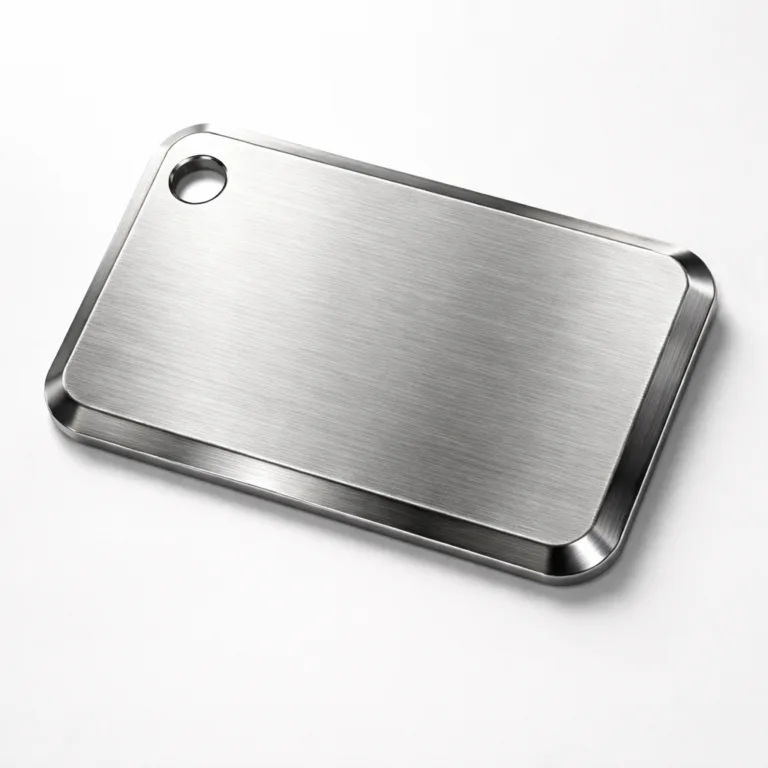
Online shopping has dramatically changed how brands connect with buyers, bringing the unboxing experience to the forefront of customer engagement. As customers open packages and share their first impressions on social media or in reviews, brands are discovering new ways to leave a lasting mark. One of the most effective innovations has been combining packaging innovation with the tactile elegance and durability of metal tags—boosting not only brand identity, but also sparking delight and loyalty.
Understanding the Unboxing Experience
The unboxing experience is the sequence of emotions and physical interactions customers feel when opening an online order. It’s more than a simple transaction—it’s the first real, full-sensory meeting between your brand and the buyer.
In a digital world where physical contact is rare, a memorable unboxing experience can set a brand apart. Studies show that up to 60% of online consumers say packaging influences their purchasing decisions and nearly 40% share unboxing moments on platforms like YouTube or Instagram. When products arrive with thoughtful packaging, customers are more likely to feel impressed and cared for.
Psychology plays a powerful role here. The act of unboxing triggers feelings of surprise and anticipation. Small details—like a branded insert or unique tag—can turn a routine package into a moment of delight. This emotional impact is linked to higher customer engagement and increased brand loyalty.
Brands that prioritize the unboxing experience are rewarded with positive reviews, repeat business, and invaluable word-of-mouth marketing. Many B2B buyers, especially those managing procurement or branding, are now searching for ways to inject durable premium elements like metal tags into their packaging to achieve these effects.
How Metal Tags Enhance the Unboxing Experience
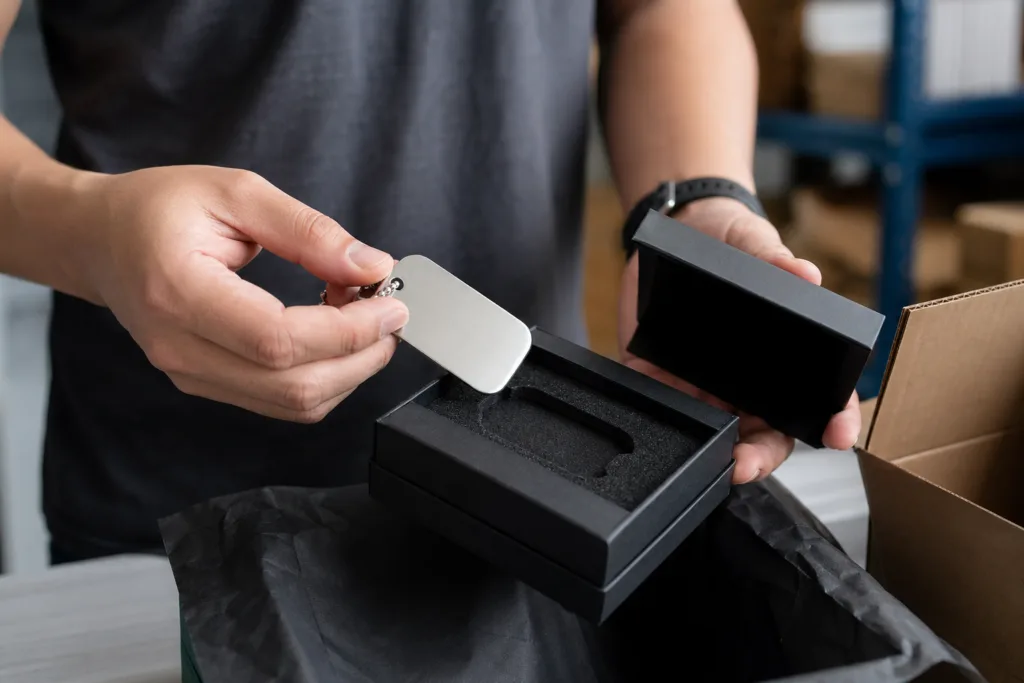
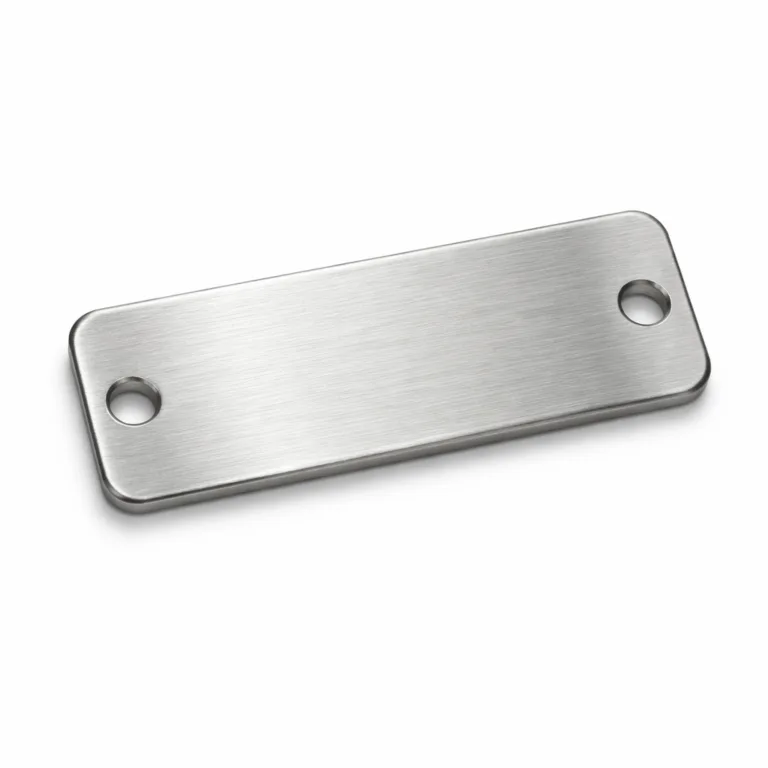
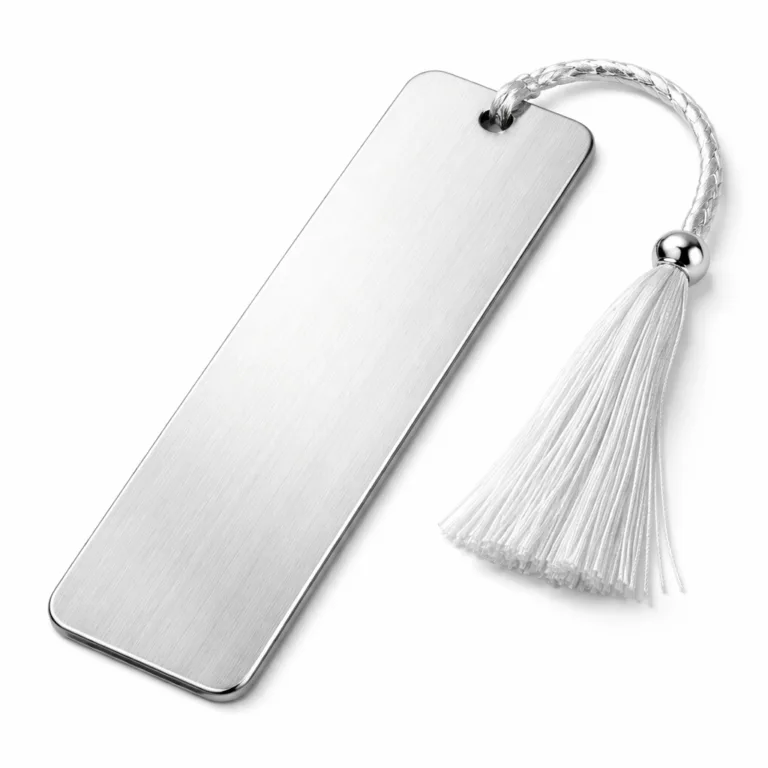
Metal tags introduce new sensory dimensions to the unboxing experience. Unlike paper inserts or stickers, they offer a satisfying weight and a distinct sound as they touch other packaging elements, making the unboxing ritual more memorable.
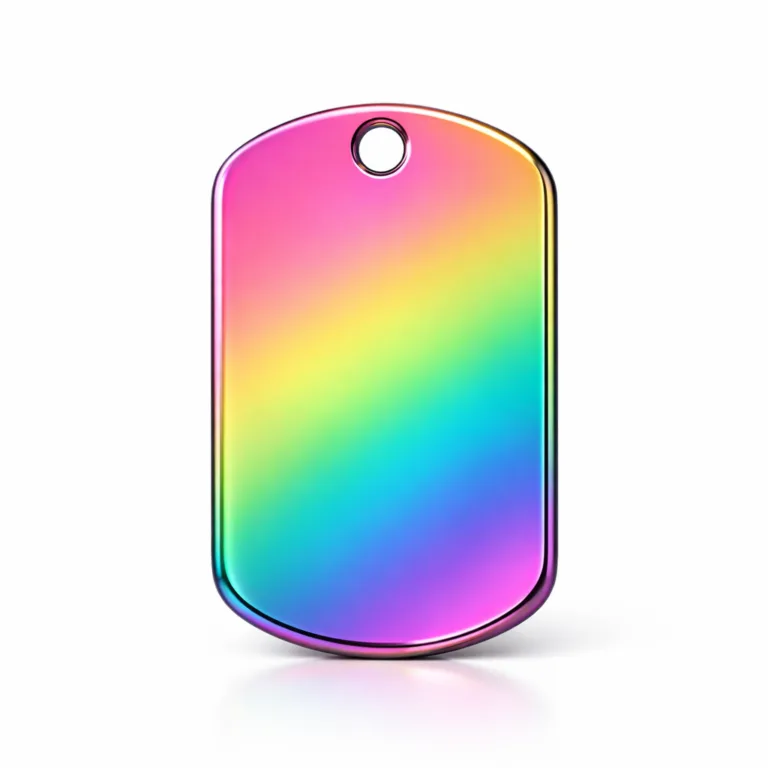
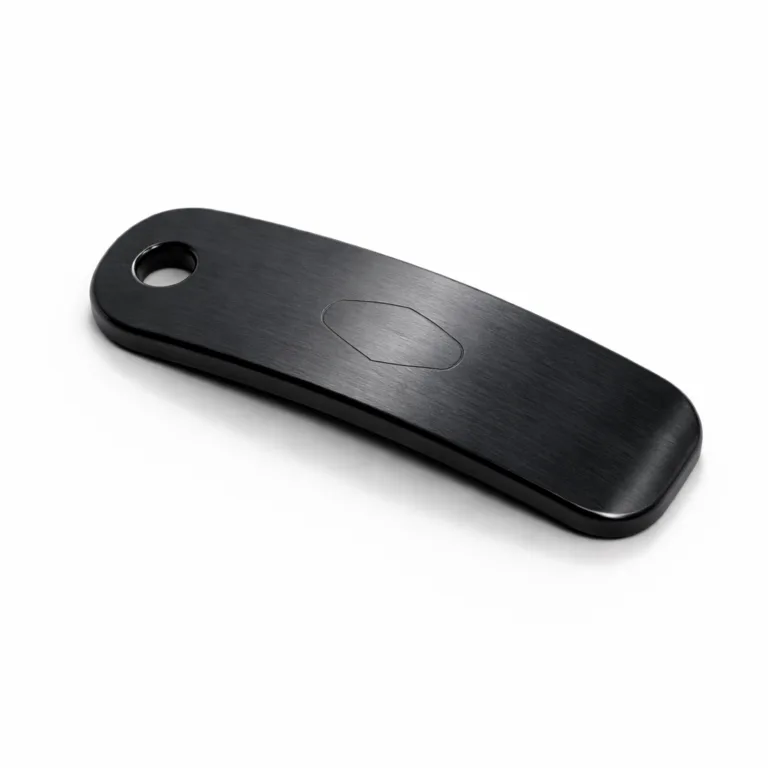
The touch of cold, smooth or textured metal instantly conveys quality. Professional tag designers focus on matching finish, color, and even shape to the brand’s personality. Subtle details—enamel-filled logos, debossed marks, or anodized colors—create a unique display.
- Sound: A soft metallic chime signals authenticity and value.
- Feel: Weighty tags make products seem substantial and premium.
- Visuals: Precision-engraved or embossed design highlights attention to detail.
- Personalization: Names, codes, or messaging can be laser-etched for each customer.
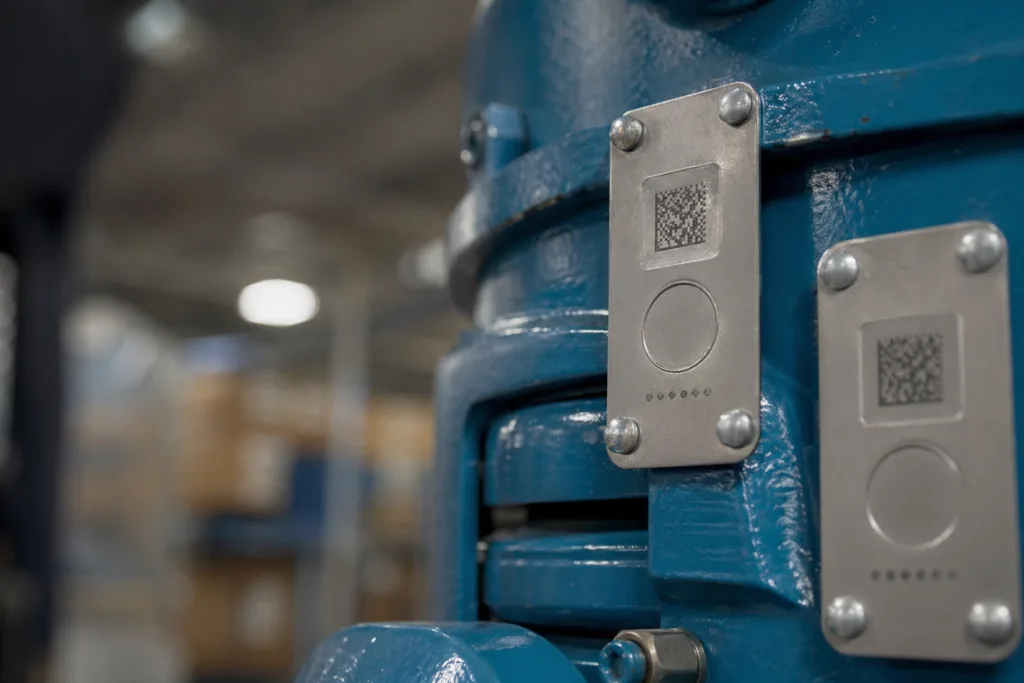
For example, luxury brands use metal tags on garment boxes or bag straps, while tech companies include serial number plates for authenticity. Unique shapes or QR/barcode tags have been integrated into packaging, unlocking digital content or product registration.
Personalized metal tags foster emotional connection, signaling exclusivity and care. This makes customers feel valued, encouraging social sharing and repeat business.
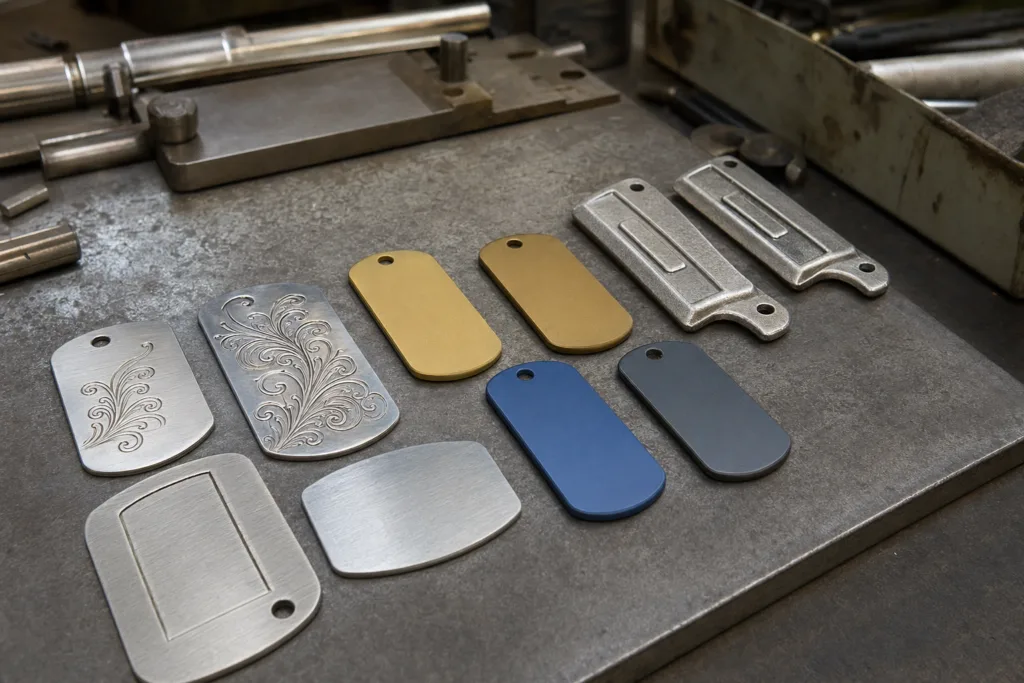
UC Tag has contributed to packaging innovation by offering custom-shaped tags with matte, polished, or anodized finishes tailored for different brand identities. Rain Chen, a veteran craftsman, notes that “true brand value comes from combining precise manufacturing with a tactile surprise—something only metal tags can consistently offer.”
Materials Comparison: Choosing the Right Metal for Tags
Choosing the right metal is vital for both durability and brand identity. Common materials include aluminum, stainless steel, and brass, each with their own strengths for specific packaging needs.
Aluminum is favored for its light weight and rust-proof nature. It’s often used for anodized finishes that resist scratches and outdoor wear. Stainless steel delivers high durability and a sleek look, ideal for high-end, long-lasting tags. Brass offers a warm, vintage appeal and is naturally corrosion-resistant, making it popular in luxury branding and wine tag applications.
There are trade-offs in weight, cost, and appearance. For most B2B buyers, environmental factors are crucial. Stainless steel stands up well to humidity, chemicals, and UV exposure; aluminum thrives where lightness and color variation are desired; brass is chosen for tradition, heritage, or upscale tactile experiences.
Some brands opt for untreated finishes to convey a raw, industrial feel, while others specify anodized surfaces for vibrant color and extra protection.
| Material | Weight | Durability | Corrosion Resistance | Visual Appeal | Cost Range |
|---|---|---|---|---|---|
| Aluminum | Light | Moderate | High (with anodizing) | Wide color, matte/glossy | Low–Medium |
| Stainless Steel | Medium | High | Very High | Polished, matte, brushed | Medium–High |
| Brass | Medium | High | High | Warm gold, vintage | Medium–High |
Brands targeting outdoor applications should look for anodized aluminum or stainless steel. For packaging innovation, brass and custom alloys may better highlight brand identity. Cost considerations matter, but investing in the right metal can reduce returns and boost perceived value.
For reference, see more expert material comparisons in Stainless Steel vs Aluminum Dog Tags: Which Tag Material Is Right for Your Project?.
Manufacturing Methods: Selecting the Best Approach
The method used to produce metal tags shapes their look, durability, and cost. Engraving provides deep, permanent marks ideal for asset tracking and ID, while stamping creates high-volume tags with raised or sunken features. Chemical etching brings crisp details for logos and text without physical depth.
Printing (UV or sublimation) allows for full-color branding but is less permanent outdoors. Buyers should weigh volume requirements—laser engraving suits small, personalized batches, stamping or etching are chosen for larger runs.
- Engraving: Precise, permanent, custom; best for individual tags.
- Stamping: Fast, high volume, bold shapes; limited detail.
- Chemical Etching: Fine details, mid-volume; suitable for logos and serial numbers.
- UV Printing: Colorful, fast, indoor use; less durability.
Permanence and readability also depend on font size, depth, and finish. For outdoor and industrial settings, engraved or deep-stamped tags are recommended.
UC Tag offers an array of custom manufacturing capability, integrating methods like CNC engraving, enamel filling, and die-casting for unique shapes, surface textures, and branded messaging. Rain Chen regularly advises buyers to “match manufacturing method to your brand story—then test for real-life performance before full production.”
For a detailed comparison, see Engraved Dog Tags vs Printed: The Ultimate Durability & Selection Guide.
Essential Design & Spec Checklist for Metal Tags
Designing a metal tag is a practical process. Here’s a checklist for B2B buyers and procurement engineers seeking reliable and effective custom manufacturing capability:
| Spec Item | Recommended Range | Purpose/Trade-off |
|---|---|---|
| Size | 20–65mm | Small for ID, large for branding impact |
| Thickness | 0.8–2.0mm | Thin = flexible, thick = durable |
| Font Choice | 16–24pt, sans-serif | Readability, prevents eye strain |
| Contrast | High (dark/light) | Ensures visibility in any lighting |
| Finish | Matte or Glossy | Matches brand look, reduces glare |
| Attachment | Adhesive backing, rivet holes | Secures tag; choose per surface type |
| Tolerance | ±0.1mm | Keeps quality consistent in mass production |
Using the above checklist helps minimize common mistakes. For color consistency and matching, consider referencing How to Match Metal Hardware to Your Logo Colors for Powerful Brand Consistency.
Assessing Durability and Testing Methods
Durability is non-negotiable for B2B orders, especially with tags exposed to outdoor or industrial environments. Common tests include corrosion (salt spray), abrasion (rub tests), and UV exposure to simulate years of sunlight. Good tags must retain clear readability and physical integrity.
Industry standards often require minimum readings for corrosion resistance and visibility. Outdoor tags must pass accelerated weather testing. Asset tracking tags undergo mechanical abrasion and chemical exposure assessments.
Documenting results with MTBF (Mean Time Between Failures) helps buyers schedule replacements and optimize packaging innovation. It also provides evidence for quality assurance and regulatory compliance.
Rain Chen from UC Tag advises clients to “challenge your tags in real conditions—don’t settle for lab-only specs. A tag’s value is proven outdoors, on the job.” Compliance checks may involve ISO 9001 or food-grade testing for specialty applications (see: Why ISO 9001 Sets the Gold Standard for Quality Management in Metal Manufacturing).
Industry/Application Fit: Use Cases for Metal Tags
Metal tags serve practical functions across many industries, each with specific requirements for durability and brand identity. Logistics companies attach serial number plates for asset tracking. Manufacturers use ID tags for machinery, guaranteeing compliance and traceability. Retailers and e-commerce brands leverage logo plates, QR/barcode tags, and custom-shaped tags for packaging innovation and heightened customer engagement.
Case studies show pet product firms using engraved tags for lifetime identification, luxury brands adopting stamped and plated tags for handbags, and wine producers attaching brass bottle neck tags for club member exclusivity. Creative marketing campaigns have used metal tags as collectible loyalty tokens or interactive packaging elements.
- Asset Tracking: Sequential number tags for inventory.
- Retail Branding: Bag, garment, and keychain tags for upscale display.
- Regulated Industries: Metal tags documenting compliance, safety, and origin.
- Consumer Goods: Pet, luggage, and event tags for personalization.
- Marketing: Limited edition or interactive tags boost word-of-mouth.
In each use case, the right choice of metal tag underpins both product integrity and the emotional power of the unboxing experience. Explore creative shapes for branding in How Custom Die-Cut Shapes Elevate Branding, Packaging & Product Design.
Common Mistakes to Avoid in Metal Tag Ordering
B2B buyers frequently face pitfalls during the ordering and design process of metal tags. One major risk is unclear specifications, which can result in unreadable fonts or weak contrast—ruining brand presentation and customer engagement.
Choosing the wrong adhesive for the intended surface may cause tags to fall or shift, especially on textured or outdoor packaging. Another common mistake is neglecting corrosion resistance; this leads to rapid wear in humid or industrial settings.
Misalignment in manufacturing affects tag aesthetics, creating off-center logos or misstamped numbers. Proper proofing and inspections are vital before full production. Understanding lead times and allowing for pre-production proofs can prevent costly delays.
- Specify clear fonts and size ranges for maximum readability.
- Match adhesive or attachment method to packaging material.
- Request corrosion and durability tests pre-production.
- Review digital or physical proofs for alignment and finish.
- Confirm lead times in advance, accounting for high-volume production.
For deeper insights, see Sticker Labels vs. Metal Tags: The Essential Guide to Durable Product Branding.
Ordering Guide for Custom Metal Tags
Ordering custom metal tags requires a streamlined process to ensure quality and branding consistency. Most suppliers set minimum order quantities (MOQs) depending on the tag size and manufacturing method.
Lead times vary based on production complexity, volume, and current demand. Preparing artwork with vector files and clear specs streamlines proofing. Sampling options (digital or physical) allow brands to review tags before full orders, reducing the risk of common mistakes in mass production.
Packaging considerations include bulk or individually wrapped tags to protect finish and ease inventory. Shipping for metal tags often needs careful stacking and padding to avoid surface wear.
- Confirm MOQs and negotiate for pilot samples.
- Prepare artwork files and review proofs thoroughly.
- Evaluate packaging and shipping needs for tags’ end-use.
- Plan for lead times: 2–6 weeks typical, depending on volume/method.
- Choose custom manufacturing capability to suit brand specs.
See custom manufacturing capability for more on options and technical advice.
Frequently Asked Questions
What are the best materials for outdoor use?
Stainless steel and anodized aluminum are recommended for outdoor tags due to their excellent corrosion resistance and ability to withstand UV and weather exposure.
How do I ensure the readability of my metal tags?
Choose clear, high-contrast fonts (minimum 16–24pt), ensure proper surface finish (matte or brushed), and always proof digital artwork before production.
Can I customize the shape and size of the metal tags?
Yes, most manufacturers offer custom options for shape and size—from classic rectangles to unique die-cut designs, matching the brand’s packaging innovation needs.
What manufacturing methods best fit my budget?
Stamping is ideal for large volumes and lower costs, while laser engraving and etching are better for high-detail, smaller runs; choose based on project scale and tag purpose.
How long will my custom tags last outside?
Properly manufactured metal tags can last 5–10 years outdoors, depending on the material, finish, and environmental conditions; regular durability tests can extend lifespan.
How can I ensure my branding is consistent across tags?
Use vector artwork files, specify color codes, and request pre-production proofs from suppliers to verify logo, messaging, and finish across all tag batches.
Related Reading
- Upgrade Your Packaging: Luxury Branding with Affordable Metal Tag Solutions
- Discover How Heavy Metal Tags Boost Your Brand’s Value Instantly
- Efficient Asset Rebranding: The Complete Checklist for Logo Tag Refresh
- Durable Branding Made Easy: Sticker Labels vs. Metal Tags Explained
- Streamline Inventory: How Metal Tags Transform Asset Tracking & Control
- Creative Custom Shapes: Elevate Your Brand and Packaging with Die-Cut Metal Tags