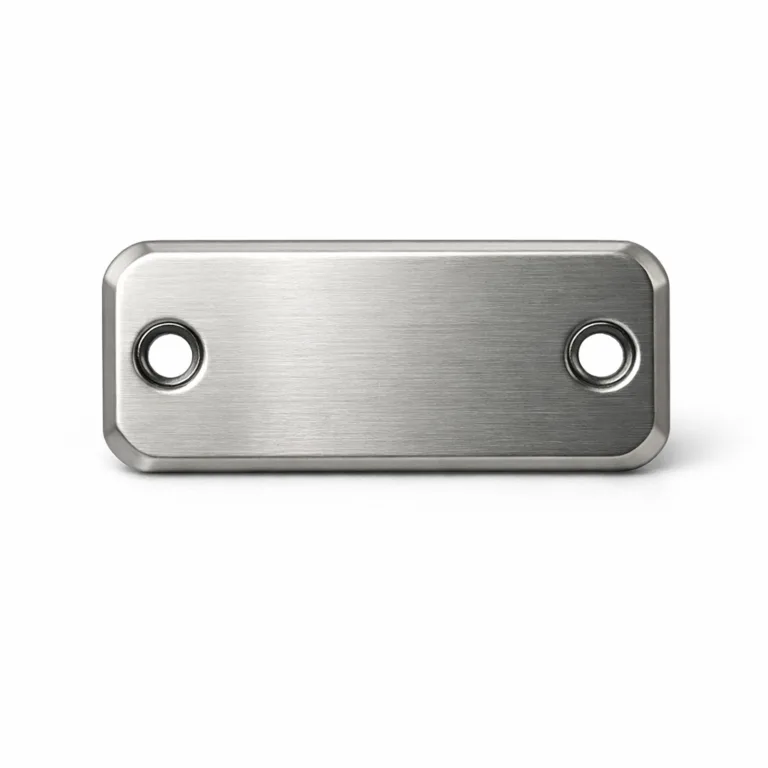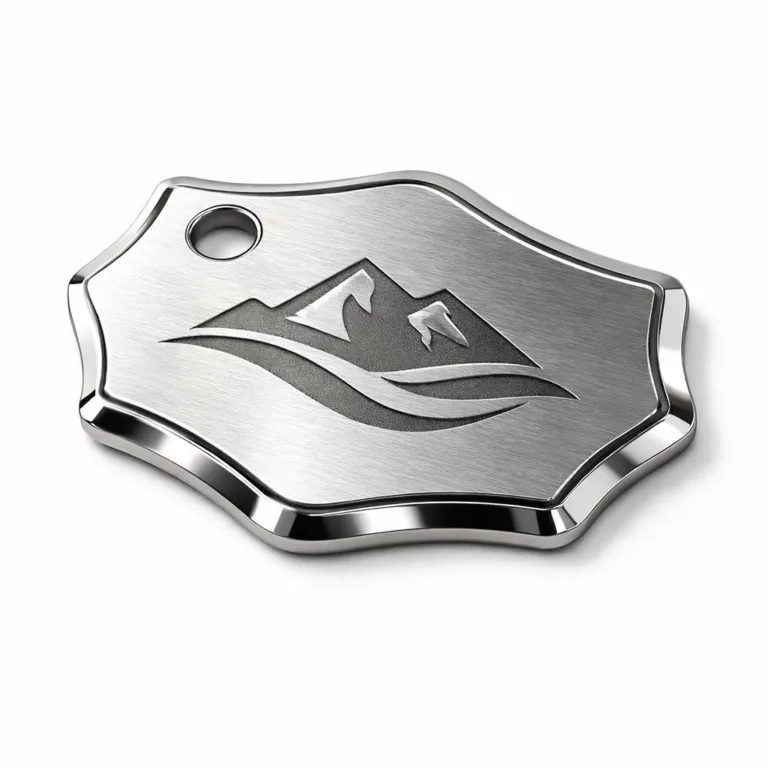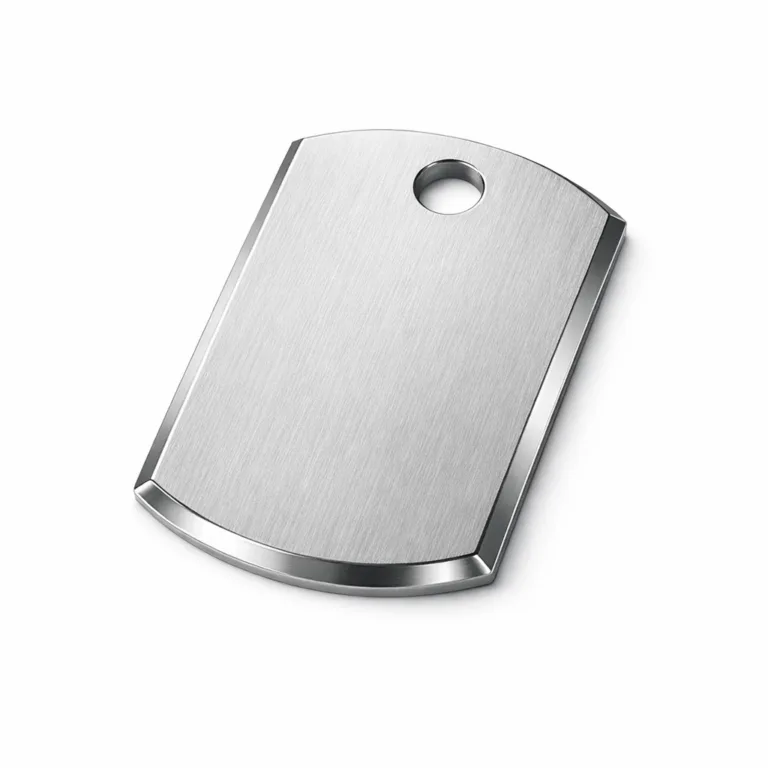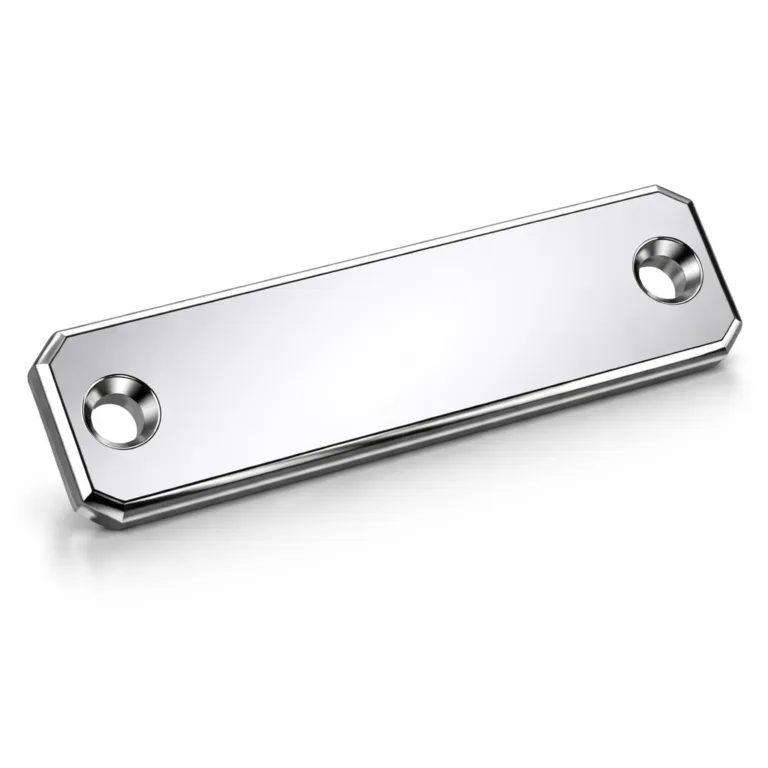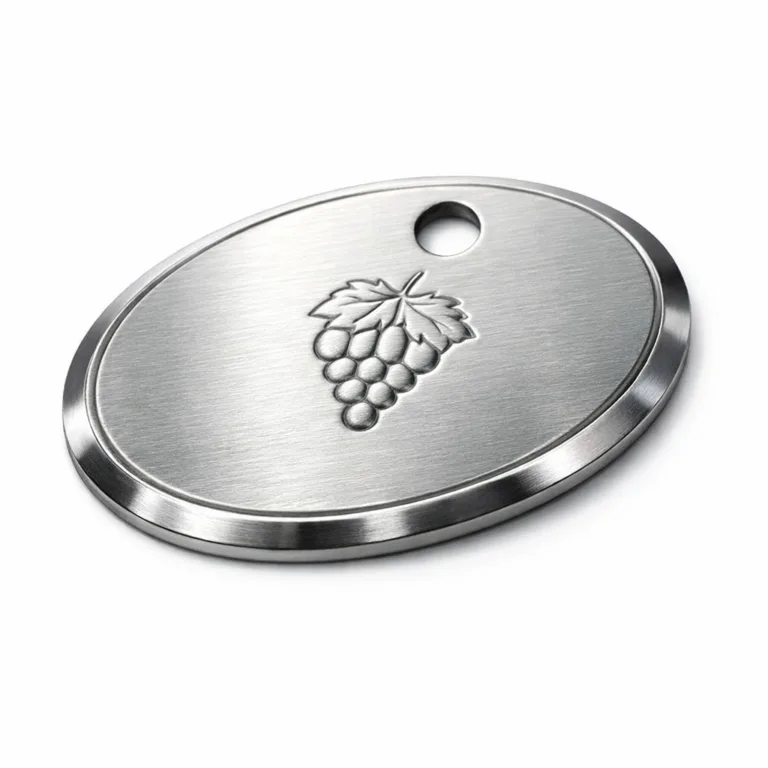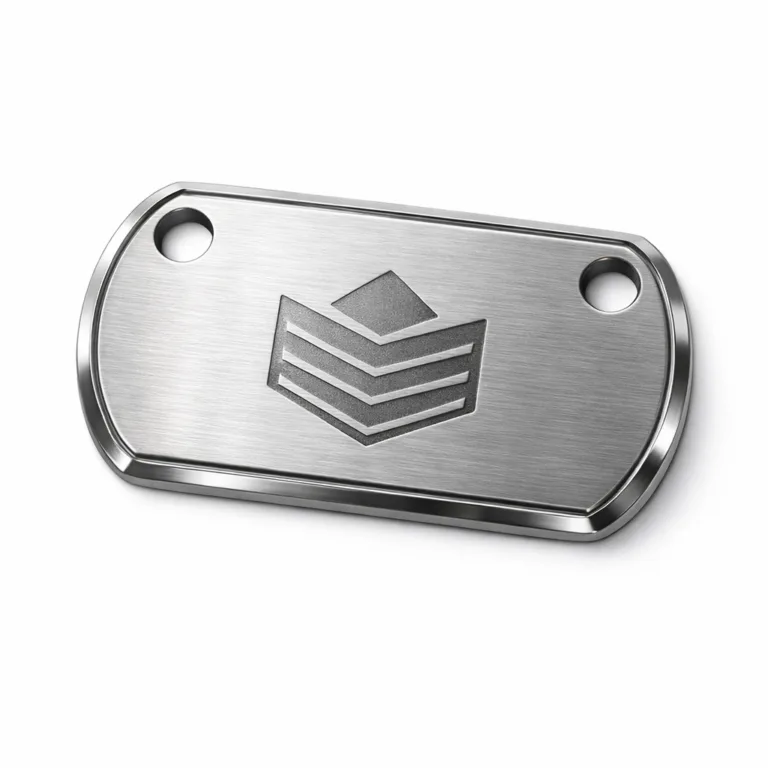
Introduction to Food Grade Safety in Beverage Tagging
As the demand for premium wine and spirits continues to rise, so does the expectation for safety and quality at every point of contact—including how bottles are labeled and tracked. Food Grade Safety is a critical consideration when manufacturing and sourcing metal tags that may come into direct or indirect contact with beverages. From regulatory compliance to consumer confidence, the consequences of overlooking these requirements go far beyond aesthetics or branding.
Non-compliance in food grade safety doesn’t just jeopardize public health. It can also result in substantial penalties, product recalls, and irreparable brand damage. The beverage industry operates under strict international requirements to protect consumers from contamination and ensure product traceability. Even a tag’s material, finish, or adhesive can introduce risks if not tested and certified. That’s why understanding the core regulations—plus adopting best-in-class practices for sourcing, manufacturing, and testing—is essential for anyone specifying metal tags for wine or spirits.
The right choice of metal and manufacturing approach is not only about safety—it impacts durability, outdoor performance, and product perception. Beverage brands install metal tags to reflect identity and ensure traceability, but must never compromise on food-safe standards. Recognizing these broader implications helps B2B buyers and engineers align purchasing decisions with both regulatory and commercial needs.
Understanding Food Grade Safety Regulations
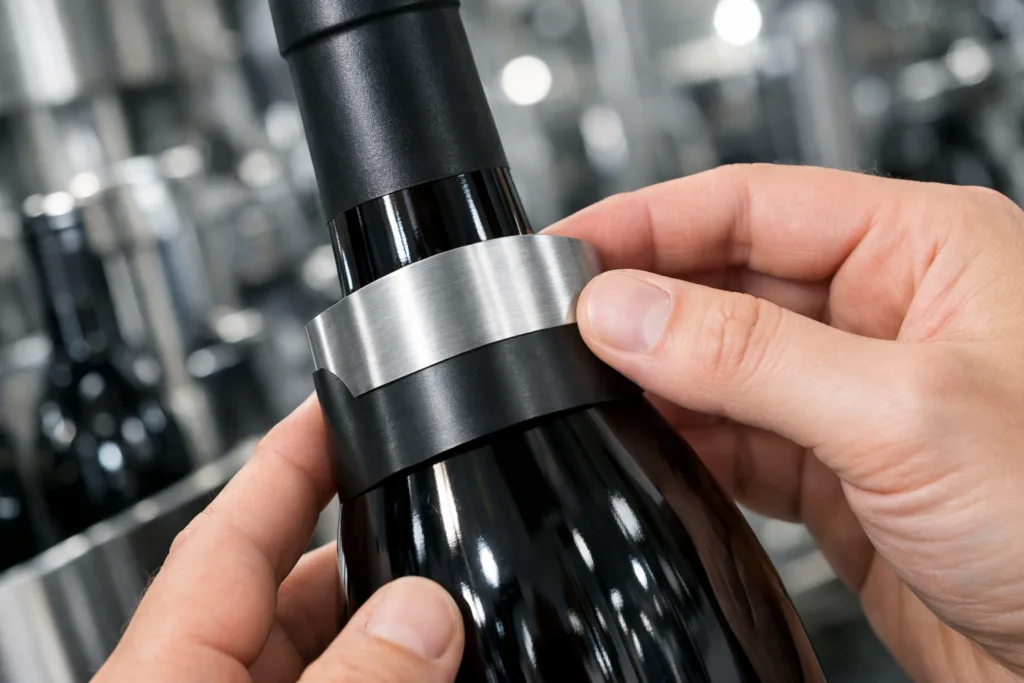
Food Grade Safety regulations are in place to prevent contamination where tags or labels come into contact with beverages or packaging surfaces. The two principal regulatory bodies shaping these requirements are the U.S. Food and Drug Administration (FDA) and the European Union (EU) with standards like Regulation (EC) No 1935/2004 and Regulation (EU) No 10/2011. Both outline strict parameters for any material intended to touch food, drinks, or associated packaging—including metal tags on bottles or casks.
Materials certified as food-grade must not leach harmful elements, taint the product, or affect flavor. Certification typically involves documented supplier test reports, declarations of conformity, and in some cases, full traceability to batch origin. Industry groups and independent testing laboratories also play a key role—offering standardized test protocols for migration, corrosion, and inertness.
Failing to comply with Food Grade Safety standards can expose companies to:
- Serious fines from regulatory agencies
- Costly product recalls
- Mandatory destruction of affected batches
- Loss of export privileges or certifications
- Brand and reputational harm
To document compliance, buyers should request and retain:
- Supplier declarations (e.g., FDA Letter of Guarantee, EU certificates)
- Test reports (migration, chemical composition, surface finish)
- Material datasheets and batch traceability records
Collaboration with industry groups such as the Institute of Food Technologists (IFT), plus using accredited testing facilities, ensures ongoing adherence and up-to-date understanding of regulatory changes. Production experts, like Rain Chen at UC Tag, stress the importance of including compliance documentation within procurement workflows to avoid regulatory blind spots down the supply chain.
Choosing the Right Materials for Tags
Selecting appropriate materials is foundational for safe and compliant metal tags in the wine and spirits industry. Each metal brings unique benefits and trade-offs, particularly in environments with alcohol exposure and fluctuating humidity.
Aluminum is lightweight, corrosion-resistant when anodized, and cost-effective, making it suitable for most indoor and short-duration contact uses. However, raw aluminum can react with acidic beverages, and only specific alloys are food grade certified.
Stainless steel (especially grades like 304 or 316) is valued for its outstanding chemical resistance, durability, and food-safe reputation. It is the preferred option for tags that will be exposed to liquids, high humidity, or require repeated cleaning.
Brass provides a premium look and good machinability, but not all brass alloys qualify as food safe due to potential lead content. Only select high-purity, lead-free brass types are suitable for beverage applications.
Improper selection—like using non-anodized aluminum or unverified brass—can lead to leaching of metals or corrosion, posing a risk to product safety. Durability matters too: tags must withstand handling, transport, and environmental challenges while maintaining readability.
| Material | Food Grade Compliance | Durability | Cost | Recommended Application |
|---|---|---|---|---|
| Anodized Aluminum | High (if certified) | Good – with protective layer | Low | Indoor, decorative, indirect contact |
| Stainless Steel 304/316 | Excellent | Outstanding | Moderate–High | Direct contact, outdoor, cleaning cycles |
| Pure Brass (lead-free) | Moderate–High (if verified) | Good | Moderate | Premium branding, indirect contact |
When specifying metal tags, consider:
- Application environment (humidity, contact with liquid, outdoor/indoor)
- Frequency of cleaning or exposure to sanitizing agents
- Legal requirements for direct or indirect contact
- Desired finish and branding impact
For help selecting materials and finishes that balance compliance, cost, and durability, UC Tag’s experience in food-safe solutions can be a valuable resource.
Comparison of Manufacturing Methods for Food-Safe Tags
How a tag is manufactured has a direct effect on both its safety and performance. Several core processes are used to create robust, legible metal tags for the beverage industry—each with strengths and caveats depending on the selected material and application.
Laser engraving delivers highly precise, permanent markings that don’t introduce foreign materials to the surface. It’s ideal for stainless steel and anodized aluminum, offering excellent readability with minimal surface disruption.
Chemical etching works well for intricate graphics on stainless steel, but requires careful chemical handling and post-etch cleaning to ensure no residues remain. For tags that touch beverages, all etching baths and rinse processes must be food-contact safe.
Stamping and embossing are mechanical methods that imprint or raise text and shapes onto the surface—without adding coatings or inks. These are preferred for high volume tags needing tactile legibility, but can be limited in design complexity.
UV printing enables colorful, branded designs but is rarely used on tags that will contact beverages directly, due to concerns about ink migration. If used, only food-grade certified inks are acceptable.

| Manufacturing Method | Material Suitability | Durability | Readability | Cost/Volume | Food Safety Consideration |
|---|---|---|---|---|---|
| Laser Engraving | Stainless Steel, Aluminum | Excellent | High | Low–Mid; scalable | No added materials; food safe |
| Chemical Etching | Stainless Steel, Brass | Good | Fine detail | Mid–High; batch | Residue risk; needs strict cleaning |
| Stamping/Embossing | Aluminum, Brass, Steel | Excellent | Bold, tactile | Best for volume | No inks; food safe |
| UV Printing | Aluminum, Steel | Varies | Colorful | Flexible | Only food-grade ink allowed |
In high-volume projects, like those for global distilleries, the method chosen must balance throughput, cost, and required safety certifications. For most wine and spirits applications, a combination of mechanical (stamping/engraving) and chemical (anodizing or etching) methods preserves both durability and the desired brand effect for metal tags. Always confirm that post-processing and cleaning align with food-grade standards.
Design and Specification Checklist
Creating metal tags that are both compliant and functional requires careful design consideration. Use the checklist below to ensure all critical facets are addressed at design and ordering stages:
| Feature | Specification Tips |
|---|---|
| Size | Ensure sufficient space for text, while fitting the bottle or asset area. |
| Thickness | Balance durability with flexibility; typical range: 0.6–1.5mm. |
| Finish | Choose food-safe, corrosion-resistant finishes (anodizing, passivation, high polish). |
| Text/Images | Use high-contrast, legible fonts and graphics for readability. |
| Attachment | Specify placement and method: holes (diameter, spacing), 3M adhesive, or collars. |
| Tolerance | Maintain tight dimensional controls for consistent fit and performance. |
Finish is particularly critical—not only for visual impact but for protecting the tag in humid or acidic beverage environments. High-polish or anodized finishes prevent corrosion and support metal tag longevity.
- Verify all adhesives (such as 3M backings) are certified food grade for applications with beverage contact.
- Confirm tag edges are smooth and burr-free to reduce risk of contamination or injury.
To avoid common design errors, see UC Tag’s practical insights in their design mistakes guide.
Ensuring Durability and Compliance Through Testing
Compliance is only as strong as the real-world durability of the tag. That’s why thorough testing is crucial for Food Grade Safety—especially in beverage environments where metal tags may face moisture, handling, cleaning agents, or outdoor exposure.
Key tests include:
- Corrosion resistance tests (e.g., salt spray) to ensure tags won’t oxidize or degrade over time
- UV exposure testing for colored/anodized tags used outdoors or in sunlit cellars
- Abrasion and scratch resistance checks to maintain legibility and prevent surface damage
- Accelerated weathering simulations (humidity, temperature cycles) for export or variable climates
When beverages are stored or displayed outside, or tags require extended life cycles (such as aging barrels), these tests verify the tag can perform without compromising safety or losing clarity. Industry standards such as ASTM B117 (salt spray) and ISO 9227 are widely referenced in corrosion and environmental testing protocols.
Before mass production, sampling and third-party laboratory testing provide peace of mind that the metal tag meets required performance for Food Grade Safety. Experts recommend including test results and pre-production samples in all approval processes. For practical advice, review pre-production sampling guidelines to minimize post-production risk.
Industry Applications for Food Grade Metal Tags
Food-safe metal tags play crucial roles at every stage in the wine and spirits supply chain—far beyond labeling. Their unique properties empower branding, traceability, safety, and event organization:
- Wine labeling and branding: Engraved or embossed tags give premium bottles a distinctive, high-value appearance, enhancing shelf presence while providing vital labeling info.
- Asset tracking: Serial-numbered or QR-coded tags enable barrel, bottle, and inventory management throughout distilleries and wineries.
- Equipment safety tags: Stainless steel tags communicate cleaning, maintenance, or hazard warnings on bottling and storage equipment, improving workplace safety.
- Tasting events: Custom tags serve as reusable or collectible identifiers for bottles at large events or club tastings.
- Custom applications: From anti-counterfeit solutions to special edition releases, food grade tags are engineered to meet unique environmental and logistical requirements.
With a wide range of options, metal tags tailored to exact specifications ensure every touchpoint supports not just compliance, but lasting brand value and operational efficiency.
Common Mistakes and Troubleshooting in Tag Production
Even with the best intentions, mistakes can happen in tag production, undermining Food Grade Safety and overall usability. Common pitfalls include:
- Text or logos lacking contrast, making critical info difficult to read
- Incorrect adhesive selection leading to delamination or unsafe residue
- Material mismatch—e.g., using brass with trace lead for bottle neck tags
- Poor surface finishing causing sharp edges or uneven texture
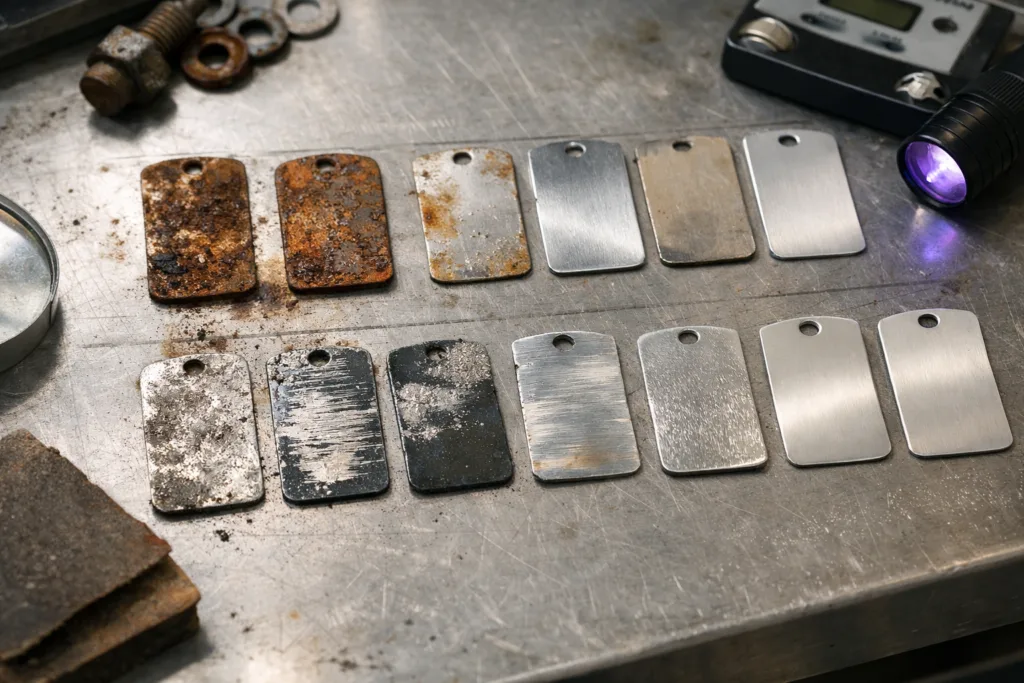
- Early signs of rust or corrosion after exposure to humidity or acids
If issues arise in the field—such as corrosion or peeling—immediate assessment is vital. Re-examine the original material certifications, double-check batch records, and consider swapping materials (e.g., switching from anodized aluminum to stainless steel for high-moisture environments). Regular feedback loops with manufacturers and systematic post-installation checks help resolve issues before they escalate.
When troubleshooting, leverage best practice resources, such as guides on European nickel-free compliance or California Prop 65 for metals. A methodical approach—combined with ongoing supplier communication—will keep food grade safety at the forefront.
An Ordering Guide for Food Safe Metal Tags
Placing a successful order for food safe metal tags involves several critical steps. Buyers should clearly communicate regulatory, aesthetic, and logistical needs to minimize delays and ensure compliance.
- Check the supplier’s Minimum Order Quantity (MOQ) and align on realistic lead times—custom orders may require additional processing and certification steps.
- Submit artwork in vector format (AI, EPS, SVG) for clarity and production consistency.
- Carefully review all proofs before production. Catching errors in text, layout, or finish specifications early saves time and prevents costly waste.
- Request samples for new designs or material/finish combinations, and use real-world testing to validate durability and safety.
- Discuss packaging and shipping options—tags may require protective layers or moisture control for global transport.
Experienced partners like UC Tag can advise on order optimization and packaging solutions, drawing on years of practical mass production experience in the beverage sector.
Frequently Asked Questions
What certifications are required for food-safe tags?
Tags in contact with beverages should be certified under FDA (U.S.), EU Regulation No 1935/2004, or similar food safety standards, supported by supplier declarations and test reports.
How do I know if a material is food grade?
Request proof such as FDA compliance letters, EU certificates, and third-party test results, ensuring your supplier provides full traceability and chemical composition documentation.
What is the best finish for outdoor exposure?
For outdoor beverage environments, choose stainless steel with passivation or anodized aluminum; both offer superior corrosion resistance and maintain legibility over time.
How do I ensure readability in my tag design?
Use high-contrast fonts, deep engraving or embossing, and avoid overly small text; always review samples or proofs before approving production runs.
What testing methods should I require?
Insist on corrosion, abrasion, and UV testing for all tags; salt spray and climate cycling tests are especially valuable for long-term compliance in variable conditions.
How to handle recalls or compliance failures?
If a compliance issue occurs, suspend affected tags immediately, document all production details, and work with suppliers to rectify materials or processes before resuming shipments.
Related Reading
- California Prop 65 Compliance for Metal Tags: Avoid Penalties & Ensure Safety
- Achieving Nickel-Free & European Compliance for Industrial Metal Tags
- 5 Design Pitfalls That Stall Your Custom Tag Project—And How to Fix Them
- Why Sampling Matters: Pre-Production Strategies for Flawless Metal Tag Orders
- Explore Custom Tag Solutions for Food, Beverage & Beyond
- Premium Wine Tag Solutions: Branding & Compliance for Modern Wineries