Introduction to Proposition 65
California’s Proposition 65 (Prop 65) is a consumer protection law that has far-reaching implications for manufacturers, retailers, and consumers. Established in 1986 and officially known as the Safe Drinking Water and Toxic Enforcement Act, Prop 65 aims to reduce exposure to harmful chemicals by requiring clear warnings on products that contain substances known to cause cancer, birth defects, or other reproductive harm.
For the metal tags industry, Prop 65 is particularly significant because many common manufacturing materials or finishing processes may contain or introduce chemicals listed under California regulations. Compliance with Prop 65 is not just a legal responsibility; it is essential for maintaining access to the California market—which often sets de facto standards for the rest of the country.
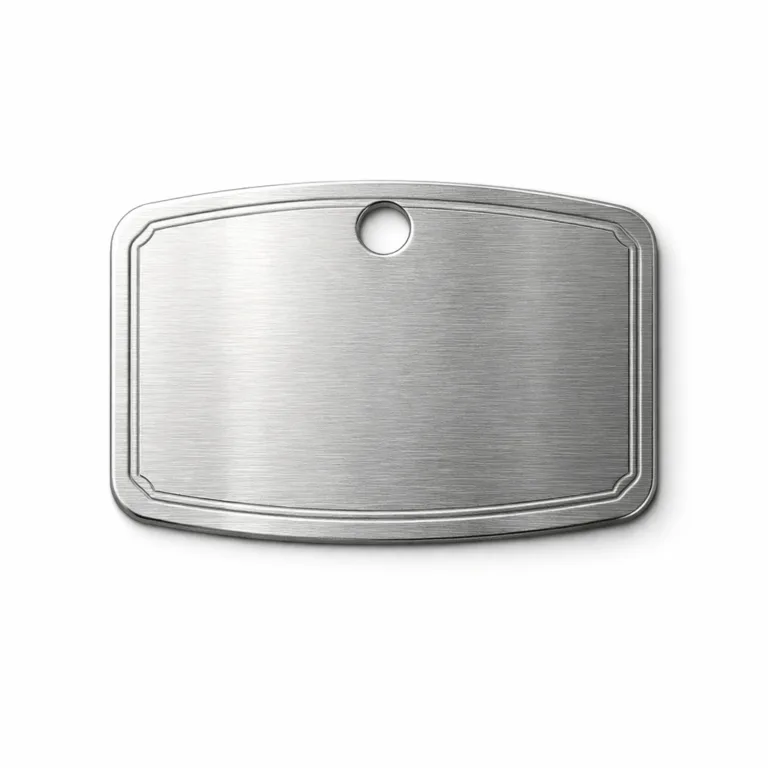
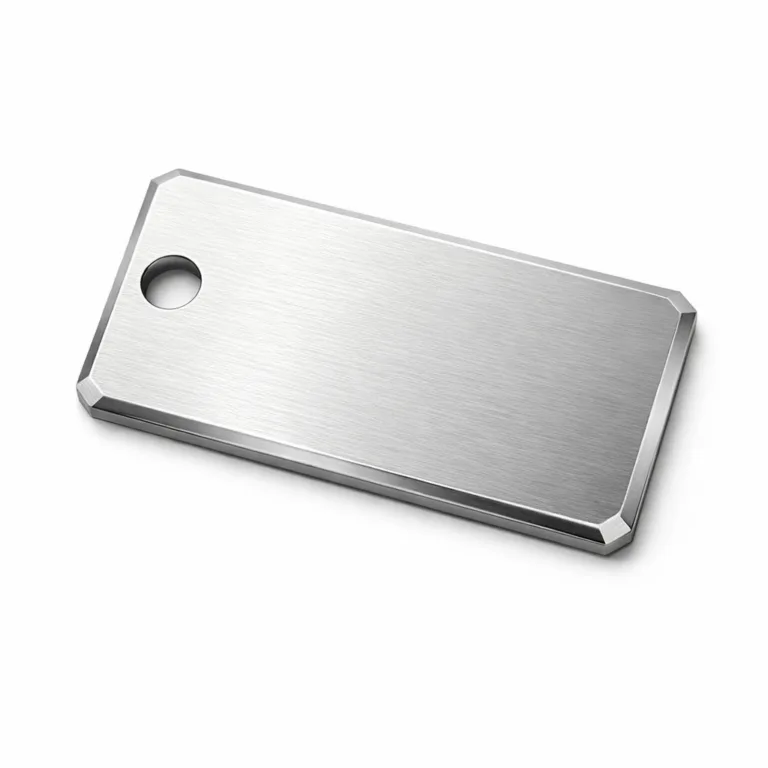
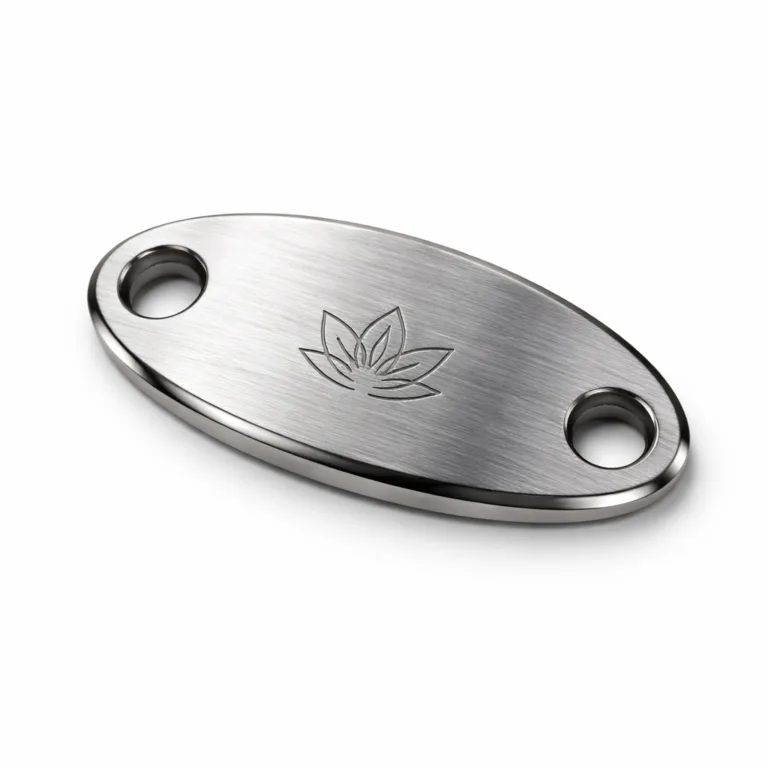
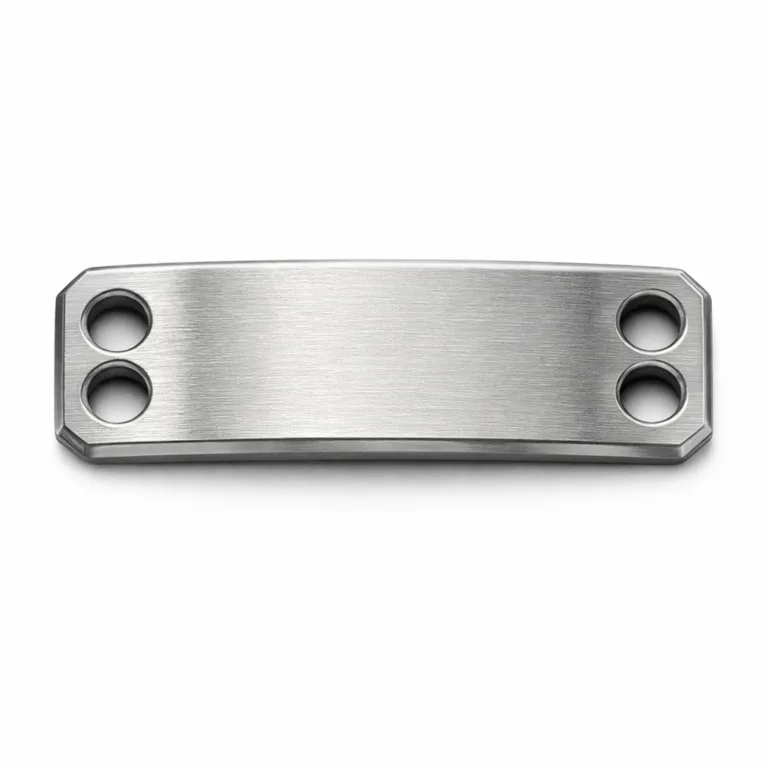
The scope of products affected by Prop 65 is broad, and includes an array of metal tags such as industrial nameplates, asset tags, logo plates, and more. Failing to label products correctly or document compliance can open businesses to lawsuits, fines, and even removal from retailer shelves. In today’s climate of heightened consumer awareness, non-compliance can also damage a company’s reputation and erode supplier trust. Understanding how Prop 65, metal tags, and California regulations intersect is critical for anyone sourcing, engineering, or selling these components.
Legal Requirements for Prop 65 Compliance

The legal framework of Prop 65 centers around informing California consumers about exposures to specified chemicals. The list of regulated substances exceeds 900 and is regularly updated. Many chemicals relevant to metal tags include lead (often found in brass alloys or solder), nickel, cadmium, and certain solvents or coatings used during manufacturing.
Products—such as metal tags—require warning labels if they can expose users to a regulated substance above the established “safe harbor” level. The warning must be clearly visible, readable, and use precise language mandated by California regulations. For consumer products, the standard warning reads: “⚠️ WARNING: This product can expose you to chemicals including [Substance], which is known to the State of California to cause cancer and birth defects or other reproductive harm. For more information go to www.P65Warnings.ca.gov.” The label must be placed on the product itself, its immediate packaging, or included in digital listings for e-commerce.
Responsibility typically falls first on the product manufacturer, but retailers must ensure compliance when products reach California consumers. Comprehensive documentation is essential—keep records of materials, finishing methods, supplier disclosures, and any laboratory testing. Regulatory updates, such as additions to the chemical list or changes in warning language, demand vigilant monitoring to avoid accidental non-compliance with Prop 65.
Materials Comparison: Choosing the Right Metal for Compliance
Material selection is foundational to both performance and compliance for metal tags. Each commonly used metal—aluminum, stainless steel, and brass—carries unique implications under Prop 65.
| Material | Prop 65 Risk | Durability | Corrosion Resistance | Common Usage Scenarios |
|---|---|---|---|---|
| Aluminum | Generally low, especially when anodized; uncoated alloys may have trace risks | High | Excellent (anodized) | Asset tags, outdoor signage, branded keychains |
| Stainless Steel | Low; nickel content may require warning for sensitive users | Very High | Outstanding | Industrial nameplates, serial number tags |
| Brass | High if not lead-free (lead is used for machinability); always check for lead content | Moderate-High | Good, but prone to tarnishing | Luggage tags, decorative logo plates, vintage styles |
Aluminum, especially when anodized, is typically favorable for compliance—few alloys contain Prop 65-listed substances, and anodizing creates a robust, decorative, and chemically resistant layer. Stainless steel offers best-in-class durability and is widely used for high-traffic or industrial environments, but nickel warnings may be necessary for some alloys or for direct-skin-contact applications. Brass must be scrutinized for lead content, a common source of Prop 65 violations. Modern lead-free brass alloys are available but may increase raw material costs.
Durability further affects how well a tag maintains compliance over its intended lifespan. Corrosion resistance is critical for tags used outdoors or in harsh environments; once a protective finish wears off, underlying substrates may become exposed, increasing compliance risks. For this reason, anodized aluminum or high-grade stainless steel is frequently specified in long-duration, outdoor, or safety-critical use cases.
- For industrial and harsh settings, prioritize stainless steel or anodized aluminum for optimal balance of compliance and longevity.
- For decorative or branding-driven tags, investigate lead-free brass options and require certifications from your supplier.
- Always match the environment and required tag lifespan to the metal’s properties and potential Prop 65 chemical exposure risks.
Manufacturing Methods: Compliance and Process Integration
Manufacturing method selection can affect both Prop 65 compliance and the final product’s durability. The most common processes used for metal tags—like engraving, stamping, chemical etching, and UV printing—each bring different exposure risks and benefits under California regulations.
Engraving (laser or CNC) and stamping are mechanical processes and, if done on compliant metals, present low chemical introduction risk. Etching uses chemicals (acids or salts) that must be tightly controlled and tracked to prevent contamination or worker exposure. UV printing introduces inks or coatings, some of which may contain Prop 65-listed substances. Always specify low-VOC, lead-free inks and obtain material data sheets from suppliers.
Finishing techniques such as anodizing (for aluminum) add a protective oxide layer, improving corrosion resistance and typically enhancing Prop 65 compliance by sealing the surface. Electroplating and enamel infilling, however, may utilize solutions with hazardous metals like nickel or cadmium. Choose platers and suppliers who have robust accountability measures—and require certification that all finishes meet Prop 65 standards.
UC Tag’s shop-floor experience, as Rain Chen shares, shows that keeping all chemical batch records and conducting spot audits on platers is vital. These steps reduce the risk of accidental introduction of non-compliant finishes, especially when outsourcing finishing work.
The cost of Prop 65 compliance varies: chemical etching and non-compliant coatings may require increased documentation and testing, whereas mechanical engraving and anodized finishes control risks and may lower ongoing compliance costs. Integrating compliance review into each stage—from design to post-finish QC—is the best way to reduce audit issues and long-term liabilities.
Design & Specification Checklist for Metal Tags
Ensuring Prop 65 compliance starts at the design stage. Here’s a practical checklist for manufacturers and buyers when specifying metal tags:
| Checklist Item | Compliance Recommendation |
|---|---|
| Size & Thickness | Select dimensions that allow for visible, readable warnings if required |
| Finish | Specify durable finishes (anodizing, PVD) proved to reduce chemical leaching |
| Text Readability | Use clear, high-contrast fonts; minimum 1.5mm letter height for critical info |
| Attachment Features | Match to environment: holes for rivets, strong adhesives (e.g., 3M) for smooth surfaces |
| Documentation | Record all specs, supplier certifications, and finish codes for traceability |
| Durability Testing | Plan for corrosion, abrasion, and UV testing per application |
| Feedback Integration | Iterate design based on real-world user or customer input |
Specifying these items up front helps teams avoid preventable compliance pitfalls and ensures the delivered product performs throughout its advertised lifespan. Always involve the compliance team early in the design process and update specifications as regulations evolve related to metal tags.
Durability and Testing Requirements for Prop 65 Compliance
Durability is a cornerstone of Prop 65, metal tags, and California regulations compliance. Metal tags may spend years exposed to outdoor elements, chemicals, or wear-and-tear, and their surfaces must reliably prevent hazardous exposure throughout that timeline.
The most critical tests include:

- Corrosion resistance (ASTM B117 Salt Spray): Simulates prolonged exposure to salt and moisture.
- Abrasion testing (Taber Abraser): Measures how markings and finishes withstand repeated rubbing.
- UV exposure (ASTM G154 or G155): Ensures colors, text, and warnings remain readable in sunlight.
- Outdoor field testing: Confirms real-world survival of both adhesive and substrate.
Industry standards for metal tags typically require documentation of results, which serves as proof of compliance in case of regulatory review. Testing frequency depends on use case—high-volume batches or tags for critical assets should be tested every production run, while less-exposed items may be eligible for type certification plus periodic spot checks.
Environmental factors can accelerate degradation, increasing compliance risks. For example, a tag that loses its finish and exposes bare brass may now leach lead over time. Continuous durability evaluation ensures that metal tags stay within California regulations throughout their lifecycle.
Industry Application Fit: Use Cases of Metal Tags under Prop 65
Prop 65 regulations touch nearly every sector that uses metal tags in California. Typical industries affected include industrial manufacturing, consumer goods, electronics, automotive, and retail branding. Applications can be as diverse as machine asset identification, warehouse inventory control, luxury branding, or direct-to-consumer product labels.
For instance, an industrial equipment maker may require stainless steel asset tags with sequential numbering and no hazardous coatings—these tags must carry Prop 65 warnings only if nickel exposure exceeds safe harbor levels. In consumer pet or luggage tags—such as those produced by UC Tag’s custom metal tag solutions—buyers are increasingly demanding documentation of lead-free and nickel-free compliance to maintain retail partnerships and avoid costly product recalls.
Case studies reveal that brands able to demonstrate robust compliance can market their commitment to product safety and earn consumer trust. One electronics brand shifted from brass to anodized aluminum for all serial number plates, enabling them to eliminate Prop 65 warnings and streamline multi-state retail distribution. Another retail chain developed detailed supplier checklists and supply chain transparency, reducing audit findings and increasing speed-to-shelf for new collections.
Each sector brings its own regulatory overlays—retailers may have additional labeling requirements, and industrial clients may require tags to pass stricter durability standards. Looking forward, consumer attention to label transparency—and tighter cooperation between manufacturers and regulatory agencies—will drive continued evolution in compliance best practices for metal tags.
Common Mistakes and Troubleshooting in Prop 65 Compliance
Many companies stumble over common pitfalls when implementing Prop 65, metal tags, and California regulations compliance strategies. The most prevalent mistakes include poorly placed or unreadable warnings—if consumers cannot clearly see or read the label, the warning is considered non-compliant by regulators. Choose proper font sizing and sufficient contrast, and validate on finished tags before full production.
Using the wrong adhesive can also sabotage compliance—if a tag peels off or exposes hazardous layers beneath, liability increases even if the original tag was compliant. Always test adhesive performance under environmental stress and require data sheets from suppliers matching application needs.
Another frequent issue is inadequate documentation. Businesses must keep records of every production batch, including supplier certifications, laboratory testing, and regulatory reference checks. Failing to log these details can hamper defense in a compliance audit.
Finally, regulations change. Companies that do not regularly review or update their materials, processing steps, or label stock with updates to California regulations are at greater risk for non-compliance. Review updated chemical lists at least quarterly and conduct internal audits to catch gaps early.
- Train staff on proper labeling protocols
- Review processes after regulatory updates
- Conduct periodic field durability checks
Ordering Guide: Purchasing Metal Tags with Prop 65 in Mind

When purchasing metal tags for the California market, integrate Prop 65 compliance into your sourcing and procurement steps. Many manufacturers offer minimum order quantities (MOQ), which may affect batch-level testing and documentation. Plan for adequate lead times—allow several days for compliance audits or sampling, especially if custom finishes or imported materials are involved.
Clear, detailed artwork submission ensures all Prop 65 warnings (if required) are integrated and legible. Require pre-production samples to verify material, finish, and label placement. This can significantly minimize issues in the mass production phase.
Check that packaging includes Compliance Statements or Prop 65 disclosures, as required by California regulations. Store all supplier certifications and testing data as part of your receiving protocol. Working with manufacturers who offer transparent processes and regularly handle Prop 65 orders, like those listed on Link, can streamline communication and lower risk.
Frequently Asked Questions
What are the health impacts of Prop 65 chemicals?
Prop 65 chemicals are identified as causing cancer, birth defects, or other reproductive harm; exposure risks depend on the substance, duration, and amount, but warnings prompt consumers to take precautionary measures or seek alternatives.
How can manufacturers verify compliance?
Manufacturers verify compliance by sourcing certified materials, tracking finishing and adhesives, performing laboratory testing for hazardous substances, and keeping up-to-date documentation throughout the production process.
Who is liable for labeling—manufacturers or retailers?
Manufacturers hold primary responsibility for labeling, but retailers must ensure compliance for all products sold in California, sharing liability if products lack required Prop 65 warnings.
What documentation is necessary for compliance?
Essential documentation includes supplier certifications, laboratory test reports, batch traceability logs, and copies of all Prop 65 warning labels or statements applied to products or packaging.
Can metal tags be compliant if produced overseas?
Yes, overseas production is acceptable if all materials, processes, and documentation meet California Prop 65 requirements; additional diligence is needed to verify imported items and supply chain transparency.
How often do companies need to update their compliance measures?
Companies should review Prop 65 chemical lists and compliance protocols quarterly and immediately after regulatory updates to maintain ongoing adherence and safeguard against violations.
Related Reading
- Lead-Free CPSIA Compliance: Strategies for Safer Metal Products
- How to Handle 1000 Unique Names: Efficient Metal Tag Engraving Practices
- Choosing the Best Engraving Materials for Durable Retail and Industrial Tags
- Avoid Sourcing Pitfalls: Vetting Global Manufacturers for Compliance
- Maximize Savings with Bulk Orders: Understanding Quantity Thresholds in Metal Tag Sourcing
- Unlock Durability: 3M Adhesive Solutions for Branded Metal Logo Tags