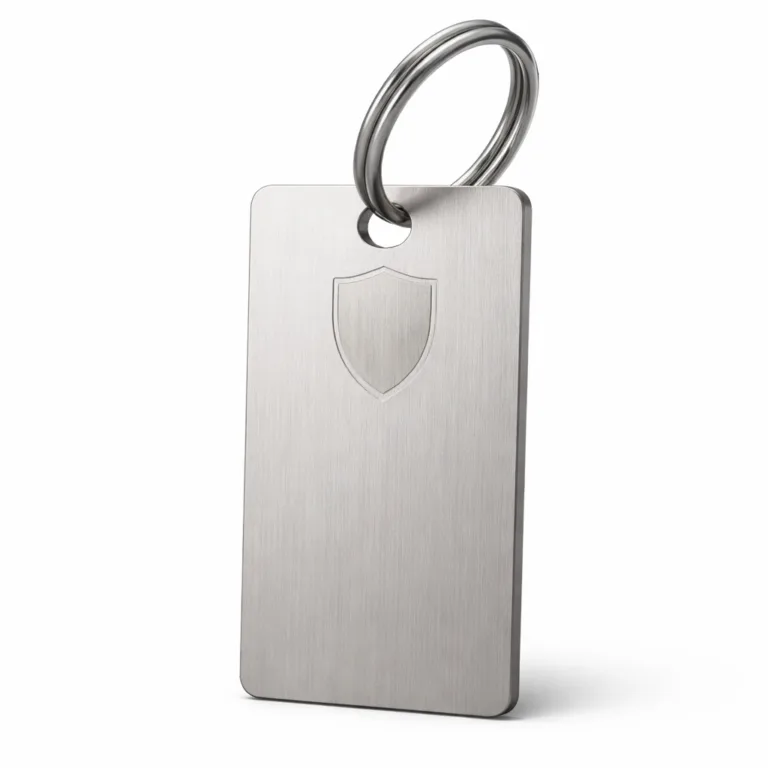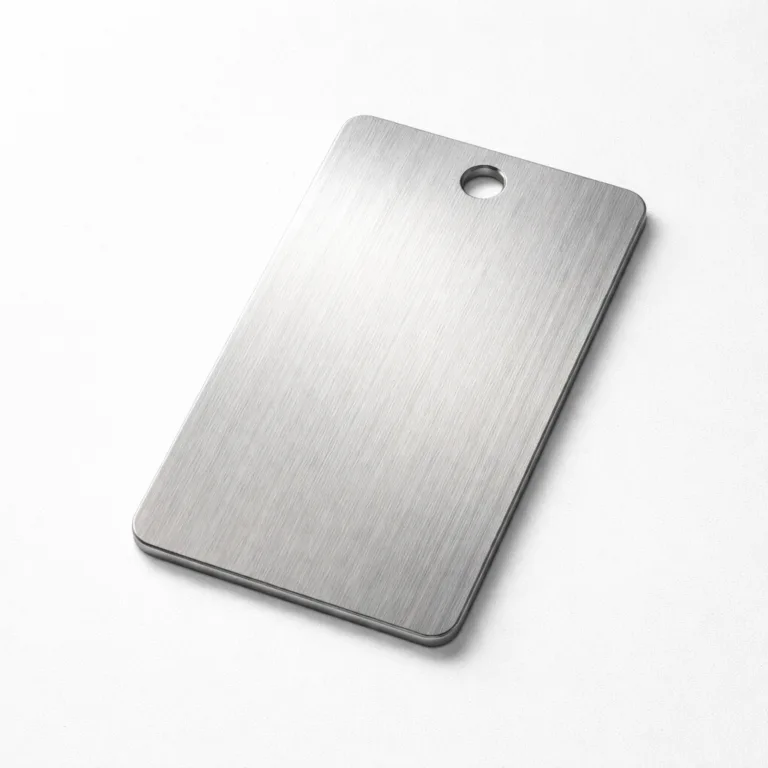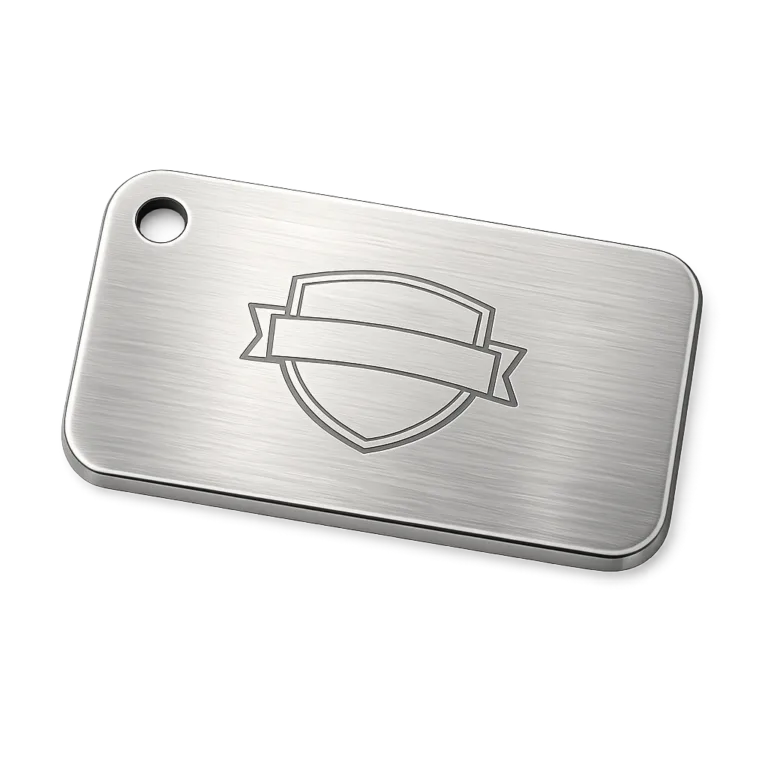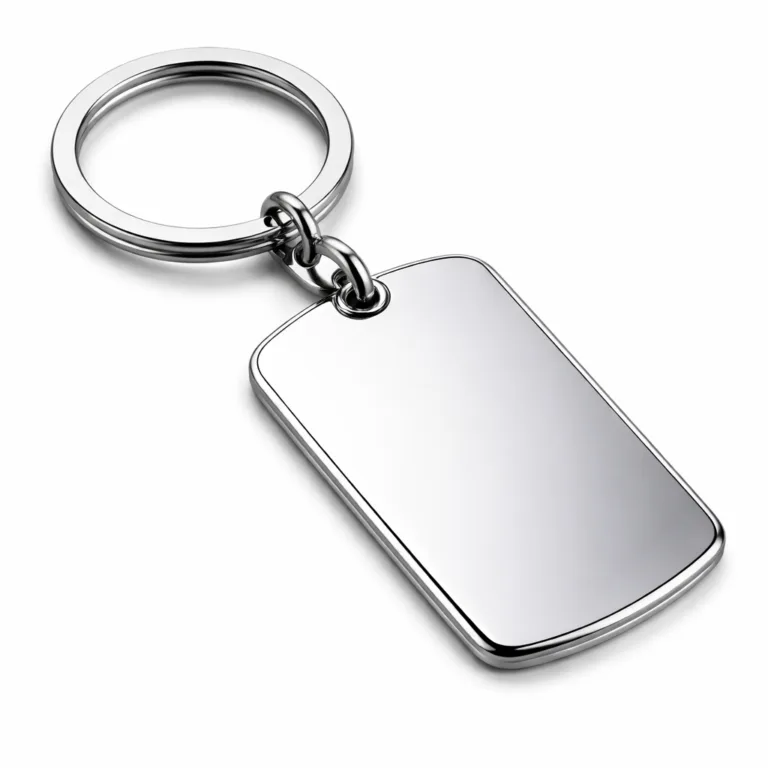
Introduction to Nickel-Free Certification
Nickel-Free Certification plays a pivotal role for companies serving European markets, especially as expectations for European Compliance rise. This accreditation confirms that a product, such as a metal tag, meets strict European regulations limiting nickel release—a critical factor for manufacturers and engineers responsible for industrial goods.
European standards on nickel content have evolved dramatically over the past decades. The EU’s REACH regulation restricts nickel in items intended for long-term contact with skin, and the EN 1811 test method is widely used for verification. For metal tag buyers, failing European Compliance can lead to costly recalls, legal action, or blocked market access.
Nickel exposure is more than an industry buzzword—it’s a serious health concern. Increasing numbers of consumers are aware of nickel allergies and demand safer, certified products. Brands now recognize that Nickel-Free Certification is not only about compliance, but also about brand trust and reducing liability.
As regulatory frameworks tighten, European buyers are scrutinizing supplier declarations—even for components that once escaped attention. For metal tag suppliers, the stakes are clear: achieve Nickel-Free Certification and European Compliance or risk losing contracts and market share.
The Health Implications of Nickel Exposure
Nickel is a leading cause of contact allergies, affecting millions every year. When skin touches nickel-containing products, especially for prolonged periods, allergic reactions like rashes, redness, or eczema can develop. For sensitive individuals, symptoms may appear within hours or days. Once sensitized, a person may react to minute traces of nickel for life.
In Europe, it’s estimated that up to 17% of women and 3% of men are affected by nickel allergies—a significant market segment (source: European Academy of Dermatology and Venereology). The risk is amplified for those exposed professionally, such as in the healthcare, automotive, and consumer goods industries. Both short-term and long-term exposure carry risks: immediate reactions can cause discomfort and absenteeism, while repeated exposure leads to chronic dermatitis and secondary complications.
This persistent health challenge drives regulatory bodies to enforce rigorous nickel release limits on consumer products. From eyewear to pet ID tags, more applications demand nickel-free assurances. For manufacturers, offering certified nickel-free options not only meets legal obligations—it signals care for customer safety.
Educating buyers about the risks of nickel is as important as compliance itself. It’s crucial for procurement teams and engineers to request detailed test reports from suppliers and include allergen requirements in specifications. Transparent, well-documented Nickel-Free Certification makes it easier for brands to build trust and informs consumers about their choices.
Market Trends for Nickel-Free Products
The market for nickel-free products is expanding rapidly, driven by consumer demand for safe, hypoallergenic materials. Recent market research indicates year-over-year growth in the nickel-free jewelry, cosmetics, and accessories segments, with European Compliance now a baseline expectation for brands selling within the EU and UK.
Industries such as jewelry and fashion were among the first to adopt nickel-free standards due to direct skin contact, but demand has expanded. Sectors such as medical devices, eyewear, luggage, and even tech accessories now prioritize nickel-free materials to avoid adverse reactions and ensure compliance.
Consider the success story of a European pet tag brand that transitioned its product line to certified nickel-free stainless steel and anodized aluminum. Customer feedback improved, returns for allergy issues vanished, and new B2B contracts came from retailers seeking compliant, consumer-safe inventory. Similar results are echoed by jewelry companies once they achieve certification: competitive differentiation, stronger customer loyalty, and streamlined exports throughout Europe.
Ultimately, consumer trust depends on visible and verifiable certifications. Brands that openly communicate their commitment to European Compliance win both regulators and end-users, and benefit from positive word-of-mouth and repeat business.
Manufacturing Materials and Their Compliance
Choosing the right metal for tags goes beyond cost and aesthetics—Nickel-Free Certification is now essential for European Compliance. Let’s compare the most common materials found in industrial metal tags and how they stack up for nickel content, durability, and visual impact:
| Material | Nickel Content | Durability | Certifiability | Typical Applications |
|---|---|---|---|---|
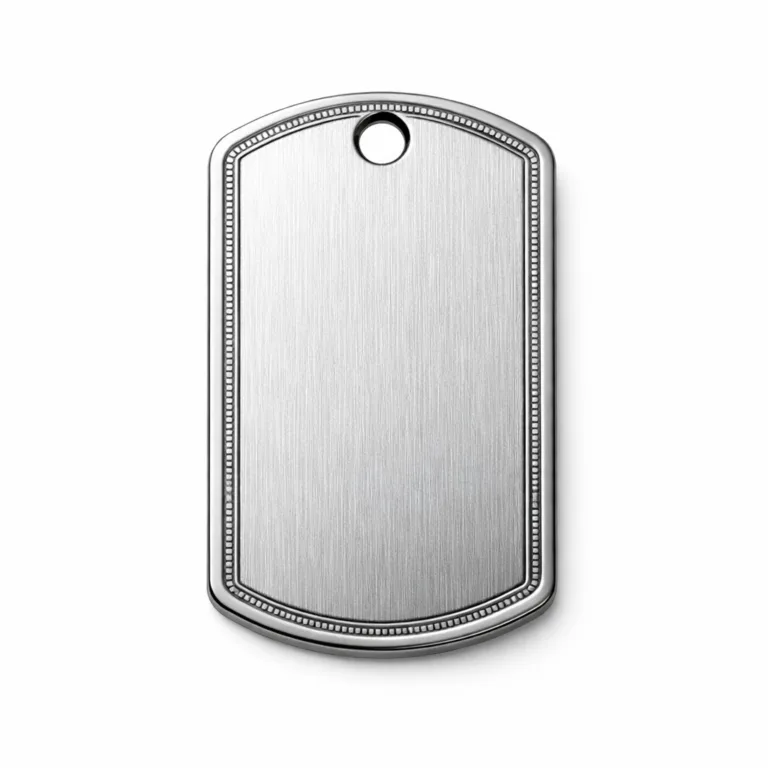
| Aluminum (Incl. Anodized) | None | Excellent (esp. anodized) | Easy | Asset tags, luggage, ID, industrial |
| Stainless Steel (304) | Low / Variable | Outstanding | Possible (304 or 316L) | Medical, pet tags, outdoor equipment |
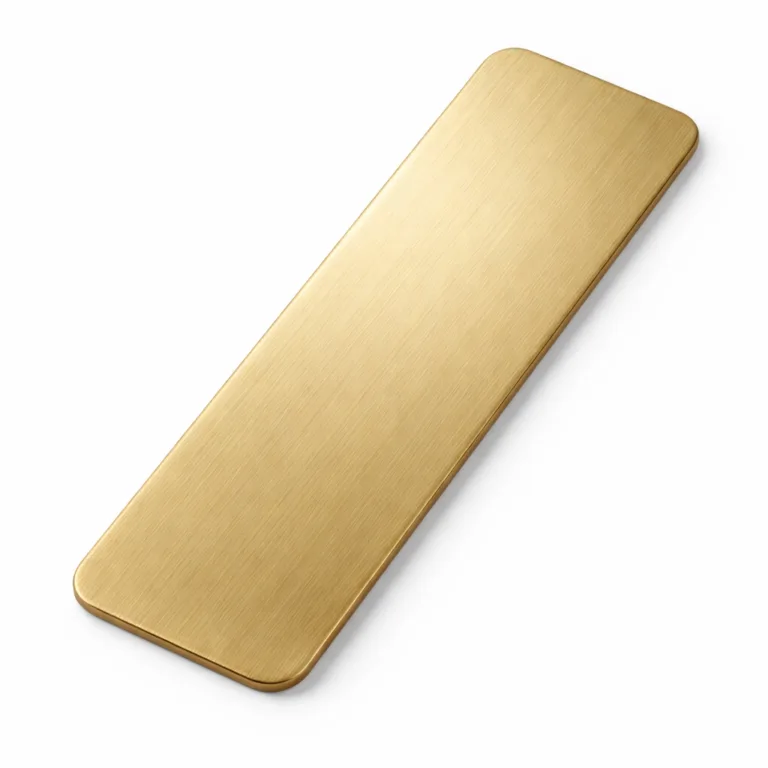
| Brass | None | Very Good | Easy | Jewelry, labels, design plates |
| Nickel-Plated Alloys | High (surface) | Good, but not compliant | Difficult/Not possible | Budget logo tags, custom finishes |
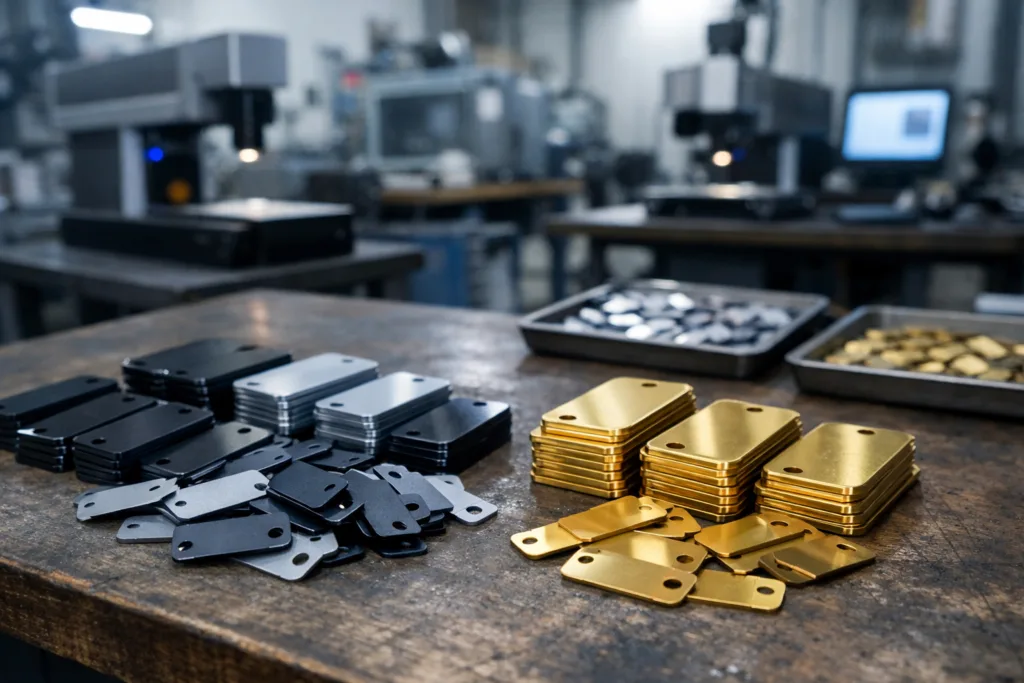
Aluminum and brass stand out for being naturally nickel-free, making certification straightforward. Stainless steel requires more attention: grades like 316L (surgical steel) are lower in nickel release, but still need rigorous testing. Nickel-plated tags are never recommended for European Compliance as they almost always exceed legal nickel release limits on contact surfaces.
Finishes and coatings also matter. Even a compliant base metal can fail if covered with a nickel-containing plating. For buyers, UC Tag’s field data shows that specifying anodized aluminum or certified 304/316L stainless optimizes both durability and compliance. The recommended approach: always confirm the alloy grade and request test reports from qualified labs before scaling production.
Manufacturing Methods and Nickel-Free Certification
Manufacturing processes directly affect Nickel-Free Certification and European Compliance. Methods such as stamping, engraving, etching, and printing not only define how a tag looks—but can alter its surface composition and compliance status.
Stamping and engraving typically leave the base material exposed. If the metal is already nickel-free (e.g., pure aluminum), compliance is straightforward. However, tags produced via chemical etching must avoid baths containing nickel compounds, as residual traces can linger and affect test results. UV printing or enamel filling add another layer of complexity, and all inks and coatings must be screened for hidden allergens.
Lifecycle matters too. For harsh industrial environments, engraved or stamped marks last longer and minimize the risk of compliance degradation due to wear. Printing methods are suitable for decorative tags not intended for intensive handling or skin contact.
For manufacturers, verifying European Compliance means process control. Precision and cleanliness in production—such as avoiding cross-contamination between nickel-free and nickel-plated batches—make certification easier and more reliable.
Ultimately, method selection must align not just with product specification, but also with ongoing compliance validation. A well-documented method can become your best defense in audits and quality claims.
Design & Specification Checklist for Nickel-Free Tags
Designing tags that consistently meet Nickel-Free Certification and compliance standards requires careful attention to several factors. Use this checklist as a reference for buyers, engineers, and manufacturers:
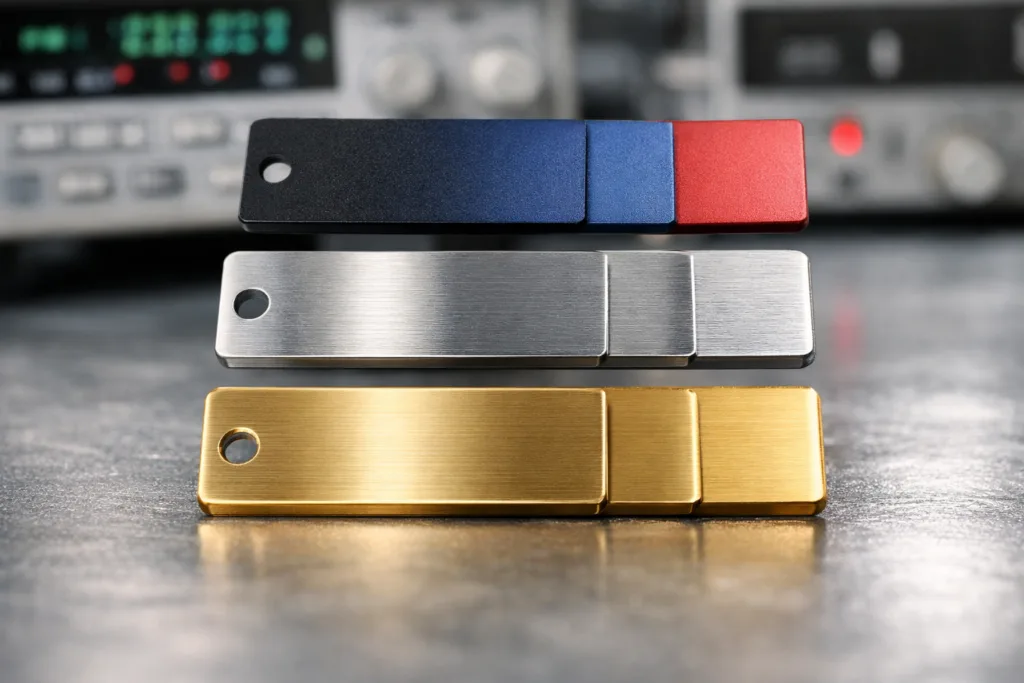
- Size and thickness: Specify minimum and maximum tolerances per application.
- Finish: Prioritize anodized or bare finishes; if plated, require surface test certificates.
- Attachment options: Choose between rivet holes, adhesive (e.g., 3M), or wire cables—avoid mixing dissimilar metals unnecessarily.
- Readability: High-contrast engraving or printing for critical visibility.
- Customization: Ensure custom shapes or cut-outs don’t introduce new materials or coatings.
As European standards evolve, revisit your tag specifications yearly to ensure ongoing compliance. For field-served sectors, opt for designs that withstand abrasion and cleaning agents without degrading compliance properties. Include clear requirements in technical drawings and purchasing contracts.
Ensuring Durability & Compliance through Testing
Quality tags must excel not only in mechanical performance but also in their ability to remain compliant over time. Durability testing is central to both brand safety and regulatory approval within the European market:
- Corrosion testing (e.g., salt spray): Evaluates resistance to rust or tarnishing, which could expose underlying nickel layers if present.
- Abrasion tests: Assure that repeated wear doesn’t reveal a nickel-containing substrate or reduce legibility.
- UV resistance: For outdoor tags, ensures sun exposure does not degrade surface coatings or markings.
- Allergen safety: The EN 1811 nickel release test confirms product meets European Compliance, especially for skin-contact tags.
Often, additional tests like thermal cycling or solvent resistance are recommended based on the application environment (for example, automotive tags vs. indoor asset labels). UC Tag’s process includes documenting all test results and maintaining traceable records. This proactive approach speeds up customs clearance and protects buyers if questions arise later.
Request official test certificates from your supplier for every batch—don’t rely on one-time lab results for ongoing mass production. Proper documentation helps manufacturers and buyers navigate audits and claims with confidence.
Industry Applications: Use Cases for Nickel-Free Metal Tags
Nickel-free metal tags have broad applications across European industries, where both durability and Nickel-Free Certification matter. Here’s a closer look at specific sectors leveraging these solutions:
- Medical Equipment: From instrument labeling to patient ID bracelets, tags are in direct contact with patients. Compliance is strictly regulated, with stainless grades like 316L preferred for their low nickel release and excellent hygiene.
- Automotive Manufacturing: Under-hood labels, emission tags, and recall information must endure high temperatures and exposure to fluids while maintaining compliance, especially in electric vehicle applications where skin contact occurs in charging cables or interior accents.
- Aerospace: Asset tracking and maintenance cycle labels are subject to regulatory audits. Lightweight anodized aluminum tags are common due to their natural nickel-free structure and corrosion resistance.
- Pet Tag Industry: European buyers increasingly demand certified nickel-free options to avoid allergic reactions in both pets and their owners. Anodized or enamel-filled aluminum tags excel here.
- Jewelry and Consumer Goods: Fashion, accessory, and tech brands have shifted to certified nickel-free components, backed by peer-reviewed studies showing reduction in allergy-related returns.
For example, a German OEM reported lowering its after-sales costs by 15% after switching to certified nickel-free aluminum serial number tags. Field testing across sectors shows that, while upfront costs for compliant materials can be slightly higher, long-term savings and reduced support issues far outweigh initial outlays. These gains are validated by scientific research and customer feedback alike.
Common Mistakes and Troubleshooting
Despite best intentions, some common errors can undermine European Compliance in metal tag production and deployment. One frequent pitfall is the use of low-cost adhesives or mixed-metal attachments, which can introduce unwanted traces of nickel or cause galvanic corrosion—weakening both tag durability and compliance.
Another issue is poor readability in challenging environments. Tags must be designed with sufficient contrast and font size, and placed to avoid excessive abrasion or chemical exposure. See UC Tag’s tips on engraving font size guidelines for practical advice.
Always specify compliant finishes—such as anodized or powder-coated surfaces—rather than untested decorative platings. Regular inspection and preventive maintenance ensure compliance is maintained over time.
Finally, establishing a consumer feedback loop helps reveal unforeseen issues, such as allergies or wear-induced non-compliance. Quick troubleshooting and field fixes, backed by robust quality checks, close the gap between lab certification and real-world performance.
Ordering Guide for Nickel-Free Metal Tags

Navigating the ordering process for Nickel-Free Certification can be complex. To protect product performance and compliance, buyers should address these elements upfront:
- MOQ (Minimum Order Quantity): Confirm with your supplier—smaller runs may cost more per unit.
- Lead Times: Include certification and testing cycles in your schedule; allow time for sample approval.
- Artwork and Proofing: Share high-resolution vector files and demand clear proofs for text, logos, and compliance markings.
- Sampling: Always request physical samples and related test certificates before scaling up production.
Proper packaging and shipping are crucial—tags must arrive undamaged, with compliance labels intact. Ensure your specifications are understood and acknowledged by the supplier. If non-compliance is found upon delivery, a documented restitution process ensures quick replacements or refunds.
Communicate openly and routinely with suppliers to track status, changes, and regulation updates. For further guidance, review the custom metal tag solutions available to streamline communication and clarify detailed requirements.
Frequently Asked Questions
What is Nickel-Free Certification, and why is it necessary?
Nickel-Free Certification verifies that a product meets legal limits for nickel release, which is required for European Compliance to reduce allergy risks and ensure market access.
How do I ensure my products are nickel-free?
Use naturally nickel-free materials, select compliant manufacturing processes, and demand EN 1811 test reports from suppliers for every batch ordered.
What materials are entirely nickel-free?
Pure aluminum, brass, and anodized aluminum are naturally nickel-free; certain certified grades of stainless steel can also meet compliance if tested properly.
How can my business benefit from this certification?
You’ll reduce recalls and liability, build brand trust, and access European markets where compliance is required or preferred by buyers and regulators.
What are typical costs associated with Nickel-Free Certification?
Costs include laboratory testing, documentation, and occasionally production process changes, but these are generally minor compared to the value of compliance and market access.
How long does the certification process take?
The process can take from a few days for off-the-shelf materials to several weeks for complex assemblies, depending on testing requirements and lab capacity.
Related Reading
- Lead-Free Metal Tags for Safe, Compliant Jewelry—How to Meet CPSIA Standards
- Protect Your Brand with Prop 65: Navigating Metal Tag Compliance for California
- Choose the Right Font Size for Metal Tags—Boost Legibility and Compliance
- How to Select the Best Blank Tag Material for Engraving and Regulatory Needs
- Avoid Critical Tag Design Mistakes That Impact Compliance and Durability