Introduction to Sustainability in Packaging
Sustainability is now one of the driving forces behind innovation and purchasing decisions in the beverage industry. As companies aim to reduce their environmental footprint and build eco-friendlier brands, every aspect of packaging is under scrutiny. The core of sustainability in packaging is minimizing waste, using resources efficiently, and designing for reuse or recycling.
Two popular options for elevating beverage packaging are reusable metal tags and foil capsules. Reusable metal tags are designed to last and be repurposed after the first use. Foil capsules, by contrast, are typically single-use components found on wine, spirits, and specialty beverages. The choice between these materials has a direct impact on sustainability, metal tags, foil capsules performance, and overall brand presentation.
This article highlights the benefits of using reusable metal tags—longevity, reduced waste, and branding—with a balanced look at the drawbacks of foil capsules, particularly their recyclability and waste challenges. We’ll explore practical case studies, expert opinions, and actionable selection guides to help B2B buyers and procurement professionals make informed, sustainable choices for their next packaging project.
Definitions of Reusable Metal Tags and Foil Capsules

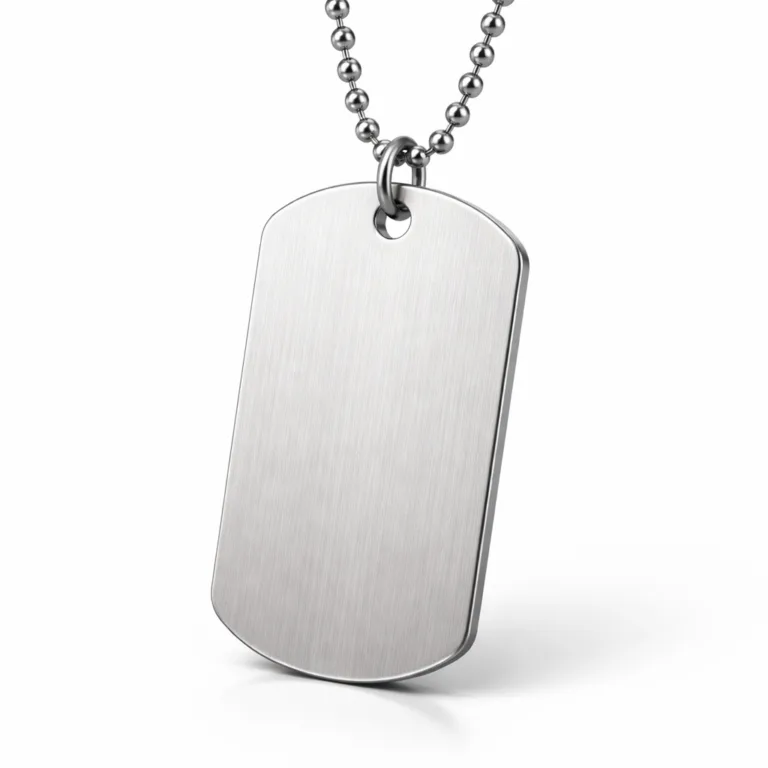
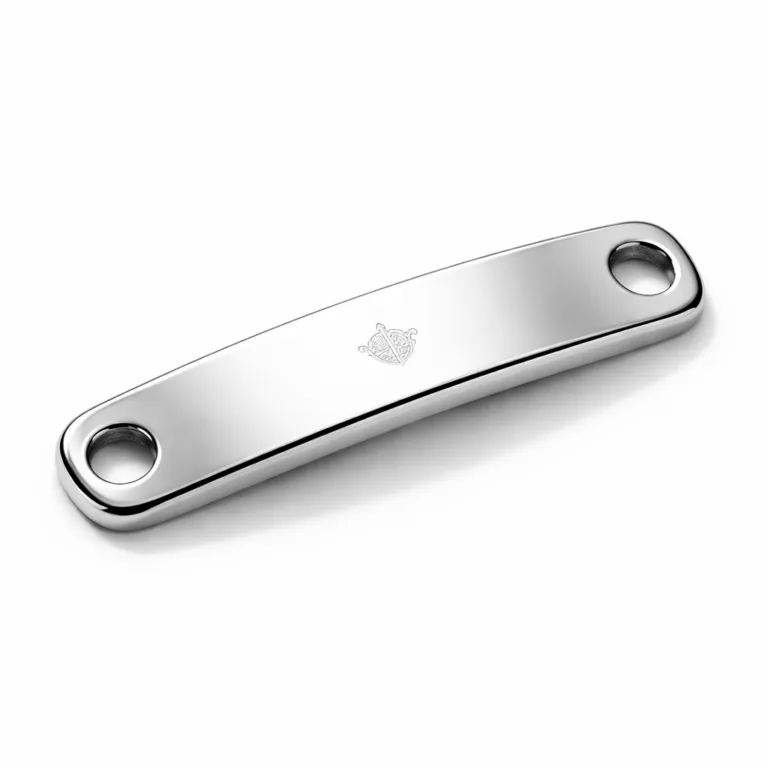
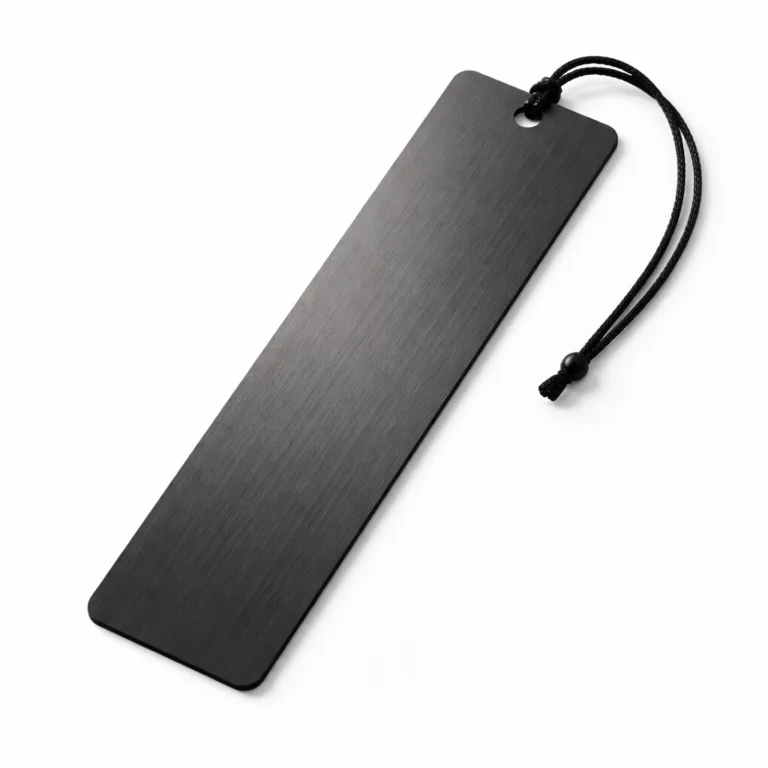
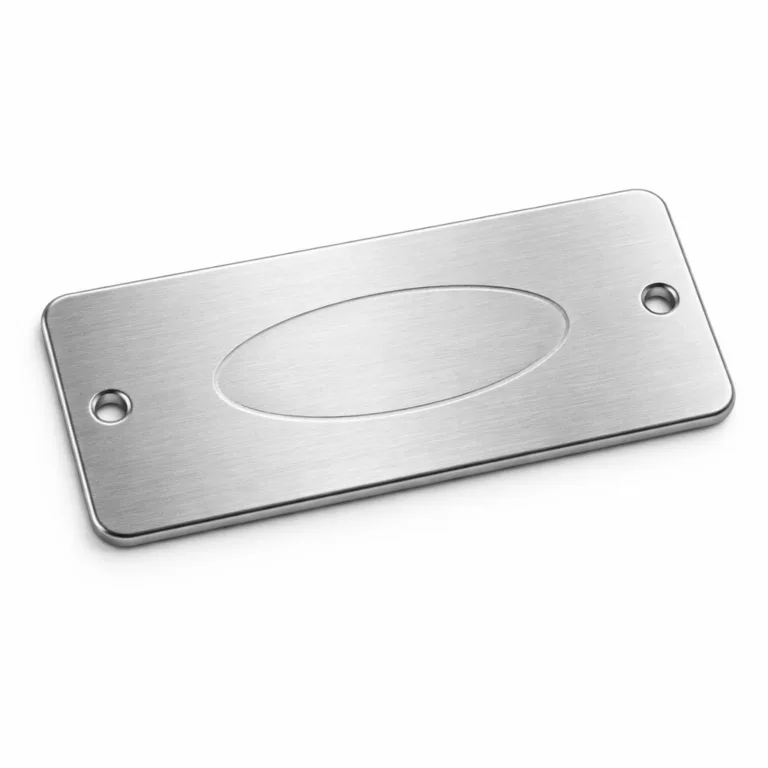
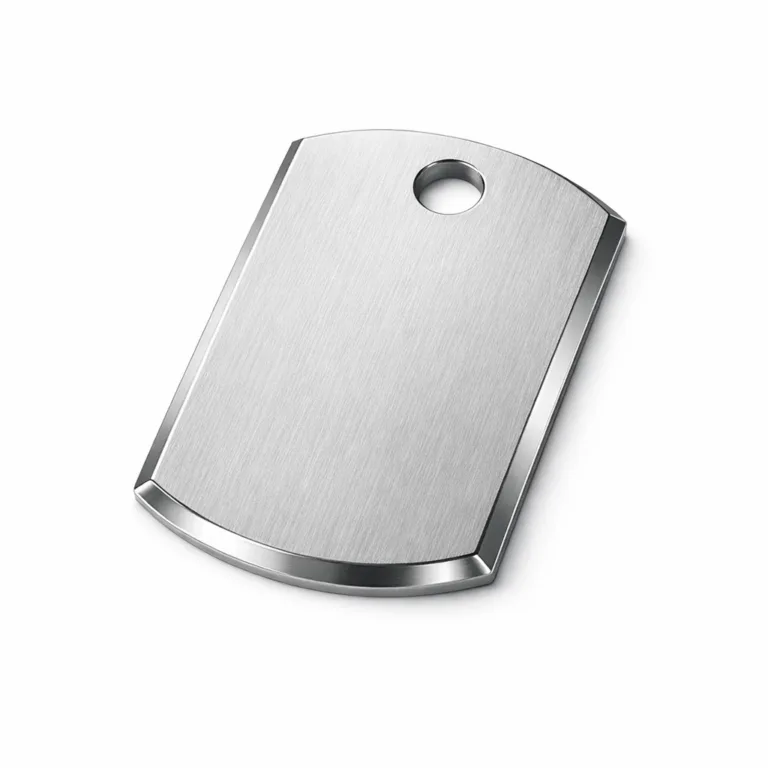
Reusable metal tags are robust identification plates fabricated from durable metals such as aluminum, stainless steel, or brass. These tags can be engraved, stamped, etched, or UV printed with company logos, serial numbers, QR codes, or other critical information. Metal tags are designed with attachment features like holes, slots, or adhesive backings, enabling them to be affixed directly to bottles, necks, or package wraps. In beverage packaging, they are often used for limited edition releases, brand identification, or customer engagement tools.
Foil capsules are thin metal sheaths—usually made from aluminum or tin—that cover the necks of wine bottles or certain spirits. Their main function is to protect cork integrity, boost perceived value, and offer tamper evidence. Once a bottle is opened, the foil capsule is discarded. Their lightweight appeal and smooth surface make them suitable for printing decorative designs, but their primary value is aesthetic and protective.
The key difference lies in their lifespan and intended use. Metal tags are built for repeated use—often collected, reused, or repurposed. Their branding capability extends beyond the shelf, as customers may retain them as mementos. Foil capsules, by contrast, are single-use, with their branding impact ending the moment the capsule is torn away. While both options can display logos, metal tags provide tactile and visual presence long after purchase.
Materials Comparison: Reusable Metal Tags
Metal tags are available in a range of base materials, each with its own ecological profile and application strengths. The most common materials are aluminum, stainless steel, and brass. Let’s break down their main sustainability and usage characteristics:
- Aluminum: Lightweight, corrosion-resistant, and fully recyclable. Its production uses significant energy, but closed-loop recycling is well established.
- Stainless Steel: Exceptionally durable and corrosion-resistant, with a long lifespan. Recycling stainless steel saves up to 70% of the energy compared to new production.
- Brass: A copper-zinc alloy with a distinct look, prized for aesthetics and moderate corrosion resistance. Brass can be recycled indefinitely without loss of quality.
Recyclability is a key advantage for metal tags. All three materials have strong recycling networks and can be fully reprocessed into new tags or other industrial goods. Sourcing practices and manufacturing processes like stamping or laser engraving impact the environmental load, but their durability means fewer resources are needed over time. That’s why brands prioritizing the long-term view gravitate toward metal tags.
According to case reports from premium spirits and collector wine projects, aluminum tags offer the best balance of lightweight handling and non-reactivity for moisture-prone environments, while luxury brands prefer brass for distinctive tactile branding. Stainless steel has found its niche with outdoor, large-format bottles where tags are meant to resist abrasion and harsh cleaning cycles. For example, a US craft brewery shifted from decorative foils to reusable stainless steel tags, cutting annual packaging waste by 18% while also improving repeat brand impressions.
The Drawbacks of Foil Capsules
Foil capsules may add a sleek finish to bottles, but from a sustainability perspective, they present serious drawbacks. Since foil capsules are single-use, every opened bottle generates an immediate source of packaging waste. Most capsules end up in landfills, with very few collected for recycling due to their small size and mixed-material coatings, like colored lacquers or plastics, which can complicate processing.
Even with aluminum content, recycling rates for foil capsules remain low—less than 20% in many markets, according to packaging waste audits. Municipal recycling often sorts these out as contaminants due to organic residue from the bottle or adhesives. Environmental advocacy groups and consumers are now well aware of these challenges and are putting pressure on wineries and beverage brands to take measurable action toward sustainable packaging solutions.
Foil capsules’ overall lifecycle—extraction, production, application, and disposal—has a much higher environmental cost per use than reusable metal tags. As a result, more beverage producers are exploring alternatives that support closed-loop systems, traceable branding, and waste minimization, especially as extended producer responsibility (EPR) regulations tighten globally.
| Aspect | Reusable Metal Tags | Foil Capsules |
|---|---|---|
| Use Cycle | Multi-use, may be collected/reused | Single-use, disposable |
| Recyclability | High (Al, SS, Brass) | Low to moderate (coatings are an issue) |
| Brand Impact | Lasts beyond purchase | Ends at opening |
| Waste Generation | Low (few replacements) | High (per bottle opened) |
Manufacturing Methods: Metal Tags Versus Foil Capsules
The production of reusable metal tags involves several methods, each with distinct sustainability and customization implications. Common processes include stamping (mesh or die-cutting the base shape), laser engraving or chemical etching for fine designs, anodizing for color durability, and embossing or debossing for tactile logos. These processes allow precise, low-waste runs and intricate personalization—ideal for variable data like serial numbers or QR codes.
By contrast, foil capsules are mass-produced in high-speed presses which extrude, slit, and lacquer the thin foil, followed by decorative printing and forming into their final shape. Energy consumption for both processes depends on scale, but metal tag production generally uses more energy per unit, balanced by their much longer useful life and lower replacement rates.
From a waste perspective, the multi-use nature of metal tags means fewer pieces are produced (and discarded) for the same branded experience. Emissions and pollution can be further minimized by choosing manufacturers who source recycled metals and use water-based or energy-efficient finishing. At UC Tag, for instance, Rain Chen notes that selecting laser or CNC engraving over traditional acid etching drastically reduces chemical waste and improves shop safety—a practical win for buyers committed to sustainable sourcing.
Customization possibilities also set metal tags apart: unique shapes, inlaid details, and layering effects are possible with CNC and hand-finishing. Lead times for tags (from proof to delivery) tend to be longer than for foil capsules, reflecting the bespoke nature and higher craftsmanship standard.
Design & Specification Checklist for Metal Tags
Choosing the right metal tag begins with defining your project’s requirements. Here’s a practical checklist to help specify reusable metal tags for beverage packaging:
- Size: Standard tags range from 25–60mm. Confirm neck/bottle compatibility.
- Thickness: 0.5–1.5mm typical. Thicker tags for heavier branding or durability needs.
- Weight: Consider impact on shipping and application mechanics. Lighter is often better for hanging tags.
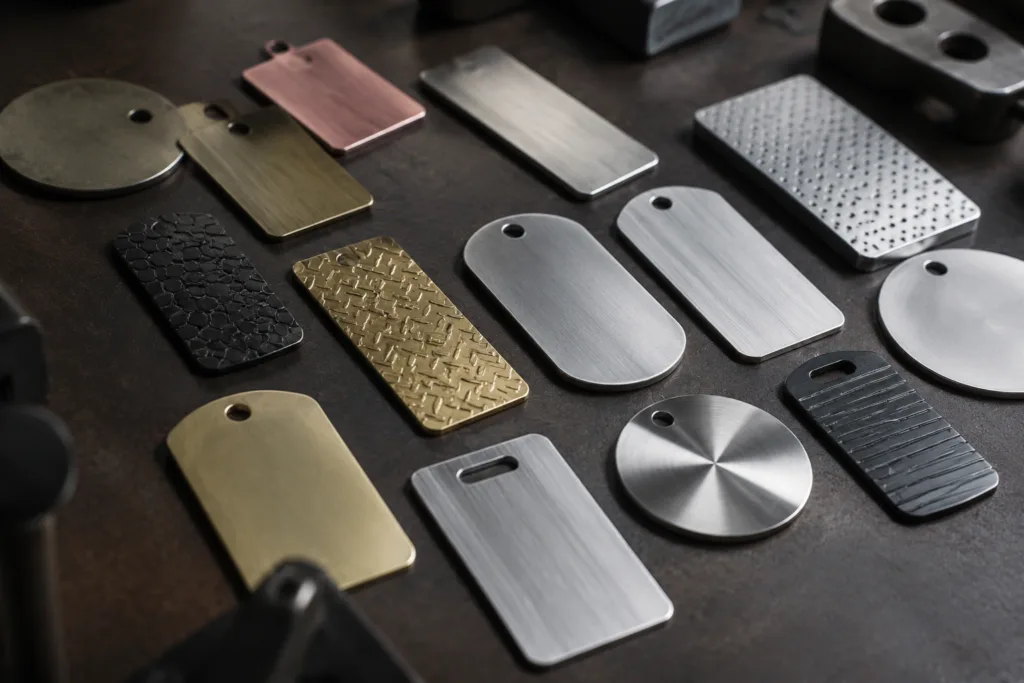
- Finishes: Brushed, mirror, anodized, or powder-coated. Choose finishes for aesthetics, grip, and corrosion protection.
- Attachment: Options include dual holes, integrated chains, adhesive backing (e.g., 3M), or magnetics for noninvasive application.
- Readability & Contrast: High-contrast engraving or paint fill required for low-light or display environments.
- Tolerance: Allow ±0.2mm for critical dimensions in automated bottling systems.
| Factor | Recommended Range/Option |
|---|---|
| Tag Size | 25mm–60mm width |
| Thickness | 0.5mm–1.5mm |
| Finish | Brushed, Mirror, Anodized, Powder Coat |
| Attachment | Holes, Chain, Adhesive, Rivet |
| Contrast | Dark fill on light metal or inverse |
| Tolerance | ±0.2mm typical |
Don’t forget to factor in special requirements for export or food contact compliance—many jurisdictions require traceable batch marking or mild cleaning resistance. For more bottle-specific specs, refer to UC Tag’s custom metal tag solutions for guidance grounded in real production data.
Durability & Testing of Metal Tags
Durability is essential for beverage packaging components, especially when tags must survive distribution, shelving, and consumer handling. Key tests for metal tags include corrosion resistance (via salt spray testing), abrasion resistance (using standardized rub or tumble tests), and UV stability (for outdoor or display exposure).
Salt spray testing is vital for evaluating how metal tags perform in humid or saline environments—a common scenario for exported wines and spirits. Premium aluminum and stainless steel tags routinely achieve 48–96 hours with no visible pitting or corrosion, surpassing the performance of standard foil capsules which may tear, discolor, or degrade over time.
In real-world applications, wineries deploying reusable brass tags on collector bottles reported zero branding loss even after 12 months in simulated cellars. Large scale beverage importers have published findings that engraved stainless tags remain fully legible after dozens of handling cycles, whereas foil capsules often lose integrity in transit or retail display.
Industry standard specs (such as ASTM B117 for salt spray or ISO 9227 for corrosion exposure) are typical benchmarks met by high-quality metal tag suppliers. Always request documentation of such testing, especially if tags are to be used in diverse global shipping conditions. Durability metrics like these are what set metal tags apart from foil capsules and reinforce the sustainability, metal tags, foil capsules argument.
Industry Applications and Fit for Metal Tags
The use of reusable metal tags is expanding across multiple sectors. In the beverage industry, they’re a preferred branding solution for wine, spirits, craft beer, and non-alcoholic specialty drinks. Food manufacturers use metal tags for promotional packaging, while chemical and consumer goods suppliers employ them for durable traceability labeling. Their advantages go beyond product ID: luxury brands deploy metal tags for member programs, exclusivity marks, and limited edition releases.
Use cases include:
- Brand identification (logo display, serial numbers, batch codes)
- Customer engagement (collectible tags, QR code-driven campaigns)
- Event or club membership recognition
- Compliant product labeling (traceability, export requirements)
Regulatory compliance is increasingly relevant—food and beverage exports may require washable, durable labeling that outperforms standard foil capsules. Case-in-point: a leading French vineyard recorded a 30% boost in brand recall when switching to custom-engraved metal tags for special releases, tying each bottle to a unique digital loyalty program. For further design and compliance tips, visit UC Tag’s wine tag manufacturer resources for engineered solutions that match regulatory and marketing needs.
Common Mistakes and Troubleshooting
Despite their advantages, some common issues can impact the performance of metal tags if not properly considered. The most frequent problems are unreadable text (from low contrast or insufficient depth in engraving), inadequate adhesives that fail in humid environments, and the wrong material choice leading to premature corrosion or color fading.
Design flaws such as low-contrast color combinations or excessive logo detail can hurt visibility and interfere with branding consistency. Sizing tags too large or small for the bottle neck can also affect attachment security, making them prone to loss during transport. One effective troubleshooting solution is to test prototypes in the actual distribution environment and verify both legibility and fit, before committing to a full production run.
For persistent issues, work closely with an experienced manufacturer who can advise on proper alloy selection, finish type, adhesive compatibility, and tolerance optimization. Quality checks—including batch-by-batch inspection and accelerated durability tests—will help prevent most failures documented in the field. Don’t skip these steps; thorough testing is the fastest path to a reliable, brand-safe metal tag deployment.
Ordering Guide for Custom Metal Tags

Ready to switch to reusable metal tags? Here are the key steps and expectations for initiating a B2B project:
- Minimum Order Quantities (MOQs): B2B production typically starts at 500–1000 pieces, though premium, highly customized orders may require higher MOQs.
- Lead Times: Standard lead times for stamped and engraved tags are 3–6 weeks (including proof approval and production), with rush options available for repeats.
- Artwork Requirements: Vector files (AI, CAD, or PDF) with exact logo/size data help ensure accurate quoting and proofing.
- Proof and Sample Stages: Suppliers may provide digital proofs within 2–3 business days. Physical samples or mock-ups are strongly recommended, especially for first-time projects.
- Shipping and Packaging: Bulk shipments are packed to minimize abrasion and bending. Ask about recyclable or compostable packaging if you’re extending your sustainability efforts to the supply chain.
If you operate across multiple beverage brands or need advice on complex specs, use a comprehensive tag solutions resource and standard sample packs to compare finishes, attachments, and materials before large-scale ordering.
Frequently Asked Questions
Are reusable metal tags safe for direct contact with food and beverages?
Yes, when specified with food-grade finishes and materials like stainless steel or anodized aluminum, metal tags can safely be used in beverage and food applications and meet regulatory requirements.
How long do metal tags last compared to foil capsules?
Metal tags typically last through unlimited use cycles or can be repurposed, while foil capsules are single-use and discarded immediately after bottle opening, making metal tags much more durable.
Can metal tags be recycled easily?
Absolutely; most metal tags are made from aluminum, stainless steel, or brass, all of which are widely and efficiently recyclable through standard industrial recycling channels.
What design options are available for metal tags?
Metal tags support a wide range of designs, including stamping, laser engraving, full-color printing, custom shapes, and various finishes like brush, mirror, anodized, and powder coating to match brand aesthetics.
Do foil capsules add to recycling contamination?
Yes, foil capsules often include plastic or lacquer layers that interfere with recycling streams, and their small size means they’re frequently sorted as waste, not recycled, by municipal systems.
Can metal tags be customized for traceability and QR code applications?
Yes, advanced marking methods let you add serial numbers, batch IDs, and even QR codes for digital engagement and traceability, offering a solution foil capsules cannot match.
Related Reading
- Transform Your Wine Shelf Presence with Custom Metal Neck Tags
- Metal vs. Paper: Why Waterproof Labels Outperform On-Ice and in Transit
- How Custom Metal Tags Instantly Elevate Private Label Product Branding
- Boost Brand Loyalty with Unforgettable Unboxing Experiences Using Metal Tags
- Increase Collectibility and Value for Limited Edition Spirits Using Numbered Metal Tags
- Discover the Durability Difference: Engraved vs. Printed Metal Tags Explained