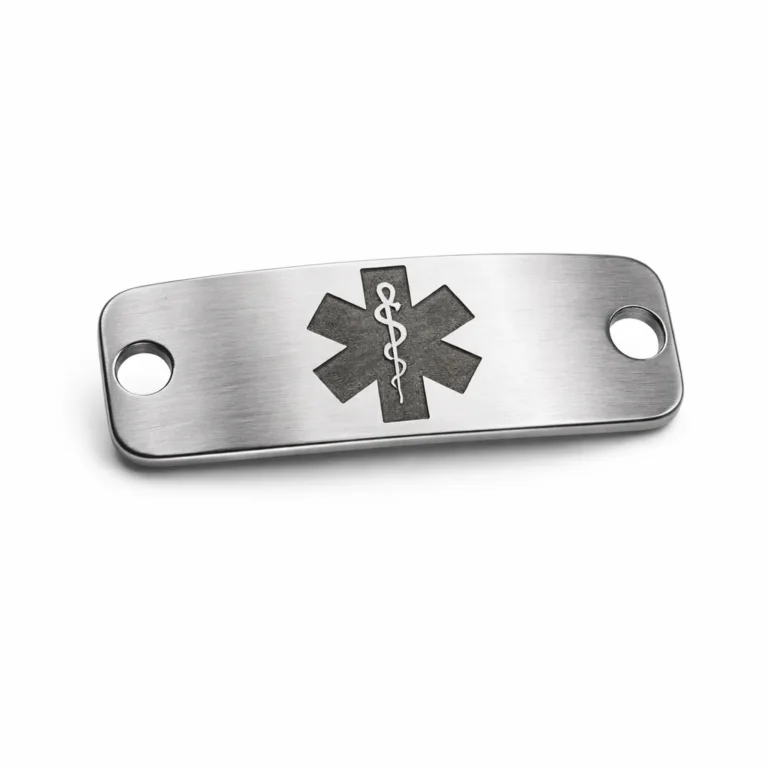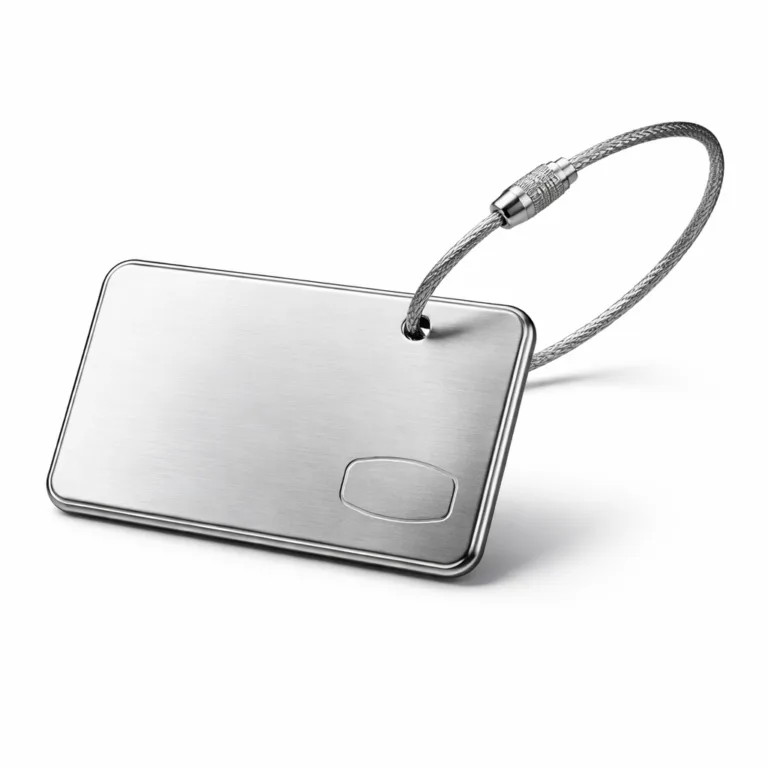
Introduction to Waterproof Labels
Waterproof labels are designed to withstand environments where moisture, water, or direct contact with liquids is common. These labels are specifically engineered for tough conditions, making them essential for a variety of industries, especially hospitality and event management. When it comes to ice buckets at formal gatherings or outdoor events, waterproof labels are not merely decorative—they serve critical roles in product identification, branding, and even compliance with regulatory requirements.
Effective labeling helps organizers, caterers, and brands maintain a polished presentation and clear communication. Waterproof labels are available in materials like vinyl, polyester, and, notably, metals such as aluminum, stainless steel, and brass. As we’ll explore, the material you select can significantly influence both performance and perception in high-visibility applications.
Why Metal Labels Outperform Paper Labels
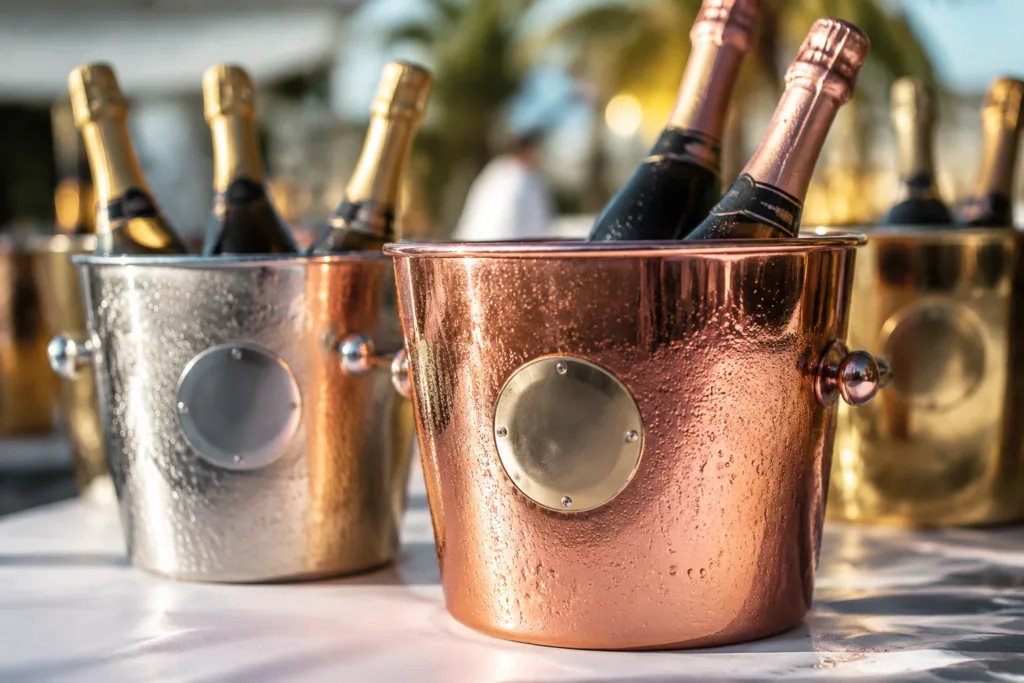
The advantages of metal labels over paper options become evident the moment an ice bucket is filled and condensation begins. Paper labels—no matter how thick or promisingly coated—quickly degrade. They tear, peel, and fade, especially after contact with water or melting ice. Metal labels, on the other hand, are engineered for resilience. They boast a long lifespan, retaining legibility and looks through repeated use in wet and cold environments.
Durability is not just a convenience; it’s essential for all branding and identification purposes. Metal labels resist common failures like tearing, wrinkling, or the frustrating loss of crucial information. Their surfaces can withstand wiping down, impacts, and constant moisture exposure without significant degradation. Unlike disposable paper options, metal labels are a reusable solution that supports sustainability as well.
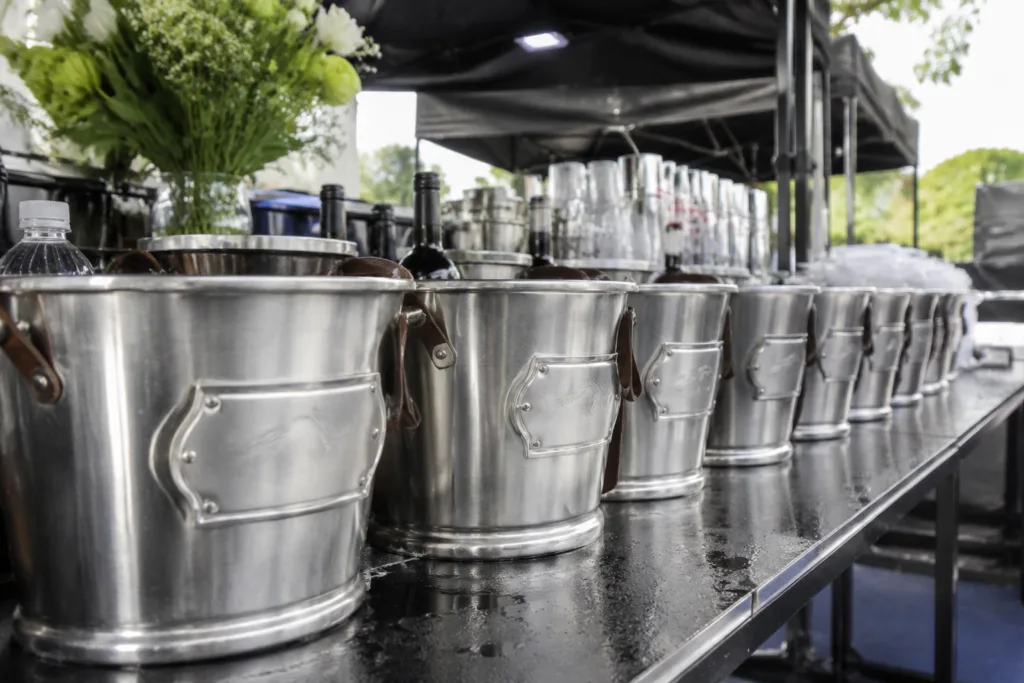
When hosting formal events, the enhanced presentation of metal labels makes a subtle yet powerful statement. Imagine ice buckets at an outdoor wedding or a luxury brand’s product rollout—a stainless steel or brass label instantly conveys quality and professionalism. For instance, at high-end corporate gatherings, engraved metal labels are often used to identify specific beverages or to promote brand names in a way paper simply cannot achieve. This effect carries over to general decor, elevating the ambiance of any event.
UC Tag’s team, including Rain Chen, has observed that well-produced metal labels consistently increase the perceived value of hospitality assets. They transform ice buckets from simple utilities into branded display pieces—boosting presentation and supporting seamless logistics.
Material Comparison: Aluminum, Stainless Steel, and Brass
Choosing the right metal for your ice bucket labels is crucial, as each material offers unique properties and trade-offs. Let’s break down the three most common metals used for labels: aluminum, stainless steel, and brass.
Aluminum labels are prized for their lightweight feel and high corrosion resistance. Aluminum’s protective oxide layer makes it perfect for wet, cold, or outdoor settings, as it will not rust or deteriorate even after repeated exposure to water. It’s also cost-effective and easy to shape or finish, making it a prime choice for event settings where both aesthetics and resilience are required.
Stainless steel delivers unmatched strength and a contemporary look. Its inherent toughness allows it to withstand impacts and rough handling, and it remains stain-free and rustproof in ice-filled buckets for prolonged periods. Stainless steel is often selected for high-traffic venues, or applications demanding both longevity and a premium feel—think hospitality suites, high-end catering, or large-scale festivals.
Brass brings warm golden tones and classic style, making it an outstanding option for applications where visual appeal matters deeply. Brass is naturally resistant to tarnishing and cracking, especially when lacquered or treated. It’s used by luxury brands or anywhere a touch of vintage or opulence is desired—such as private tasting events, fine dining, or themed parties.
| Metal | Corrosion Resistance | Weight | Aesthetic | Main Applications |
|---|---|---|---|---|
| Aluminum | High | Light | Modern, versatile | Outdoor, parties, events |
| Stainless Steel | Very High | Medium | Sleek, premium | High-traffic or premium events |
| Brass | Good | Medium | Classic, vintage | Luxury, formal gatherings |
When choosing metal labels for ice buckets, match the material to the setting and desired appearance. For instance, aluminum suits outdoor or casual poolside events where lightweight resilience is key, while stainless steel or brass is ideal for occasions requiring high impact or a distinguished theme.
Manufacturing Methods: Engraving, Stamping, Etching, and Printing
The process used to create metal labels directly impacts their durability, clarity, and cost. Each manufacturing method comes with distinct strengths that can enhance waterproof labels for ice buckets depending on event needs and budgets.
Engraving cuts text or graphics physically into the metal, ensuring details remain legible, resistant to scratching, and impossible to wash off. It’s perfect for enduring identification, especially in rough environments. Laser or CNC engraving allows for high detail on small, curved, or flat surfaces.
Stamping uses a die to press or hammer designs into the label’s surface. Stamped metal labels offer speed and cost-effectiveness, making them ideal for larger batches where rapid production matters, like festivals or brand rollouts. This method also adds depth and tactile feedback to the label, supporting both usability and tactile branding.
Etching involves using chemicals or lasers to remove the upper layer of metal, creating artful recesses that can be color-filled for enhanced contrast. Etched labels merge durability with visual variety—they’re often chosen for custom logos, complex branding, or decorative designs on ice buckets.
UV printing opens doors to colorful designs, vivid gradients, and legible text, even in small sizes. The cured ink adheres well to treated metal and resists fading and water. While not as deep as engraving, UV printing is invaluable for branding campaigns requiring color specificity or rapid turnaround.
When selecting manufacturing methods, consider the intended use, event frequency, and required level of detail. A high-end gala might benefit from deep engraving or classic etching, while a rapid promotion could make the most of efficient stamping or UV printing. For more on durability and branding, review the Sticker Labels vs. Metal Tags: The Essential Guide to Durable Product Branding.
Design and Specification Checklist for Ice Bucket Labels
When designing waterproof labels for ice buckets, careful planning ensures practical use and visual impact. Buyer teams should start with clarity, fit, and compatibility as primary requirements.
- Size & Thickness: Choose dimensions easily seen across tables or event spaces—generally 30–60mm wide–and thickness (typically 0.6–1.2mm) that balances durability with sleekness.
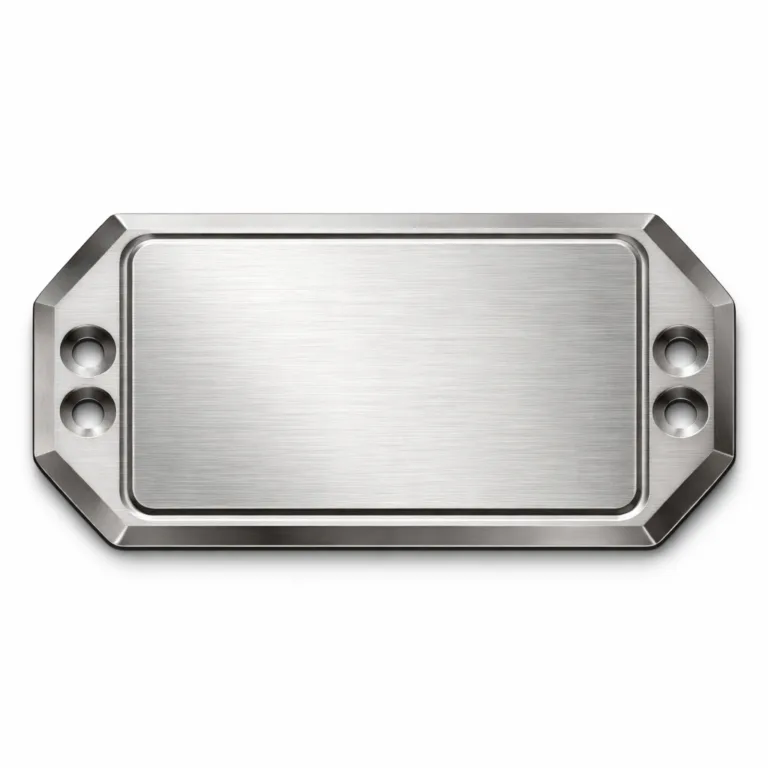
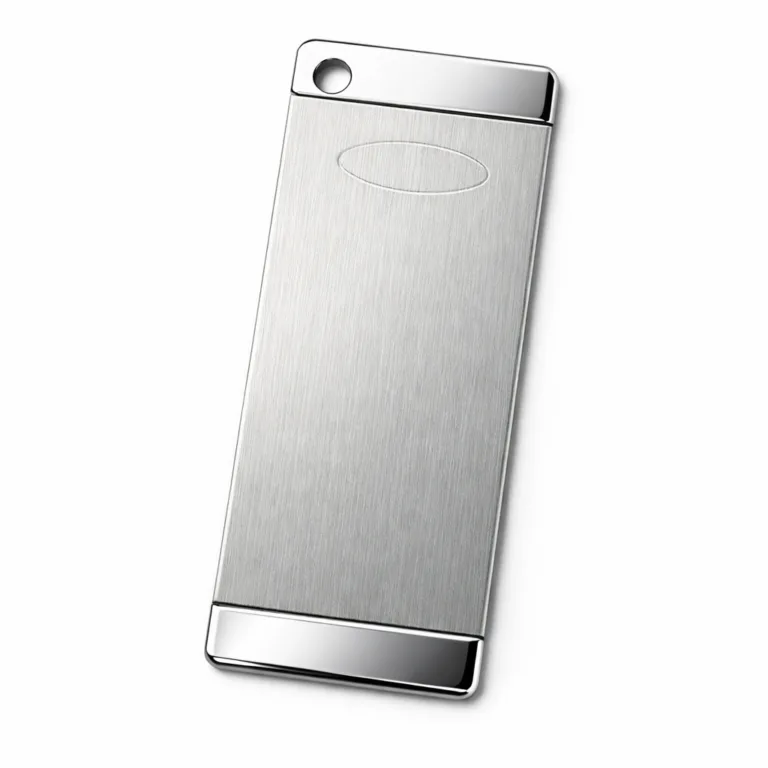
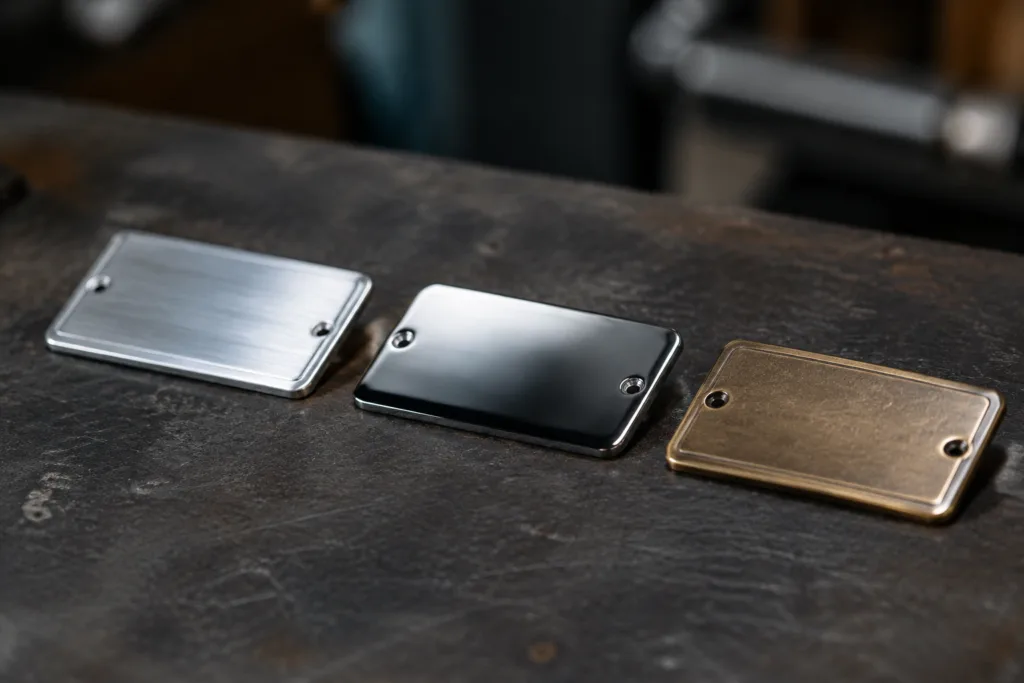
- Finish Options: Consider polished for mirror effect, brushed for subtlety, or anodized for color and corrosion resistance.
- Attachment Methods: Use high-performance adhesives (e.g., 3M) for a clean, tool-free solution, or specify rivet holes for permanent, tamper-proof fixation. Slot/strap solutions fit buckets with curved surfaces.
- Readability: Maximize text and logo contrast—dark fonts on bright metals or vice versa. Avoid ornate scripts that diminish at a distance.
- Tolerances: Allow for slight variations in label fit, especially if ordering in bulk for different-sized ice buckets.
| Spec | Recommendation |
|---|---|
| Label Size | 30–60 mm wide typical |
| Thickness | 0.6–1.2 mm (material-dependent) |
| Finish | Polished, brushed, anodized |
| Attachment | 3M adhesive, rivets, slots/straps |
| Contrast | High-contrast fonts and backgrounds |
This checklist provides a strong foundation for anyone specifying waterproof labels, supporting everything from event needs to mass distribution. For more premium or decorative requirements, specialty finishes or unique die-cutting can be considered by manufacturers, including UC Tag’s custom solutions for hospitality brands.
Durability Testing: Ensuring Long-lasting Performance
To guarantee metal labels deliver reliable performance, rigorous durability testing is essential. The primary concern for ice bucket labels is corrosion resistance, typically evaluated with salt spray (fog) tests. These tests expose metal samples to a salt-laden atmosphere, simulating years of exposure to moisture, ice, and handling. Labels that pass maintain their integrity and finish regardless of repeated use.
UV exposure also impacts how long colors and finishes remain crisp. Labels are placed under accelerated UV lamps to predict fading, yellowing, or weakening due to sunlight—which is especially critical for outdoor venues or events held in brightly lit spaces. Abrasion resistance tests assess how metal surfaces hold up after repeated contact, scratching, or cleaning—helping prevent illegible or worn branding.
Outdoor conditions can vary widely; rain, sun, cocktails, and cleaning agents can all take a toll. As Rain Chen from UC Tag notes, labels for hospitality must survive ice bucket cycles and still look sharp at a garden party’s final toast. That’s why top manufacturers implement strict quality assurance measures, rejecting parts with even minor finish defects, alignment errors, or inconsistent contrast.
Industry Applications: Use Cases for Waterproof Metal Labels
Waterproof labels—especially those crafted from metal—find their place at a wide range of events and in numerous B2B applications. Their durability and appearance make them indispensable for brand visibility and logistics alike.
At outdoor parties, metal labels endure frequent icing, water splashes, and shifting weather, maintaining both function and style, rain or shine. During corporate gatherings, these labels transform simple ice buckets into brand assets—displaying logos, product names, or event information that reinforces company identity throughout the venue. This same principle extends to retail displays, where waterproof metal labels help distinguish premium beverage offerings from competing brands.
Catering and food service teams rely on these labels to quickly identify specialty drinks or allergen-free offerings. For consistently branded experiences, event organizers choose reusable, easy-to-clean labels that withstand rotation across dozens of venues and seasons. Success stories include resorts that swapped peeling paper for sleek metal, finding not only fewer label replacements but elevated customer perception.
For more on leveraging metal tags in reusable setups, read Elevate Tasting Events with Custom Metal Tags: The Ultimate Reusable Ticket Solution.
Common Mistakes and Troubleshooting Tips
Even simple labeling projects can run into trouble if key factors are overlooked. One frequent mistake is selecting the wrong adhesive—standard glues may peel when exposed to water or condensation. Opt for proven waterproof adhesives or mechanical attachments. Another issue arises from disregarding readability. Intricate fonts or tiny text may disappear in event lighting or after exposure to condensation.
Choosing unsuitable materials, such as untreated metals or low-grade alloys, invites corrosion or fast fading. To avoid such pitfalls, always match the label material to the ice bucket’s usage context. Peeling and fading are telltale signs of improper finishing or subpar coatings; if you see these issues, consult your supplier about enhanced treatments or switch to a more robust manufacturing process like deep engraving.
For troubleshooting, clean labels gently with non-abrasive cloths and ensure adhesion surfaces are dry before application. Testing samples on a small batch reduces costly errors. UC Tag’s experience shows that a little pre-planning and attention to specs can prevent virtually all common issues in metal label applications.
Ordering Guide for Custom Metal Labels
The process for sourcing waterproof labels tailored to your ice buckets is straightforward if you follow several essential steps. First, be aware that most manufacturers set minimum order quantities for custom projects, which ensures both production efficiency and cost-effectiveness. For small events, expect sample options, but larger gatherings often require orders in batches beginning at 50 or 100 pieces.
Average lead times usually span 2–4 weeks, depending on label complexity and finishing. Providing clear, high-resolution artwork—such as vector files for logos—reduces approval cycles and ensures your final product matches expectations. Always request a digital or physical proof before proceeding with full production.
Packing and shipping considerations can change based on event schedules or label delicacy. Confirm packaging solutions that support safe transit and easy unpacking at the venue—custom trays, soft wraps, or bulk cartons as required. For reference samples, see the custom metal tag samples page.
Frequently Asked Questions
What is the best material for outdoor exposure?
Stainless steel is generally the best choice for ice bucket labels used outdoors due to its corrosion resistance and lasting sleek appearance, closely followed by anodized aluminum for lighter applications.
Can you create custom shapes for labels?
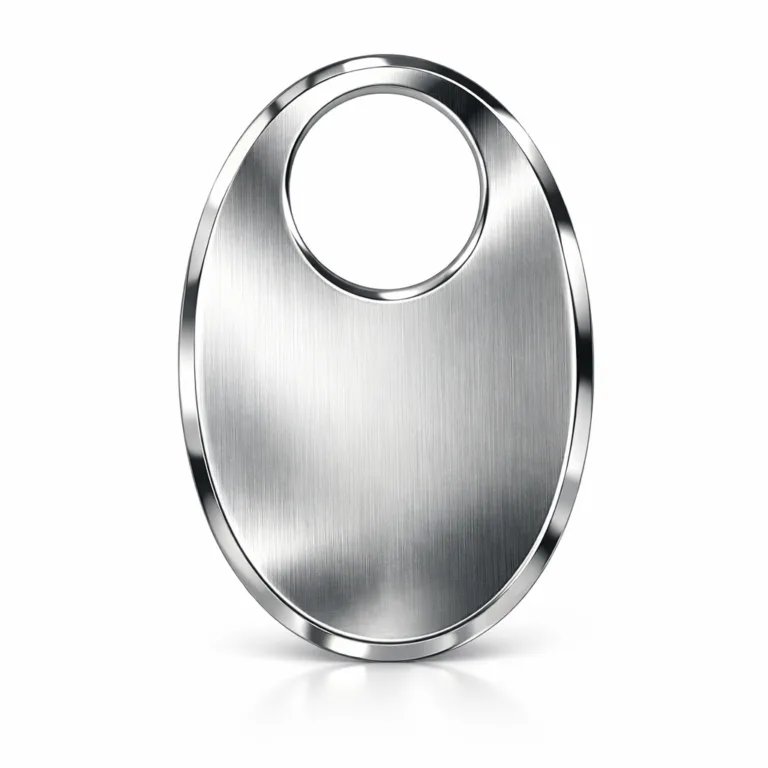
Yes, metal labels can be cut or stamped into unique shapes, including circles, shields, or custom die-cuts, supporting creative branding for any event or theme.
How do I clean and maintain metal labels?
Wipe metal labels gently with a non-abrasive cloth and mild cleaner, avoiding harsh chemicals or wire brushes to preserve finishes and maximize label longevity.
What is the process for obtaining a sample of labels?
You can request a sample by sharing your design and specifications; manufacturers typically provide digital proofs first, then produce a physical sample for approval before full production.
Are there size limitations for labels?
Labels can be made in a wide range of sizes, though extremely small or oversized designs may require special tooling or setup adjustments, so confirm requirements with your supplier in advance.
How long can I expect the labels to last outdoors?
With durable materials like stainless steel or anodized aluminum and proper coating, metal labels can last many years outdoors—usually outlasting the buckets themselves by several seasons.
Related Reading
- How to Choose Between Sticker Labels and Metal Tags for Long-Term Branding
- Reusable Metal Tags: Upgrading Event Ticketing and Beverage Service
- Designing Metal Wine Tags for Lasting Shelf Appeal in Retail
- Achieving Luxury Branding with Cost-Effective Metal Label Solutions
- Explore the Possibilities of Custom Metal Tag Solutions for Any Product