Subscription brands usually focus on the product inside the box, but retention often depends on something more repeatable: giving members a reason to look forward to the next shipment even before they know the full contents. Monthly collectible tags can do that well when they are planned as a series instead of treated as one-off inserts. For buyers evaluating this idea, the key is not just whether collectible tags look premium. It is whether the format, material, numbering system, finish, attachment method, and release logic work together to create anticipation without creating production problems or margin pressure.
If your program needs custom metal tag solutions for collectible programs, it helps to think about retention and production at the same time. A monthly series may involve engraved or printed designs, sequential numbering, finish consistency, themed packaging, and box-safe attachment choices. At UC Tag, we support this kind of planning by helping brands match tag material, marking method, sample approval, monthly variation control, and bulk production timing to the actual release calendar rather than treating each tag as an isolated item.
Why collectible tags work in subscription boxes
The basic retention problem for subscription boxes is familiar: the first delivery feels new, the second still feels interesting, and then excitement can flatten if the experience becomes predictable. A collectible tag program adds a second layer of value. The member is no longer waiting only for this month’s product. They are also waiting to continue a set, unlock a milestone, or receive a design variation that connects to a larger series.
From our manufacturing perspective, this works best when the tag is designed as an object with independent value. If the piece feels like a disposable promo insert, it will not drive repeat anticipation. If it feels durable, numbered, visually connected to previous releases, and worth keeping, it can reinforce the habit of staying subscribed.
This is where many brands underestimate the small details. The difference between “extra packaging filler” and “collectible item” is often created by physical choices: metal instead of paperboard, a finish that ages well, edge quality that feels intentional, and a design system that signals membership progression.
The retention challenge after the first few shipments
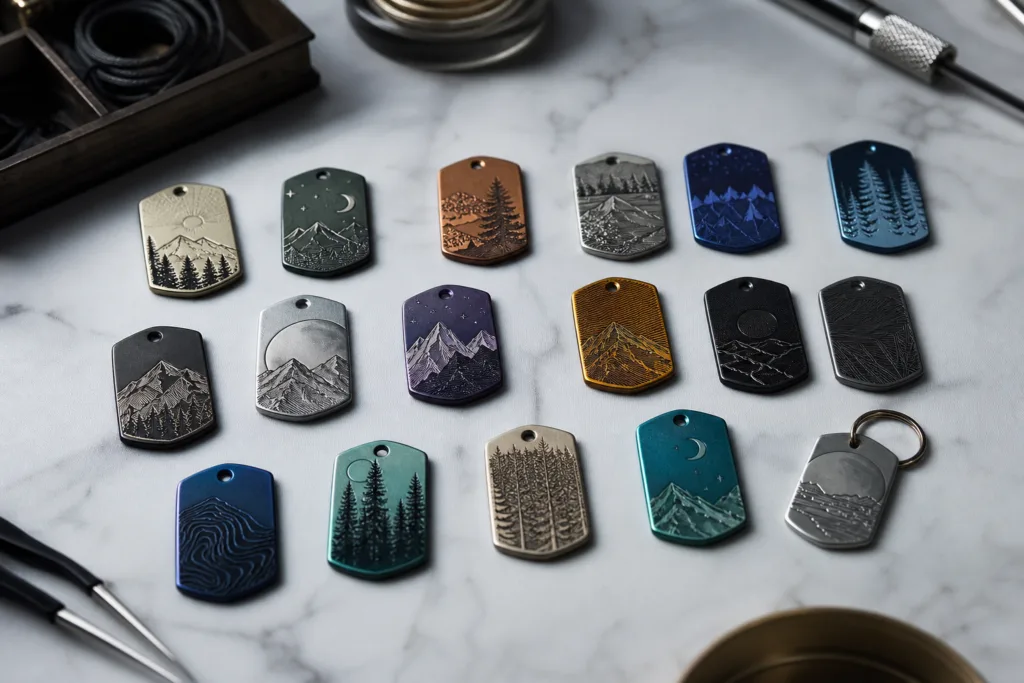
In many subscription programs, churn does not happen because the product is bad. It happens because the member can already imagine what future boxes will feel like. Once the surprise curve drops, the customer starts evaluating the subscription more like a transaction than an experience.
Collectible tags help by creating continuity between shipments. They make each month part of a sequence. That sequence matters because it changes the member’s question from “Do I want next month’s box?” to “Do I want to break my series?” That is a much stronger retention position.
For this reason, we usually advise brands not to launch monthly collectible tags without a visible long-term structure. A planned 6-month, 12-month, or milestone-based series is easier for members to understand and easier for your team to produce consistently. If the concept is too random, the program may create short-term novelty but weak long-term retention.
Collector psychology: completion, surprise, and status
Monthly collectible programs work because collecting is not only about owning objects. It is also about progression, identity, and completion. Research on collector psychology and completion motivation helps explain why serialized sets, milestone pieces, and limited monthly variants can feel rewarding beyond their material value. In practical terms, a subscriber who already has four pieces from a set is more likely to value the fifth than a new prospect would.
There are four useful levers here. First is completion: members want the full set. Second is surprise: they want to see what changes next month. Third is scarcity: limited runs feel more meaningful than open-ended generic inserts. Fourth is status: members like owning something that marks their tenure, access level, or participation in a launch period.
That does not mean every month needs artificial rarity. In fact, overusing scarcity can backfire. The better approach is to combine a stable base series with occasional differentiated releases such as anniversary tags, founder-series pieces, or member milestone editions.
What makes a tag collectible instead of just promotional
A collectible tag has a reason to be saved. A promotional tag usually does not. The practical difference comes down to a few questions:
- Does the tag belong to a visible series?
- Is there a numbering or milestone logic?
- Does the design feel durable and display-worthy?
- Is the monthly release distinct but still connected?
- Would a member trade, share, photograph, or discuss it?
If the answer to most of those questions is no, the item is probably still a promo insert. Brands often improve this by adding date marks, series names, member levels, issue numbers, or a themed annual collection. We have also seen stronger results when the tag is linked to a meaningful program event: first-year membership, seasonal drops, collaborations, category mastery, or subscriber achievements.
For brands exploring more special-run mechanics, reviewing limited-edition metal tag concepts can help clarify how scarcity and event-based releases can be structured without making every issue feel forced.
Best subscription box categories for monthly collectible tags
Not every subscription box category needs collectible tags, but several are a strong fit because members already value identity, ritual, or visible accumulation. Good examples include:
- Gaming, fandom, and hobby boxes
- Coffee, tea, craft beverage, and tasting clubs
- Outdoor, EDC, and gear communities
- Beauty, fragrance, and premium lifestyle subscriptions
- Book clubs and literary themed boxes
- Fitness challenge or wellness milestone programs
- Pet subscription brands with breed, training, or seasonal themes
- Membership clubs, founders clubs, and VIP continuity programs
The logic is simple. If the brand already has themes, chapters, seasons, achievements, or insider identity, collectible tags can turn those abstract ideas into physical membership signals.
Collectible tags for subscription boxes: format options that actually fit the strategy
For subscription boxes, the format should match both the brand image and the expected lifetime of the collectible. Metal tags tend to work well when the goal is perceived value, durability, and long-term keepability. But even within metal tags, there are different production paths.
| Tag Format | Best Use | Strengths | Watchouts |
|---|---|---|---|
| Engraved metal tags | Premium milestone pieces, serialized runs | Permanent marking, tactile feel, good longevity | Fine details need proper size planning |
| Etched metal tags | Detailed logos, themed artwork, text-heavy designs | Clean precision, refined look | Artwork setup matters early |
| Anodized aluminum tags | Color-coded monthly series, lightweight inserts | Good color range, light weight, corrosion resistance | Color consistency should be confirmed by sample |
| Stamped tags | Vintage, rugged, or craft-style subscriptions | Strong depth and tactile character | Tooling and spacing need planning |
| Printed metal tags | Artwork-rich or lower-cost decorative series | Flexible visuals, fast iteration | Wear resistance depends on finish and use case |
For buyers, the real question is not which method sounds premium. It is which method supports your retention strategy. If members are expected to handle, display, carry, or store the tag for years, permanence matters more. If the series depends on strong monthly color variation and lower unit cost, anodized or printed options may be a better fit.
When evaluating these routes, it is useful to compare custom metal tag material and finish choices because the same manufacturing logic used in industrial identification also applies to durability, legibility, and long-term consistency in collectible programs.
Designing a monthly series without losing coherence
A good collectible program balances novelty with recognition. Members should be able to tell each month is new, but they should also immediately know it belongs to the same series.
In practice, we recommend fixing a few core variables and rotating only a few others. For example:
- Keep the same base shape across the full annual series
- Keep logo position stable
- Keep issue numbering format stable
- Rotate color, icon, motif, texture, or border treatment monthly
- Use one annual theme and four seasonal sub-themes
This approach protects both brand coherence and manufacturing consistency. It also reduces approval errors because your team is not redesigning everything from zero every month.
Some brands also add rarity tiers. That can work, but the structure must stay clear. A simple model is better than a confusing one: standard monthly issue, quarterly special finish, and annual milestone edition. If rarity is too complicated, the collectible system starts feeling arbitrary instead of rewarding.
Material and finish choices that affect perceived value
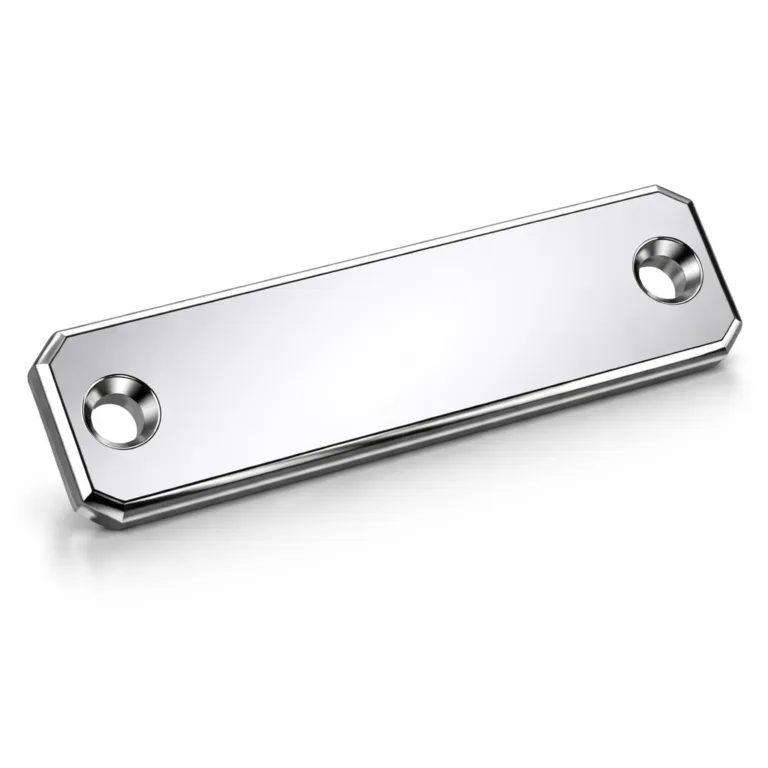
The material choice changes how “real” the collectible feels. Aluminum is often a smart starting point for subscription programs because it is lightweight, cost-efficient, and adaptable to anodized colors. Stainless steel works better when the desired look is more technical, premium, or long-lasting. Brass brings warmth and a heritage feel, which can fit craft, luxury, or vintage-themed box concepts.
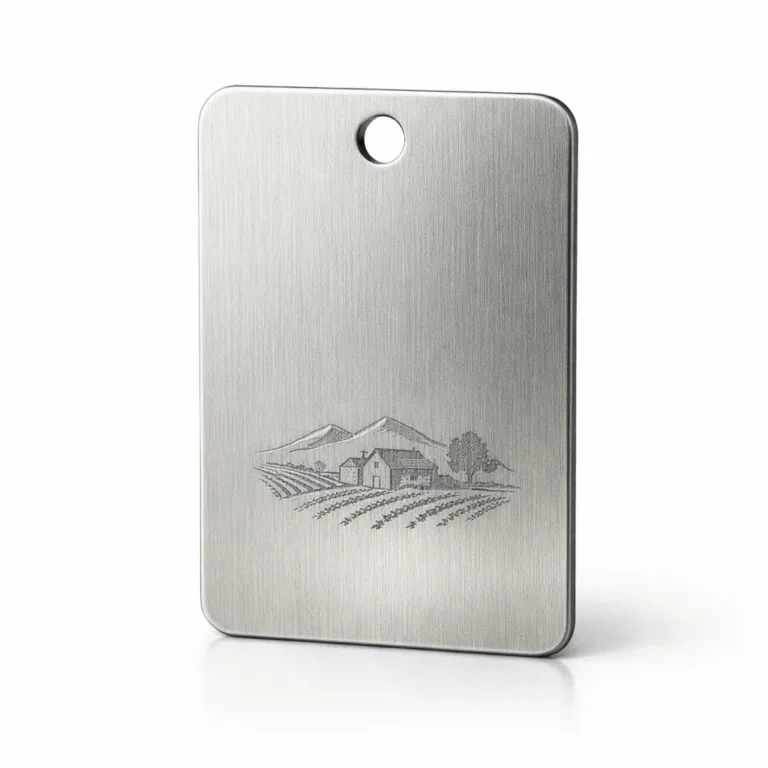
Finish selection matters just as much. Brushed finishes can make a piece feel more refined. Matte surfaces often work well when you want engraved or printed detail to stay readable. Glossy or highly reflective effects may look striking in photos, but they can reduce readability if the tag carries issue numbers or small text.
For series that need stronger contrast or a more layered visual identity, dual-plated tag design options can create a premium look without changing the core tag structure. This is useful when a brand wants a collectible to feel special while keeping the overall series format consistent.
Size, shape, and attachment options for box inserts
One detail that buyers often overlook is how the tag sits inside the box. If it shifts too much, scratches neighboring products, or catches on fabric, the perceived quality drops before the customer even examines the design.
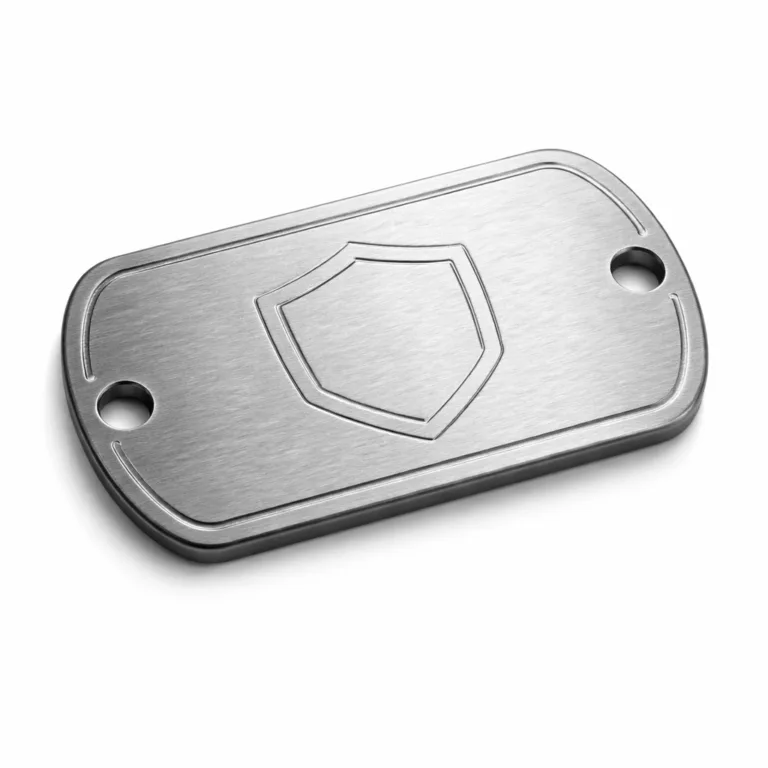
For most subscription box inserts, smaller formats are easier to manage consistently. Thin, lightweight pieces reduce shipping burden, but they still need enough thickness to avoid feeling flimsy. Shape also matters. Standard rectangles and circles are efficient, but shield, coin, crest, or custom silhouette shapes can increase collectibility if they remain practical for packaging.
Attachment should be chosen based on how the customer will use the piece after unboxing. Common options include:
- No attachment, placed in a sleeve or pouch as a standalone collectible
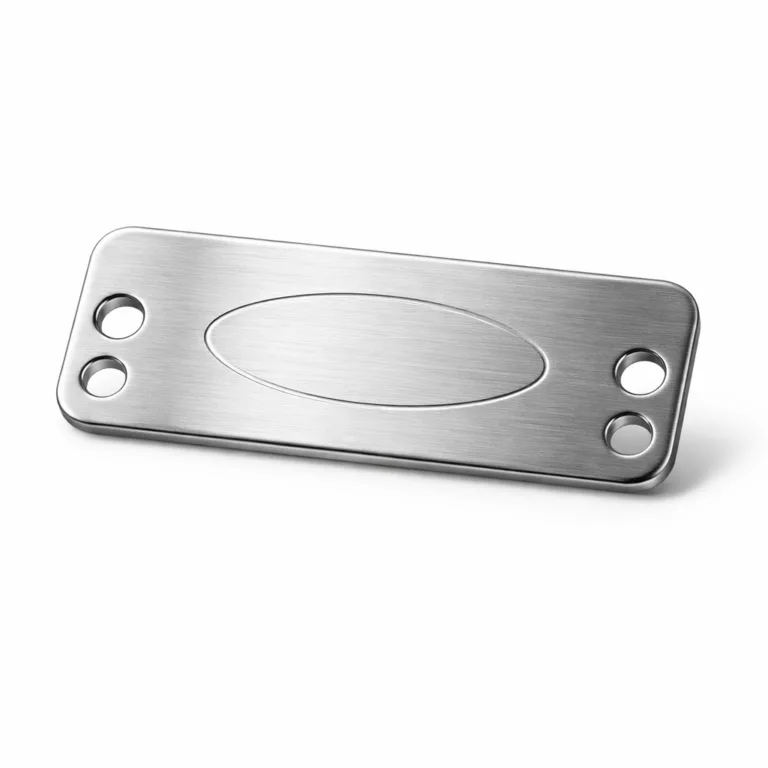
- Hole punching for rings, chains, cords, or display boards
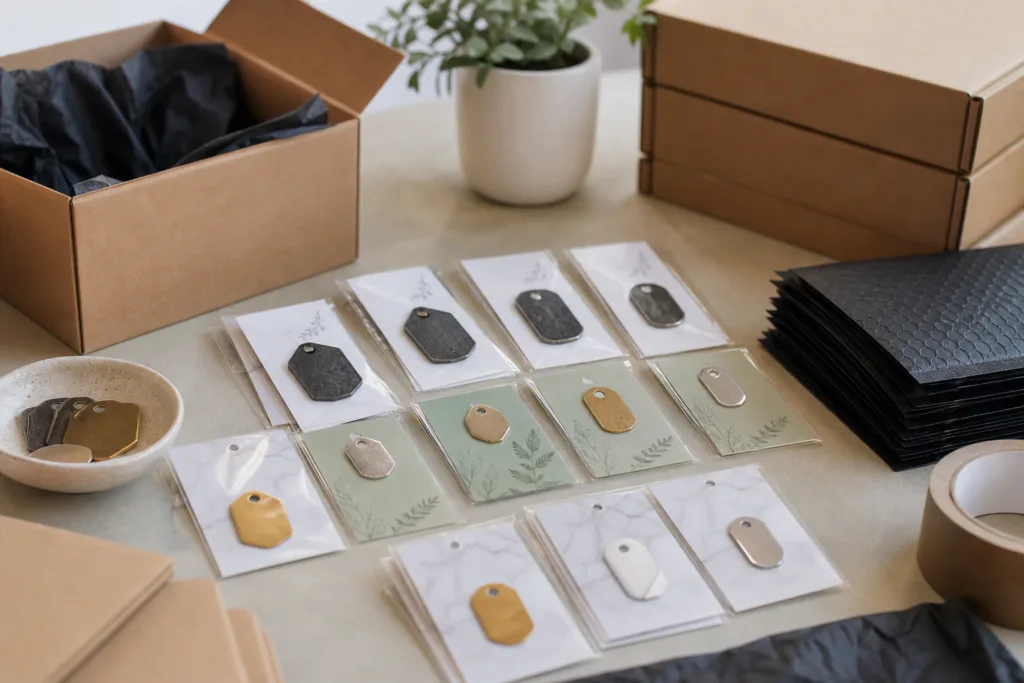
- Backing cards for presentation and issue storytelling
- Adhesive application when the piece is meant to be mounted on a box, kit, case, or notebook
When the collectible is intended to attach to another product, adhesive-backed tag attachment methods should be evaluated carefully. Adhesive looks simple, but the real questions are surface compatibility, long-term bond expectations, and whether members are meant to reposition the tag or apply it permanently.
Turning monthly releases into a storyline
The strongest programs usually feel like a season, chapter, or progression path. A monthly tag should not just exist. It should mean something in the sequence. This can be built around:
- Seasonal chapters
- Flavor or product family journeys
- Skill levels or challenge stages
- Membership anniversaries
- Regional or origin-based themes
- Artist or collaboration series
The storyline helps retention because it creates narrative continuity. Missing a month then feels like missing a chapter, not just skipping a purchase.
At UC Tag, we often suggest that brands define the series calendar before finalizing month one. That prevents visual drift and avoids the common problem where the first two issues are strong and later issues feel improvised.
Community, sharing, and member belonging
Collectible tags can also support retention by making membership visible. When members share a completed set, compare issue numbers, or discuss which monthly release they liked most, the collectible becomes a social tool rather than only a physical object. Research on community identity and member belonging is relevant here: engagement tends to strengthen when people feel part of an ongoing group experience rather than a one-time transaction.
For subscription brands, this means the tag should be designed to be photographed, displayed, or talked about. A strong backing card, a short story about the issue, or a visible series number can make sharing more natural. The goal is not just to create a collectible, but to create a ritual around receiving it.
Serialization, milestone pieces, and limited editions
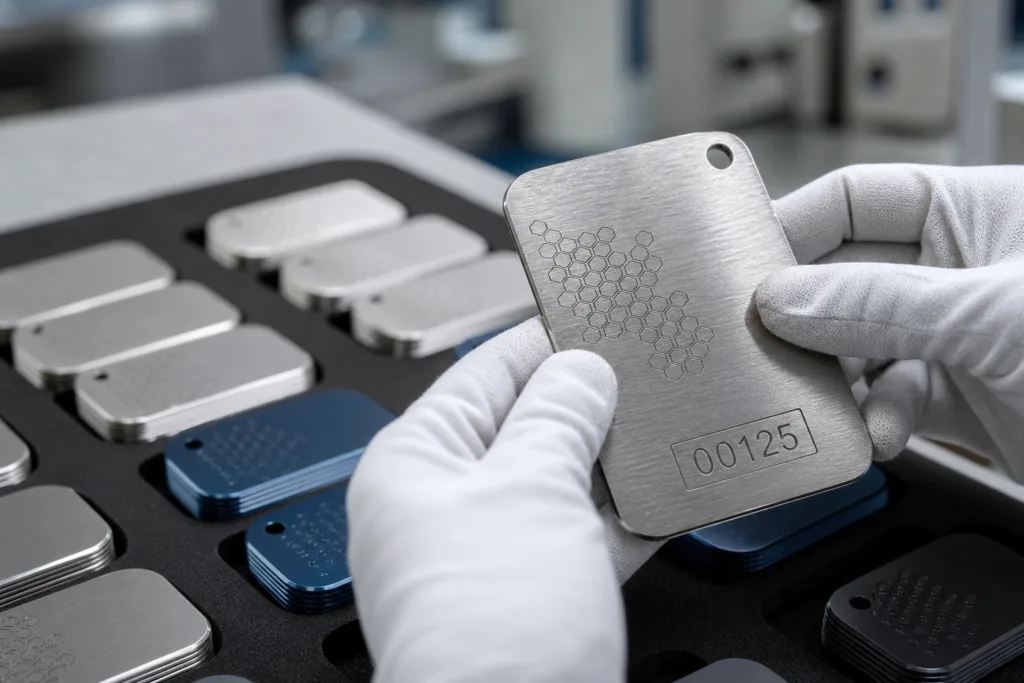
Serialization is one of the most practical ways to increase meaning without changing the whole product. A member can receive issue numbers, subscriber tenure markers, anniversary releases, or achievement tags tied to months subscribed. This works because the piece becomes personal, not just decorative.
There are several ways to handle this:
- Universal monthly issue number shared by all members
- Individual serial number per piece
- Tiered milestone tags for 3, 6, or 12 months
- Limited-run alternate finishes for early renewals or referrals
However, serialized data adds operational requirements. Your data file format, proofing process, and QC checkpoints must be tighter than for standard decorative tags. We usually tell buyers that once variable data enters the project, the supplier’s data handling discipline becomes part of the product itself.
Production planning: MOQ, lead time, quality consistency, and packaging
A monthly collectible program fails quickly if planning is only creative. The physical program has to survive lead times, approvals, fulfillment schedules, and budget control.
MOQ should be discussed early, especially if your monthly volume changes with subscriber count. Some brands benefit from annual forecast planning with monthly releases produced in batches. Others prefer quarterly production windows to allow design updates. The right model depends on how fixed your subscriber numbers are and how much monthly variation the program includes.
Lead time is another area where delays start small and become expensive. If each month requires new artwork, numbering, and packaging insert text, approval discipline is essential. In our custom metal tag production work, the easiest projects to keep on schedule are the ones with fixed templates, clear version control, and a locked review calendar.
Consistency also matters more than many lifestyle brands expect. Subscribers notice when month five feels thinner, lighter, or less refined than month two. That is why a capable manufacturer should control not only artwork output but also thickness tolerance, edge quality, finish tone, hole placement, and packaging protection.
When projects involve custom metal tag development, material selection, and repeat monthly execution, working with UC Tag is less about buying a single item and more about building a repeatable production system that supports samples, variable data review, packaging alignment, and batch-to-batch consistency.
Cost drivers and how to protect margin
Collectible tags can improve retention, but only if the economics are managed carefully. The main cost drivers are usually:
- Material type and thickness
- Size and custom shape complexity
- Marking method
- Color count or finish complexity
- Sequential numbering or variable data
- Tooling requirements
- Attachment hardware or adhesive backing
- Individual packaging or backing cards
One practical way to protect margin is to standardize the base construction across a full series. Keep the same size, thickness, and core shape, then create variation through artwork, color, issue numbering, or finish accents. That usually gives a better cost-performance balance than redesigning the physical structure every month.
Another useful approach is to reserve high-cost features for milestone issues. Members do not need every release to be rare. They need the series to feel thoughtfully paced.
How to avoid collectible fatigue and disappointment
A collectible program can lose effectiveness if every release tries too hard to be special. Members start to tune out when rarity becomes constant, themes become confusing, or the visual system loses coherence.
To avoid fatigue:
- Use a clear annual or seasonal roadmap
- Do not overproduce variants
- Make milestone pieces truly different
- Keep quality stable across ordinary issues
- Communicate the logic of the series clearly
- Leave room for surprise without abandoning the system
Subscriber disappointment often comes from expectation mismatch. If a series begins with heavy engraved metal tags and later shifts to lighter printed pieces without explanation, members may read that as a downgrade. That kind of change should be planned carefully and, if necessary, reserved for a distinct sub-series rather than mixed into the same run.
How to measure whether the program is working
Brands should not judge collectible tags only by social reactions. The retention case needs measurable behavior. Useful indicators include:
- Month-to-month subscriber retention after launch
- Average membership duration
- Renewal rate around milestone months
- Referral activity tied to limited issues
- User-generated content featuring the tags
- Repeat purchases of related merchandise or display accessories
- Win-back response when missed issues are highlighted
It is also useful to segment results. A tag program may not affect all subscribers equally. New members may respond to onboarding sets, while long-term members may care more about serialized milestones or anniversary editions.
Common mistakes subscription brands make
The most common mistakes are usually strategic and production-related at the same time.
- Launching without a 6- to 12-month series plan
- Using materials that look good in renderings but feel disposable in hand
- Changing format too often and weakening set identity
- Underestimating approval time for numbered or personalized data
- Ignoring packaging protection, causing scratches in transit
- Adding complexity every month until the margin disappears
- Using collectible language without real collection logic
Let’s look at what actually affects the result. In many projects, the problem is not that the idea of collectible tags is weak. The problem is that some production details were not clarified before sampling or bulk production. That includes finish expectations, issue numbering position, acceptable color shift, backing card fit, and whether a “special edition” should share the same die line as the main series.
A practical checklist before you launch
Before starting a collectible tag program, we suggest confirming these points:
- What retention behavior are you trying to influence?
- Is the series monthly, quarterly, seasonal, or milestone-based?
- What makes the piece collectible rather than promotional?
- Which material matches your audience and margin target?
- Which marking method matches detail level and durability needs?
- Will tags include fixed numbers, variable serials, or member milestones?
- What size, thickness, and shape fit your box and fulfillment flow?
- How will the item be presented, protected, and explained in the box?
- What is the approval calendar for artwork and data files?
- What quality points must stay consistent across every release?
If those questions are answered early, the program is much easier to scale without losing either member excitement or production control.
Conclusion
Monthly collectible tags can improve subscription retention when they are treated as a structured membership system, not just a decorative extra. The strongest programs use collector logic, clear series design, durable materials, manageable production planning, and visible progression. For subscription boxes, collectible tags work best when each release adds to a bigger story and when the physical quality is strong enough to justify keeping the piece long after unboxing. From our metal tag manufacturing perspective, the brands that get the most value are usually the ones that connect retention strategy with practical decisions on material, finish, numbering, attachment, packaging, and monthly production discipline from the start.
FAQs
Are collectible tags worth it for subscription box retention?
They can be, if the tags are part of a real series with progression, recognition, and physical quality. A random insert usually does not improve retention much, but a well-planned monthly collectible can give members a reason to stay subscribed so they can complete a set, reach milestones, or receive future themed releases.
What material works best for monthly collectible tags?
That depends on your price target, brand image, and how premium the piece needs to feel. Aluminum is often a practical starting point because it is lightweight and flexible for color variation. Stainless steel fits more premium or technical looks, while brass suits heritage or warm visual styles. The right choice is the one that balances perceived value, durability, and repeat production consistency.
Should monthly collectible tags be engraved, etched, stamped, or printed?
Each method fits a different strategy. Engraving works well for permanence and milestone pieces. Etching is useful when you need cleaner detail and refined artwork. Stamping gives a more tactile and dimensional look. Printing can be effective when the design changes frequently or needs more visual color. The decision should match both the desired appearance and the expected handling of the collectible.
How do we keep collectible tags fresh without making the series feel inconsistent?
Keep the core structure stable and change only selected design elements. Most strong programs use one base shape, one logo position, and one numbering logic across the series, then rotate color, theme, texture, or artwork details by month. That keeps the collection recognizable while still giving members something new to anticipate.
What production details should be confirmed before sampling?
Confirm the material, thickness, size, shape, finish, marking method, numbering format, hole or backing option, packaging style, and acceptable appearance tolerances before sampling starts. This detail may look small, but it can create problems later if it is not confirmed early, especially in monthly programs where consistency matters from one release to the next.
How can a subscription brand protect margin on a collectible tag program?
Standardize the base construction across the series and concentrate costlier features on milestone editions instead of every release. Keeping the same die line, size, thickness, and core process usually controls cost better than reinventing the item monthly. Margin is also protected when approval timing, MOQ planning, and packaging requirements are set clearly before bulk production.