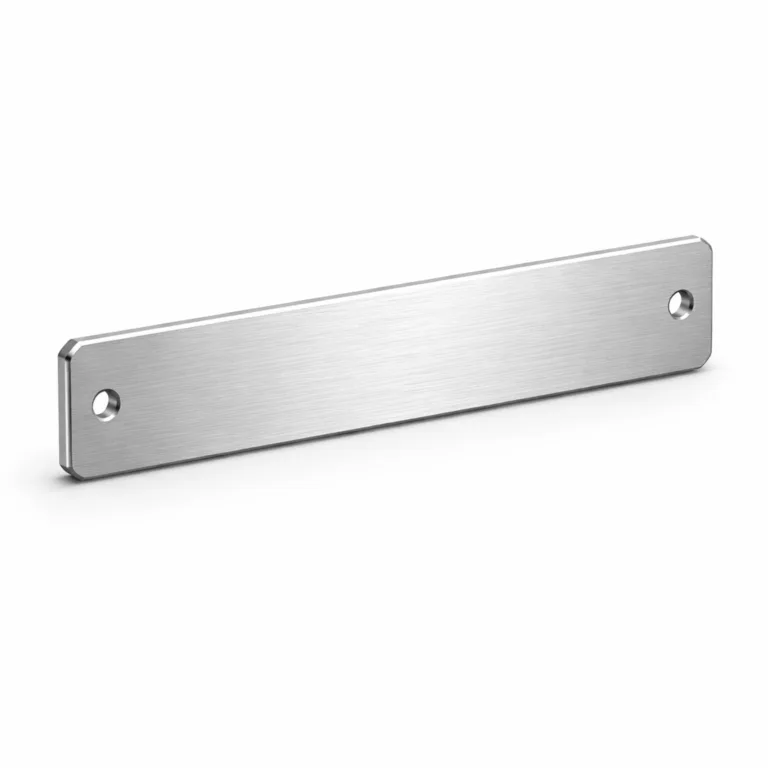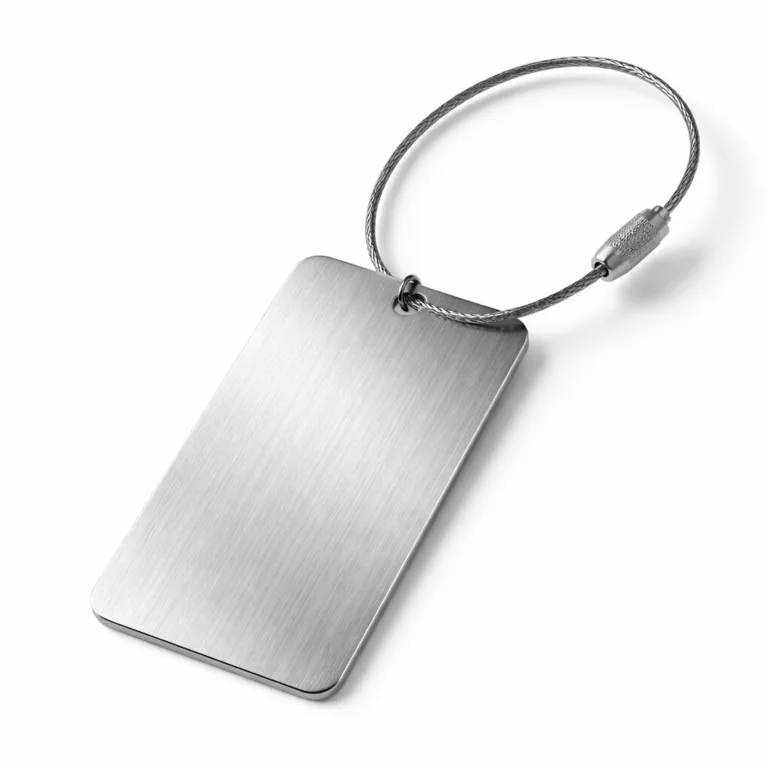
Choosing custom metal tags for industrial use is not only about shape, material, or price. For buyers, the real question is whether the tag will stay readable, stay attached, and keep the right information visible under the actual working conditions. That means looking at material, marking method, attachment style, data accuracy, and production control together rather than as separate decisions.
If your project involves equipment labels, serial plates, asset IDs, outdoor identification, or traceable parts, our custom metal tag manufacturing solutions can help connect the design stage with real production details. We support buyers with material matching, engraving or etching selection, variable data handling, attachment planning, sample review, and bulk consistency so the final tag fits the application instead of only looking correct on a drawing.
What actually matters when selecting custom metal tags
In many projects, the problem is not that the buyer picked the wrong product category. The problem is that several practical details were left open until too late. A tag may look simple, but small choices affect performance: plate thickness influences rigidity, finish affects readability, hole position affects installation speed, and marking depth or print type affects service life.
When we review a new project, we usually start with five questions:
- Where will the tag be used: indoor, outdoor, marine, chemical, hot, or high-abrasion conditions?
- What information must remain readable: logo, model, serial number, barcode, QR code, warning text, or rating data?
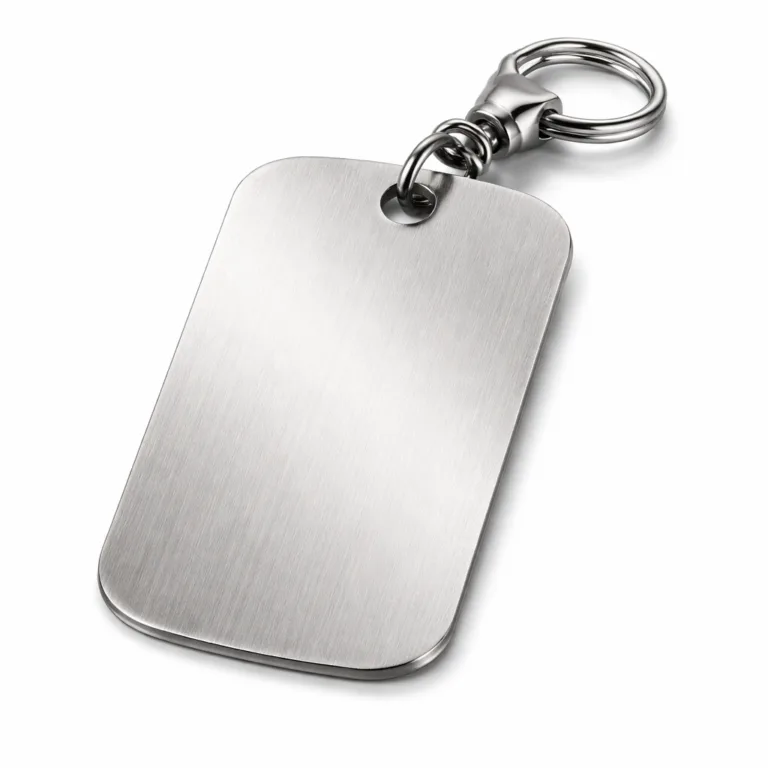
- How will the tag be attached: rivet, screw, wire, chain, adhesive, or slot mounting?
- Is the order fixed-data only, or does it include variable numbering or code-by-code data?
- What level of consistency is needed across samples, repeat orders, and bulk packaging?
These questions help narrow down the correct combination faster than starting from material names alone.
How custom metal tags differ by industrial application
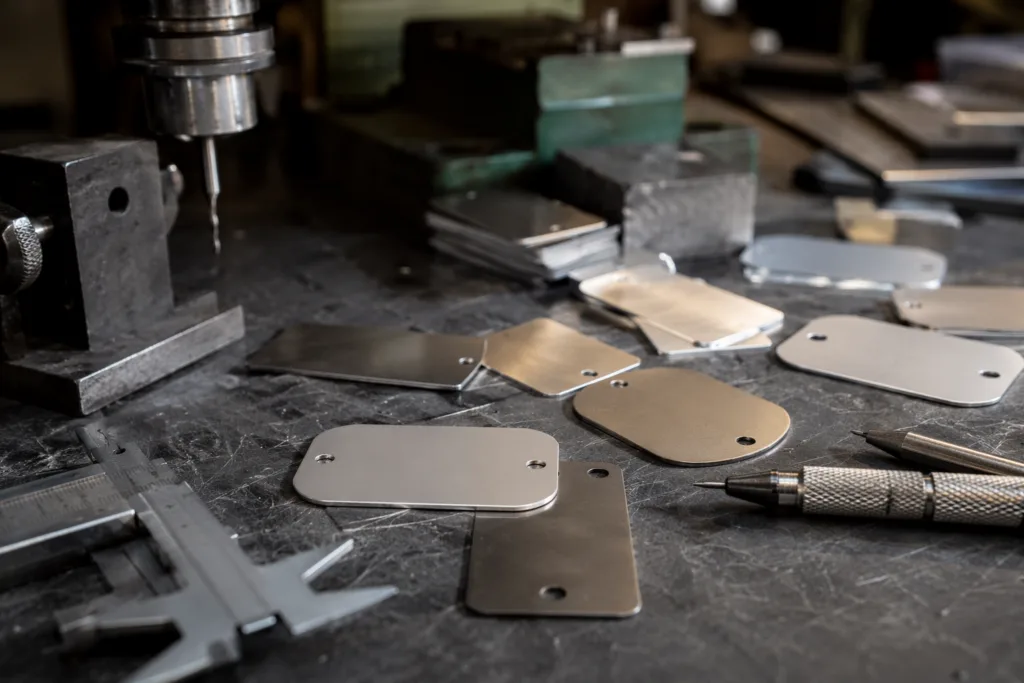
Industrial tags are often grouped together, but the use case changes the design logic. An equipment ID plate on a machine housing has different needs from a hanging valve tag or a small asset control plate on electronics. Buyers comparing industrial tag solution options should sort the application first, because size, thickness, edge treatment, and attachment method all follow from use.
Common industrial use scenarios
| Application | Typical Needs | Common Priorities |
|---|---|---|
| Machine nameplates | Model data, serial numbers, brand information | Readability, clean finish, secure mounting |
| Asset tags | Numbering, barcode or QR code tracking | Data accuracy, scan reliability, abrasion resistance |
| Valve or cable tags | Small format identification | Clear characters, hole position, edge safety |
| Outdoor equipment tags | Weather exposure, UV, moisture | Corrosion resistance, durable marking |
| Marine or chemical-area tags | Corrosive atmosphere or splash exposure | Material selection, finish stability, attachment durability |
| OEM branded plates | Logo, specifications, private label packaging | Appearance control, repeatability, packaging planning |
For buyers, the key is not only the tag type name. The key is whether the structure and marking system match the real working environment.
Material choice: aluminum, stainless steel, or brass?
Material selection is one of the first major decisions because it drives corrosion behavior, weight, appearance, machinability, and cost. The right answer depends on the balance between environment, required service life, and visual expectations.
Aluminum tags
Aluminum is widely used because it is lightweight, practical, and cost-efficient for many industrial labeling jobs. It works well for equipment plates, serialized labels, and anodized products where contrast and appearance matter. It is often a strong option when the environment is moderate and the buyer wants a good balance between durability and price.
Anodized aluminum can be especially useful when you need clean surface color, image or text contrast, and decent outdoor performance. However, the exact use condition still matters. If the tag will be exposed to strong chemicals, salt-heavy environments, or repeated impact, another material may be a better fit.
Stainless steel tags
Stainless steel is usually the safer choice for harsh industrial, marine, wet, or chemical-exposed conditions. It offers better strength and corrosion resistance than standard aluminum and is often chosen when long-term identification matters more than keeping initial cost low. It is also a common choice for etched nameplates, industrial data plates, and code-bearing tags where durability is critical.
In practice, stainless steel is often selected when a buyer says, “We do not want to replace this tag later.” That does not mean every project needs it, but it is usually worth considering for demanding sites.
Brass tags
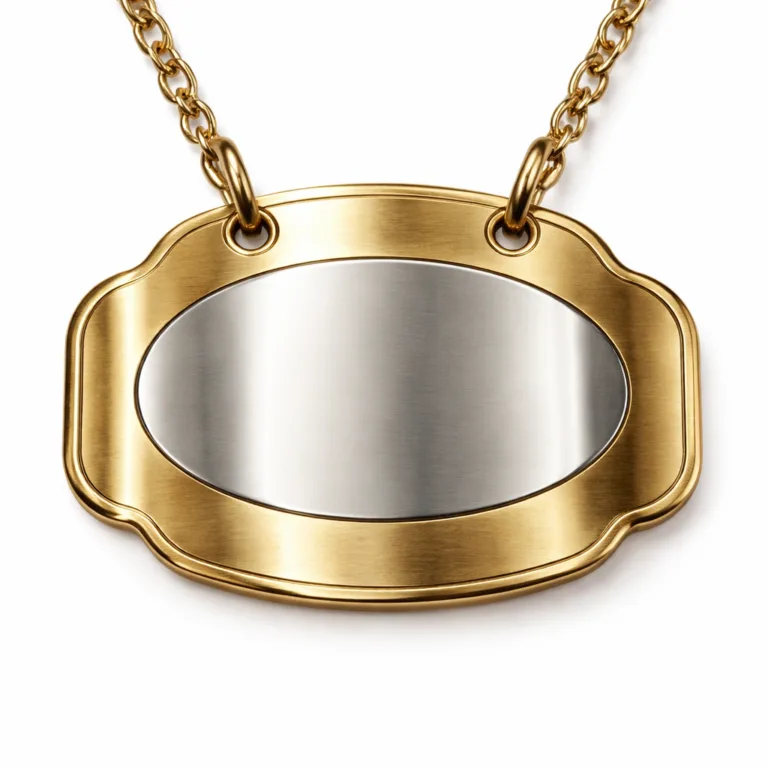
Brass is often chosen when appearance matters as much as identification. It can suit decorative nameplates, premium product badges, and certain indoor equipment labels. It is not always the first choice for corrosive industrial settings, but it can be appropriate for controlled environments or branding-focused applications.
Simple material comparison
| Material | Best Fit | Main Strength | Main Watch Point |
|---|---|---|---|
| Aluminum | General equipment tags, asset tags | Lightweight and cost-effective | Not ideal for every harsh chemical environment |
| Anodized aluminum | Readable branded tags, outdoor labels | Good contrast and neat finish | Needs environment review for severe exposure |
| Stainless steel | Harsh industrial and outdoor use | Strength and corrosion resistance | Higher cost and harder processing |
| Brass | Decorative or premium identification | Classic metallic appearance | Application suitability depends on environment |
Marking method: engraving, etching, stamping, or printing?
The marking method is as important as the base metal. A good material with the wrong marking process can still fail in use. We usually ask what must remain readable after wear, cleaning, weathering, or handling. That answer helps determine whether the project should use laser engraving, chemical etching, stamping, screen printing, UV printing, or a combination.
Engraved metal tags
Engraving is often chosen when buyers want text or numbering that is physically cut into the surface. It is a practical option for machine tags, asset tags, and long-term identification where wear resistance matters. The result depends on depth, contrast, and surface finish. Deep marking may improve durability, but if the layout is too small, legibility can still suffer.
Etched metal tags
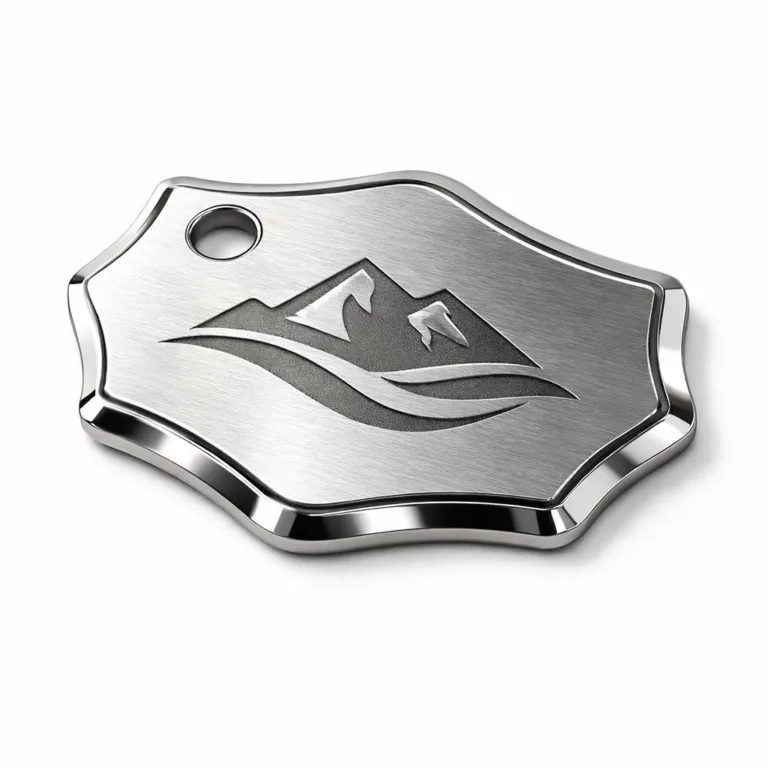
Etching works well for detailed layouts, fine lines, logos, and specification plates. It is commonly used on stainless steel and brass where clean line work and controlled detail are needed. Etching can be filled or left as part of the metal contrast system depending on the design.
Stamped metal tags
Stamping can be useful for simple, durable characters or number sets, especially in straightforward industrial identification. It is less suited to highly detailed graphics, but it can be reliable for basic permanent information.
Screen and UV printing
Printing methods are often selected for color graphics, logos, or surface information where visual clarity matters. They can be very effective when the environment is controlled, but buyers should confirm whether the printed surface will face abrasion, solvent cleaning, or prolonged outdoor exposure. A printed tag that looks excellent on day one may not be the right answer for rough handling.
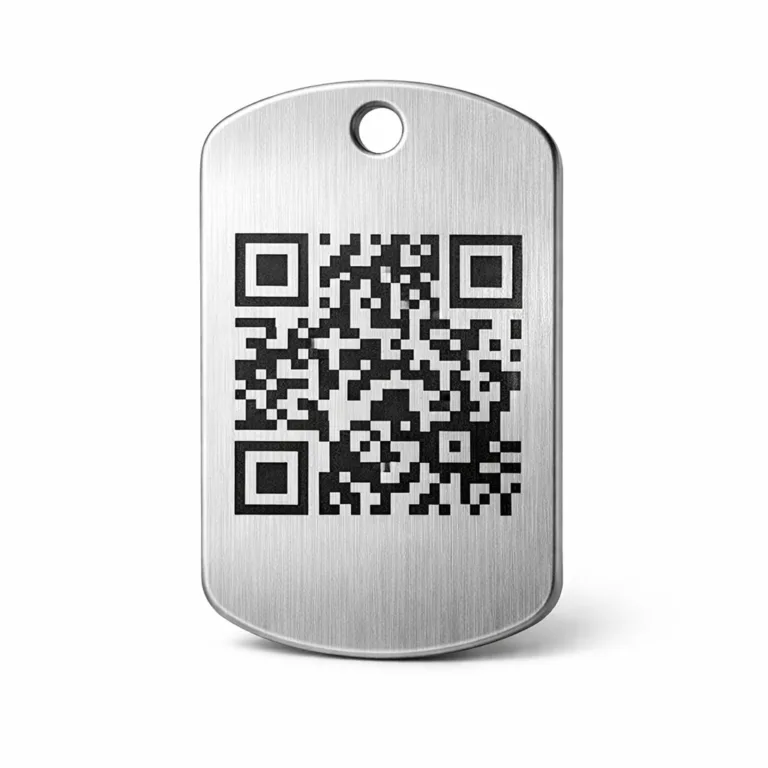
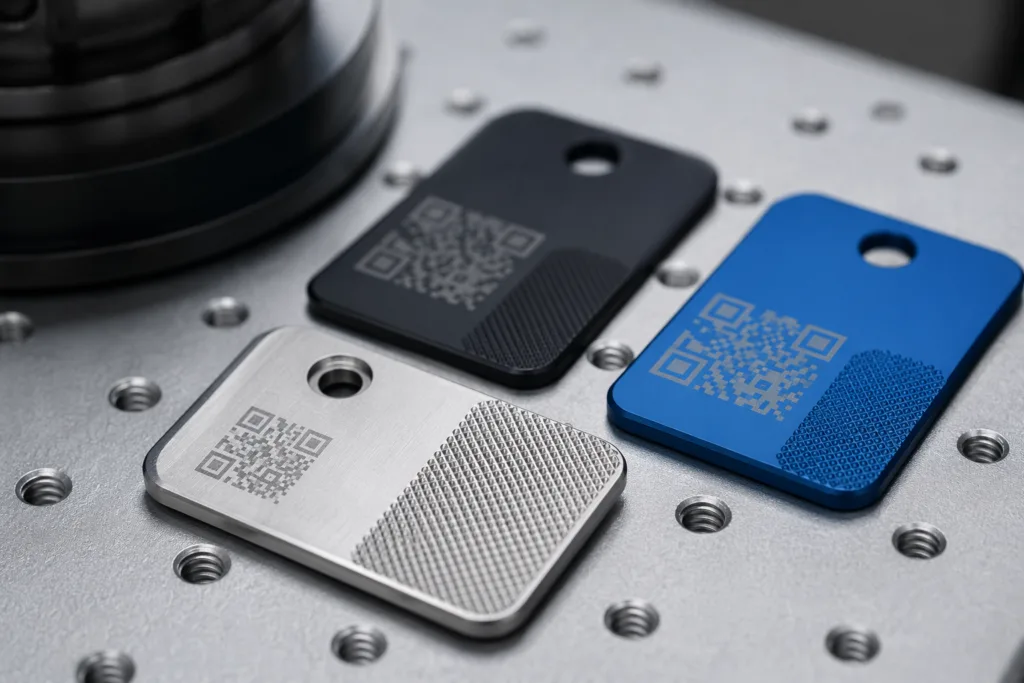
For variable data projects, scan quality and code consistency matter as much as the process itself. In some applications, buyers need QR code metal tag authentication for traceability, service records, or anti-mix-up workflows. In those cases, code size, quiet zone, contrast, and placement all need review before final approval.
Readability is not only about text size
Many tag problems come from readability issues that were not obvious during design review. A line of text may be large enough on screen but hard to read once placed on brushed metal, reduced to a small plate, or installed in a low-light area. The same issue affects serial number plates and barcode labels.
Here are the details we recommend confirming early:
- Viewing distance
- Character height
- Font thickness and spacing
- Background and foreground contrast
- Surface finish glare
- Barcode or QR code scanning angle
- Placement near holes, edges, or fasteners
This is one reason sample review is important. What looks acceptable in artwork does not always perform well after real production.
Serial numbers, barcodes, and QR codes need data control
Variable data is one of the areas where production discipline matters most. If a project includes serial numbers, sequential ranges, database-driven codes, or unique ID tags, the buyer should not focus only on layout. The data source, formatting rules, duplicate prevention, and inspection method need to be clear before production starts.
For example, some jobs need strict sequence control. Others need one-to-one matching between printed data, code image, and packing list. When the application involves tracking, warranty, inventory, or field service, errors are costly because the tag may be physically correct but operationally useless.
That is why we normally confirm file format, prefix rules, start-end range, duplicate logic, and scan testing method in advance. If your project depends on numbered identification, serial-numbered metal tag security planning is not a small extra detail. It is part of the product definition.
For code-based identification, buyers should also understand that scan performance depends on more than artwork. The surface texture, mark contrast, code density, and finished plate size all affect reliability. Where technical definitions and acceptance rules matter, it helps to align the tag specification with clear technical standards and product specifications so the supplier and buyer are evaluating the same requirements.
Thickness, size, hole position, and edge quality
These details may look minor, but they often affect production speed, installation, and failure risk more than buyers expect.
Thickness
Thicker tags generally feel stronger and resist bending better, but they may add cost, weight, and processing complexity. Thinner tags may be fine for adhesive labels or low-stress equipment plates, but not for hanging tags or exposed industrial use.
Size
The plate must be large enough for readable information, code spacing, margin control, and mounting area. Reducing size to save material can create bigger issues later if text becomes cramped or holes cut into the layout.
Hole position
Hole placement should be confirmed with actual installation logic, not estimated visually. A few millimeters can decide whether the installer can align the plate efficiently or whether the fastener sits too close to critical text or a code area.
Edge quality
Edge finishing matters for handling safety and appearance. This is especially important for small tags, hanging tags, and parts that will be manually installed in quantity.
Attachment method should follow the installation reality
Attachment is often treated as an afterthought, but it should be decided with the use environment in mind. Screws and rivets are common for permanent equipment mounting. Wire and chain may suit valve or hanging identification. Adhesive backing works well for some flat indoor surfaces, but only when the substrate, temperature, and cleanliness are suitable.
We have seen projects where the tag itself was correct but the backing or mounting method caused field complaints. The lesson is simple: the tag and the attachment method are one system. If the installer cannot mount it reliably, the project is incomplete.
Sampling is where many production risks can be removed
Before bulk production, sampling should confirm more than appearance. A useful sample review checks dimensions, material thickness, hole location, edge feel, mark clarity, contrast, code scan performance, backing strength if applicable, and packaging format. It should also verify data logic if the order includes variable numbering.
That is why many buyers request custom metal tag samples for approval before release of mass production. A sample is not just a formality. It is the easiest point to catch layout crowding, weak contrast, wrong mounting assumptions, or code readability issues before they scale into a larger problem.
From our metal tag manufacturing perspective, the best sample approvals include marked drawings or written confirmations for dimensions, finish, and data rules. Clear sample sign-off reduces avoidable revisions later.
MOQ, lead time, and repeat-order planning
Industrial buyers often need to balance urgency, budget, and long-term supply logic. MOQ is not only a pricing issue. It may also reflect setup time, tooling, process type, and how much variable data handling is involved. A printed fixed-design plate may scale differently from a deeply engraved serialized plate.
Lead time also depends on several factors:
- Material availability
- Custom size or thickness requirements
- Surface finishing steps
- Variable data preparation
- Sample approval timing
- Attachment accessory preparation
- Packaging format for bulk shipment
At UC Tag, we usually encourage buyers to think beyond the first shipment. If the project is likely to repeat, it helps to define revision control, packaging labels, and future data formatting early. Repeatability is part of sourcing value.
How to evaluate manufacturing quality before placing a large order
When buyers compare suppliers, price matters, but production control matters more over time. The important question is whether the manufacturer can repeat the same output across batches and communicate clearly when something in the drawing or file may cause a problem.
Practical quality checkpoints often include:
- Incoming material review
- Dimension verification
- Marking clarity checks
- Serial number or data reconciliation
- Code scan inspection
- Surface and edge review
- Attachment accessory matching
- Packaging count verification
For buyers with ongoing programs, controlled processes and documentation matter because they reduce variation. The general logic behind quality management system standards is useful here: consistent process control supports more predictable output, clearer corrective action, and better repeat-order reliability.
Common mistakes buyers should avoid
Most avoidable tag issues come from missing details rather than major design errors. These are the problems we see most often:
- Choosing material by price only without matching the environment
- Using a printed surface where abrasion resistance is required
- Making the plate too small for the information load
- Leaving hole position unconfirmed until after approval
- Sending variable data files without clear sequence rules
- Approving artwork without checking actual code scan size
- Ignoring packaging method for installation flow or distribution
- Assuming adhesive backing works on every surface
None of these issues are unusual, and all of them can be prevented with clearer project definition.
What buyers should prepare before contacting a manufacturer
If you want a faster and more accurate quotation or sample process, prepare the following as early as possible:
- Use environment and expected service conditions
- Preferred material or acceptable alternatives
- Tag dimensions and thickness if known
- Artwork, logo files, and text content
- Serial number, barcode, or QR code data rules
- Mounting method and hole or backing requirements
- Quantity by version or by data range
- Sample requirement and deadline
- Bulk packaging expectations
Even when some details are not final, sharing the application clearly allows the manufacturer to point out risks before time is lost.
Conclusion

Choosing custom metal tags for industrial use is really a matching exercise. The right result comes from aligning the application, metal, marking method, data format, attachment style, and quality expectations before production begins. For some projects, a simple aluminum plate is enough. For others, stainless steel, etched detail, variable serial control, or code verification is necessary. The difference comes from the job requirement, not from product labels alone.
At UC Tag, we approach these projects by looking at what actually affects the result in use: readability, durability, mounting, data accuracy, and repeat-order consistency. When those points are clarified early, sampling is smoother, bulk production is more stable, and the final tags are much more likely to perform as intended.
FAQs
What is the best material for custom metal tags?
The best material depends on the environment and service requirement. Aluminum is often a good balance for general industrial use, anodized aluminum works well where finish and contrast matter, stainless steel is usually preferred for harsher outdoor or chemical exposure, and brass is more often chosen for appearance-focused applications. The right choice comes from matching the material to the actual use condition rather than picking by price alone.
Are engraved metal tags better than etched metal tags?
Neither method is automatically better for every project. Engraving is often preferred when buyers want physically cut characters and strong wear resistance, while etching is very useful for fine detail, complex layouts, and clean specification plates, especially on stainless steel. The better choice depends on the tag design, the required readability, and how the plate will be used in the field.
How do I make sure serial numbers or QR codes are accurate?
You should confirm the source data file, numbering rules, start and end range, duplicate prevention method, and inspection process before production starts. For QR codes and barcodes, size, contrast, spacing, and scan testing also need review. In variable-data projects, the data control process is just as important as the plate material or marking method.
What attachment method should I choose for industrial metal tags?
That depends on the mounting surface and service condition. Rivets and screws are common for permanent equipment plates, wire or chain may suit hanging tags such as valve identifiers, and adhesive backing can work well on compatible flat surfaces when temperature and cleanliness are controlled. The safest approach is to choose the attachment method based on how the installer will actually mount the tag.
Do I need a sample before bulk production?
In most custom projects, yes. A sample helps confirm material, thickness, dimensions, hole position, marking clarity, surface finish, and scan performance before the full order is made. It is especially important for new designs, variable data jobs, or applications where the tag must fit an exact mounting area or meet readability requirements.
What should I send to a metal tag manufacturer for quotation?
The most useful starting package includes your application description, preferred material, size, thickness, artwork, text content, quantity, variable data requirements, attachment method, and any sample or packaging expectations. If some points are still open, that is fine, but the more clearly the use case is explained, the easier it is to recommend the right production method and avoid revisions later.