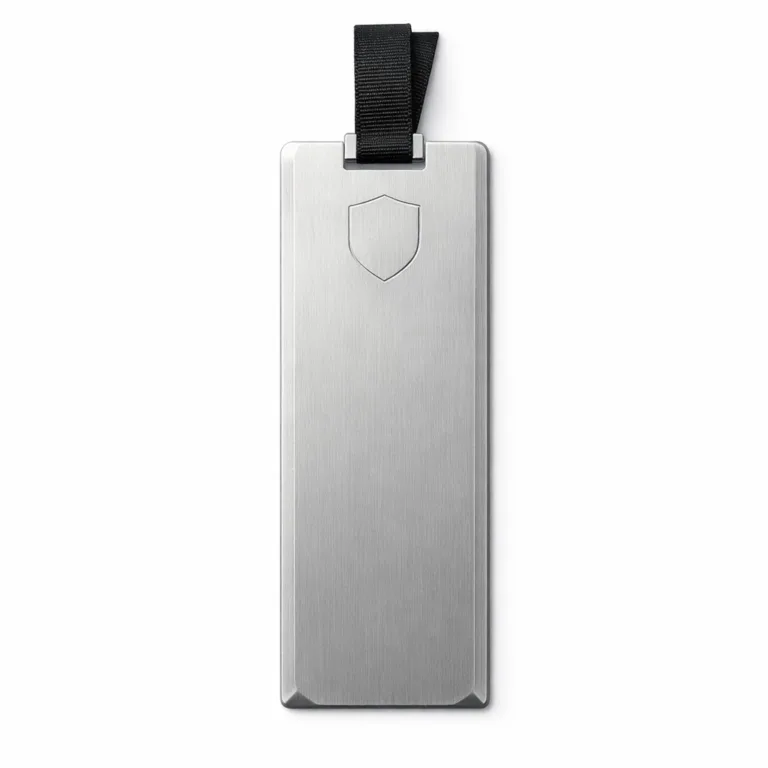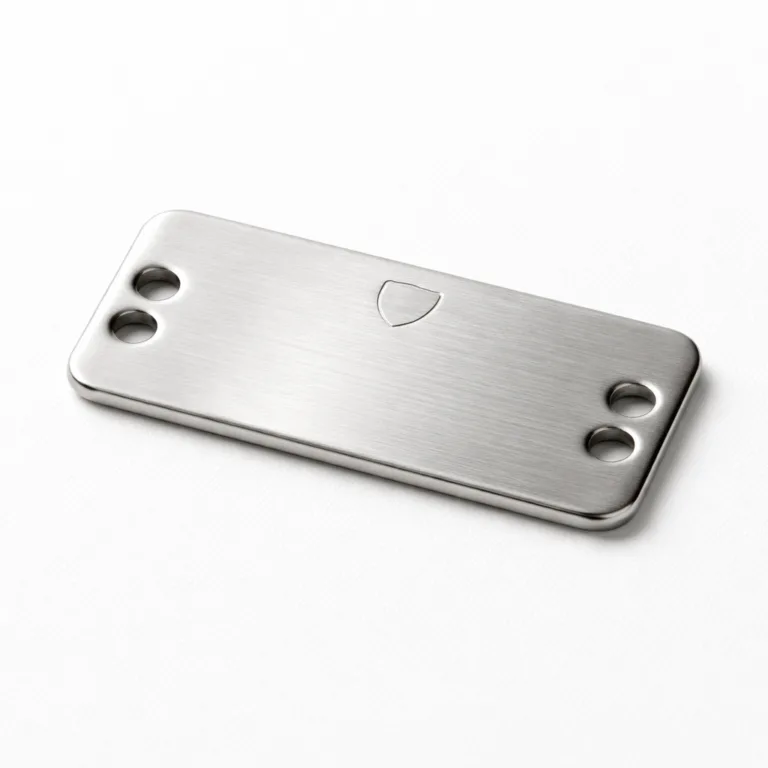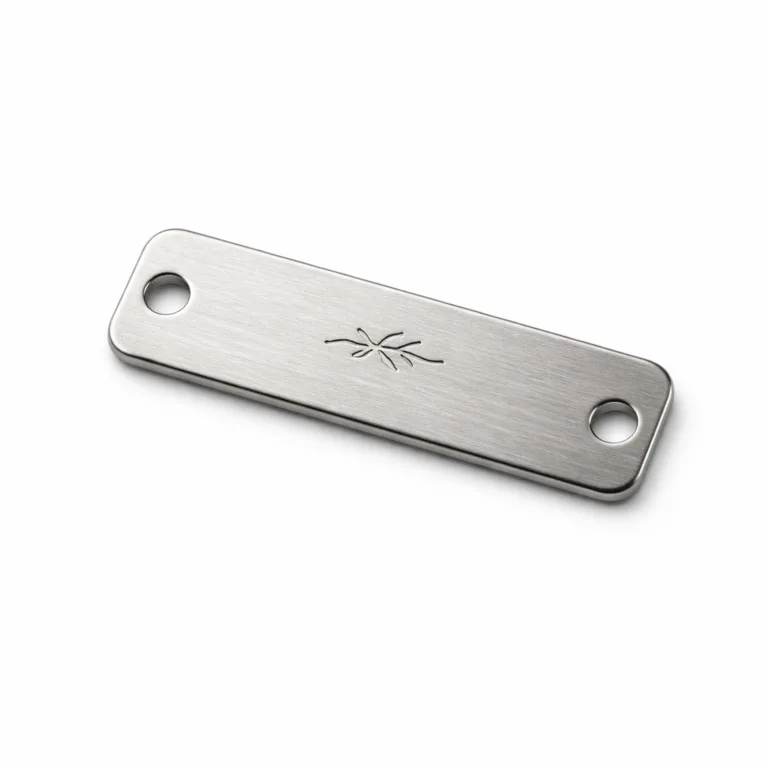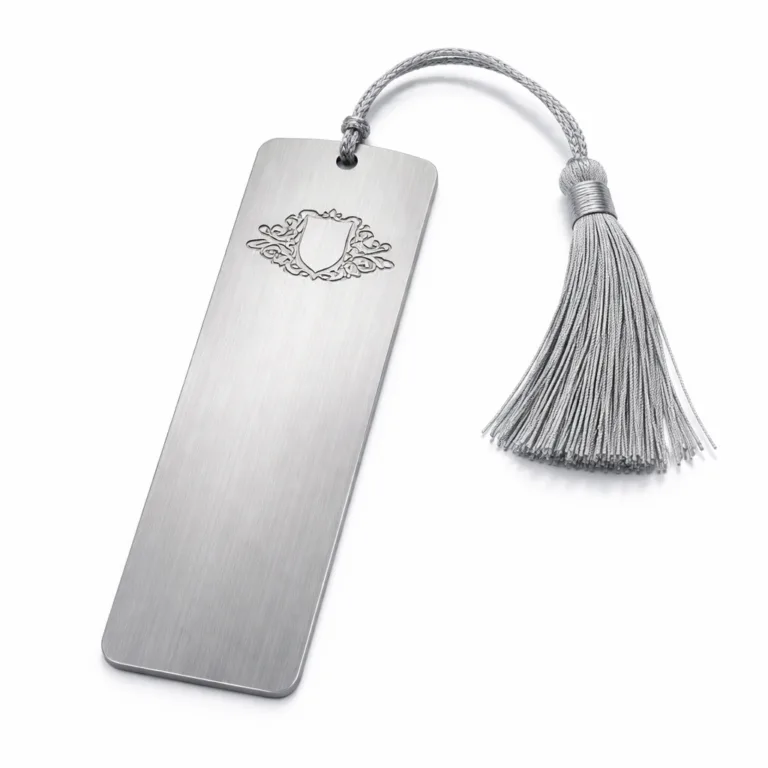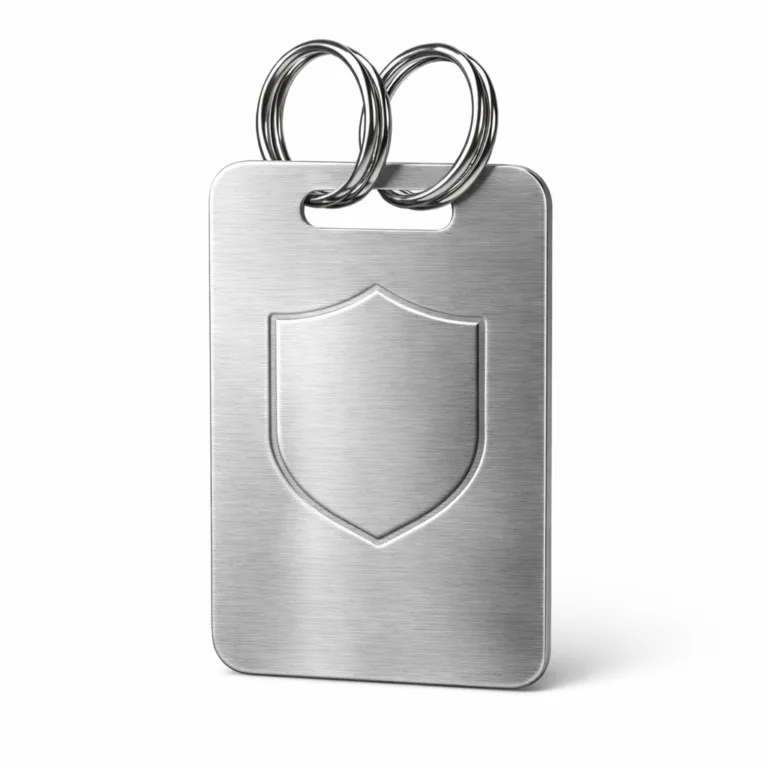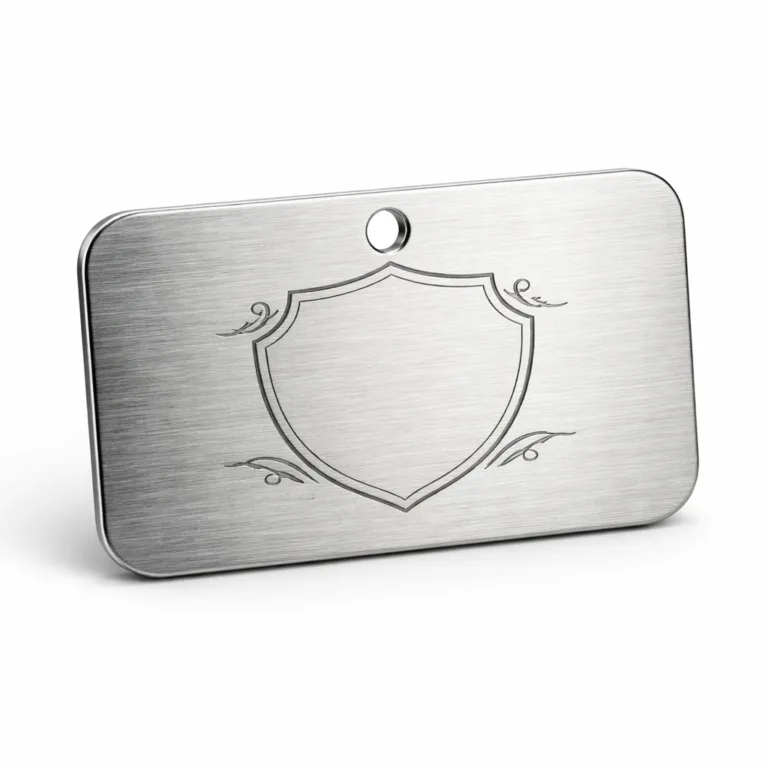
Pop-Up Shops often have a short window to make a strong impression. That means every visual and physical detail has to work harder than it would in a permanent retail space. One of the simplest ways to create exclusivity without changing the full product line is to use Limited Edition Tags that signal a special release, opening-day drop, founder series, or event-only item. From our metal tag manufacturing perspective, the value is not just decoration. A well-planned tag can reinforce brand identity, create urgency, support social sharing, and give customers something collectible that still feels premium after the event is over.
For brands preparing a launch, opening activation, or short-run retail event, our custom metal tag manufacturing solutions help turn a limited concept into a physical identifier that is consistent, durable, and production-ready. We usually help buyers confirm material, finish, marking method, numbering logic, attachment style, packaging details, and sample approval early, because those small decisions affect whether the tag feels like a real edition piece or just an extra accessory.
What pop-up shops need from a brand signal
A pop-up shop is usually temporary, event-driven, and tied to a defined launch moment. In practical terms, that means the brand has limited time to attract attention, convert foot traffic, and leave a memorable impression. In broader retail planning, what is a pop-up shop? It is a short-term retail activation where timing, visibility, and launch energy matter more than routine shelf presence. Because the opening period is compressed, physical brand signals need to be immediate and easy to understand.
In many openings, customers decide within seconds whether something feels generic or special. Signage helps, product display helps, and staff storytelling helps, but a tangible marker on the product or package often carries the message more clearly. A metal tag can do that job well because it has weight, texture, and permanence. It feels more deliberate than a paper sticker or standard printed swing tag.
For buyers planning store-opening campaigns, the main question is not whether a tag looks nice. The real question is whether it supports the launch objective. That objective may be to highlight an opening-day release, separate event inventory from standard inventory, create a collectible series, strengthen a premium price position, or encourage customers to share the purchase online.
Why Limited Edition Tags work in retail events
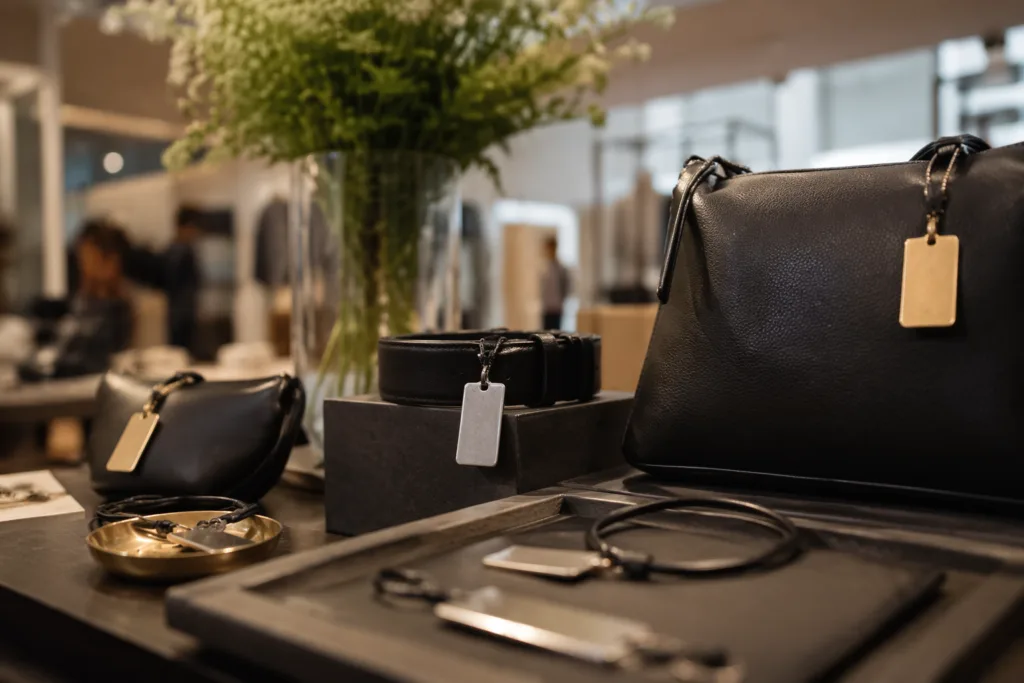
Limited-edition messaging works because it compresses attention and gives customers a reason to act now rather than later. A tag that says opening release, first run, event exclusive, or individually numbered edition does more than identify the item. It tells the customer that the product belongs to a specific moment.
There is also a behavioral reason behind this. The psychology of scarcity helps explain why limited quantities can raise urgency and perceived value. In retail terms, that means the tag itself becomes part of the product story. When the customer can see that the item is part of a finite run, the decision often shifts from “Do I want this eventually?” to “Do I want this before it is gone?”
That effect is stronger when the tag looks intentional. A random “limited” claim printed on generic packaging usually feels weak. A durable metal tag with a considered finish, clear numbering, and clean attachment gives the claim physical proof.
Where the tag adds value during an opening
- It marks event-only or opening-only merchandise clearly.
- It gives staff an easy story to explain on the sales floor.
- It makes products more giftable and collectible.
- It increases the chance of photos, unboxing posts, and close-up social content.
- It separates premium launch items from regular stock.
How limited edition tags shape customer experience and perceived value
Customers notice details that feel rare, finished, and touchable. That is why metal works especially well for short-run opening campaigns. The customer may not know the exact production method, but they can feel the difference between a thin printed add-on and a tag that has real structure.
We usually see three layers of value in this kind of project. First, the tag helps the item stand out on display. Second, it supports the story at the moment of purchase. Third, it remains with the product after the event, so the opening experience stays attached to the item. That third part matters more than many buyers expect. If the tag is removable but kept, it can function almost like a keepsake. If it stays fixed to a bag, accessory, bottle neck, box, or product body, it continues reinforcing the edition identity.
Some brands also use a limited edition metal tag concept as a way to connect the launch release with the product story itself. That works well when the opening is built around a seasonal drop, artist collaboration, neighborhood release, commemorative date, or founder-led capsule collection.
Metal tag formats suitable for pop-up shops
The best format depends on how the item is sold, handled, photographed, and carried away. For retail openings, the tag should be visible enough to communicate exclusivity but not so heavy or oversized that it interferes with the product.
Common formats we recommend
| Format | Best Use | Why It Works | Watch Out For |
|---|---|---|---|
| Hang tags | Apparel, accessories, gift items | Easy to add edition messaging and numbering | Need the right hole position and cord or ribbon strength |
| Product tags | Bags, cases, boxed items, premium goods | Strong visual identity tied directly to the item | Attachment method must match product material |
| Key tags | Membership gifts, locker themes, collectible drops | Feels functional and collectible at the same time | Ring size and edge finish matter for comfort |
| Display tags | Counter displays, launch props, shelf callouts | Supports the event story without changing packaging | Need a stable mounting or adhesive plan |
For premium fashion or accessories, buyers often look at luxury brand tag styling options to understand how shape, finish, and attachment style affect perceived quality. This is useful because the same wording can feel either elevated or ordinary depending on the metal, edges, finish, and proportions.
Design elements that make a tag feel exclusive
Exclusivity usually comes from restraint, not from adding too much. In practice, the strongest limited-edition tags often use fewer visual elements but execute them better. Good contrast, balanced spacing, and a finish that suits the brand theme often matter more than decorative complexity.
Elements worth confirming early
- Shape: Rectangles, circles, shields, bottle-tag forms, and custom silhouettes each suggest a different tone.
- Thickness: A thicker tag usually feels more substantial, but it also changes weight and cost.
- Edge quality: Clean edges help the tag feel premium and safe to handle.
- Finish: Matte, brushed, anodized, polished, or antiqued finishes change the mood significantly.
- Contrast: Readability is critical if the tag includes edition numbers or launch dates.
- Layout: Leave room for numbering so the design does not feel crowded.
This detail may look small, but it can create problems later if it is not confirmed early: where the hole sits affects both appearance and hanging behavior. A centered top hole feels formal. An offset hole can feel more casual or fashion-led. Two-hole layouts give better stability for certain product attachments.
Matching the tag design to the pop-up theme and launch story
The tag should support the retail narrative, not compete with it. If the pop-up is based on a clean modern launch, heavy antique brass may send the wrong signal. If the theme is heritage, craftsmanship, or collector culture, a bright glossy finish may feel out of place.
We usually ask buyers to define three things first: what the customer should feel, what the event is celebrating, and how the product will be photographed. Those answers make design decisions easier. For example, a minimalist cosmetic pop-up may suit black anodized aluminum with laser marking, while a heritage spirits launch may suit brass-toned etched tags with serialized numbering.
If digital engagement is part of the opening strategy, QR code branding tag options can connect the physical tag to a launch video, founder note, product authentication page, or event-specific landing page. The key is to keep the code scannable and not shrink it just to fit more graphics around it.
Material choices for limited edition metal tags
For buyers, the key is not only the product name or price, but whether the material, structure, marking method, and use scenario match the real campaign. In pop-up projects, the environment is often less extreme than in industrial labeling, but handling quality, visual impact, and consistency still matter a lot.
Aluminum
Aluminum is practical for many retail launches because it is lightweight, cost-aware, and flexible in finish options. It works well for hang tags, bag tags, and edition markers where buyers want a clean metallic look without adding too much weight to the product or package.
Stainless steel
Stainless steel gives a firmer, more technical, and more permanent feel. It suits modern luxury, darker minimalist branding, and products where the tag is intended to stay with the item long term. It is usually heavier than aluminum, so we check whether the product can carry that weight comfortably.
Brass
Brass is often chosen for warmth, heritage character, and an upscale collectible look. It can work especially well for opening editions tied to craft, vintage, bar culture, hospitality, or commemorative themes. Buyers should confirm whether they want bright brass, brushed brass, or an aged tone because each creates a different impression.
Anodized aluminum
Anodized aluminum is useful when color consistency and scratch-resistant appearance are part of the concept. Black, gold, red, blue, or other anodized finishes can help a brand align the tag with the campaign palette while still keeping a metallic base. This is a practical choice for modern branding where the tag needs to look limited but still clean and controlled.
Marking methods and what they mean for retail launches
The right marking method depends on the look you want, the amount of variable data, the finish, and how long the message should remain clear.

| Method | Best For | Visual Effect | Practical Note |
|---|---|---|---|
| Laser engraving | Logos, names, numbering, QR codes | Crisp and precise | Good for consistent short runs and variable data |
| Chemical etching | Fine detail and premium face design | Refined, recessed look | Good when detail quality matters more than speed |
| Stamping | Simple marks and tactile character | Physical depth and handmade feel | Best for designs that do not require complex fine graphics |
| UV printing | Color accents and launch graphics | Bright and visual | Should be paired with realistic wear expectations |
In our production work, many retail edition tags use a hybrid approach. For example, the base branding may be etched or engraved, while the individual number is laser marked. That keeps the main design stable and allows variable data to be added accurately.
Numbering, serialization, and scarcity messaging
Numbering is often what turns a nice tag into a real limited-edition device. “Edition of 300” communicates quantity, but “No. 018/300” communicates individuality. That difference matters. Customers respond more strongly when they can identify their piece within the edition.
Serialization also helps the brand internally. It can support inventory separation, event-only issuance, and product tracking. In broader identification practice, serialization and unique item identification are linked to clear item-level distinction. For retail opening projects, that same logic helps when the brand wants each launch item to feel authenticated and controlled rather than mass-generic.
Practical numbering formats
- 001/100 for clear edition count
- NYC-001 style for location-specific pop-ups
- OPEN24-001 for date-based launch series
- Founders Run 001 for commemorative release sets
The main production issue is data accuracy. If variable numbering is involved, we ask buyers to confirm the exact format, start point, separator style, leading zeros, and whether skipped numbers are acceptable or not. A beautiful tag design can still fail the project if the numbering logic was not locked before production.
Attachment options for retail use
Attachment affects both appearance and user experience. A great-looking tag can still create friction if it scratches the product, swings awkwardly, detaches too easily, or is difficult for store staff to handle during setup.
Common retail attachment choices
- Single hole with cord or ribbon: Good for soft goods, gifts, and launch packaging.
- Ball chain or fine chain: Useful when the tag should feel more permanent or collectible.
- Jump ring or split ring: Better for key-tag use or reusable keepsake designs.
- Adhesive backing: Useful for display tags, box presentation, or fixed event signage.
- Rivets or screws: Better when the tag becomes part of the product itself.
At UC Tag, we usually review attachment together with thickness, hole size, hole distance from the edge, and packaging method, because these details affect assembly speed and consistency during a retail rollout.
How limited edition tags can support foot traffic, shareability, and sales
Limited-edition tags help before, during, and after the opening. Before the event, they give the marketing team something specific to show in teasers. During the event, they make the special release easy to spot on shelves and in customer hands. After purchase, they continue working through photos, unboxing, and collector discussion.
What actually helps most is clarity. Customers should be able to understand in one glance why this item is different. If the tag clearly shows opening release, city edition, numbered drop, artist collaboration, or event date, the exclusivity message becomes easy to share. This is especially effective when customers photograph details close up.
We have also seen projects where the tag becomes a secondary keepsake. That is useful when the opening aims to create local buzz or repeat attendance. A removable but collectible tag can carry memory value beyond the initial sale.
Common mistakes that reduce exclusivity
In many projects, the problem is not that the buyer chose the wrong category. The problem is that some production details were not clarified before sampling or bulk production.
- Using a generic shape with no story: If the tag does not connect to the launch theme, it feels borrowed rather than designed.
- Overcrowding the layout: Too much text weakens both readability and premium feel.
- Choosing a finish without contrast testing: Dark marks on dark metal or reflective finishes can reduce readability fast.
- Ignoring attachment behavior: A heavy tag on a light product can feel awkward.
- Leaving numbering decisions too late: Variable data errors are harder to fix after approval.
- Skipping the physical sample: On-screen approval does not always reveal weight, edge feel, or real finish differences.
Planning artwork, quantities, lead times, and sample approval
Store launch timelines are usually less forgiving than normal replenishment schedules. That is why retail event tags should be planned backward from the opening date, not forward from artwork completion.
We recommend confirming these items early:
- launch date and buffer time
- estimated tag quantity and any reserve quantity
- base design and variable data requirements
- material and thickness
- hole placement or adhesive format
- individual packaging or bulk packing
- sample review method and approval deadline
For first-time buyers especially, custom metal tag sample approval is an important step because it lets the team check finish, readability, number position, attachment behavior, and how the tag actually supports the launch story in hand. This is one of the most practical ways to avoid costly last-minute corrections.
QC and consistency in bulk retail tag production
Retail tags may not face the same environmental stress as industrial nameplates, but consistency matters just as much because the customer sees the tag up close. If one tag looks rich and another looks dull, the limited-edition message loses credibility.
QC points we typically watch
- material thickness consistency
- finish color consistency across the lot
- clean holes and edge quality
- logo and text alignment
- engraving or etching clarity
- number sequence accuracy
- QR code readability if used
- correct count and packing method
For retail launches, we also pay attention to handling marks. Tags can look excellent right after production and then lose impact if packing allows unnecessary rubbing. If the finish is part of the premium experience, packaging method should be discussed early, not after manufacturing is complete.
A simple checklist for choosing the right limited edition tag strategy
If you are planning Pop-Up Shops and want Limited Edition Tags to add real value, this is the practical shortlist we suggest using before artwork is finalized:
- What exact launch message should the tag communicate?
- Will the tag stay with the product or act as a removable keepsake?
- Does the material match the brand story and price position?
- Which marking method gives the right balance of look, durability, and variable data control?
- Will numbering be decorative, operational, or both?
- Is the attachment method suitable for retail handling and customer use?
- Has the design been checked for contrast and close-up readability?
- Is there enough lead time for sample review and production adjustment?
When those questions are answered early, the result is usually stronger. The tag stops being a last-minute add-on and becomes part of the opening strategy itself.
Conclusion

For short-term retail launches, small physical details often carry a large part of the brand message. That is why Limited Edition Tags can be so effective for Pop-Up Shops. They create a visible cue of scarcity, help customers understand why the product is special, and give the opening a tangible identity that can last beyond the event. From our manufacturing side, the projects that work best are usually the ones that treat the tag as part of the launch system: material, finish, numbering, attachment, packaging, and sample approval are all aligned with the story the brand wants customers to remember.
FAQs
What type of metal tag works best for a pop-up shop opening?
The best type depends on the product and the launch goal. Lightweight aluminum hang tags work well for apparel and gift items, while stainless steel or brass can suit more premium collectible releases. The practical choice comes down to product weight, attachment style, finish preference, and whether the tag is meant to stay with the item long term or act as a removable edition marker.
Should limited edition tags be engraved, etched, or printed?
Each method fits a different purpose. Engraving is useful for precise logos, numbering, and QR codes. Etching is often chosen when buyers want a refined premium face design with clean detail. Printing can add color and graphic impact, but buyers should confirm wear expectations first. For many retail launch tags, combining a permanent base mark with variable laser numbering is the most practical setup.
Do numbered tags really help create exclusivity?
Yes, especially when the numbering is clear and tied to a known edition size. A tag marked 018/200 usually feels more personal and controlled than a generic “limited edition” claim. Numbered tags also help the brand separate opening inventory, support authenticity messaging, and make the item easier for customers to remember and discuss after the event.
What details should be confirmed before approving artwork?
Buyers should confirm tag size, thickness, shape, finish, hole position, attachment method, logo placement, variable data format, and packaging method before approval. It is also important to review contrast and readability on the actual metal finish, because a design that looks fine on screen may be harder to read once produced on reflective or dark surfaces.
How much lead time should a brand allow for store opening tags?
The safest approach is to plan backward from the opening date and include time for sample review, revisions, production, packing, and shipping. Limited-edition projects often involve extra checks such as numbering accuracy, finish comparison, and attachment testing, so leaving only enough time for basic production can create avoidable pressure later.
Can QR codes be added to limited edition metal tags for retail launches?
Yes, QR codes can work well when the opening includes a digital layer such as a founder video, event landing page, authenticity page, or product story. The main point is to protect scan readability by giving the code enough size, contrast, and clean marking quality. It is better to use a smaller amount of surrounding artwork than to reduce the code beyond practical scanning performance.