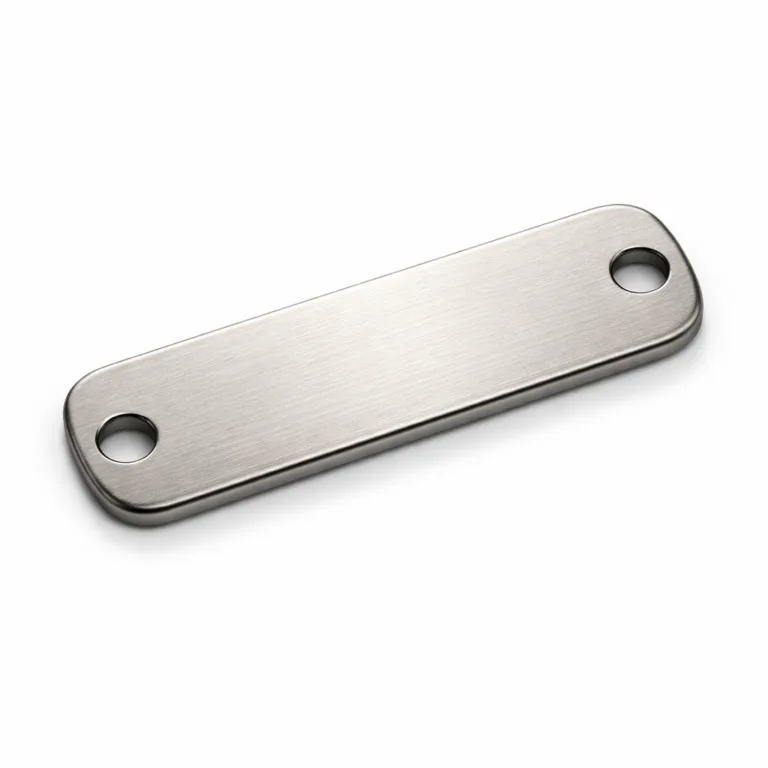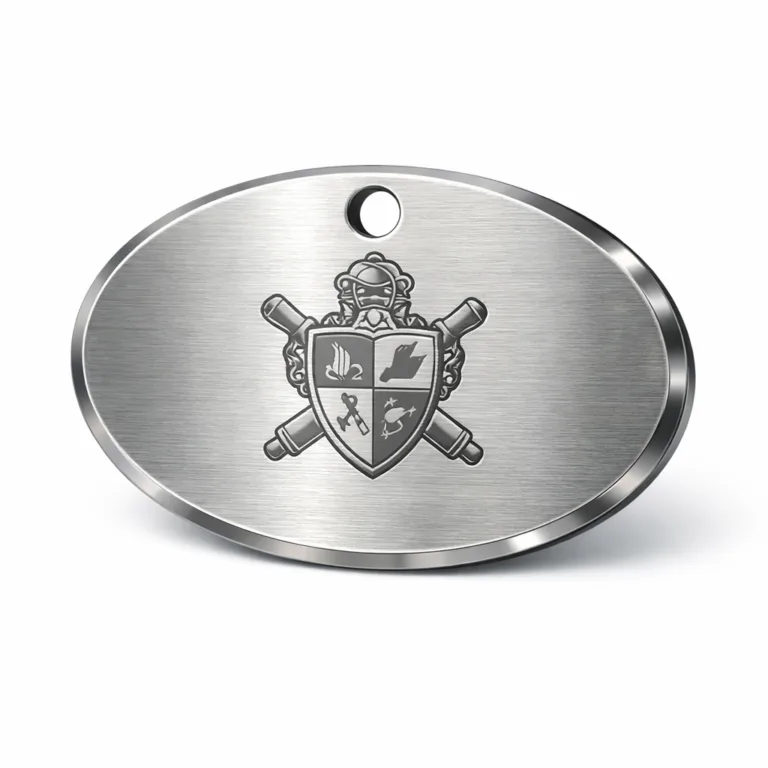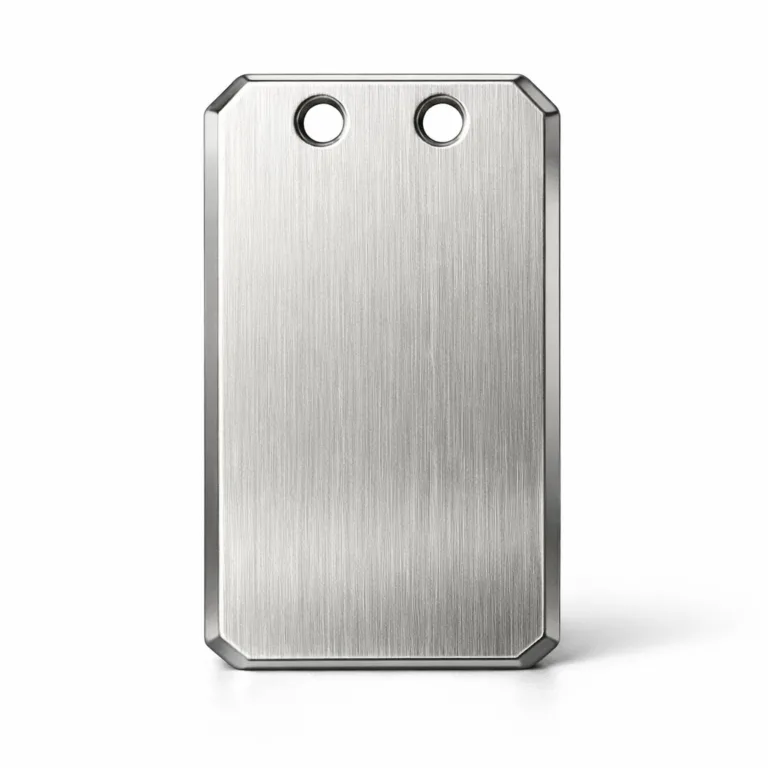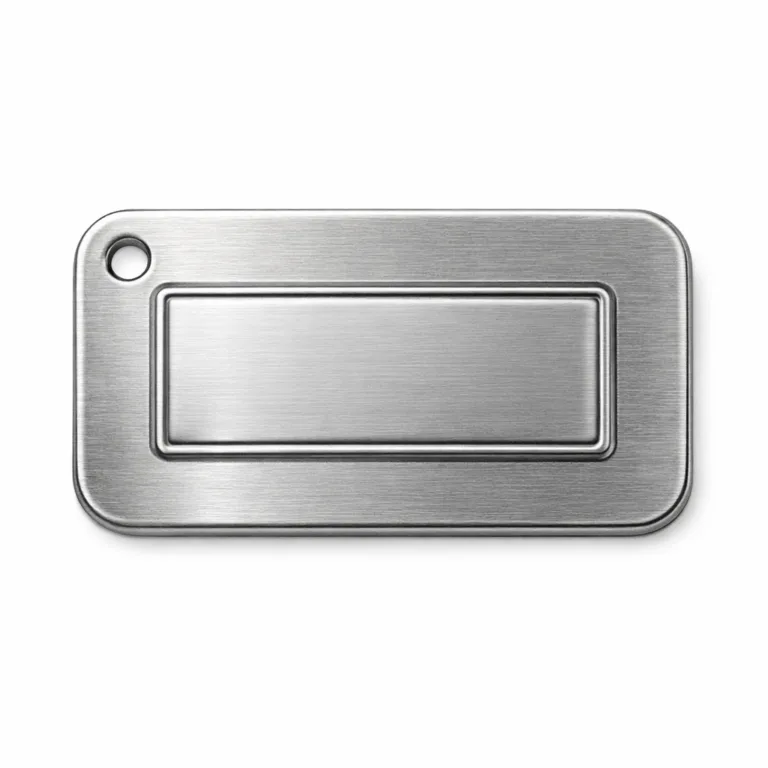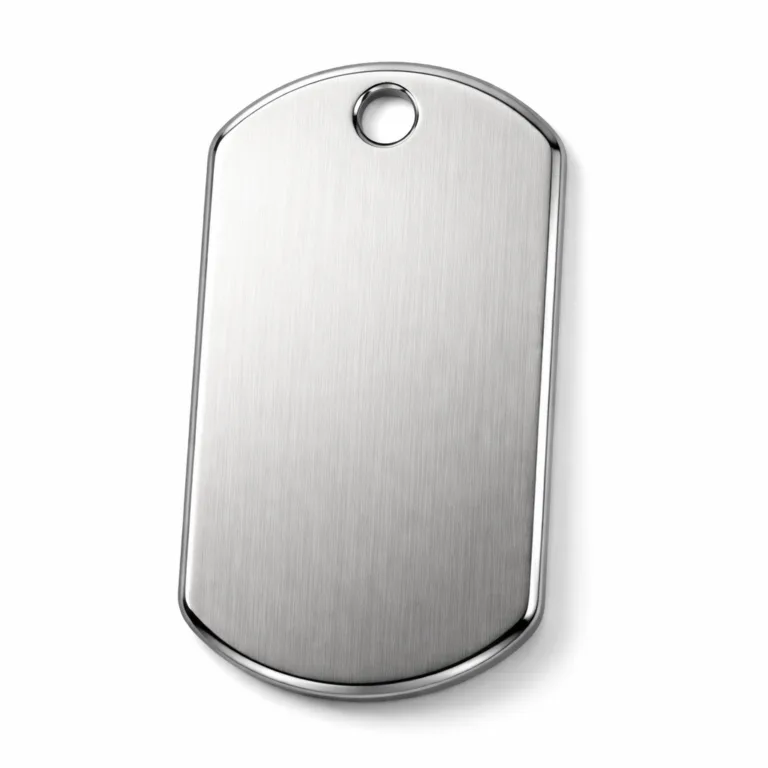
Garment metal tags are used for much more than decoration. In apparel projects, they affect brand presentation, product identity, attachment reliability, retail handling, and long-term wear performance. For buyers, the key is not only the appearance of the tag, but whether the material, finish, edge quality, fastening method, and production details match the actual garment category. A tag that looks good in a mockup can still create problems later if it scratches fabric, loosens during washing, fades too quickly, or slows down sewing and finishing on the production line.
If your project involves fashion branding, outerwear trims, logo plates, or reusable hardware details, custom garment tag manufacturing support becomes important early in the process. In our work, buyers usually need more than a shape and logo. They also need help confirming metal type, finish consistency, attachment structure, edge safety, sample approval, packaging, and bulk production stability. That is where practical manufacturing support makes a difference, especially when the tag must balance brand appearance with assembly efficiency and durability.
What buyers should confirm before ordering garment metal tags
In many projects, the problem is not that the buyer chose the wrong category. The problem is that some production details were not clarified before sampling or bulk production. This is very common with garment trims because the tag often looks simple, but it sits at the intersection of design, hardware, fabric behavior, and factory assembly.
Before discussing price, we usually suggest confirming six basic points:
- Application area: collar, hem, sleeve, waistband, pocket, zipper pull, cuff, outer packaging, or accessory use
- Material expectation: aluminum, stainless steel, brass, zinc-alloy style hardware, or another metal look depending on the project target
- Brand effect: engraved, etched, stamped, printed, matte, brushed, polished, antique, or plated appearance
- Attachment method: rivet, snap, stitch-through, adhesive, hanging loop, or separate hardware assembly
- Wear conditions: washing, abrasion, outdoor use, sweat, moisture, dry cleaning, or repeated handling
- Production planning: sample timing, MOQ, packing method, color consistency, and inspection requirements
For fashion and accessory buyers, this first clarification stage often reduces more risk than late-stage rework. It also helps align the metal trim supplier with the garment factory so attachment and finishing are practical, not just visually appealing.
How garment metal tags fit different apparel branding goals
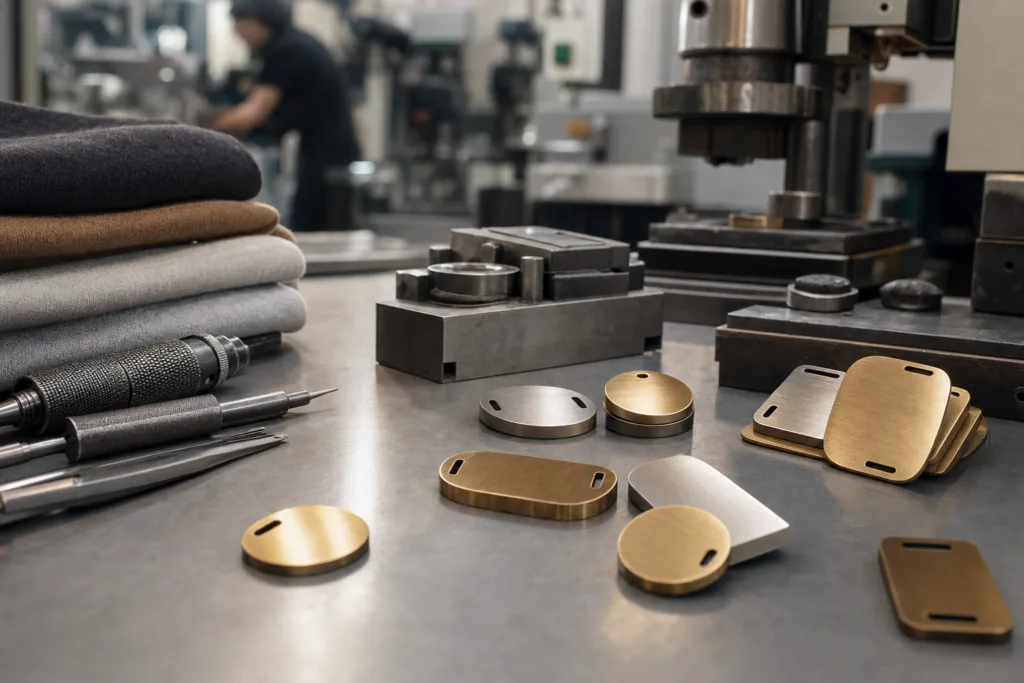
Not every garment metal tag is trying to do the same job. Some are mainly visual branding elements. Some need to carry a size mark or product line identity. Others work more like a durable logo plate that adds structure and perceived value to the garment. From our manufacturing perspective, the application goal should always drive the construction.
| Branding goal | Typical tag style | What matters most |
|---|---|---|
| Premium brand identity | Brushed or polished logo plate | Finish quality, edge detail, premium feel |
| Casual fashion trim | Small stamped or engraved tag | Cost control, easy attachment, consistent logo detail |
| Outerwear hardware accent | Rivet-mounted or screw-style plate | Attachment strength, weather resistance, thickness |
| Sportswear branding | Low-profile lightweight metal tag | Comfort, corrosion resistance, smooth edges |
| Retail identification | Size or line marker tag | Legibility, sorting visibility, repeat consistency |
| Reusable accessory tag | Snap-on or detachable structure | Repeat use, secure fit, simple installation |
When buyers need brand-forward decorative components, we often discuss whether the tag should behave like a garment label, a hardware accessory, or a hybrid of both. That distinction affects thickness, fastening, finish, and packaging. Buyers exploring custom metal tag solutions for retail brands usually benefit from this early classification because it keeps design choices tied to production reality.
Material selection for garment metal tags
Material choice has a direct effect on appearance, weight, corrosion behavior, forming limits, and cost. In apparel, the best material is not automatically the strongest one. It is the one that suits the garment category, target feel, use environment, and attachment structure.
Aluminum for lightweight branding
Aluminum works well when the brand wants a clean look without adding too much weight. It can be suitable for casualwear, lightweight jackets, bags, and some accessory trims. It is easier to keep the component light, and anodized or coated finishes can support color direction. The main caution is that buyers should confirm surface treatment and wear expectations if the tag will be exposed to heavy rubbing or repeated impact.
Stainless steel for corrosion resistance and clean detail
Stainless steel is often a practical choice when moisture resistance, edge strength, and longer-term appearance matter. It suits outdoor garments, marine-adjacent products, workwear, and applications where the tag may see sweat or wet handling. Stainless also supports a modern, precise visual style for etched or engraved branding. The trade-off is that it can add more weight and may require more planning for forming and attachment than thinner decorative metals.
Brass for warmth and premium visual character
Brass is often selected for premium collections, heritage aesthetics, denim branding, and accessory-oriented trims. It offers a warmer tone than stainless steel and can support polished, brushed, antique, or darkened finishes. Buyers looking for a more elevated look often prefer brass apparel logo tags with a premium feel because they create a stronger visual identity than generic plated parts. The practical side to confirm is finish consistency and how the selected surface will age with handling and washing.
Matching the material to the garment category
A heavy brass tag may work well on outerwear, denim, or bags, but feel excessive on lightweight knitwear. A thin aluminum plate may be ideal for packaging or display branding, but not for a rugged outdoor product that receives repeated abrasion. This detail may look small, but it can create problems later if it is not confirmed early. Material selection should always be checked against garment weight, fabric sensitivity, stitch area strength, and expected care conditions.
Finish and marking methods that affect the final result
In apparel metal tags, buyers usually focus first on shape and finish color. But the marking method is just as important because it affects legibility, wear resistance, and the overall style of the brand mark. The same logo can look refined, industrial, subtle, or bold depending on whether it is engraved, etched, stamped, or printed.
| Method | Best use | Strength | Watch point |
|---|---|---|---|
| Laser engraving | Sharp logos, serial marks, controlled detail | Clean precision and repeatability | Appearance depends on material and finish contrast |
| Chemical etching | Fine recessed branding and complex details | Elegant detail on flat metal surfaces | Depth and fill effect should be confirmed in samples |
| Stamping | Raised or debossed logo styling | Strong tactile branding and fast repetition | Tooling and design limits need early review |
| Screen or UV printing | Color logos or layered design effects | Visual flexibility | Wear resistance depends on use conditions |
For many fashion projects, the right question is not which marking method is better in general. It is which method supports the visual target while surviving the expected use. A fine recessed logo on a decorative plate may look great with etching. A hardwearing simple mark on a rugged garment may be better with stamping or engraving. If variable information is involved, such as batch coding or custom numbering, the marking process should also be checked for readability and consistency.
Where measurement tolerance and visual repeatability matter, standards thinking is useful even in apparel trim projects. Basic ideas around measurement standards, calibration, and traceability help explain why thickness checks, hole position checks, and finish verification reduce quality risk before bulk output.
Attachment method is as important as the tag itself
Many garment metal tag issues come from attachment design rather than the metal plate itself. A visually correct tag can still fail if the mounting structure is too weak for the fabric, too sharp for skin contact, or too slow for the garment factory to install. We usually ask buyers to think about attachment at the same time as they confirm the tag drawing.
Rivet-on structures for permanent fastening
Rivets are commonly used when the tag needs a secure, hardware-like installation. This works well for denim, outerwear, bags, leather goods, and heavier garments. Buyers comparing rivet-on garment tag attachment options should confirm post length, back side finish, fabric thickness, and whether reinforcement is needed to avoid distortion at the mounting area.
Snap-on designs for removable or reusable use
Some projects need a metal tag that can be attached, removed, or reused more easily. In those cases, snap-on garment tag designs for reuse may be more suitable. This approach can support accessory programs, seasonal branding, modular displays, or products where easy replacement matters. The key point is to test real garment assembly conditions, not just loose component fit.
Other attachment choices
- Stitch-through holes: practical for small flat tags, but hole placement must align with sewing efficiency
- Adhesive backing: useful mainly for packaging, temporary mounting, or secondary applications rather than wash-heavy garments
- Wire or loop mounting: often used for hang tags, accessories, or presentation-focused applications
- Screw or specialty hardware: more common for bags, outdoor equipment, or rigid trim use than soft apparel
For buyers, the key is not only whether the hardware holds. It is whether the whole attachment design works with the garment factory’s process, protects the fabric, and keeps the finished product comfortable and consistent.
Comfort, edge quality, and wash performance
Garment trims live close to the user, so comfort matters. Even a very small metal part can become a complaint point if corners are too sharp, burrs are not controlled, or the placement causes repeated rubbing. This is especially true for neck areas, waistbands, cuffs, sportswear, and fitted garments.
From our metal tag manufacturing perspective, edge finishing is not a cosmetic extra. It is a functional requirement. Buyers should ask about deburring, corner radius, thickness transitions, and whether the selected finish will make scratches more visible after wear. If the tag will touch skin or flexible fabric directly, a sample should be tested on an actual garment, not reviewed only as a loose metal piece.
Wash performance should also be discussed realistically. Not every fashion tag needs industrial-grade resistance, but the buyer should confirm whether the trim must survive repeated laundering, occasional dry cleaning, wet outdoor use, or mainly retail display handling. The right answer changes the material, coating, and attachment recommendation.
Artwork, logo detail, and sample approval
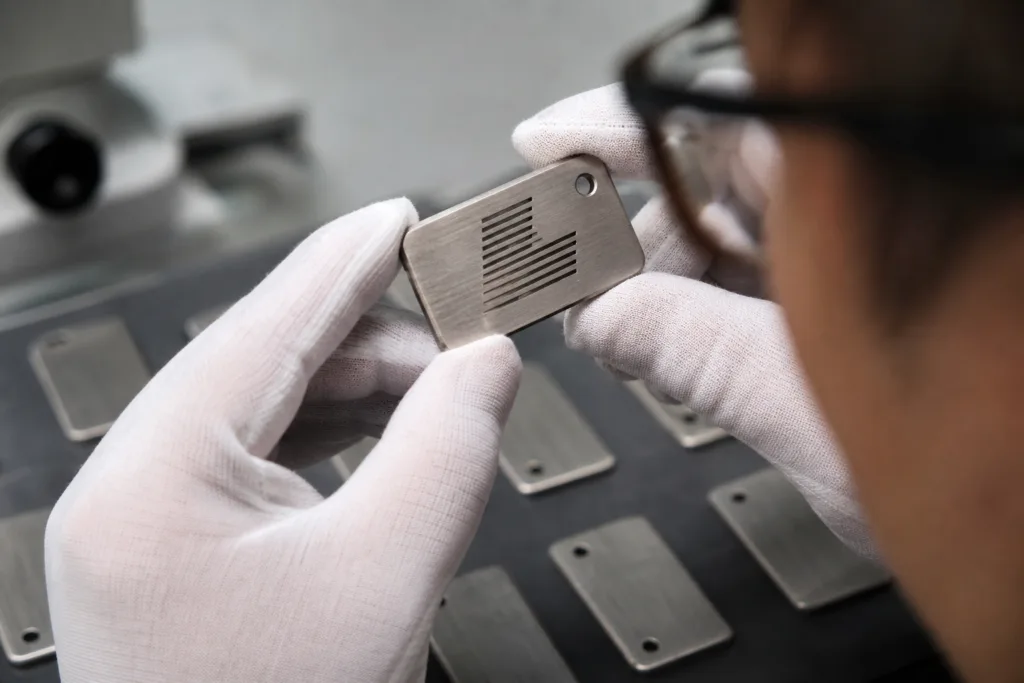
Sampling often takes longer than expected when the artwork file and approval standards are not clear. For garment metal tags, buyers should define more than the logo artwork. They should also confirm the finish reference, relief direction, line thickness limits, rear-side appearance, attachment hardware, and acceptable color variation if plating or coating is used.
At UC Tag, we usually recommend that buyers review a sample using practical checkpoints instead of a simple visual yes or no. A good sample review should include:
- logo clarity at the actual production size
- edge smoothness and corner safety
- finish match against the approved target
- hole or hardware position accuracy
- back-side cleanliness
- fit on actual garment material
- whether the installation method is efficient for the sewing or finishing team
This stage is where many avoidable issues can be caught. A logo may technically be correct but still too shallow, too glossy, too heavy, or too aggressive for the intended garment.
MOQ, lead time, and bulk production planning
In custom garment trim projects, MOQ and lead time are often driven by process choice rather than the visible size of the part. A small tag with custom tooling, special plating, assembly hardware, and separate packaging can be more complex than a larger standard plate.
Typical lead time questions should include:
- Does the design require new tooling?
- Is the selected finish standard or custom matched?
- Will the order include mixed sizes or color variants?
- Are there multiple attachment components to assemble?
- Does the buyer need individual bagging, set packing, or retail-ready labeling?
- Will the project use repeat orders with the same specification?
For OEM and private label buyers, planning for replenishment matters as much as the first order. It is useful to document the approved material, finish code, artwork version, hardware configuration, and inspection points so later batches remain consistent. The broader idea of international standards and quality management is relevant here because repeatable process control reduces avoidable variation across production cycles.
Quality control points that matter in garment metal tag production
QC for garment metal tags should focus on the details that actually affect use, assembly, and brand presentation. A supplier can check dimensions, but if edge quality, finish tone, or hardware fit are not controlled, the project may still fail at garment assembly or in retail presentation.
We usually see buyers place priority on these QC points:
| QC checkpoint | Why it matters |
|---|---|
| Thickness consistency | Affects feel, mounting fit, and visual uniformity |
| Hole or hardware position | Directly impacts sewing, riveting, or snap assembly |
| Logo readability | Protects brand presentation at actual viewing size |
| Edge smoothness | Reduces risk of fabric damage and comfort issues |
| Finish consistency | Avoids mixed appearance across one garment batch |
| Attachment strength | Prevents loosening or installation failure |
| Packing method | Prevents scratching and simplifies factory handling |
For distributors, garment brands, and sourcing teams, this is where clear communication with the manufacturer matters most. A short approved spec sheet with a physical sample reference often prevents more problems than long email chains after production starts.
Common mistakes buyers can avoid
Most garment metal tag problems are avoidable if the buyer confirms real use conditions early. The most common mistakes we see include choosing a material based only on color, approving a finish without checking how it looks under normal retail lighting, using sharp-edged plates on soft fabric, and selecting hardware without asking how the garment factory will install it.
- Choosing style over use: a beautiful tag is not a good result if it snags fabric or feels uncomfortable
- Ignoring weight: heavy tags can distort light garments or create a poor drape
- Skipping assembly testing: loose hardware checks are not enough; install the sample on a real garment
- Under-specifying finish: terms like matte or antique are too broad without a sample reference
- Not defining packing: poor packing can scratch finished tags before they reach the garment factory
- Approving logo art without size review: fine lines may not read well on very small metal parts
Let’s look at what actually affects the result: the tag is only one part of the finished product, but it can influence sewing efficiency, retail appearance, product comfort, and return risk. That is why early confirmation usually saves more cost than late correction.
How to work with a manufacturer more effectively
When buyers send a clearer project brief, the development process becomes faster and more accurate. A practical brief for garment metal tags should include the garment type, intended placement, approximate tag size, target finish, preferred attachment method, logo file, quantity range, and any known testing or wash concerns.
It also helps to explain what matters most in the project. Some buyers care most about premium presentation. Others need lower weight, faster installation, stronger fastening, or packaging that works for contract garment factories. Once priorities are clear, we can usually recommend a more suitable material and structure without unnecessary trial and error.
This is especially important for OEM or private label programs. If the metal tag is part of a repeat collection, it is worth treating the first order as a controlled development stage. Confirm the sample carefully, freeze the spec, and document approved variations before bulk scaling.
Conclusion
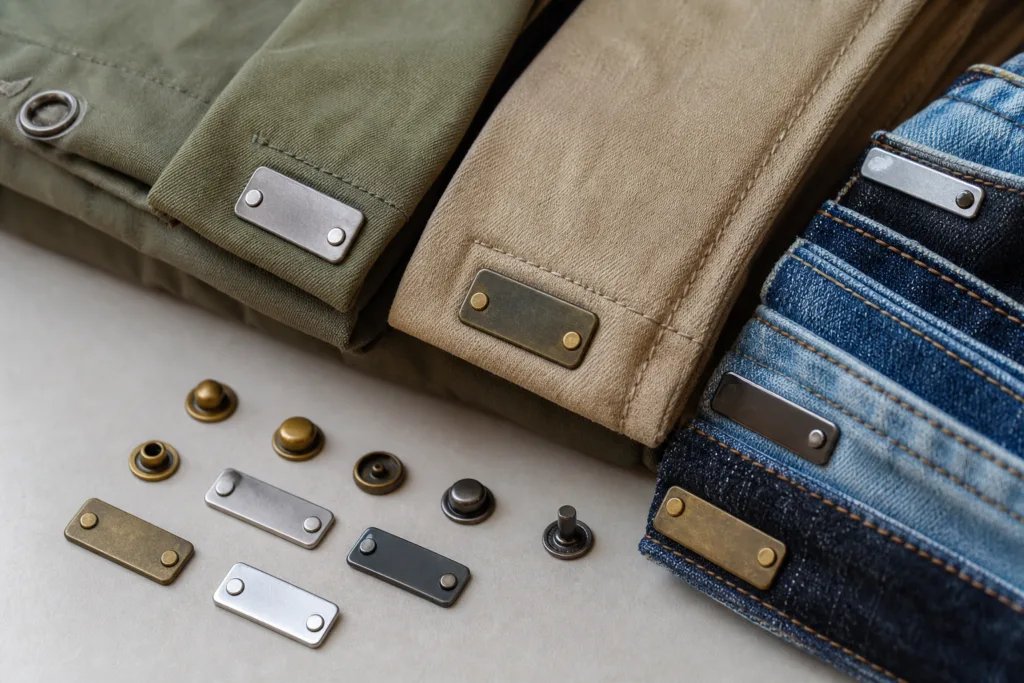
Garment metal tags can add strong visual identity to apparel, but the right result depends on more than the logo shape. Material, finish, marking method, edge quality, attachment structure, and packing all influence whether the tag works well in real production and real wear. For buyers, the smartest approach is to treat the tag as a functional trim, not just a decorative detail.
In our experience, the best projects start with simple questions: where will the tag be placed, how will it be attached, what will it touch, how will it be washed, and what level of brand presentation is required? Once those points are clear, it becomes much easier to choose the right garment metal tags and avoid delays, quality disputes, or assembly problems later.
FAQs
What is the best material for garment metal tags?
The best material depends on the garment type and brand goal. Aluminum is useful when low weight matters, stainless steel is practical for better corrosion resistance and clean detail, and brass is often chosen for a warmer premium look. Buyers should match the material to fabric weight, attachment structure, wash conditions, and the visual style they want to achieve.
Are engraved or etched garment metal tags better for apparel branding?
Neither method is automatically better in every case. Engraving works well for sharp, controlled logo detail and repeatability, while etching is often preferred for fine recessed branding on flat metal surfaces. The better choice depends on logo complexity, finish contrast, wear conditions, and whether the project is more decorative or more durability-focused.
How do I choose the right attachment method for a garment metal tag?
Start with the garment structure and installation process. Rivets are often suitable for denim, outerwear, bags, and heavy fabrics where a permanent hardware feel is needed. Snap-on structures can be useful for removable or reusable applications. Stitch-through holes work for many flat tags, but buyers should confirm hole position, fabric reinforcement, and actual factory installation steps before approval.
Will metal tags damage fabric or feel uncomfortable?
They can if edge finishing, thickness, corner shape, or placement are not properly considered. This is why sample testing on the real garment is important. A tag that looks fine as a loose part may still rub, scratch, or distort the fabric after installation. Buyers should review edge smoothness, back-side finish, weight, and contact area before bulk production.
What should be included in a sample approval for garment metal tags?
A proper sample approval should cover logo clarity, material, finish tone, thickness, edge quality, attachment hardware, back-side appearance, and fit on the actual garment. It is also useful to confirm how the parts will be packed and whether the installation method works efficiently for the garment factory. This reduces the chance of rework during bulk production.
What affects MOQ and lead time for custom garment metal tags?
MOQ and lead time are usually affected by tooling needs, material choice, finish type, hardware assembly, order quantity, and packing requirements. A small tag with a custom structure can still require more production planning than a larger simple plate. Buyers should also ask whether future repeat orders can follow the same approved specification to keep later production more stable.