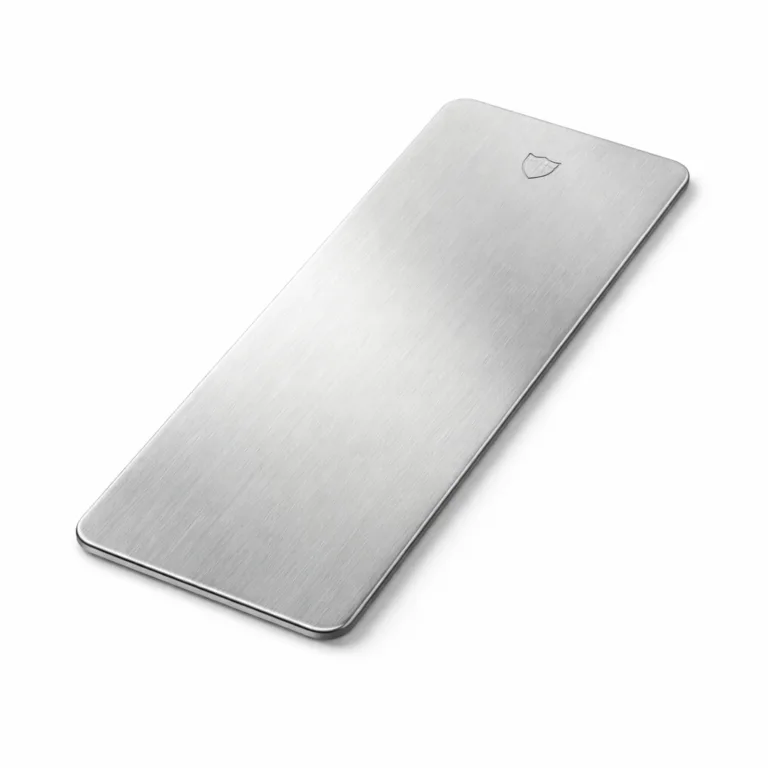
When buyers compare the shelf life promotional products plastic metal question, they are usually not asking only which material lasts longer in a warehouse. They are asking which material keeps working for the brand after distribution, after repeated use, and after normal wear starts to show. For B2B teams, shelf life includes physical durability, visual retention, user perception, replacement frequency, and whether the item still represents the company well weeks or years later.
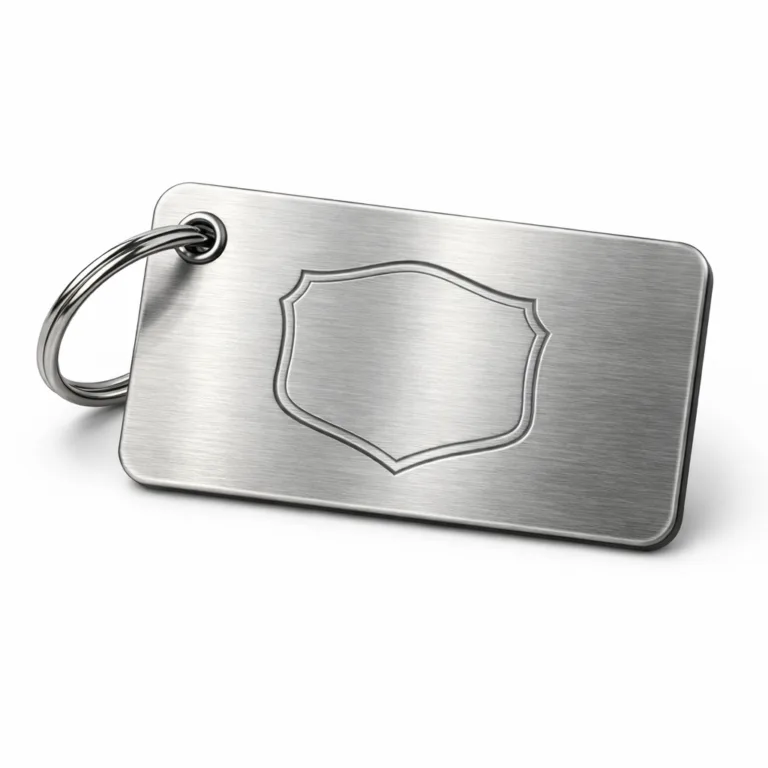
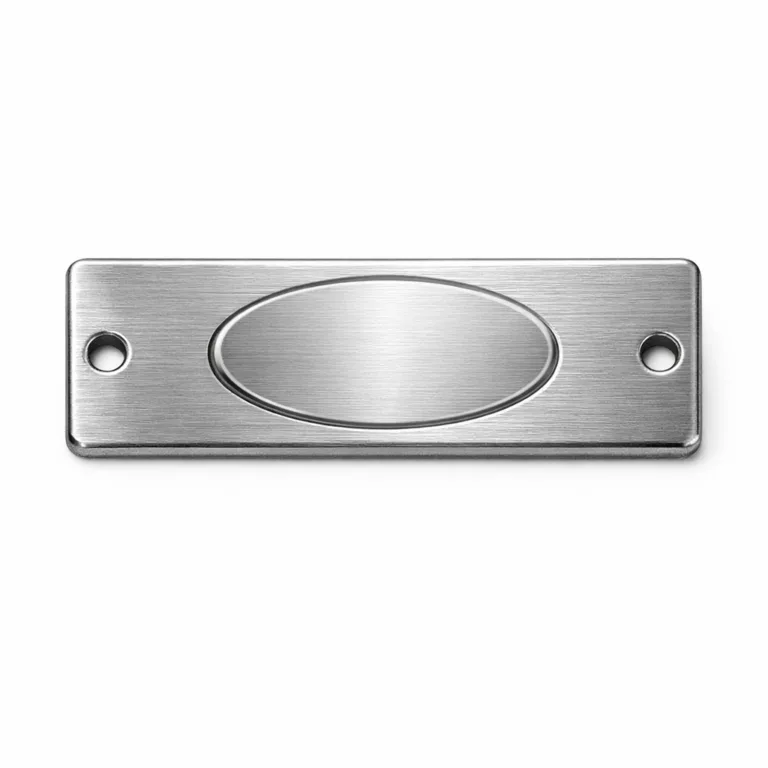
If your project depends on long-term identification, repeat handling, custom numbering, or durable branding that should remain readable over time, our custom metal tag manufacturing solutions are built around the details that usually decide whether a product keeps its value in the field. We help buyers evaluate material choice, engraving or etching method, barcode and QR code requirements, attachment options, sampling, and bulk production consistency so the final item fits the real use case rather than just looking acceptable in a quote sheet.
From our manufacturing perspective, the material decision changes more than cost. It affects scratch resistance, fade risk, tactile quality, printing method, packaging weight, shipping economics, and campaign lifespan. Plastic can be practical, light, and cost-efficient for high-volume promotions. Metal can support longer use, a stronger quality signal, and better resistance in demanding conditions. The right answer depends on how the item will actually be used, what your audience expects, and how you define return on investment.
What shelf life means for promotional products
In promotional buying, shelf life has two layers. The first is physical life: how long the item keeps its shape, surface, legibility, and function. The second is branding life: how long the logo, message, code, or identification still looks intentional rather than worn out.
A low-cost item may survive technically but fail as a brand asset if the print rubs off, the coating chips, or the product starts to feel disposable after a short period. On the other hand, a more durable item may have a higher unit price but continue delivering impressions, utility, and recall long after the campaign launch.
This is why many buyers now think beyond simple giveaway cost. They look at replacement rate, repeat visibility, storage performance, transport conditions, and how well the material fits the intended audience. In projects tied to nameplates, ID items, commemorative pieces, or repeat-use branded accessories, we often see buyers shift toward durable metal tagging for long-term branding because appearance retention matters almost as much as basic function.
Why material choice matters for brand longevity and campaign ROI
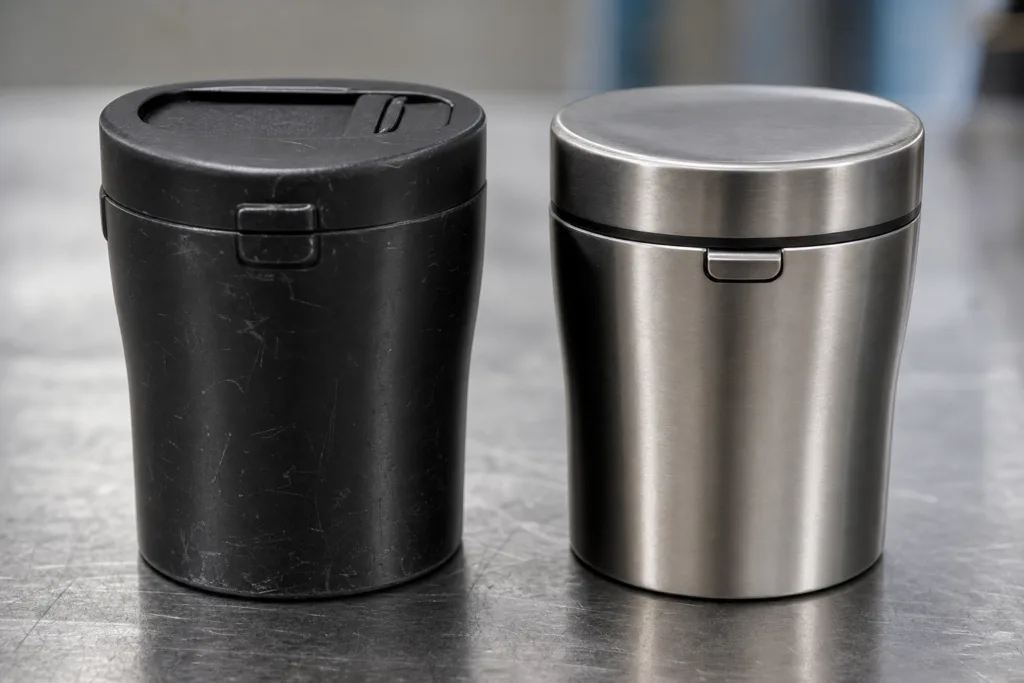
Material is one of the biggest drivers of campaign performance because it shapes how long the item is kept and how the brand is perceived during use. A product that is used for one week and then discarded may achieve initial reach, but a product that stays in service for months or years can continue generating value without additional distribution cost.
For buyers, the key is not only the product name or price, but whether the material, structure, marking method, and application requirements match the real use case. If an item will be exposed to keys, bags, work surfaces, outdoor conditions, cleaning chemicals, or constant handling, the material decision becomes more important than the initial unit savings.
ROI also depends on fit. Plastic makes sense when your campaign needs very large quantities, lower freight cost, bright color flexibility, or short event use. Metal makes more sense when durability, premium perception, and long service life support the campaign objective. This detail may look small, but it can create problems later if it is not confirmed early.
Plastic vs. metal: a side-by-side comparison of durability and wear resistance
| Factor | Plastic Promotional Items | Metal Promotional Items |
|---|---|---|
| Impact resistance | Often good in lightweight applications, but depends heavily on resin type and wall thickness | Usually strong for repeated handling, though thin soft metals can dent |
| Scratch resistance | Printed surfaces and glossy plastics can show wear quickly | Typically better, especially with engraving, etching, or anodized finishes |
| Heat tolerance | Can deform or age faster in high heat depending on polymer | Generally more stable in higher temperature environments |
| Outdoor use | Can fade, embrittle, or discolor over time if not specified correctly | Usually better long-term choice with the right alloy and finish |
| Branding longevity | Good for molded color or protected print, weaker when abrasion is high | Strong for engraved, etched, stamped, or durable printed marks |
| Weight and feel | Lightweight and economical | More substantial and often perceived as higher value |
| Cost at scale | Often lower for mass campaigns | Usually higher unit cost, but may deliver longer service life |
Plastic is not automatically low quality. Some engineered plastics perform very well in routine consumer use, and molded color can hide wear better than cheap surface printing. But plastic performance varies widely by resin, thickness, finish, and exposure conditions. Thin parts, brittle formulations, and low-adhesion print layers tend to shorten useful life.
Metal is also not automatically the right answer. If the item is heavily weight-sensitive, intended for short distribution cycles, or designed around vivid low-cost color themes, metal may add unnecessary cost. But where buyers want longer usability, cleaner edge quality, more stable branding, or stronger wear resistance, metal usually gives a more predictable result.
In our projects, the real decision often comes down to failure mode. Ask what is most likely to go wrong first: cracking, bending, fading, chipping, barcode unreadability, attachment failure, or customer perception. Once that is clear, the material choice becomes easier.
Environmental impact: recyclability, reuse, and end-of-life planning
Sustainability discussions around promotional products often become too simple. Plastic is often criticized because many items have uncertain end-of-life outcomes, while metal is often praised because it is durable and commonly recyclable. But buyers need to look at the full use pattern, not just one label.
A reusable item with a long functional life usually creates more practical value than a short-life item that is technically recyclable but rarely kept or correctly sorted. The broader waste hierarchy supports that logic: reduction and reuse matter before recycling in most decision frameworks, as explained in the EPA guidance on why longer product life and reuse matter more than recycling alone.
Plastic can still be a responsible option when the item is useful, lightweight, repeatedly used, and made with realistic disposal expectations in mind. But buyers should not assume that all plastics are equally recyclable. The EPA also notes that Plastic durability and end-of-life recyclability vary by resin and local recycling infrastructure, which is exactly why material disclosure and market destination matter when planning a campaign.
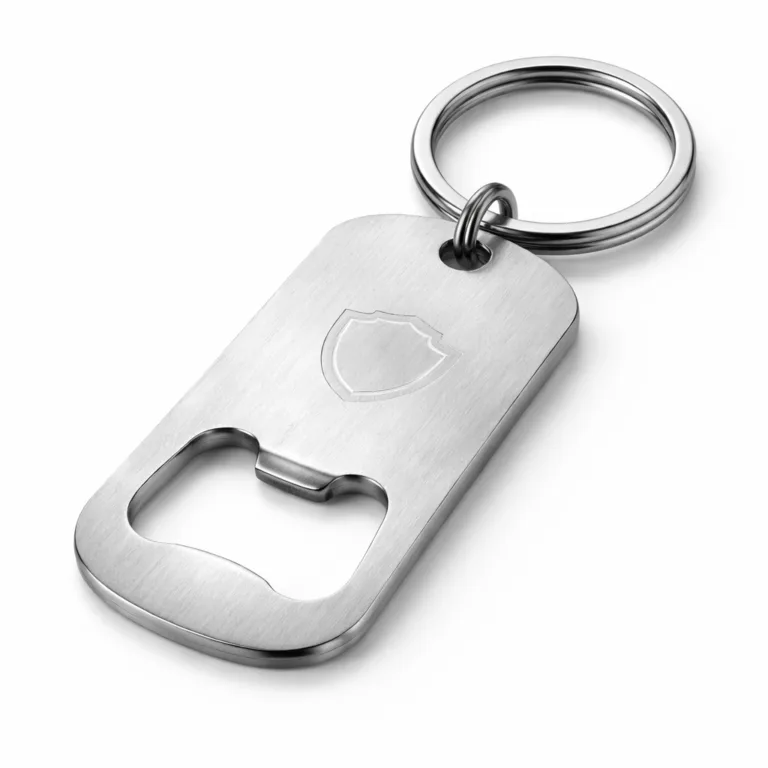
Metal tends to fit better when the promotional item is intended for extended retention, especially if the item can continue functioning after the initial campaign. This includes tags, key accessories, durable branded tools, luggage tags, dog tags, utility markers, and equipment-linked promotional pieces. The longer the item stays in circulation, the more the environmental and branding logic align.
Consumer perception: how plastic and metal affect brand quality and value
Material choice influences brand impression very quickly. Before a recipient reads the message, they feel the weight, edge finish, rigidity, and surface quality. In many campaigns, this first physical reaction shapes whether the item is kept, used, or forgotten.
Heavier and more substantial materials often signal higher quality. That does not mean every premium campaign requires metal, but it does mean physical cues matter. Buyers evaluating premium perception should pay attention to how weight influences perceived product value, especially when the item is meant to represent reliability, craftsmanship, or technical credibility.
From our manufacturing perspective, perception also depends on edge smoothness, thickness consistency, finish choice, and marking quality. A thin metal item with rough edges can feel cheaper than a well-made molded plastic item. Likewise, a strong material can be undermined by weak print adhesion or poor packaging. For that reason, we encourage buyers to review sample quality as a complete package rather than focusing only on the base material.
When a project is meant to communicate durability, professionalism, or long-term trust, metal usually supports the message more naturally. When the campaign is youthful, colorful, lightweight, or budget-led, plastic may align better.
Best use cases for plastic promotional items
Plastic works well when quantity, portability, and visual variety are the main drivers. It is often the better choice for short campaign cycles, event handouts, direct mail inserts, and products where the expected use life is modest but the audience reach is broad.
Where plastic often makes practical sense
- Trade show giveaways distributed in very high volume
- Color-driven consumer campaigns with short promotion windows
- Lightweight items where shipping cost matters heavily
- Temporary seasonal promotions
- Projects where molded shape flexibility is more important than long wear resistance
Examples include low-cost key fobs, simple badge holders, colorful novelty items, clip accessories, and event-oriented branded pieces. These products can still perform well if the design matches the campaign duration and expected handling level.
The common mistake is expecting a low-cost plastic item to behave like a long-term branded asset. If your logo must remain sharp after months of friction, outdoor use, or mechanical contact, confirm the marking process and wear expectations early. A good plastic choice is one where the use conditions are realistic and the branding method is suited to them.
Best use cases for metal promotional items
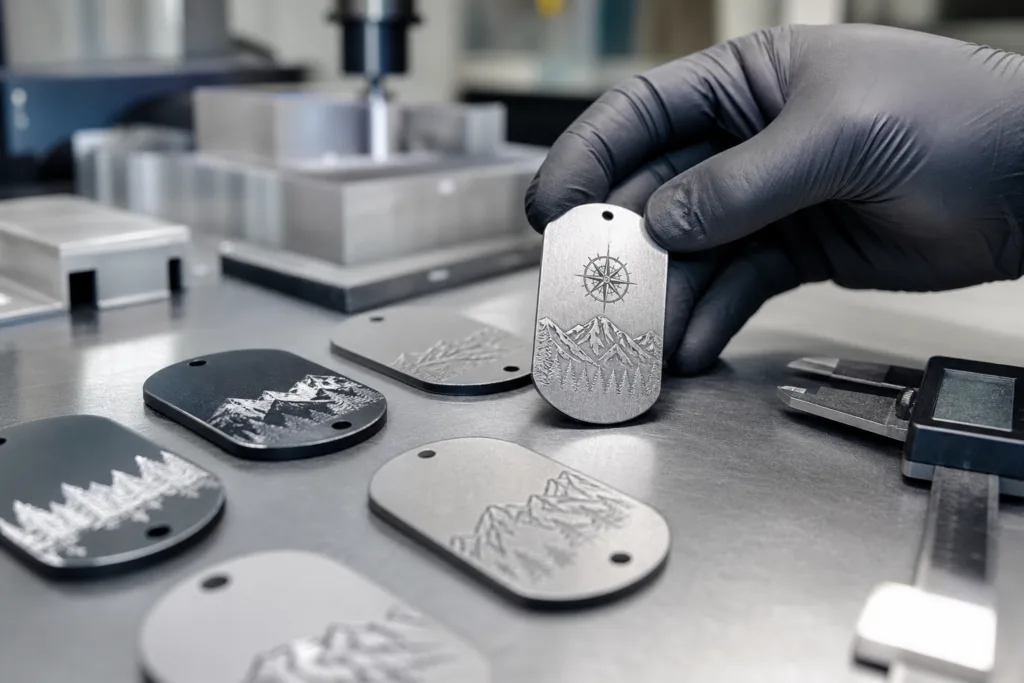
Metal performs better when the item is expected to last, be retained, or reinforce a higher-value brand image. This is especially true for products tied to identity, utility, collections, or repeated daily handling.
Where metal usually has the advantage
- Commemorative or milestone items intended to be kept
- Key tags, dog tags, luggage tags, and badges with repeated abrasion exposure
- Outdoor or industrial-related promotional items
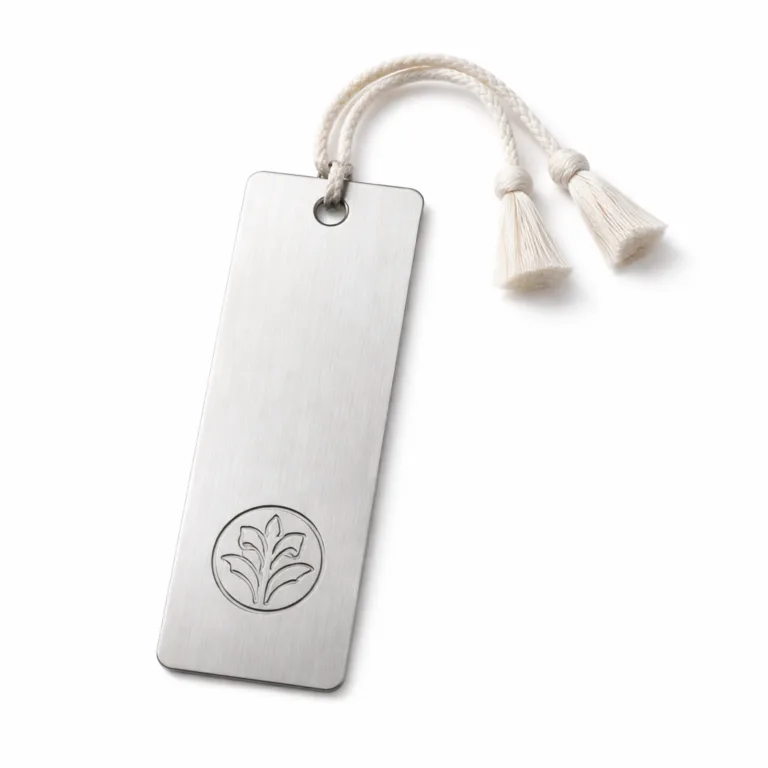
- Branded accessories where premium feel matters
- Serialized or coded items requiring long-term readability
At UC Tag, we often help buyers compare anodized aluminum, stainless steel, brass, and other options based on use conditions rather than product category alone. For many retention-focused campaigns, the better question is not whether metal costs more, but whether the item will keep representing the brand well enough to justify being kept.
If buyers are unsure where to start, it helps to review a more specific brass versus plastic material comparison or broader guidance on choosing the right metal tag material. The principles carry over well to promotional products: environment, marking method, thickness, and user handling usually determine success more than the product label itself.
Cost, unit economics, and ROI factors to consider
Plastic often wins on entry price. Metal often wins on lifespan. But procurement decisions should compare total campaign value, not unit cost alone.
Key cost drivers for plastic
- Tooling or mold setup for custom shapes
- Color options and surface finishing
- Print method and adhesion performance
- Piece size and packaging density
- Freight savings from lower weight
Key cost drivers for metal
- Material type such as aluminum, stainless steel, or brass
- Thickness and edge finishing
- Marking method such as engraving, etching, stamping, screen printing, or UV printing
- Attachment hardware, hole punching, adhesive backing, or chains
- Data handling for serial numbers, barcodes, or QR codes
In many projects, the problem is not that the buyer chose the wrong category. The problem is that some production details were not clarified before sampling or bulk production. For example, a metal tag quote may look high until the buyer realizes that the item will stay in use for years, reducing reorder frequency. A plastic quote may look efficient until freight damage, scuffing, or branding loss creates hidden replacement cost.
ROI should include these questions:
- How long will recipients realistically keep and use the item?
- Will the logo or code still be readable after normal handling?
- How often might you need to reorder or replace?
- Does the item support the intended brand position?
- Is the material appropriate for the actual environment?
How target audience and marketing goals should shape material selection
The right material depends on who receives the item and what the campaign is trying to achieve. A student event, a trade show booth, an industrial distributor program, and a premium client gift campaign should not use the same decision logic.
| Audience or Goal | Plastic Often Fits When | Metal Often Fits When |
|---|---|---|
| Mass event attendees | Wide reach and low cost are priorities | Selective VIP distribution is planned |
| Industrial or technical buyers | Short-term utility is enough | Durability and credibility matter more |
| Premium clients | Color novelty is part of the concept | Retention and perceived quality are central |
| Outdoor users | Exposure is limited and temporary | Weather resistance is required |
| Asset-linked campaigns | Temporary coding or labeling is acceptable | Long-term identification is needed |
If the goal is quick awareness, plastic can be efficient. If the goal is longer retention, repeated use, or stronger perceived value, metal often performs better. Buyers should decide what success means before comparing quotes. Otherwise, the material decision becomes reactive instead of strategic.
Practical tips for choosing the right material for your next campaign
We suggest buyers confirm these points before requesting final pricing:
- Expected lifespan: Is the item meant to last days, months, or years?
- Use environment: Indoor, outdoor, pocket carry, office desk, workshop, vehicle, or marine exposure?
- Branding method: Printed logo, molded logo, engraving, etching, stamping, barcode, or QR code?
- Audience expectation: Value giveaway, practical tool, premium keepsake, or industrial utility item?
- Distribution model: Large event handout, direct mail, channel partner kit, onboarding package, or equipment bundle?
- Data requirements: Static logo only, or variable serial numbers and codes?
From a production standpoint, confirm file format, logo line thickness, finish expectations, color tolerance, attachment method, and packaging plan at the sample stage. These details affect both materials, but they become especially important when durability and appearance are central to campaign performance.
Common mistakes to avoid when ordering promotional products
Choosing by unit price alone
Low quote prices can hide weak wear life, low print durability, and higher replacement rates. Always compare cost against use duration and brand impact.
Ignoring marking method
The base material is only part of the result. A durable metal substrate with weak printing can still fail. A decent plastic item with protected molded branding can outperform expectations. Ask how the mark is created and how it holds up.
Not confirming thickness and finish
Thin parts may bend, crack, or feel cheap. Surface finish changes both wear behavior and visual quality. Sampling should confirm both.
Overlooking attachment and packaging
Split rings, chains, adhesive backing, or holes may affect use and cost. Packaging also affects scratches, counting efficiency, and presentation.
Skipping realistic use testing
For higher-volume orders, test samples in the actual environment when possible. Put them on keys, in bags, on equipment, or in outdoor conditions. Small tests can prevent large production disappointment.
Final decision checklist: choosing between plastic and metal
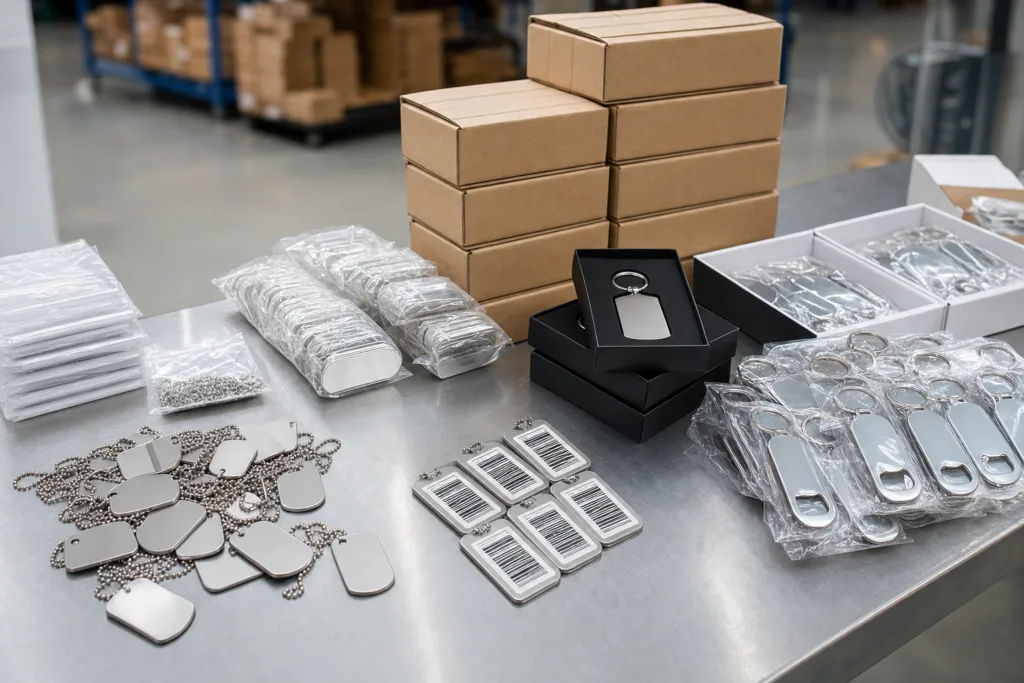
Choose plastic when your campaign depends on very high volume, lower freight weight, short-term use, or bold color-driven concepts. Choose metal when your item should stay in circulation longer, survive abrasion better, maintain a more stable mark, or communicate a stronger sense of quality.
There is no universal winner. The better material is the one that matches the audience, use conditions, branding method, expected lifespan, and total campaign objective. For buyers comparing the shelf life promotional products plastic metal decision, the practical answer is to define what failure looks like first, then choose the material that reduces that risk.
In our custom metal tag production work, we see the strongest outcomes when buyers treat material choice as a performance decision rather than a simple category preference. That approach usually leads to better sampling, fewer surprises in production, and more reliable ROI.
FAQs
Which lasts longer for promotional use, plastic or metal?
Metal usually lasts longer when the item is exposed to abrasion, repeated handling, outdoor use, or long retention cycles. Plastic can still perform well for lighter-duty campaigns, but its lifespan depends heavily on resin type, thickness, print method, and exposure conditions. The practical decision is to compare likely wear points rather than assuming one material always wins.
Are metal promotional items always better for brand perception?
Not always. Metal often gives a stronger quality signal because of its weight, rigidity, and finish, but a well-designed plastic item can still fit the brand if the campaign is colorful, casual, lightweight, or price-sensitive. The better choice depends on whether your audience expects premium feel, long-term use, or simple event utility.
How should buyers compare ROI between plastic and metal promotional items?
Start with expected use life, retention rate, replacement risk, and branding durability rather than unit price alone. A low-cost plastic item may work well for broad reach, while a metal item may deliver more value if recipients keep using it for a long time. ROI improves when the item stays useful and continues representing the brand clearly.
What branding methods hold up best on metal promotional items?
Engraving, etching, stamping, and some protected printing methods generally hold up well on metal, especially when long-term readability matters. The best option depends on the material, finish, design detail, and whether you need static artwork or variable data such as serial numbers, QR codes, or barcodes. Buyers should confirm both appearance and wear expectations during sampling.
When is plastic still the right choice for a B2B campaign?
Plastic is often the right choice when the campaign needs large volume, low shipping weight, bright color flexibility, or short-term distribution at events and promotions. It can also make sense when the item is not expected to face heavy wear. The key is to match the product life expectation to the actual campaign goal instead of treating all giveaways as long-term assets.
What should be confirmed with a manufacturer before placing a bulk order?
Confirm material type, thickness, size, marking method, artwork setup, attachment option, packaging, sample approval standard, and any variable data requirements before bulk production starts. If the item is metal, also review edge quality, finish consistency, and readability after handling. These details reduce misalignment between quote expectations and actual delivered performance.