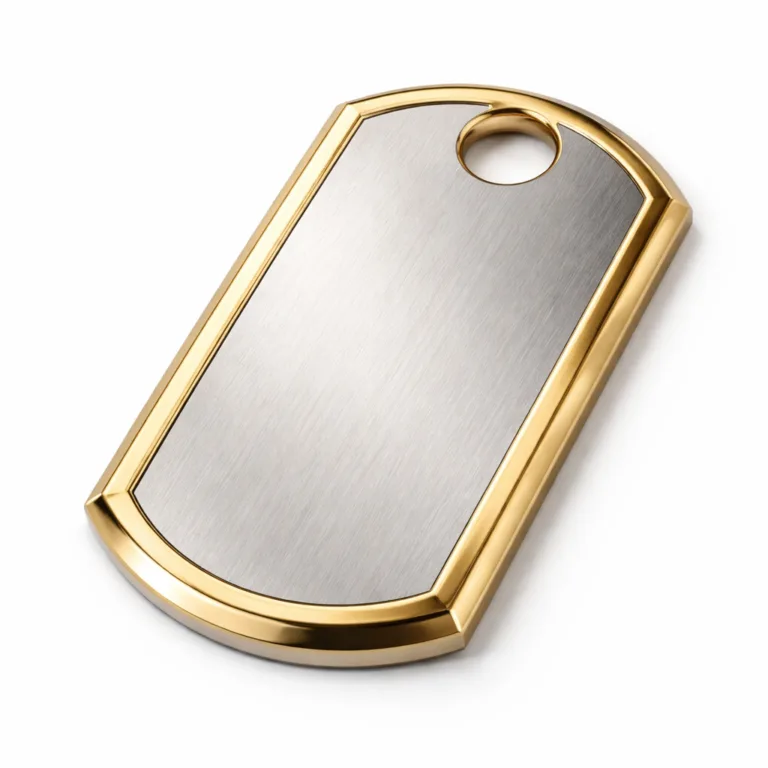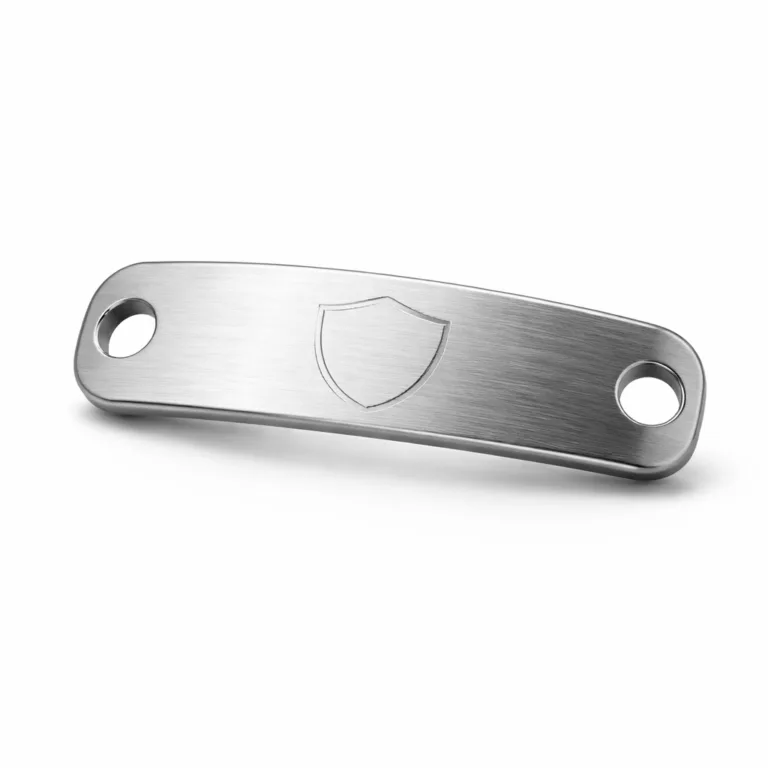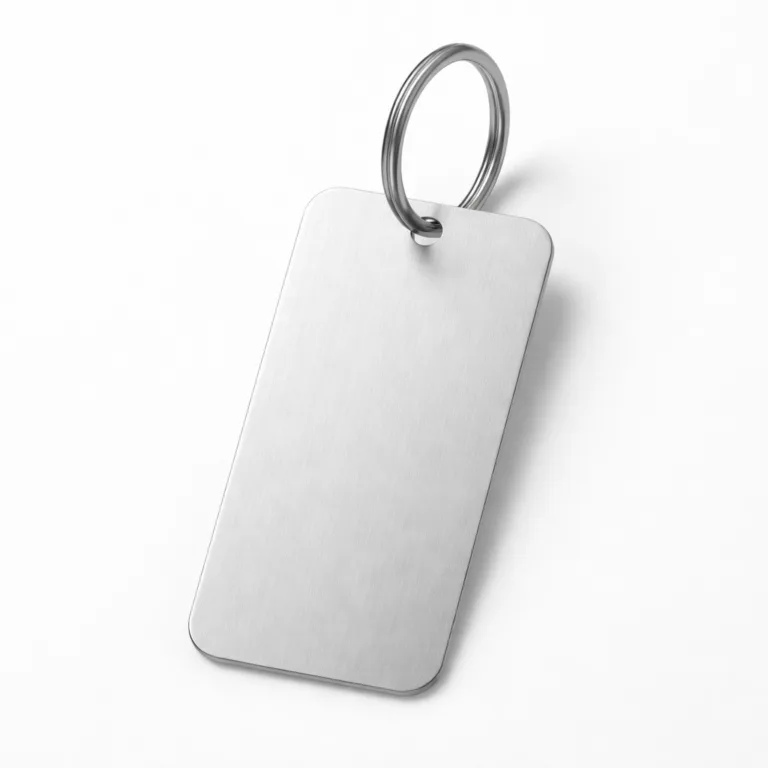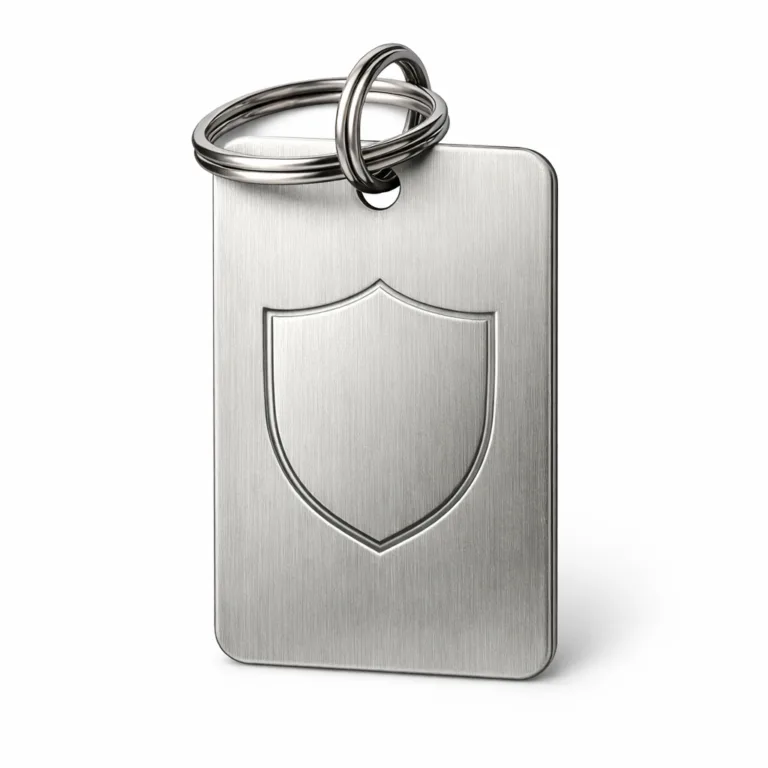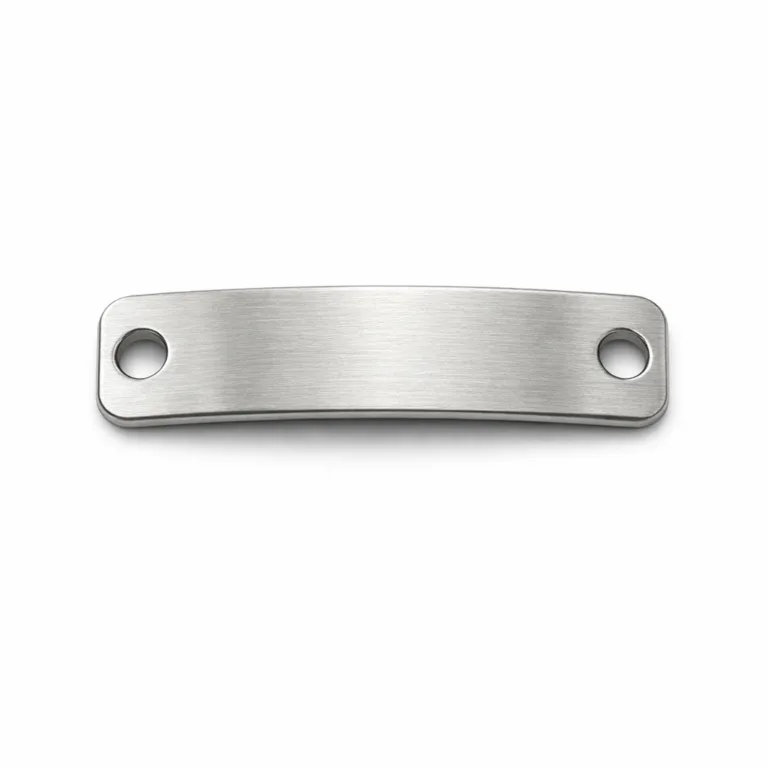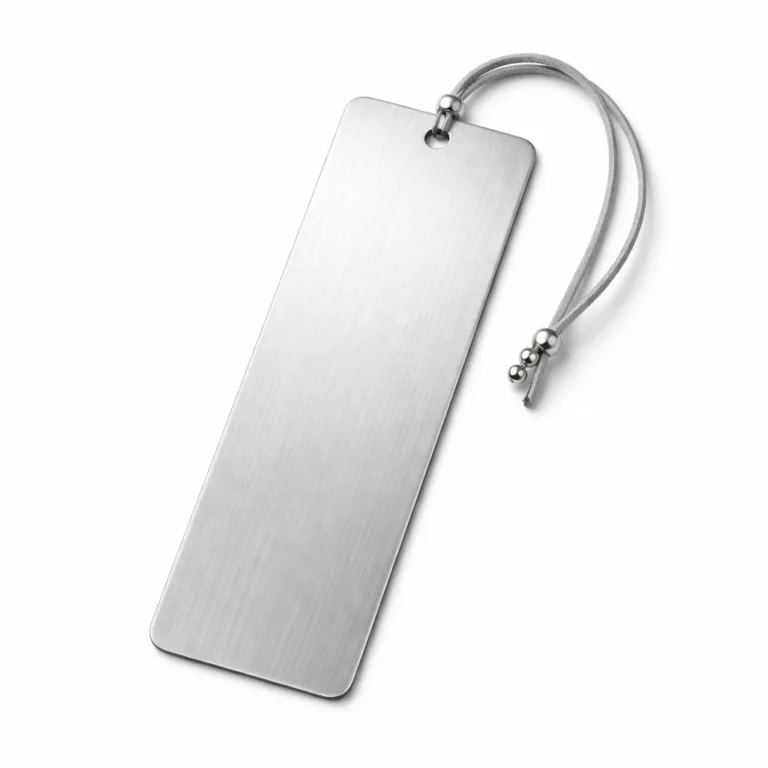
Custom metal tags for branded product applications are not just about adding a logo to a product. For buyers, the real question is whether the tag will match the product image, survive the use environment, stay readable over time, and fit smoothly into production, assembly, and packaging. In many projects, the problem is not choosing metal instead of another material. The problem is that finish, marking method, attachment details, and production data were not confirmed early enough.
If your project needs custom metal tag solutions for branded product applications, it helps to work backward from the actual product and use case. Some buyers need a clean decorative logo plate, while others need serialized branding tags, adhesive-backed badges, or engraved tags that must hold up in outdoor or high-touch conditions. At UC Tag, we support this kind of planning through material selection, engraving or printing method matching, sample review, attachment design, and bulk production control so the final tags fit both the brand image and the manufacturing process.
What buyers should define before requesting custom metal tags
Before asking for pricing, it is worth defining a few practical points. This saves time during sampling and reduces the chance that the first sample looks good but does not perform well in real use.
- Application type: branding badge, model plate, serial plate, logo tag, decorative trim, or premium product ID tag
- Installation method: adhesive, rivet, screw, wire, chain, or sewn-in hardware support
- Environment: indoor retail use, outdoor exposure, marine air, chemicals, abrasion, or frequent handling
- Visual goal: brushed metal, mirror finish, matte finish, embossed look, colored print, or engraved depth
- Data requirement: fixed logo only, variable numbering, barcode, QR code, or model-specific information
- Production planning: sample timing, MOQ, packaging, labeling, and shipping format
These details affect not only cost, but also process choice. A polished brass logo plate and a serialized stainless steel asset tag may both be called metal tags, but they move through very different production routes.
How custom metal tags support branded product applications
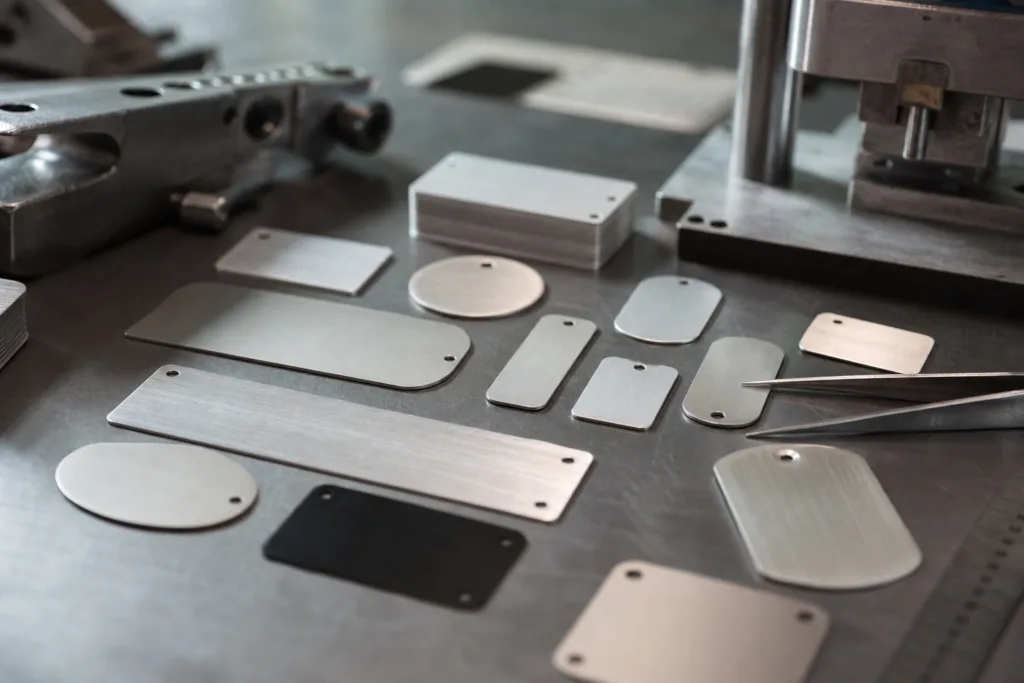
Branded product applications usually sit between appearance and function. The tag needs to reinforce brand identity, but it also has to work with assembly and service life. This is common in furniture, luggage, leather goods, garments, outdoor equipment, machinery accessories, gift packaging, tools, consumer hardware, and private label products.
In some cases, a tag is mainly visual. In others, it also carries model numbers, traceability information, or care and origin details. That is why the early discussion should cover more than shape and logo artwork.
For example, some buyers start with a decorative face plate idea and later realize they also need scratch resistance, consistent hole spacing, and accurate logo color matching. Others begin with a simple engraved badge but later need flexible options for multiple SKUs. Our manufacturing perspective is that good project results usually come from balancing five things at the same time: material, marking method, attachment, durability, and production consistency.
Material selection for appearance, durability, and cost balance
Aluminum for lightweight branded tags
Aluminum is widely used when buyers want a clean appearance, low weight, and good processing flexibility. It works well for branded badges, product labels, logo plates, and decorative trim tags. Anodized aluminum is especially useful when color, surface protection, and good visual consistency matter.
For indoor products or moderate outdoor use, aluminum often gives a strong cost-performance balance. It can support engraving, printing, and variable data, depending on the finish and process route. If the product needs premium color branding, buyers often compare engraving with UV printing for custom metal branding to decide whether the project is more about visual impact or long-term mechanical marking.
Stainless steel for hard-use and long-life applications
Stainless steel is usually chosen when the tag must resist wear, moisture, cleaning chemicals, or a more demanding outdoor environment. It is common for premium equipment labels, industrial branding plates, marine-related tags, and products that need a stronger long-term impression.
Stainless steel can look simple and refined, but it is also practical. Etching and laser marking are common choices. If the tag includes small text, serial numbers, or machine-readable codes, stainless steel can be a reliable option because it supports sharp detail when the process is matched correctly.
When buyers ask about water exposure, we usually explain that performance depends on the full construction, not only the metal name. Finish, code depth, adhesive type, edge treatment, and mounting method all matter. A broader waterproof metal tag durability guide can help buyers think through those conditions before sampling.
Brass for premium and decorative branding
Brass is often selected for a warmer visual tone and a more traditional premium look. It fits decorative branding, furniture hardware, hospitality products, boxed sets, and certain fashion or leather applications. Brass is not always the lowest-cost option, but for the right brand image it offers a distinctive result that other materials do not fully replace.
Buyers should still think practically. Brass finish variation, oxidation expectations, and attachment method need to be discussed early. A beautiful brass tag can create problems later if the buyer did not clarify coating preference, edge finish, or whether the final product will be handled frequently.
Choosing the right marking method
The marking method affects appearance, readability, durability, and unit cost. This is one of the most important project decisions, especially when the tag must carry both branding and data.
| Method | Best For | Main Advantage | Main Consideration |
|---|---|---|---|
| Laser engraving | Logos, serial numbers, durable identification | Sharp detail and good permanence | Visual effect depends on material and surface finish |
| Chemical etching | Fine detail, stainless steel plates, premium branding | Clean lines and strong consistency | Usually needs more process planning |
| Stamping | Simple raised or recessed marks, high-volume durable tags | Physical depth and rugged feel | Less flexible for complex graphics |
| Screen printing | Simple colored branding and clear layouts | Efficient for repeat graphics | Durability depends on ink and environment |
| UV printing | Full-color logos and visual brand presentation | Strong color flexibility | Not always the first choice for heavy abrasion |
In many branded product projects, the choice is not engraving versus printing in a general sense. It is whether the tag is meant to be seen, touched, scanned, cleaned, or exposed to wear. That is what should guide the process choice.
When engraving makes more sense
Engraving is a practical choice when long-term readability matters more than decorative color range. It is commonly used for product identity, model tags, asset-related branding, and metal labels that may be handled or cleaned often. Engraving can also support variable data well, especially when each tag must carry a different number or code.
When etching works better
Etching is often preferred when the artwork has finer detail, the material is stainless steel, or the buyer wants a refined industrial look. It is useful for small text, line work, and precision layouts. In our production work, etched metal tags are often chosen when readability and visual control need to stay balanced.
When printing is the better fit
Printing is usually the better fit for color-driven branding, logo visibility, and decorative applications where the visual identity matters more than physical depth. This is also where design input becomes important. Buyers exploring premium consumer-facing products may compare engraving with decorative metal tag design ideas to see whether the final effect should be minimalist, textured, colored, or layered.
Size, thickness, hole placement, and edge quality
These details may look small in a drawing, but they have a direct effect on installation and final appearance.
Tag size
Size should be based on readable content and mounting area, not guesswork. If a logo looks balanced on screen but the installed product has curved surfaces or stitching boundaries, the actual result may feel crowded. We usually advise buyers to confirm the visible area, not just the maximum available area.
Thickness
Thicker tags usually feel more premium and resist bending better, but they also add weight and may change how the product feels in hand. Thin tags can work very well for adhesive-backed branding plates or sewn applications, but they require proper support from backing, material selection, and edge treatment.
Hole position
Hole placement should be locked early, especially for rivet or screw-mounted tags. Even a small shift can create assembly trouble in bulk production. Hole diameter, center distance, and edge margin all matter. If the buyer uses third-party hardware, we recommend checking the actual fastener dimensions before sample approval.
Edge finish
Edge quality affects both safety and perceived value. Sharp or inconsistent edges are a common avoidable issue. For branded applications, clean finishing makes a visible difference, especially on small tags handled by end users.
Attachment methods and what they change
The same tag can perform very differently depending on how it is attached.
- Adhesive backing: suitable for clean flat surfaces and faster assembly, but surface energy, temperature, and texture must be considered
- Rivet or screw holes: better for permanent attachment and mechanical security
- Wire or chain: useful for removable tags, retail hanging tags, and equipment labeling
- Sewing support or hardware integration: often needed for garments, soft goods, and luggage applications
Buyers sometimes focus on the tag and forget the installation surface. That can create failure later. A polished plate with strong adhesive may still fail if it is mounted onto textured powder coating, oily surfaces, or curved material without enough bonding area.
For some branded products, added surface protection also matters. Depending on the use case, buyers may evaluate protective coating options for long-lasting tags when they want extra visual depth or a protective layer over printed branding.
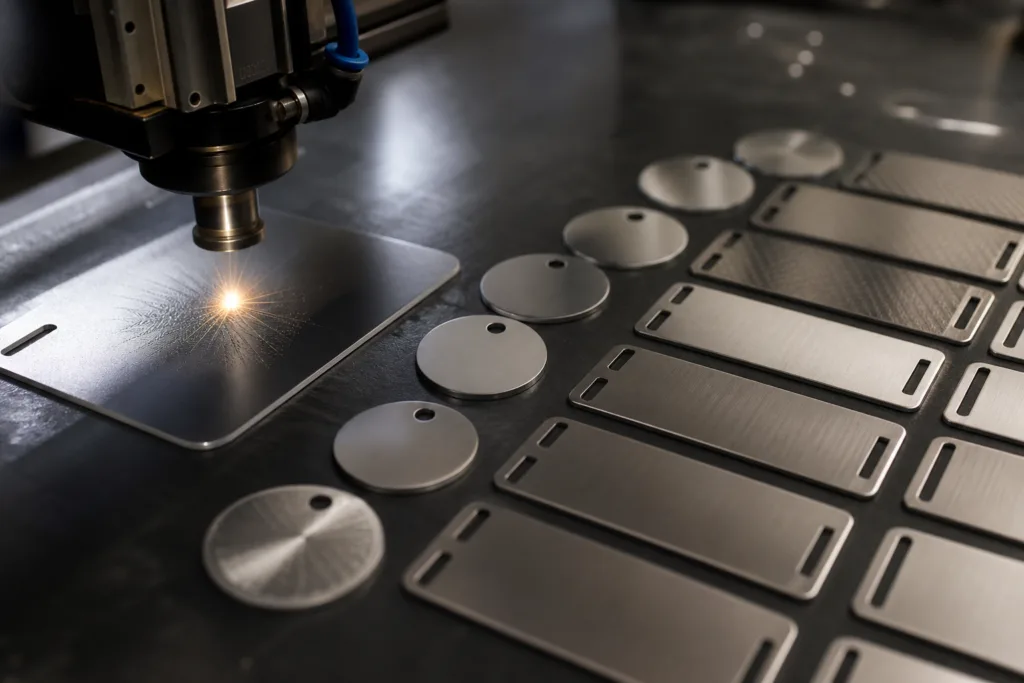
Variable data, serial numbers, barcodes, and QR codes
Many branded tags now carry more than a logo. They may also include item numbers, model references, anti-mix tracking, warranty identifiers, or scan-enabled customer support codes. This adds another layer of planning because data quality becomes part of product quality.
For variable data projects, buyers should confirm:
- data file format
- font and character height
- barcode or QR code size
- contrast expectations
- scan distance and scanning device type
- whether data must be sequential, randomized, or SKU-matched
In our experience, a code that looks fine in artwork can still become hard to scan if the available tag area is too small, the finish is too reflective, or the code is placed near fasteners or curved surfaces. This is why sample testing is useful before bulk approval.
For buyers working in regulated or specification-driven markets, consistent data and measurement control matter beyond appearance alone. Standards-based thinking helps reduce avoidable errors in dimensions, marking quality, and verification logic, and the NIST standards overview is a useful general reference for why measurement consistency and technical standards matter in manufacturing and quality discussions.
Artwork preparation and sample approval
Most custom metal tag delays do not come from the metal itself. They come from artwork gaps, missing dimensions, unclear color expectations, or late changes after the first sample.
A good artwork package should include:
- vector logo or clean editable artwork
- finished tag size and thickness
- corner style and hole details
- material and finish preference
- marking method preference, if known
- variable data file structure, if needed
- backing or attachment request
- packaging requirement
Sample approval is not just about saying the tag looks good. Buyers should check readability, color impression, edge finish, fit on the real product, mounting behavior, and any scan function. This step matters even more when the order includes multiple SKUs or private label packaging.
MOQ, lead time, and bulk production planning
MOQ depends on process, material, customization complexity, and whether the project uses fixed or variable data. A simple engraved aluminum tag may have a different production logic from a multi-color adhesive badge with custom packaging.
Lead time is affected by:
- material availability
- tooling or fixture needs
- surface finish route
- sample approval speed
- data checking for variable content
- packaging format
- inspection level required before shipment
From our point of view at UC Tag, the smoothest projects are the ones where buyers align technical details and commercial details early. If the product launch date is fixed, then packaging, installation method, and artwork approval should be discussed at the same time as unit price, not afterward.
Quality control points that matter in custom metal tag manufacturing
QC should match the actual project risk. For branded tags, common checkpoints include:
- material and thickness confirmation
- surface finish consistency
- logo position and artwork accuracy
- hole spacing and tag dimensions
- edge quality
- marking readability
- barcode or QR code verification when applicable
- adhesive placement or attachment accessory check
- counting and packaging accuracy
For projects with multiple codes, lot variation, or specification-sensitive assemblies, buyers should ask how data is controlled between file intake and finished part packing. This detail is easy to overlook, but it can cause costly sorting work later if not discussed early.
Common mistakes buyers should avoid
Choosing material by appearance only
A brushed aluminum sample may look right, but if the product is used outdoors or cleaned aggressively, the better long-term choice may be different. Material should match environment, handling, and mounting method.
Ignoring the mounting surface
Attachment failure often comes from the product surface, not the tag. Adhesive, screws, rivets, or wires should be chosen based on the actual substrate and assembly process.
Making the code area too small
Buyers sometimes try to fit branding, legal text, and QR code content into a very small tag. This can reduce readability and scanning reliability. It is usually better to simplify the layout than to force too much content into limited space.
Approving samples without real-use checking
A tag can pass visual review on the desk and still fail when installed, handled, or scanned. Whenever possible, sample review should include actual mounting and practical use.
Leaving packaging decisions too late
Bulk packaging format affects counting, assembly efficiency, and risk of scratches or mixed SKUs. This is especially important for private label, OEM, or multi-model projects.
How to communicate better with a metal tag manufacturer
The fastest way to get a useful quotation and sample is to provide clear application information instead of only asking for “a metal logo tag.” In our custom metal tag production work, the most helpful buyer messages usually include product photos, target dimensions, use environment, preferred metal, attachment idea, artwork, and expected order volume.
If some details are still open, that is fine. What matters is making the uncertainty visible. For example, tell the manufacturer if you are still deciding between adhesive and rivet mounting, or between engraved and printed branding. That makes technical feedback more useful and reduces back-and-forth.
For specification-sensitive buyers, it can also help to define the approval sequence clearly: drawing approval first, then sample approval, then bulk production, then packaging confirmation. This sounds basic, but it prevents many avoidable problems.
Conclusion
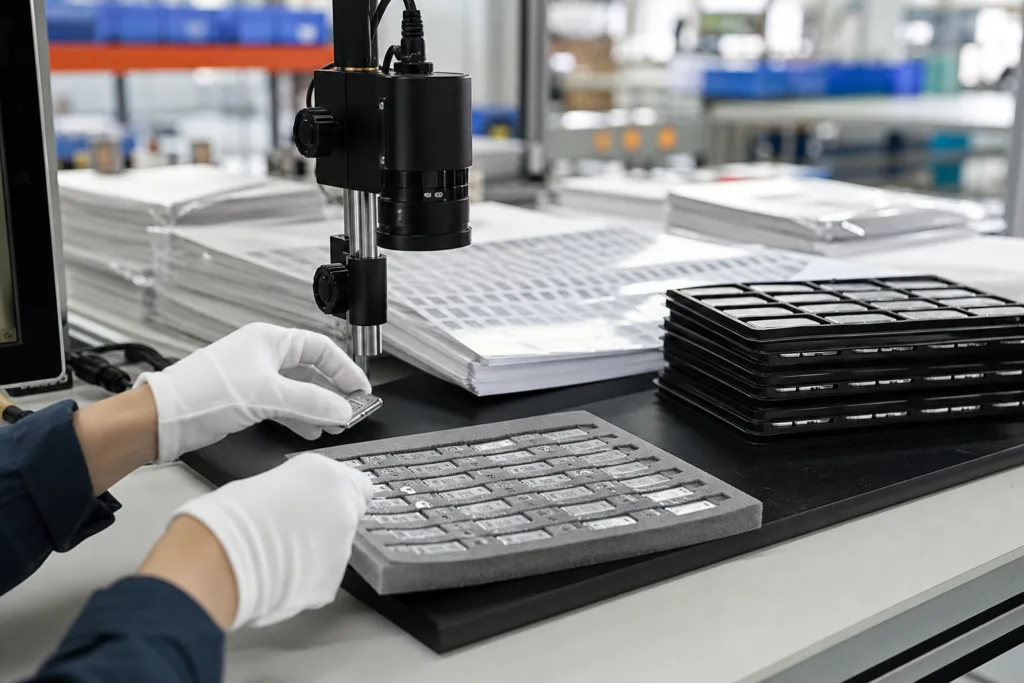
Custom metal tags for branded product applications work best when buyers treat them as a product component, not just a logo accessory. The right result depends on matching material, marking method, attachment, data needs, and production planning to the real use case. A small detail such as hole position, edge finish, or code size may look minor at the start, but it can affect installation, readability, and bulk consistency later.
At UC Tag, we find that the strongest projects are usually the clearest ones. When buyers define what the tag must do, how it will be attached, what environment it will face, and what data it must carry, the manufacturing route becomes much easier to control. That leads to better samples, fewer revisions, and more reliable bulk production.
FAQs
What is the best metal for branded product tags?
The best metal depends on the product image, environment, and mounting method. Aluminum is often chosen for lightweight branded tags and flexible finishing options, stainless steel is better for harder use and stronger corrosion resistance, and brass is usually selected when buyers want a warmer premium appearance. The right choice is not only about price or look. It should also match handling, cleaning, moisture exposure, and the expected service life.
Should I choose engraving, etching, or printing for my custom metal tags?
Choose engraving when long-term readability and durable marking matter most, especially for serial numbers or hard-use products. Etching is a strong choice for fine detail, clean line work, and many stainless steel applications. Printing is usually better for color-driven branding and decorative layouts. In practice, the decision should come from the real use case: whether the tag must be touched, scanned, cleaned, exposed outdoors, or mainly used for visual branding.
Can custom metal tags include serial numbers, barcodes, or QR codes?
Yes, many custom metal tags can include variable data such as serial numbers, barcodes, and QR codes. The important part is confirming code size, contrast, material finish, and the scanning conditions before production. If the code area is too small or the surface is too reflective, scan performance can suffer. For projects with variable data, buyers should also confirm how the data file will be checked and matched during production.
What details should I send to a manufacturer for a quotation?
A useful quotation request should include the tag size, thickness, material preference, artwork, quantity, attachment method, finish requirement, and intended application environment. If the tag needs holes, adhesive, serial numbers, or custom packaging, those details should be included as well. Even if some items are not fully decided, sharing product photos and explaining the use case helps the manufacturer suggest a suitable process and identify possible risks early.
How do samples help reduce production problems?
Samples help verify more than appearance. They allow buyers to check installation fit, edge quality, readability, code scanning, color impression, and how the tag behaves on the actual product. This is especially important for branded applications with adhesives, multiple SKUs, or variable data. A sample can reveal small issues early, before they become bulk production problems that are expensive to sort or rework.
What usually affects MOQ and lead time for custom metal tags?
MOQ and lead time are usually affected by material type, marking process, surface finish, customization level, and whether the order includes fixed artwork or variable data. Packaging style, accessory requirements, and approval speed also matter. Simple repeat orders normally move faster than projects that need new samples, data checking, or multiple versions. Buyers can usually shorten the process by confirming drawings, attachment method, and packaging expectations early.