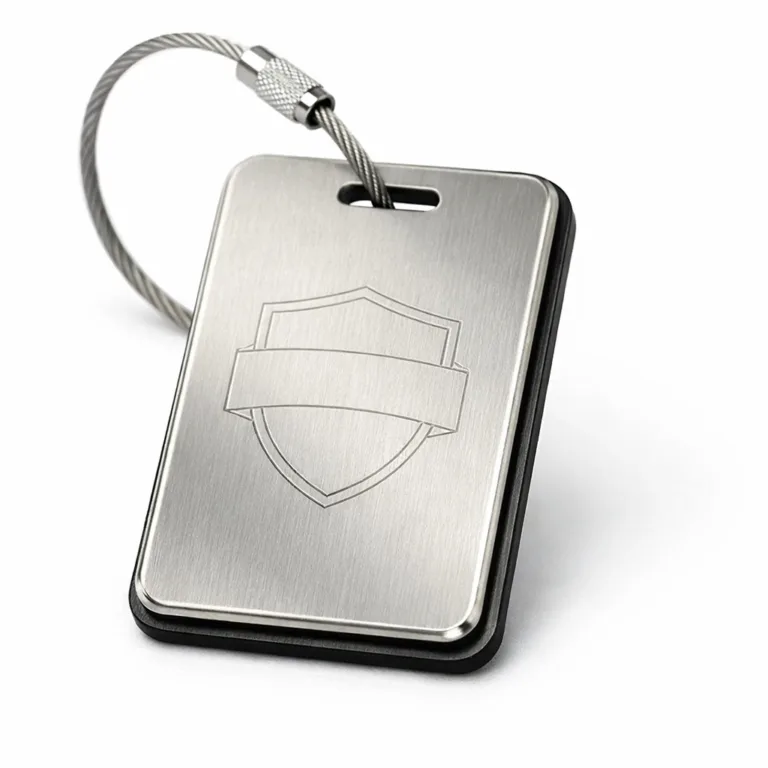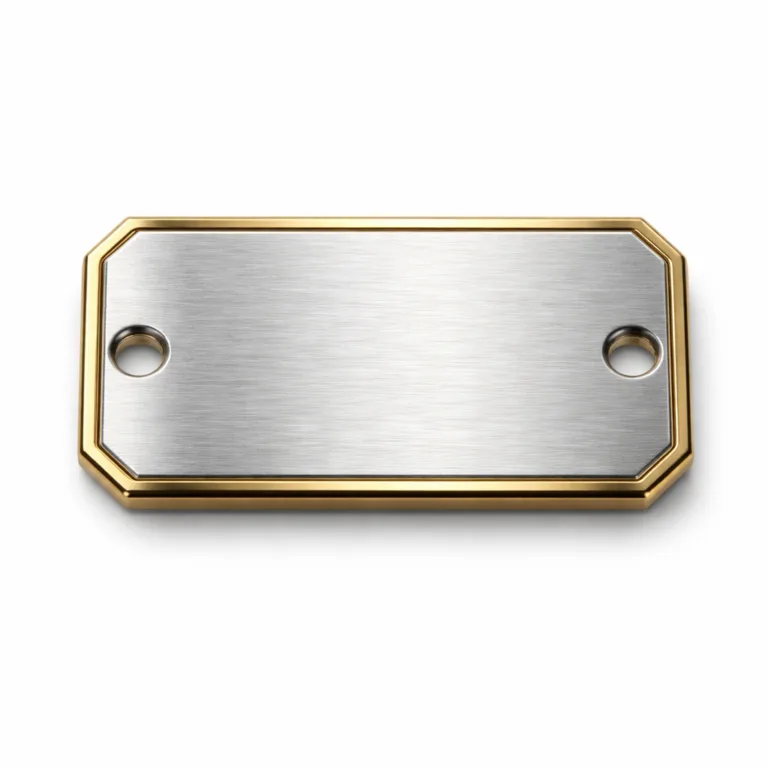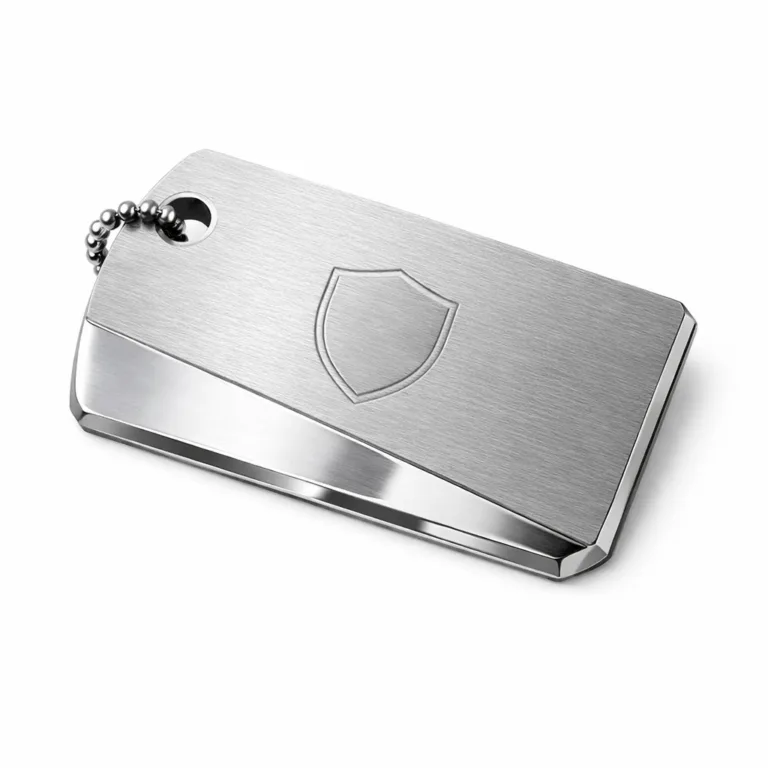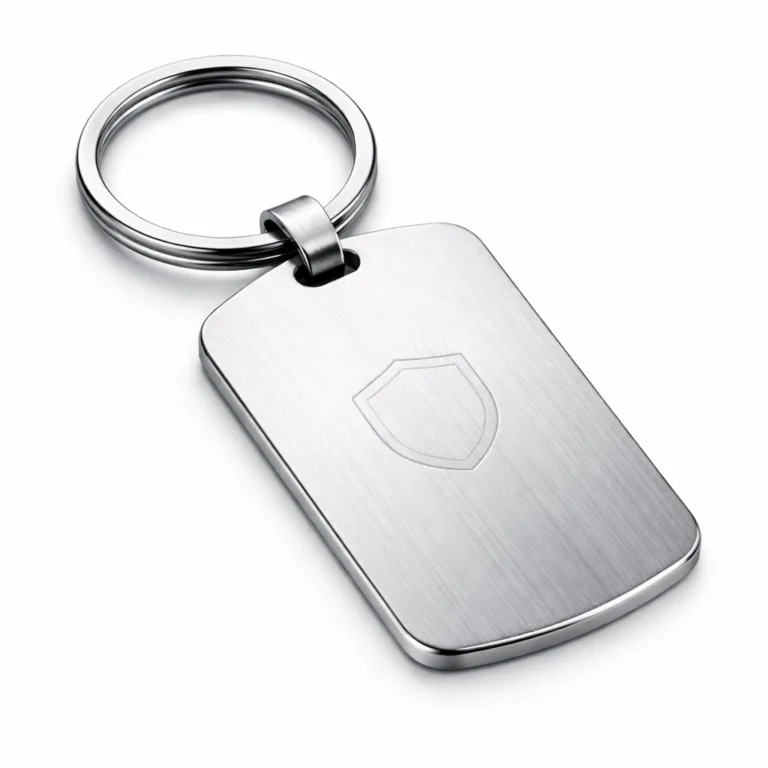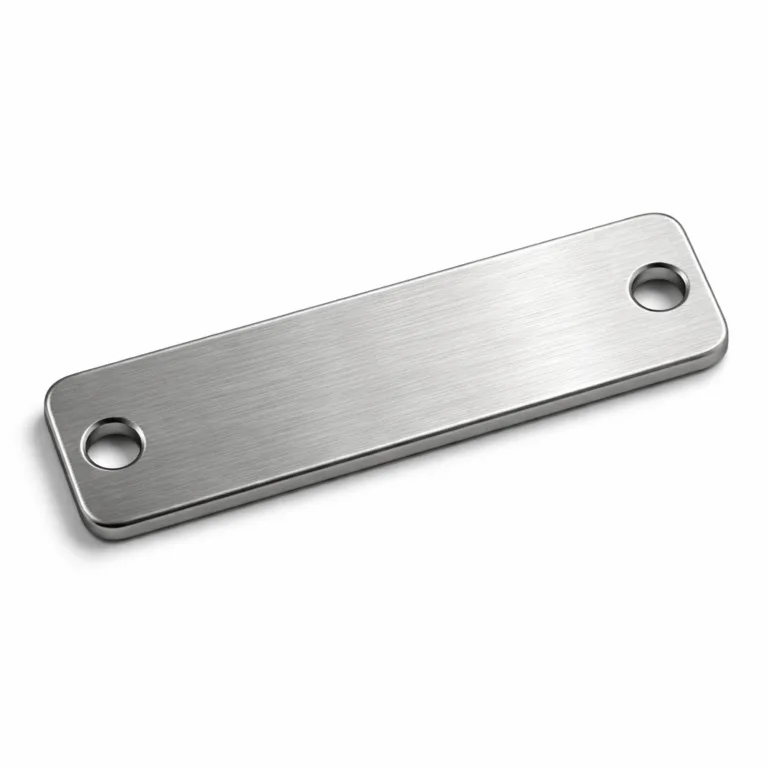
Product authentication is no longer a niche concern limited to luxury goods or highly regulated sectors. For many manufacturers, OEM brands, and industrial buyers, it has become a practical part of risk control. When counterfeit parts enter the market, the problem is not only lost sales. It can also mean warranty disputes, service confusion, field failures, and damage to buyer trust. Serialized metal tags help solve part of that problem by giving each product a durable, unique identity that can be checked, recorded, and traced throughout its lifecycle.
In many projects, the real challenge is not deciding whether to mark a product. It is deciding how to build an identification system that still works after shipping, installation, maintenance, weather exposure, abrasion, cleaning, and years of use. From our metal tag manufacturing perspective, serialized tags become much more valuable when the material, marking method, data structure, and verification workflow are planned together instead of treated as separate decisions.
What product authentication means in a counterfeit-risk supply chain
Product authentication means being able to confirm that a product, component, or asset is genuine and linked to the correct manufacturing or distribution record. In simple terms, the item should have an identity that can be verified against trusted information. That identity may be a serial number, QR code, barcode, batch code, or a combination of visible and controlled data.
For industrial and branded products, authentication usually sits between two goals. The first is anti-counterfeiting: making it harder for unauthorized copies to pass as genuine. The second is traceability: making it easier for authorized teams to know what was made, when, under which batch, and where it moved afterward.
A printed paper label can sometimes support basic tracking, but in harsh or long-life applications it often becomes the weak point. Heat, moisture, solvents, abrasion, and rough handling can erase or damage the mark. That is why many buyers move toward metal identification tags when the product value, service life, or counterfeit risk is high.
Why counterfeiting creates more than a sales problem
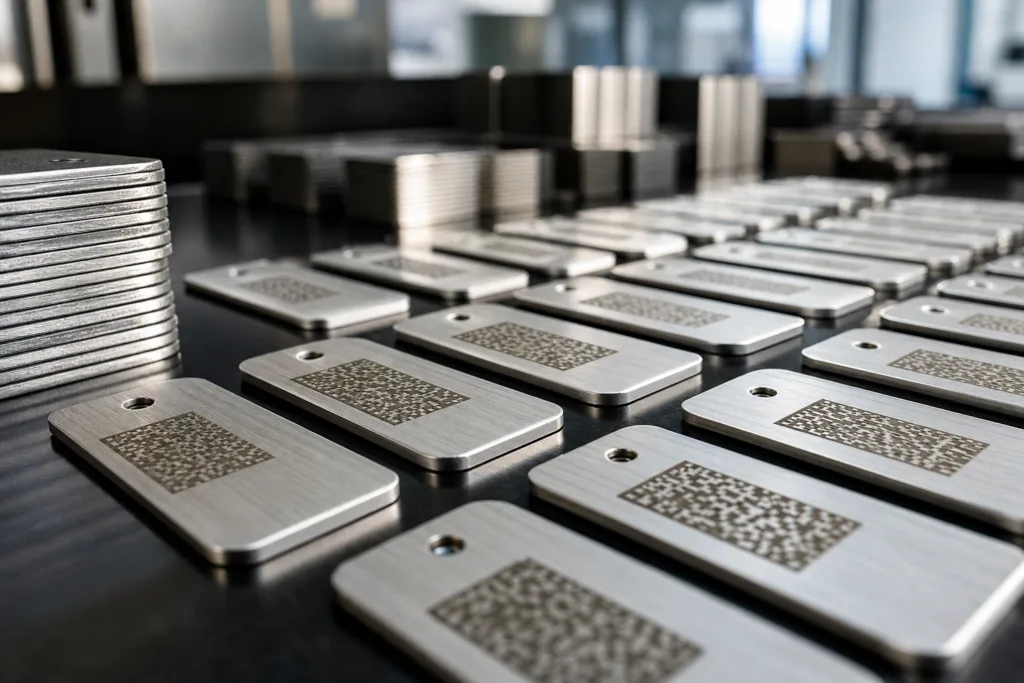
Counterfeiting is often discussed as a brand issue, but for manufacturers and procurement teams the impact is broader. A fake replacement part can trigger performance failures that service teams mistakenly associate with the original brand. A copied machine component can lead to warranty claims on products the brand never supplied. A distributor can receive returns or complaints that are difficult to resolve because the item cannot be reliably identified.
In practical terms, counterfeit risk affects several business areas:
- Brand reputation: buyers may blame the original manufacturer for quality problems caused by unauthorized copies.
- Revenue protection: copied products take market share and distort channel pricing.
- Warranty control: service teams need a way to separate valid units from unapproved or duplicated items.
- Recall support: when a batch issue appears, serialized tracking makes it easier to identify the affected range.
- Distributor confidence: channel partners prefer products that can be checked and documented.
This is why product authentication should not be treated as decoration or branding only. It works best when it is tied to operations, data control, and post-sale support.
How serialized tags work in a real authentication system
A serialized tag gives each unit a unique identifier instead of repeating the same general part label across thousands of items. That identifier may be purely numeric, alphanumeric, or encoded in both readable text and machine-readable format.
The logic is simple, but the details matter:
- A unique ID is generated according to a numbering rule.
- The ID is marked on a durable metal tag.
- The same ID is stored in a production or product database.
- Teams in warehousing, installation, service, or warranty can check the ID against that record.
- If the ID is invalid, duplicated, or inconsistent, the item is flagged for review.
What makes this useful is not the number alone. The value comes from linking that number to meaningful records such as production date, shift, model, component source, customer program, shipment batch, or service status.
For example, if a field technician scans a QR code on a pump nameplate and the record confirms the model, manufacturing date, and service history, that tag is doing more than identification. It is acting as an access point for authenticity and lifecycle data.
Visible IDs and database-backed verification
Some buyers assume that any serial number supports authentication. In reality, a visible number by itself can still be copied. The stronger approach is database-backed verification. In that model, each serial number exists only once in the approved record set. If a duplicate appears in another region, on another product type, or in an invalid format, the system can catch it.
This detail may look small, but it can create problems later if it is not confirmed early. A factory may be able to engrave any numbering sequence you send, but if the numbering logic itself is weak, the finished tag cannot fix that weakness.
Why metal tags are effective for authentication in harsh or high-value applications
There are many ways to carry authentication data, but metal tags are especially useful when the product must stay identifiable over time. We often see this need in machinery, outdoor equipment, electrical enclosures, tools, pumps, valves, automotive parts, and branded hardware where exposure and wear are normal.
Metal tags help because they offer a better balance of durability, readability, and manufacturing flexibility:
- Durable surface: engraved, etched, or stamped information can remain legible after long use.
- Material options: aluminum, stainless steel, brass, and anodized aluminum fit different environments.
- Attachment flexibility: holes, rivets, screws, wire, chain, or adhesive backing can match the product structure.
- Mixed data options: one tag can combine logo, model, serial number, barcode, and QR code.
- Professional appearance: for branded goods, metal often signals permanence and authenticity better than low-cost stickers.
In anti-counterfeiting projects, the goal is not only to make copying difficult. It is also to make genuine units easier to identify quickly and accurately in the field.
Common tag technologies used for authentication
There is no single marking method that fits every product authentication project. The right choice depends on the environment, data complexity, production volume, and how the code will be verified.
| Method | Best Use | Main Strength | Key Limitation |
|---|---|---|---|
| Laser engraving | Serial numbers, QR codes, permanent variable data | Sharp detail and strong durability | Result depends on material and contrast planning |
| Chemical etching | Fine detail, logos, controlled industrial plates | Clean detail across larger runs | Usually needs more process planning than simple marking |
| Stamping | Deep permanent characters | Strong physical permanence | Less flexible for complex graphics or dense codes |
| Screen printing | Color layers and visual branding | Good for layout clarity | Not ideal as the only security feature in high-wear use |
| UV printing | Shorter-run visual customization | Flexible graphics and branding | Surface wear resistance should be reviewed by use case |
| Barcode marking | Fast internal scanning | Efficient for warehousing and service | Needs enough size and contrast for reliable reads |
| QR code marking | More data and smartphone-friendly access | Compact and versatile | Small code size can reduce field readability if over-compressed |
For many authentication projects, we recommend combining human-readable serial text with a machine-readable code. That way, if scanning conditions are poor, the visible number can still be checked manually.
Laser engraving, etching, and stamping in authentication use
Laser engraving is often chosen when buyers need variable data on every tag, including serial numbers and QR codes. It is flexible and works well when each plate must carry different information. Chemical etching is useful when the project needs clean detail and a controlled industrial appearance. Stamping can be a strong option when buyers want deeper marks and simple character sets that stay visible even after surface wear.
The right answer depends on what actually affects the result: code density, contrast, surface finish, expected wear, and the amount of variable data. A beautiful code that cannot be scanned after six months in the field is not a successful authentication mark.
Choosing the right metal for long-term traceability
Material choice has a direct effect on readability, corrosion resistance, weight, and cost. For buyers, the key is not only the product name or price, but whether the material, structure, marking method, and application requirements match the real use case.
| Material | Typical Advantages | Common Use Cases | Watch Points |
|---|---|---|---|
| Aluminum | Lightweight, cost-effective, easy to process | General equipment labels, asset tags, branded products | May need finish planning for rough or chemical-heavy environments |
| Anodized aluminum | Good appearance, improved surface performance, strong contrast options | Serialized tags, branded equipment, QR code plates | Confirm scratch and exposure expectations early |
| Stainless steel | Strong corrosion resistance and durability | Outdoor equipment, marine use, industrial plants, harsh cleaning environments | Higher material and processing cost |
| Brass | Premium appearance, good for decorative or heritage branding | Branded goods, commemorative or premium identification | Not always the first choice for aggressive environments |
In our custom metal tag production work, stainless steel is often selected when long service life and corrosion resistance matter more than weight or cost. Anodized aluminum is a practical choice when buyers need a lighter tag with good visual contrast for serialized data. Standard aluminum can work very well for indoor and moderate-use applications if the finish and attachment method are matched correctly.
Designing a serialized tag system before production starts
Many authentication problems start before a single tag is made. They begin in the data structure. If numbering rules are inconsistent, duplicate-prone, or poorly linked to product records, the tag may look correct while the system behind it stays unreliable.
We usually ask buyers to confirm these points early:
- Number format: numeric only or alphanumeric?
- Length: how many characters are needed for future volume?
- Prefix logic: should plant, product line, customer code, or year be included?
- Sequence control: who owns the master serial list?
- No-duplicate rule: how will skipped, rejected, or reissued numbers be managed?
- Visible versus hidden data: what should the user see, and what should only exist in the database?
For example, a serial format like PRD-24-A-000001 can carry useful structure, but only if each segment has a defined meaning and everyone uses the same rule. If one team uses the year code and another does not, traceability becomes messy quickly.
In many projects, a clean numbering rule saves more trouble than adding extra security graphics later.
How authenticity is verified in practice
Authentication only works if the checking process is realistic for the people who will use it. A service technician in the field does not want a complicated multi-step system for every routine check. A warehouse team wants a fast scan. A brand owner may want a consumer-facing code, while an OEM may need an internal service code.
Common verification approaches include:
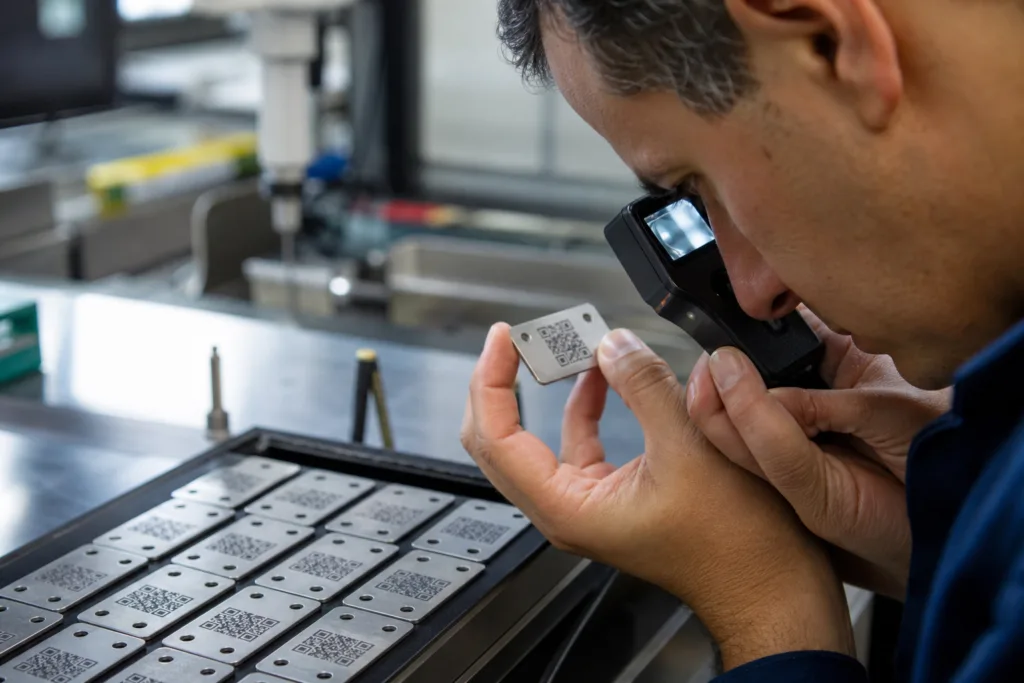
- Manual serial confirmation: the visible ID is checked against an internal record.
- Barcode scanning: useful for internal logistics, warranty intake, or service tracking.
- QR code scanning: practical when users need to reach a digital record from a phone or handheld device.
- Dual-layer verification: visible code plus hidden or database-only validation rule.
- Tamper check: the tag or attachment is inspected for removal or replacement signs.
The right workflow depends on who is doing the check and why. A branded consumer product may need quick authenticity confirmation. An industrial machine builder may care more about service traceability and parts control. A distributor may need both.
Traceability benefits across the product lifecycle
Serialized metal tags are often approved for anti-counterfeiting reasons, but the longer-term value usually comes from traceability. Once each product has a durable identity, that same identifier supports multiple departments.
Manufacturing and warehousing
During production, serialized tags can connect a finished unit to assembly date, work order, operator record, or test batch. In warehousing, the same identifier helps with receiving, stock rotation, and shipment confirmation. This reduces confusion when visually similar products share one family design but differ by revision, market, or configuration.
Installation and service
In service environments, a readable serial plate helps technicians confirm they are working on the right unit before replacing components or applying warranty terms. This is especially useful where products stay in the field for years and paper documents are no longer available.
Warranty and recall support
If a problem affects a limited production range, serialized identification allows targeted action. Instead of broad and expensive replacement programs, the team can isolate specific units or batches. Even when the issue is not regulatory, this makes corrective action more controlled and more credible to customers.
Industry use cases where serialized metal tags make sense
Authentication needs vary by sector, but the general logic is similar: high value, long service life, harsh environments, service dependency, or counterfeit exposure usually increase the need for durable serialized tags.
- Electronics and electrical equipment: model control, service validation, warranty tracking, and replacement part confirmation.
- Machinery and industrial equipment: machine identification, component traceability, maintenance history linkage, and field asset control.
- Automotive parts and aftermarket components: authenticity checks, batch tracing, and return screening.
- Tools, pumps, valves, and utility hardware: outdoor readability and service lifecycle tracking.
- Luxury or branded goods: premium appearance plus durable proof of identity for branded hardware or accessories.
At UC Tag, we see that the best results come when buyers define the real field condition first. Indoor branded items, outdoor valves, and industrial control boxes may all use serialized metal tags, but the material, code size, and attachment details should not be copied from one category to another without review.
Security features that strengthen anti-counterfeiting
A serial number alone is useful, but stronger anti-counterfeiting systems often combine multiple controls. The goal is to increase the effort required to copy the product while keeping verification manageable for legitimate users.
Useful options may include:
- Tamper-evident attachment logic: rivets, destructive adhesive, or placement that shows signs of removal.
- Layered markings: visible serial plus encoded QR data or internal reference code.
- Controlled formatting: a numbering pattern that is hard to guess and easy to validate.
- Selective hidden data: non-public fields known only to the manufacturer or brand owner.
- Database validation: one approved identity per unit, with duplication flags.
Not every project needs a highly complex security architecture. In many B2B applications, durable serialization plus disciplined record control already delivers a major improvement over non-serialized labels.
Implementation details that affect results
Once the strategy is defined, execution becomes critical. In our manufacturing work, most avoidable problems come from data handling, artwork assumptions, or sample approval gaps rather than from the raw metal tag process itself.
Artwork and layout planning
The tag needs enough space for fixed content and variable data. If the code area is too small, QR or barcode readability can suffer. If text is crowded too close to holes or edges, installation and legibility problems may appear. We usually recommend confirming final tag size, thickness, corner style, margins, and hole position before serial data is applied at scale.
Data file setup
Serialized jobs need disciplined data management. Buyers should confirm file format, sequence order, leading zeros, rejected-number handling, and whether the manufacturer or the buyer controls the master serial list. One missing digit in a spreadsheet can create a production-wide mismatch if the issue is not caught early.
Sampling and approval
A sample is not just for checking appearance. It should also confirm scan performance, character clarity, edge quality, hole placement, attachment fit, and whether the numbering logic appears exactly as intended. For authentication projects, sample approval should include both visual review and verification workflow review.
QC during bulk production
Bulk consistency matters more when every tag is unique. Typical QC checkpoints include material confirmation, surface finish review, variable data matching, scan readability, sequence continuity, attachment feature inspection, and packaging separation to avoid mixed serial ranges. This is especially important when the tags support warranty, compliance, or distributor-level control.
Common mistakes that weaken authentication systems
Many weak authentication programs fail for simple reasons:
- Using serial numbers without a controlled database behind them
- Choosing a marking method based only on appearance, not on field durability
- Making QR or barcode elements too small for actual scanning conditions
- Ignoring attachment security, so the plate can be removed and reused
- Approving samples without checking variable data logic
- Allowing multiple teams to generate serials without one master rule
- Using the same visible format on products that need different validation levels
In many projects, the problem is not that the buyer chose the wrong category. The problem is that some production details were not clarified before sampling or bulk production. Authentication systems are only as strong as their weakest practical step.
How to evaluate a metal tag manufacturer for serialized projects
When buyers compare suppliers, price matters, but it should not be the only filter. For serialized anti-counterfeiting work, the manufacturer should be able to discuss more than material and thickness. They should understand variable data handling, code readability, attachment requirements, and production controls.
Useful evaluation questions include:
- Can the supplier handle serialized variable data accurately across bulk production?
- Which marking methods are suitable for your environment and scan requirements?
- How are samples prepared and approved for serialized jobs?
- What QC steps are used to verify sequence continuity and readability?
- How are tags packaged to prevent serial mixing after production?
- Can the supplier support OEM or private label requirements?
- How clearly do they communicate layout limits, code size, and data file rules?
From our perspective, a good supplier conversation should feel practical. It should include questions about use conditions, readers or scanners, installation method, expected lifespan, and who manages the data. If the discussion stays only at the level of metal type and unit price, important risks may be missed.
When serialized metal tags are the right authentication strategy
Serialized metal tags are a strong fit when products have one or more of these characteristics: long service life, outdoor or industrial exposure, service or warranty dependency, counterfeit risk, distributor complexity, or a need for permanent traceability. They are especially useful when buyers want one solution that supports both authenticity checks and operational tracking.
They may be more than some low-risk products need, but for machinery, durable equipment, branded hardware, and industrial components, they often provide a practical balance between permanence, data flexibility, and manufacturing scalability.
At UC Tag, we usually advise buyers to start with the real verification goal: is the priority anti-counterfeiting, service traceability, warranty control, or all three? Once that is clear, the right combination of metal, marking method, numbering logic, and attachment option becomes much easier to define.
Conclusion
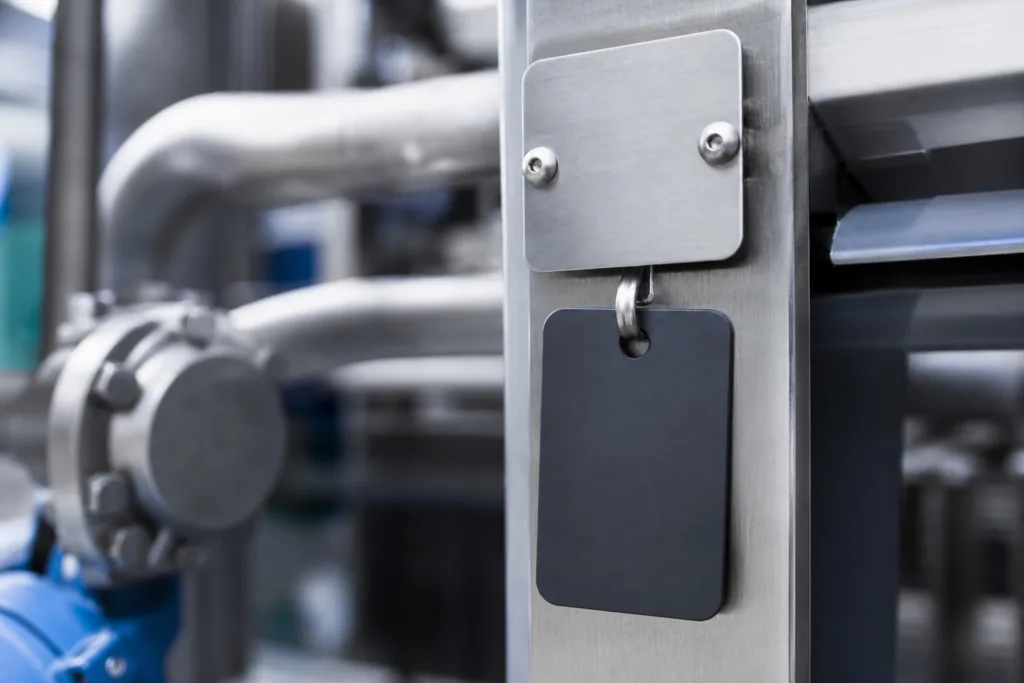
Product authentication works best when the physical tag and the data system support each other. A serialized metal tag is not just a label with a number. It is a durable identity point that can help manufacturers, brands, distributors, and service teams confirm authenticity, improve traceability, reduce confusion, and respond faster when problems appear. If the project is planned carefully, unique IDs on metal tags can become a practical long-term tool against counterfeiting rather than a cosmetic add-on.
FAQs
How do serialized metal tags help with product authentication?
Serialized metal tags give each product a unique identity that can be matched to a production or ownership record. That makes it easier to confirm whether an item is genuine, detect duplicates, support warranty checks, and trace the unit through manufacturing, shipment, service, or recall activity.
What is better for authentication, a serial number, barcode, or QR code?
The best choice depends on how the item will be checked. A visible serial number is useful for manual verification, while a barcode works well for internal scanning and inventory control. A QR code is often better when users need fast access to a digital record from a phone or handheld device. In many projects, combining readable text with a scannable code is the most practical setup.
Which metal is best for long-term serialized tags?
There is no single best material for every case. Stainless steel is commonly chosen for harsh, outdoor, or corrosive environments. Anodized aluminum is a strong option when buyers need lighter weight and good visual contrast. Standard aluminum can work well for general use, and brass is often selected when appearance matters as much as identification.
Can a counterfeit product copy a serial number from a real tag?
Yes, which is why a serial number alone is not a complete anti-counterfeiting system. The stronger approach is to link each ID to a controlled database and verification rule. That way, duplicate use, invalid formatting, or mismatched product data can be detected during service, inspection, distribution, or customer support checks.
What should buyers confirm before ordering serialized metal tags?
Buyers should confirm the tag material, size, thickness, marking method, code type, serial number format, data file structure, attachment method, and sample approval process. It is also important to define who controls the serial sequence, how duplicates are prevented, and how the tags will be verified after installation or shipment.
Do serialized metal tags require special QC during production?
Yes. Serialized jobs need QC beyond normal visual checks because every tag carries unique data. Good practice includes confirming material and finish, checking sequence continuity, verifying character and code readability, inspecting holes or backing features, and packaging finished tags in a way that prevents serial ranges from being mixed during shipment or assembly.
Related Reading
- Related reading is not available because no footer links were provided for this article input.
- Related reading is not available because no footer links were provided for this article input.
- Related reading is not available because no footer links were provided for this article input.
- Related reading is not available because no footer links were provided for this article input.
- Related reading is not available because no footer links were provided for this article input.