Introduction to Metal Dog Tags
When it comes to practical identification solutions, metal dog tags are the trusted standard across a range of industries. Whether used for pet ID, branding, or traceable asset labeling, the material you choose—stainless steel or aluminum—impacts tag performance and lifetime value.
This article directly compares stainless steel dog tags and aluminum dog tags along key attributes: weight, corrosion resistance, engraving quality, cost, and recommended use cases. For B2B buyers, brand managers, and engineers, these factors affect not only function but also long-term costs. This is a practical, decision-focused guide designed to help you select the right metal dog tags for your application—whether for rugged industrial use or lightweight consumer products.
Definitions and Basics
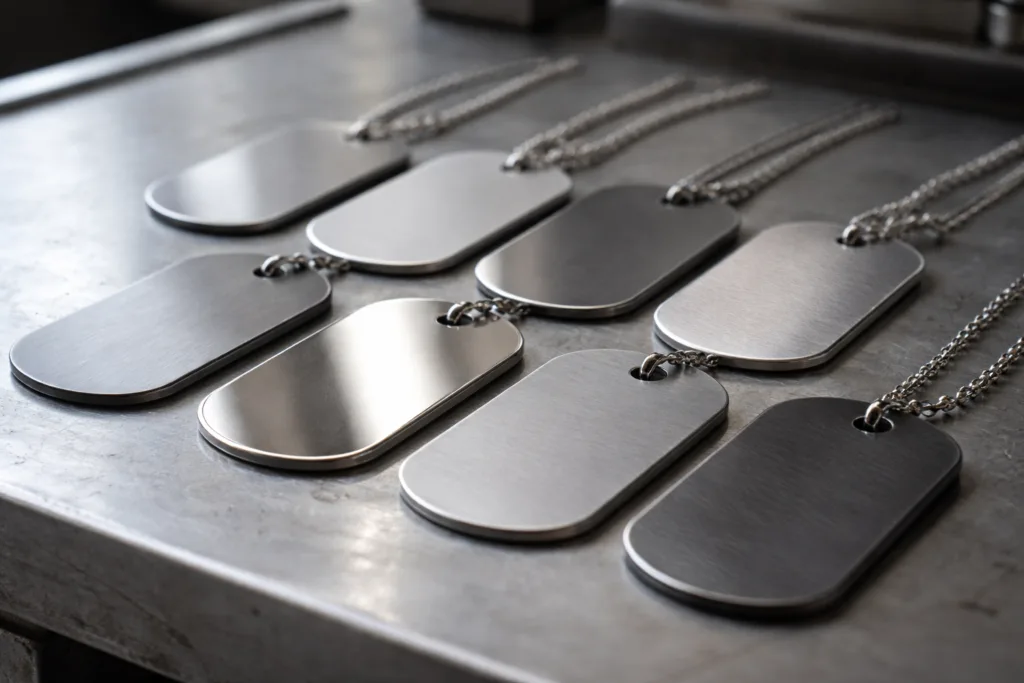
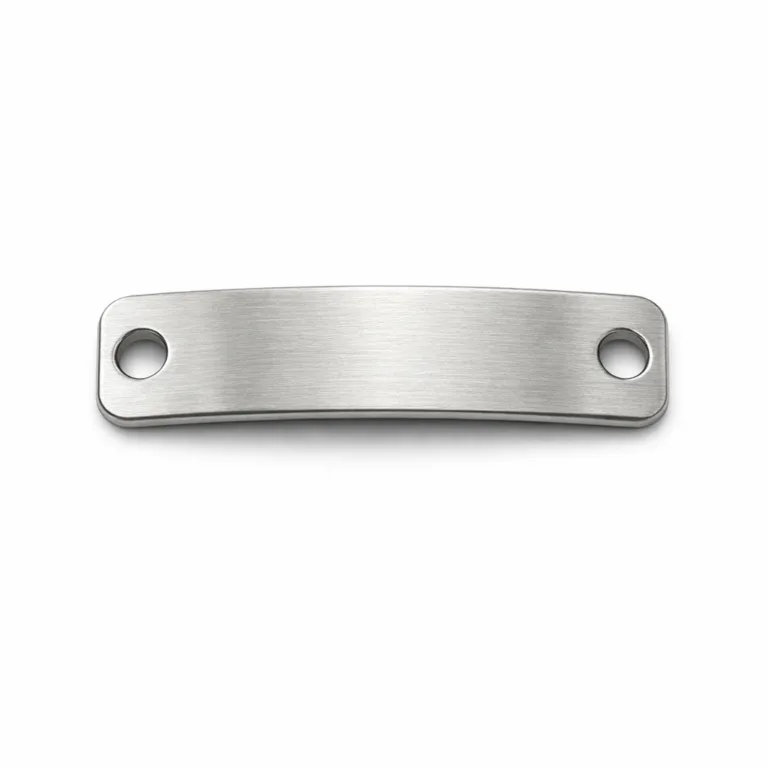
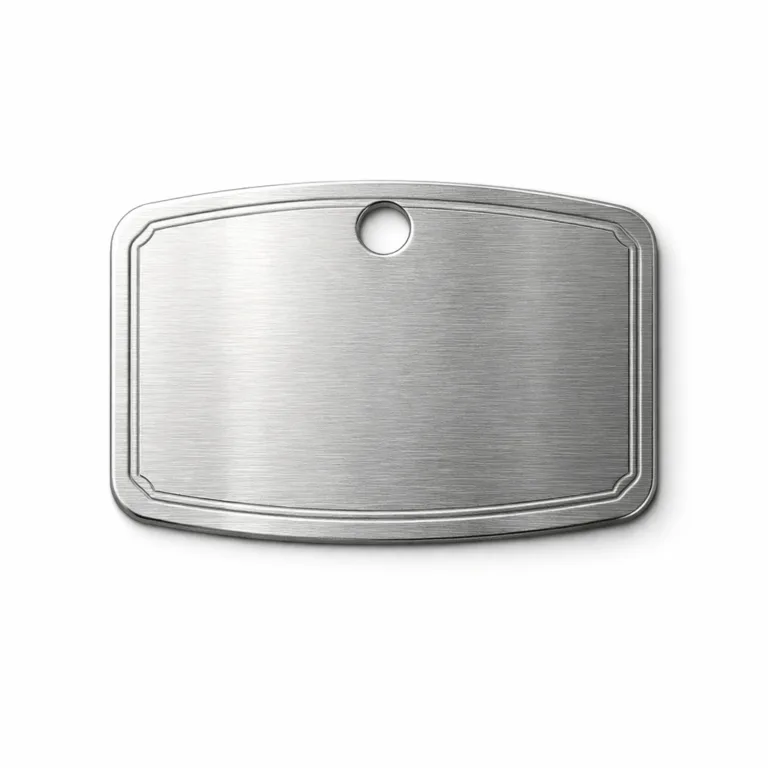
Stainless steel dog tags are identification tags manufactured from 304 or 316 stainless steel alloys. This material is known for its hardness, resistance to corrosion, and smooth finish. Aluminum dog tags, on the other hand, are usually made from anodized 5052 or 6061 aluminum, prized for its lightness and ease of customization.
The most common manufacturing methods for these tags include stamping, laser engraving, chemical etching, and UV printing. Stainless steel dog tags excel at durability and are extensively used in pet, military, and equipment ID applications due to their longevity. Aluminum dog tags, meanwhile, are favored where weight savings and vibrant colors are priorities, as the anodizing process enables a wide range of finishes. The core concepts to weigh are tag weight, endurance in adverse environments, and corrosion resistance.
Materials Comparison: Stainless Steel vs. Aluminum
One of the most noticeable differences between stainless dog tags and aluminum dog tags is weight. Stainless steel is heavier and imparts a premium, sturdy feel, while aluminum is exceptionally lightweight—ideal for small pets or those sensitive to weight around their neck.
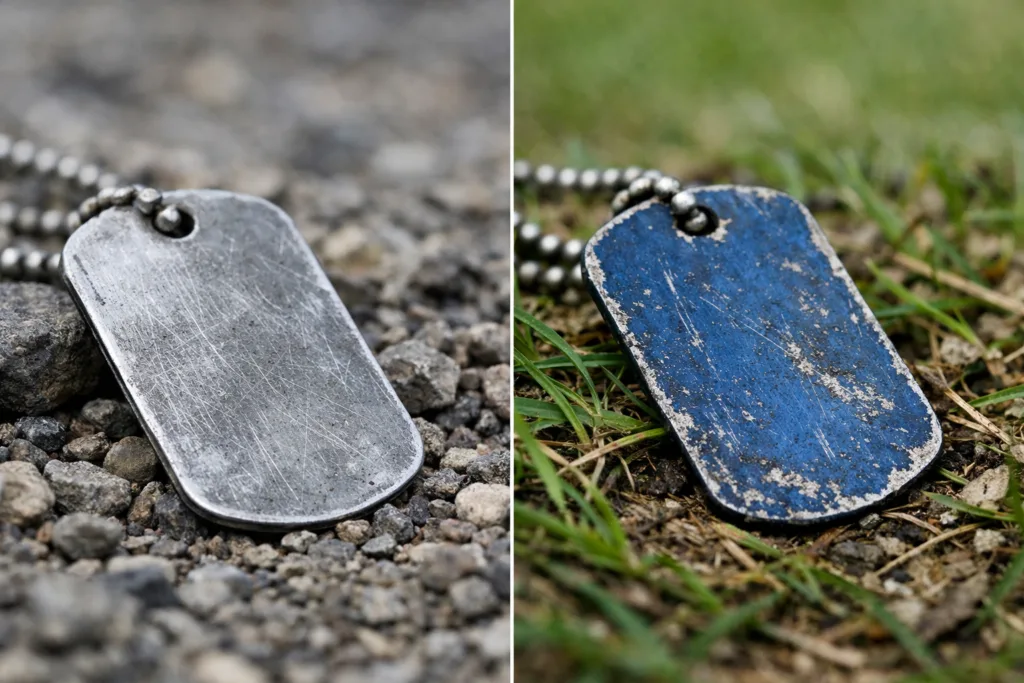
Corrosion resistance is another key differentiator. Stainless steel dog tags are highly resistant to rust and tarnish even under prolonged outdoor exposure or contact with moisture. Aluminum dog tags perform well in routine settings but can oxidize or lose their finish over time if exposed to salt or harsh chemicals—unless protected by proper anodizing.
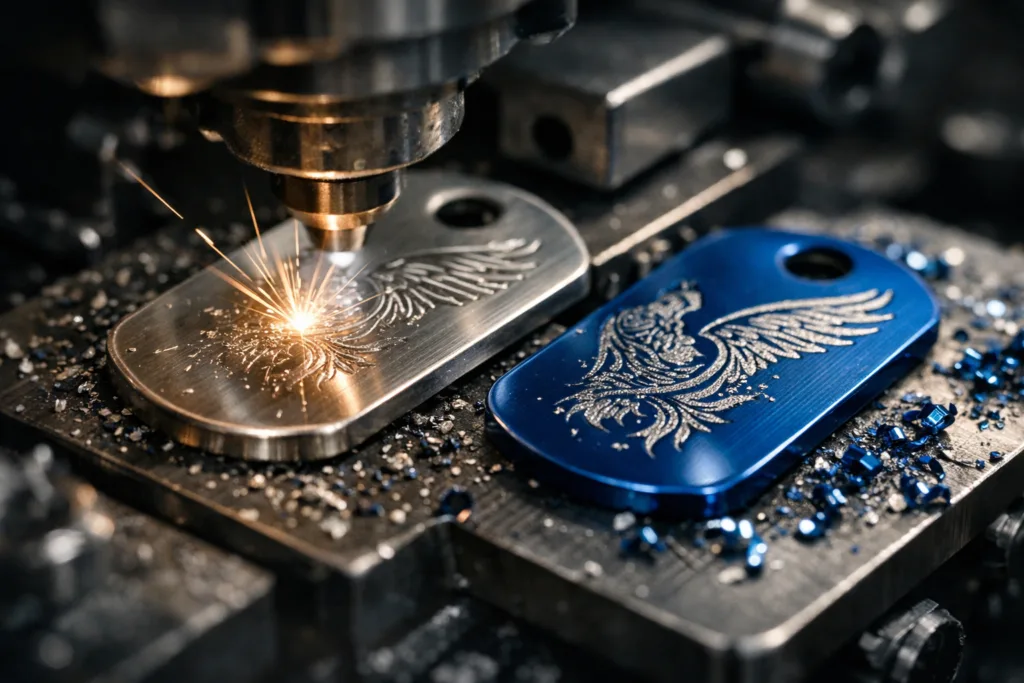
The engraving quality is superior on stainless steel because it allows for precise, deep laser or CNC etching; these details last for years. Aluminum offers good visibility, especially with color-contrast anodizing, but the surface is softer and scratches more easily. For context, brass tags are valued for appearance but require more maintenance and aren’t as corrosion-resistant as either stainless or anodized aluminum.
Practical tip: Select stainless dog tags for applications demanding long-term clarity and resilience, such as industrial asset tags or pet ID for large, active breeds. Opt for aluminum dog tags where minimal weight or color-matching is more important—such as for branding, lightweight equipment tags, or toys.
Manufacturing Methods Comparison
The way metal dog tags are produced directly affects cost, turnaround, and overall quality. Engraving, stamping, etching, and printing are the four primary methods used for customizing both stainless steel dog tags and aluminum dog tags.
- Engraving: Best for deep, permanent detail. Laser or CNC engraving is highly recommended for stainless steel dog tags, ensuring mark longevity even with abrasion. Aluminum dog tags also benefit from engraving but require anodizing to create visual contrast.
- Stamping: Mechanically impressed characters give a classic look and tactile feel, popular for military styles. Stamping suits steel due to its hardness, but can deform thinner aluminum tags.
- Chemical Etching: Allows for fine detail and subtle relief, working well on both materials, though best for medium- to large-batch runs.
- UV Printing: Enables full-color artwork or branding, primarily used for aluminum dog tags after anodizing, though less durable than engraved or stamped marks.
Factors driving method selection include desired durability, order size, precision, and budget. Deep stamping or engraving is slower but offers higher quality for demanding uses, while UV printing is fast and flexible for branding runs. Lead times reflect material and process: stamped and engraved stainless steel dog tags might take a few extra days compared to quickly printed aluminum dog tags. For mass production, consult with a manufacturer like UC Tag to balance quality and efficiency for your needs.
Design & Spec Checklist
To ensure your dog tags meet application needs, keep these design elements in mind:
- Size & Thickness: Larger or thick-gauge tags (1.2–2 mm) suit big dogs or industrial gear. For smaller pets, a thinner aluminum dog tag minimizes bulk yet remains legible.
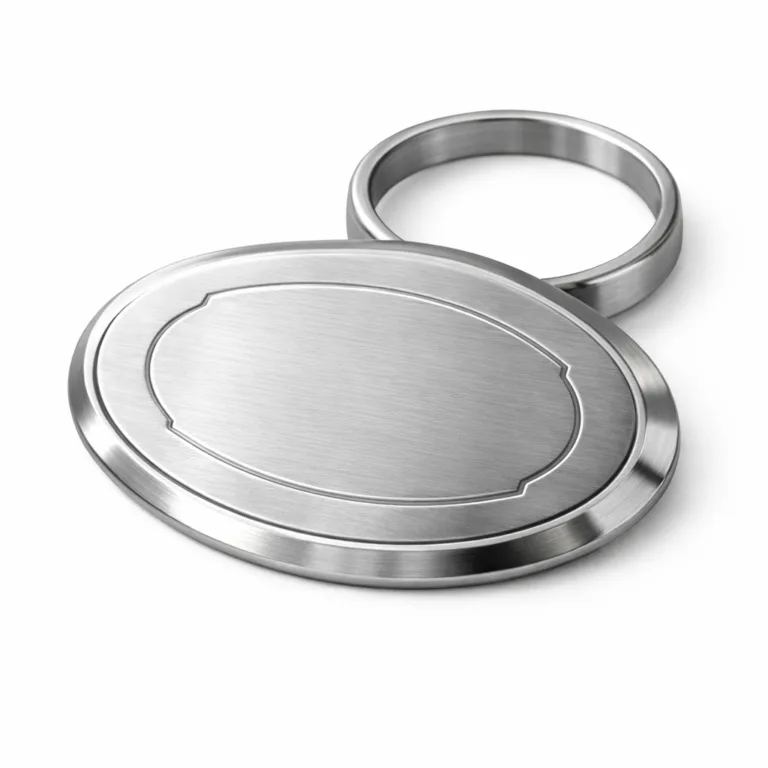
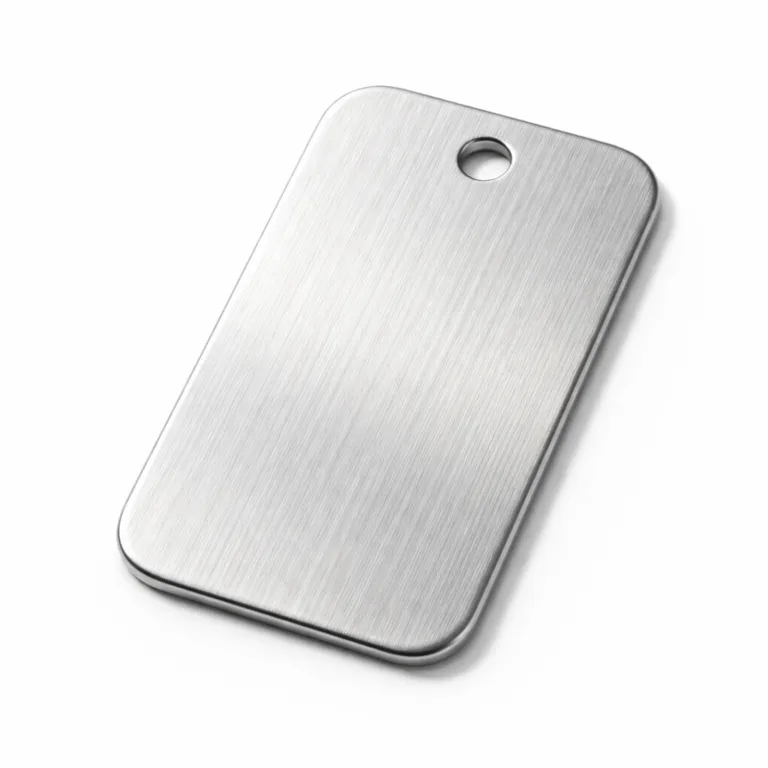
- Finish: Choose polished or mirror-finish for aesthetics, matte or brushed for practicality and to hide scratches. Both materials allow a full spectrum of finishes.
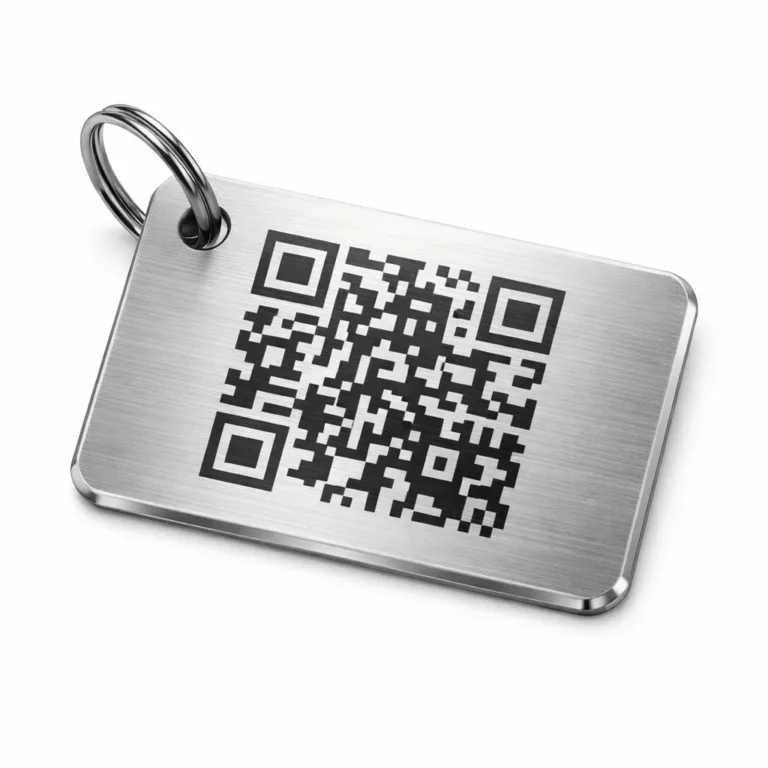
- Attachment: Select from rivet holes, keyrings, or adhesive backing. Industrial scenarios may prefer riveted attachment, while consumer tags can use split rings or adhesive for quick placement.
- Readability: Opt for bold, high-contrast fonts. Ensure engraved or stamped text stands out against the background finish, and avoid fine lines for small tags.
- Custom Shapes & Tolerances: Standard tolerances for cut-outs and edges are typically ±0.2 mm. Anodized aluminum allows vibrant colors and shapes; stainless enables more intricate die-cutting for lasting detail.
| Specification | Stainless Steel Dog Tag | Aluminum Dog Tag |
|---|---|---|
| Recommended Thickness | 1.0–2.0 mm | 0.6–1.2 mm |
| Popular Finish | Polished, matte, brushed | Anodized color, matte |
| Attachment | Rivet holes, keyring, adhesive | Keyring, adhesive, holes |
| Font Contrast | Excellent on deep engraving | Best with dark anodize |
| Custom Shape Tolerance | ±0.2 mm | ±0.2 mm |
Durability & Testing of Dog Tags
The longevity of stainless steel dog tags and aluminum dog tags is largely determined by how well each resists corrosion, abrasion, and environmental factors. Corrosion resistance testing, such as salt spray exposure, is a standard method to simulate years of outdoor use.
Stainless steel consistently excels in corrosion and salt spray tests, making it the top pick where tags are exposed to water, sweat, or humid/acidic settings. Aluminum dog tags with proper anodizing also perform well, but surface color can fade if exposed to harsh sunlight or abrasion over time. Abrasion resistance comes down to the hardness of the substrate and finish; engraved stainless holds up best under physical contact, while aluminum shows more scratching but remains lightweight.
Outdoor users (for example, working dogs or asset tags on field equipment) should prioritize stainless steel. For strictly indoor or decorative tags, aluminum is often sufficient due to its cost and versatility. When evaluating vendors, request details on their testing protocols—UC Tag, for instance, shares real-world salt spray and UV test data so buyers can match tag material to specific operating environments.
Industry/Application Fit
Stainless steel dog tags are a classic choice for military identification and high-abuse environments due to their unmatched durability and clear, lasting markings. These qualities also make them ideal for industrial settings where tags may be exposed to chemicals, impact, or daily handling on machines and tools.
Aluminum dog tags, by contrast, gain popularity in sectors where lightweight tags are desirable—such as pet ID for small animals, promotional branding for consumer products, or custom tags for sports equipment. The ability to match a wide range of colors and shapes gives branding teams greater creative control.
Case Example: One consumer electronics brand sought highly visible, color-matched aluminum dog tags to label demo equipment for travel events, balancing lightweight ergonomics with eye-catching finishes. Conversely, a large kennel operator replaced aging plastic tags with stainless steel dog tags to ensure asset traceability and avoid costly replacements.
When selecting tag material, consider:
- Required durability (rough handling vs. casual use)
- Product positioning (premium, weighty feel vs. light & colorful)
- Industry regulations or standards
- Environmental exposure (UV, chemicals, water contact)
For a deeper dive into military standards, read How to Ensure Your Military Dog Tags Meet Official Government Specs: Ultimate Guide. For pet and branding applications, explore Custom Dog Tags Decoded: Why Every Dog Needs Personalized ID & How to Order Right.
Common Mistakes & Troubleshooting
While steel dog tags and aluminum dog tags are reliable, some common ordering errors can affect performance and appearance. Unreadable text, typically caused by fine or low-contrast engraving, is a frequent issue. Avoid choosing ultra-light fonts or insufficient depth, especially on soft aluminum.
Selecting the wrong adhesive or attachment method is another pitfall, resulting in premature loss. Carefully specify rivet holes or reliable mounting for industrial steel dog tags. Premature corrosion or paint peeling often traces back to improper surface prep or non-anodized aluminum finishes.
Double-check all artwork and text proofing before production starts. Many reorders are due to initial design omissions or unclear tolerances, such as requesting a custom shape that can’t be cut cleanly at the chosen thickness. For more tips on design clarity, see 5 Costly Design Mistakes That Stall Your Custom Tag Order (and How to Avoid Them).
Ordering Guide for Metal Dog Tags
Ready to move forward with your metal dog tags order? Start by clarifying your MOQ (minimum order quantity)—most manufacturers set this at 100–300 units, but custom runs can be discussed for unique needs. Standard lead times vary from a few days (for basic aluminum printing) to several weeks (for deep-engraved or complex stainless steel dog tags).
Submit clear digital artwork for review, and always request production proofs before final approval. Many buyers opt for physical samples first to confirm quality. When ordering in bulk, discuss packaging and shipment: metal dog tags may require scratch-resistant packaging or specific kitting for retail logistics. If you have unusual specs, reach out with questions early; a detailed inquiry ensures a smoother process from design to delivery.
Frequently Asked Questions
Are stainless steel dog tags better than aluminum dog tags for outdoor use?
Stainless steel dog tags are generally more durable and corrosion-resistant, making them a superior choice for outdoor, high-moisture, or harsh environments.
Can aluminum dog tags be deeply engraved?
Aluminum dog tags can be engraved, but the material is softer so engraving is usually more shallow than on steel; anodizing improves contrast and durability.
What is the cost difference between stainless steel and aluminum dog tags?
Aluminum dog tags generally cost less per unit, while stainless steel dog tags are pricier due to material costs and production time but offer greater longevity.
Which material is best for small dogs or lightweight applications?
Aluminum dog tags are preferred for small dogs or lightweight uses where minimal weight is essential and color customization is desired.
What is the minimum order for bulk metal dog tags?
Most manufacturers require a minimum order quantity (MOQ) of 100–300 pieces, but custom options are often available with prior arrangement.
Can I request custom shapes and finishes for both stainless steel and aluminum dog tags?
Yes, both materials support a wide range of shapes and finishes, though stainless steel allows for more intricate edges and aluminum excels at colored finishes.
Related Reading
- Engraved vs. Printed Dog Tags: Durability Breakdown for B2B Buyers
- Proven Dog Tag Design Strategies: Maximize Readability and Longevity
- Unlock Double-Sided Use: Design Tips for Front & Back of Dog Tags
- How Curved Metal Tags Enhance Wearability, Branding, and Durability
- Find the Right Engraving Materials: Comprehensive Guide to Blank Metal Tags
- Order Custom Dog Tags: Expert Tips for Personalization and Sourcing Success