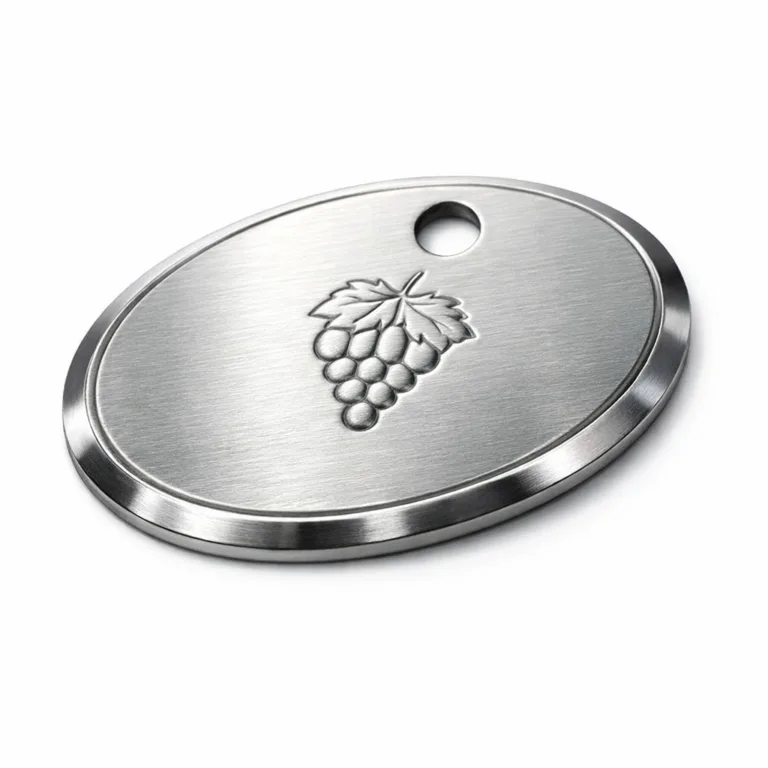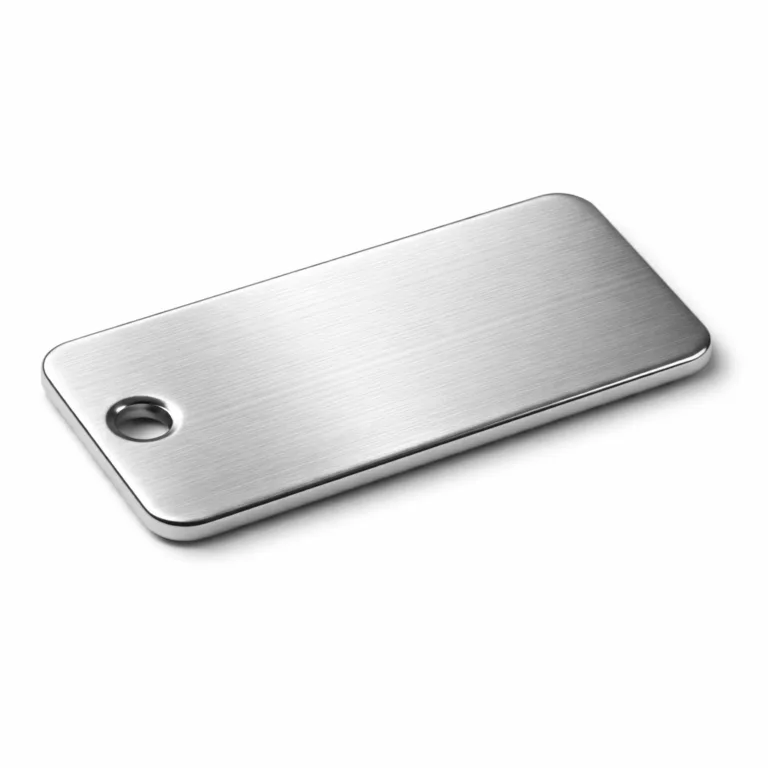
Introduction to Curved Tags
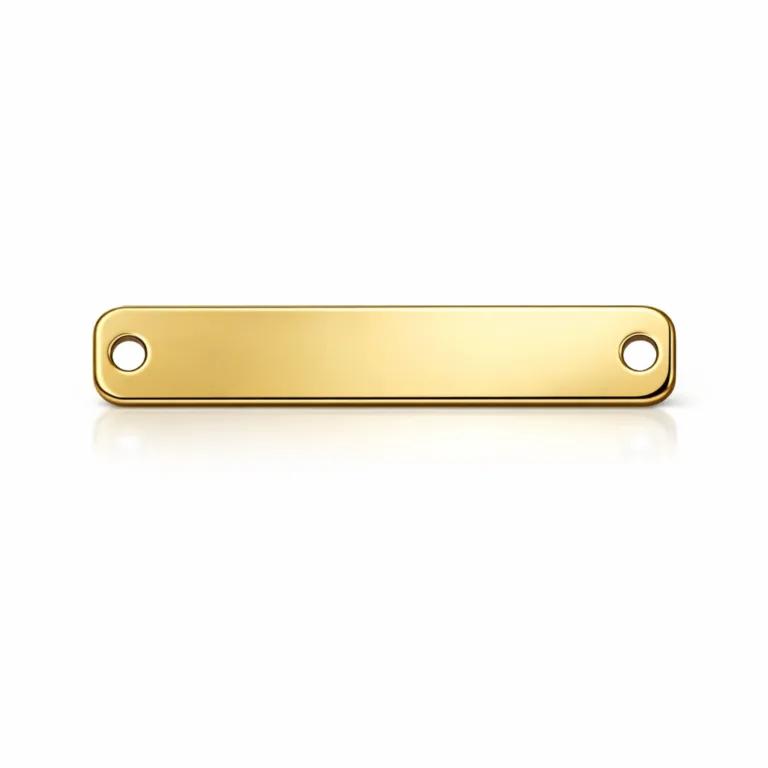
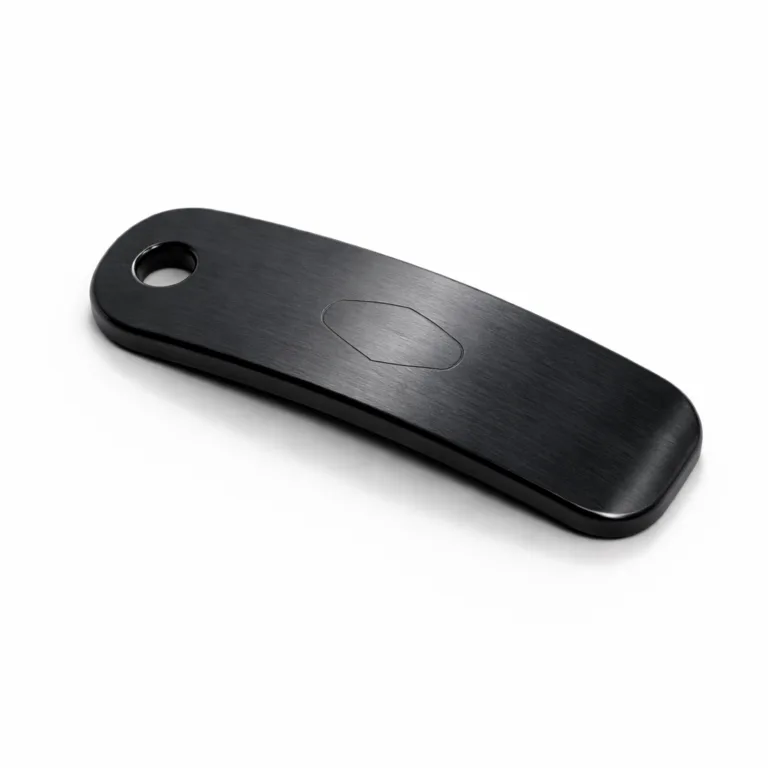
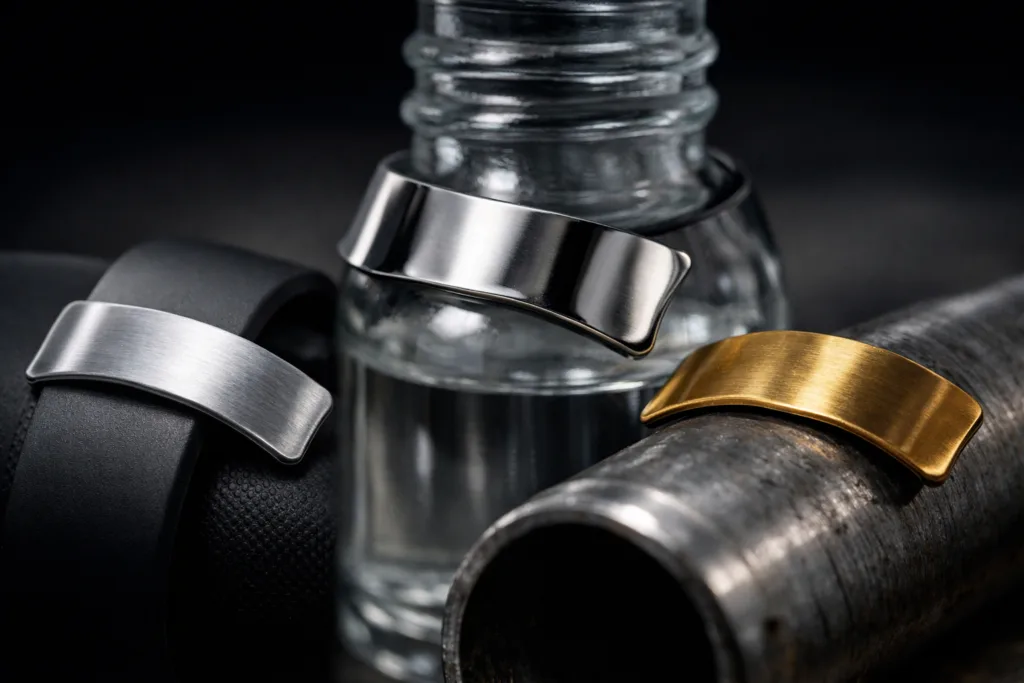
Curved tags are a specialized type of metal tags engineered to fit and conform to round or contoured surfaces such as wrists and bottles. This unique tailoring addresses both functional and aesthetic requirements that flat tags simply can’t fulfill. When curved tags follow the natural lines of a wristband or bottle neck, they deliver both comfort for the wearer and a smooth, attractive presentation for product packaging or brand labeling.
The importance of proper conformity cannot be overstated. Whether used in medical ID bracelets, luxury jewelry, or on the neck of premium wine bottles, curved tags minimize snagging, enhance comfort, and sit flush without awkward gaps or protrusions. This contributes directly to positive user experience, whether the end customer is a machinery operator or a consumer receiving a gift bottle.
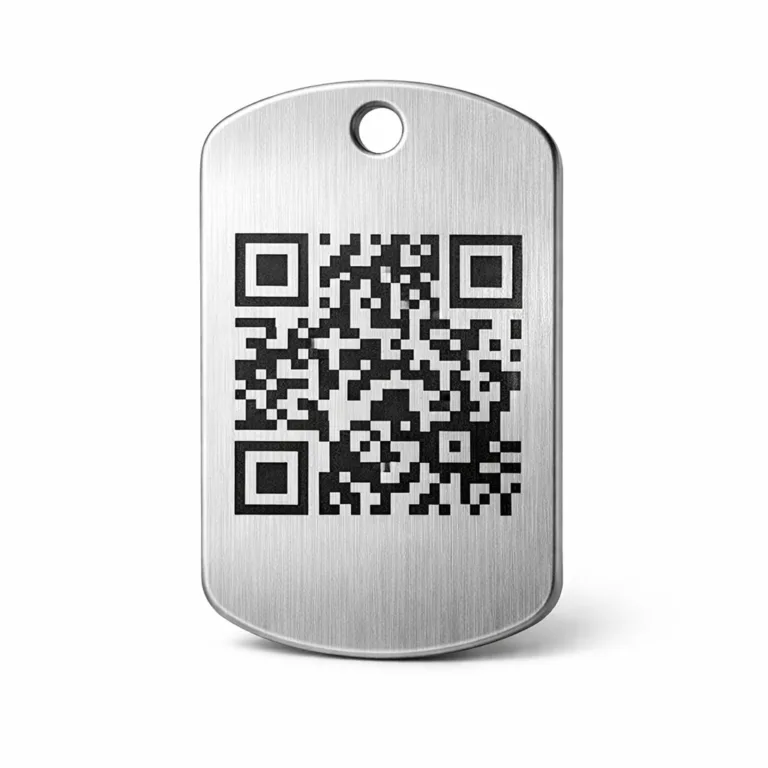
Both industrial and consumer sectors are increasingly adopting curved tags for identification, asset tracking, and branding, with current trends favoring personalization and high durability. The rise of QR or barcode-embedded curved tags, for example, reflects the need for scannable, wear-resistant identifiers that adapt to non-flat shapes. As packaging and jewelry standards evolve to demand greater comfort and visual appeal, curved tags stand out as a modern solution combining resilience and design freedom.
- Enhances comfort when worn or handled
- Improves visual integration on contoured surfaces
- Supports durability in active, high-contact environments
For procurement professionals and engineers seeking high-performance, branded tagging solutions, curved tags offer a versatile answer that aligns with both evolving market demands and technical specifications.
Basics of Curved Tag Design

At its core, designing effective metal tags for curved applications requires a strong foundation in ergonomic and aesthetic principles. The goal is to ensure the tag complements the wearer’s body contours or fits a product’s curved profile, such as a bottle neck, without discomfort or poor adhesion.
Key design elements include the radius of curvature, the tag’s thickness, and edge treatments. If the curve is too tight, a metal tag may pinch or fail to sit flush; too loose, and it may wobble or snag. Selection of ergonomic curvature is crucial for wrist-worn applications, as demonstrated on many bracelet tag manufacturer projects where end-user comfort is paramount. On bottles, the right curve prevents slippage and maintains consistent brand placement.
Aesthetic considerations are also essential in branded environments. The shape and finish of the tag should reinforce brand identity without sacrificing readability. Features like beveled edges or recessed panels can make logos stand out, as discussed in our post on how beveled edges transform ordinary shapes into high-impact premium designs. The surrounding environment and level of handling expected (e.g., frequent use in industrial settings vs. delicate display packaging) inform every design decision, from alloy selection to surface treatment.
- Radius and contour matching for ergonomic fit
- Smooth or beveled edges for user comfort
- Distinct finishes supporting brand differentiation
- Material thickness balancing flexibility and strength
Ultimately, effective metal tags rely on both technical fit and visual harmony for optimal performance and brand alignment.
Materials Comparison for Curved Tags
Choosing the right material is the cornerstone of curved tags’ effectiveness. Aluminum, stainless steel, and brass are the dominant choices in today’s market, each bringing distinct advantages to curved tag design across durability, weight, aesthetics, and cost.
Aluminum is lightweight and flexible, making it well-suited for curved tags that will be worn on the wrist or applied to lightweight packaging. Its natural corrosion resistance and capacity to accept anodized finishes allow for both indoor and outdoor use, while supporting vibrant branding colors. However, it may dent with heavy impact, making it less ideal for high-abuse industrial settings.
Stainless steel stands out for its hardness, high corrosion resistance (especially in marine, food, and outdoor applications), and resistance to deformation. Although heavier than aluminum, stainless steel curved tags are prized when durability is the top concern and branding must remain legible through years of wear.
Brass brings a classic look and a rich, premium feel. Its moderate corrosion resistance and midrange cost make it popular in luxury beverage packaging or jewelry branding. Over time, brass will patina, delivering a vintage aesthetic that some brands seek. For outdoor, high-moisture environments, anodized aluminum or stainless is usually superior.
| Material | Durability | Weight | Corrosion Resistance | Finish Options | Relative Cost |
|---|---|---|---|---|---|
| Aluminum | Good | Light | High (anodized) | Anodized, Painted, Printed | Low–Mid |
| Stainless Steel | Excellent | Medium–Heavy | Very High | Brushed, Polished, Etched | Mid–High |
| Brass | Good | Medium | Medium | Polished, Antiqued, Lacquered | Mid–High |
Weight also plays a role in user comfort and product choice. For bracelet or watch tags, excessive weight could cause fatigue after long wear. Likewise, beverage bottle neck tags made from heavy metals may impact handling during packaging and distribution.
Anodized finishes (most common on aluminum) add both corrosion protection and branding capability via vibrant colors or matte tones. Each material comes with cost implications—aluminum generally costs less, while stainless steel and brass command premiums but deliver greater longevity or aesthetics. In any scenario, matching the material to both the environment and the brand’s identity ensures curved tags meet performance expectations.
Manufacturing Methods for Curved Tags
Producing high-quality metal tags with a reliable curve involves several proven manufacturing methods. Each approach yields particular benefits and has limitations for scale, cost, and customization.
Stamping is the most common method for mass-producing standard shapes, impressions, and curves. It delivers crisp, repeatable results across large volumes and is highly cost-efficient for bulk orders. However, intricate or highly-customized branding details may be limited compared to other techniques.
Laser engraving is ideal when complex graphics, variable data, or precise fonts are required. It’s suitable for both aluminum and stainless steel, offering fast turnaround for small or medium runs. Since it’s a non-contact process, laser engraving preserves finish quality and can adapt quickly to curve radius changes. For deep logo details, deep stamped dog tags offer a balance between relief and legibility.
Chemical etching allows for high-detail artwork and subtle textures. This process removes a precise layer from the metal’s surface, thus it works best for designs where a smooth, flush finish is desired. Brass, stainless steel, and aluminum can all be etched, with the process supporting both prototypes and mass production, depending on setup.
- Stamping: bulk, repeatable, less detailed customization
- Laser engraving: flexible design, quick changes, medium run suitability
- Chemical etching: detailed, subtle branding, various volumes
When high-flexibility and low tooling costs are mandated, laser approaches are often preferred, while deep relief and repeatability favor stamping. Mass production tends to push clients toward stamping; custom orders may lean toward laser or etching. As a practical example, UC Tag’s production process usually combines stamping with post-curving and finishing for accurate shape and long lifespan—especially when tolerances are strict and visual inspection is critical after forming.
Lead times and total costs will vary depending on order volume and customization requirements. Consultation with your manufacturer is essential to ensure the chosen method aligns with your timeline, branding, and budget expectations.
Design & Specification Checklist
When specifying curved tags, a comprehensive checklist ensures all factors for performance, appearance, and attachment are addressed. The following table provides a practical guide to core decisions for engineers and procurement teams.
| Specification | Recommended Range/Option | Purpose/Best Use |
|---|---|---|
| Size (Length × Width) | 20–60mm × 8–20mm | Wristbands, bottle necks, pet collars |
| Thickness | 0.5–2.0mm | Balances comfort and durability |
| Finish | Brushed, mirror, anodized, painted | Enhances branding, visibility, and protection |
| Attachment | Rivet holes, adhesive backing, split rings | Match to material surface and environment |
| Readability | Clear sans-serif fonts, 1.2mm+ height | Ensures information is visible at a glance |
| Tolerances | ±0.2mm (custom curves: as tight as ±0.1mm) | Secures fit on precise applications |
- Stick to visible, high-contrast font and background combinations
- Select a finish that stands out on the surface in use
- Choose attachments that withstand the environment (adhesive for smooth, dry; rivets for rugged use)
Prioritize comfort for wearable tags by keeping thickness low, and maintain readability by avoiding overly decorative fonts. These steps ensure curved tags perform well across branding and identification needs.
Durability & Testing of Curved Tags
Durability stands at the heart of successful curved tags deployment, especially for metal tags exposed to harsh outdoor, industrial, or constant-handling environments. Ensuring long-term performance starts with rigorous material selection and is validated through standardized testing.
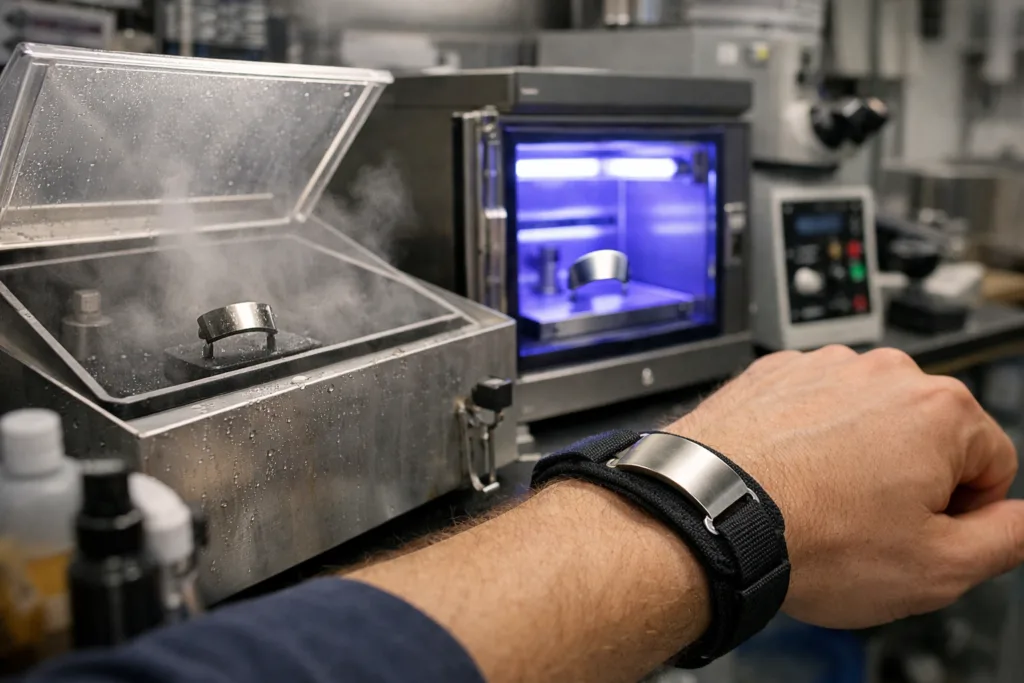
Corrosion and abrasion resistance are typically evaluated through salt spray (ASTM B117), humidity, and cyclic corrosion tests, simulating years of real-world exposure. UV resistance is crucial for tags on outdoor products, where sun exposure can fade graphics or degrade adhesives, as our post on mastering metal line weight and tensile strength for industrial tags discusses. Passing these tests demonstrates that branding and identification remain legible for the product’s life cycle.
Case studies show that stainless steel curved metal tags can survive over five years in continuous marine or construction use, while anodized aluminum tags retain color and legibility after 1,000+ hours of UV or salt spray testing. Brass, while more aesthetic, needs protective coatings to prevent tarnishing in outdoor environments.
Typical expected lifespans for quality curved tags are:
- Stainless steel: 5–10 years in harsh conditions
- Anodized aluminum: 3–7 years (depending on finish quality)
- Brass (lacquered): 2–4 years before noticeable patina
Complying with regional regulatory standards (e.g., RoHS, REACH, FDA for medical IDs) may also be necessary based on final use. Always verify with suppliers about the testing protocols followed—UC Tag, for instance, conducts batch-level salt fog and abrasion testing, especially for outdoor, industrial, or medical device curved tags.
Industry Applications for Curved Tags
The versatility of curved tags shines across multiple industries, delivering both functional value and standout branding. In jewelry, curved tags are often embedded into bracelets and necklaces, offering both comfort and a subtle place for brand or ID information. Their gentle arc follows the wrist, eliminating pinch points and rough edges.
For beverage packaging—especially wines, champagnes, and spirits—curved tags offer a luxury touch, conforming perfectly to bottle necks. This is key for wine tag manufacturer collaborations focused on provenance authentication or limited edition releases. Mass-market beverage brands also favor curved tags for QR-coded promotions or vibrant foil finishes that attract attention on crowded shelves.
In industrial settings, curved metal tags are affixed to machinery or pipes, enabling quick visual ID and traceability. The curve prevents catches and supports safety during equipment handling. Likewise, pet tags—custom-fit to the animal’s collar—improve comfort and ensure key info remains upright and readable, as highlighted in our practical guide to pet product shapes.
Even in promotional items, such as keychains or swag for events, curved tags provide a tactile, premium feel that boosts perceived value and keeps brands front-of-mind. Applications continue to expand as designers recognize their potential in everything from programmable NFC chips (revolutionizing inventory) to smart apparel and hobby markets.
- Jewelry: comfort and resilient brand marks
- Beverage packaging: eye-catching, functional labels
- Industrial: rugged, traceable identification
- Pet products: ergonomic, readable collar tags
- Promotional: lasting brand impression with practical utility
Common Mistakes & Troubleshooting
Ordering and deploying metal tags for curved applications introduces unique pitfalls. One common issue is unreadable text stemming from selecting fonts that are too thin or sizes that become illegible on small, contoured surfaces. Refer to our expert font size guide for practical thresholds—generally, avoid fonts below 1.2mm height on wrist or bottle tags.
Another typical error involves inappropriate adhesive choices. Using adhesives designed for flat, dry surfaces on bottles exposed to moisture often leads to premature peeling; in these cases, request industrial-grade, curved-surface adhesives—see guidance on stick-on metal logo tags with 3M backing. Not considering the environment can result in corrosion, particularly if brass is chosen for outdoor use without a lacquered coating.
- Poor contrast between label and text diminishes visibility
- Incorrect dimensions or curve radius cause installation headaches and affect appearance
Dimensional tolerance errors, especially in tight-fitting applications, can mean tags don’t nestle as intended—always supply accurate measurements and confirm with prototypes when stakes are high. UC Tag often recommends pre-production samples, especially for new shapes or highly customized orders, to avoid production-scale rework and ensure real-world fit before committing to mass quantities.
Ordering Guidelines for Curved Tags
Thorough preparation is key when ordering curved tags to meet application-specific requirements. Minimum order quantities (MOQs) will vary; for standard mass production, MOQs are generally lower, while highly customized or color-matched orders may require higher volume to justify setup costs. Review our detailed advice on minimum order numbers for custom metal tags for further insight.
Lead times typically range from 2 to 6 weeks based on complexity, finish, and customization. Complex or niche finishes may extend this period—factor this into your project timeline. Preparing artwork for production is critical: vector (AI, EPS) files guarantee precise results and reduce risk of font or detail loss.
- Check and confirm MOQs for both blanks and decorated tags
- Allow proper lead time for sampling and mass production
- Prepare vector artwork; request digital proofs or pre-production samples
- Review and approve all dimensions, finish notes, and attachments before proceeding
- Plan for packaging and label placement on curved surfaces to prevent scuffing during transit
Proofing before full production is non-negotiable. This is especially true for curved tags, where a 2D design may look different once shaped. Shipping considerations include protective films, compartmentalized packaging, or padding—essential for sensitive finishes like mirror chrome or painted surfaces. For a practical look at the process, see the standard samples and custom metal tag sample resources to streamline your planning.
Frequently Asked Questions
What materials are best for outdoor use?
Stainless steel and anodized aluminum are the go-to metals for outdoor curved tags due to their high corrosion resistance and ability to withstand weathering without fading or rusting.
How does customization affect the cost?
The more complex the customization—such as unique curves, special finishes, or intricate logos—the higher the setup and per-unit costs will be for metal tags, especially in small quantities.
What is the typical lifespan of curved tags?
With quality materials and finishes, curved tags can last from 3 to 10 years in demanding environments, depending on usage, with stainless steel and anodized aluminum offering the longest service life.
Can I order sample tags before placing a bulk order?
Yes, most manufacturers—including UC Tag—recommend ordering pre-production samples to verify curve accuracy, material selection, and finish before scaling up your metal tags order.
What manufacturing methods allow for the most intricate designs?
Chemical etching and laser engraving are best for achieving highly detailed and intricate patterns or logos on metal tags, especially when artwork involves fine lines or small text.
How do I ensure my brand logo fits well on a curved tag?
Work with vector artwork, maintain adequate clear space around the logo, and request a digital proof or 3D mockup on the curved shape to ensure proportions remain accurate on the final tag.
Related Reading
- Elevate Product Appeal: Beveled Edges for High-Impact Curved Tags
- Master Legibility: Font Size Best Practices for Metal Tag Engraving
- Boost Durability: Choosing the Right Adhesive for Metal Logo Tags
- Smart Sourcing: Navigate Minimum Order Rules for Custom Metal Tags
- Explore Custom Bracelet Tags That Match Brand & Comfort
- Transform Bottle Branding with Custom Wine Tag Solutions