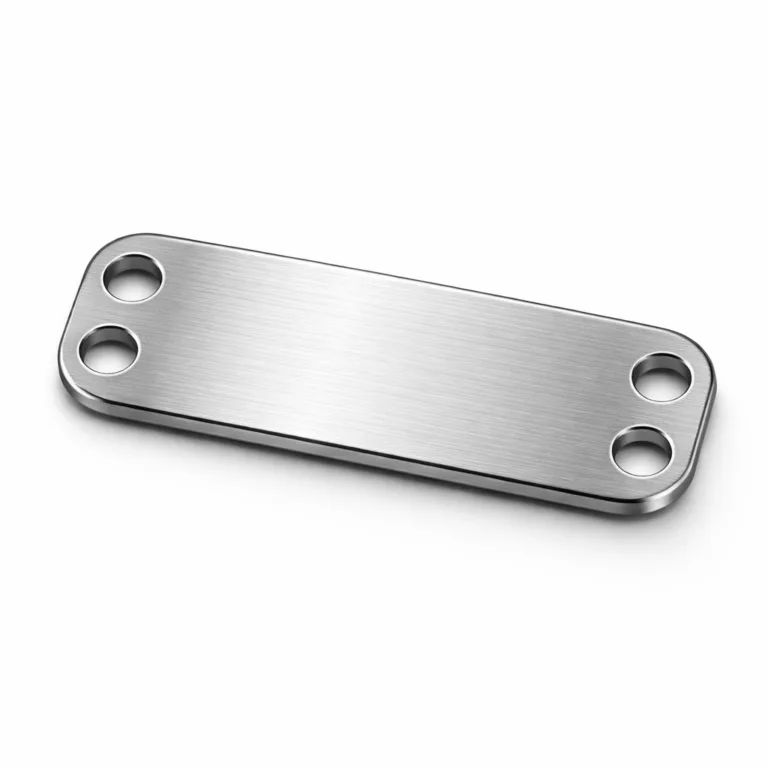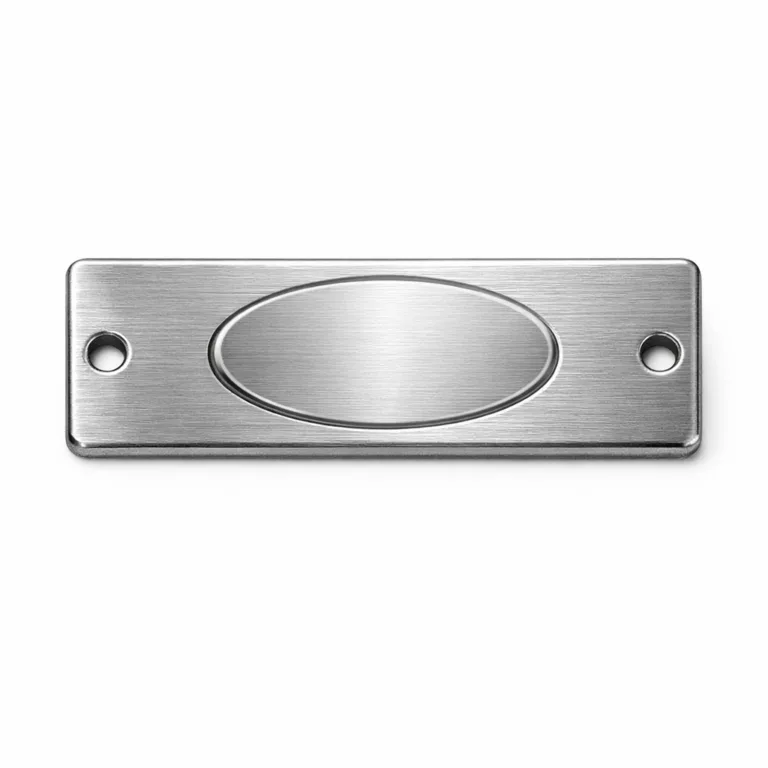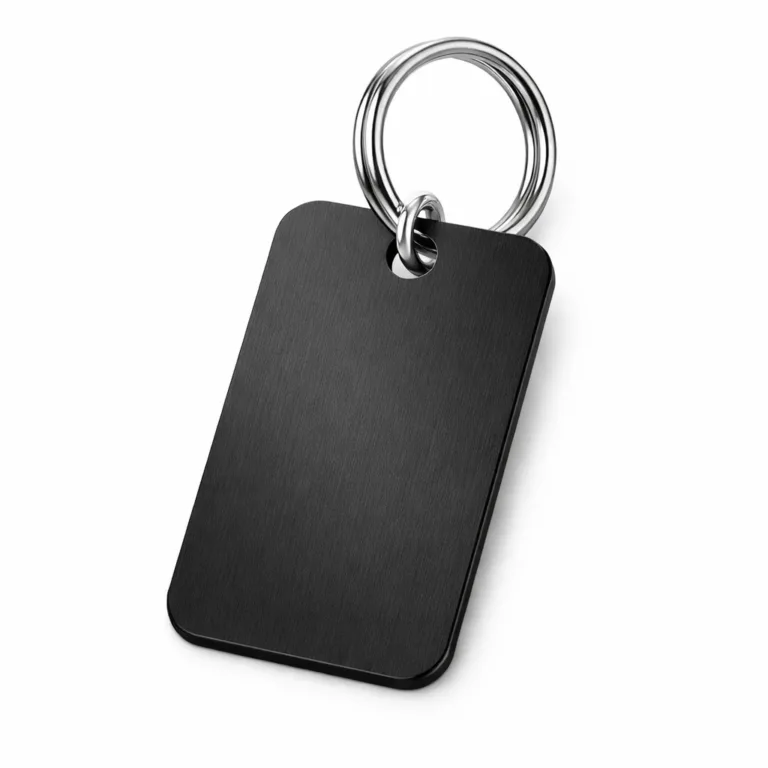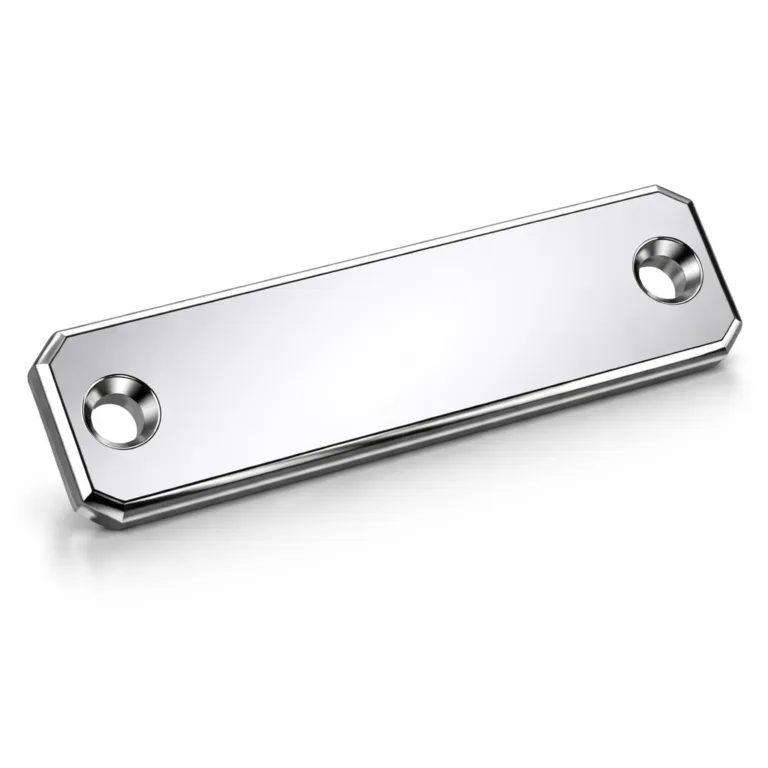
Introduction to Dog Tags
Dog tags serve as essential identification tools across various industries, from pet safety and military use to manufacturing, inventory, and asset management. Choosing what information to put on dog tag is a strategic decision that impacts both clarity and functionality.
For B2B buyers and engineers, dog tags aren’t just simple labels—they ensure traceability, safety, and regulatory compliance in the field. A well-designed dog tag effectively communicates critical information, withstands harsh environments, and remains readable for years.
Material choice and manufacturing method play big roles in maximizing the tag’s longevity and legibility. Whether specifying a tag for industrial equipment, commercial inventory, or consumer applications, understanding this balance is crucial to meeting functional and safety requirements.
- Industrial asset tracking and equipment ID
- Military and emergency identification
- Pet and livestock ID
- Luggage and personal belongings
- Branding for promotional or commercial use
Buyers looking for guidance on what information to put on dog tag need reliable, practical advice for dividing critical details between the front and back—without sacrificing durability or clarity.
Defining the Front and Back of a Dog Tag
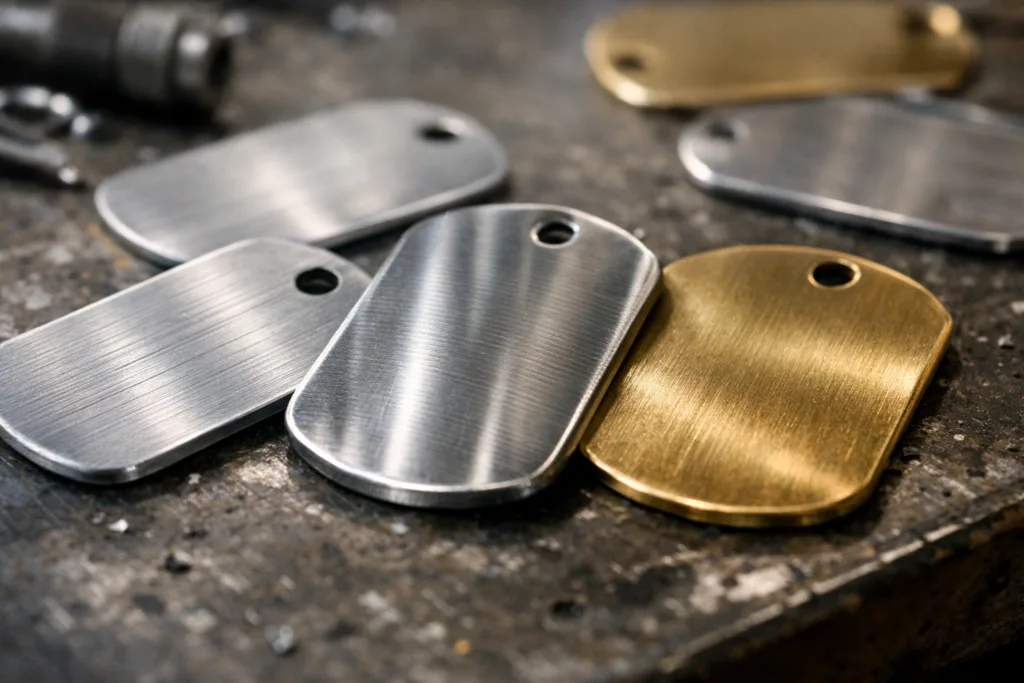
Properly organizing information starts with understanding the distinction between the front and back of a dog tag. The front is typically the side facing outward when worn or attached, while the back is the reverse.
Common practice is to engrave primary identifiers on the front: a name, serial number, or primary code. These are the first details users or responders should see. The front should never feel crowded; instead, it should prioritize high-urgency information that benefits from quick visibility.
The back offers space for secondary or sensitive details, like emergency contacts, extended serial numbers, medical instructions, or legal compliance statements. For pet tags, this could be owner’s contact details, microchip info, or a reward notice—answering the question of what to put on back of dog tag. The decision for what details to put on dog tag must consider context, privacy, and the likelihood of information fading or being overlooked.
For example, in manufacturing or logistics, the front might display a batch or asset number, while the back carries company contact details or special handling instructions. Structuring information in this way ensures each tag delivers utility and security without visual clutter.
Clarity and fast recognition come first: if the most vital data isn’t instantly readable, the effectiveness of the dog tag is compromised. Grouping information logically between both sides is the foundation for reliable identification and safety.
Materials Comparison for Durability and Readability
The material chosen for engraved dog tags directly impacts how long the information remains clear and how well the tag resists harsh conditions. Aluminum, stainless steel, and brass are the most commonly used metals, each with unique strengths and trade-offs.
Aluminum is lightweight, cost-effective, and corrosion-resistant, making it suitable for large-scale or price-sensitive applications. However, aluminum can scratch more easily and may lose contrast over time depending on the finish.
Stainless steel stands out for unmatched durability, corrosion resistance, and excellent readability when deep engraved. It’s ideal for outdoor, industrial, or military dog tags—where information must withstand abrasion and harsh exposure. The higher price point typically pays off with extended tag life.
Brass offers a distinctive look and reasonable corrosion resistance but is softer than steel, making it better for decorative or branding applications where wear is less severe. Over time, brass may develop a patina, which has aesthetic value but could influence legibility.
Here’s a simple comparison:
| Material | Durability | Corrosion Resistance | Readability (Engraved Tags) | Relative Cost | Recommended Use |
|---|---|---|---|---|---|
| Aluminum | Good | Very Good | Good (may fade over years) | Low | Mass asset tags, consumer pet tags |
| Stainless Steel | Excellent | Excellent | Excellent | Medium | Industrial, outdoor, military tags |
| Brass | Moderate | Good | Good (may darken) | Medium–High | Branding, aesthetic tags, vintage look |
For projects needing both an engraved dog tag and maximum outdoor performance, stainless steel is the standard. For lighter needs or color finishes, anodized aluminum is also a strong contender.
Manufacturing Methods: Engraving vs. Stamping vs. Etching
The choice of manufacturing method determines not only the look and feel of a dog tag but how much data it can hold and for how long.
Engraving (laser, CNC, or rotary) removes material to create visible, tactile information that resists fading and abrasion. Engraved dog tags can support high levels of detail and are often used where small text or precise logos are needed.
Stamping forms raised or indented characters with a die. Deep stamped designs are highly durable and ideal for high-volume, standardized tags, but may limit detail compared to engraving.
Chemical etching is effective for medium detail and batch production, offering a balance between depth and cost. Printing (such as UV print) supports full color but is not usually recommended where long-term outdoor durability and information security are priorities.
The chosen method affects layout decisions. Engraving and etching allow flexible placement of text or graphics on both the front and back, while stamping may require more spacing due to die constraints. If asking what details to put on dog tag, always consider how dense the engraving can be without sacrificing legibility.
Rain Chen from UC Tag, with decades of production experience, cautions that overfilling a tag—even with the best engraving—can still produce unreadable results. Running test batches is a proven way to confirm layout clarity before full production.
- Use engraving for small fonts, complex logos, or serialized tags
- Choose deep stamping for extreme durability and high-impact data
- Select etching for medium complexity at moderate cost
- Limit printing to tags used in low-abrasion, indoor environments
Achieving Readability: Layout and Design Principles
Readability governs the utility of a dog tag. Every element, from font and spacing to contrast, must be carefully selected to keep both sides clear and balanced.
Font selection should prioritize sans-serif typefaces for clarity. Text sizes below 1.5mm (about 6pt) quickly become unreadable—especially after wear or outdoor exposure. Adequate line spacing prevents crowding, and dividing information equally between the front and back supports quick scanning.
What to put on back of dog tag often comes down to fit: split phone numbers, medical alerts, or QR codes on the reverse to avoid squeezing essential details on a single side.

Contrast is crucial. Use high-contrast finishes like matte black with white laser marks, or bead-blasted steel with deep-darkened engraving. If a logo or graphic is required, integrate it thoughtfully, ensuring it doesn’t overpower the vital text. For pet tags, consider adding a small icon denoting microchip or medical status.
For outdoor use, avoid glossy finishes that can cause glare—matte or bead-blasted surfaces are generally easier to scan in sunlight or low-light conditions. Always proofread and, if possible, request a physical sample. Visual checking on screen can be deceiving when text is shrunk to dog tag scale.
Durability and Testing Standards
When determining what information to put on dog tag, don’t overlook real-world durability testing. Tags face corrosion from sweat, cleaning products, rain, and chemicals. Abrasion from rubbing against other surfaces and UV exposure from sunlight can fade both metal and marking.
Salt spray testing is commonly used to simulate marine or sweat corrosion. Abrasion resistance is often checked with rotary or tumble tests. Top-grade materials, such as 316L stainless steel, outperform cheaper alloys in high-stress environments.
Compliance is not just a box-tick—many industries require tags to meet standards like ASTM B117 (for corrosion) or ISO/IEC (for code readability). Buyers should specify these during RFQ to avoid failures in the field. Rain Chen at UC Tag notes that overengineering durability can raise costs, so match specs to your application’s actual conditions.
- Document the real environment: temperature swings, chemicals, physical impact
- Request or perform lab testing if a tag’s survival is critical
- Specify compliance to industry standards when needed
- Clarify how many years of legibility are required
Designing a Specifications Checklist
Creating a thorough checklist streamlines communication between procurement teams and manufacturers. Here are the essentials to cover when deciding what details to put on dog tag:
| Spec Feature | Options/Standards | Importance |
|---|---|---|
| Material | Aluminum, stainless steel, brass | Matches durability needs |
| Thickness | 0.5–2.0mm typical | Readability, strength |
| Finish | Matte, gloss, bead-blast, anodized | Contrast, corrosion resistance |
| Attachment Method | Split ring, rivet holes, adhesive backing | Application fit |
| Front/Back Layout | Single or double-sided | Maximizes info, maintains clarity |
| Engraving Method | Laser, rotary, stamping, etching | Detail and longevity |
| Minimum Font Size | ≥1.5mm recommended | Ensures readability |
| Compliance | ASTM, REACH, Prop 65, etc. | Legal requirements |
| Proofing/Sampling | Digital proof, physical sample | Avoids costly errors |
Use tools like online spec generators or contact experienced suppliers to iron out application-specific needs—adhesive vs. rivet, micro-text vs. barcode, etc. For detailed compliance advice, consult resources like How Prop 65 Impacts Metal Tags.
Common Mistakes to Avoid with Dog Tags
Issues that undermine dog tag effectiveness often trace back to avoidable design oversights.
Top mistakes include using font sizes too small to read after marking, overloading each side with information, and picking the wrong material for the intended environment. Low-contrast finishes or surface treatments can make even well-engraved tags hard to scan. Weak adhesive or misplaced rivet holes threaten secure attachment.
Another frequent pitfall is treating the back of the tag as an afterthought—leading to wasted space or, conversely, essential details squeezed in tiny letters. When considering what to put on back of dog tag, ensure that the chosen method allows adequate font size and spacing for legibility.
Avoid applying glossy finishes for tags used outdoors, and always insist on an approved proof before mass production. Conduct practical readability tests under actual lighting and use conditions. Early-stage troubleshooting through physical sampling helps catch layout or attachment problems when they’re still easy to fix.
For further guidance, see 5 Costly Design Mistakes That Stall Your Custom Tag Order.
Industry and Application Fit: Use Cases
Choosing what information to put on dog tag varies by sector, but the need for clarity and rugged build remains universal. In industrial and manufacturing contexts, tags serve as asset IDs, traceability markers, and equipment labels—often exposed to tough conditions.
Logistics operations use metal tags for tracking inventory or containers, ensuring each item can be quickly identified. The military sector relies on standardized information layouts for personnel and gear, with proven layouts offering quick access to vital data.
Consumer-driven use cases, such as pet or luggage tags, prioritize contact information and immediate ID. In healthcare, tags can highlight allergies, medical instructions, or legal guardianship in emergencies. The durability and readability of an engraved dog tag have direct safety implications—faded or illegible tags can delay critical action.
Successful cases often combine smart front/back content splits (such as: equipment ID front, contact back) and robust attachment, ensuring tags function precisely when—and where—they’re needed.
As tagging technology evolves, trends like QR-enabled and NFC metal tags expand what details can fit—without sacrificing readability or compliance. Explore these modern solutions at Revolutionize Your Inventory and Branding.
Ordering Guide: What to Expect
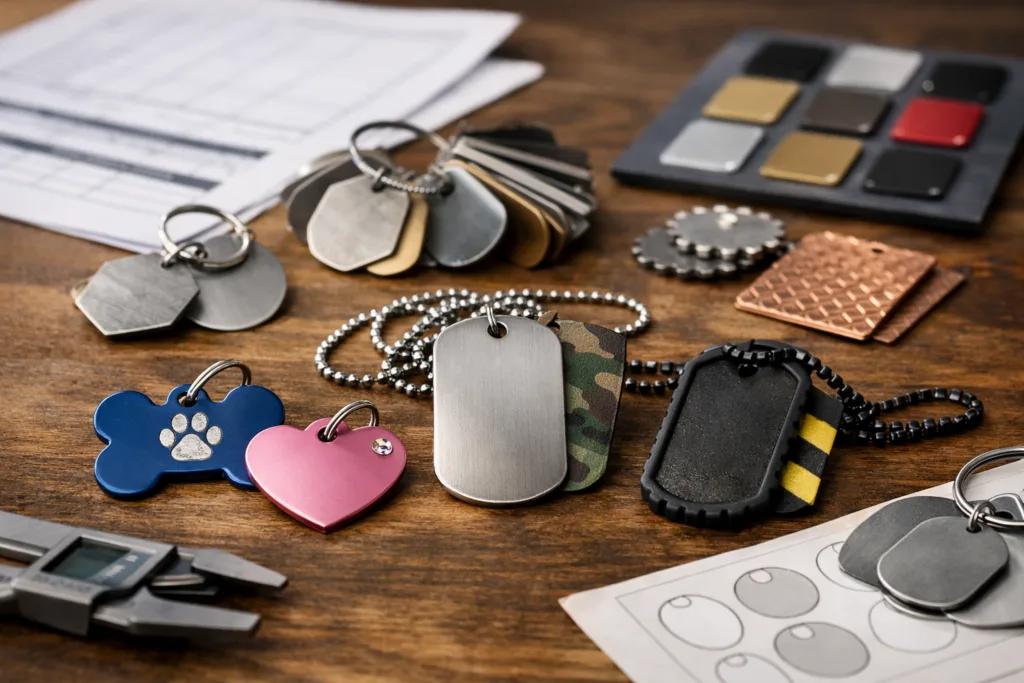
Ordering custom dog tags is more efficient with clear expectations. Decide what details to put on dog tag upfront—sides, layout, material, finish—then confirm:
- Minimum order quantity (MOQ): Varies by method/material; typically 100–500 units.
- Lead times: Can range from days (standard blanks) to several weeks (custom shapes/finishes).
- Artwork/proofing: Digital proofs are standard; always review and confirm spelling/layout.
- Sampling: Physical samples (paid or free) allow hands-on verification before bulk production. See UC Tag’s custom metal tag samples page for how this works.
- Packing/shipping: Confirm how tags are bundled, labeled, and protected for transit.
Good communication is the foundation for trouble-free orders. Share detailed specs, use real-world examples, and set clear expectations for turnarounds—and never hesitate to ask for clarification during the quoting process.
Frequently Asked Questions
What are the best materials for durable dog tags?
Stainless steel is typically best for maximum durability and readability, while anodized aluminum offers excellent corrosion resistance at a lower cost and brass excels for branding or decorative tags.
How do I choose the right engraving method?
Engrave for high detail and longevity, stamp for deep, tactile info and cost-effectiveness, and etch for medium detail at moderate price points; base your choice on application needs.
What information is required by law on identification tags?
Legal requirements depend on industry and region, but often include owner or asset identification, emergency contact, and compliance numbers—check local and sector regulations for specifics.
How can I ensure my tag lasts in outdoor conditions?
Choose corrosion-resistant metals like stainless steel, opt for deep engraving, avoid glossy finishes, and verify durability through salt spray or abrasion tests before mass deployment.
What are the typical costs associated with custom tags?
Costs vary by material, size, and method; aluminum is least expensive, stainless offers better value for longevity, and custom features or small runs can increase unit prices.
Can I get samples before placing a larger order?
Most manufacturers, including UC Tag, provide digital proofs and offer paid or complimentary samples so you can check quality, layout, and finish before full production.
Related Reading
- Expert Strategies for Essential Dog Tag Information
- Maximize Legibility with the Right Font Size for Engraving
- Avoid the 5 Most Common Dog Tag Design Mistakes
- Achieve Comfort and Durability with Custom Curved Metal Tags
- Compare Dog Tag Sizes for Military, Industrial, and Pet Applications
- QR Code Integration: Boost Utility on Modern Metal Tags