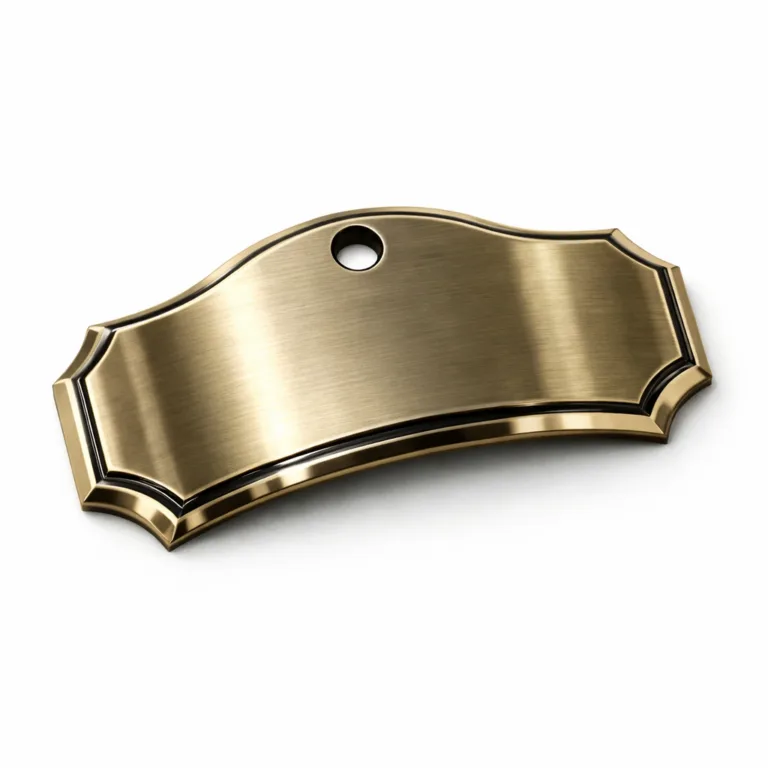
Introduction to Dog Tags
What info to put on dog tag is a critical question for anyone responsible for pet safety and identification. As pet tags continue to be a fundamental tool for ensuring rapid recovery in case of loss, the information engraved or printed determines how fast a pet can be returned home.
Dog tags are more than just accessories—they are the first line of communication between your pet and anyone who finds them lost, whether it’s a concerned neighbor or animal control personnel. For B2B buyers and engineers, choosing the right information directly affects the tag’s utility in real-world recovery scenarios.
Material selection and manufacturing approach—such as stamping, engraving, etching, or printing—impact the durability and lifespan of the tag. The right combination ensures tags remain readable through rugged conditions, making them suitable for both outdoor pets and business applications.
This guide is designed to help buyers and distributors in the pet industry make confident decisions, balancing information needs with design practicality for every kind of dog tag.
Basic Definitions and Information
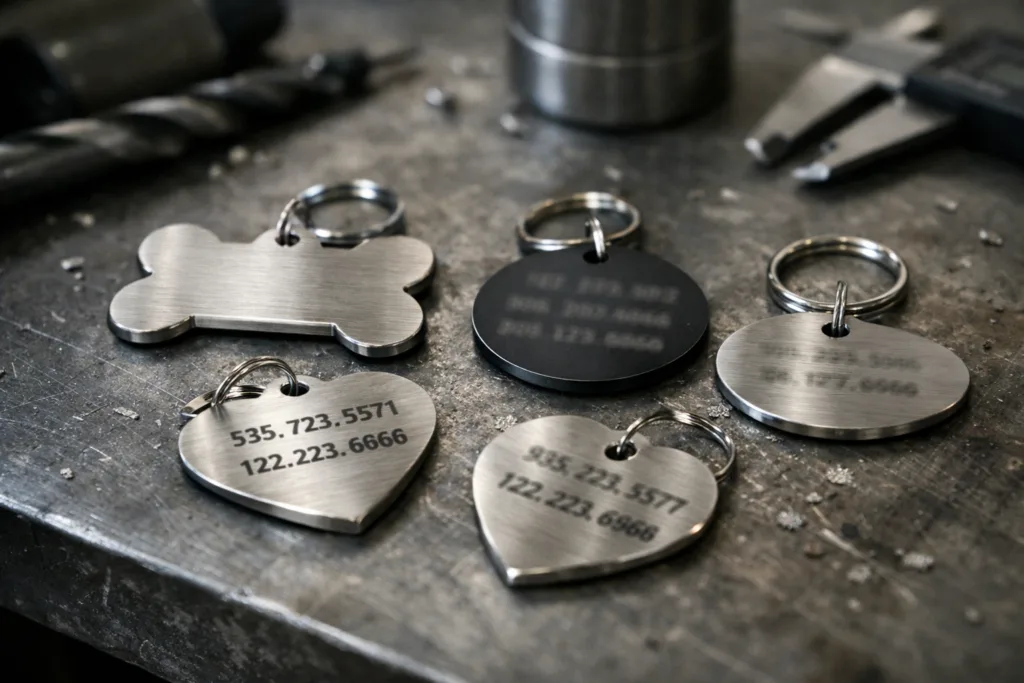
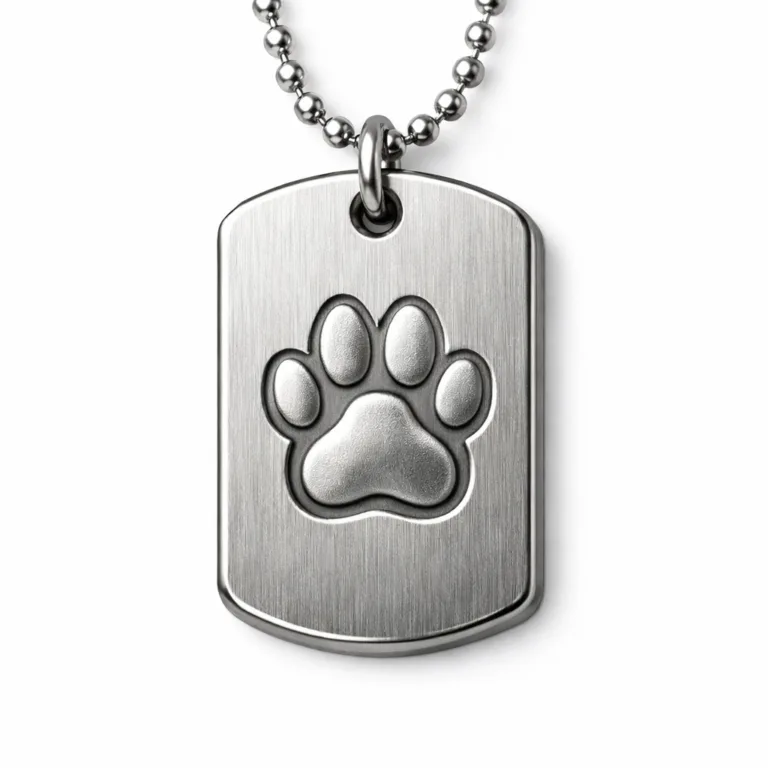
Dog tags are small, durable identification pieces, usually attached to a pet’s collar. Their standard use is to quickly provide contact details and essential identifiers in case a pet gets lost. They are also known as pet tags, dog ID tags, or dog name labels depending on the intended application.
Pet tags come in multiple forms such as engraved ID tags, QR code tags, asset tags, and logo plates. The guiding principle behind their use is simple: maximize the chance your pet will be returned by making identification easy and clear.
What to write on dog tag varies by context. Military dog tags differ considerably from pet and commercial ID tags, carrying different sets of data for industrial asset tagging, medical tracking in veterinary clinics, or brand identity in retail. Recognizing these differences helps buyers choose tags suitable for their industry and application.
Key Information to Include on a Dog Tag
What to put on dog id tag should focus strictly on details essential for rapid identification and rescue. For pet owners and distributors alike, the following must be prioritized:
- Pet’s Name: The central identifier—dog name label allows anyone who finds your pet to address it directly, reducing stress.
- Owner’s Contact Info: At least one reliable phone number is vital; adding an email offers redundancy where phone service is unavailable.
- Medical Information: If relevant, note major allergies or reference a microchip number for scan-based retrieval. Avoid clutter—stick to actionable points.
- Regulatory Information: Comply with local requirements; some regions mandate rabies vaccination status or license numbers.
Clarity is paramount. Overloading tags with secondary data may dilute essential identification, making text hard to read or prioritize. By weaving the right balance of personalization and recovery-focused info, tags serve their intended purpose seamlessly.
B2B buyers should tailor content and layout to match client needs and avoid clutter, ensuring every tag maintains functionality for the environments it will face.
Information to Avoid for Clarity
What not to put on dog tag hinges on reducing confusion and maximizing legibility. Including too many contact numbers or full addresses can overwhelm the reader, and in rapid recovery situations, only the quickest contact option matters most.
Extensive medical histories are unnecessary. Limit to critical, actionable conditions (“Diabetes – Needs Insulin”) rather than listing every medical issue.
Visual clutter can also impede effectiveness. Excessive icons, images, or design flourishes may look attractive but compromise readability. For example, a tag packed with decorative elements or micro-text is difficult to read outdoors or by older individuals.
Balance is key. Poor examples include tags that list multiple owners with separate phone numbers, home and work addresses, three lines of medical info, and brand logos—all on one small plate. Practical tags keep information direct, actionable, and simple.
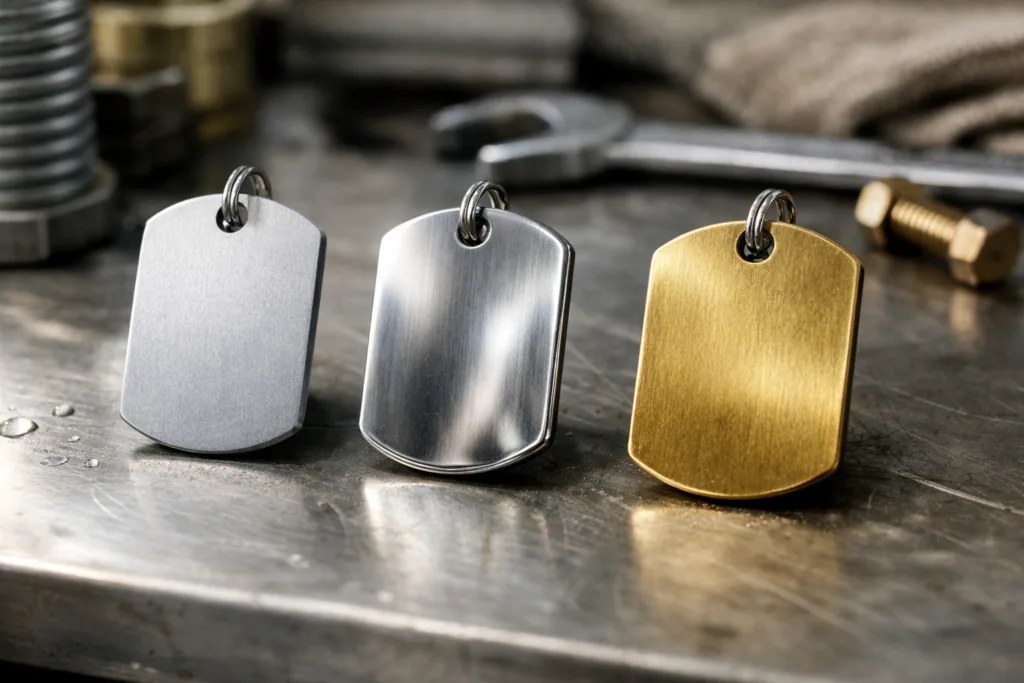
Comparing Materials: Aluminum vs Stainless Steel vs Brass
The choice of material defines long-term durability and the tag’s ability to withstand real-world conditions. Aluminum tags are lightweight and corrosion-resistant, making them a popular option for pets with smaller collars and active lifestyles. However, they may dent or scratch more easily than harder metals.
Stainless steel stands out for high corrosion resistance and longevity. Even when subjected to rain, humidity, or rugged play, stainless steel tags maintain their finish and readability for years. They’re often chosen for outdoor use, thanks to their reliability and sturdiness.
Brass tags offer a distinctive aesthetic, with a classic golden shine. Brass is durable, but it may tarnish over time—though it can develop a unique patina that some owners appreciate. For practical purposes, consider the environment: high humidity, salt, or industrial exposure can accelerate wear on brass.
Rain Chen from UC Tag notes that stainless steel remains the shop-floor standard for demanding applications, as its resistance to abrasion and corrosion allows for consistent mass production with minimal maintenance.
| Material | Weight | Corrosion Resistance | Longevity | Common Use |
|---|---|---|---|---|
| Aluminum | Light | Good | Moderate | Small pets, cost-effective tags |
| Stainless Steel | Medium | Excellent | High | Outdoor pets, industrial applications |
| Brass | Medium | Fair | Moderate | Luxury tags, collector’s editions |
Choosing the right material means understanding both the tag’s everyday risks and its desired appearance—whether sleek, tough, or elegant.
Manufacturing Methods: Engraving vs Stamping vs Etching vs Printing
The way dog tags are produced strongly affects price, detail level, and resilience. Engraving is a preferred method for intricate details, offering lasting readability even after years of use. CNC and laser engraving make it possible to render fine text, microchips, or QR codes with tight precision—a process highlighted in engraving unique names on metal tags.
Stamping is best suited to large volume orders. It’s cost-efficient and produces uniform text or logo impressions across thousands of units. While stamped tags are robust, their detail may be less crisp than engraved or etched alternatives.
Etching is ideal for fine lines and smaller batch runs. The technique produces sharp graphics and is preferred for intricate brand marks or serialized assets. Chemical etching can be coupled with enamel filling for color-infused designs.
UV printing supports colorful, custom patterns and graphics. Printing is most suitable for tags requiring branding, gradients, and multi-color visuals, but the coating may fade over time unless UV settings are specified for outdoor durability—as explained in the practical guide to pet product shapes.
Cost, volume, and the expected lifespan must dictate manufacturing choice. For durable identification, engraving or stamping often wins; but for brand-driven designs, UV printing and etching have their place.
Design & Spec Checklist
A well-designed dog tag starts with the basics: size, thickness, finish, and attachment method. Buyers and engineers should use this checklist to ensure information is clear and durability is maximized.
| Spec | Recommendation | Impact |
|---|---|---|
| Size | 25–40 mm diameter | Fit collar, legibility |
| Thickness | 0.8–2 mm | Durability, tactile feel |
| Finish | Anodized, polished, matte | Weather resistance, aesthetics |
| Attachment | Hole, S-hook, adhesive | Flexibility, security |
| Tolerance | ±0.1 mm | Consistency in mass production |
Finish options such as anodized aluminum improve corrosion resistance and color durability. Attachment choices—like S-hooks for pet tags or 3M adhesive for logo plates—should be matched to the application’s needs. For further design options, consider custom shape dog tags that can enhance both comfort and branding.
- Confirm your artwork file matches tag dimensions
- Choose legible font sizes—avoid micro-text unless absolutely needed
- Test readability under various lighting
- Opt for robust attachment hardware to defeat accidental loss
Applying these specs helps prevent costly errors and ensures each tag aligns with the purpose of identification, not just appearance.
Durability Testing: Ensuring Your Dog Tag Lasts
Quality assurance is vital for B2B buyers and brands. Tags face a range of environments—from muddy parks and rain to marine exposure. Testing must evaluate corrosion resistance, especially if tags are used in coastal regions or regularly exposed to chemicals or water.
Abrasion resistance determines how well engraving, stamping, or other markings withstand daily friction. Low-quality finishing can quickly render a tag unreadable—defeating its safety purpose. UV stability is another key factor; tags exposed to sunlight require finishes that won’t fade or degrade.
Salt spray testing is common in the industry to simulate harsh marine environments. Failure in this area leads to rapid corrosion, unrecognizable text, and, ultimately, loss of identification capability.
Rain Chen from UC Tag underscores the risks: “We see more tags fail from poor finish or insufficient abrasion resistance during field tests than anything else. Investing in proven durability standards protects brand reputation and, more importantly, pets and assets.”
Testing protocols and regular quality checks ensure your dog tags actually deliver their intended value over their full service life.
Industry and Application Fit
Dog tags are primarily used for pet ownership and recovery, but their applications span broader contexts. In veterinary clinics, tags track medical info and support quick identification during procedures. Commercially, tags serve as asset identifiers, helping manage inventory or maintain compliance.
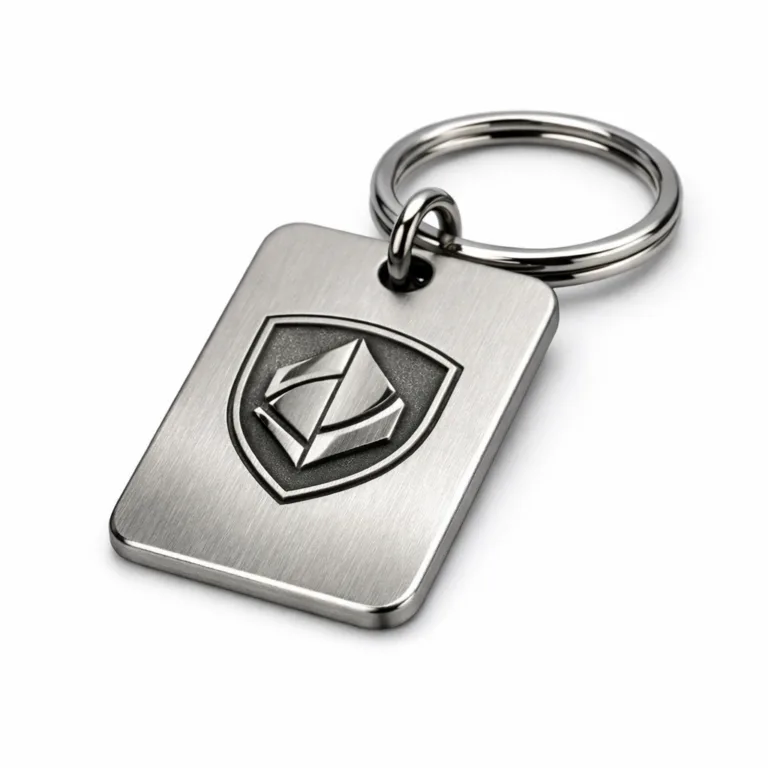
Corporate buyers often use dog tags for branding, with logo plates or unique shapes that reinforce company identity. For event management, custom dog tags can feature QR codes that grant access or track attendance, linking directly to QR code dog tag solutions for streamlined digital integration.
Understanding the environment—a family, an industrial site, or a marketing campaign—ensures tags are specified, designed, and manufactured to meet the functional and aesthetic needs of each application.
Common Mistakes and Troubleshooting
One frequent mistake is poor legibility due to low contrast between tag and text, making information hard to read. Choosing the wrong adhesive for attachment leads to tags falling off within days, especially on active pets or continuously handled equipment.
Inferior material selection can result in rapid corrosion, especially in high-humidity or coastal areas. Peeling finishes and abrasion damage—often overlooked—can gradually erase critical data.
Solutions include specifying minimum legible font sizes (see expert font size guide), selecting durable finishes, and requesting pre-production samples for field testing. Proper troubleshooting ensures mistakes are caught before mass production begins and every tag performs as intended.
Ordering Guide: From Start to Finish

When sourcing dog tags, understanding the manufacturing workflow is essential for timely delivery and quality assurance. Minimum order quantities (MOQs) vary by method—stamping often requires higher MOQs, while engraving is more flexible for small runs.
Lead times depend on production process, complexity, and finishing. Clear artwork submission and proofing prevent errors and minimize delays. Many manufacturers, including UC Tag, offer sample production for buyers needing confirmation of specs and durability prior to full order.
Packaging choices range from bulk-packed tags for retail or events, to individual branded sleeves for premium offerings. Shipping options and customs requirements should be discussed at the outset to avoid hidden costs—topics detailed in how duties and taxes affect tag orders.
Customization options abound, from bespoke shapes to double-sided engraving. Review these choices carefully and confirm all technical and branding specs with your supplier for a seamless sourcing experience.
Frequently Asked Questions
What materials are best for outdoor tags?
Stainless steel is generally considered the best material for outdoor dog tags due to its robust resistance to corrosion, abrasion, and weathering. Aluminum is also good but may scratch more easily, while brass offers aesthetic appeal but requires maintenance to avoid tarnish.
How can I ensure my dog’s tag is readable?
Choosing clear font, proper contrast, and durable manufacturing methods like deep engraving or high-quality stamping improves readability. Avoid micro-text and excessive elements that clutter the design, and test tag legibility under various lighting conditions before final approval.
Can I get custom shapes or sizes?
Yes, most manufacturers—including UC Tag—offer custom shapes, sizes, and finishes to fit branding or unique requirements. Make sure to submit accurate artwork files and verify tolerances before ordering to ensure a precise result.
What are the advantages of etching versus engraving?
Etching is ideal for intricate designs, fine lines, and small batches and may allow colored infill, while engraving is best for durability and deep, readable markings across large quantities. The choice depends on detail level needed and production scale.
How do I care for my dog tag?
Wipe tags regularly with soft cloth, avoid harsh chemicals, and check for signs of abrasion or corrosion. For brass tags, occasional polishing prevents tarnish. Inspect attachments and replace damaged tags promptly to maintain identification effectiveness.
What information is mandatory on dog tags by law?
Regulations vary, but typically require owner contact details and, in some cases, rabies vaccination or license numbers. Check local ordinances to ensure full compliance when preparing artwork for production.
Related Reading
- Discover Why Custom Dog Tags Are Essential for Pet Safety and Easy Ordering
- Find the Optimal Font Size for Maximum Legibility on Metal Tags
- Explore Shapes That Boost Comfort, Sales, and Brand Impact for Pet Tags
- Learn How Unique Geometric Shapes Are Transforming Modern Metal Tag Design
- Design QR Codes That Scan Perfectly Every Time on Durable Metal Surfaces