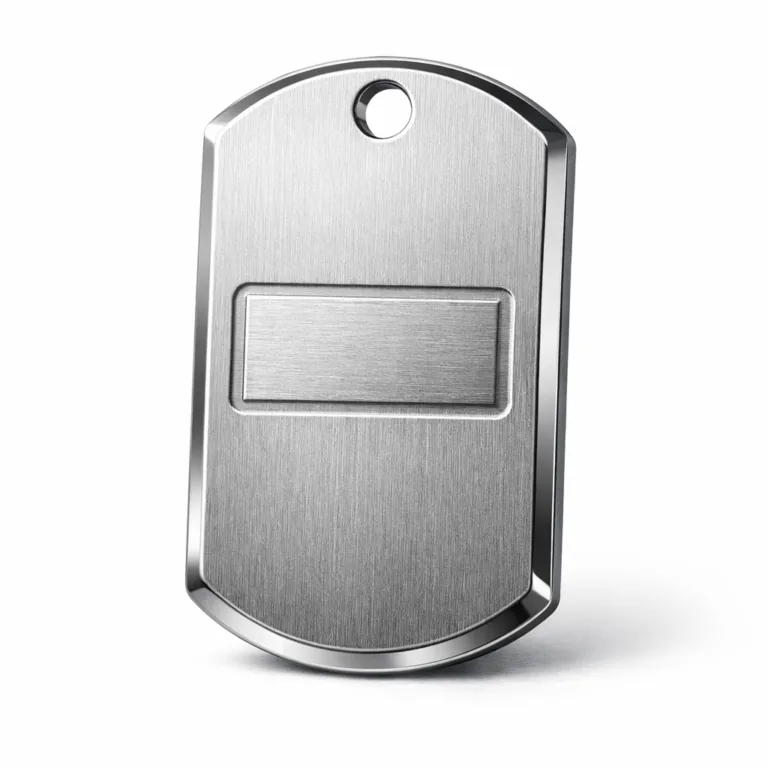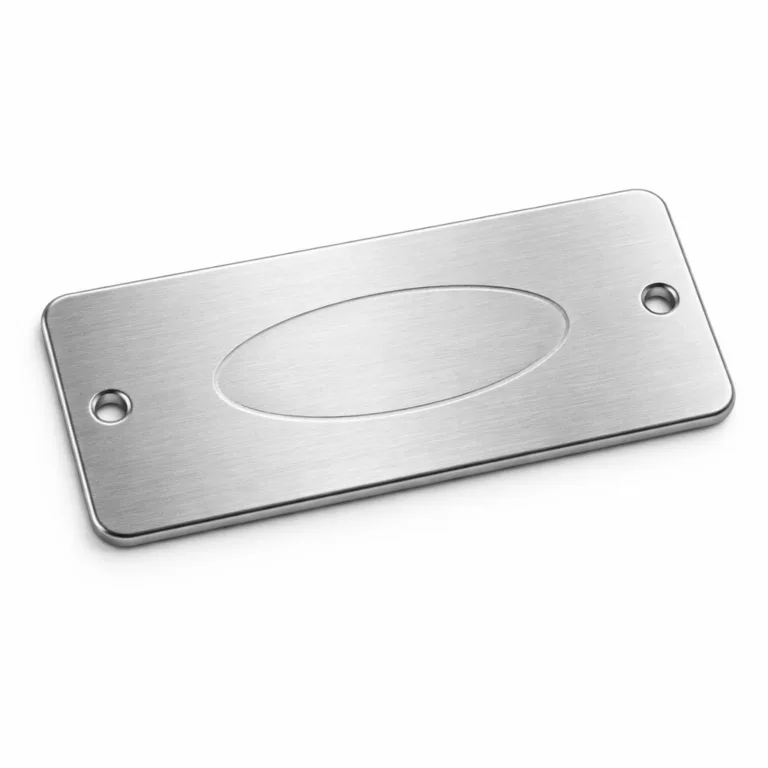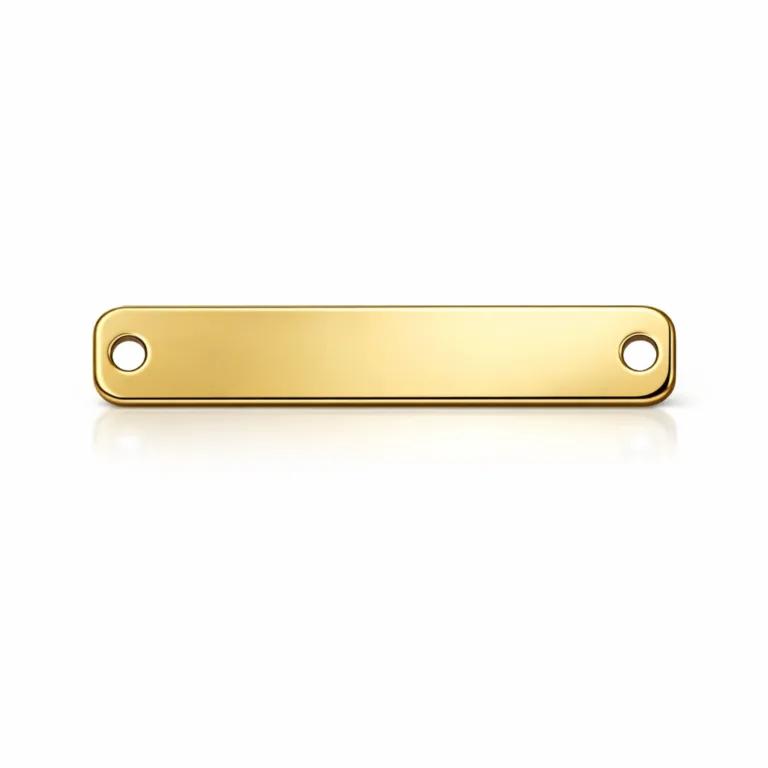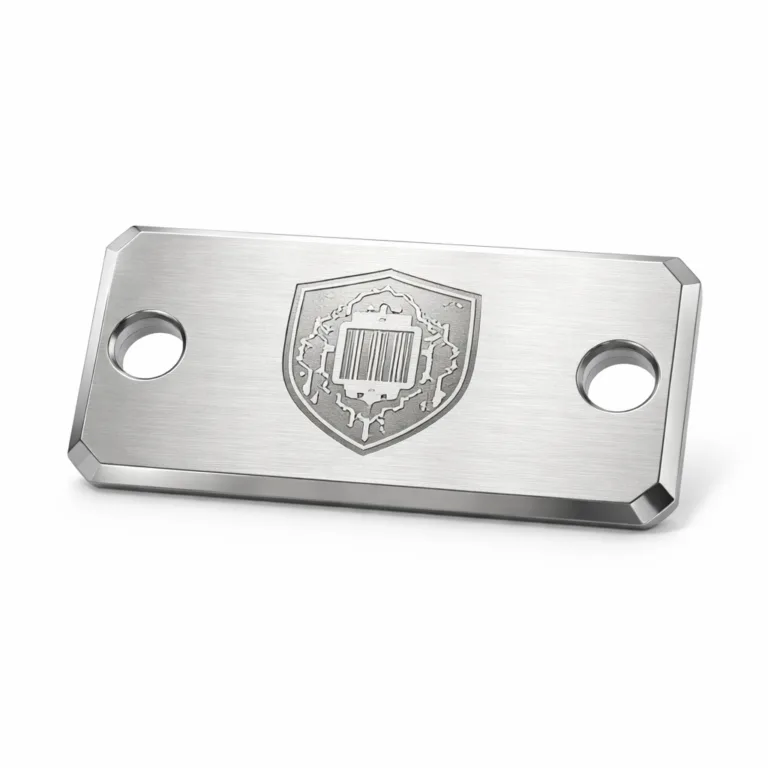
Introduction to Cute Dog Tags
When it comes to protecting pets, cute dog tags have become an essential part of how B2B buyers, brands, and distributors approach identification. A simple tag is often the first—and sometimes only—means for a lost dog to be returned safely home.
But modern pet owners and industry professionals no longer want plain, generic tags. They want tags that not only provide legible information but also reflect personality, style, and branding. The challenge is clear: how do you design cute dog tags that keep pets safe, without sacrificing visual flair?
The answer lies in the delicate balance between aesthetics and functionality. Key features like durability, readability, and weather resistance are non-negotiable—but so is eye-catching design. Customization is pivotal, whether it’s a simple heart dog tag or a high-detail dog tag with picture.
Today, manufacturers are integrating vibrant finishes, unique shapes, and decorative accents alongside practical engraving and stamping. The result is a range of tags that deliver both peace of mind and personal style. Throughout this guide, you’ll learn how to make safety look stylish without compromise.
Materials Comparison for Dog Tags
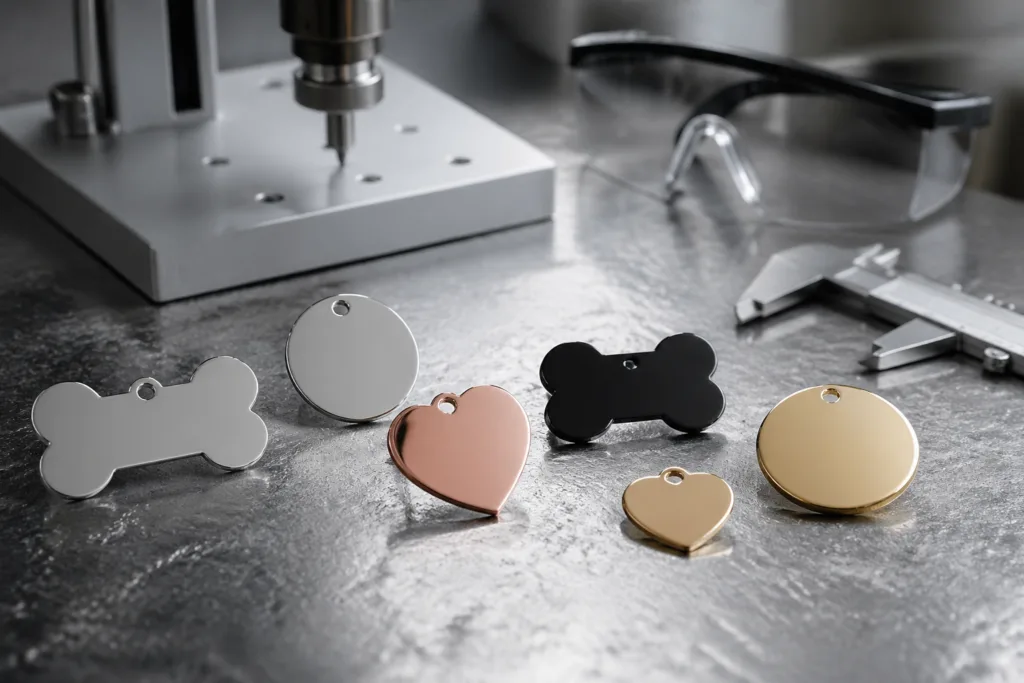
Material choice is the foundation of every custom dog tag. It impacts not only appearance but also durability, weight, and comfort. Aluminum, stainless steel, and brass are the most common metals, each with their own advantages.
| Material | Durability | Weight | Corrosion Resistance | Finish Options | Hypoallergenic |
|---|---|---|---|---|---|
| Aluminum | Medium | Light | Good (anodized) | Anodizing, UV print, paint | Yes |
| Stainless Steel | High | Medium | Excellent | Polished, matte, black PVD | Yes |
| Brass | High | Heavy | Fair | Antique, gold, brushed | No (some alloys may irritate) |
Aluminum tags are lightweight, making them suitable for small dogs or breeds sensitive to heavier tags. Stainless steel is ideal for outdoor, rugged environments, offering outstanding corrosion resistance. Brass creates a classic premium look, especially for heart dog tag shapes.
Choosing hypoallergenic materials is important for pets with skin sensitivities. Stainless steel and anodized aluminum are safe options, reducing allergic reactions.
Finish options allow for further customization: anodizing permits vibrant colors on aluminum, plating gives brass heart dog tag a gold sheen, and brushed or matte finishes add texture. Eco-friendly buyers might consider recycled aluminum or sustainably sourced metals.
For industrial buyers, balancing weight, durability, and resistance to outdoor conditions is key. UC Tag craftsman Rain Chen always recommends testing material samples with your target breed and environment before mass production, ensuring long-term satisfaction.
Manufacturing Methods Comparison
The manufacturing process transforms raw metal into finished tags. Selecting the right method is crucial for achieving your desired level of customization, detail, and durability in dog tag with picture or photo dog tags.
- Engraving: Uses CNC or laser to remove material for sharp, permanent details. Great for text, serial numbers, and even pet photos. Offers high readability and ideal for long-lasting legibility.
- Stamping: Presses shapes or text into metal. Suitable for classic heart dog tags and logo plates. Stamped areas resist abrasion, making them durable—but usually less detailed than engraving or etching.
- Chemical Etching: Enables fine, intricate designs. Etched tags can showcase high-resolution images or decorative accents, perfect for unique photo dog tags. However, etching is generally best for indoor or light outdoor use unless paired with a protective finish.
- UV Printing: Adds color and photo-quality imagery directly onto the tag. Ideal for vibrant branding or dog tags with picture, but printed surfaces need proper protection for outdoor exposure.
Durability varies: Engraved tags can withstand consistent friction, stamping is suitable for bulk runs, and etching allows premium details. For buyers seeking photo dog tags, UV printing is ideal, but Rain Chen notes that a clear resin overcoat is essential to prevent fading outdoors.
Choosing between methods often comes down to cost, volume, and detail requirements. High-volume stamping is cost-effective for basic shapes, while custom dog tag with etched or printed photos commands a higher unit price but delivers individuality.
Each technique supports specific applications: engraved for ID numbers, stamped for branding, etched for artwork, and UV print for dog tag with picture. B2B buyers should always clarify use cases with their manufacturer before finalizing specs.
Design & Spec Checklist for Dog Tags
Designing effective heart dog tag and cute dog tags involves more than picking a shape. Proper specs ensure both style and function—especially for B2B buyers balancing aesthetics with practical needs.
- Choose tag sizes: For toy breeds, aim for 20–25 mm width; for medium dogs, 30–35 mm; for large breeds, 40–45 mm. Thickness should be 1.0–2.0 mm for durability, avoiding sharp edges.
- Readability is critical. Select sans-serif fonts in at least 2.5 mm height, with high-contrast engraving or stamping. Decorative fonts may suit branding, but clarity comes first.
- Decorative elements: Hearts, stars, bones, and custom shapes add charm. Cut-outs, debossing, and enamel infill offer visual interest, especially for heart dog tags.
- Attachment points: Standard holes, adhesive, or slots depend on collar designs. Custom shapes can integrate branding or pet personality.
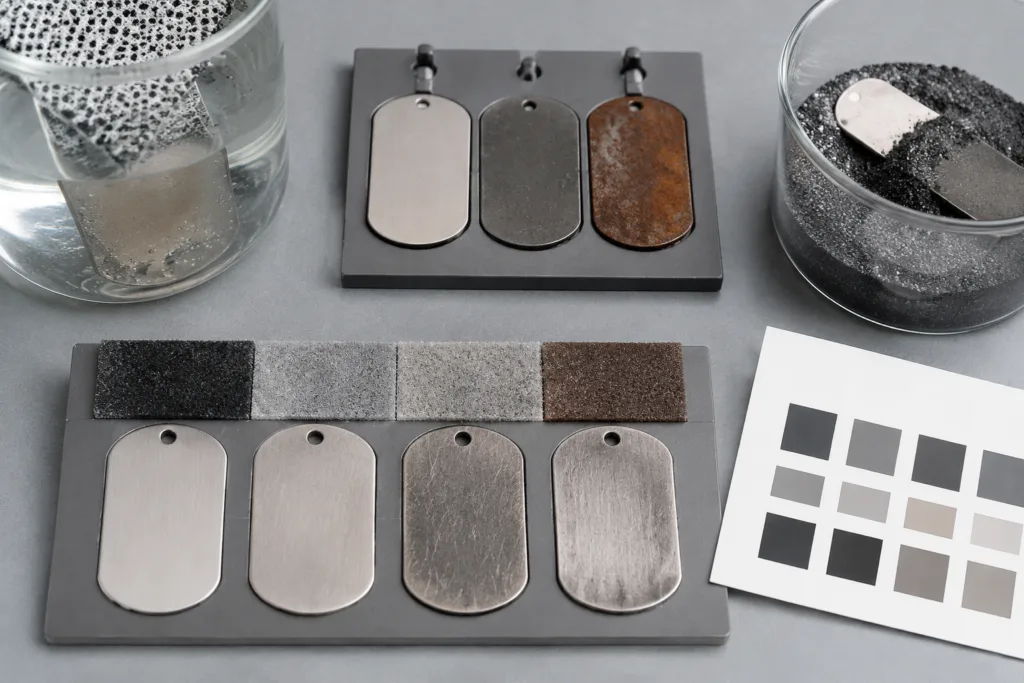
- Finishes: Opt for matte or brushed for scratch-resistance; mirror polish for luxury appeal; anodized or plated for color and protection.
| Breed Size | Tag Size (mm) | Font Size (mm) | Finish | Shape Options |
|---|---|---|---|---|
| Toy/Small | 20–25 | 2.5+ | Anodized, matte | Heart, bone, star |
| Medium | 30–35 | 3.0+ | Brushed, gold-plated | Circle, rectangle, custom |
| Large | 40–45 | 3.5+ | Mirror, antique | Crest, shield, oversized |
For more practical sizing tips, see how to choose the perfect dog tag dimensions for every application. Cute dog tags can stand out while maintaining essential information, keeping pets safe and stylish.
Enhancing Durability: Testing and Standards
Durability is the backbone of custom dog tag selection. Industrial buyers and brands depend on tags that retain legibility and integrity after months or years of exposure.

Key testing protocols include:
- Corrosion Testing: Simulates exposure to sweat, rain, and saltwater.
- Abrasion Testing: Ensures engraved or stamped details withstand friction from collars and play.
- UV Testing: Measures resistance to sunlight fading (crucial for printed or anodized tags).
- Salt Spray Testing: Checks for accelerated corrosion, especially important for coastal or outdoor pets.
For long-lasting custom dog tags, materials like stainless steel or properly anodized aluminum outperform unprotected brass. Recommended standards for performance include ISO 9001 quality management and ASTM material specifications.
Proper maintenance—for example, periodic cleaning and checking for wear—vastly increases lifespan. A durable finish (e.g., black PVD, brushed steel) ensures tags stay readable and attractive. For further guidance, UC Tag shares expert advice on whether stainless steel dog tags are worth the upgrade.
Always request evidence of test results and standard compliance before confirming bulk orders, especially for outdoor use.
Industry and Application Fit for Cute Dog Tags
Custom dog tags—including photo dog tags—are not limited to pet retail. Their applications span multiple industries and events.
- Pet Accessory & Retail: Brands use cute dog tags and heart dog tag shapes for retail display, packaging, and product differentiation.
- Veterinary Practices: Durable walk-in tags with printed info improve workflow and client service.
- Events (Dog Shows, Competitions): Custom designs with photos or logos distinguish competitors and facilitate tracking.
- Outdoor Activities: For hiking and camping, photo dog tags ensure quick identification if pets wander off.
- Service Dogs: Special designs using bold finishes and clear engraving denote therapy or emotional support roles.
Industrial B2B buyers may use custom tags for promotional, branding, or logistical applications where style and function align. UC Tag delivers project-specific solutions tailored to each sector’s requirements.
For deeper insight, see how custom dog tags are decoded for every dog’s needs in this industry guide.
Common Mistakes in Choosing Dog Tags
Selecting a dog tag with picture or metal tag can be tricky, and buyers often make crucial errors. Recognizing these pitfalls helps prevent costly and inconvenient problems down the line.
- Choosing the wrong size: Tags that are too large or small for the breed create discomfort or risk falling off.
- Poor material selection: For outdoor dogs, skipping corrosion-resistant metals leads to faded, illegible tags.
- Unreadable fonts: Decorative scripts, thin stroke fonts, or insufficient contrast can make important information hard to see.
- Skipping proofs: Not reviewing design and artwork can result in spelling mistakes, incorrect contact info, or misplaced logos.
- Misjudging lifespan: Failing to understand the environmental exposure leaves tags vulnerable to damage much sooner than planned.
For best results, always benchmark your dog tag with picture against reliable industry standards and check sample tags before final approval. For guidance, see practical dog tag design examples.
Practical Ordering Guide for Custom Dog Tags
Ordering a custom dog tag requires systematic planning. B2B buyers benefit from clear checklists and communication to ensure smooth production.
- Minimum order quantities (MOQs) vary by manufacturer and method. Engraved or UV-printed tags may have lower MOQs than stamped designs.
- Lead times are typically 2–4 weeks, depending on process and volume. Complex designs or photo dog tags add extra production time.
- Artwork and proofs: Always supply high-resolution files, vector graphics, and clear photos for best results. Review and sign off proof samples before bulk production.
- Shipping and packaging: Request secure packaging options (e.g., bubble wrap, polybags) to protect tags in transit.
For reliable ordering, see the full range of custom metal tag solutions from UC Tag. Well-prepared buyers reduce errors, speed delivery, and secure consistent quality.
Frequently Asked Questions
What materials are best for outdoor use?
Stainless steel and anodized aluminum are the best options for outdoor use, offering maximum corrosion resistance and long-term readability for cute dog tags.
How can I ensure tag readability over time?
Choose high-contrast engravings, durable materials, and finishes designed for abrasion resistance to keep information clear for the life of the tag.
What design options are available for personalization?
You can select from various shapes, decorative elements such as heart dog tag styles, enamel colors, photo engravings, custom fonts, and attachment choices.
Can you customize shapes and sizes?
Yes, most manufacturers—including UC Tag—offer custom sizes and shapes to fit specific breed types, design preferences, or branding requirements.
What is the best finish for durability?
Matte, brushed, or PVD finishes provide enhanced scratch and corrosion resistance, ensuring your cute dog tags remain attractive and functional.
How do I care for and clean my dog tags?
Wipe tags regularly with a damp cloth and mild soap, avoid harsh chemicals, and check attachments for signs of wear to extend the life of your heart dog tag.
Related Reading
- Compare Flat vs Hanging Dog Tags: Choose Comfort and Security
- Discover Stainless Steel Dog Tag Benefits for Outdoor Pets
- Find the Perfect Pet Tag Shape That Sells: Hearts, Bones, and More
- Understand Durability Differences: Engraved vs Printed Dog Tags
- Handy Sizing Guide: Ensure Your Dog Tag Fits Every Breed
- Get Inspired: Real-World Examples of Effective Dog Tag Designs