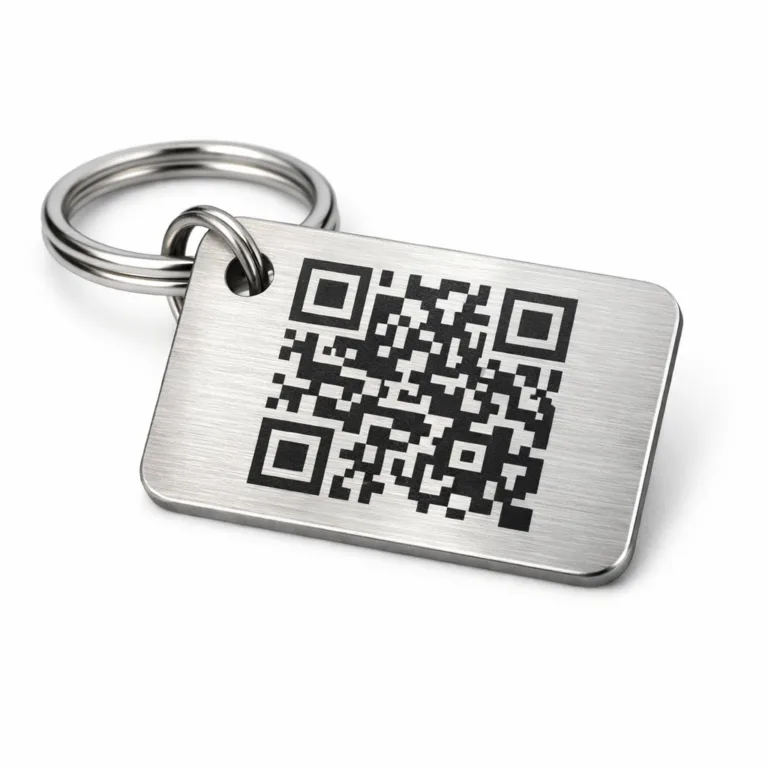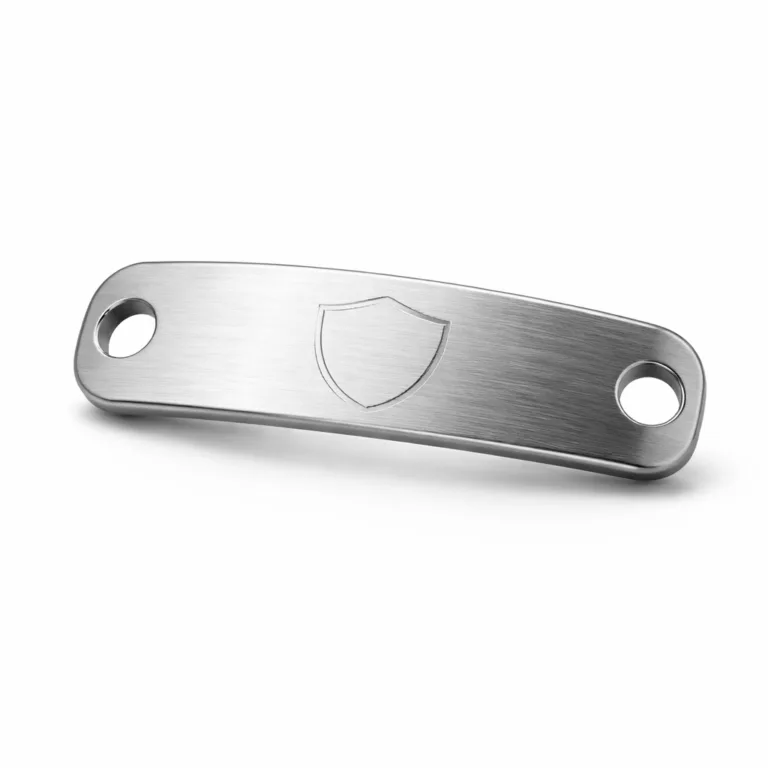
Introduction to Dog Identification Tags
Dog identification tags are vital for every canine, acting as the primary means of returning an active, lost, or injured dog to its owner. For outdoor and working dogs, the environment is unpredictable—these tags must endure mud, water, sunlight, thorns, and frequent impacts. Selecting the best dog tags is not just about looks; it is about security, permanence, and reliability under all conditions.
Active dogs need tags that offer much more than simple decoration. Dog identification tags must resist constant abrasion, stay firmly attached, and remain readable after months or years of harsh use. Using inferior or mass-market tags can put working, sporting, or adventure dogs at risk—if a tag becomes unreadable or detached, recovery chances drop drastically in outdoor settings. That’s why experienced handlers, trainers, and industrial buyers focus on the manufacturing quality and materials used for dog identification tags.
The best dog tags stand up to the elements with weather-resistance, strong attachment hardware, and scratch-proof identification areas. In this article, we focus on the practical needs, critical selection criteria, and optimal materials and processes to help you choose the right dog identification tags for active and hunting dogs.
Key Features of Durable Dog Tags
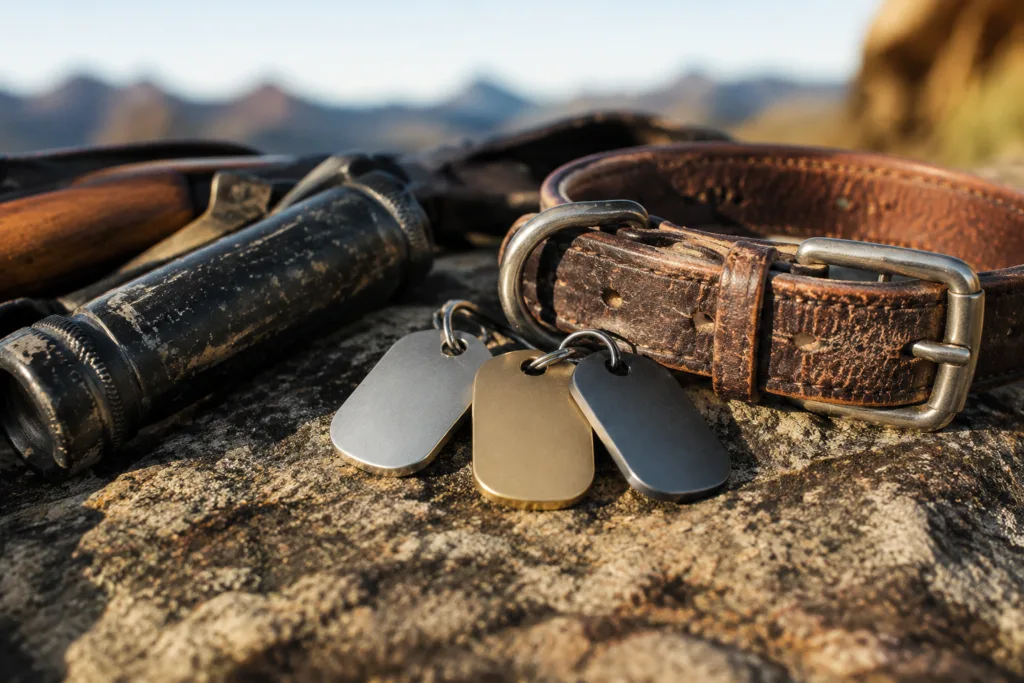
What makes the best dog tags truly suitable for active dogs? The answer is a blend of smart engineering and robust materials, chosen specifically for performance in high-stress environments. Dog ID tags must fulfill several critical criteria for durability, safety, and visibility.
- Scratch Resistance: For active or working dogs, tags are constantly rubbing against collars, brush, and other surfaces. If the engraved or printed information wears off, the tag becomes useless. Look for deeply engraved or chemically etched details to ensure maximum readability.
- Attachment Security: The point of failure is often the attachment ring or hardware, not the tag itself. Reinforced holes, welded split rings, or rivet attachment methods help prevent the tag from detaching during rugged play and work.
- Weather & UV Resistance: Outdoor conditions can cause fading, tarnishing, or corrosion. The best dog tags leverage anodized aluminum or stainless steel for excellent moisture and sunlight endurance.
- Size Considerations: Oversized tags may snag on brush or gear, while tags too small can be unreadable. Consider breed, collar type, and application to pick the ideal tag dimensions.
- Custom Shapes & Finishes: Functionality increases with thoughtful touches—rounded edges for comfort, contrast-filled text for improved visibility, or specialty shapes designed to minimize noise and reduce snagging.
For a deep dive into comfort and security, Collar Tags vs Hanging Dog Tags: The Practical Guide to Choosing for Comfort, Security, and Branding breaks down options based on intended use and dog activity level.
Material Comparisons for Dog ID Tags
The base material of a dog identification tag profoundly impacts its performance in the real world. Not all metals handle repeated abrasion, rain, cold, or heat the same way. Here’s a side-by-side comparison to guide your selection of the best dog tags for specific environments and dog types.
| Material | Durability | Weather Resistance | Scratch Resistance | Weight | Aesthetic | Ideal Use |
|---|---|---|---|---|---|---|
| Stainless Steel | Excellent | Highly resistant | High | Medium | Modern, polished | Outdoor, hunting, adventure |
| Anodized Aluminum | Good | Very good | Medium | Lightweight | Colorful | Hiking, urban use |
| Brass | Moderate | Good, but tarnishes | Medium | Medium | Classic, vintage | Heritage, style applications |
| Aluminum | Moderate | Corrosion-resistant | Lower | Very light | Matte or shiny | Temporary, urban use |
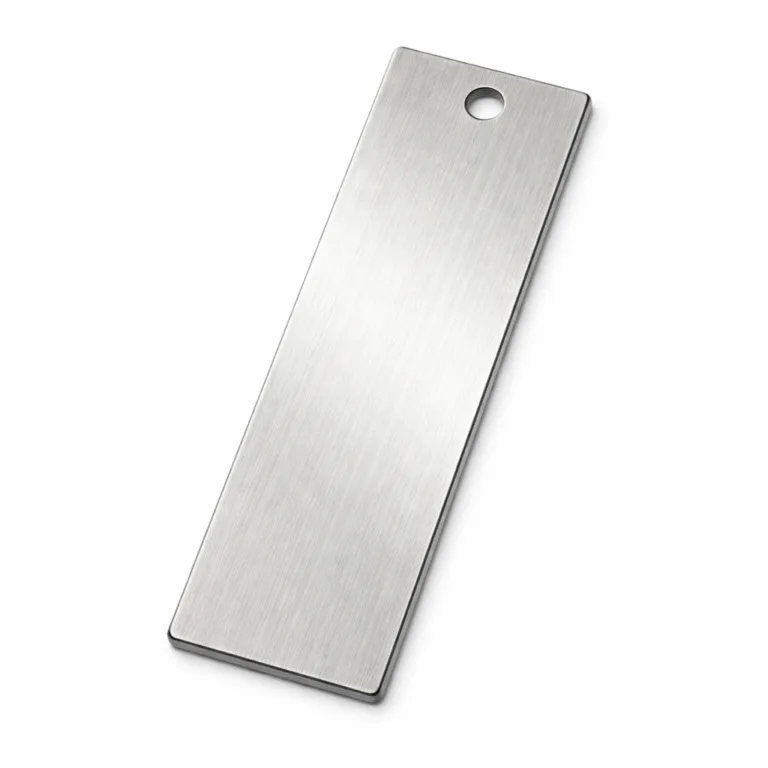
Stainless steel remains the gold standard for the best dog tags in extreme weather and demanding conditions, as it combines resilience with a surface that is tough to scratch. Anodized aluminum offers additional protection against the elements and unlocks more color options, but is somewhat less scratch-resistant than steel. Brass provides aesthetic value often preferred for show dogs or classic branding, but it may tarnish over time and requires more maintenance.
When outdoor reliability is paramount, prioritize stainless steel or well-anodized aluminum tags. For branding or pedigree dogs that are less active outdoors, thoughtfully finished brass tags can be an excellent choice. More details on stainless steel vs aluminum dog tags can help guide high-volume buyers making specification decisions.
Manufacturing Methods for Durable Tags
How a dog identification tag is made has a direct impact on its longevity and real-world performance. Manufacturing choices affect not only initial appearance but how well information remains visible after years of use. The best dog ID tags are engineered for clear, lasting legibility in even the harshest field conditions.
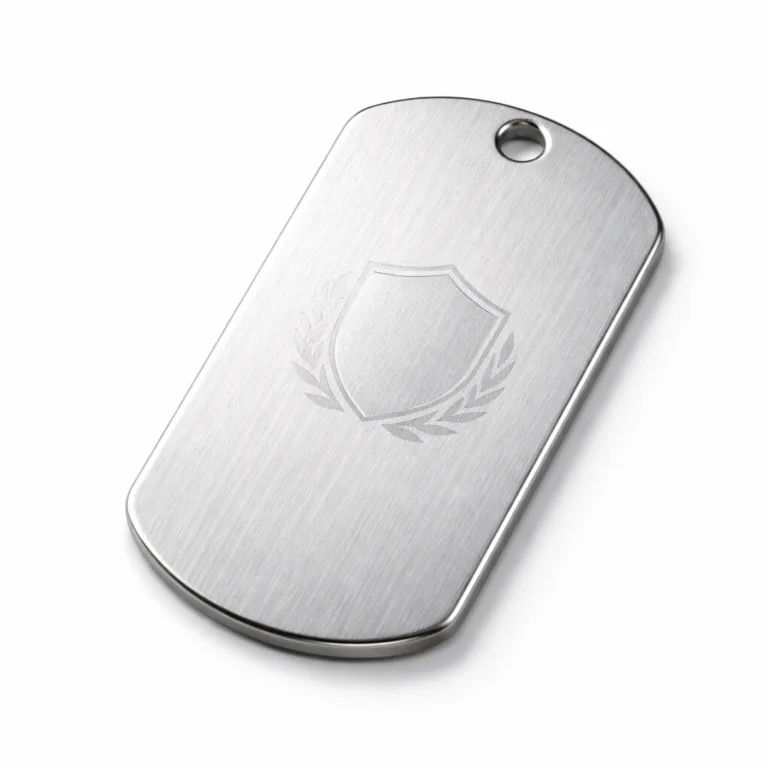
Laser Engraving: This process vaporizes the metal’s surface with pinpoint accuracy. Laser-engraved dog tags produce highly detailed, permanent markings that are difficult to remove—even after years of exposure. They are especially ideal for custom data (serial numbers, QR codes, micro-text) and for tags that require small but readable characters.
Stamping: Deep die-stamping physically displaces the metal to create raised or recessed letters and numbers. This high-throughput process combines cost efficiency with excellent abrasion resistance. Stamped tags are the preferred choice in government, military, and industrial applications where mass production consistency is critical.
Chemical Etching: Etching uses controlled chemical solutions to dissolve patterns or text into a tag’s surface. It allows for intricately detailed designs—ideal for complex branding or multi-layered data fields—while keeping the readable surface highly durable. You may read further practical analysis in the guide Engraved Dog Tags vs Printed: The Ultimate Durability & Selection Guide.
UV Printing: For tags that demand vibrant, full-color artwork or branding logos, UV printing is a useful solution. However, for scratch-prone environments, be aware that printed designs can wear faster unless overcoated or embedded within anodized layers.
Embossed vs Debossed Tags: Embossing creates raised patterns; debossing sinks them below the surrounding metal. Both increase tactile readability and contrast—a benefit for service, hunting, and law enforcement dogs whose tags must be readable in low light or with gloves.
As a manufacturer, UC Tag frequently recommends laser engraving or deep stamping for industrial and hunting clients who require long-lasting data that won’t fade or chip, even in aggressive environments.
Essential Design & Specification Checklist
Choosing dog identification tags is not only about material and manufacturing, but also about tailoring design features to match application risks and dog size. Use this checklist to specify or evaluate the best dog tags for any project.
| Design Feature | Why It Matters | Recommendation |
|---|---|---|
| Tag Size & Thickness | Prevents snagging, ensures readability | Match breed and collar width; 1.0–1.5mm thickness ideal for active dogs |
| Finish Options | Guards against corrosion, enhances branding | Brushed, matte, or anodized finish for field use |
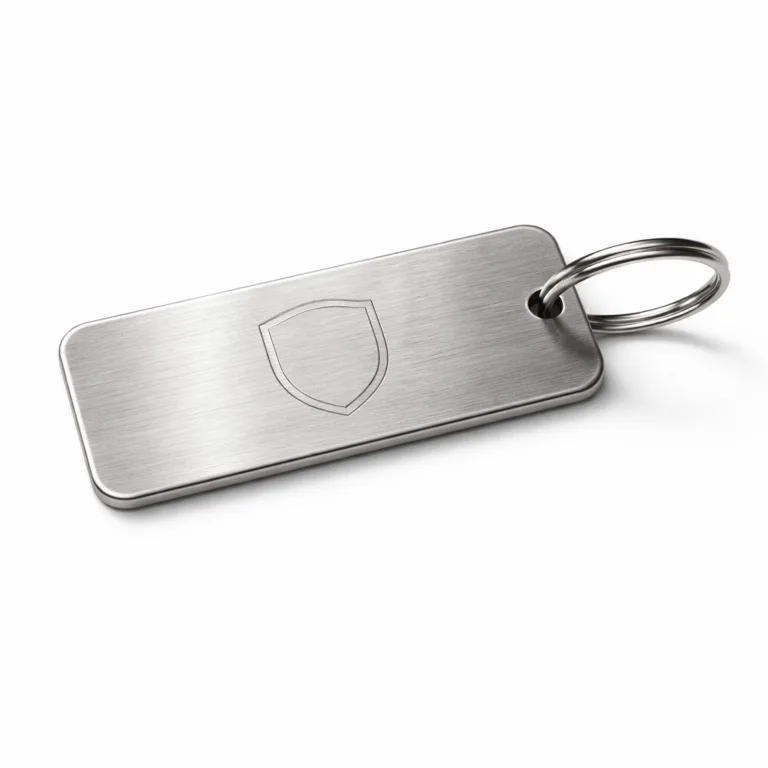
| Attachment Type | Prevents loss | Welded ring, reinforced hole, or rivet for security |
| Readability/Font | Fast ID in emergencies | High-contrast, sans-serif, minimum 2mm height |
| Tolerances/Test Certs | Assures long-term reliability under stress | Specify salt spray, abrasion, and UV tests for critical use |
Additional considerations include choosing rounded corners for safety, opting for quiet-style tags for areas where noise matters, and reviewing any custom branding or regulatory imprint needs. Attachment methods should be selected based on collar material and activity—see rounded corner dog tag for an example of safe, comfort-focused design. For an in-depth look at sizing and breeds, check How to Choose the Perfect Dog Tag Dimensions, Shapes & Specs for Every Application.
Durability & Testing Standards for Dog Tags
Guaranteeing the best dog tags for active use involves more than promising materials and processes—it requires rigorous performance testing. Overlooked certifications or skipped quality checks can lead to rapid tag failure or unreadable data in real-world conditions.
Corrosion Testing: Outdoor tags, particularly those for hunting or service use, must resist rust and pitting. Laboratory salt spray tests (ISO 9227 or ASTM B117) simulate years of weather exposure in a condensed time frame, evaluating how metals or coatings withstand continuous damp or saline conditions. Tags passing these tests are more likely to perform in humid, coastal, or mountain environments. You can read more about the common salt spray testing processes at Associated Environmental Systems.
Abrasion and Wear Resistance: Testing tags with abrasion machines or field trials ensures that engraved or etched information won’t wear down through repeated friction. For buyers requiring independent verification, ask your supplier for results from standardized abrasion tests (such as Taber Abraser tests).
UV Resistance: Especially for UV-printed or anodized tags, simulated sunlight testing verifies that readability will not fade after months or years of outdoor exposure. This guards against lost data due to sun bleaching on adventure, working, or farm dogs.

Extreme Weather Simulation: Certified tags are also tested for performance under freezing, heating, and rapid temperature changes, a must for hunting or sledding dogs operating in harsh climates.
Certifications to Look For: Always confirm whether your manufacturer holds ISO 9001 quality certification and can provide batch testing data on request. UC Tag routinely supports B2B buyers with comprehensive documentation packages for industrial, municipal, and security applications.
Industry & Application Fit for Dog Tags
The best dog id tags don’t simply offer durability—they adapt to the specific needs of the industries and handlers who rely on them. Each use case presents unique environmental stresses and data requirements.
Hunting Dogs: Hunting dog collars demand tags with ultrabright finishes for visual tracking, resilient materials to resist thorns and mud, and reinforced attachment to endure heavy field action.
Hiking & Adventure Dogs: For dogs accompanying owners on multi-day hikes, tags must balance weight with abrasion resistance, and offer QR or serial numbers for digital registration. Consider Ultralight anodized aluminum with deep laser engraving for these scenarios.
Service and Therapy Dogs: Tags must include clear, legible information for access credentials. Contrasting backgrounds or embossed/raised characters help with visibility, especially when contact situations are quick or low-light.
Multi-Dog Kennels: For owners or organizations with many dogs, customized batch and serial-numbered tags ease identification and inventory, especially in working or rescue kennels. For example, batch and serial number dog tags provide a structured identification system for group management.
Branding and Customization: Industrial buyers often request logo placement, specialty shapes (bone, shield, heart), and color coding tied to operational roles or departments. UC Tag frequently engineers custom die-cut tags and multicolor finishes to meet these requirements without compromising quality.
Common Mistakes and Troubleshooting
Even the most experienced buyers can fall into traps when specifying pet id tags for challenging applications. Avoid these common errors to ensure that your tags perform as expected in the field.
- Poor Engraving Depth: Shallow or laser-etched details without adequate contrast can fade quickly, especially on soft aluminum or brass. Choose deep-engraved, stamped, or paint-filled methods for maximum durability.
- Improper Adhesive Backing: Using adhesive instead of a mechanical attachment can lead to rapid detachment, especially on wet or dirty collars. For high-movement scenarios, always opt for welded or riveted connections.
- Material Selection Errors: Non-anodized or plated tags may corrode or tarnish rapidly in salt or wet conditions. Always specify material and finish by exposure risk, not just color or style.
- Low-Contrast Designs: Highly polished or thin-lettered tags become illegible in sunlight, rain, or mud. Use matte backgrounds and bold, sans-serif fonts for outdoor and working dogs.
If you’re experiencing lost, unreadable, or fast-tarnishing tags, consult with a manufacturing partner on proper base materials, design refinements, and test certifications. Review the detailed guide The Expert Guide to Effective Dog Tag Information for best practices on essential print data and emergency contacts.
Ordering Guide for Custom Dog Tags
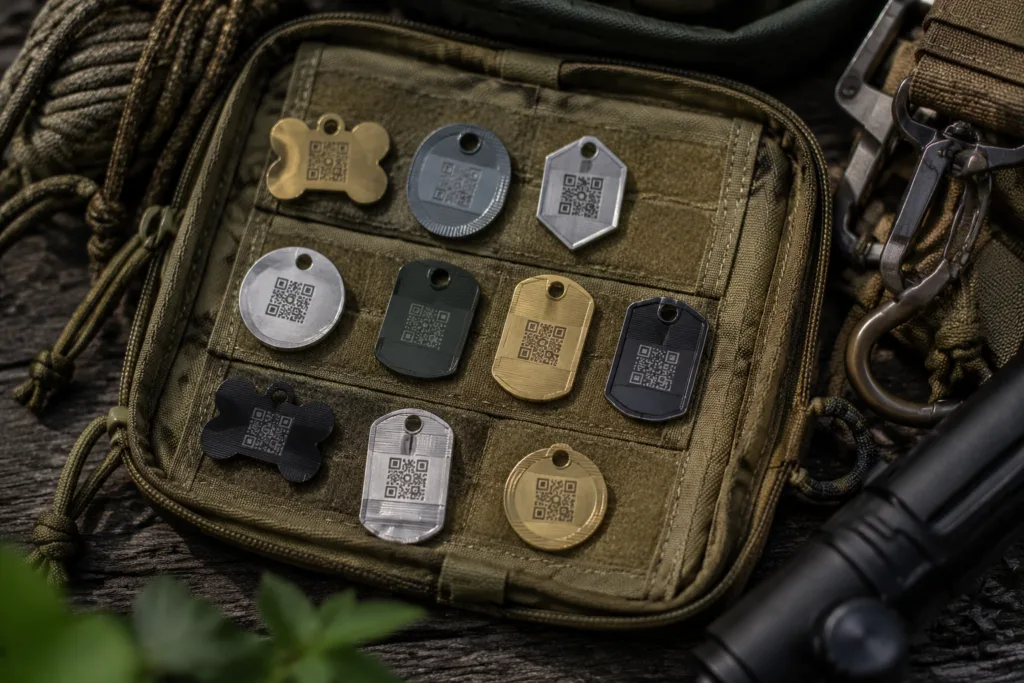
Procuring the best dog tags for active or hunting applications goes beyond picking a design. Understanding the ordering process can save both time and expense.
Minimum Order Quantities (MOQs): Domestically, MOQs can range from 50 to 100 pieces for custom runs. For anodized or complex die-cut tags, expect higher MOQs due to custom tooling requirements.
Lead Times: Standard production for laser-engraved or stamped dog tags is typically 7–15 working days. Specialty finishes, cut-outs, or high-volume orders may extend total lead time to 3–4 weeks. Always clarify lead time expectations in advance, especially for annual or event-driven programs.
Artwork and Proofing: Submit vector artwork (AI, PDF, SVG) for branding or shape customizations. Always request digital or physical proofs to confirm font legibility, placements, and sizes before starting mass production.
Sampling Options: Most reputable suppliers, including UC Tag, offer paid samples or prototype sets. Sampling minimizes risk and ensures fit for purpose before committing to larger runs.
Packing and Shipping: Confirm that tags are individually bagged or carded to prevent transit scuffing, and specify batch-by-batch traceability if you require compliance certifications on receipt.
Frequently Asked Questions
What materials are best for active dog tags?
Stainless steel and anodized aluminum are top choices for active dog tags due to their scratch resistance, corrosion protection, and proven durability in outdoor environments.
How can I ensure that my dog tag remains intact outdoors?
Choose tags with reinforced attachment points, welded split rings or rivets, and select manufacturing methods like deep engraving or stamping to ensure markings remain visible in harsh conditions.
What are the pros and cons of engraving vs. stamping?
Engraving allows for finer detail and is great for small batches or QR codes, while stamping offers superior abrasion resistance and consistency for large orders; choose based on your required durability and order size.
How is the durability of my tags tested?
Durability is typically verified through salt spray testing, abrasion trials, and UV resistance checks; for regulated projects, ask for ISO 9001 documentation and batch test results from your supplier.
Can I customize shapes and sizes of dog tags?
Yes, most manufacturers support custom dimensions and shapes for dog identification tags, including specialty options for easy branding, serial numbering, or breed-matched sizing.
What should I do if my dog’s tag becomes unreadable?
Replace the tag promptly with one made from more durable material and a manufacturing method like deep engraving or chemical etching, and review your supplier’s recommendations for outdoor use.
Related Reading
- Discover Why Stainless Steel Dog Tags Outperform Others in Tough Conditions
- Engraved vs Printed Dog Tags: Durability Insights for B2B Buyers
- Master the Art of Dog Tag Sizing and Shape Selection for Industrial Projects
- Essential Checklist: What Information Every Dog Tag Must Include for Field Safety
- How Innovative Shapes Like Hexagons and Diamonds Transform Modern Dog Tag Design