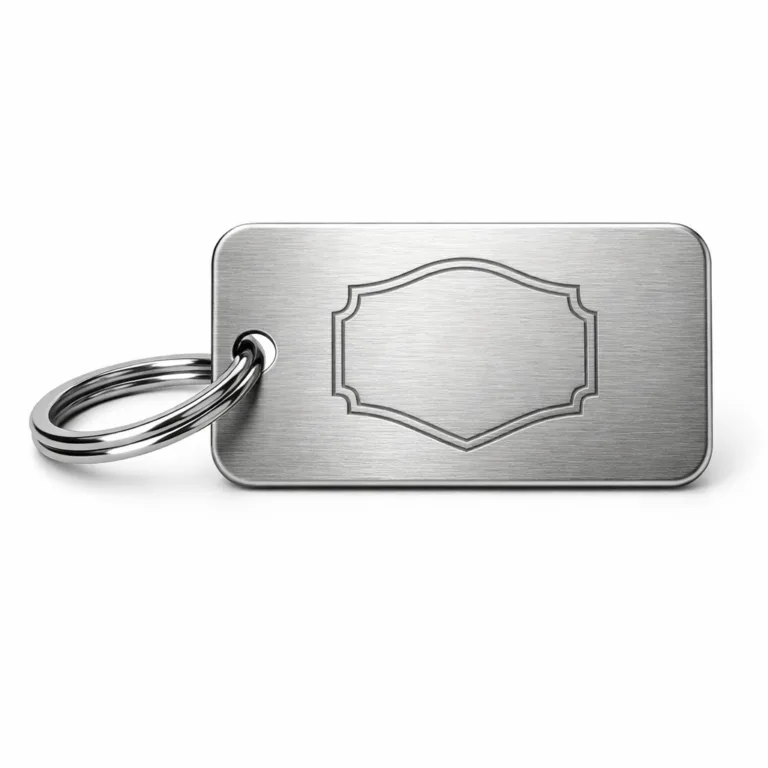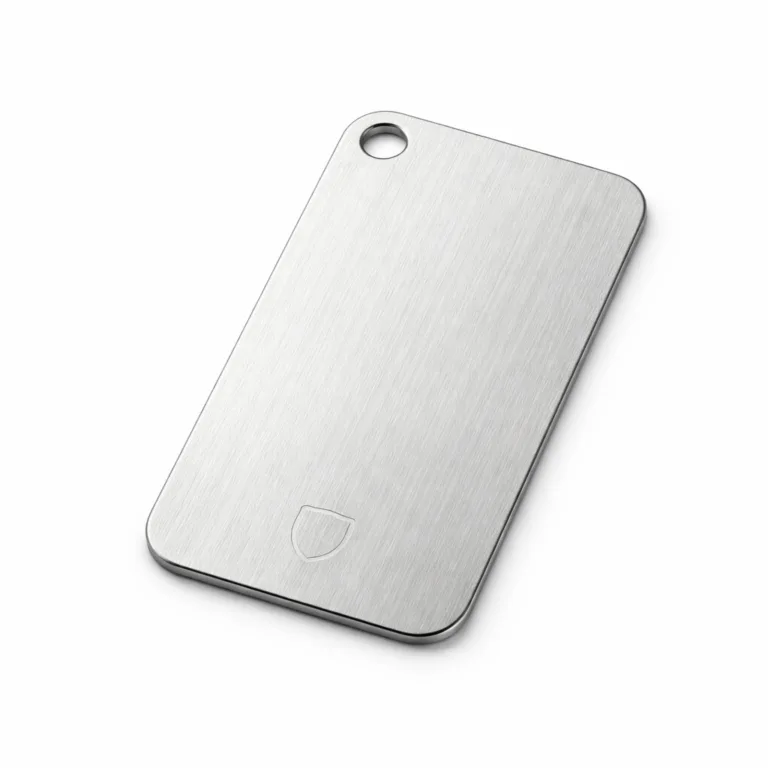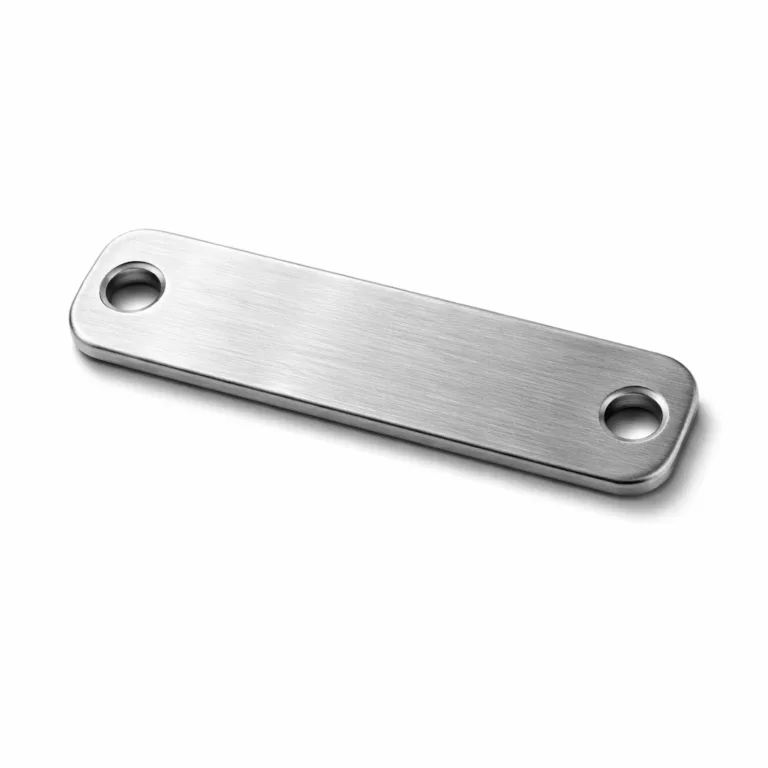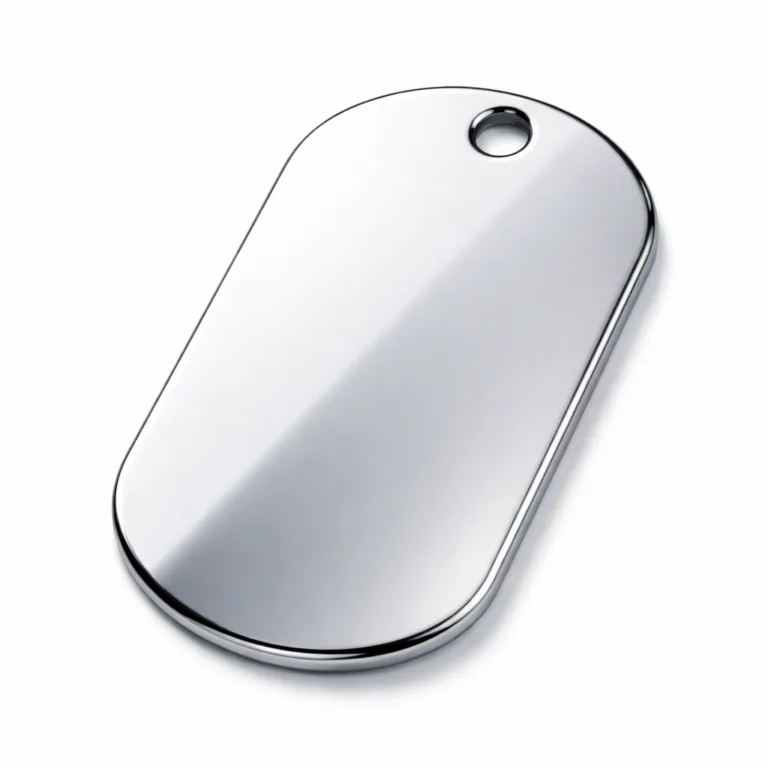
Introduction to Dog Tag Dimensions
Dog tags are more than just identification tools—they are crucial components in many industrial, military, emergency, and consumer applications. Whether used for personnel ID, asset tracking, or branded product labels, the correct dog tag dimensions play a significant role in ensuring functionality, durability, and visual appeal.
Choosing the right size directly impacts the tag’s readability, comfort, and how much information can be engraved or printed. In industrial settings, selecting the ideal dimension means balancing markable area, durability, and the tag’s fit on specific equipment. In the military, standards dictate exact sizes for rapid recognition and international compliance. In consumer-facing environments, the right dimension can elevate a brand’s identity while maintaining practicality.
This technical guide covers everything from dog tag measurements, shape options, and thickness to engraving area and material selection. We’ll review manufacturing processes, design checklists, testing standards, and real-world applications, empowering you to make informed choices for your application.
Professional manufacturing is essential for achieving consistent, precise dog tag dimensions. Small variations can affect readability or attachment reliability, so it’s crucial to work with experienced partners who understand both the technical and practical demands of industrial dog tags.
Understanding Dog Tag Measurements
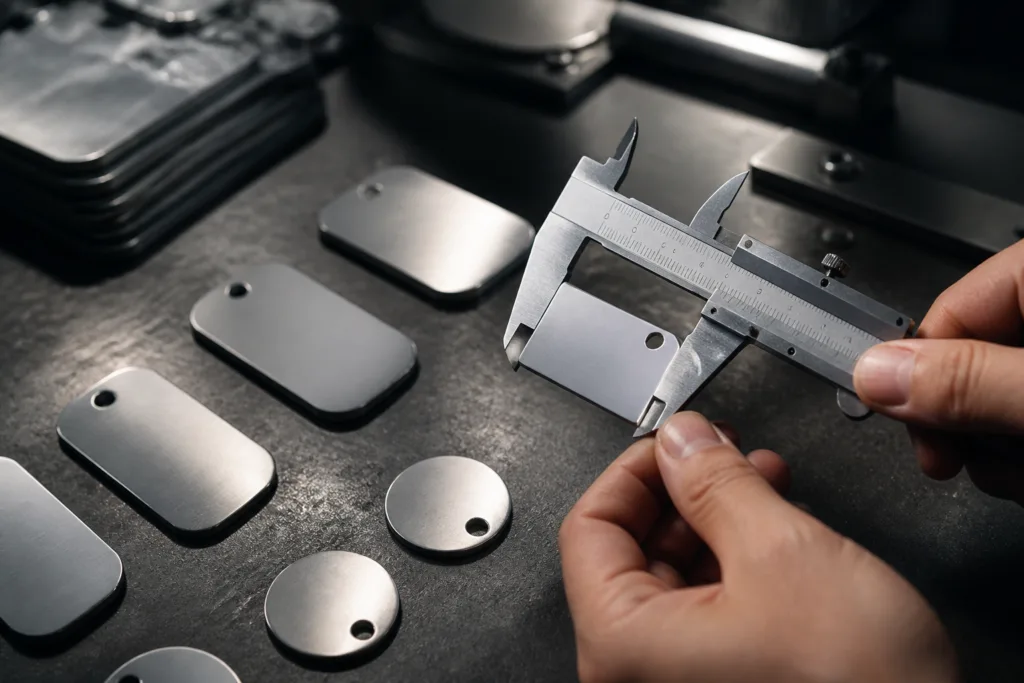
Dog tag measurements describe the length, width, and thickness of a tag, typically using millimeters (mm) or inches. The most recognized size originates from military dog tag dimensions: 50mm x 28mm (2.0″ x 1.125″) with a thickness of 0.7mm–1.0mm. This standard balances information density with ease of wear.
Custom sizes are common for branding, pet ID, or specialized asset tracking. Small tags might be as compact as 25mm x 12mm (1″ x 0.5″), maximizing discretion for jewelry or compact assets. On the other end, oversized tags—whether for logistics, equipment, or fashion—can exceed 70mm in length or offer custom cut-outs for QR codes and barcodes.
Proportion plays a practical role: narrow, elongated tags accommodate serial numbers but reduce space for logos; wider tags provide more marking area but may feel bulky. Always consider how the allotted space impacts font size, contrast, and overall aesthetics.
- Standard military: 50mm x 28mm
- Mini/pet: 25-38mm x 12-21mm
- Oversized/industrial: 60-80mm x 25-40mm
Rare sizes are engineered for niche uses, such as secure crypto seed phrase tags, key fob applications, or micro-text asset IDs. These may require thicknesses below 0.7mm (for weight constraints) or above 1.2mm (for rugged outdoor machinery).
Popular Dog Tag Shapes and Their Uses
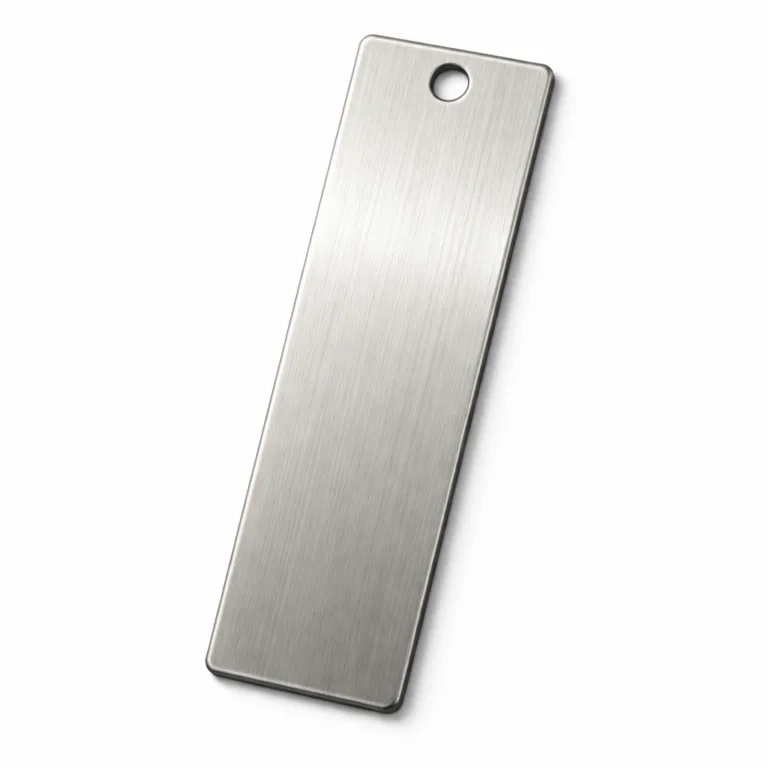
The dog tag outline you select defines not just aesthetics but also functionality. Common shapes include the classic military rectangle (with rounded corners), round tags, and dog bone shapes for pets. Each offers unique strengths for specific applications.
Rectangular formats maximize engraving area and fit lengthy text—ideal for military, industrial, and emergency uses. Round shapes are practical for logos, compact IDs, and fashion, but limit horizontal text length. The dog bone outline, preferred in the pet and veterinary sector, balances space for contact info with a friendly appearance.
Alternative outlines include ovals, shields, hearts, or custom company shapes that support visual branding. UC Tag’s shop-floor data finds B2B buyers in logistics usually favor rectangles for asset tracking, while retail brands often request custom shapes for product differentiation.
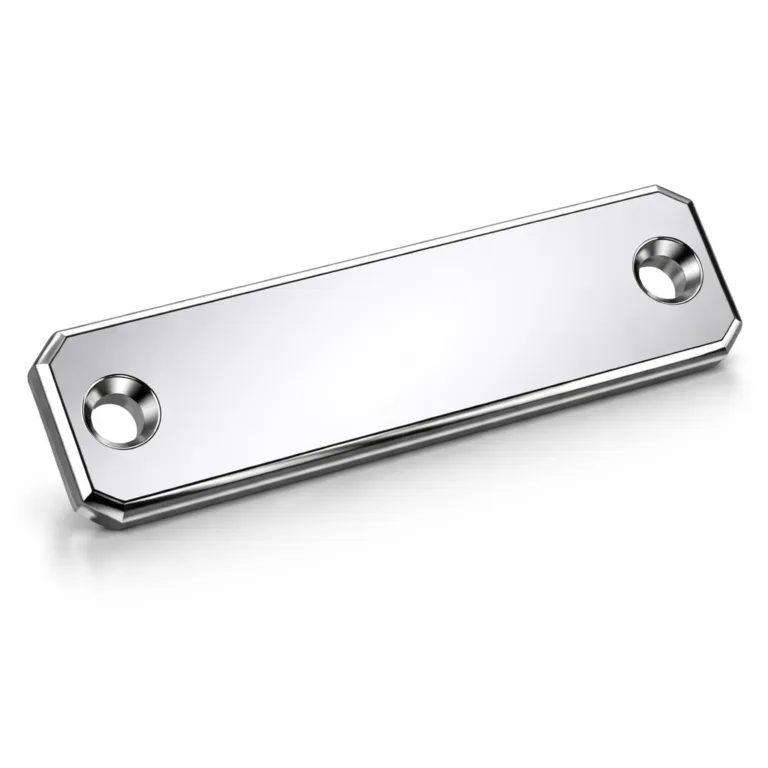
Shape impacts not only capacity but also attachment method compatibility (e.g., ball chains, rivet holes, adhesives) and overall ergonomics for handheld or wearable applications.
Materials Comparison for Dog Tags
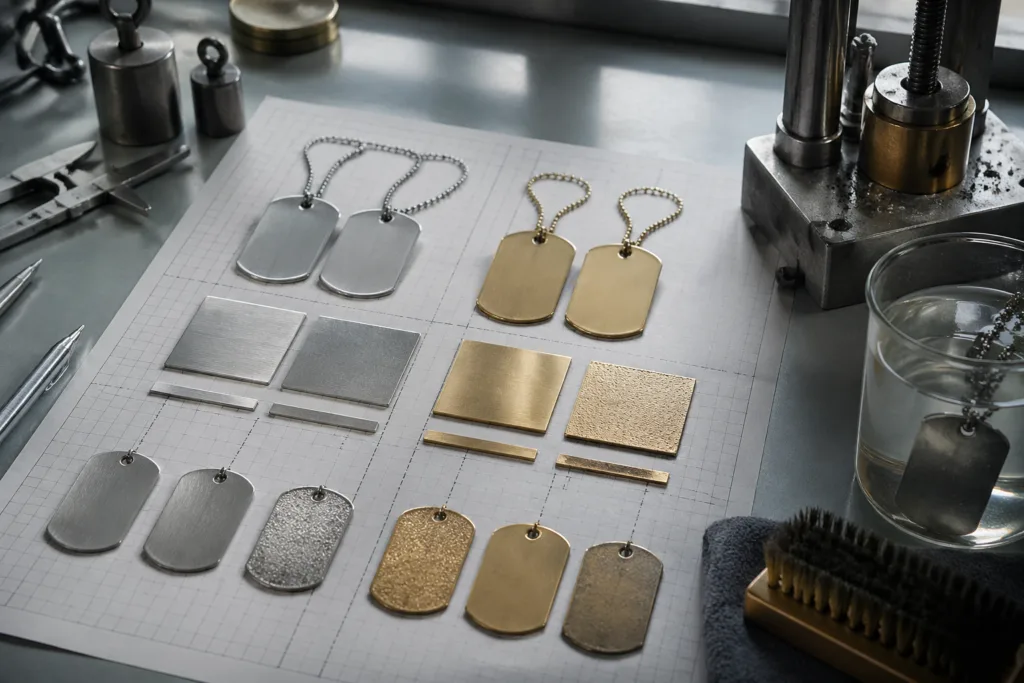
The material determines a dog tag’s long-term durability, weight, finish options, and resistance to environmental factors. Here’s a closer look at the main choices:
- Aluminum: Lightweight, cost-efficient, and fully corrosion-resistant, especially useful in aviation, marine, and outdoor asset marking. Accepts most finishes, including anodizing for color and scratch resistance.
- Stainless Steel: Exceptionally tough and highly resistant to abrasion, chemicals, and weather extremes. The material of choice for military dog tag dimensions, food processing, medical, and heavy industry. Heavier than aluminum; challenging to deep engrave but maintains crisp details.
- Brass: Strong corrosion resistance (though less than stainless steel). Excellent for vintage aesthetics, special branding, or decorative pet tags, but can develop patina or tarnish in challenging environments.
Other metals (copper, zinc alloy, titanium) suit niche uses, with trade-offs in weight, finish, and cost. Environmental factors—like saltwater, high abrasion, or extreme heat—should guide material choice. For example, aluminum may corrode in caustic settings without an appropriate finish, while stainless steel remains inert.
Finish compatibility matters. Anodizing works only on aluminum. Plating (gold, chrome, PVD) can be applied to most materials but may compromise outdoor performance if not sealed. Consider how the finish impacts engraving contrast and long-term legibility.
Manufacturing Methods and Their Impact on Dimensions
Manufacturing directly impacts the achievable dog tag dimensions, thickness, and marking resolution. Main processes include stamping, laser engraving, chemical etching, and UV/analog printing. Each has unique implications for tag design, material selection, and final tolerances.
Stamping forms shapes and imprints info into the metal, ideal for large-volume runs and producing uniform tags at consistent thickness (usually 0.5–1.2mm). Laser engraving enables variable data, photo detail, or QR codes on finished tags—important for asset management and customizations—with minimal impact on thickness.
Chemical etching allows for high-precision, shallow relief designs, often with paint infill. This method works well for intricate logos or dense information layouts but may require specific alloys (aluminum, stainless steel, or brass). Printing (UV or pad) is used for color graphics and can add a fraction of thickness, though not recommended for high-wear environments without a protective topcoat.
| Method | Detail Level | Thickness Range | Cost Impact | Lead Time |
|---|---|---|---|---|
| Stamping | Low–Medium | 0.5–1.2mm | Low (high volume) | Short |
| Laser Engraving | High | Any (min. 0.5mm) | Medium | Short |
| Chemical Etching | High | 0.7–1.5mm | Medium | Medium |
| Printing (UV) | Full Color | Any | Low–Medium | Short |
Techniques must be matched to the chosen material and application. Tight tolerances, specified in manufacturing documentation (e.g., ±0.10mm for length/width, ±0.05mm for hole diameter), are essential for mass production consistency and for tags that need to interface precisely with equipment or fixtures.
Design and Spec Checklist for Ordering Dog Tags
Before moving to production, ensure your dog tag outline and specifications are properly detailed. Use this practical checklist to avoid overlooked errors:
| Specification | Standard Range | Critical Notes |
|---|---|---|
| Length | 25–80 mm | Match info density to space |
| Width | 12–40 mm | Consider proportion for readability |
| Thickness | 0.5–1.5 mm | Stiffer tags for harsh environments |
| Font Size & Layout | ≥1.5–2 mm text height | Ensure legibility |
| Attachment Type | Holes/loops/adhesive | Review compatibility |
| Finish | Polish/pvd/anodize | Match to application environment |
| Tolerances | ±0.10 mm | Critical for automation fit |
| Quality Checks | 100% inspection | Visual and mechanical |
Attachment options also affect usability: choose rivet holes for permanent fixtures, adhesive for smooth surfaces, and chains or jump rings for wearable tags. Environmental finishes, like hard anodizing or UV coating, extend longevity in challenging settings. Don’t overlook proofing and sample checks—UC Tag’s engineering team recommends approving physical samples before a mass run to catch any overlooked details.
Durability and Testing Standards for Metal Tags
Dog tags must withstand corrosion, abrasion, and fading—especially in outdoor, high-touch, or industrial applications. Standard degradation tests include salt spray, abrasion resistance, chemical exposure, and UV weathering.
Outdoor performance depends on more than the core alloy: coatings, engravings, and attachment methods are equally critical. Fading, pitting, or material loss can quickly compromise the identification function in demanding use cases.
Most reputable factories validate their products against industry-accepted test methods. These include ASTM B117 (salt spray for corrosion), ASTM D4060 (abrasion), and ISO/IEC 4892-2 (UV stability). It’s not uncommon for military dog tag dimensions to be specified along with minimum salt spray and abrasion cycles—ensuring performance in the harshest environments.
Some industrial clients have experienced failures from incorrect material choices—such as aluminum tags corroding on offshore platforms or plated tags fading in sunlight due to cost-driven cuts. Case studies repeatedly show the value of proper testing: failing to validate can lead to lost assets, unreadable IDs, and increased replacement costs.
Industry Applications for Dog Tags
Dog tags are integral to identification and tracking systems across industries.
The military and emergency services depend on strict dimensional standards to ensure universal recognition in the field. Manufacturing operations use tags for asset control, machine labeling, and compliance—often requiring sequential numbering or barcode integration.
The pet industry emphasizes durability, corrosion resistance, and the right dog tag dimensions to ensure tags remain legible and securely attached for years. Commercial brands use custom dog tags as product identifiers, authenticity seals, or high-impact promotional pieces.
Unique applications include recreational and sports events, adventure gear labeling, and even creative solutions in hospitality (e.g., branded luggage tags or club tokens). For further creative applications, explore the custom die-cut shapes guide.
Common Mistakes in Choosing Dog Tag Sizes
Choosing the wrong dog tag measurements or outline can lead to major headaches. Too-small tags reduce text size, making critical info unreadable, especially under hurried or low-light conditions. On the other hand, oversized tags may snag, feel uncomfortable, or appear unprofessional for the item or user.
Text size matters: cramming too much data into a small tag often results in blurred, crowded lines. Consistency across batches is essential for B2B and industrial orders, as minor changes in dimensions may introduce mounting or alignment failures. Choosing the incorrect material can result in accelerated corrosion or loss of sheen, especially outdoors.
Attachment errors—such as undersized holes, incompatible adhesives, or rivets—are a frequent source of tag loss in field conditions. For each mistake, a troubleshooting mindset is key: confirm the environment, verify attachment compatibility, and require a physical dog tag template before final approval. For more design insights, see the Design Guide for practical tips.
Ordering Guide for Custom Dog Tags
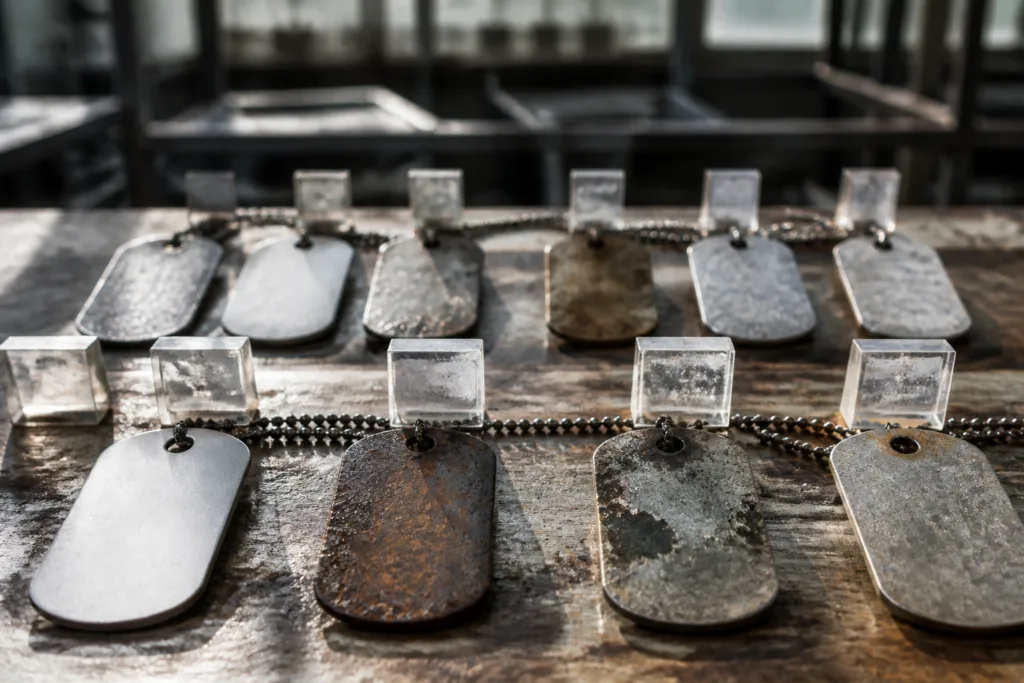
Ordering custom dog tags requires careful planning. Most suppliers set a minimum order quantity (MOQ)—typically 100 to 500 units, depending on the material and process. Higher MOQs generally lower per-tag pricing, but require accurate specifications and final artwork from the start.
Lead times vary by method: stamped or laser-engraved tags can ship in 7–18 days for common sizes, but custom outlines or non-standard dimensions may take 3–5 weeks. Always request a pre-production proof to confirm the layout, font sizing, and attachment accuracy before committing to full production.
Packaging impacts both presentation and protection—options include bulk bagging, poly sleeves, or branded boxes. For B2B shipments, robust packaging prevents scratches and keeps serialized orders in sequence. Shipping costs rise with size, weight, and destination, so factor these into bulk industrial or export orders.
Reference material from UC Tag often helps buyers prepare technical drawings, double-check tolerances, and align shipping expectations with project schedules.
Frequently Asked Questions
What are the standard dog tag dimensions for military and industrial use?
The most common standard is 50mm x 28mm (2.0″ x 1.125″) with a thickness of 0.7–1.0mm, widely accepted for military, emergency, and asset-marking applications.
Can dog tag measurements be customized for unique branding or asset tracking?
Yes, custom dog tag measurements and outlines are routinely available for branding, pet IDs, industrial assets, and promotional uses, with sizes tailored to user requirements.
What material is best for extreme outdoor conditions?
Stainless steel is the top choice for harsh environments due to its unmatched corrosion and abrasion resistance, while anodized aluminum also performs well for lighter applications.
How does thickness affect the tag’s performance or feel?
Thicker tags (1.0mm+) offer greater rigidity, durability, and a premium feel, but may add weight or be less comfortable for wearable use; thinner tags suit lightweight needs but may bend.
What is the cost impact of varying dog tag dimensions or customization?
Larger or custom-shaped tags generally increase material and tooling costs, while higher MOQs and standardized sizes help keep prices lower; finish type and detailed engraving also influence price.
How can I ensure my proof or template matches production quality?
Always request final artwork and, if possible, a physical sample before full production; review all dog tag template details including attachment method, finish, and marking clarity.
Related Reading
- Military Dog Tag Specs: Stay Compliant with Proven Size and Marking Guidelines
- Small Dog Tags: Sizing and Material Selection for Maximizing Legibility
- Engraved vs Printed: Comparing Dog Tag Durability for Real-World Demands
- Oversized Tags: Make a Brand Statement with Dramatic Dimensions
- Curved Tags: Enhance Comfort and Retention in Wearable Applications
- Creative Dog Tag Design: Avoid Pitfalls and Ensure Clarity in Every Batch