Introduction to Product Labeling Evolution
Product labeling has come a long way, from simple paper stickers to advanced metal tags. Historically, most products were labeled with stickers—easy to apply but prone to fading, peeling, and environmental damage. These limitations often led to problems with identification and brand image, especially in demanding industrial or outdoor settings.
Today, metal tags have become a popular choice for durable labeling needs. They offer superior resistance to weather, abrasion, and chemicals, ensuring consistent performance for years. Durable labeling matters—whether it’s for industrial machinery, consumer goods, or asset tracking. The move from sticker labels to metal tags is especially crucial in sectors such as manufacturing, logistics, electronics, and automotive where clear identification and longevity drive operational efficiency and perceived quality.
Throughout this article, we’ll look at real-world examples of brands that have upgraded their labeling strategy. You’ll discover how the shift to metal tags improved both marketing impact and consumer trust. Ready to explore the trade-offs, material choices, and practical insights behind durable labeling?
Definitions and Basics of Metal Labels
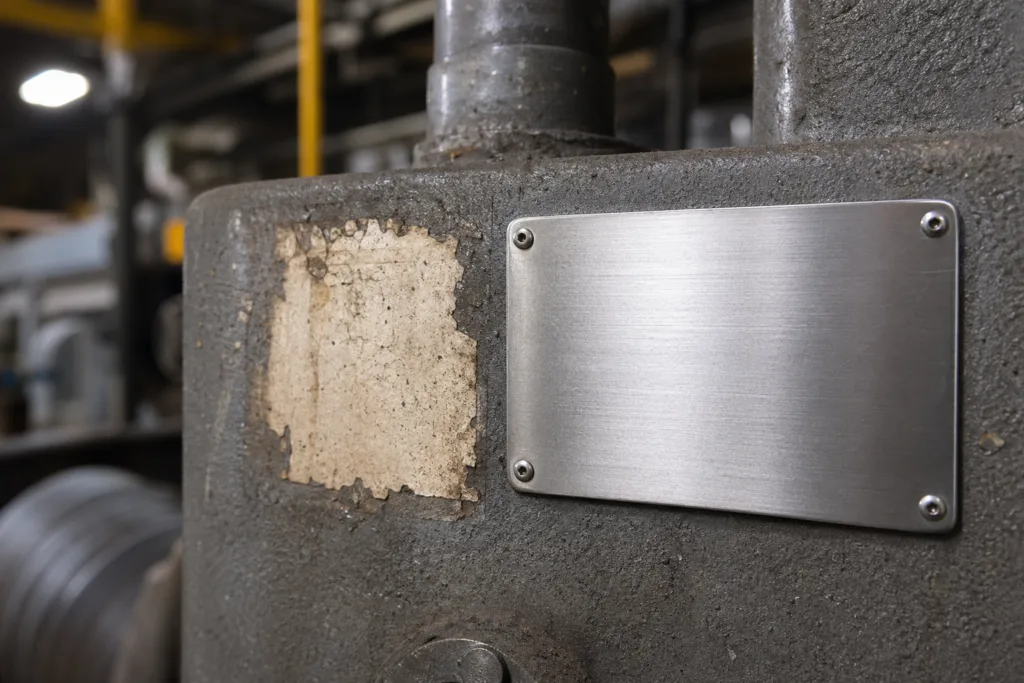
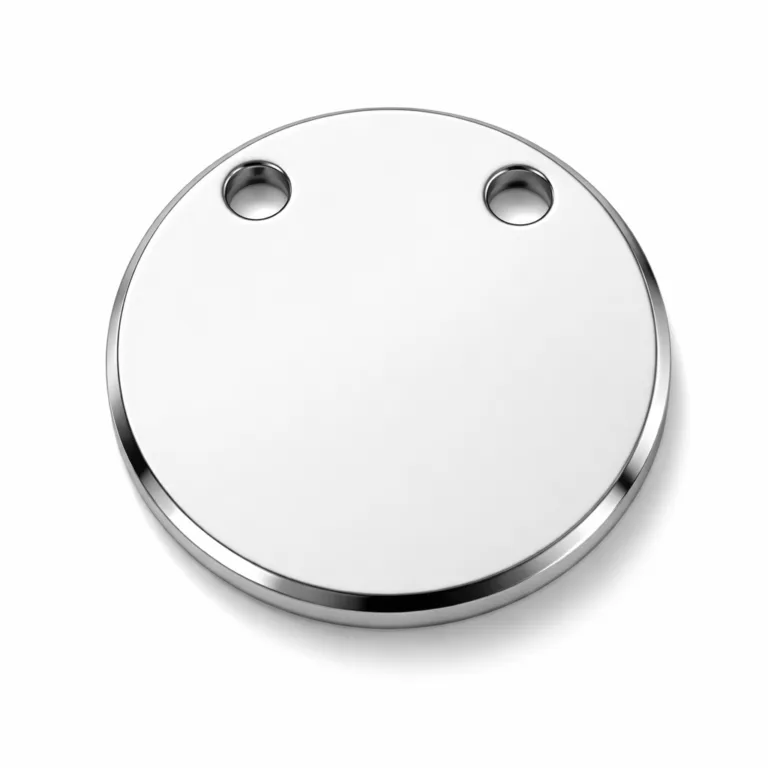
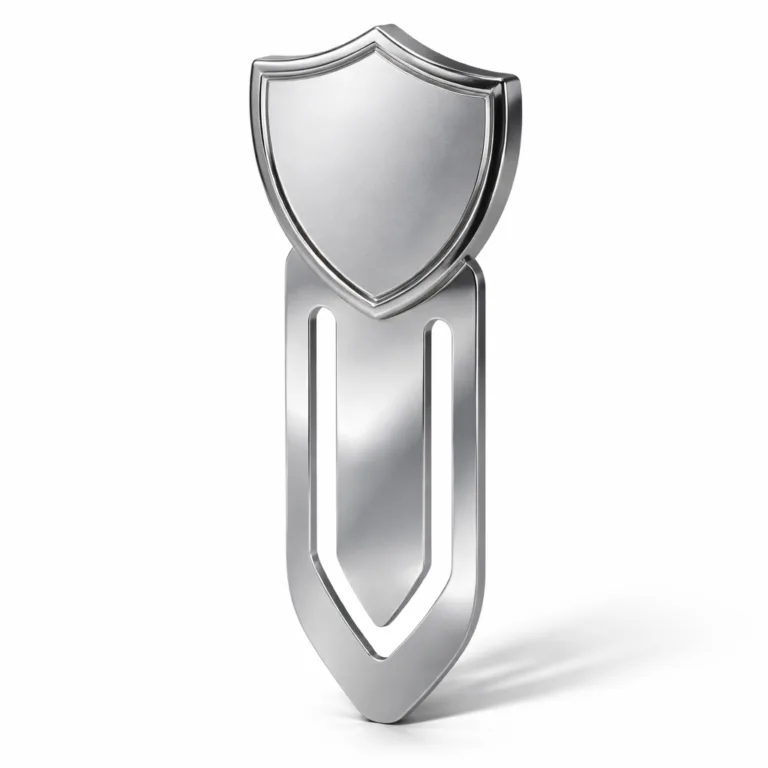
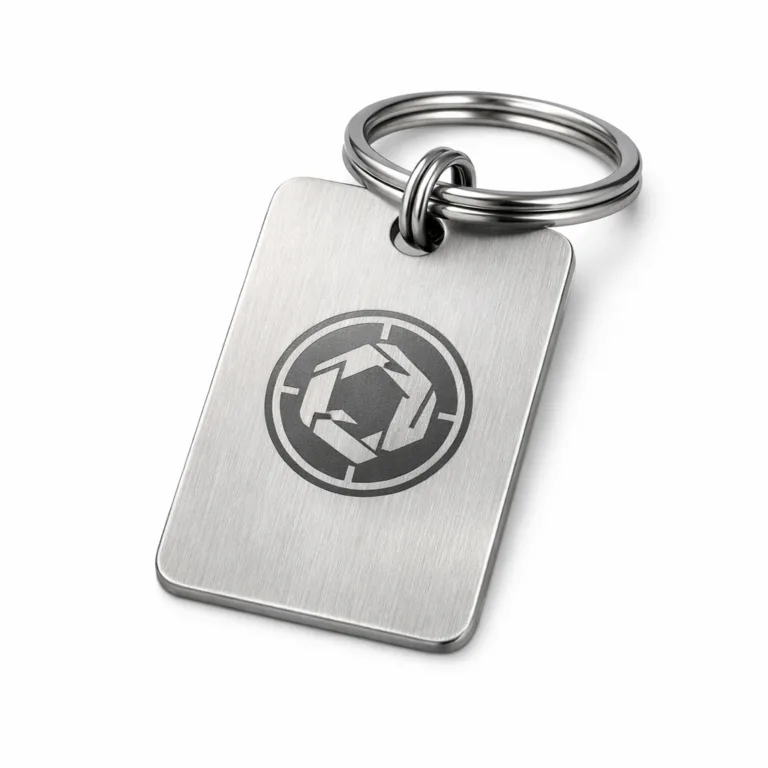
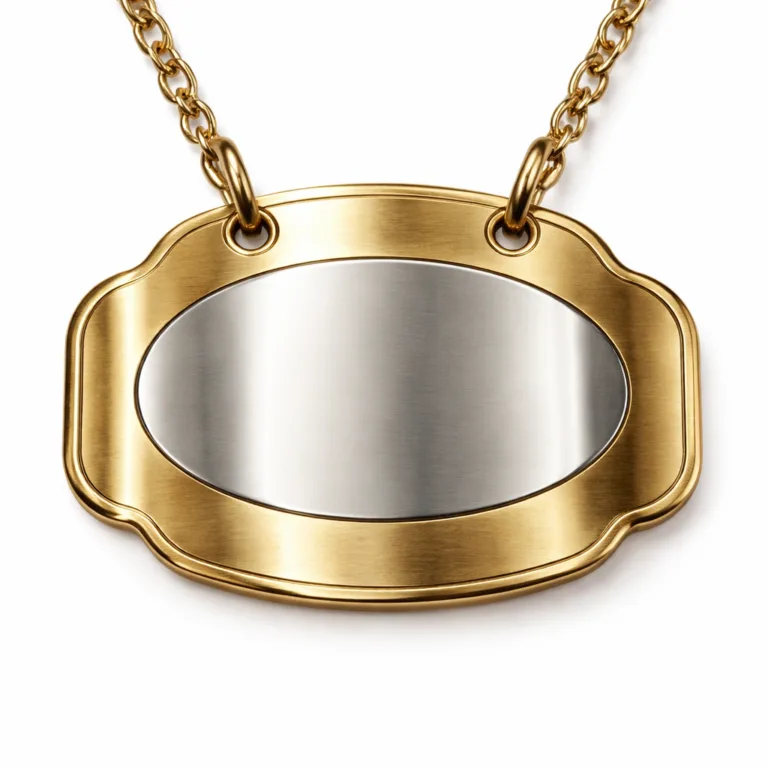
Metal tags are flat, shaped pieces of metal designed for marking, identification, branding, or tracking. Typical applications include asset tags, nameplates, logo plates, serial number labels, pet tags, luggage tags, and industrial ID tags. Their appeal lies in unmatched durability and customizability.
Manufacturers utilize metals like aluminum, stainless steel, and brass for tags, combining stamping, laser engraving, etching, and printing to achieve precise results. Custom metal tags can be produced in various sizes, shapes, and finishes—making them suitable for consumer, commercial, and industrial purposes. Each material brings unique advantages: corrosion resistance, lightweight design, luxury aesthetics, or rugged performance.
The key property of metal tags is long-lasting readability. Unlike stickers, metal tags remain legible and intact even after years of outdoor or industrial exposure. That durability directly improves traceability, safety, and brand consistency.
Advantages of Metal Tags Over Stickers
Durable labeling is more than just a technical upgrade—it’s an investment in reliability, brand perception, and cost efficiency. Metal tags offer clear advantages over traditional sticker labels:
- Exceptional Durability: Metal tags withstand rain, sunlight, chemicals, abrasions, and frequent handling.
- Premium Brand Image: They signal quality and permanence, elevating your product’s value in buyers’ eyes. Why Heavy Metal Tags Instantly Upgrade Your Brand’s Perceived Value: The Science Explained
- Cost-Effective Over Time: While the upfront investment is higher, fewer replacements and less maintenance result in lower lifecycle costs.
- Enhanced Readability: High-contrast engraving and precision finishes remain clear—making metal tags ideal for harsh and hazardous settings.
- Extensive Customization: Metal tags can be cut, stamped, engraved, or coated and include adhesive backing or mounting holes. This flexibility enables consistent branding across various product lines.
For businesses focused on asset management or regulatory compliance, durability is non-negotiable. Stickers often degrade, leading to lost information and costly replacements. Metal tags ensure your labeling stays put and remains clear for years—making them perfect for tools, industrial equipment, luxury retail, and even pet products.
Brands that transitioned to metal tags saw measurable boosts in perceived quality and consumer trust, especially when adopting robust materials and finishes tailored to their environment.
Materials Comparison: Choosing the Right Metal
Choosing the right metal for your tags matters for both performance and appearance. Here is a practical breakdown of common options:
| Metal Type | Weight | Corrosion Resistance | Cost | Durability | Applications |
|---|---|---|---|---|---|
| Aluminum | Lightweight | Good (anodized is best) | Low | Moderate | Asset tags, outdoor signage, consumer products |
| Stainless Steel | Heavy | Excellent | Medium-High | High (abrasion-proof) | Industrial plates, safety labels, pet tags, food-grade applications |
| Brass | Medium | Moderate (tarnishes over time) | Medium | High (luxury aesthetics) | Logo plates, luggage tags, wine tags, decorative branding |
Aluminum tags are lightweight and affordable, suitable for mass production and outdoor use. Anodizing—an electrochemical coating—boosts their resistance to corrosion and color fading. Custom metal tag solutions often feature anodized aluminum for high-volume asset tracking.
Stainless steel tags excel in environments where salt, chemicals, and abrasion are constant risks. This material offers unmatched toughness and readability; it’s also easy to sanitize for food, medical, or pet applications, as explored in Are Stainless Steel Dog Tags Worth the Upgrade? Expert Insights, Material Comparisons & Durability Tips.
Brass tags deliver a premium look and are favored for luxury retail, decorative branding, and wine industry use. While brass will tarnish, lacquered or antique finishes slow down corrosion and add style. Environmental factors—humidity, exposure to chemicals, or high UV—should drive your material choice. Always consider regional climate, handling, and exposure to select the proper metal tag for your application.
UC Tag’s production lead Rain Chen recommends specifying the desired finish and coating during the design phase. “Many brands underestimate the impact of surface treatments. Anodizing, lacquer, or powder coating can double or triple tag lifespan.” For extra protection, anodized aluminum, PVD-coated stainless, or lacquered brass are sensible options.
Manufacturing Methods Comparison
The method used to produce your metal tags profoundly affects their durability and branding capabilities. Here’s a breakdown of common manufacturing techniques:
- Engraving: Uses lasers or CNC machinery to carve text and graphics. Provides deep, permanent marks. Best for data plates, pet tags, and long-term identification.
- Stamping: Employs dies to imprint raised or recessed designs. Highly durable and tactile; excellent for logo plates and serial numbers.
- Chemical Etching: Dissolves metal in select areas for crisp, detailed features. Ideal for fine graphics, barcodes, and custom shapes.
- Printing: Applies color, imagery, or QR codes onto metal (UV printing, sublimation). While visually striking, printed tags may need protective coatings for lasting readability.
Engraved tags are almost indestructible. Stamped tags withstand heavy handling and strong impacts. Etched tags offer design flexibility but must include protective finishing. Printed techniques expand branding options, but durability depends on the ink, coating, and environmental exposure.
For example, a machinery manufacturer moved from sticker serial numbers to batch serial number dog tags using deep engraving, eliminating misreads caused by wear and oil. In contrast, a luxury luggage brand chose die-cast logo tags for premium feel and robust branding.
Rain Chen notes that “choosing the right process depends on your durability goals. Industrial applications demand deep engraving or stamping; retail favors custom shapes and color finishes. UC Tag often advises customers to test samples before final selection.” This hands-on approach can prevent costly labeling failures.
Design and Specification Checklist for Metal Labels
Getting specifications right is crucial to ensure your metal tags deliver on durability, branding, and compliance. Use this checklist when preparing your order:
- Choose appropriate size and thickness for intended placement and environmental exposure.
- Define shape—round, rectangular, die-cut, or custom—and decide if beveled or rounded edges help reduce snags.
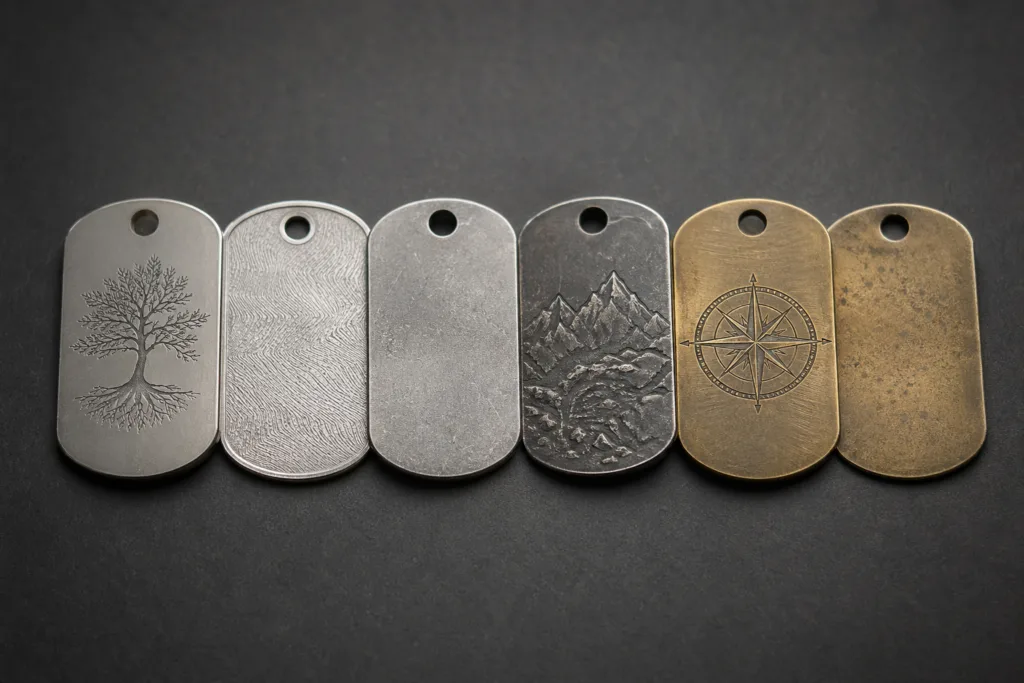
- Select the finish for optimal readability and aesthetics: matte, gloss, brushed, mirror, antique, powder coating, or anodized. How to Match Metal Hardware to Your Logo Colors for Powerful Brand Consistency
- Specify attachment method: adhesive backing (e.g., 3M), rivet holes, sew-on slots, or clip-on hardware.
- Ensure text contrast—deep engraving or high-contrast color fills—especially in low-light or outdoor conditions.
- Include tolerance requirements for shape, engraving depth, hole placement, and overall quality control.
Below is a practical checklist for buyers:
| Spec Element | What to Look For | Why It Matters |
|---|---|---|
| Size & Shape | Fit for mounting & visibility | Ensures label stays readable and accessible |
| Material & Finish | Durable, corrosion-resistant, high contrast | Improves brand image, prevents wear |
| Attachment | Holes, adhesive, rivet, sew-on | Secures tag in place, avoids peeling |
| Text & Graphics | Deep engraving, clear fonts, QR/barcodes | Maintains readability, technical compliance |
| Tolerance & QC | Defined limits in mm/inches | Consistent quality, easy reordering |
Ordering clear, compliant, and quality-focused tags reduces costly mismatches and ensures durable labeling. Double check artwork, proof layouts, and meet necessary standards before final approval. Need help choosing the right metal and finish? UC Tag can recommend practical options for your application.
Ensuring Durability and Conducting Testing
Durability is not assumed—it’s tested. Metal tags must survive the environments in which they’re used, from factory floors to offshore rigs. Here are the most common testing protocols:
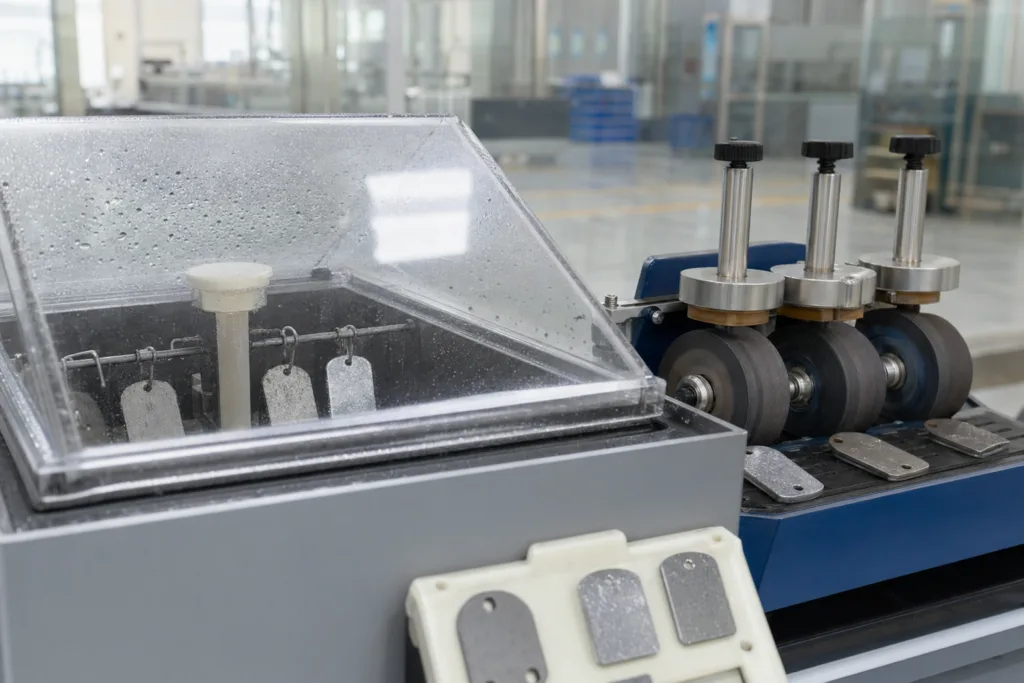
- Corrosion Resistance Testing: Exposes tags to extreme humidity, salt, and chemicals to predict lifespan.
- Abrasion Testing: Simulates repeated handling, friction, or scraping; critical for asset tags and safety markers.
- UV Exposure Testing: Quantifies fading or color breakdown under intense sunlight—essential for outdoor labeling.
- Salt Spray Exposure Testing: Standard for outdoor tags, predicting corrosion from salt-laden air or marine environments.
Key quality standards often referenced include ISO 9001 for manufacturing control and ASTM corrosion/abrasion protocols. Tags used for industrial traceability or regulatory compliance demand rigorous testing; real-world failures—such as peeling labels, faded markings, or corroded tags—almost always trace back to inadequate material or finishing choices.
One asset manager upgraded sticker labels to engraved stainless steel tags but skipped ultraviolet testing. Within a year, markings had faded due to strong sun exposure. Remedy: specify UV testing and use black-filled engraving for outdoor asset labeling. Success stories often involve brands implementing full test cycles before mass production, avoiding costly field failures and recall expenses.
Efficient durability testing helps you select the right metal tag—readable, corrosion-resistant, and compliant—for your unique needs.
Industry Applications: Finding the Right Fit
Metal tags are used in a wide range of industries, driven by their durability and branding value. Here are practical application highlights:
- Industrial Equipment: Asset tracking, safety labeling, and machine data plates using deep-engraved steel for harsh settings.
- Consumer Products: Logo tags, jewelry nameplates, and design accents with custom shapes and premium finishes. Logo tag manufacturer projects reveal how brands shape identity.
- Traceability: Manufacturing companies employ QR or serial-numbered tags for end-to-end product visibility. Asset Tracking Made Simple: How Metal Tags with Sequential Numbering Transform Inventory Control
- Asset Management: Hospitals, warehouses, and transport fleets use engraved number plates for security and inventory control.
- Pet Tags: Dog and cat ID tags must resist chewing, water, and abrasion; brass and stainless options dominate. Dog tag manufacturer solutions showcase design innovations.
- Luggage Tags: Travel brands use luxury brass or anodized aluminum for both identification and brand image. Luggage tag manufacturer projects demonstrate the importance of lasting readability.
- Automotive: Custom metal tags for chassis, VIN plates, and branded badges enhance traceability and convey quality. Auto industry trends show increasing demand for durable labeling that withstands heat, oil, and vibration.
Case studies highlight brands that switched from stickers to stamped or engraved metal tags. They saw reductions in lost assets, improved perceptual value, and easier regulatory compliance. Trends point toward customization and smarter tags—QR codes, NFC chips, sequential numbering—for even greater traceability and brand recognition.
Common Mistakes in Metal Tag Labeling and Troubleshooting
Upgrading to metal tags is a smart move, but mistakes can undermine the benefits. Here are frequent pitfalls and practical fixes:
- Unreadable Text: Overly small fonts, low contrast, or shallow engraving make tags useless in real-world conditions. Solution: specify minimum font size and deep marks.
- Poor Adhesive Choices: Using standard glue instead of industrial-grade adhesive (like 3M) results in tag peeling and loss. Fix: select tested adhesives or mechanical fixings.
- Wrong Finish: Untreated surfaces may corrode quickly. Choose finishes like anodizing, lacquering, or PVD to maximize life span.
- Incorrect Sizes: Tags that are too small or too large reduce readability or disrupt product design. Review mounting space and visibility.
- Attachment Issues: Misaligned holes, weak rivets, or improper backing can cause detachment. Specify tolerances and test mounting methods.
Brands sometimes overlook compliance; regulatory standards for labeling differ by market. Avoid common errors by collaborating with experienced suppliers during design and prototyping. Rain Chen at UC Tag notes that troubleshooting early—via samples and prototype testing—saves money and ensures a successful labeling rollout. “Get it right up front; you’ll avoid rework and failure in the field.”
Ordering Guide for Metal Tags
Placing an order for metal tags involves several key steps:
- Initial Inquiry: Define intended use, material, quantity, and required features. Use the Tag solutions form for structured requests.
- RFQ (Request for Quote): Submit specs for pricing and production lead time. Clear artwork and details minimize errors.
- Minimum Order Quantity (MOQ): Most manufacturers have MOQ thresholds starting from 50–100 tags; larger runs unlock better pricing. How to Master Bulk Discounts and Quantity Thresholds for Metal Tag Sourcing
- Lead Time: Typical production spans 2–4 weeks. Plan ahead, especially for complex, multi-process tags.
- Artwork & Proofs: Submit vector files or clear drawings. Review sample proofs or rendered artwork for approval. Custom metal tag samples are recommended.
- Packaging & Shipping: Select packaging styles—bulk, tray, individual—and arrange shipping based on volume, region, and urgency.
Following this simple process ensures your durable labeling strategy runs smoothly. Projects that invest in prototypes, clarity, and lead time coordination avoid delays and costly returns. Looking to enhance your labeling strategy? Request a sample to see UC Tag’s quality for yourself.
Frequently Asked Questions
What’s the best metal for outdoor use?
Stainless steel is widely preferred for outdoor applications due to its superior corrosion resistance and longevity, especially when exposed to rain, salt, and UV.
How long does manufacturing typically take?
Production times range from 2 to 4 weeks depending on order size, design complexity, and manufacturing method—allow extra time for custom colors or shapes.
Can I customize my design?
Yes, metal tags are highly customizable—brands can choose from a range of shapes, finishes, sizes, graphics, and attachment methods as needed.
What is the lifespan of standard metal tags?
Most metal tags last five to ten years or longer, depending on material, surface coating, and exposure to harsh environments or chemicals.
Are there any environmental concerns with metal tags?
Consider eco-friendly materials and finishes—some metals are recyclable, but plating or coatings may impact recyclability; ask about conflict-free sourcing.
How do I clean and maintain metal tags?
Most tags require simple wiping with a damp cloth and mild soap; avoid abrasive cleaners and always check the finish requirements before cleaning.