Introduction to Ethical Sourcing
Ethical sourcing is reshaping metal production for industries ranging from automotive and electronics to durable identification solutions like metal tags. Understanding ethical sourcing, conflict-free minerals, metal production, supply chain transparency, sustainable mining, and responsible sourcing is crucial for procurement professionals and engineers who demand reliability and integrity in their supply chain. At its core, ethical sourcing in metal production means only using materials and processes proven to protect human rights, minimize environmental damage, and foster healthy community relations.
Conflict-free minerals are those extracted and traded without fueling violence or human rights abuses. Sourcing these minerals is a necessity—not just an industry trend. Manufacturers and buyers are under increasing regulatory and compliance scrutiny, especially regarding transparency in sourcing. Supply chain transparency, in particular, ensures all parties can trace the origin of metals and verify their ethical, sustainable, and legal procurement.
Emphasizing ethical sourcing in the metal sector builds consumer confidence and sets industry benchmarks for quality. As regulations become stricter and awareness grows around responsibly sourced materials, the pressure to implement ethical practices rises for everyone in the value chain.
Importance of Conflict-Free Minerals
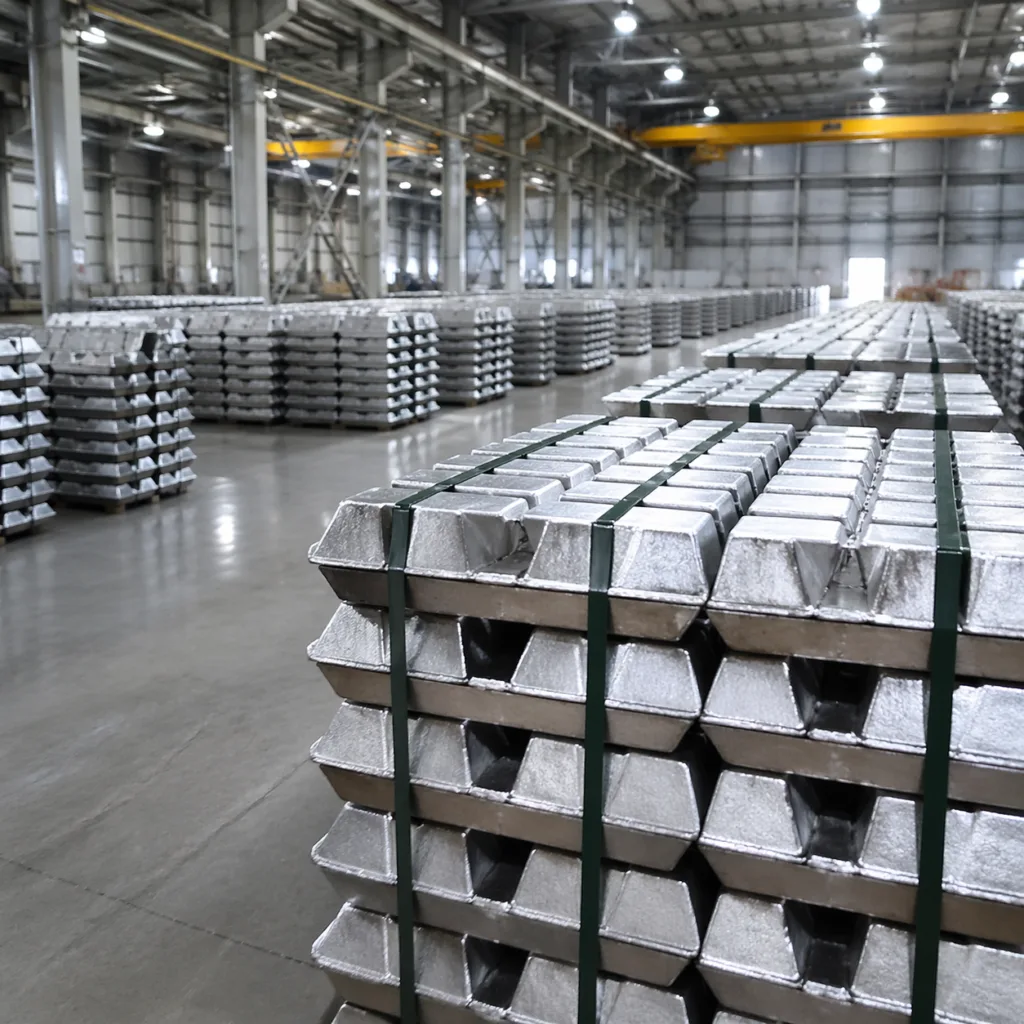
Conflict-free minerals, such as tin, tungsten, tantalum, and gold (often called 3TG), are purposely sourced from areas free of armed conflict and exploitation. Identifying and verifying these minerals requires tracking their journey from mines to finished products like metal tags. The socio-economic impact of unethical mineral sourcing is profound: communities can be displaced, environments destroyed, and workers exposed to human rights violations.
Historic case studies, like the Democratic Republic of Congo’s mineral trade, underline the need for sustainable mining and conflict-free minerals. Profits from conflict minerals have funded armed groups, perpetuating violence and instability. By contrast, brands and buyers who insist on ethical sourcing reduce these negative impacts.
The benefits of conflict-free minerals for businesses are broad: improved market access, compliance with laws such as the US Conflict Minerals Rule, and strengthened brand trust. Consumers are increasingly aware—thanks to news coverage and NGOs—driving manufacturers to prioritize ethical practices. Transparency boosts consumer confidence, influencing purchasing decisions across sectors.
- Protects vulnerable communities
- Reduces environmental harm
- Builds customer loyalty
- Ensures regulatory compliance
- Promotes sustainable mining methods
This growing awareness has created a ripple effect, encouraging more companies to adopt responsible sourcing as standard procedure.
Supply Chain Transparency
Supply chain transparency is a cornerstone of responsible sourcing, enabling businesses and buyers to trace the origin and journey of their materials. Key components of a transparent supply chain include documentation, open channels for audit, and clear communication among suppliers. Transparency leads to trust: knowing exactly where metals come from assures quality and ethical standards.
Technologies like blockchain are revolutionizing supply chain transparency for metal production. By recording each transaction and transfer, blockchain makes it nearly impossible to alter sourcing records or introduce false claims. Along with digital traceability, regular audits and certifications are essential to verify compliance.
Several companies are setting new transparency benchmarks. For example, major electronics manufacturers like Apple publish detailed supplier responsibility reports, listing verified sources for the minerals used in their devices. Rain Chen from UC Tag notes that shop-floor audits and supplier visits yield realistic insights—sometimes revealing discrepancies not found in paperwork. UC Tag routinely reviews supplier practices and maintains written records of procurement, meeting industry and client demands for traceability.
Technologies Supporting Supply Chain Transparency
- Blockchain-based traceability
- Supplier management software
- Remote inspection platforms
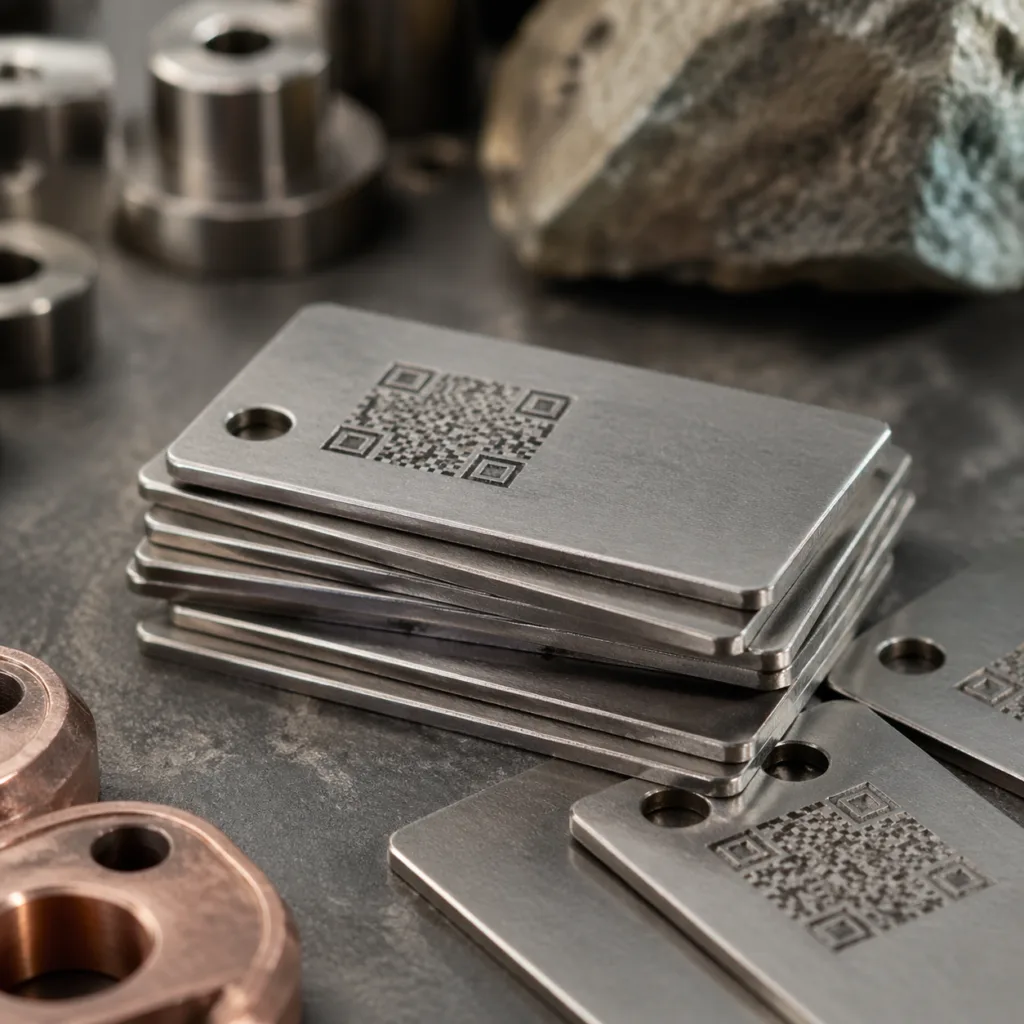
- QR/barcode tracking for batch verification
- Third-party audit applications
Strong transparency and responsible sourcing are essential for building lasting partnerships and ensuring the integrity of industrial metal identification products.
Certifications and Responsible Sourcing Initiatives
Certifications signal a company’s commitment to ethical sourcing and responsible sourcing. The Conflict-Free Sourcing Initiative (CFSI), now the Responsible Minerals Initiative (RMI), sets rigorous standards for tracing and verifying mineral origins. Certifications like these influence purchasing decisions by guaranteeing products meet globally recognized benchmarks.
Organizations such as the OECD and the International Tin Supply Chain Initiative (ITSCI) are driving responsible sourcing sustainably. They provide frameworks and guidelines to help suppliers comply with due diligence and transparent sourcing practices. Yet companies often struggle with the costs, paperwork, and continual oversight required to obtain and maintain certifications.
Examples of certified companies demonstrate progress: Intel has achieved full certification for its suppliers, and automakers like BMW are participating in programs to track and verify mineral sources. Producers in the industrial sector, including those manufacturing metal tags and plates, increasingly pursue certification to meet international and client requirements.
Real-World Examples of Sustainable Mining Practices
Several companies are making strides in sustainable mining and ethical sourcing. Leading gold producers such as Newmont Corporation utilize advanced environmental management systems to minimize waste, restore mine sites, and ensure conflict-free mineral supply. Tin mining firms in Indonesia and Rwanda have implemented traceability protocols, documented through international audits.
These companies often rely on a set of methods:
- Strict control and vetting of mining operations
- Community consultation and participation
- Investment in reclamation and habitat restoration
- Digital tracking of mineral batches
- Certification under recognized standards
The impact on business and stakeholders is tangible—enhanced reputation, improved access to global markets, and increased trust among consumers and partners. Rain Chen at UC Tag recalls working with suppliers who prioritized local employment and restoration, ensuring community benefits remain after the mine closes.
Challenges—such as unpredictable environmental conditions or supplier resistance—are managed with ongoing education, open communication, and responsive adjustments. Consumer feedback and a strong presence in local communities have proven essential, with public input shaping more responsive and transparent policies.
Challenges in Ethical Sourcing
Despite rising adoption of ethical sourcing, significant barriers remain. Verifying supply sources can be complicated, especially as supply chains span multiple countries and involve many intermediaries. Sourcing conflict-free minerals and maintaining supply chain transparency often lead to increased costs for technology, audits, and certification.
Inside many organizations, resistance to change persists—some may believe the old methods are adequate or worry that ethical sourcing will slow down production. For buyers, greenwashing is a real concern, where companies exaggerate claims of sustainability or responsible sourcing to attract customers without real proof.
Strategies to overcome these challenges include targeted education, gradual implementation of auditing and transparency systems, and increased collaboration with stakeholders. Buyers can request documentation, visit supplier facilities, and use external verification agencies. Ensuring ethical sourcing is a practical, ongoing effort, not a one-time fix.
Solutions for a More Ethical and Sustainable Future
Improving ethical sourcing in metal production demands new technology, cross-sector partnerships, and ongoing education. Innovations such as AI-driven mineral tracing and real-time environmental monitoring help identify risks and streamline responsible sourcing. Collaboration between manufacturers, NGOs, and regulators drives broader adoption of supply chain transparency and conflict-free minerals.
Educational initiatives are crucial: training programs for company staff and awareness campaigns for buyers help spread knowledge about ethical sourcing standards and best practices. Consumer demand for responsibly sourced materials continues to grow, pressuring suppliers and manufacturers to adapt. Industry trends indicate more digital traceability, stricter certifications, and wider use of sustainable mining methods in the coming years.
Responsible sourcing and ethical sourcing are becoming the new norm in metal production. Companies taking proactive steps today will be better positioned for the future—and able to offer confidently sourced products to their customers.
Design & Spec Checklist for Metal Tags
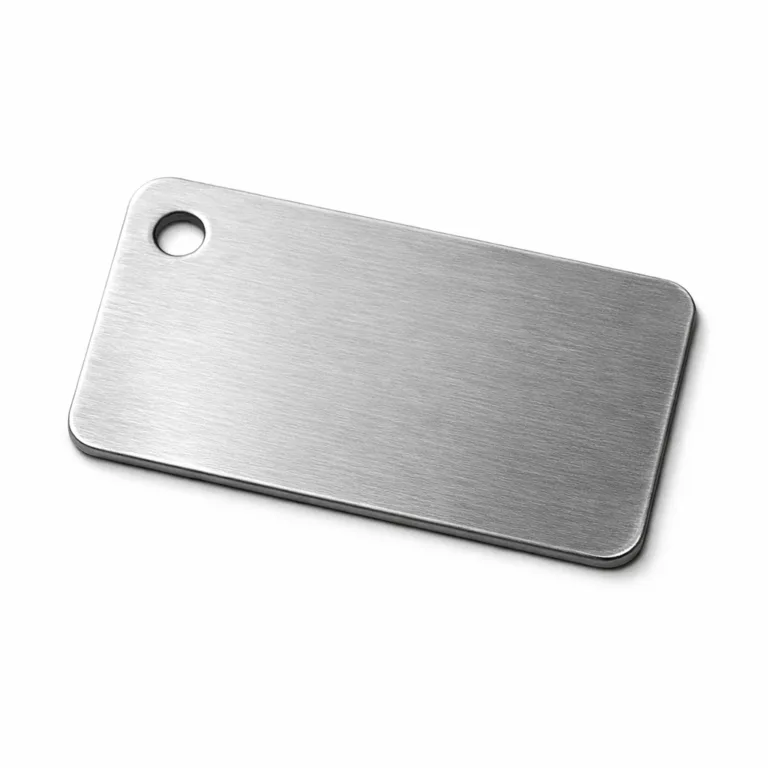
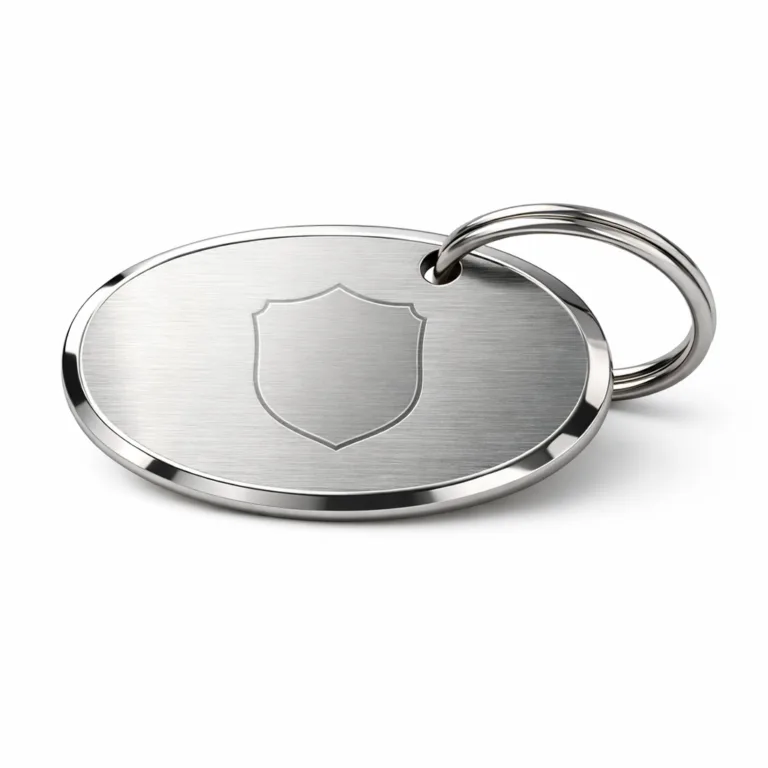
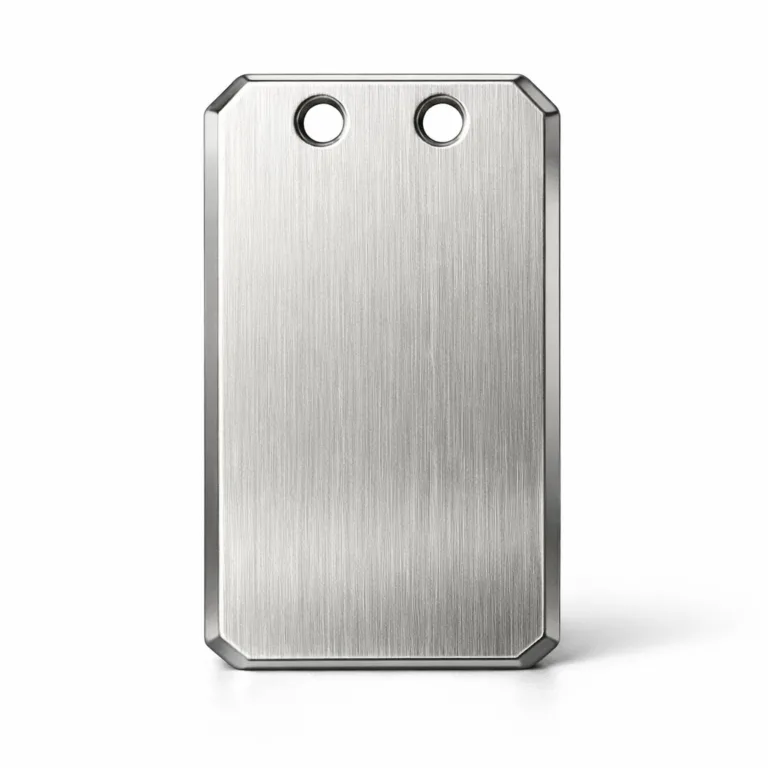
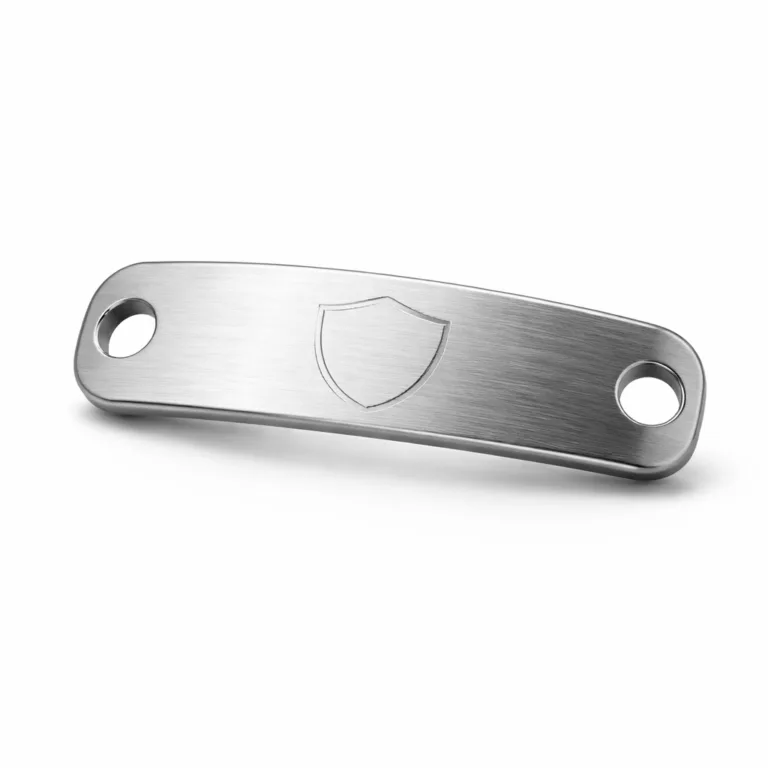
Customers seeking ethically sourced metal tags must also consider design, durability, and readability. Applications range from industrial nameplates to branded logo tags and consumer products. Selecting the right size, thickness, and finish ensures reliable performance—even in harsh environments.
- Recommended thickness: 0.5–2.0 mm (project-dependent)
- Common shapes: rectangle, circle, oval, custom die-cut available
- Durable finishes: anodized aluminum, matte nickel, PVD coatings for corrosion resistance
- Attachment options: 3M adhesive backing, rivet holes, screw mounts
- Readable engraving vs. stamping: prioritize contrast for outdoor and industrial use
- Branding elements: debossed or embossed logos, deep engraving
- Ethical sourcing: verify supplier certifications for conflict-free minerals when selecting materials
UC Tag maintains a checklist for responsibly sourced metals and finishings with traceable documentation, helping buyers meet practical and ethical requirements. Here is a specification comparison table for metal tag selection:
| Spec Feature | Industrial Applications | Consumer Applications | Ethical Sourcing Consideration |
|---|---|---|---|
| Thickness | 1.0–2.0 mm (high durability) | 0.5–1.2 mm (lightweight) | Request conflict-free certifications for bulk materials |
| Finish | Anodized, brushed, matte nickel | Polished, gold-plated, painted | Prefer finishes that minimize environmental impact |
| Engraving/Stamps | Deep laser or CNC engraving | Shallow laser, stamped patterns | Verify supplier traceability for base metals |
| Attachment | Screw/rivet holes, industrial adhesives | 3M adhesive, key rings, straps | Check the eco-friendliness of adhesives used |
| Brand Elements | Debossed, QR/barcode, batch serial | Custom logos, shapes, colors | Audit logo plates for source materials |
For more guidance on choosing the right material for your application, see Stainless Steel vs Aluminum Dog Tags: Which Tag Material Is Right for Your Project?.
Common Mistakes and Troubleshooting
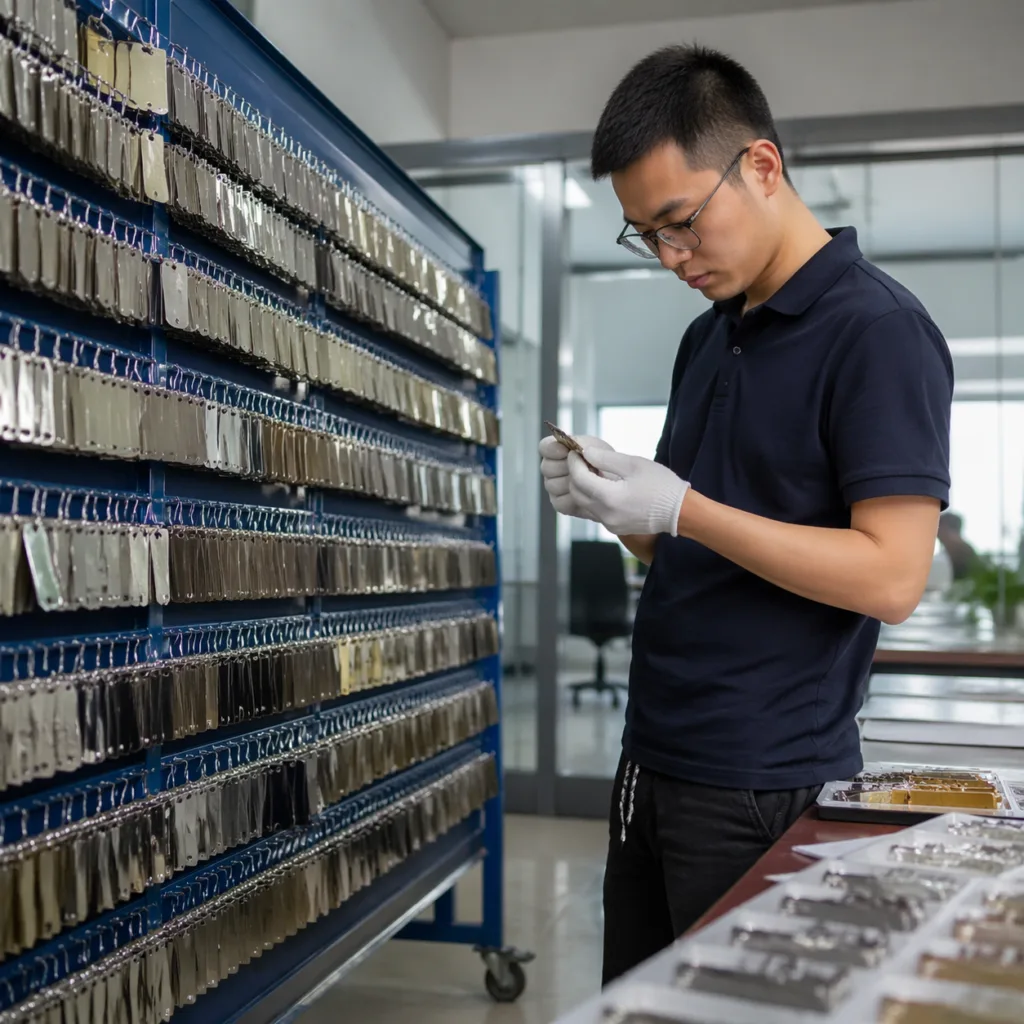
When sourcing and producing metal tags, common mistakes often relate to ignoring ethical sourcing and material quality. Unreadable text, poor contrast, or improper adhesive selection can result in tags peeling or failing under stress. Using uncertified materials undermines both physical durability and supply chain integrity.
Preventative measures for corrosion and abrasion include selecting finishes proven for outdoor use and prioritizing ethically sourced metals. Rain Chen of UC Tag emphasizes prototyping and robust quality checks: production trials can uncover defects in stamping or engraving, helping teams optimize manufacturing before full-scale runs.
Troubleshooting manufacturing defects starts with reviewing supplier documentation and comparing results against specification checklists. Buyers should request sample tags and inspect them closely for durability and readability—even on the smallest engraving details.
For sample requests and sizing references, review available standard samples before confirming mass production requirements.
Frequently Asked Questions
What defines conflict-free minerals?
Conflict-free minerals are those extracted and traded independently of armed conflict and exploitation, verified through documentation and certifications to ensure ethical sourcing and sustainable mining in metal production.
Why is supply chain transparency important?
Supply chain transparency allows buyers and manufacturers to trace the origin of materials, ensuring responsible sourcing and compliance with ethical standards, which builds trust and supports quality assurance throughout the industry.
How can companies implement ethical sourcing?
Companies implement ethical sourcing by vetting suppliers, conducting audits, obtaining certifications, tracing materials, and educating staff on best practices, with technology like blockchain facilitating real-time verification.
What challenges may arise when sourcing ethically?
Challenges include verifying supplier authenticity, higher costs for sustainable sourcing, resistance to changing established processes, risk of greenwashing, and logistical issues in tracing materials across complex supply chains.
Which certifications should I look for?
Look for certifications such as the Responsible Minerals Initiative (RMI), Conflict-Free Sourcing Certification, and industry-specific standards that ensure suppliers adhere to ethical sourcing and responsible sourcing requirements.
How does consumer awareness influence sourcing decisions?
Increased consumer awareness drives manufacturers and buyers to prioritize ethical sourcing, conflict-free minerals, and sustainable mining practices, leading to stronger regulations and more transparent supply chains.
Related Reading
- How ISO 9001 Improves Quality and Reliable Metal Tag Production
- Brass Dog Tags: Balancing Durability with Ethical Sourcing
- Durability vs. Clarity: Engraved vs Printed Metal Tags Explained
- Nickel-Free Certification & European Compliance for Safe Sourcing
- Achieving Lead-Free CPSIA Compliance: A Guide for Industrial Buyers
- Avoid Costly Design Mistakes in Custom Metal Tag Orders