Designers and B2B buyers often seek creative ways to make their products stand out, and incorporating popular themes can be tempting. However, understanding the risks and rules around Intellectual Property, Copyright, Pop Culture Designs, Licensing, and Fair Use is essential. For those involved in manufacturing, procurement, or branding—especially when durable metal tags are in play—the legal and practical stakes are high. This guide will help you embrace inspiration, minimize risk, and confidently create compliant designs.
Understanding Intellectual Property
Intellectual Property (IP) refers to creations of the mind that are legally protected against unauthorized use. It encompasses several main types: copyrights, trademarks, and patents.
Copyright protects original works of authorship, such as artwork, movies, and music. Trademarks safeguard brand identifiers, such as logos and slogans. Patents protect new inventions and processes.
IP rights are crucial for preserving the value of creative output. When a designer or manufacturer secures these rights, it establishes ownership and provides leverage in commercial relationships. This is especially true in negotiations or Licensing agreements with brands or their representatives.
Neglecting IP can lead to counterfeit claims, lost value, and legal disputes, even resulting in product recalls or supply interruptions. In mass-produced fields like metal tags, the reputation and financial cost can be hard to recover from.
Fair Use, a concept often debated in creative circles, allows limited use of copyrighted material under specific circumstances. Knowing how and when fair use applies to your designs enables smart innovation while avoiding unnecessary legal risk.
Common Copyright Issues in Pop Culture Designs
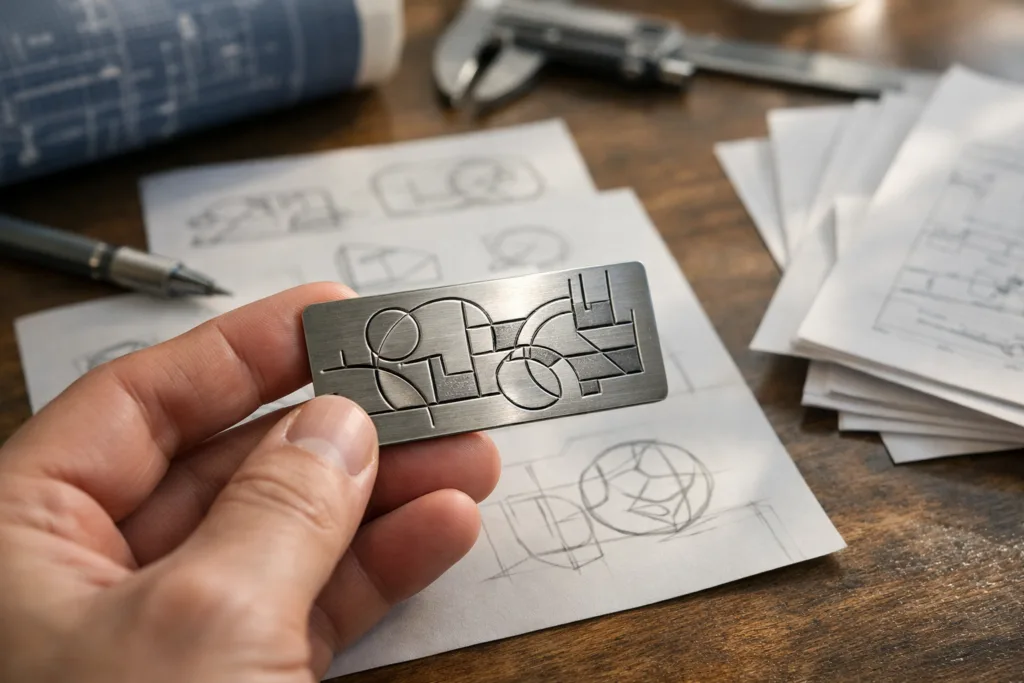
When integrating pop culture elements—think movie superheroes, famous quotes, or character shapes—designers must tread carefully. Copyright infringement occurs if a design copies another creator’s work without permission, especially if it affects the commercial potential or reputation of the original owner.
Examples abound: using a film studio’s mascot, redrawing a famous cartoon, or mimicking iconic logos can invite trouble. Parody is protected in some cases, where the design purposefully mocks or comments on the original, but there’s a fine line separating parody, homage, and outright infringement.
Homage acknowledges the source in a respectful and creative new context, while infringement copies protected elements without significant transformation or purpose. Originality is key in pop culture designs—add enough creative expression or commentary, and your design is less likely to be infringing.
Consider the case of a company that mass-produced tags shaped like a certain wizard’s glasses and lightning bolt. Without a proper Licensing agreement, production was halted, and inventory destroyed after legal intervention. Contrast this with brands that cleverly reference general genres or blend subtle inspiration, resulting in successful, compliant designs.
The Importance of Licensing Agreements
Licensing is the process of obtaining official permission to use someone else’s Intellectual Property. Licenses may be exclusive, granting one party the sole right to use the IP, or non-exclusive, allowing multiple users with defined terms.
To obtain a license, approach the rights holder, submit your intended use, negotiate terms, and secure a contract. For instance, a designer may license a superhero insignia for a limited-edition metal bag tag.
- Licensing secures you against legal action.
- It clarifies royalties, production volumes, and quality standards.
- Holders can specify colors, shapes, or distributions allowed.
Notable examples include officially licensed film-themed keychains or luggage tags, often found in retail and event markets. These products leverage pop culture cachet while respecting copyright owners.
Neglecting Licensing can result in cease-and-desist letters, inventory seizure, or litigation. For ongoing production, buyers should confirm all pop culture references are licensed—or original—before manufacturing.
Navigating Fair Use in Design
Fair Use provides a legal defense for certain uses of copyrighted work without permission, often pertaining to commentary, criticism, or parody. Applying Fair Use in design involves careful analysis and, ideally, expert legal advice.
Court decisions on Fair Use typically examine four factors:
- The purpose and character of your use (Is it transformative? Is it commercial?)
- The nature of the copyrighted work
- The amount and substantiality of the portion used
- The effect of your use on the potential market or value
Designers can reduce risk by transforming the context, adding new meaning, or using only minimal, nonessential elements. For example, a tag referencing a classic movie scene through abstract geometry—adding commentary rather than imitation—may be better shielded by Fair Use.
Several high-profile cases have recognized creative reinterpretations, notably in streetwear and art industries. However, relying solely on Fair Use, especially in commercial projects, is risky without legal counsel, as interpretations vary.
Material Comparison for Durable Tags
Material selection has a direct impact on the durability, appearance, and compliance of metal tags inspired by pop culture designs. Aluminum, stainless steel, and brass each have distinct properties that affect final results.
| Material | Durability | Corrosion Resistance | Finish Options | Copyright Risk | Best Use Case |
|---|---|---|---|---|---|
| Aluminum | High | Good | Anodized, printed, etched | Low (if design is original) | QR tags, outdoor, lightweight |
| Stainless Steel | Very High | Excellent | Engraved, polished, brushed | Low | Industrial, medical, ID tags |
| Brass | High | Moderate | Antique, matte, deep engraved | Low | Luggage, collectible, classic look |
For pop culture-influenced artwork, finishing processes like anodizing (for aluminum) or deep engraving (for steel and brass) can boost both longevity and design clarity. Rain Chen, production manager at UC Tag, notes that material choices can also help differentiate original designs—choosing a unique finish or color scheme may avoid direct imitation while enhancing the tag’s value.
Manufacturing Methods and Their Impact on Design
Metal tags can be produced by a variety of methods, each affecting how closely a design can mimic or transform a pop culture reference. The main methods are engraving, stamping, chemical etching, and printing.

- Engraving: Offers the greatest detail and durability, suitable for intricate logos and text. Works well with stainless steel and brass for long-term use.
- Stamping: Economical for large runs with simple shapes and text—best for utility and industrial tags.
- Chemical Etching: Enables fine details and multi-depth design elements. Ideal for logo plates or commemorative tags needing subtlety.
- UV Printing: Captures full-color artwork but is less durable outdoors unless paired with a protective layer.
Complex pop culture designs—think layered comic icons or fantasy motifs—may require a mix of etching and color-fill techniques. Intricate elements, like micro-engraved QR codes or cut-out shapes, demand specialized machinery and close compliance checks so they don’t cross infringement boundaries.
For inspiration, see how custom die-cut shapes elevate branding and pop culture references, staying both creative and compliant.
Design & Spec Checklist for Durable Metal Tags
Before production starts, every detail matters. Here’s a practical checklist to help ensure your design is both effective and legally compliant:
| Specification | Recommendation | Design Watch-Out |
|---|---|---|
| Size & Shape | Match branding & attachment point | Too small may impact visibility & IP interpretation |
| Thickness | Min. 0.8mm for durability | Too thin can fail industry tests |
| Finish | Choose for both wear-resistance and distinction | Directly copying IP-specific colors/finishes raises risk |
| Attachment | Rivet, adhesive, ring, or chain based on use | Poor choice creates failure in the field |
| Readability | High contrast—deep engraving or ink infill | Low contrast may be difficult to read or scan |
Ensure design elements pass contrast and scanner tests, particularly for QR code tags or asset IDs. For more about clarity and durability pitfalls, see this guide to readable, durable tags.
Assessing Durability and Testing of Metal Tags
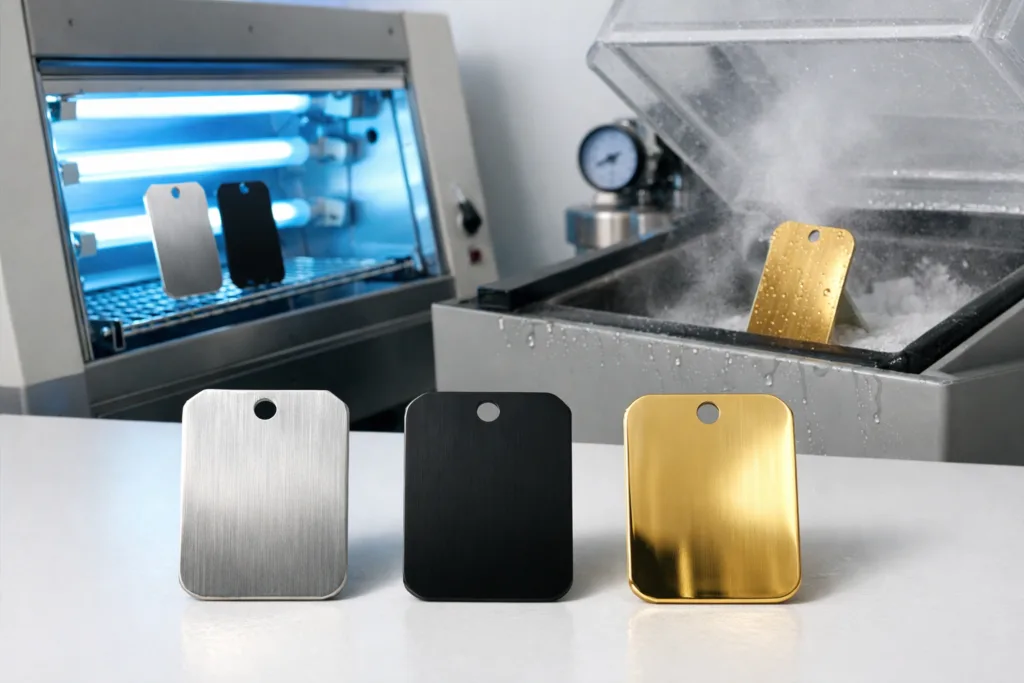
Durability is especially vital for pop culture or branded tags intended for long-term or outdoor use. Standard tests include corrosion (salt spray), abrasion (simulated wear), UV exposure, and impact resistance.
For applications facing chemicals, sunlight, or frequent handling—like branded keychains or bag tags—corrosion and UV tests are essential. A high-end stainless steel tag may last years in heavy-duty conditions, while aluminum with an anodized finish performs well outdoors but may wear faster under heavy abrasion.
Adhering to industry standards is good practice. For example, tags used in wine or food must comply with regulatory guidelines; see regulatory compliance advice here. Material selection is critical, so consult with your manufacturer early if facing unique environmental challenges.
Industry Applications and Use Cases
Pop culture designs on metal tags are found in industries from consumer branding to industrial asset tracking and event merchandising. In the industrial sector, companies use durable asset tags with subtle color cues referencing well-known themes, avoiding copyright issues but enhancing utility and recognition.
In fashion and events, brands order limited-edition luggage tags or keychains with licensed movie motifs. Commercial buyers appreciate creative solutions—like oversized tags for streetwear—that add personality while respecting IP laws. Pet tag manufacturers, for example, steer clear of directly copying comic figures, but might choose geometric interpretations to evoke the same spirit safely.
UC Tag has supported clients worldwide in developing unique, brand-consistent tags by guiding teams on the balance between trend-driven appeal and robust legal compliance. This approach helps clients minimize risk, maximize design integrity, and enhance brand recognition across environments from showrooms to the field.
Common Mistakes and Troubleshooting Tips
Some common missteps include choosing overly thin materials, resulting in failed durability tests, or selecting adhesive backs that don’t match the tag application environment. Another pitfall—blurry, unreadable text—often arises from insufficient art resolution or poor finish choice. Using design elements too close to protected IP is also risky, potentially leading to delayed orders or rework.
To prevent issues:
- Test artwork for high visibility on your chosen material and finish.
- Ensure all attachment methods are field-appropriate.
- Consult your manufacturer regarding copyright compliance on novel features.
- Increase contrast where outdoor readability is critical, such as using ink infill or deep engraving.
- Finalize proofing with compliance and durability in mind.
For high-contrast, compliant samples, check out case studies in The Practical Guide to Designing Dog Tags That Remain Readable and Durable.
Ordering Guide for Custom Metal Tags
Ordering custom tags involves a structured process. Start by clarifying your minimum order quantity (MOQ), desired lead time, and artwork requirements. Always request production proofs or samples, especially for designs referencing pop culture, to confirm copyright compliance and manufacturing accuracy before mass production.
Consider how your tags will be packaged and shipped for protection. Use the checklist below to guide your orders:
- Confirm IP and Licensing status for every design
- Submit vector-based artwork
- Review finish and attachment specifications carefully
- Ask for durability testing reports when needed
Leverage manufacturers like UC Tag who offer experience with compliant, custom manufacturing options for industrial, commercial, and promotional markets. If exporting, consult the HS Codes for Metal Tags & Keychains for compliance with international regulations.
Frequently Asked Questions
What is the difference between copyright and trademark protection?
Copyright protects creative works like art and design, while trademark protects brand names, logos, and symbols used in commerce; both can apply to metal tags depending on the application.
Can I use pop culture designs in my product without a license?
Using pop culture designs without a license introduces significant legal risk unless your use falls under fair use or is substantially original—when in doubt, secure a license or redesign.
What materials are most durable for outdoor branding tags?
Stainless steel and anodized aluminum offer exceptional outdoor durability and corrosion resistance, making them ideal for harsh environments and long-term branding needs.
How does fair use apply to custom metal tag designs?
Fair use may apply if the design is transformative, such as for parody or commentary, but it’s a complex defense and should not be relied on for mass-produced, commercial goods without expert advice.
What should I check before submitting artwork for production?
Make sure your artwork is original or licensed, supplied in high-resolution vector format, designed with appropriate contrast, and compliant with all IP regulations relevant to your target markets.
How can I ensure my tags pass durability tests?
Select materials suitable for your product’s environment, request proof samples for field testing, and consult your manufacturer for applicable industry standards and test reports before full production.
Related Reading
- Compare Engraved vs Printed Tags for Durability and Style Choices
- Material Face-Off: Stainless Steel Versus Aluminum—Which Tag Suits Your Needs?
- Maximize Readability and Longevity with Practical Dog Tag Design
- DIY Edge Control for Die-Cut Tags: Avoiding Bleed and Border Errors
- Ensure Your QR Codes Scan Every Time—Expert Guide to Metal Surfaces