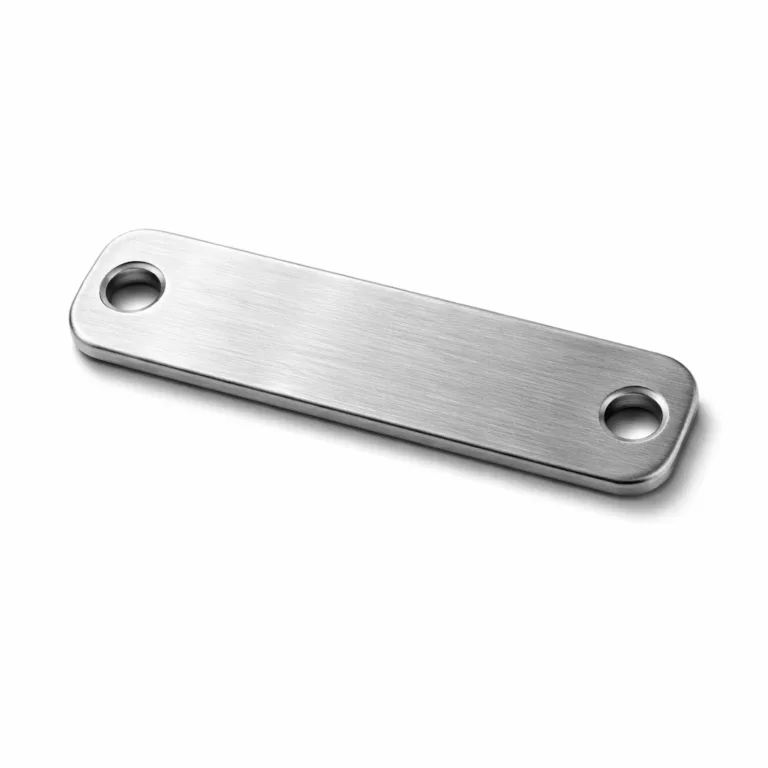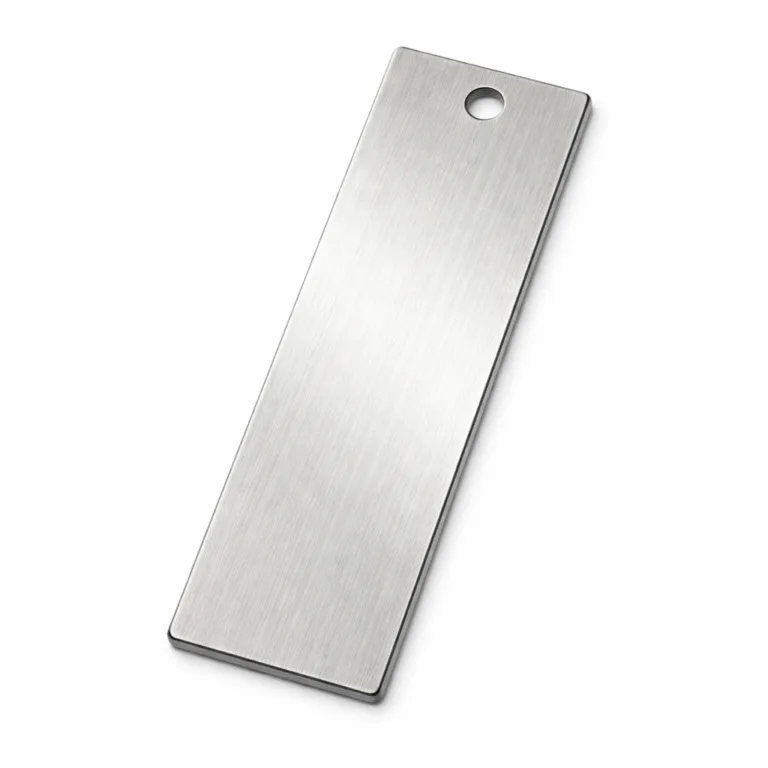
Digital points and app badges are easy to launch, but they are also easy to forget. In many loyalty and membership programs, the real challenge is not setting up a reward mechanic. It is making progress feel visible, memorable, and worth talking about. That is where achievement tags can be useful. A well-made metal tag turns a milestone into something members can hold, collect, display, trade stories about, and connect back to your brand. For program owners, that changes the reward from a temporary notification into a physical marker of progress.
For teams building collectible membership reward tags, the practical value goes beyond appearance. We often see buyers use metal tags to support tier progression, attendance streaks, anniversary recognition, challenge completion, and premium member retention. The tag can carry variable data, color coding, serial numbering, attachment features, and themed packaging, which makes it easier to align each piece with a real loyalty mechanic while still planning sampling, bulk production, and repeat releases in a controlled way.
Why achievement tags work better than digital-only rewards in some programs
Not every membership program needs a physical reward. But when the goal is long-term participation, community identity, or higher perceived value, a metal tag can do something a screen notification cannot. It creates permanence. It can be clipped to a bag, displayed on a board, added to a keyring, packed into a welcome kit, or kept as proof of status.
From our manufacturing perspective, the difference is not only that metal feels premium. The difference is that physical rewards slow people down just enough to notice the milestone. A member who receives a tag for finishing a training path or maintaining a six-month streak is more likely to remember the moment, show it to someone else, and anticipate the next release.
That said, reward design matters. Research on reward design in gamification points out that rewards work better when they reinforce mastery, progress, and recognition rather than acting like random giveaways. In practice, that means achievement tags should represent earned status, completion, or belonging. If the tag feels disconnected from effort, the collectible value drops quickly.
Where custom metal achievement tags fit best
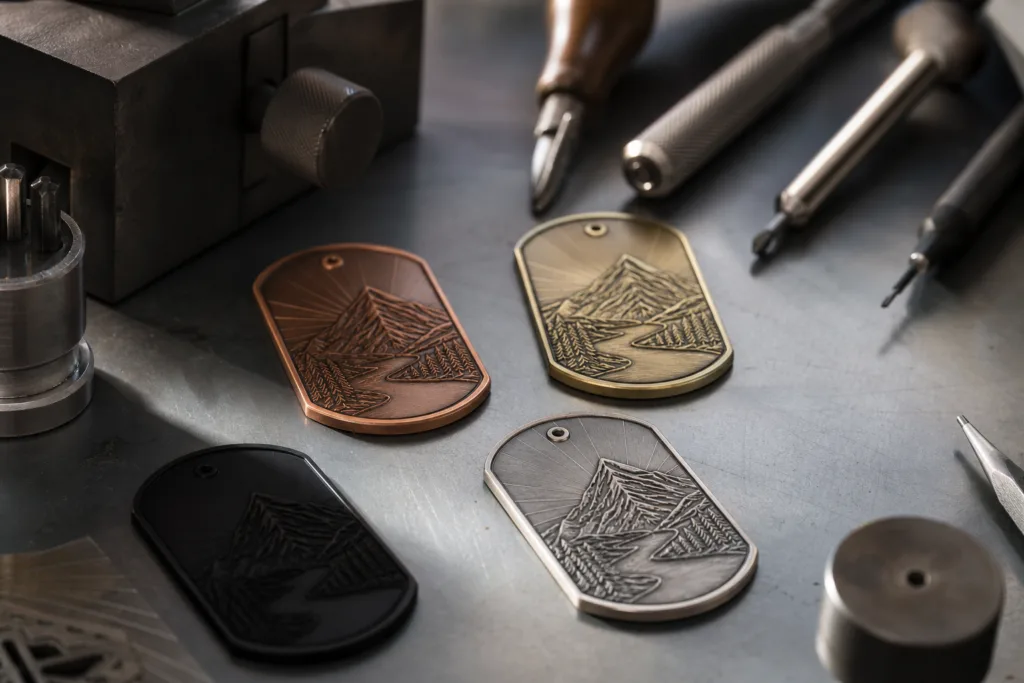
We usually see the strongest fit in programs where milestones have a story behind them. Achievement tags are especially effective when members want to build a visible collection over time.
Membership tiers and anniversary rewards
Bronze, silver, gold, founder, five-year member, and VIP access programs map naturally to metal tags. Material, finish, and edge style can help make each step feel distinct without changing the whole production setup each time.
Communities and clubs
Running clubs, maker communities, private associations, car clubs, alumni groups, and fandom memberships often want a physical symbol of belonging. A tag can mark participation, role, contribution, or seasonal achievements.
Training and certification pathways
For internal training, workshops, field service education, or skill tracks, a tag can recognize module completion, safety milestones, or advanced qualification. In these cases, readable numbering and durable marking matter more than decorative effects.
Events and challenge series
Limited runs for annual summits, chapter meetups, charity challenges, or multi-event attendance programs work well because members start looking forward to the next release. If the event relies on delivery presentation, metal tags for unboxing-driven engagement can make the arrival feel like part of the reward itself.
Retail loyalty and repeat-purchase mechanics
Some brands use physical tokens or tags instead of paper cards or digital stamps. This works well when the brand wants a more durable object and a higher keepsake value. For simpler redemption loops, many teams also borrow ideas from reusable loyalty token strategies to decide when a tag should be collectible, redeemable, or both.
How to design a tag system that people actually want to complete
Many weak loyalty programs fail for a simple reason: the reward ladder is vague. Members do not know what exists, what counts as progress, or what makes one reward different from another. With achievement tags, the system should be clear before artwork begins.
Start with a progression model
Choose one primary logic and keep it consistent. Common models include milestone completion, time-based retention, streak maintenance, challenge series, referral achievements, spend thresholds, or role-based recognition. If everything earns a tag, nothing feels special. It is better to define a limited set of moments that carry status.
Build visible collection logic
A set feels stronger than isolated pieces. That can mean matching shapes with changing finishes, a shared edge profile, a yearly back stamp, or a series number. A collection system helps members understand what they have and what they are missing.
Use limited editions carefully
Limited runs can increase urgency, but overusing them can frustrate members who join later. A practical approach is to keep core progression tags always available while reserving special finishes, event dates, or founder editions for time-bound releases.
Research on loyalty program reward design also supports the idea that visibility and progress cues influence engagement. In plain terms, members respond better when they can see what is available, how close they are, and why the next milestone matters.
Choosing the right metal tag specification
This is where many programs become either stronger or more expensive than they need to be. For buyers, the key is not only the visual concept. It is whether the specification matches how the tag will be carried, displayed, packaged, and reordered.
| Specification Area | Typical Choices | What to Confirm Early |
|---|---|---|
| Material | Aluminum, stainless steel, brass | Outdoor use, weight target, finish style, corrosion exposure |
| Thickness | Light, medium, heavy gauge | Hand feel, bending risk, mailing weight, attachment stress |
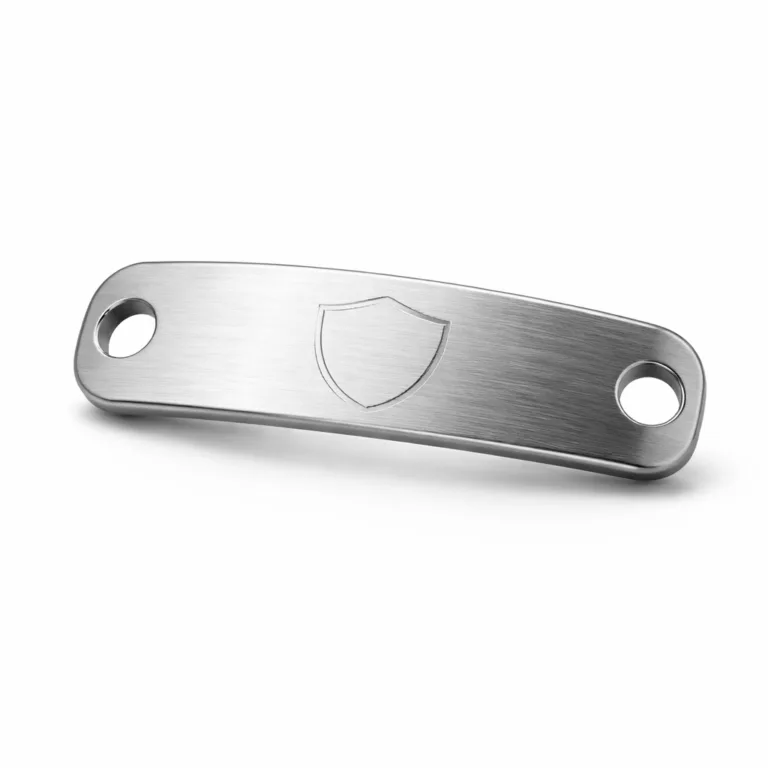
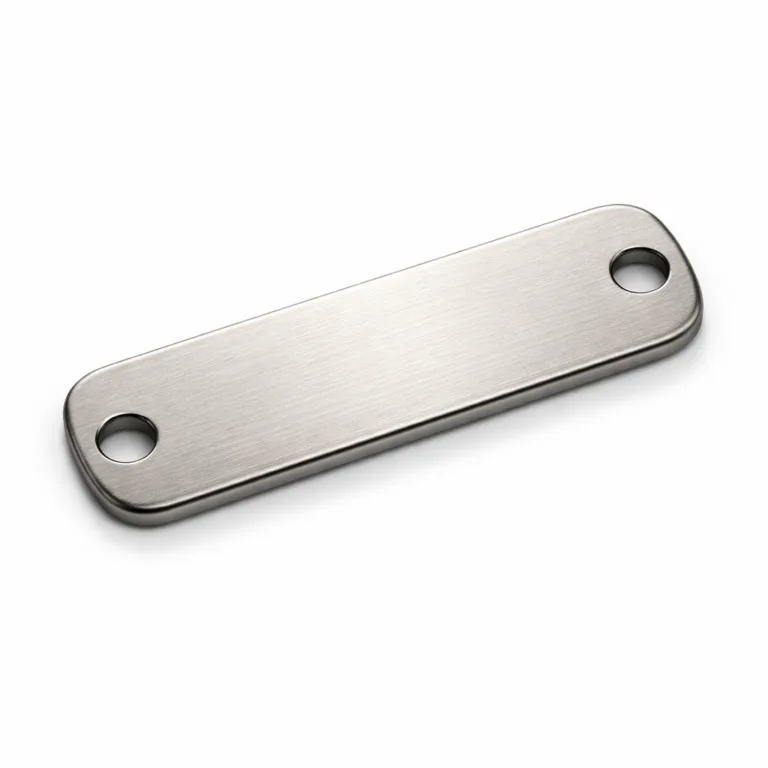
| Shape | Round, shield, rectangle, custom contour | Collection consistency, tooling cost, packaging fit |
| Finish | Anodized, brushed, polished, matte, plated | Color stability, scratch visibility, premium appearance |
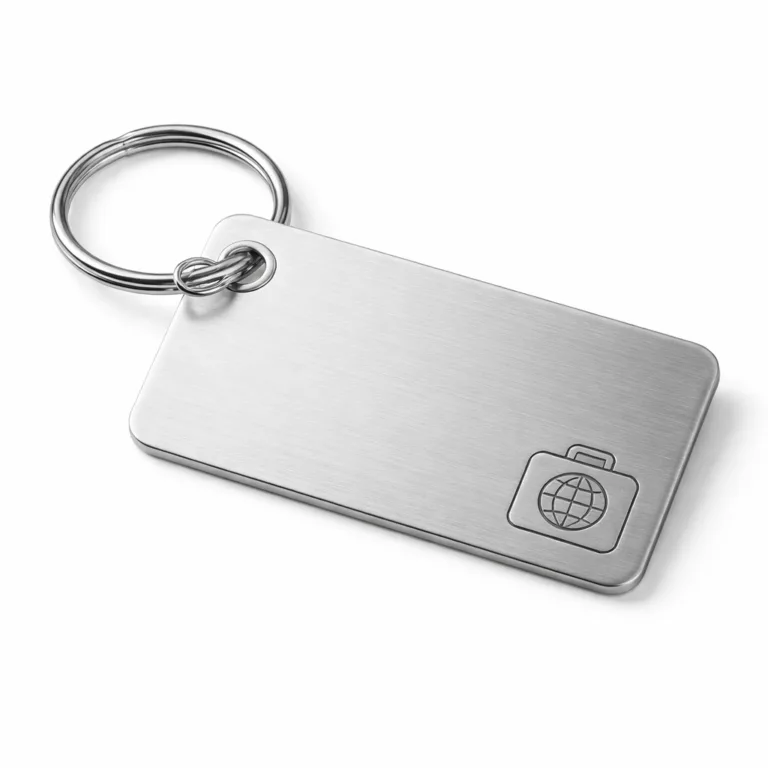
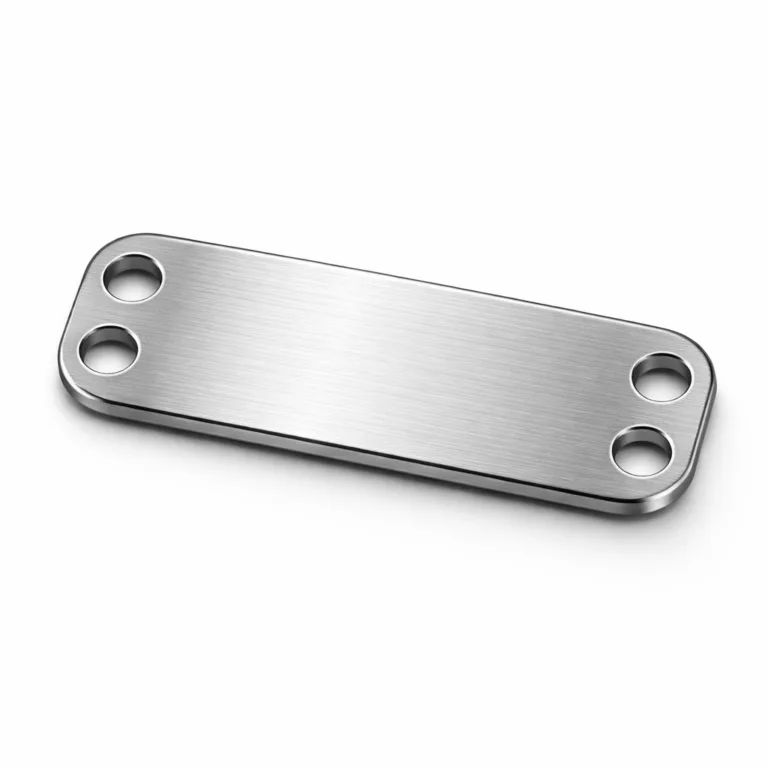
| Attachment | Hole, slot, split ring, chain, adhesive | How members carry or display the tag |
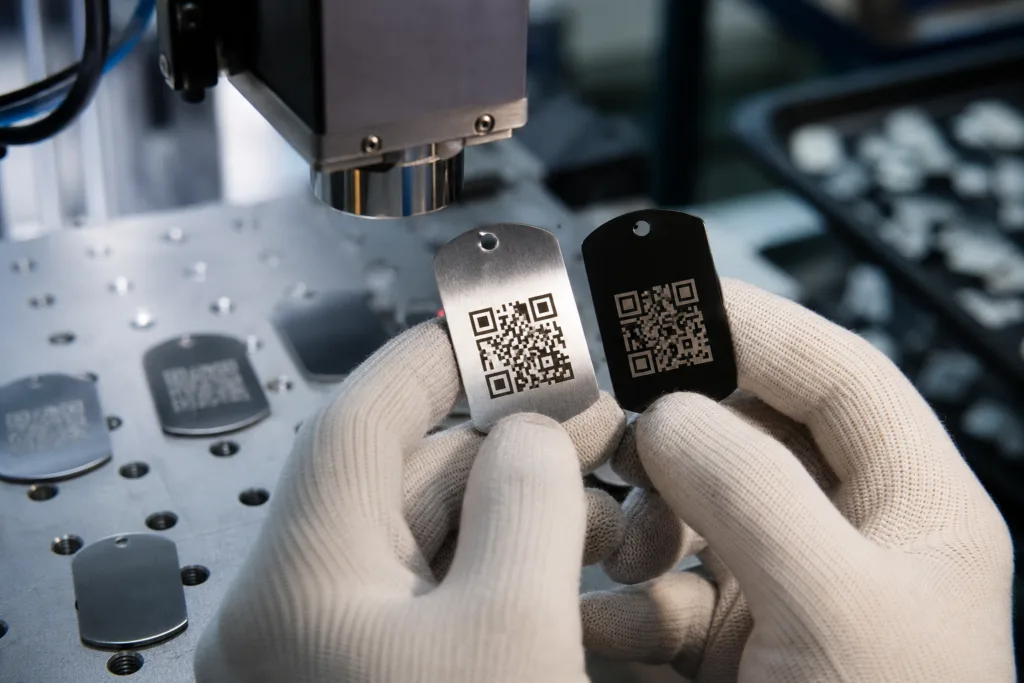
| Variable data | Serial numbers, names, codes | File format, sequence control, scan size, QC method |
Material choices
Aluminum is often a good choice for colorful membership tags because it is lightweight, easy to handle in bulk, and works well with anodized finishes. Stainless steel suits programs that want a more technical or durable feel, especially for outdoor communities or high-contact use. Brass works when the brand wants a classic, heritage-style appearance.
Thickness and size
A tag that is too thin may feel disposable. A tag that is too thick may raise cost, mailing weight, or attachment issues. For many membership uses, a medium thickness gives the best balance. Size should also match the job. Keyring-style tags need compact dimensions, while display-first awards can be larger.
Attachment method
This detail may look small, but it can create problems later if it is not confirmed early. A hole position that works on a sample may interfere with a QR code in production. Adhesive backing may suit a display board but not a bag tag. Chains and rings add functionality, but they also change packing volume and fulfillment time.
Marking methods for achievement tags
The marking method determines not only appearance, but also readability over time. We typically review this with buyers based on whether the tag is decorative, functional, data-driven, or all three.
Laser engraving
Good for precise text, names, serial numbers, and clean line detail. It is a practical choice when each tag needs unique data or when the project requires short-run flexibility.
Chemical etching
Useful for finer artwork, recessed detail, and higher-end visual definition. Etched tags often work well for premium club series, commemorative editions, or tags with layered artwork.
Stamping
Best when the design relies on formed depth, texture, or a coin-like feel. For membership programs that want a tactile collectible, stamping can increase perceived value, though setup planning is more important.
Screen or UV printing
Useful for color coding, logos, level indicators, and visual themes. Many gamification programs combine a durable base mark with printed color so members can identify tag levels instantly.
QR codes and barcodes
If the tag needs to connect to digital member records, event check-in, or redemption tracking, QR codes and barcodes can help. The main issue is not whether a code can be added. The main issue is whether the code size, contrast, and surface finish support consistent scanning after handling. In our custom production work at UC Tag, we usually ask buyers to confirm scan distance, scanner type, code content length, and expected wear before locking artwork.
Connecting tags to the member journey
A good tag is only one part of the system. The program also needs clear timing, rules, and progression pacing.
Onboarding
The first tag should be easy enough to earn that new members quickly feel included. That first physical reward often sets the tone for whether the collection feels achievable.
Mid-program momentum
After the first reward, members need a path with visible steps. Too many easy rewards reduce meaning. Rewards that are too far apart reduce momentum. A practical pattern is to mix frequent small milestones with fewer status markers.
Redemption rules
Decide whether the tag is purely commemorative, unlocks benefits, or can later be redeemed. If it is redeemable, control copy and numbering carefully so duplicate claims are easier to prevent.
Reveal mechanics
Some programs announce the full set in advance. Others show only the next tag. Both can work. Full visibility supports planning and completion behavior. Partial reveal supports surprise and anticipation. If your program also uses basket-building promotions, ideas from gift-with-purchase tag promotions can help decide when a tag should reward spending versus participation.
Patterns that usually perform well
We see several structures repeat across successful programs.
- Tier ladder: each level uses the same shape with upgraded finish, color, or edge detail.
- Annual series: each year has a new face design but keeps the same back format for continuity.
- Challenge arc: members earn a sequence of tags that completes a set after multiple actions.
- Founders and veterans: early supporters receive a distinct mark that later members cannot earn.
- Member plus event pairing: a core membership tag is permanent, while event tags add to the story.
What makes these patterns work is not complexity. It is clarity. Members understand what the tag means, how it is earned, and how it fits into a bigger collection.
Operational planning before sampling and bulk production
Most project delays do not come from the idea. They come from missing production details. If you want repeatable releases, define the operating model early.
Artwork setup
Confirm logo version, line thickness, border clearance, code placement, hole position, finish zones, front and back content, and whether future editions will reuse the same template. If variable data is involved, separate fixed art from changing fields.
Data files
For numbering, names, member IDs, or codes, the file structure matters. One wrong column mapping can affect hundreds or thousands of tags. We recommend agreeing on file order, test records, checksum checks if needed, and sample proof logic before bulk release.
Samples and approvals
Physical samples are useful for confirming size, finish, edge feel, and readability. For programs with collectible intent, sample review should also include the emotional side: does the tag feel worth earning?
Packaging and fulfillment
Individual polybags, backing cards, envelopes, kits, and serialized packing all change labor and presentation. Membership projects often overlook the fact that packaging affects not only protection but also reveal experience and pick-pack speed.
QC checkpoints
For achievement tags, quality control should focus on data accuracy, finish consistency, attachment placement, scan performance if codes are used, burr-free edges, and pack-out accuracy by member tier or campaign batch.
Common mistakes that weaken the reward experience
- Too many tags too quickly: the collection loses hierarchy and members stop caring.
- No visible system: members cannot tell what they have earned or what comes next.
- Weak specification choices: thin material or poor finish makes the tag feel disposable.
- Unreadable variable data: code fields, serials, or names are too small for reliable use.
- Packaging mismatch: a premium tag arrives in a way that feels generic or damaged.
- Late rule changes: milestone criteria shift after artwork or numbering has already been prepared.
How to measure whether the program is working
If you are using achievement tags only because they look good, it is hard to judge success. Tie the project to measurable behavior. Depending on the program, that may include activation rate after onboarding, repeat purchase frequency, retention duration, referral actions, event attendance, challenge completion, or redemption rate by tag type.
It also helps to compare cohorts. Did members who earned the first physical tag stay active longer than members who only received digital points? Did limited editions improve attendance but reduce satisfaction among late joiners? Did adding serialization improve claim control? Over time, these answers help you decide whether to invest in more levels, better packaging, or different release pacing.
When buyers discuss these questions with us, we usually find that the strongest results come from aligning manufacturing choices with program mechanics. The tag itself is not the strategy. It is the physical expression of the strategy.
Conclusion
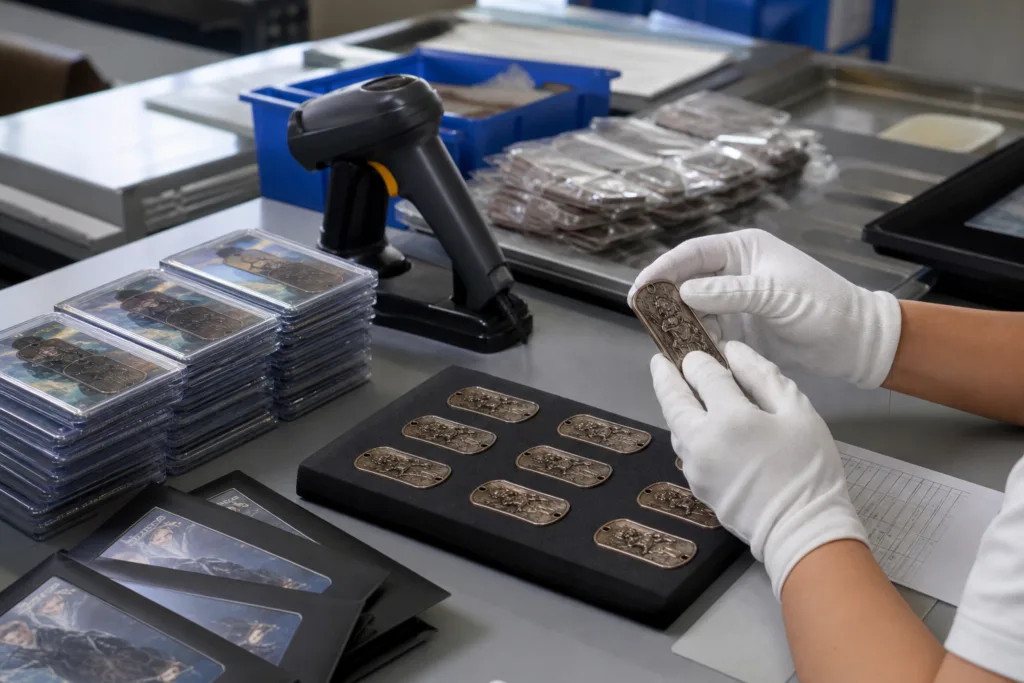
Achievement tags work best when they are treated as earned milestones, not generic freebies. The most effective programs connect each tag to a clear member journey, a visible collection structure, and a specification that matches the real use case. Material, finish, data handling, attachment, packaging, and release cadence all influence whether the reward feels meaningful or forgettable. If those details are planned early, custom metal tags can support stronger retention, better brand recall, and a more satisfying loyalty experience for members over time.
FAQs
What makes metal achievement tags better than digital badges for loyalty programs?
Metal achievement tags add permanence and perceived value that digital badges often lack. They are useful when a program wants members to remember milestones, display progress, and feel that an achievement was earned in a tangible way. They are not automatically better for every program, but they usually perform well when brand identity, collectability, and long-term retention matter.
Which metal is usually best for achievement tags?
The best material depends on how the tag will be used. Aluminum is often a practical choice for colorful, lightweight membership tags. Stainless steel suits a more durable or technical look, especially for outdoor or high-contact use. Brass fits programs that want a classic or commemorative appearance. The right choice should balance appearance, weight, finish, and cost.
Should achievement tags be engraved, etched, stamped, or printed?
That depends on what the tag needs to do. Engraving works well for names, serial numbers, and variable data. Etching suits finer artwork and a more refined visual effect. Stamping is useful when you want a formed, coin-like feel. Printing helps with color coding and level recognition. Many successful projects combine two methods so the tag looks strong and still carries readable information.
Can achievement tags include QR codes or serial numbers?
Yes, and many membership programs use them for verification, progress tracking, event access, or controlled redemption. The important part is making sure the code size, contrast, and placement support reliable scanning on the chosen finish. Serial numbering also requires careful file handling and QC so the sequence stays accurate during bulk production.
What should buyers confirm before approving a sample?
Before sample approval, buyers should confirm size, thickness, material, finish, edge quality, hole or slot position, front and back layout, packaging method, and any variable data format. If the tag includes a QR code or barcode, scan testing should be part of the review. This is also the stage to check whether the tag feels consistent with the reward level it represents.
How can a membership brand avoid overcomplicating an achievement tag program?
The simplest way is to start with a clear milestone system and a limited number of meaningful rewards. Define what each tag stands for, how it is earned, and how it fits into the broader collection. Keep the visual system consistent, avoid too many overlapping rules, and make sure production details like numbering, packaging, and fulfillment are manageable before expanding the program.
Related Reading