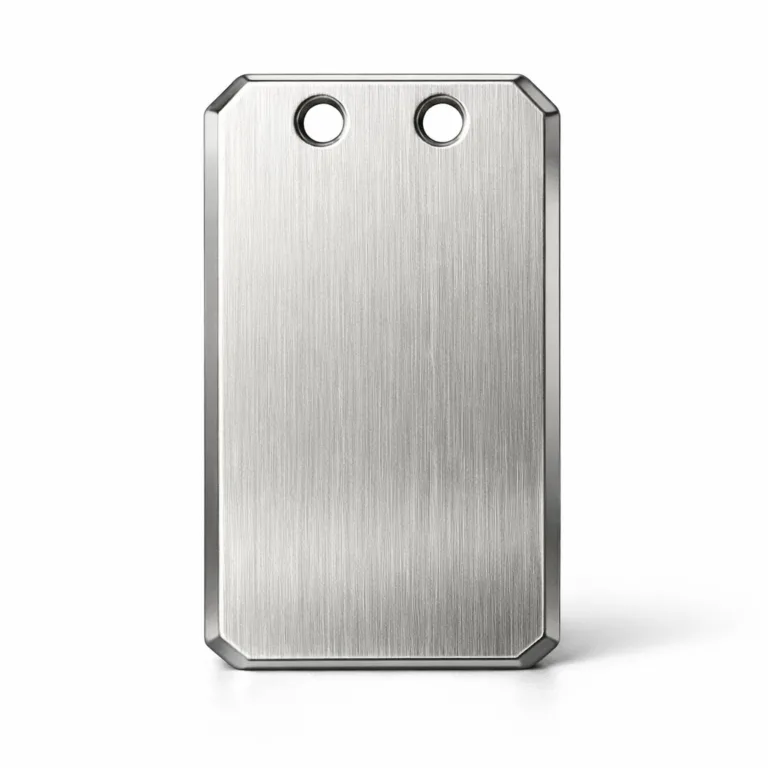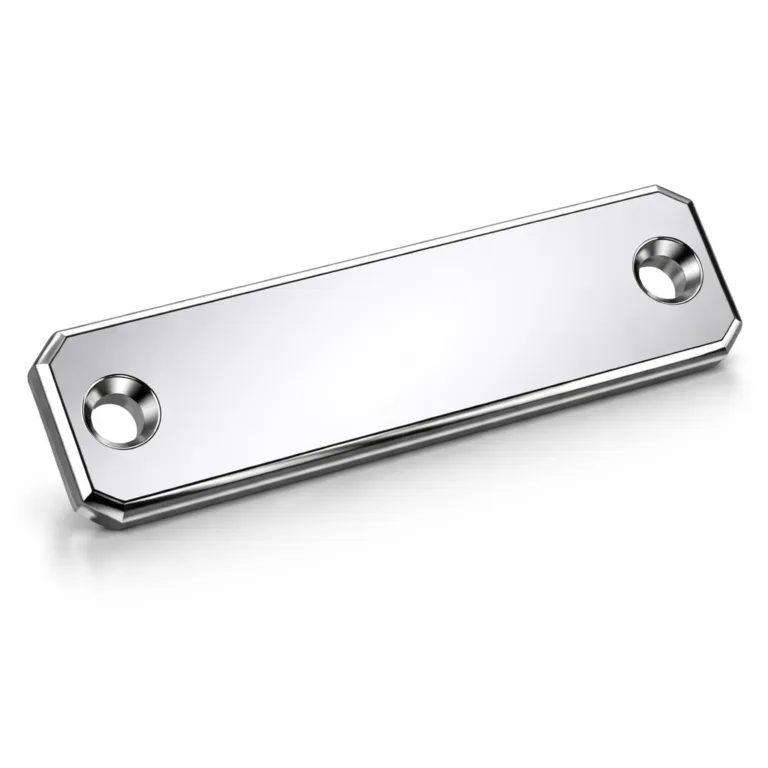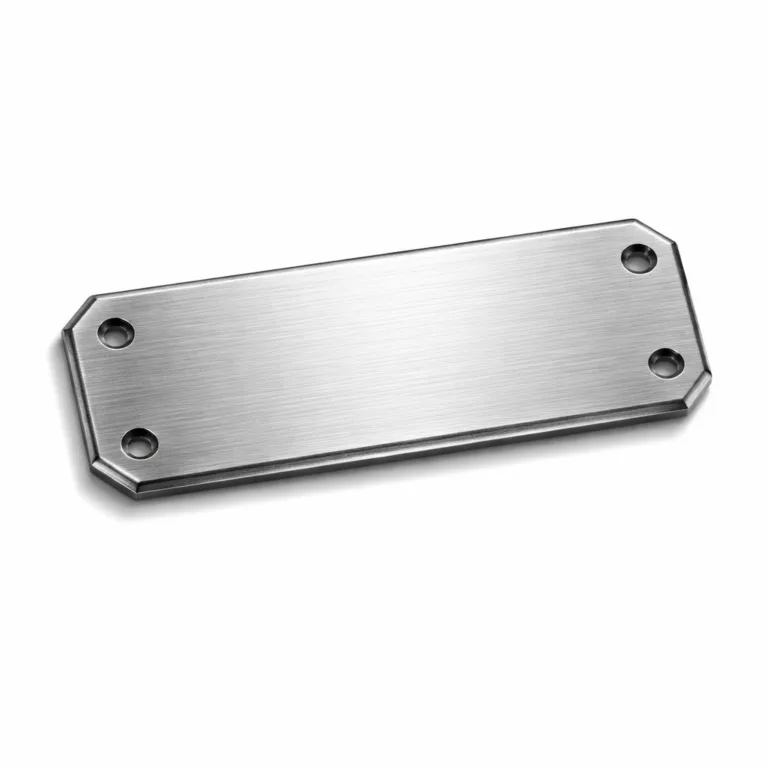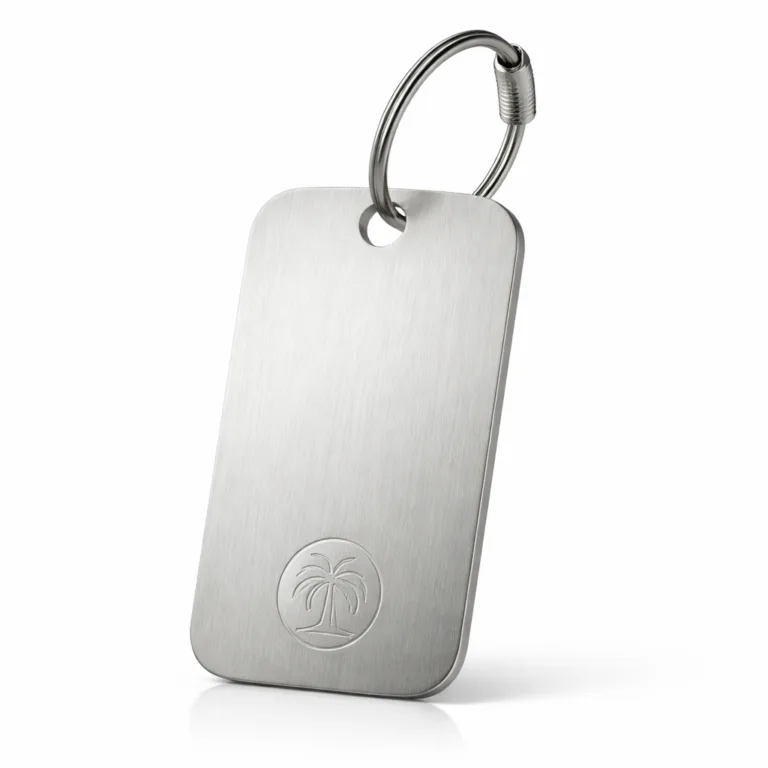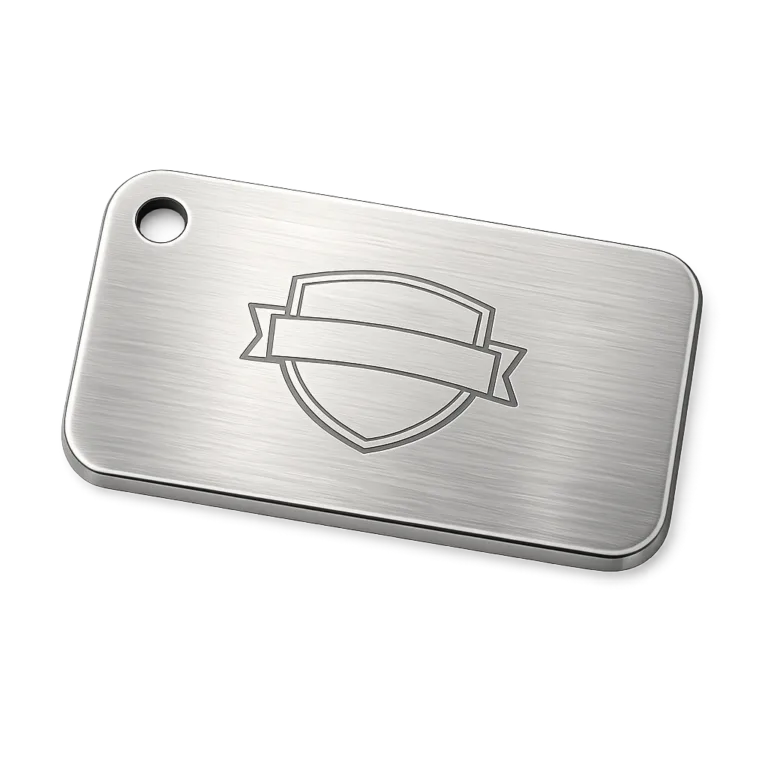
Gift With Purchase campaigns can look simple from the outside, but the real result depends on how clearly the offer is presented, how easy it is to understand, and whether the customer feels the threshold is worth reaching. For brands and retailers trying to increase Average Order Value, the goal is not just to add a free item. The goal is to shape buying behavior in a controlled way so shoppers add one more item, choose a higher-value product, or complete a bundle they may have skipped otherwise. From our manufacturing perspective, this is where physical tags matter more than many teams expect. A good tag does not just decorate packaging or displays. It helps turn an offer into an action at the exact point where the customer is deciding what to buy.
If your promotion depends on visibility, thresholds, or product-level communication, custom metal tag manufacturing solutions can support more than just presentation. We help buyers plan durable tags for premium GWPs, reusable shelf communication, branded hang tags for gift items, serialized or QR-linked promotional components, and sampling setups that make it easier to confirm size, finish, copy, and attachment before launch. This is especially useful when the offer needs to feel more valuable, stay readable across multiple stores, or support private label and campaign packaging at scale.
What Gift With Purchase means in practical retail planning
A Gift With Purchase offer gives the customer an extra item after meeting a condition. That condition may be a minimum spend, a product category threshold, a bundle purchase, or the purchase of a featured SKU. In practice, Gift With Purchase works best when the offer is easy to explain in one glance. If a shopper has to stop, decode the rules, compare exclusions, and ask staff for clarification, the lift usually weakens.
For planners, the question is not whether free gifts attract attention. They often do. The question is whether the campaign is structured to move the basket in the right direction. Some GWP offers increase units per transaction. Others shift customers into a target category, help sell slower-moving items with better pairings, or improve perceived value without heavy discounting.
This matters because Gift With Purchase is usually a margin management tool as much as a sales tool. A discount reduces price directly. A well-built GWP can preserve the product’s visible price while still giving the customer an extra reason to spend more.
Why Average Order Value matters in GWP strategy

Average Order Value is one of the clearest ways to judge whether a promotion changed the size of the basket. If a customer planned to spend $42 and increases the cart to $55 to qualify for a gift at $50, the promotion did its job. If the customer would have spent $55 anyway and simply receives a free item, the campaign may increase satisfaction but not true basket lift.
That is why threshold design matters. The target should feel close enough to be attainable, but high enough to influence behavior. In many projects, the best threshold is not a large jump. It is often a small, psychologically manageable gap that encourages one extra item. A shopper who sees “Spend $8 more to receive a gift” is far more likely to act than a shopper who sees a broad message with no clear next step.
At this stage, execution becomes operational. Retailers need consistent signage, category managers need clear offer logic, and brand teams need a display system that does not create confusion across stores or product pages. That is one reason some buyers review tag solution options for promotional campaigns early, before approving final copy or display layouts.
How GWP influences customer behavior
Gift offers work because they combine several buying triggers at once: perceived gain, urgency, threshold motivation, and decision simplification. The shopper feels they are getting more value, but they also receive a nudge to complete the transaction now rather than later.
The important detail is that the motivation is not just the gift itself. Sometimes the gift is modest. What really moves the decision is how the offer is framed. “Free pouch with $50 purchase” is clearer than “Special gift available with qualifying purchase.” One tells the customer exactly what to do. The other creates uncertainty.
Visual cues matter here. At the shelf or display, well-positioned offer communication can influence what gets noticed first and how quickly the shopper connects the promotion to the product. Research discussed by the point-of-sale signs and consumer attention study supports the idea that shelf-level visual communication can shape attention and buying behavior. For GWP campaigns, that means tags are not a small decorative detail. They are part of the decision path.
The role of tags in Gift With Purchase campaigns
In a GWP program, tags do three jobs. First, they make the offer visible. Second, they make the rules understandable. Third, they add urgency or perceived value without requiring a price cut.
This is where many campaigns succeed or fail. The buyer may have chosen a good gift and a workable threshold, but the customer never sees the offer clearly enough to act on it. Or the gift is visible, but the qualifying rule is hidden. Or the tag copy focuses on the gift but forgets to explain the spend amount, eligible products, or limited-time condition.
From our production perspective, the right tag format depends on how the offer is delivered:
- Shelf tags work when the threshold applies across a category or display bay.
- Hang tags work when the qualifying product or gift item needs a premium, tactile signal.
- Product tags help connect the offer to a specific SKU or bundle.
- Display tags help explain the campaign mechanics in an endcap, counter unit, or gift set area.
When teams want the promotion to feel durable or elevated rather than temporary, metal tags can add a premium signal that paper often cannot. This is especially relevant in beauty, gifting, travel, alcohol accessories, seasonal bundles, and branded merchandise campaigns where the tag itself contributes to perceived value.
Types of tags that support higher basket value
Shelf tags for threshold messaging
Shelf tags are useful when the customer is comparing options and deciding whether to add one more item. These tags should state the action clearly: the qualifying spend, the reward, and any obvious product scope. The best shelf tags reduce decision friction instead of adding more copy.
Hang tags for premium gift positioning
Hang tags work well when the gift is physical, visible, and part of the emotional appeal. If the free item is attached to a bag, bottle, accessory, or boxed set, a strong hang tag can make the value feel more substantial. Material choice affects this. A rigid or metal tag tends to communicate permanence, quality, and collectability better than a weak temporary card.
Product tags for bundle logic
Product tags are useful when the campaign depends on item combinations, such as “buy cleanser plus serum” or “add any two accessories.” In those cases, the tag should remove ambiguity. If the customer cannot tell which products qualify, the offer becomes harder to act on.
Display tags for campaign explanation
Display tags can carry slightly more information than shelf tags. They are useful for explaining exclusions, while still keeping the primary message short. In premium retail, they can also support brand consistency better than temporary printed signs.
How to design a GWP offer that encourages cart growth
The best GWP structure usually answers three questions fast: what the customer gets, what they need to do, and why they should do it now. If any of those points are unclear, the tag and the offer lose power.
| Offer Element | What to Confirm | Why It Affects AOV |
|---|---|---|
| Gift value | Is the gift desirable enough to justify extra spend? | A weak gift may not motivate customers to add more items. |
| Threshold | Is the spend target close to current basket behavior? | If the gap is too high, shoppers abandon the effort. |
| Eligible products | Are qualifying SKUs easy to identify? | Unclear qualification lowers conversion. |
| Redemption limit | Is the one-per-order or while-stocks-last rule clear? | Clarity reduces disputes and checkout friction. |
| Tag placement | Can the customer see the message before final selection? | Late visibility reduces upsell potential. |
One practical rule is to place the threshold just above a common spend pattern. The customer then feels they are already close. Another useful tactic is to pair the offer with products that naturally complete the basket, such as care items, accessories, refills, or add-on consumables.
When the campaign includes premium physical components, we often see buyers request custom metal tag sampling for campaign approvals before rollout. This detail may look small, but it helps confirm copy size, hole placement, attachment method, edge quality, finish, and how the tag looks next to the gift item or packaging under store lighting.
Messaging strategies that make GWP tags more effective
Strong tag messaging is usually short, specific, and action-oriented. The customer should understand it in seconds. In many projects, the problem is not the offer idea. The problem is that the message was written like a legal note instead of a buying prompt.
Useful tag copy patterns include:
- Spend threshold + reward: Spend $50, receive a travel case.
- Category threshold + gift: Buy any 2 skincare items, receive a mini pouch.
- Limited quantity framing: Free gift while stock lasts.
- Launch framing: New season gift with qualifying purchase.
What should be avoided? Vague wording, tiny exclusions hidden in the main line, and messages that make the customer do math in real time. If the offer needs several conditions, use a simple headline on the tag and move secondary terms to a display card, shelf strip, or checkout note.
How tags guide buying decisions at the point of choice
At the point of choice, a customer is not reading a strategy document. They are scanning, comparing, and trying to decide quickly. A tag can help by narrowing attention to the key action: add one item, reach the threshold, choose the qualifying category, or act before the gift runs out.
This is especially important in categories with many similar products. Without clear offer cues, the customer may default to habit. With a visible and well-placed promotional tag, the customer has a reason to switch, bundle, or upgrade.
We have seen this logic applied not only in stores but also in direct mail, gift packaging, and personalized campaign kits. Teams exploring metal tag ideas for personalized promotions often use the same principle: make the promotional trigger feel tangible, memorable, and easy to connect to a specific action.
Best practices for tag design
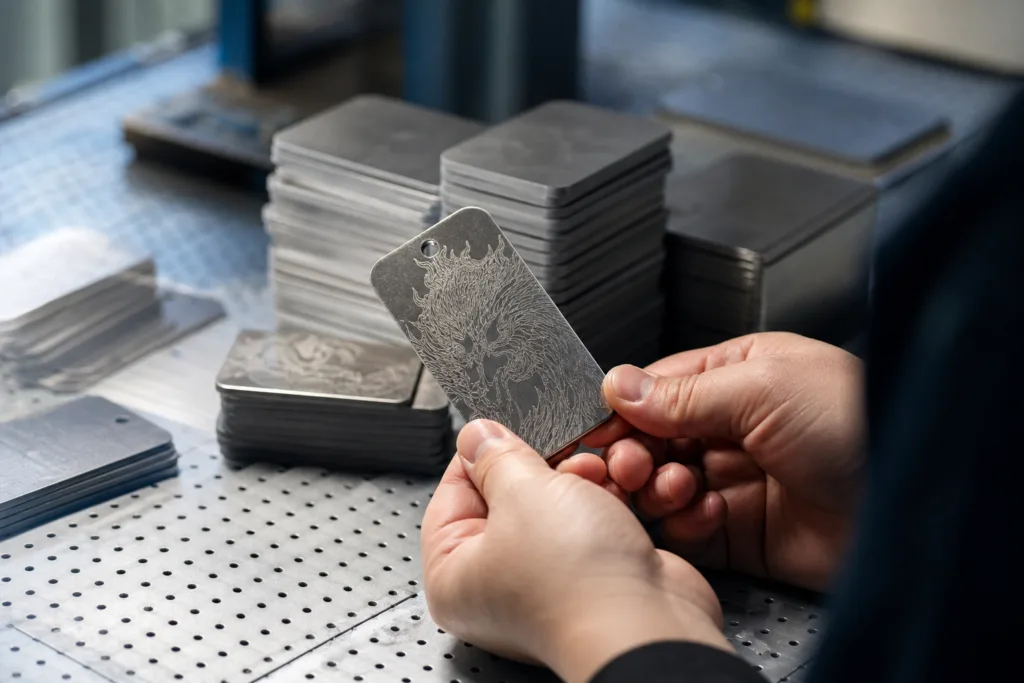
Tag design affects readability, speed, and perceived value. For buyers, the key is not only the product name or price, but whether the format fits the campaign environment.
Size and readability
The message must be readable from the real viewing distance. A beautiful tag that cannot be read on shelf is not doing its job. If the offer has one main trigger, make that line dominant.
Color and contrast
Contrast should support quick recognition. If the campaign uses a premium gift, metallic finishes or anodized color accents can support visibility while still feeling refined. But contrast still matters more than decoration.
Copy hierarchy
The first line should state the benefit. The second line should state the condition if needed. Fine print should not compete visually with the core message.
Placement and attachment
The tag should sit where the customer naturally looks: near the qualifying item, the gift item, or the bundle point. In production terms, this means the attachment method must match the environment. Hole punching, wire, string, adhesive, or rivet-based mounting each changes how the message is seen and how long it stays in place.
Material fit
Paper is fine for short campaigns with heavy turnover. Metal works better when the campaign needs a more premium look, stronger durability, or collectible value. At UC Tag, we usually discuss material, thickness, finish, and attachment early because these choices affect not only appearance but also handling, shipping, and repeated in-store use.
Examples of GWP structures across retail categories
Different categories respond to different GWP mechanics.
| Category | Effective GWP Structure | Role of Tags |
|---|---|---|
| Beauty and skincare | Spend threshold with mini product or pouch | Highlights value, eligibility, and limited-time urgency |
| Travel goods | Bag purchase with luggage tag or accessory gift | Makes the gift visible and premium at fixture level |
| Wine or spirits accessories | Bundle purchase with opener, marker, or case | Explains qualifying combination and gift pickup process |
| Apparel and seasonal gifting | Spend threshold with branded add-on item | Creates urgency and supports gift presentation |
| Home fragrance or décor | Buy multiple items to receive holder or tray | Guides the customer toward add-on items that complete the set |
In premium retail, the tag can be part of the experience itself. That is why some brands also explore metal tags that strengthen unboxing and loyalty when the free gift is designed to reinforce repeat purchase, membership feel, or gifting quality after checkout.
How to create urgency without causing confusion
Urgency can improve conversion, but only if it remains believable and easy to understand. “Limited gift available” works when the customer understands what is limited and when the campaign ends or stock is expected to run out. Confusing urgency language can have the opposite effect and make the offer look unreliable.
Simple urgency tools include limited quantity, seasonal edition, launch window, first-order qualification, or event-only redemption. The tag should not try to say all of them at once. Choose one urgency mechanism and make it visible.
If the campaign is running across stores, e-commerce, and wholesale accounts, consistency becomes important. Mismatched copy between shelf tags, product tags, and checkout messages can create customer service problems later.
Matching gift value, thresholds, and bundles to increase Average Order Value
The strongest Gift With Purchase campaigns are usually designed backward from target behavior. Do you want customers to add one more SKU? Move from entry-level to mid-tier? Buy across categories? Try a new launch item? The threshold and gift should support that specific action.
Some practical examples:
- If customers often stop at a low basket level, use a reachable spend threshold and feature easy add-on products nearby.
- If one category has better margin, set category-specific qualification to shift demand there.
- If the gift supports a hero product, bundle the offer around compatible items rather than unrelated stock.
- If the goal is premium brand perception, make the gift feel collectible or reusable rather than disposable.
This is where physical tags can do more than announce the offer. They can frame the gift as part of a curated purchase experience. That framing often matters as much as the gift cost itself.
Measuring whether the campaign actually worked
It is easy to call a GWP campaign successful because redemption looked high. But redemption alone is not enough. The better question is whether the campaign improved basket economics.
Key measures include:
- Average Order Value: Did customers spend more than the pre-promotion baseline?
- Conversion rate: Did more shoppers complete purchase?
- Units per transaction: Did the campaign increase item count?
- Gift redemption rate: How many qualifying baskets actually claimed the offer?
- Margin impact: Did the extra revenue justify gift and execution cost?
- Category mix shift: Did the offer move customers toward target SKUs?
For physical campaign assets, it also helps to review execution quality. Were tags installed correctly? Was copy consistent? Did attachment hold up through the campaign? These details affect performance more than many teams expect.
Mistakes to avoid when using tags for GWP promotions
One common mistake is treating the tag as an afterthought. If the gift strategy is finalized but the communication is not, the launch can still underperform.
Other common problems include:
- Setting a threshold too high above normal cart value
- Choosing a gift that is visible but not relevant
- Using copy that hides the qualifying rule
- Making exclusions more prominent than the reward
- Using weak materials for a premium campaign
- Skipping samples and discovering readability issues too late
- Failing to match attachment style to fixture, packaging, or display handling
In many projects, the problem is not that the buyer chose the wrong tag category. The problem is that some production details were not clarified before sampling or bulk production. That includes dimensions, hole position, edge finish, barcode or QR placement if used, and whether the tag must survive transport, frequent handling, or humid retail environments.
Planning across in-store, e-commerce, and omnichannel campaigns
In-store tags and e-commerce banners should reinforce the same offer logic. The threshold, gift image, and qualification rules should match. If the customer sees one message online and another in store, confidence drops quickly.
For omnichannel campaigns, it helps to think in layers. The digital channel introduces the offer. The physical tag confirms it at product level. Packaging or insert tags can then reinforce the reward after purchase, which supports repeat engagement and perceived value. That is especially useful when the GWP item is part of a broader loyalty or seasonal strategy.
From a manufacturing side, this may involve different tag sizes, attachment methods, and packaging plans for store sets, gift items, or boxed bundles. When these details are aligned early, rollout is smoother and quality control is easier.
Conclusion
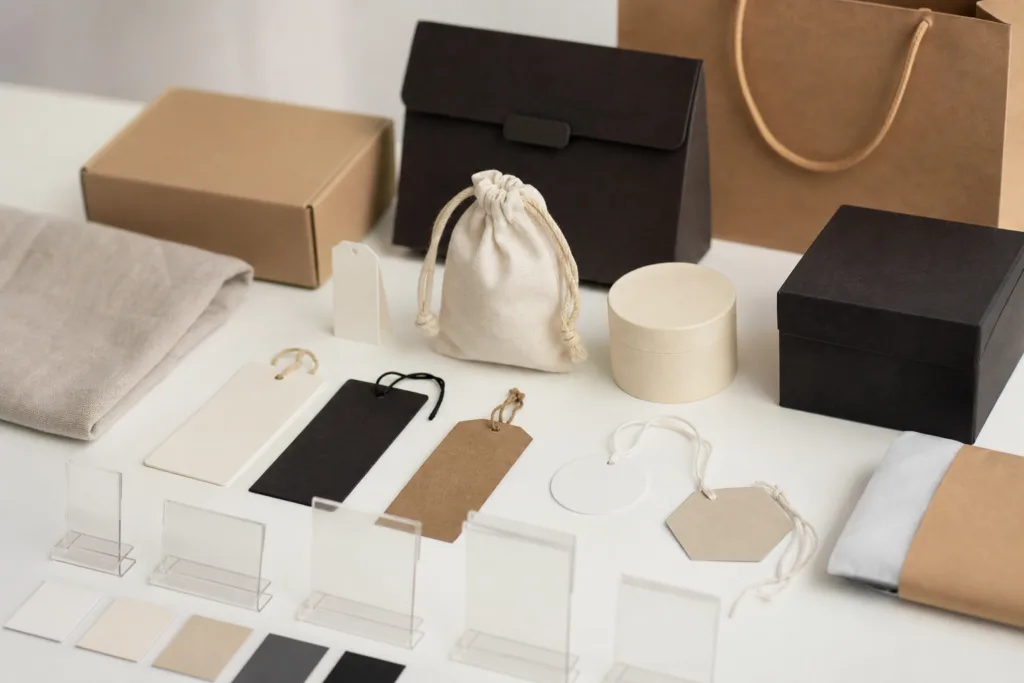
Gift With Purchase works best when the offer, threshold, and communication are designed together. If the customer can see the reward, understand the rule, and feel the threshold is within reach, Average Order Value has a better chance to move in the right direction. Tags play a direct role in that outcome because they turn a promotion into a visible, actionable decision at the shelf, on the product, or inside the package. For retailers and brand teams, the practical takeaway is simple: do not judge GWP by the gift alone. Judge it by whether the structure, messaging, and physical execution make it easier for the customer to spend a little more with confidence.
FAQs
How do Gift With Purchase campaigns increase Average Order Value?
They increase Average Order Value when the offer gives customers a clear reason to spend beyond their original plan, usually by reaching a threshold, adding one more item, or buying a better bundle. The key is setting the requirement close enough to normal basket behavior that the customer feels the goal is achievable.
What type of tag works best for a GWP promotion?
The best tag depends on where the decision happens. Shelf tags work well for category-level threshold offers, hang tags help visible gifts feel more premium, product tags help explain qualifying SKUs, and display tags are useful when the promotion needs a bit more instruction without overwhelming the shopper.
Can metal tags be useful for promotional campaigns, or are they only for industrial products?
Metal tags can be very useful in promotional campaigns when the gift, packaging, or retail presentation needs a more premium or durable look. They are especially practical for reusable gifts, seasonal collections, travel accessories, branded merchandise, and campaigns where the tag itself helps increase perceived value.
What details should be confirmed before ordering custom tags for a GWP campaign?
Buyers should confirm tag size, thickness, copy hierarchy, finish, hole position, attachment method, quantity split, packaging, and whether samples are needed before bulk production. If the campaign includes variable data, QR codes, or multi-store deployment, those details should also be checked early to avoid delays or inconsistency.
When can a Gift With Purchase promotion hurt margin?
A GWP promotion can hurt margin when the gift cost is too high, the threshold is too low, or the offer mostly rewards customers who would have bought anyway. It can also underperform if the gift creates operational complexity, stock issues, or excessive redemption without enough uplift in basket size.
How should brands measure whether a GWP tag campaign was successful?
They should look at Average Order Value, conversion rate, units per transaction, redemption rate, and margin impact together rather than focusing on one number alone. It also helps to review execution factors such as tag visibility, readability, placement, and consistency across channels because those details affect whether customers actually notice and act on the offer.