Introduction to Limited Edition Spirits and Their Allure
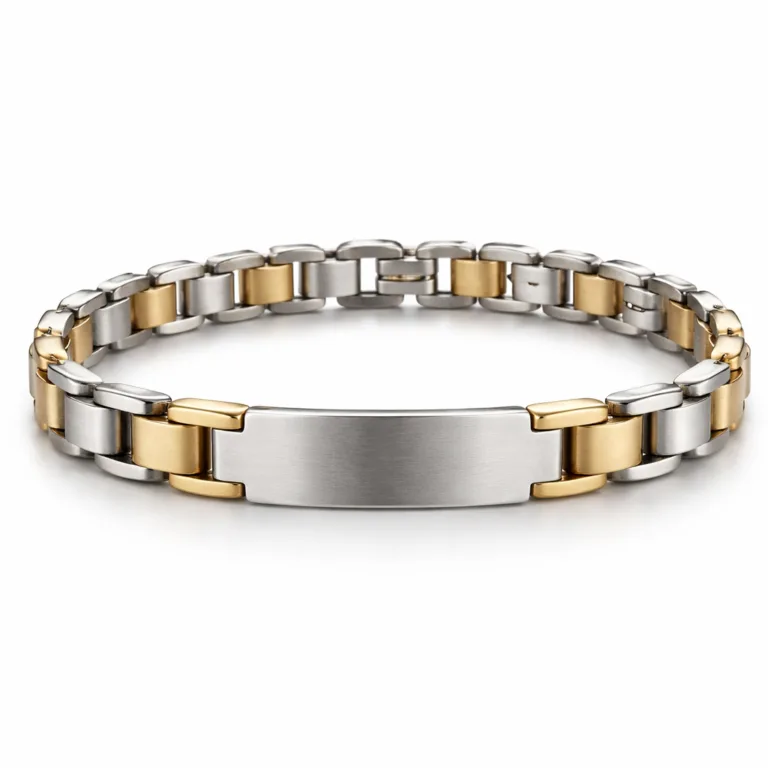
The world of limited edition spirits captivates collectors worldwide, driven by the promise of exclusivity and the thrill of hunting rare treasures. By definition, limited edition spirits are curated releases produced in strictly controlled, often small, quantities—sometimes accompanied by individually numbered bottles or special packaging elements such as metal tags. This rarity is not just a mark of scarcity, but a signal to collectors of true distinction.
Branding plays a pivotal role in this space. Distilleries and importers carefully craft every detail to communicate legacy, craftsmanship, and luxury. The emotional attachment is strong: collectors invest not only financially but also in hopes of owning a slice of history. Provenance and storytelling further amplify value, as each spirit’s journey and the makers’ intentions are woven into the experience.
It’s this unique mix—an authentic story, a clear trail of origin, and undeniable exclusivity—that transforms limited edition spirits from simple consumables into perennial collector’s items, often held or displayed far longer than they are ever intended to be consumed. The use of distinctive identifiers, such as numbered metal tags, elevates these bottles well above standard shelf offerings, solidifying their desirability among serious enthusiasts and newcomers alike. For anyone searching for an investment or a unique talking point, limited edition spirits and their collectible tags offer a compelling opportunity.
The Role of Numbered Metal Tags in Collecting

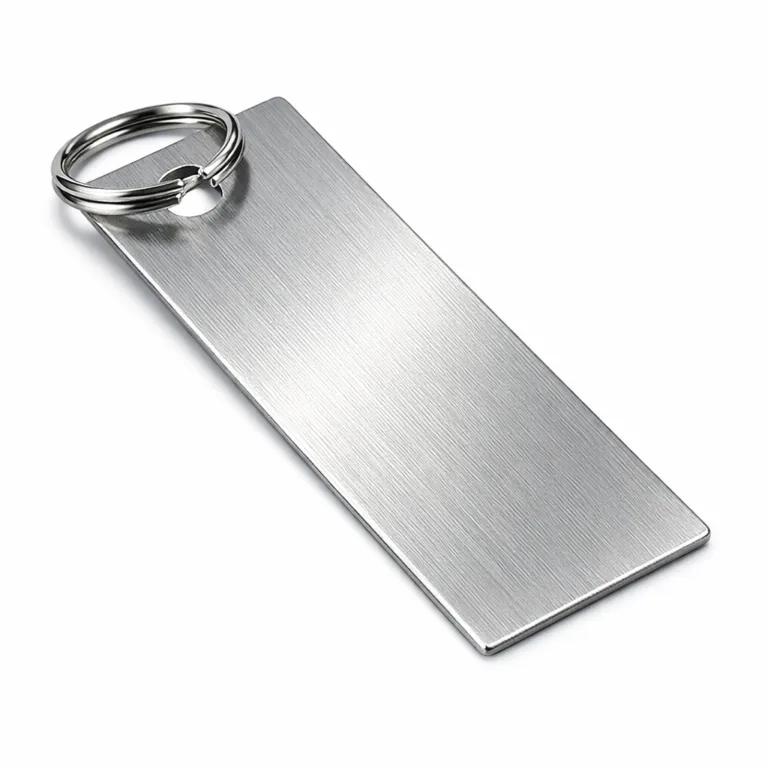
Numbered metal tags have become a defining feature for limited edition spirits, acting as both identifiers and powerful symbols of exclusivity. These metal tags are typically affixed to the bottle neck or packaging and clearly display an individual serial number—making each bottle distinct. For collectors, this number is a core part of the product’s authenticity and story.
Why do these tags matter so much to collectors? First, “numbered” means rarity is real. There’s a finite number—maybe 1 of 100, or 57 of 500—and owning a low-number or significant-number bottle is often seen as especially valuable. Metal tags reinforce this with a sense of permanence, unlike labels that can peel or fade over time.
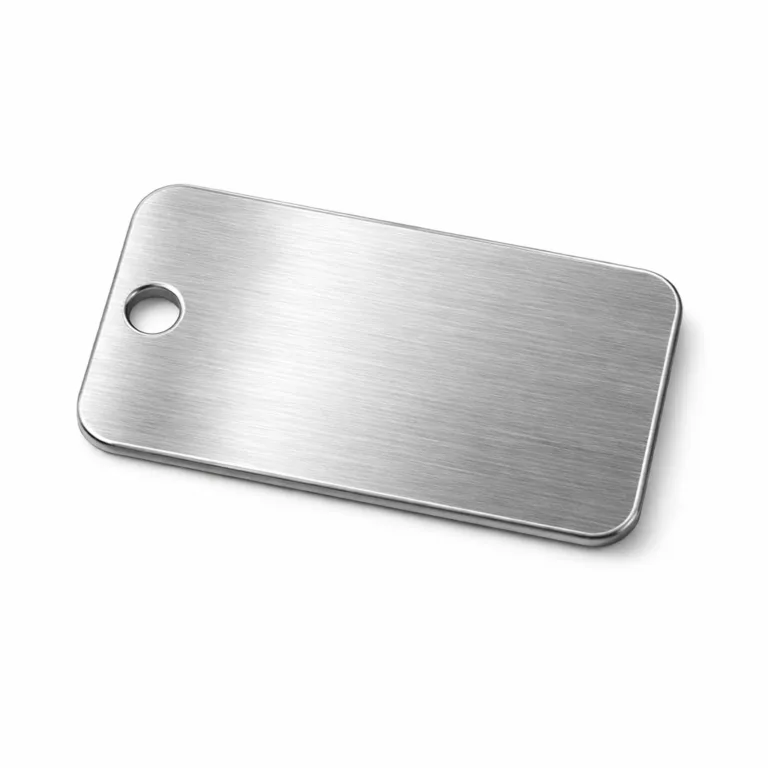
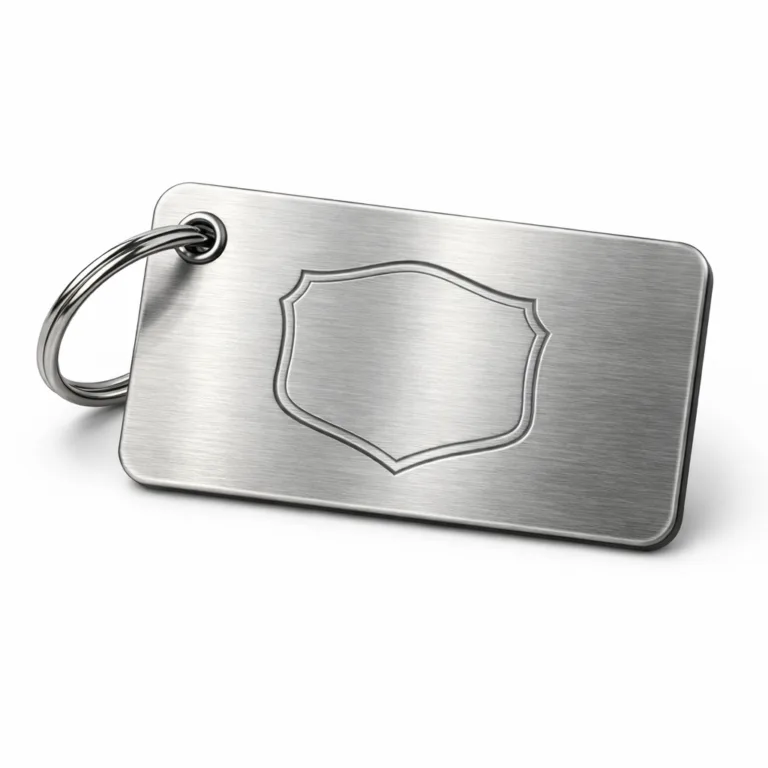
The tags themselves add aesthetic appeal, serving as an integral part of the overall design. Whether minimalist polished steel, brass with ornate detailing, or custom shapes, they transform a bottle into a centerpiece. Collectors regularly display bottles with metal tags, and in some cases, even remove and preserve the tags alongside other memorabilia.
These tags also enrich the narrative of a spirit, signaling craftsmanship and attention to detail. A simple metal tag can tell a story—of batch, year, or occasion—instantly connecting the owner with the maker and the moment of creation. Ultimately, for collectors, metal tags serve both as a badge of exclusivity and an enhancement to the bottle’s legacy.
Craftsmanship Behind Metal Tags
The value collectors find in metal tags is deeply connected to the level of craftsmanship invested. Leading distilleries and their suppliers choose from materials like aluminum, brass, and stainless steel, each selected for appearance, durability, and brand fit. Aluminum is prized for its lightweight profile and modern look; brass offers a classic golden finish and weighty presence, while stainless steel provides a contemporary, corrosion-resistant sheen.
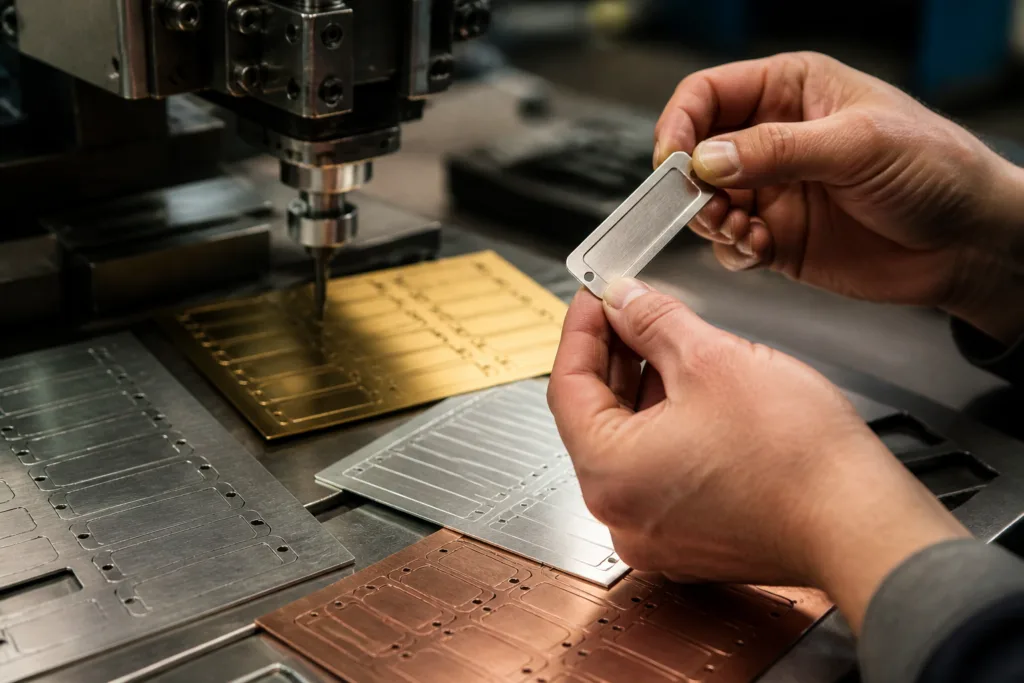
The manufacturing process elevates simple pieces of metal into collectible objects. Methods such as deep engraving, precision CNC cutting, hand or machine stamping, and chemical etching deliver details that can be both seen and felt. These options allow for a wide range of design styles, from subtle logos to intricate borders or sequential numbering.
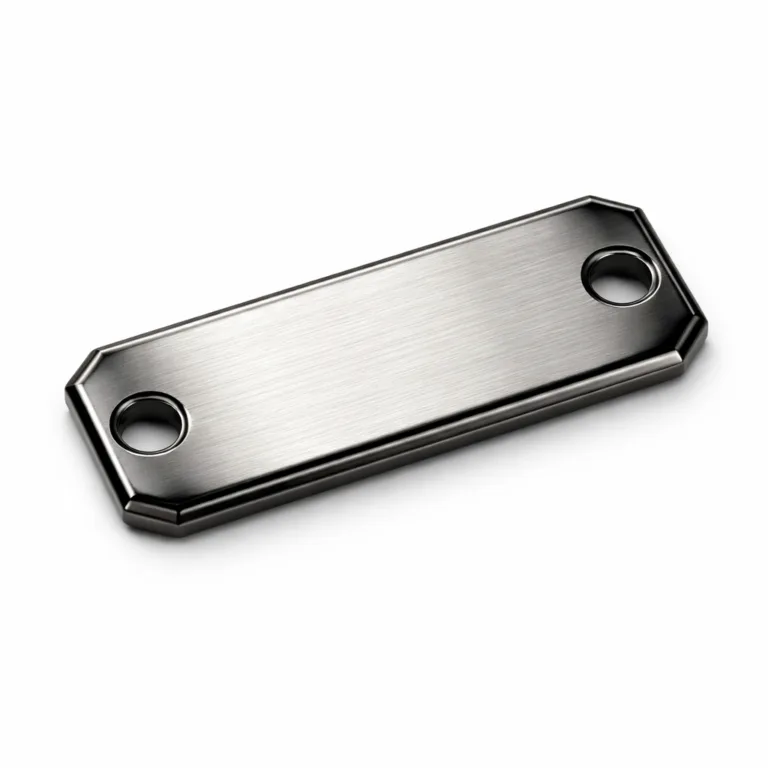
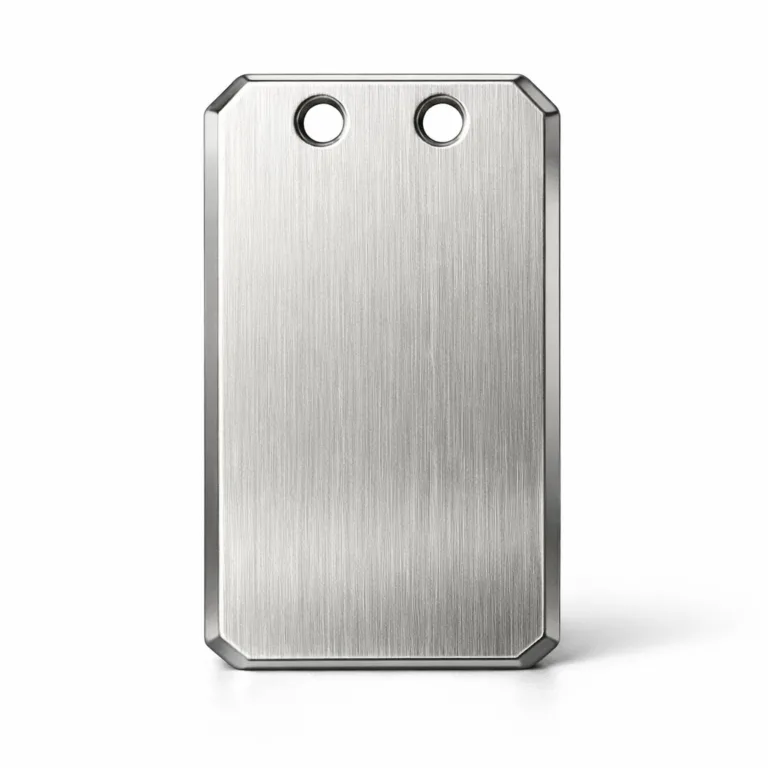
Customization features—such as logo placements, unique shapes, or layered finishes—help brands reinforce their identity. Metal tag craftsmen consider every detail, including strong attachment methods (e.g., rivet holes, durable adhesives) and edge finishing (polished, beveled, antique, or matte). As Rain Chen of UC Tag notes from years of production: the difference between an ordinary tag and a collector’s keepsake is found in the tolerance, consistency, and finishing touches—small factors that shape how collectors value and preserve these mini works of art.
Materials Comparison: Aluminum vs. Brass vs. Stainless Steel
Choosing the right metal for collectible spirits tags depends on understanding each material’s properties and the environment in which the spirit will be displayed or stored. Aluminum, brass, and stainless steel are among the most widely used, each offering unique benefits and considerations.
- Aluminum: Ultra-lightweight, corrosion-proof, and resistant to fingerprints. It’s ideal for spirits intended for quick turnover or for casual collectors who prioritize modern aesthetics and cost-effectiveness.
- Brass: Delivers a classic, rich golden hue and excellent malleability for custom stamping or engraving. It’s heavier than aluminum, which gives a feeling of luxury and substance, making it the material of choice for high-end, anniversary, or commemorative bottles.
- Stainless Steel: Offers maximum strength and the highest level of corrosion resistance, with a modern, mirror or brushed finish. Best suited for spirits that may be displayed in variable environments—such as home bars near windows, outdoor gatherings, or humid climates—where durability comes first.
Finish options expand the design palette: from mirror polish (luxury feel) to matte or sandblasted surfaces (subtlety and anti-fingerprint properties). Finishes can also affect legibility—contrasting backgrounds or infill paints can heighten numbering and logo clarity.
| Material | Weight | Corrosion Resistance | Ideal Use Case | Finish Options |
|---|---|---|---|---|
| Aluminum | Light | Excellent | Casual/Modern | Polished, Matte, Anodized |
| Brass | Medium | Very Good* | Luxury/Traditional | Polished, Antique, Brushed |
| Stainless Steel | Heavy | Superior | Industrial/Outdoor | Brushed, Mirror, Satin |
*Brass develops a patina over time, which many collectors cherish for its character, while others prefer a protected lacquered finish. In the spirits industry, the final selection often comes down to brand story, desired look and feel, and the storage or display conditions collectors favor. For brands interested in connecting material performance to product storytelling, see also our insights on brass tag durability.
Manufacturing Methods Comparison: Engraving, Stamping, Etching, and Printing
How a metal tag is produced determines not only the look and feel, but also durability and final cost. Buyers should consider four core processes: engraving, stamping, etching, and printing.
Engraving delivers high precision and detail. Methods such as CNC or laser engraving are ideal for intricate logos, micro numbering, and premium tags where tactile depth is desired.
Stamping excels in volume production. Using dies to imprint or deboss details, this method is efficient and consistent, with deep marks resistant to wear—making it a staple for asset or serial number plates. By comparison, deep stamped tags offer an authentic, classic look often favored by spirits brands aiming for heritage appeal.
Etching can be achieved chemically or with lasers. Chemical etching allows fine details, while laser etching offers more durability, especially for smaller runs and variable data. Both provide crisp, high-contrast marks, but laser etching is usually more UV and wear resistant.
UV Printing adds full color and is best for logos or custom art, where branding and visual pop are priorities. However, printed features are generally less durable than deep engravings, especially under heavy handling or harsh conditions.
Selecting the manufacturing method means weighing appearance, volume, and intended use. For spirits destined for long-term display, tactile engraving or stamping is often preferred. For limited runs with bold branding, UV printing or multi-step layered processes can create showpieces. See our guide comparing engraved vs. printed tags for more detail on material longevity and visual options.
Design & Spec Checklist for Numbered Tags
Ordering custom numbered metal tags for limited edition spirits requires a careful balance of durability, aesthetics, and attachment. Here’s a practical checklist for procurement teams and engineers.
| Feature | Recommendation | Rationale |
|---|---|---|
| Size | 30–50mm length, 15–30mm width | Provides visibility without overpowering bottle design |
| Thickness | 1.5–2.0mm | Ensures rigidity and tactile presence |
| Finish | Polished, brushed, antique, or matte | Matches brand aesthetics and improves readability |
| Attachment | Rivet holes, strong adhesive, or chain | Prevents loss and fits most display methods |
| Font | Simple sans-serif, 2–3mm tall | Optimizes readability, even under low lighting |
| Tolerances | ±0.2mm for critical dimensions | Maintains consistency, essential for batch quality |
| Serial Number Placement | Front, central or lower half | Clear identification for collectors and authenticity checks |
Additional best practices:
- Evaluate if your tag needs dual-sided detailing or only front-facing information.
- Choose surface finishes that contrast with engraved or stamped numbering to ensure legibility.
- For collector-grade longevity, specify corrosion-resistant metals and, where possible, a clear protective coating.
- Always request production samples before committing to a full run.
If you need to explore more about the influence of tag shapes and specs on brand perception, see our resource on choosing tag dimensions and specs.
Ensuring Durability and Testing for Tag Performance
Durability stands at the heart of value for collectors. Metal tags must endure long-term storage, repeated handling, and diverse environments. Industry standards require tags to resist corrosion (especially in humid cellars or for spirits displayed near bars), hold up to occasional cleaning, and resist fading from UV light.
Key tests include salt spray corrosion testing—exposing tags to a controlled saline mist environment to simulate years of environmental stress. UV aging tests help evaluate colorfastness and integrity when tags are displayed in sunlight or artificial lighting. For brushed or antique finishes, repeated touch resistance and chemical spot checks add additional quality assurance.
Collectors should also perform simple visual inspections: check for spots, flaking, or peeling around edges, and gently test adhesive or attachment points to ensure they haven’t degraded. Maintaining quality is straightforward—use soft cloths, avoid abrasive cleaners, and keep tags out of direct moisture where possible.
Assessing durability before purchase can be as simple as requesting sample tags or certificates of material origin and finish testing from suppliers. Rain Chen at UC Tag often recommends a quick bend test (for thin tags) and cross-checking number clarity as an on-the-spot quality check during the procurement process—small steps that can make all the difference for long-term collector satisfaction.
Industry/Application Fit: Use Cases for Limited Edition Metal Tags and Collectors
Metal tags have become key assets for spirits companies seeking to capture the attention of collectors through limited edition releases. Here are several real-world use cases driving their adoption:
- High-End Whiskey Brands: Premium distilleries now regularly launch limited edition collections featuring unique numbered metal tags. These tags are often crafted from brass or steel, with deep engravings marking each bottle’s position in the run—making them instantly recognizable and desirable to collectors.
- Craft Distilleries: Boutique producers leverage metal tags not only for batch numbering but also as a way to showcase their branding, origins, or special event associations—adding perceived value that helps stand out in a crowded market.
- Anniversary & Special Occasion Bottles: Whether to commemorate a founder’s milestone or mark a special event, tags engraved with significant dates or logos transform each bottle into a keepsake, especially for fans and loyal collectors.
- Promotions and Events: Limited releases tied to industry festivals or charity events will often equip bottles with brightly finished, custom-shaped tags, encouraging both immediate sales and long-term collectibility.
- Cross-Market Appeal: The strategies and craftsmanship used for spirits have also inspired similar collectible editions in wines, liqueurs, and even premium non-alcoholic beverages.
If you’d like to see related applications in bottle neck and wine collectible tags, explore our wine bottle neck tag feature and the Limited Edition wine tag solutions from UC Tag.
Common Mistakes and Troubleshooting for Collectors
Even experienced collectors can face challenges when buying or maintaining spirits with metal tags. One frequent mistake is selecting—or receiving—tags with shallow engraving or faint printing, leading to unreadable numbering after minimal handling. Always look for clear, deep marks that stand up to scrutiny.
The choice of adhesive is another critical factor. Over time, poorly specified adhesives can fail—especially with temperature changes or humidity—causing tags to detach. Whenever possible, opt for mechanical attachment or ask about tested high-strength backings. Rain Chen notes that for projects intended for decades of display, brands often use micro-rivets or premium industrial adhesives from suppliers like 3M.
Corrosion problems often go unnoticed until greenish or black spots appear at the tag edges, sometimes harming both tag and bottle. Watch for discoloration or changes in finish, particularly with brass. Early cleaning and careful storage can greatly reduce these risks.
Other troubleshooting points include peeling finish layers (often due to rushed or improper surface prep) and tag faces losing visual contrast—this can occur if infill paint or anodizing wears away. To reduce wear, display bottles out of direct sunlight, avoid harsh cleaning agents, and handle tags as little as possible.
Storing bottles upright and away from strong light or moisture, and occasionally inspecting tags for signs of wear, will help preserve both bottle and tag value for years to come. For more on maintaining premium tags, see our guide to readable and durable tag design.
Ordering Guide for Customized Metal Tags

Ordering custom numbered metal tags for limited edition spirits involves careful planning and clear communication between your team and tag suppliers. Start by confirming the minimum order quantity (MOQ), as some processes—like custom die-casting or chemical etching—require minimums that may be higher than digital engraving or UV printing.
Lead times will vary based on your selected material and finish. Aluminum and stainless steel tags tend to have shorter lead times, while brass or dual-finish tags (e.g., antique plus logo inlay) can require additional steps and approvals. Order timelines generally range from 3–6 weeks from artwork approval to delivery.
The artwork and proofing process deserves special attention: request high-res proofs, material swatches, and even physical mockups or test runs before committing. Most experienced suppliers—such as those found in the UC Tag custom tag options—will provide detailed artwork approval forms for each production step.
Sampling is critical. Insist on a production sample that matches the final spec—including attachment option, serial number layout, and finish—so you can personally verify quality and fit on your actual bottles. Carefully review packaging: collector-focused shipments may need foam inserts or layered wrapping to prevent finish scratching during transit.
For global distribution, double-check import requirements tied to food-contact surfaces, especially for spirits intended for sale in regions with strict safety standards. For more details, also see our guide to food-grade tag requirements for wine & spirits.
Frequently Asked Questions
What materials are best for outdoor versus indoor collections?
Stainless steel and anodized aluminum are optimal for outdoor or varied indoor conditions due to their superior corrosion resistance, while brass is suited for controlled environments where its patina is valued by collectors.
How can collectors maintain the value of their numbered tags?
Collectors should handle tags minimally, store bottles upright in low-humidity, out of direct sunlight areas, and clean gently with a soft, dry cloth to prevent wear or corrosion, preserving both aesthetics and authenticity.
What are the advantages of custom versus standard tags?
Custom tags allow for unique shapes, finishes, and personalized branding, enhancing exclusivity and collectibility, while standard tags provide reliable identification but may lack the standout appeal collectors seek in limited edition spirits.
Tips for integrating tags into brand marketing strategies?
Brands can use tags to reinforce storytelling by highlighting batch numbers, anniversaries, or collaborations, and by featuring QR codes or embossed logos to engage buyers both at shelf and through post-purchase experiences.
Common misconceptions about metal tag durability?
Many believe metal tags are impervious to wear, but improper material choice, finish selection, or attachment can lead to corrosion, fading, or detachment, making material and test certifications essential for collectors.
How to properly display or store limited edition spirits?
Keep bottles upright, out of direct sunlight and humidity, avoid overcrowded shelves, and, if possible, use foam or soft material inserts to prevent tag surface scratches during storage or handling.
Related Reading
- Boost Collectors’ Appeal: Wine Bottle Neck Tags for Limited Editions
- Affordable Metal Tag Upgrades That Deliver Luxury Branding Fast
- How to Choose Custom Tag Dimensions and Specs That Impress
- Expert Examples: Crafting Metal Tags That Stay Readable for Collectors
- Engraved vs. Printed Metal Tags: How to Pick for Maximum Durability