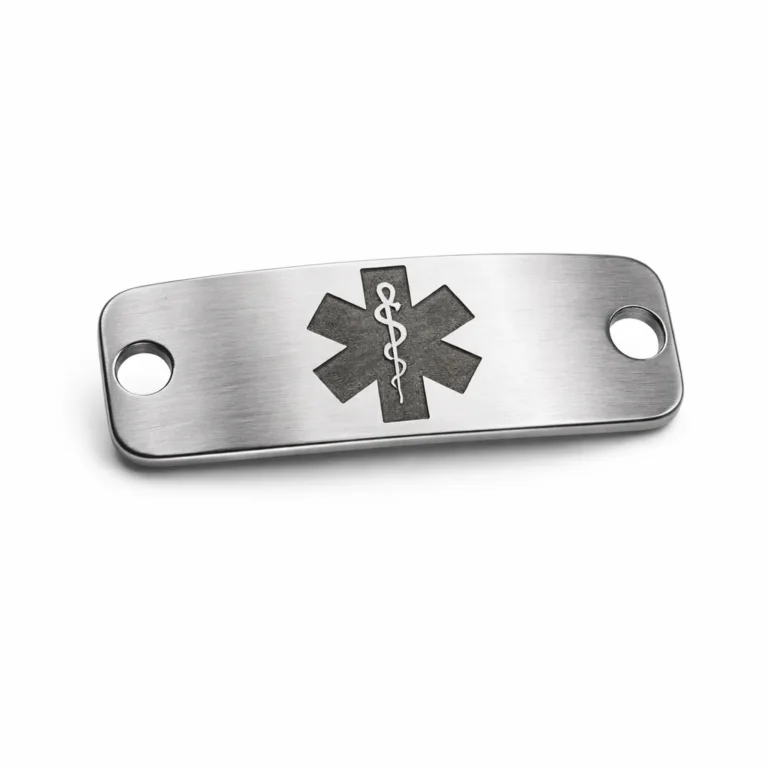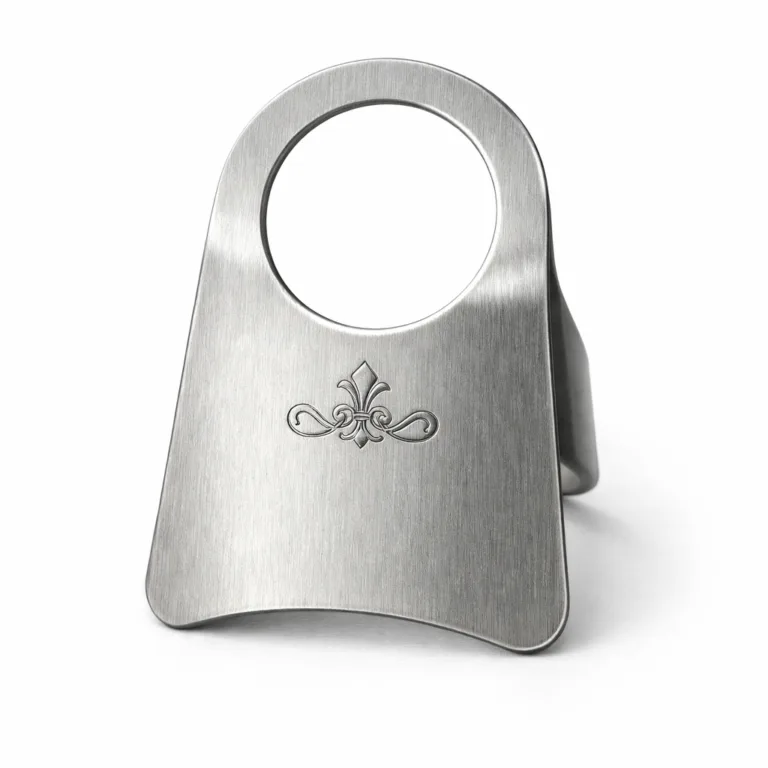
Introduction to Wine Bottle Neck Tags
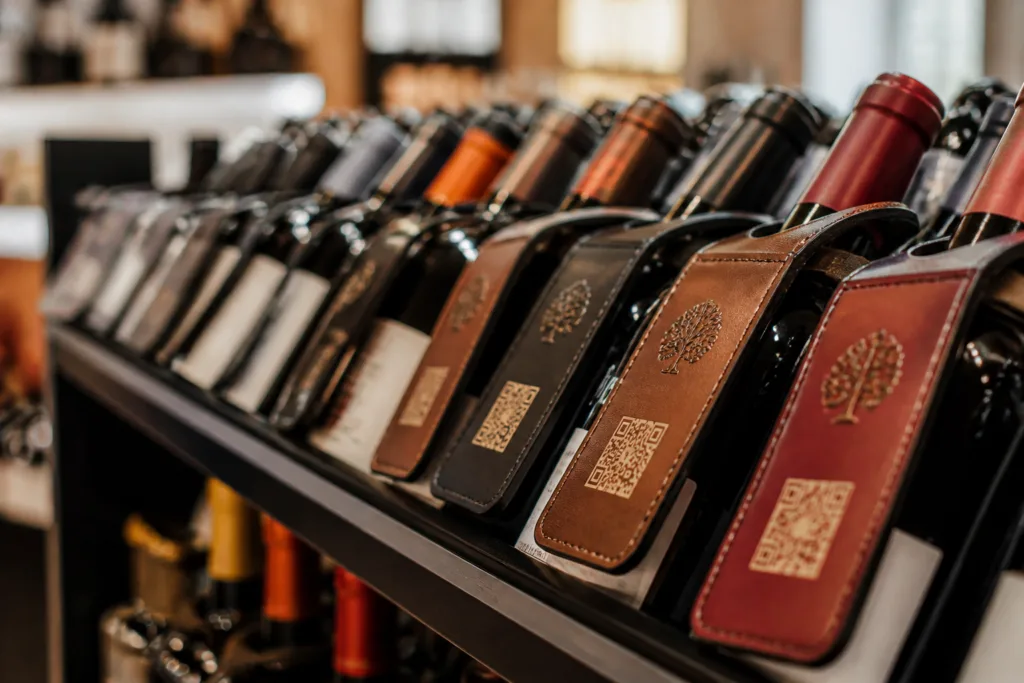
Wine Bottle Neck Tags are the subtle, high-impact branding elements that hang gracefully from a wine bottle’s neck, commanding attention right where purchasing decisions are often made. Their primary functions span from displaying vintage and origin to highlighting awards, special release status, or simply reinforcing brand identity at the shelf edge.
This point-of-sale engagement is critical: many buyers decide within seconds, influenced by unique collars, colors, and tactile impressions. Wine Bottle Neck Tags offer a canvas to tell stories, spark curiosity, and provide essential information that differentiates your offering from crowded shelves.
Durability is key—neck tags often face direct handling, variable humidity, sun exposure, and potential abrasion in storage, transport, and retail environments. Brands seeking a lasting impression usually turn to premium materials and thoughtful manufacturing processes. In this guide, we’ll explore practical design, material comparisons, and actionable strategies for professionals seeking to elevate their wine branding with Wine Bottle Neck Tags.
The Impact of Unique Neck Tag Designs
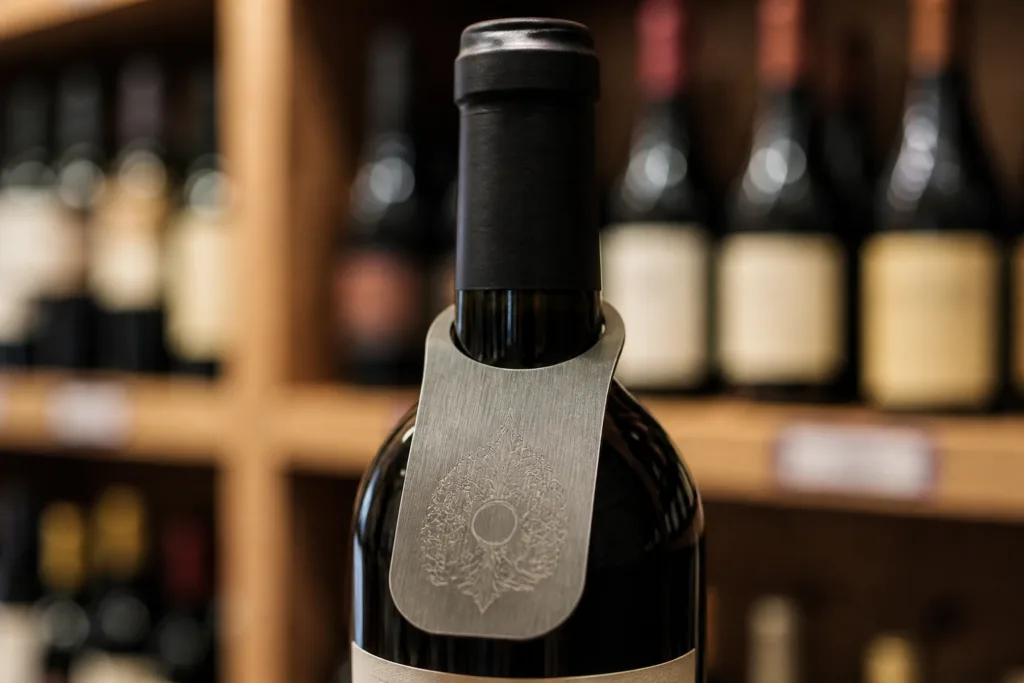
One of the fastest ways to stand out in retail is through striking Wine Bottle Neck Tag designs. Visual appeal is more than an aesthetic choice—it’s about immediate, subconscious differentiation that triggers curiosity and inspires loyalty.
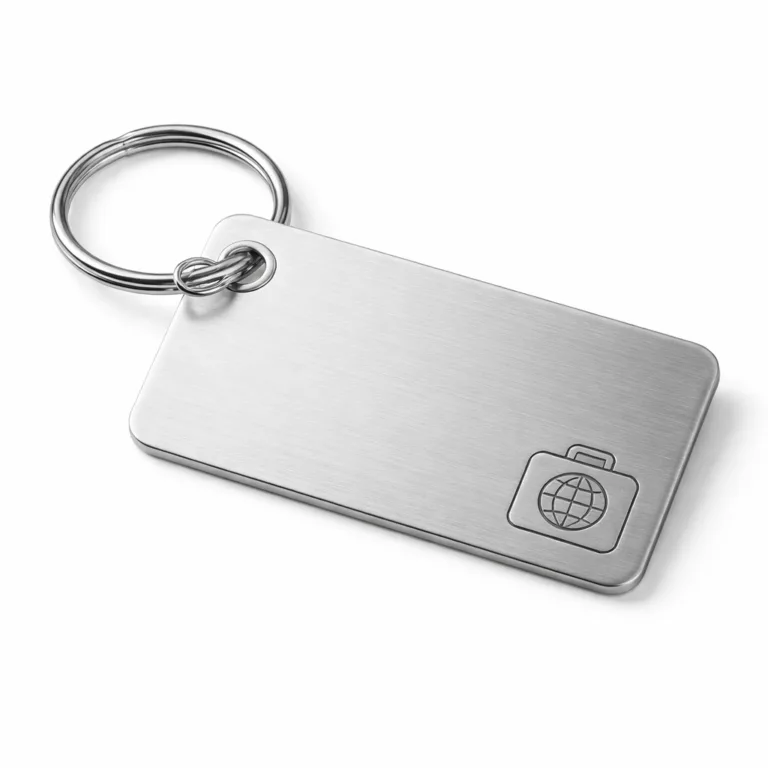
Successful neck tag designs are found across markets. For example, a boutique winery used a brass, die-cut tag with embossed grapes, creating a tactile experience that won national design awards. Another producer paired minimalist stainless steel tags with bold, modern fonts and a deep matte finish to showcase luxury status.
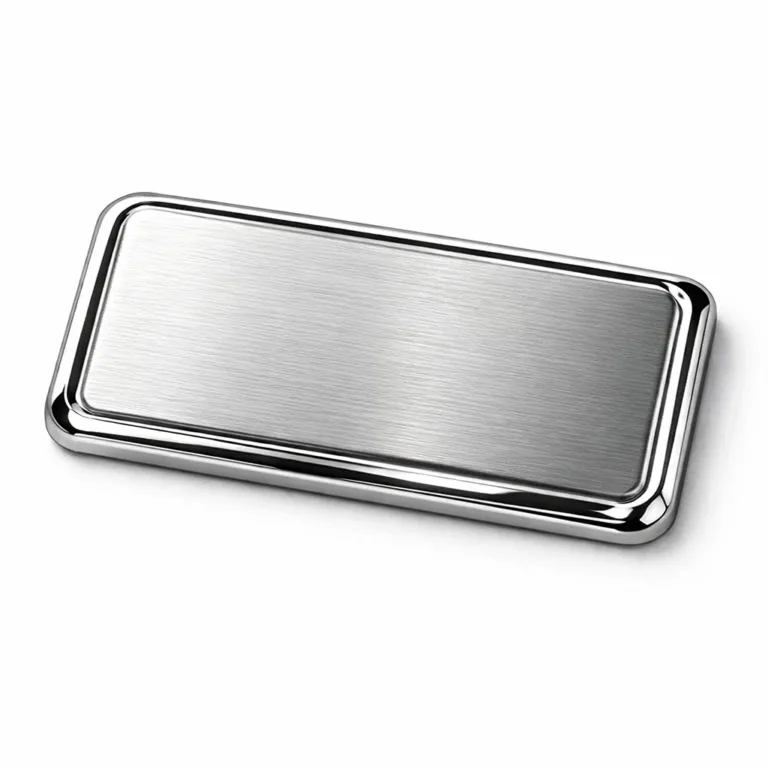
The interplay between colors, fonts, shapes, and finishes acts as a visual handshake. Warm gold or brass tones imply tradition or exclusivity, while cool silvers suggest refinement. Choosing fonts that match the brand’s tone—classic scripts for heritage brands, simple sans-serif for modernity—makes messaging more authentic. Custom shapes, such as shield, crest, or vineyard silhouettes, immediately signal uniqueness and can reinforce geographical or thematic brand stories.
- Use the logo as a central focal point
- Leverage contrasting background to enhance readability
- Integrate imagery like vineyard scenery or regional icons
- Select materials and finishes to match the label aesthetics
- Test response with target demographics before full production
Imagery and logos don’t just decorate—they narrate. For instance, etched mountain vistas or vintage medals infuse product story directly into the tag. When considering designs, collaborate with brand managers and survey target consumers. The right tag can spark shelf interest and, ultimately, boost sales.
For more branding inspiration, see UC Tag’s Private Labeling Secrets and Authentic Brand Storytelling guides.
Materials Comparison: Aluminum, Stainless Steel, and Brass
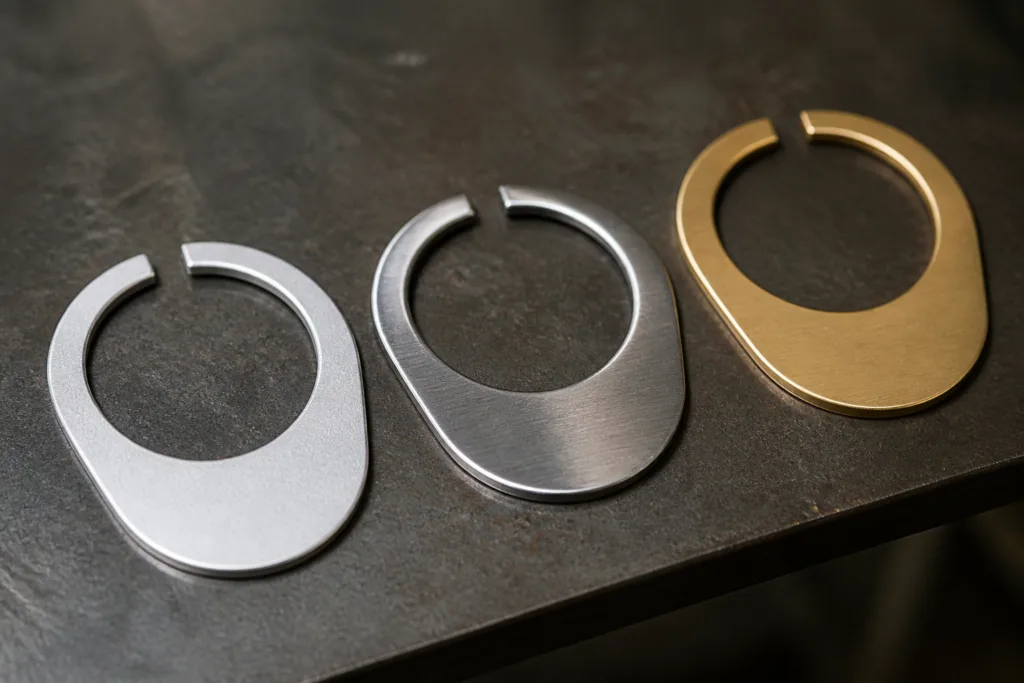
Material selection for Metal Tags influences more than appearance—it dictates durability, cost, and how your brand is perceived. The three most popular choices for wine neck tags are aluminum, stainless steel, and brass.
Aluminum: Lightweight and corrosion-resistant, aluminum is favored for large-scale, economical projects. Its flexibility supports custom shapes and intricate designs. Surface finishes range from classic brushed to anodized colors, boosting scratch resistance and shelf-life. Ideal for limited-edition runs or promotional tagging where cost matters but durability is needed.
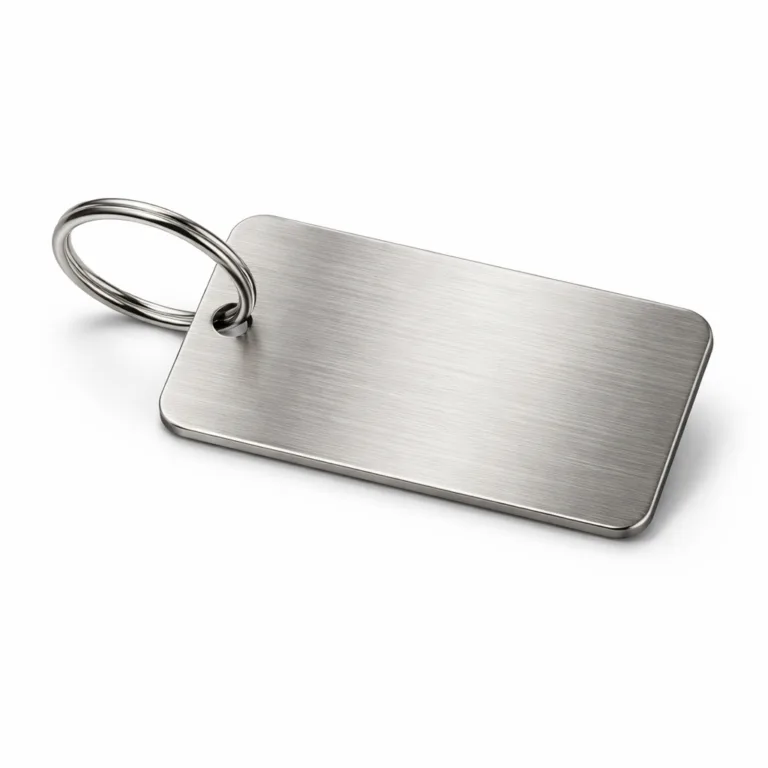
Stainless Steel: Stainless steel is synonymous with durability and premium appeal. Resistant to corrosion, staining, and abrasion, it is suited for luxury bottles, outdoor displays, or high-traffic environments. Its weight feels substantial, instantly elevating perceived value. Finishes can be mirror-polished, matte, or sandblasted, and it pairs well with deep laser engraving or stamping methods. Costs tend to be higher, but long-term durability justifies the investment.
Brass: Brass combines distinctive aesthetics—rich gold color and vintage patina—with superior durability. Brands seeking a traditional look and tactile warmth often choose brass. It offers very fine detail for engraving and embossing and withstands years of shelf exposure. However, natural tarnishing may add character but requires occasional cleaning if display brilliance is critical.
| Material | Durability | Visual Appeal | Cost | Best Use Case |
|---|---|---|---|---|
| Aluminum | Good (corrosion-resistant) | Wide finishes, lightweight | Low–Medium | Large batches, promotions |
| Stainless Steel | Excellent (abrasion & corrosion) | Mirror, matte, sandblast | Medium–High | Premium branding, outdoor |
| Brass | Very Good (long-lasting) | Gold tone, patina | Medium–High | Heritage, tactile luxury |
When evaluating Metal Tags for wine bottles, environmental factors must be reviewed: Will your bottles be displayed outdoors? In humid storage? Will tags be frequently handled? For harsh conditions, stainless steel or anodized aluminum is recommended. For pure aesthetic focus, brass delivers timeless elegance.
For detailed comparisons and proven material selection strategies, see UC Tag’s Stainless Steel vs Aluminum Guide.
Manufacturing Methods: Engraving vs. Stamping vs. Etching
The production method you select for Metal Tags defines design precision, durability, and production efficiency. Let’s compare the three main options for wine neck tags:
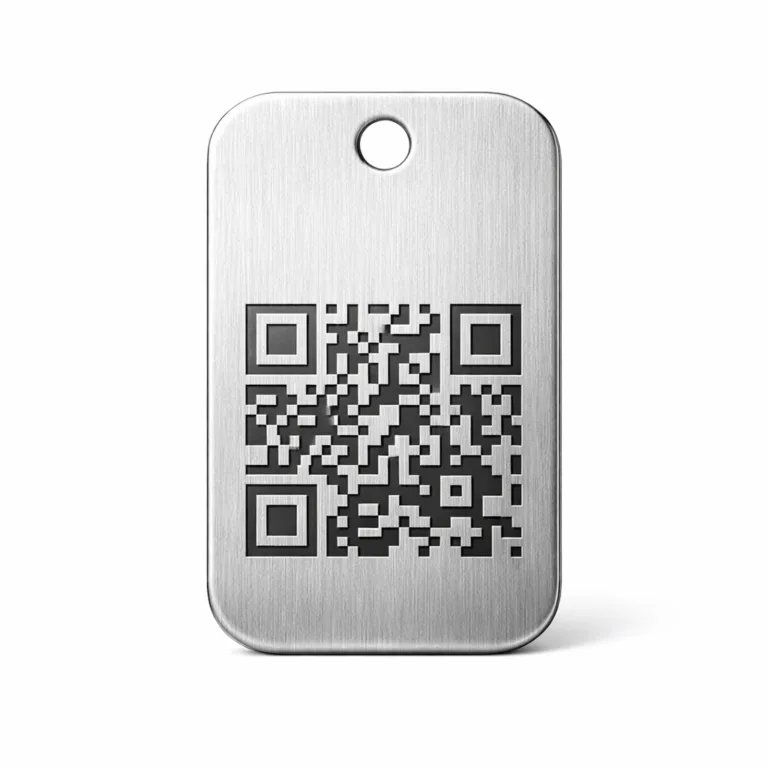
Engraving: Uses CNC or laser tools to cut or mark surfaces. Laser engraving allows precise lines and intricate details, making it optimal for logos, barcodes, microtext, and QR codes. Depth can be tailored, and finishes like paint infill can further highlight designs. Durability is strong—engraved marks rarely fade.
Stamping: Relies on press machines to physically shape or form the tag, creating raised or recessed (embossed/debossed) features. It’s well-suited to high-volume production, yielding consistent results and notable tactile appeal. Stamped tags tend to be cost-effective in large quantities but are limited in ultra-fine detailing.
Etching: Uses chemicals or lasers to remove surface layers. It achieves high-resolution imagery and fine detail, perfect for ornate logos or complex artwork. Laser etching is precise; chemical etching allows both shallow and deep relief effects. Etched tags excel in showcasing intricate visuals, but the process may increase production time.
- Engraving: Best for serial numbers, QR codes, fine text
- Stamping: Best for simple logos, bold shapes, mass production
- Etching: Best for artwork, layered visuals, premium branding
Trade-offs include scale and lead time. Engraving and etching generally allow fast prototyping and low-volume runs, while stamping suits larger batches and cost-sensitive projects. Rain Chen, UC Tag production lead, recommends combining methods for hybrid designs: “Laser engraving QR codes over stamped shapes ensures both tactile quality and next-gen interactivity.”
For complex branding projects, discuss your goals and timeline with the manufacturer to select the right method. For deeper insights, check the Engraved vs Printed Guide.
Design & Specification Checklist for Wine Neck Tags
A robust design specification prevents costly errors and ensures buyers get the impact they want. Here’s what to check:
- Size: Match standard bottle neck widths or adjust for custom formats.
- Shape: Consider classic rectangles, circles, shields, or custom silhouettes.
- Thickness: Choose between lightweight (0.5mm–1mm) or heavy-duty (1.5mm–2mm).
- Finish: Brushed, polished, anodized, sandblasted, or painted to match branding.
- Readability: Font sizes ≥ 8pt, high color contrast, clear spacing.
- Attachment: Holes, wire loops, or adhesive pads—choose based on longevity and security.
- Tolerances: Specify +/-0.05mm for precision and fit.
| Spec Element | Typical Value | Importance |
|---|---|---|
| Size | 50–60mm x 20–30mm | Fits most bottles; visibility |
| Thickness | 1mm (standard); 1.5mm (premium) | Durability; tactile quality |
| Font Contrast | Dark on light or vice versa | Easy reading in retail |
| Hole Diameter | 2–4mm | Fit attachment wire/loop |
| Finish | Brushed, anodized, sandblasted | Aesthetic, anti-abrasion |
Refer to sample galleries like UC Tag’s Wine Tag Manufacturer page for practical examples of well-implemented specs. Prototyping and proofing are crucial—never bulk order without confirming samples and layout accuracy.
Ensuring Durability & Testing Standards
Durability is non-negotiable for Metal Tags in wine applications. Testing standards focus on corrosion resistance, abrasion, and UV exposure, ensuring tags maintain their look and readability across the lifecycle.
Corrosion Testing: Simulated salt spray or humidity chambers gauge resistance to rust and tarnish. This is critical for wine tags in outdoor or humid cellar environments.
Abrasion Testing: Repeated contact, handling, or friction checks ensure tags withstand shelving and transport. Scratch-resistant finishes like anodized aluminum or sandblasted stainless steel reduce wear.
UV Exposure Testing: Extended light exposure tests show if tags fade or degrade, especially in storefronts or events. Quality UV-resistant coatings help Metal Tags stay vibrant.
For reliability, manufacturers should offer third-party lab results or adhere to ISO 9001 standards for quality management. UC Tag, for example, puts samples through accelerated weathering and impact tests—Rain Chen notes, “We never ship tags until they pass simulated shelf-life cycles common in wine retail displays.”
Ask suppliers about their testing protocols and request documentation for peace of mind and consumer credibility. For legal compliance and advanced testing tips, consult Food Grade Safety for Wine Tags.
Industry Application Fit: Use Cases for Wine Bottle Neck Tags
Wine Bottle Neck Tags have become an identity badge for brands who want to do more than label a bottle—they want to engage, inspire, and inform.
Wine brands often use neck tags to share stories of vintage, origin, or sustainability practices. For example, a QR-enabled stainless steel tag linked buyers to a virtual vineyard tour, increasing online engagement and repeat purchases.
Special editions and commemorative bottles frequently feature metal neck tags embossed with event details, medal emblems, or even batch serial numbers for added collectability. Promotional giveaways at festivals—such as hand-stamped brass tags—create memorable touchpoints that boost word-of-mouth.
The integration of barcodes or QR codes on Wine Bottle Neck Tags connects buyers with digital tasting notes, reviews, and club signup forms. It’s a proven way to marry shelf presence with digital marketing. For event and brand managers, tags become powerful tools for storytelling and conversion.
Examples and inspiration can be found via UC Tag’s QR Code Wine Tag and Wine Club Member Tag solutions.
Common Mistakes and Troubleshooting
Sourcing Metal Tags for wine bottles requires careful planning. Some of the most common mistakes include:
- Unreadable text: Fonts too small or low-contrast, leading buyers to skip information.
- Incorrect materials: Using brass in humid environments without sealant results in tarnish.
- Poor adhesive choices: Tags detach or rotate, reducing brand value.
Environmental conditions must always be factored in—humidity, sunlight, and frequent handling each demand specific material and finish selections. Troubleshooting post-production issues involves reviewing customer feedback, monitoring retail wear, and iterating design specs for future runs.
Prototyping and proofing are essential. Rain Chen at UC Tag suggests, “Order sample batches and test them in-store before finalizing specs. Catch issues early and adapt.” These practical steps minimize costly errors and ensure shelf-ready performance.
Ordering Guide for Wine Bottle Neck Tags
Efficient ordering of Wine Bottle Neck Tags starts with clarity on minimum order quantities (MOQ)—often set by manufacturing method and material. Typical MOQs range from 100–500 units for custom Metal Tags.
Lead times depend on design complexity, manufacturing process, and finishing options: simple stamped tags may ship in 2–3 weeks, while deeply engraved or multi-layered tags might take 4–6 weeks.
- Artwork must be vector-based or high-resolution for best production results.
- Always confirm layout and design with a proof before final production.
- Sampling is highly recommended; request 1–5 tagged samples to assess fit and finish.
- Packaged tags should use anti-abrasion sleeves or boxes, especially for polished finishes.
- Shipping logistics vary—coordinate timelines to support event dates or launch windows.
For step-by-step guidance, see Custom Metal Tag Solutions and Standard Samples pages for artwork, proofing, and sampling details.
Frequently Asked Questions
What materials are best for wine bottle neck tags?
The most effective options are aluminum, stainless steel, and brass, each chosen for durability, visual appeal, and suitability to the display environment.
How long do metal neck tags last?
Properly manufactured metal neck tags can withstand years of shelf exposure, handling, and environmental changes, often outlasting the wine itself.
What is the typical lead time for custom orders?
Lead times range from 2 to 6 weeks depending on order volume, complexity, chosen manufacturing method, and finish requirements.
How do QR codes enhance consumer engagement?
QR codes on tags create interactive experiences, offering buyers access to tasting notes, origin stories, virtual tours, and promotions instantly using their phones.
What are the most effective manufacturing methods?
Engraving, stamping, and etching all have unique strengths; the optimal choice depends on design detail, production volume, and durability needs.
How to ensure high readability on tags?
Use large, clear font sizes, high contrast between text and background, and avoid clutter—always prototype and test before final production.
Related Reading
- Unlock Unforgettable Unboxing Moments With High-Touch Metal Tags
- Sticker vs. Metal Tags: How to Achieve Durable, Premium Branding
- Luxury Branding Without the High Cost: Metal Tag Strategies Explained
- Elevate Wine Brands With Sensory Touch: Metal Tag Marketing Insights
- Co-Branding Magic: Dual-Logo Metal Tags That Amplify Brand Partnerships
- Wine Tag Compliance: Food Grade Safety and Regulatory Standards