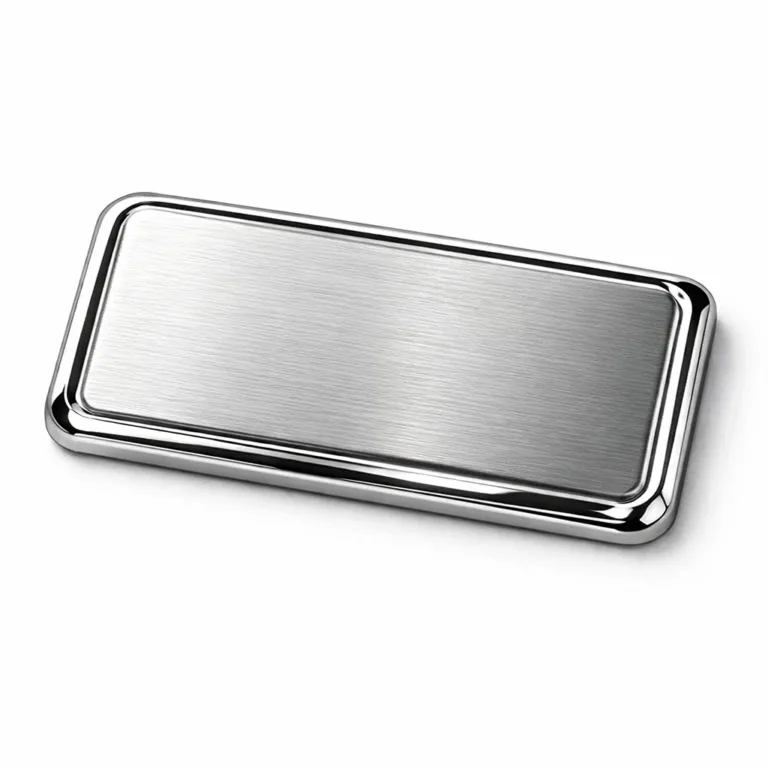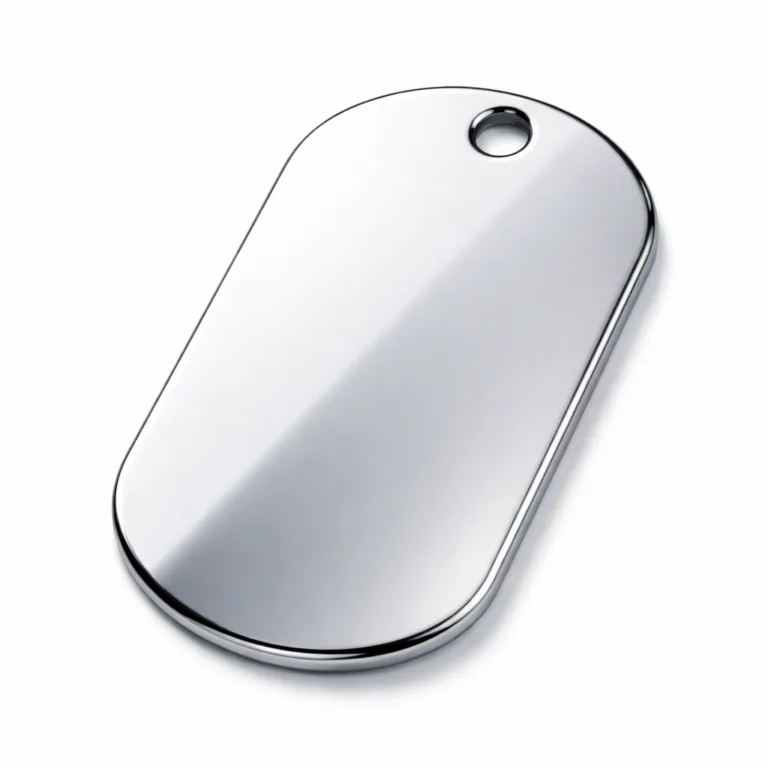
Introduction to Brand Storytelling
In the B2B world, authentic brand storytelling is about much more than marketing—it’s about building trust and fostering long-term relationships with buyers and engineers alike. Two elements that often carry the weight of your company’s legacy are your founding date and company motto. These details are not just archival facts; they become powerful signals of credibility and purpose when woven throughout your narrative.
Highlighting your founding date is a way of underscoring years—or decades—of accumulated expertise, adaptation, and reliability. Paired with a meaningful company motto that captures the spirit and mission of your organization, these elements form the core message your team, clients, and partners can unite behind.
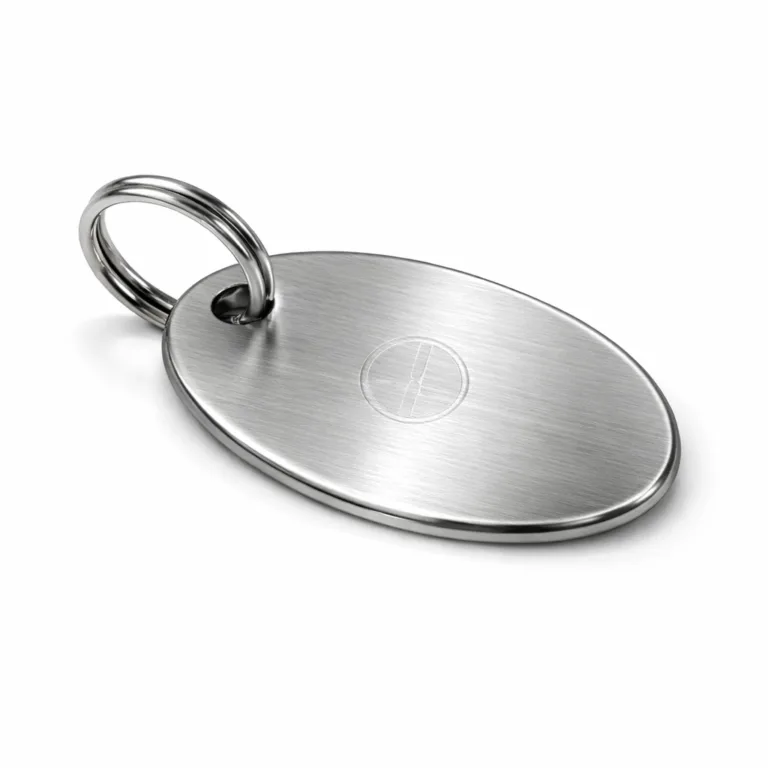
Custom metal tags offer a tangible, durable means to embed these crucial details into every product or asset, turning every tag into a miniature, enduring symbol of who you are and what you stand for. Whether attached to equipment, luxury products, or packaging, these tags serve as a daily reminder of your dedication, heritage, and promise.
Legacy brands like Levi’s, Coca-Cola, and Ford have all leveraged their founding dates and mottos for decades, integrating them visually across tags, packaging, and communications. Their consistency is a key driver of customer loyalty. The journey begins with owning your story—anchored by your founding date and a company motto that resonates. Let’s explore the deeper connections and best practices that turn these elements into assets for your brand.
The Emotional Resonance of Founding Dates and Mottos
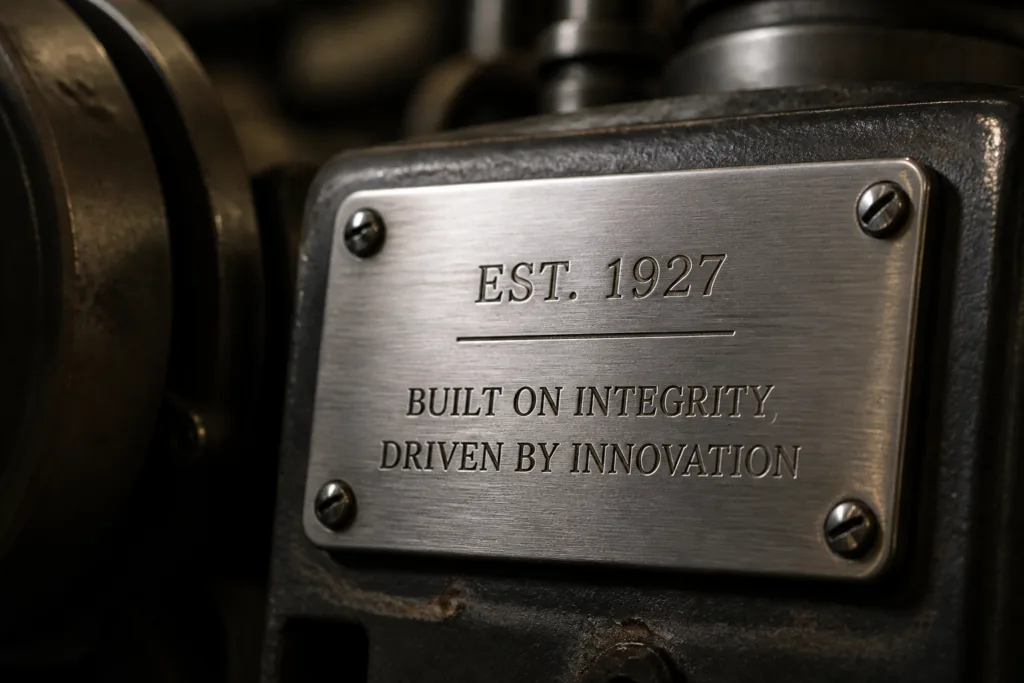
The founding date of a company is more than a milestone—it’s a symbol of resilience and a living timeline of achievements, challenges, and progress. In highly competitive sectors, displaying your founding date on metal tags can evoke a sense of tradition and reliability.
Choosing to engrave or stamp your founding date onto a product is a clear signal: “We’ve stood the test of time.” This sense of origin helps B2B buyers and engineers feel confident that they’re partnering with a business possessing history and continuity. Successful companies like Brooks Brothers (‘Est. 1818’) showcase their founding date to assure customers of legacy and expertise.
Equally impactful is the company motto. A motto encapsulates your mission and values into a phrase that guides decision-making and daily operations. For example, Harley-Davidson’s motto, “All for Freedom. Freedom for All,” saturates its branding with a spirit of independence. On custom tags, a well-chosen motto becomes a constant reminder of what your team stands for and projects that vision to your clients.
Brand storytelling builds customer loyalty by linking your founding date and motto to a larger narrative. When customers see these details consistently applied—from product tags to digital touchpoints—they sense authenticity and purposeful leadership.
- Reflect on what makes your company unique or enduring.
- Distill your values and mission into a motto that is concise and resonant.
- Test your motto’s clarity and impact internally before broadly deploying it.
- Update and refine your company motto as your mission evolves, but maintain coherence with your founding story.
Think of a company like 3M. Its founding date is widely recognized, and mottos like “Science. Applied to Life.” are included on everything from packaging to engraved tags on machinery—reinforcing alignment between mission and product performance. The right combination of founding date and motto, thoughtfully applied, encourages clients to see you as more than a supplier—you become a trusted partner joined by common values and a shared journey.
Essentials of Effective Brand Storytelling
Good storytelling in branding follows principles rooted in human connection. As in classic narratives, effective brand stories have:
- Character: Your company is the central character. The founding date forms your origin story.
- Conflict: The challenges you overcame to establish or evolve your business.
- Resolution: Your ongoing mission, encapsulated in your company motto.
Authenticity is essential. Narratives based on true values, not just aspirational slogans, feel more credible. B2B buyers—especially engineers—resonate with stories that are honest and relatable. For example, displaying your founding date openly shows pride in your journey, while a clear, values-driven company motto builds trust.
Consistency across all touchpoints matters. The look and message of your metal tags should match broader branding, from digital profiles to physical assets. If your colors, typography, or phrasing differ between products and documentation, confusion or doubt may arise.
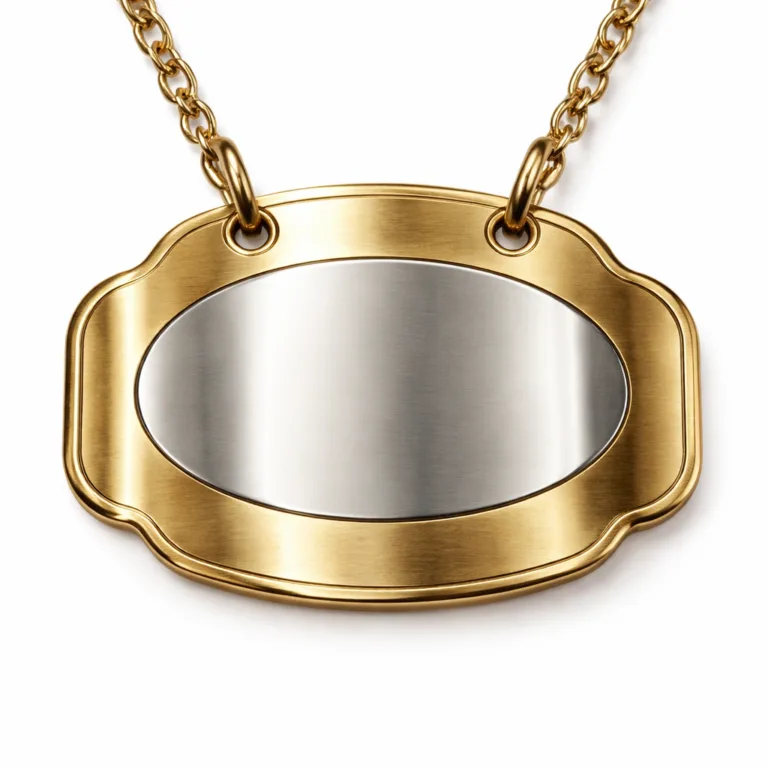
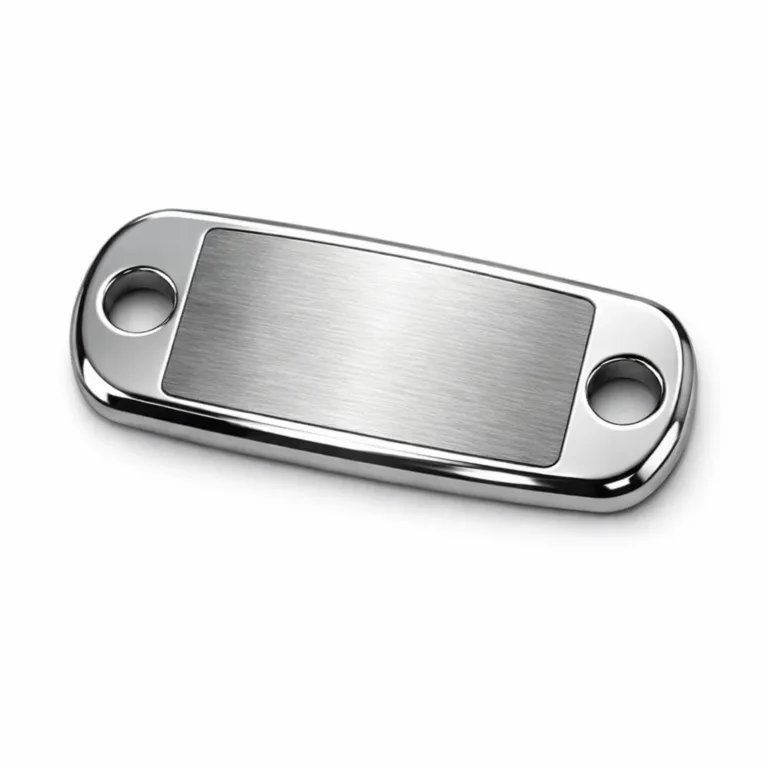
Tag design should support your story without distracting from key details. Consider using logo plates or custom shapes that frame your founding date and motto. For engaging storytelling, techniques like debossing, enamel filling, or cut-out accents can draw attention to the tag’s message, making the story tactile and memorable.
Including your founding date and company motto on custom metal tags isn’t just decorative—it’s a tool for connecting every product to your broader legacy. Present these details with clarity, choosing finishes and layouts that align with your core identity.
UC Tag’s production team, led by veteran craftspeople like Rain Chen, often collaborates with clients to ensure that storytelling elements are highlighted through subtle, durable choices in tag design—balancing visual impact with readability and longevity.
Comparing Materials for Tag Storytelling
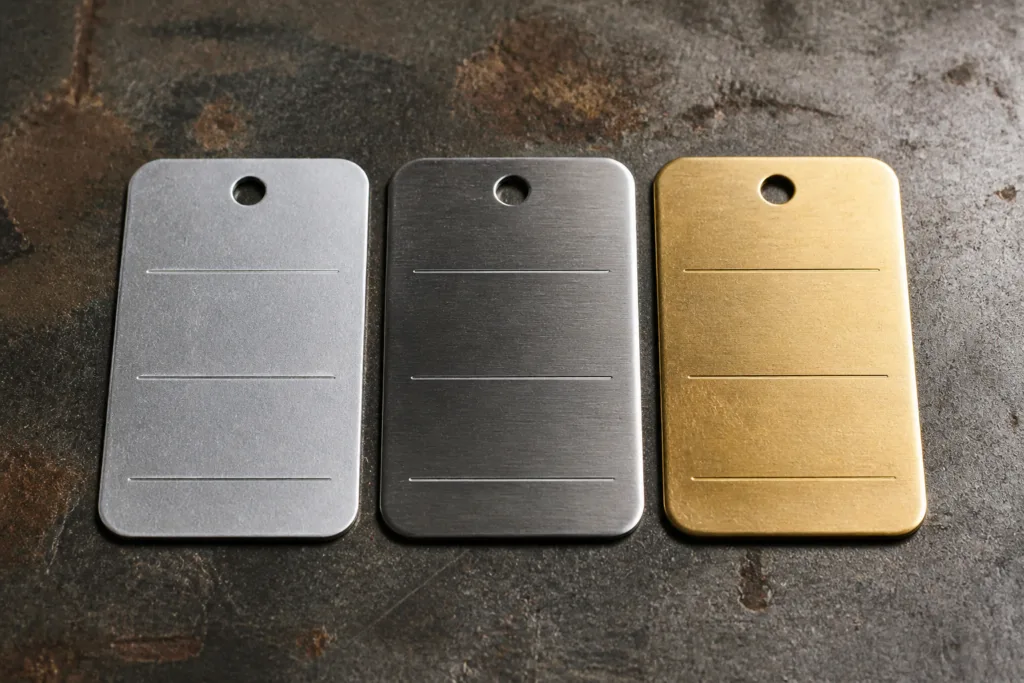
The material of your metal tag plays a critical role in how your brand story is perceived. Let’s compare aluminum, stainless steel, and brass—three top contenders for conveying your message.
| Material | Durability | Appearance | Perceived Value | Best For | Finishes |
|---|---|---|---|---|---|
| Aluminum | High (lightweight, corrosion-resistant) | Satin, anodized, colored | Modern, practical | Asset tags, outdoor, budget projects | Anodized, brushed, matte |
| Stainless Steel | Excellent (corrosion, abrasion, impact) | Mirror, brushed, matte | Premium, industrial | Industrial equipment, marine, high-wear | Polished, sandblasted, etched |
| Brass | Very Good (resists tarnish, softer than steel) | Warm, luxury, antique | Luxury, tradition | Luxury goods, awards, wine tags | Antique, polished, lacquered |
Aluminum tags are lightweight, cost-effective, and available in a broad range of finishes. Their modern touch suits tech companies or applications looking for practical durability. Stainless steel excels in harsh conditions, making it ideal for products exposed to chemicals, salt spray, or heavy use. Its premium appearance signals lasting value.
Brass communicates heritage, tradition, and luxury—a perfect match for upscale brands or commemorative pieces. However, brass may not suit environments with aggressive industrial exposure unless properly lacquered. The finish you choose—such as antique patinas for a sense of legacy or a mirror polish for modern elegance—deepens the story your tag tells. For more help on matching materials to your message, guides like The Essential Guide to Durable Product Branding explore real-world trade-offs and solutions.
Manufacturing Methods for Authentic Storytelling
How your tag is made directly shapes its storytelling impact. Engraving, stamping, etching, and printing each leave unique marks—literally and symbolically—on your metal tags.
Engraving (including laser and CNC engraving) carves permanent text deeply into the metal, conveying durability and precision. It’s a popular method for featuring founding dates and mottos that need to endure harsh use.
Stamping impresses details into the metal, creating tactile, reliable tags—excellent for straightforward or retro narratives. Deep stamped tags are chosen for rugged, military-inspired branding or industrial asset marking.
Chemical etching offers fine detail, supporting more intricate mottos or logos. Etched tags excel in applications requiring both readability and aesthetics. Meanwhile, UV printing allows for full-color graphics and is a flexible choice for logos paired with founding dates or mottos that require color differentiation.
The method you choose should align with both the story you want to tell and the performance your application demands. For high-touch or harsh environments, engraving and stamping offer best-in-class endurance. For limited-edition or visually rich branding, etched or UV-printed tags provide creative freedom but may require overcoating for extended wear.
As Rain Chen of UC Tag observes, “Methods like deep engraving and stamping don’t just look strong—they are strong. They make a story last as long as the metal itself.” Consider selecting your manufacturing method based on whether your story emphasizes resilience, innovation, heritage, or flair.
Design and Spec Checklist for Impactful Tags
Designing a metal tag that communicates your founding date and company motto effectively requires focus on key specifications and logistics. Here’s a practical checklist for buyers and engineers:
| Spec | Option/Guidance |
|---|---|
| Size | Choose dimensions that are visible but not bulky (often 60 x 25mm for dog-tag style) |
| Thickness | Min. 0.7mm for tactile feel; thicker for luxury or high-wear |
| Finish | Matte for modern, polished for luxury, antique for heritage |
| Readability | Test font size, contrast, and depth; avoid overly ornate scripts |
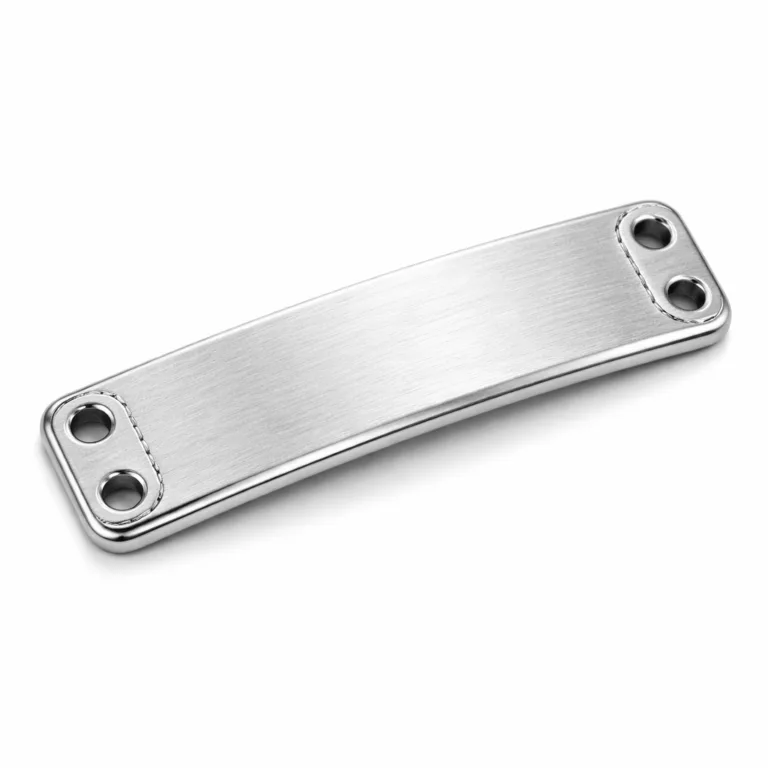
| Attachment | Rivet holes for fixed use, adhesive backing (like 3M) for smooth surfaces |
| Tolerances | Ensure text depth/tolerances allow for clear visibility even after years of wear |
| Compliance | Align with relevant industry standards and safety requirements |
Every design decision, from incorporating cut-outs around your founding date to selecting contrasting fills for your company motto, affects legibility and impact. Always request proofs and, if possible, samples—this helps catch issues like unclear fonts or incompatible finishes early. Review The Complete Rebranding Checklist for Logo Tags for tips on refreshing or scaling up your tag approach.
Ensuring Durability and Performance
Preserving your founding date and company motto on tags means ensuring the message stands up to time, environment, and handling. B2B clients, especially in demanding markets, expect tags to remain readable and intact long after deployment.
Common durability tests include corrosion resistance, abrasion (scratch/impact), UV light exposure, and salt spray testing. These tests simulate years of use or hostile conditions, making it clear which materials and finishes will perform best. Outdoor applications benefit from stainless steel or anodized aluminum, which can resist fading and rust.
Environmental exposure—like moisture, sunlight, or chemicals—can slowly degrade finishes and print, eroding brand messaging. To combat this, select coatings such as powder coat, clear lacquer, or anodizing, each providing enhanced weatherproofing.
For environments with fluctuating temperatures or chemical contact, prioritize processes that embed markings permanently, such as deep engraving or embossing. Periodic cleaning with non-abrasive solutions can help maintain clarity, especially for tags in high-contact settings.
Rigorous testing in situ—during pilot runs or in diverse climates—ensures your brand message remains a proud part of every asset for years to come.
Industry Applications and Use Cases
Embedding founding dates and mottos into metal tags has proven benefits across a range of sectors. Here are three practical examples:
- Automotive Manufacturing: A leading car parts supplier engraves its founding date and the motto “Built for Endurance” onto stainless steel component tags. These tags survive under-hood temperatures and fluid exposure, ensuring brand presence long after the initial sale. Their inclusion supports warranty tracking and authenticity verification.
- Consumer Products: An upscale luggage brand uses brass tags with an antique finish. Featuring their founding date, these tags reinforce the product’s heritage and premium status, while also acting as a unique identifier for warranty and customer loyalty. Feedback indicates that the tactile story increases customer satisfaction and repeat purchases.
- Industrial Equipment: Asset tags etched with the provider’s company motto and establishment year allow utilities and contractors to verify equipment lineage—boosting trust and compliance with regulatory requirements.
In each use case, the ability to track, differentiate, and authenticate products sets brands apart. Testimonials show that customers value the combination of durability and narrative—turning a simple tag into an anchor for trust. For ideas on shapes and unique layouts, consider inspiration from Why Hexagons and Diamonds Are Changing Modern Metal Tag Design.
Common Mistakes and Troubleshooting
Not all metal tags achieve their storytelling goals on the first try. Common issues include:
- Unreadable text due to poor font choice, size, or finishing.
- Mismatched materials chosen for price but unsuited to the environment.
- Poor adhesion—tags falling off due to improper backing or hole alignment.
- Tag design updates not properly proofed, leading to misprints or incorrect dates/mottos.
- Lack of regulatory compliance causing delays or product recalls.
Solutions include specifying minimum text heights, requesting material samples, and running environmental tests before mass production. Always review detailed proofs and encourage feedback from your team and users—this process often highlights unforeseen design challenges. Ordering samples prior to full production can reveal readability or adhesion issues early, saving cost and hassle.
Finally, stay current with industry compliance (such as ISO or safety labeling standards) to safeguard against future complications and increase market confidence.
Ordering Guide: From Concept to Completion
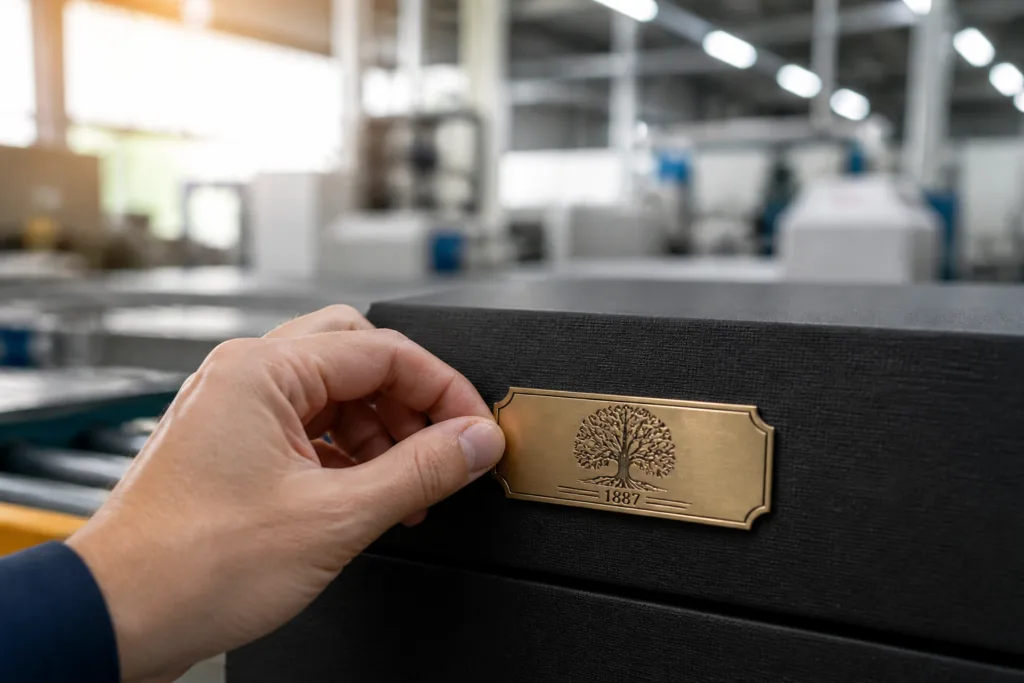
Ordering custom tags that showcase your founding date and company motto is a stepwise process built for clarity and confidence.
- Minimum Order Quantities (MOQ): Depending on size and process, MOQs can range from 100 to 500 pieces. Discuss your project scale up front.
- Lead Times: Engraving or stamping usually takes 7–25 days, depending on design complexity and finishing.
- Artwork & Proofing: Supply vector artwork or clear text. Always require digital or physical proofs for approval prior to production.
- Samples: Requesting samples is highly recommended, especially for new designs or materials. This helps validate design and finish choices.
- Packaging & Shipping: Options include bulk, individual wraps, or gift-ready presentation, tailored to application. Ensure packaging protects finishes from scratches during transit.
Work with your manufacturer to clarify tolerances, regulatory needs, and delivery deadlines. Many industry leaders find that up-front attention to detail streamlines later stages and helps maintain a consistent, high-impact brand story across all tag applications.
Frequently Asked Questions
What materials are best for outdoor tags?
For outdoor applications, stainless steel and anodized aluminum are top choices due to their excellent corrosion resistance, UV stability, and ability to withstand harsh environments for years.
How long do different manufacturing methods last?
Deep engraving and stamping produce markings that last the lifetime of the tag, while printed details may fade over time unless protected by coatings or used indoors.
Can I make changes to my design after placing an order?
Design changes are possible before production starts but may not be feasible once manufacturing has begun; always review and approve proofs to avoid errors.
What are the best finishes for high visibility?
Matte black on silver or high-contrast color infill enhance readability, as does brushed stainless steel with deep, clear engraving for crisp, visible information.
How do I choose the right size for my tags?
Consider visibility, mounting space, and application: common sizes are 60 x 25mm for identification, with thickness between 0.7–2mm for durability and tactile feedback.
What are some examples of successful company mottos?
Effective mottos include “Quality Never Compromised,” “Safety First, Always,” and “Innovating Together”—all of which communicate values and inspire trust when placed on metal tags.
Related Reading
- Unlock Your Private Label Potential with Custom Metal Tags
- How Heavy Metal Tags Instantly Boost Product Value and Perception
- Drive Customer Loyalty with Memorable Unboxing Powered by Metal Tags
- Rebranding Checklist: Transform Your Assets with Custom Metal Logo Tags
- Choosing Between Sticker Labels and Metal Tags for Maximum Durability
- Experience the Difference: Request Custom Metal Tag Samples for Your Brand