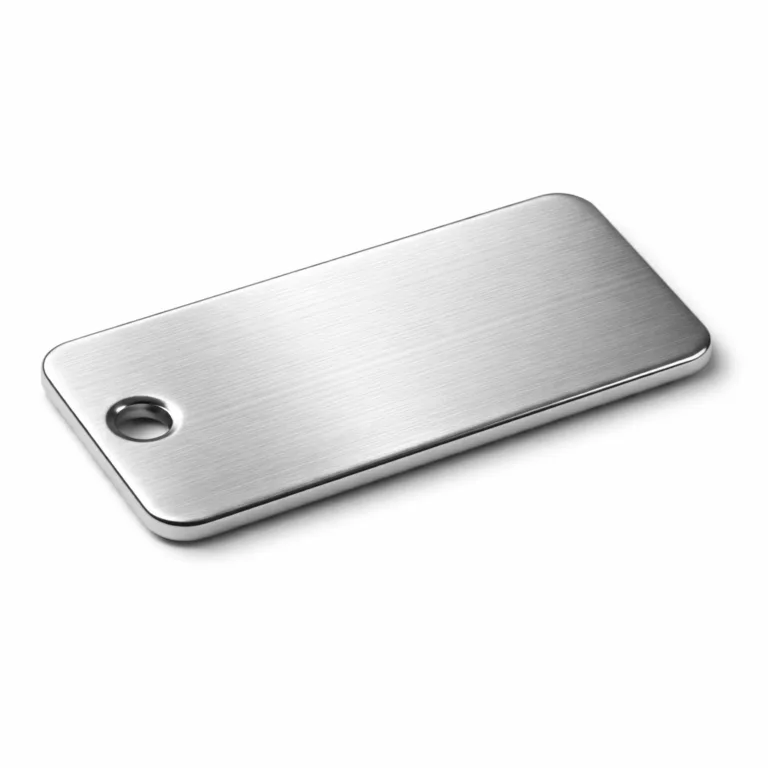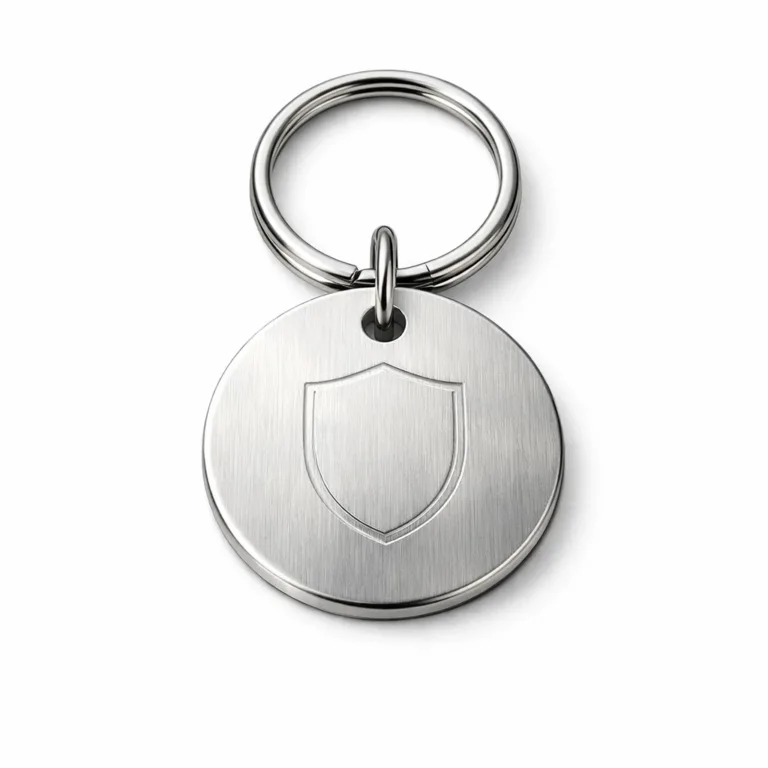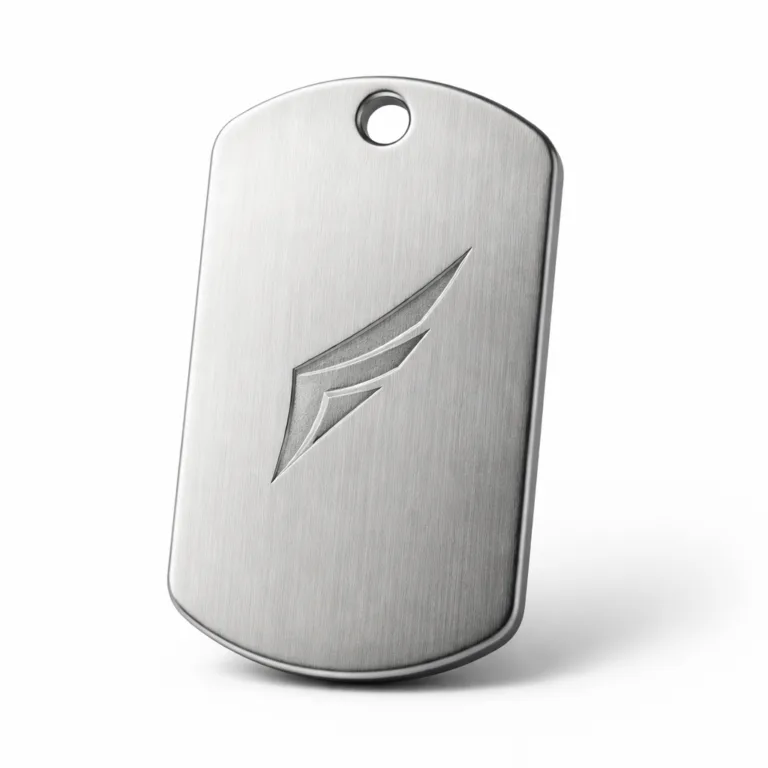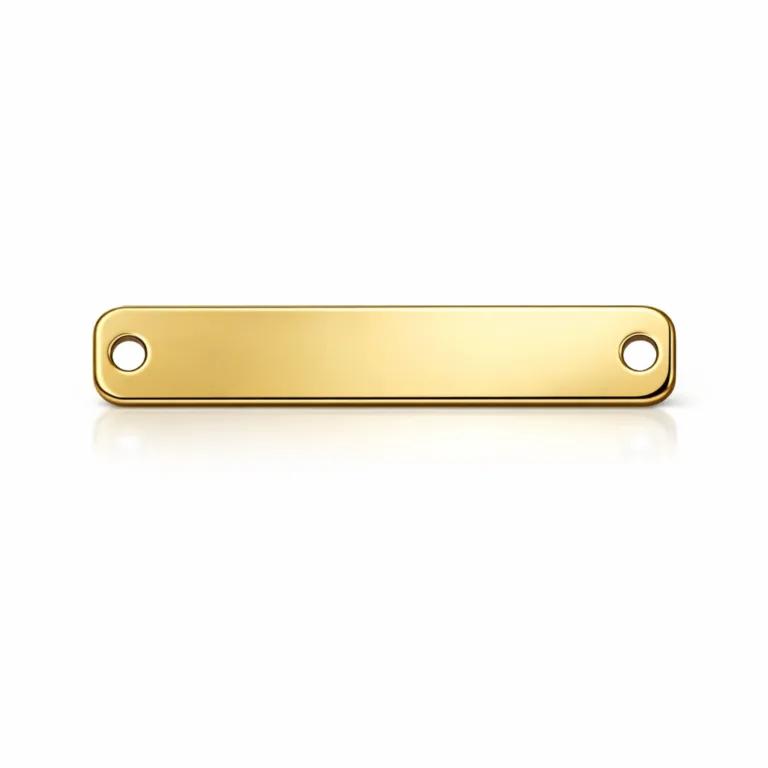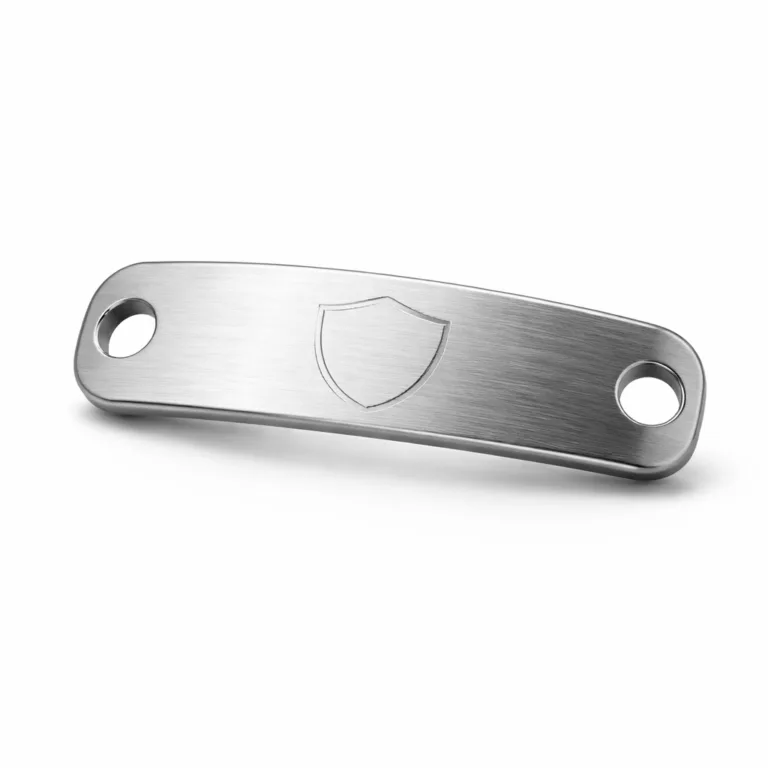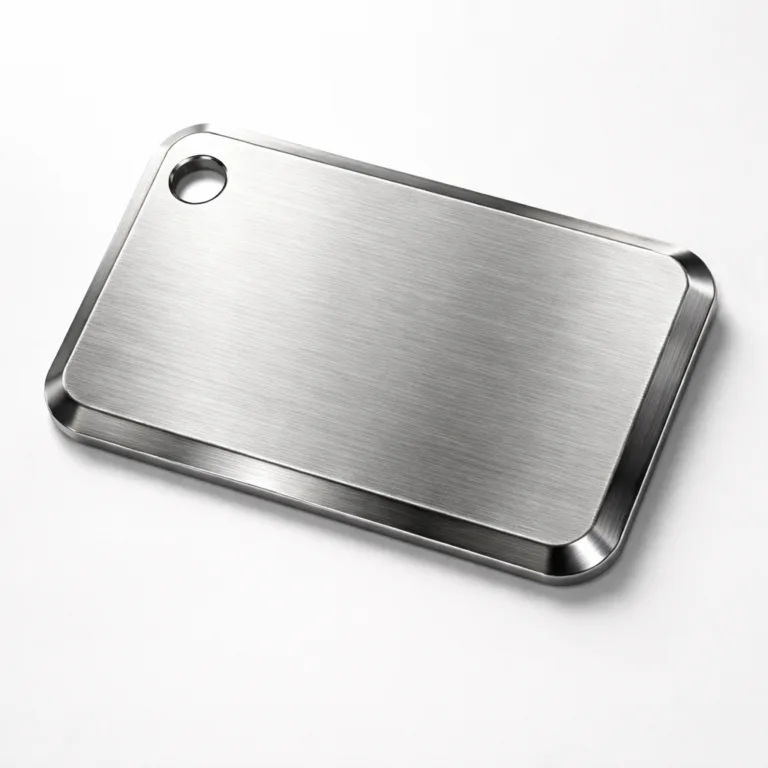
Serial number plates are one of those components that look simple until a machine needs inspection, service history verification, warranty review, asset transfer, or field replacement. Then the plate becomes a control point. For machinery manufacturers, plant operators, and procurement teams, the real question is not only what information goes on the plate, but whether that information will still be readable after years of heat, oil, cleaning chemicals, abrasion, weather, and daily handling.
If your project depends on serialized metal tag traceability for compliance, the plate specification needs to do more than carry a number. It should support consistent data structure, durable marking, attachment that fits the equipment, and a sampling process that catches mistakes before bulk production. In our manufacturing work, we usually help buyers confirm material, marking method, variable data format, mounting details, and packaging logic early, because small omissions at that stage can create expensive traceability problems later.
What serial number plates are and why they matter in machinery compliance
A serial number plate is a permanent identification plate attached to a machine, assembly, or major component to show a unique equipment identity and other reference data. In practice, it supports much more than simple labeling. It helps operators identify the right unit, service teams match the correct parts and maintenance history, and auditors confirm that records correspond to the actual machine in the field.
For buyers, the key is not only whether a plate exists. The key is whether it remains legible, attached, and accurate throughout the equipment lifecycle. A plate that fades, peels, corrodes, or carries inconsistent data can weaken traceability and create confusion during inspection or maintenance.
That is why serial number plate planning should sit close to the machinery design process, not as an afterthought. Plate size, material, data fields, mounting position, and marking durability all affect whether the identification system still works after installation.
How serial number plates support asset management and equipment traceability
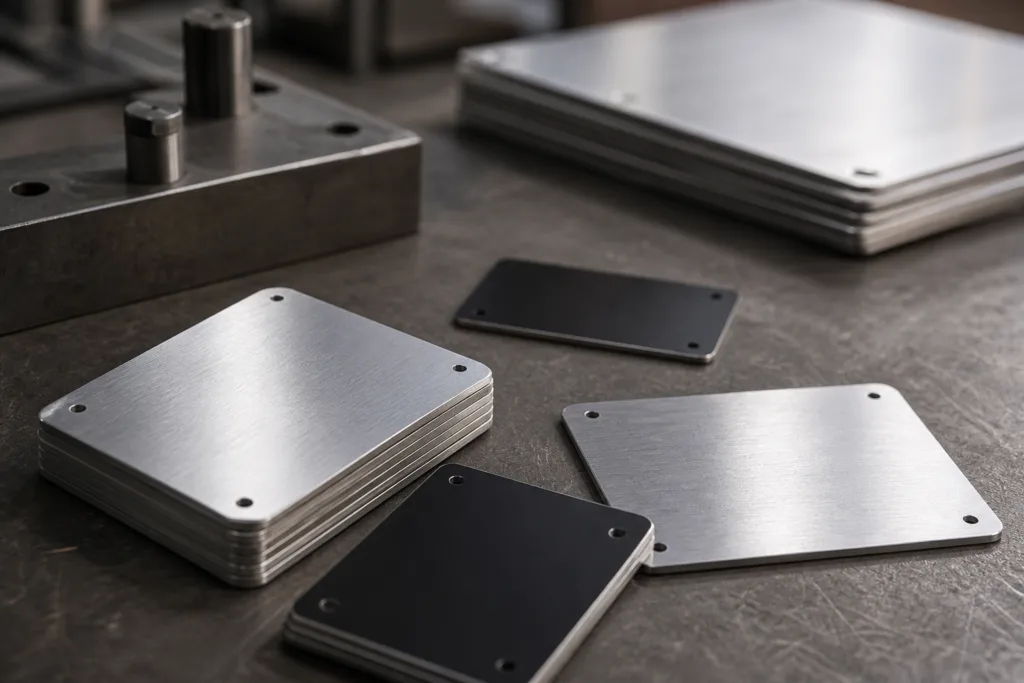
In many facilities, equipment records live across ERP systems, maintenance software, spreadsheets, compliance files, and physical inspection logs. The serial number plate is the physical bridge between those records and the actual machine. Without a consistent equipment identifier on the product itself, asset management becomes slower and more error-prone.
Good traceability usually depends on a few basics:
- One unique serial number per unit
- Consistent formatting across production batches
- Readable characters in the installed environment
- Optional barcode or QR support for faster scanning
- Stable mounting so the plate stays with the machine
- Data that matches internal records exactly
This is also where structured identification becomes useful. Broader hardware identification and asset management standards reinforce the value of aligning physical tag data with digital asset records rather than treating the plate as a standalone marking.
Where buyers run into trouble is usually not the idea of serialization itself. The common issue is inconsistency. One team may define the serial format, another team may prepare artwork, and a third party may manage installation. If nobody confirms separator style, character count, prefix rules, or scan symbology, the physical plate can drift away from the asset record structure.
Regulatory and compliance functions: identification, inspection, and recordkeeping
Machinery compliance requirements vary by product type, market, and industry, but identification plates usually serve three practical functions: they help identify the equipment correctly, support inspection activity, and provide a record reference that stays with the unit. That sounds basic, but it is critical in environments where equipment capacity, model designation, year, electrical data, or service class matters to safe use.
For some equipment categories, durability is not optional. Guidance around durable, corrosion-resistant nameplates for machinery identification shows why readable identification matters in real operation, not only in documentation. If a plate cannot be read clearly, the operator or inspector may not be able to verify the machine correctly.
Compliance-aware buyers should also review any region-specific chemical, labeling, or market-entry requirements early. In some projects, material choice, surface treatment, or product communication may need broader metal tag compliance considerations during sourcing and launch planning.
Key information a machinery serial number plate should display
The exact content depends on the machine and the buyer’s internal system, but most compliance-sensitive projects include a combination of identification, technical, and record-supporting data.
| Data field | Why it matters | Common note |
|---|---|---|
| Serial number | Unique traceability for each unit | Should match production and service records exactly |
| Model number | Differentiates product families or configurations | Useful for parts and technical support |
| Manufacturer name | Identifies source of equipment | Often required for formal identification |
| Date or batch code | Supports production history and recall scope | Can be full date or coded format |
| Electrical or operating data | Supports safe use and inspection | Depends on machinery type |
| Barcode or QR code | Improves speed and data accuracy | Should be verified for scan readability |
| Certification or warning text | Supports regulatory communication | Needs enough contrast and space |
This detail may look small, but it can create problems later if it is not confirmed early. For example, if the serial number appears on the plate as 00125-A but the ERP system stores 125A, service staff may start creating duplicate records. Data formatting rules should be locked before sample approval.
Choosing materials for durable industrial use
Material selection should be based on the real environment, not only on unit cost. We usually ask buyers about indoor or outdoor use, contact with oil or chemicals, washdown frequency, heat exposure, expected service life, and whether the plate is decorative, informative, or compliance-critical.
Aluminum
Standard aluminum is a common choice when buyers need a light, economical plate with good general corrosion resistance and easy fabrication. It works well for many indoor machines and moderate environments, especially when combined with suitable printing or engraving processes. The limitation is that plain aluminum may not be ideal for the harshest abrasion or chemical conditions unless the surface treatment is chosen carefully.
Anodized aluminum
Anodized aluminum is often selected when buyers need better wear performance, cleaner appearance, and improved outdoor durability. It is especially useful for variable data and dark-on-metal contrast when the artwork is designed correctly. For many machinery projects, anodized aluminum offers a strong balance between cost, readability, and long-term stability.
Stainless steel
Stainless steel is usually the safer choice for aggressive industrial conditions, higher temperatures, marine exposure, heavy cleaning, and applications where the plate must remain stable for a long service life. It costs more and is harder to process than aluminum, but the durability advantage can justify that in demanding use.
Brass
Brass is often chosen for brand appearance, heritage equipment, architectural machinery, or premium nameplate presentation. It can work well, but buyers should confirm whether appearance, tarnish behavior, and environmental exposure match the application. Brass is not automatically the best answer for harsh industrial exposure just because it is metal.
When buyers are comparing options across environment, marking method, and budget, an industrial metal tag selection guide can help frame the trade-offs more clearly before sampling begins.
Comparing marking methods for serial number plates
The right metal can still fail the job if the marking method is wrong. For serial number plates, the real issue is whether the characters, codes, and fixed data remain readable after the plate enters service.
| Marking method | Strength | Best use case | Watch point |
|---|---|---|---|
| Laser engraving | Sharp detail and good variable-data control | Serial numbers, logos, barcodes, short-run customization | Contrast depends on material and finish |
| Chemical etching | Clean detail and durable recessed feel | Stainless steel plates, fine graphics, industrial nameplates | Needs good artwork preparation |
| Stamping | Deep permanent impression | Heavy-duty identification where physical indentation matters | Less suitable for very dense graphics |
| Screen printing | Cost-effective for fixed layouts | Larger-volume plates with stable artwork | Ink system must match environment |
| UV printing | Flexible full-color output | Detailed visual layouts in controlled environments | Not the first choice for severe abrasion |
In our production work, we usually separate the question into two layers: what information must never disappear, and what information mainly supports appearance or convenience. If the serial number is compliance-critical, the marking method should be chosen for permanence first, not for visual effect alone.
Durability requirements: heat, chemicals, abrasion, outdoor exposure, and corrosion
Durability should be specified against the real hazard, not a generic statement like “industrial use.” A machine installed indoors in a dry electrical room needs a different plate from a unit that sits outdoors, gets pressure-washed, or is handled with tools during maintenance.
Here are the exposure questions we recommend confirming before artwork release:
- Will the plate see sunlight or constant outdoor weather?
- Is there oil, solvent, fuel, or alkaline cleaner contact?
- Will operators wipe the surface often?
- Can the plate be scratched by cables, tools, pallets, or components?
- Is there salt, humidity, or marine air?
- Is the mounting surface hot, curved, or rough?
For harsh environments, thickness and edge quality matter too. A plate may carry the right data, but if it bends too easily during installation or develops edge damage in service, readability and appearance both suffer.
Readability and data integrity: font size, contrast, serialization, and scanning
A serial number plate only works if people can read it correctly and systems can trust the data on it. This means character height, spacing, contrast, and code quality need attention. Small condensed fonts may save space on the artwork, but they often create field problems once dust, glare, or wear are involved.
For buyers adding machine-readable data, barcoded equipment tracking plates are useful when maintenance teams, warehouse staff, or service partners need fast scanning without manual entry. QR codes can carry more data, while linear barcodes may fit existing scanning systems more easily. The correct choice depends on workflow, available scanner hardware, and how much space the plate provides.
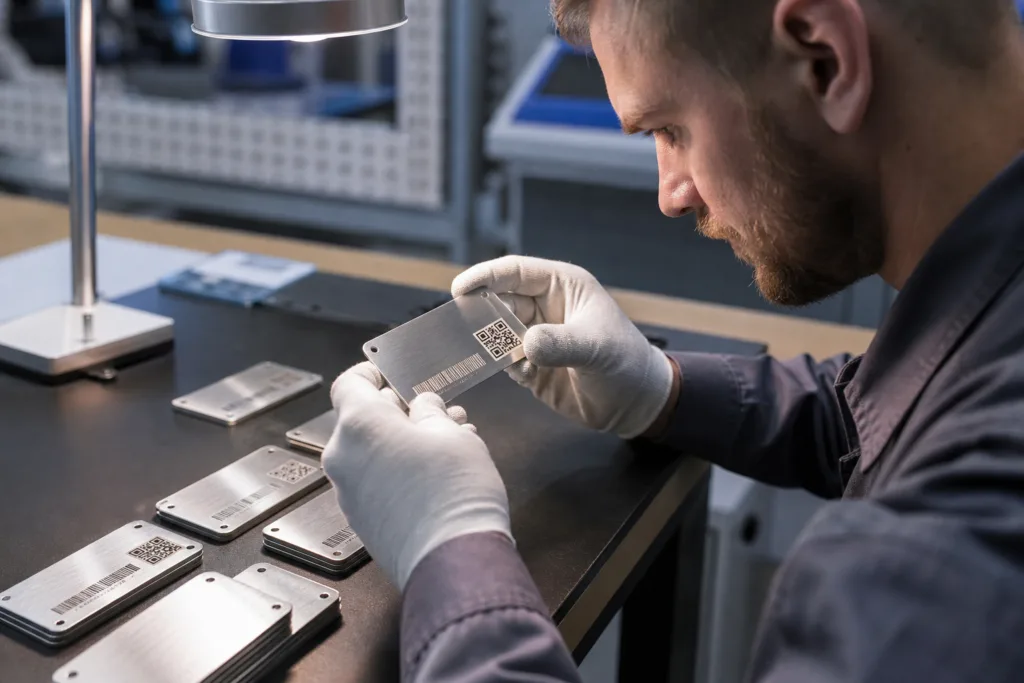
Data integrity also depends on file handling. If variable serial data is supplied in a spreadsheet or CSV file, the manufacturer should confirm sequence logic, number padding, prefixes, duplicate prevention, and how rejected or skipped numbers are handled. This is one area where bulk production errors can happen quietly if the input file is not reviewed carefully.
Attachment methods for machinery
Attachment is often underestimated. A durable plate with perfect engraving still fails if it detaches from the machine. The mounting method should fit the equipment surface, installation process, and service environment.
Holes with rivets or screws
This is usually the most secure method for machinery. It is common for industrial equipment, outdoor units, heavy assemblies, and any situation where permanence is important. Hole diameter, center distance, and edge margin should be confirmed on the drawing, especially for small plates.
Adhesive backing
Adhesive can work well on smooth, clean surfaces and can simplify installation, but it is not automatically suitable for oily, textured, high-heat, or rough environments. Buyers should confirm surface preparation and long-term exposure before choosing it for compliance-critical identification.
Custom mounting needs
Some machines need unusual shapes, corner cuts, slots, wire attachment, or placement around fasteners and housings. These details are easy to overlook during quotation, but they affect tooling, production setup, and installation success.
Specification checklist for OEM and industrial buyers
Before asking for a quote or sample, we recommend building a short specification checklist. It reduces back-and-forth and helps the supplier understand the real job.
- Plate width and height
- Material and thickness
- Surface finish and color
- Marking method
- Fixed data and variable data fields
- Barcode or QR code type
- Hole size and hole position
- Edge style and corner radius
- Attachment method
- Expected environment
- Packaging method for installation or kitting
- Artwork file format and variable data file format
For projects that involve multiple machine models, it also helps to define what stays constant and what changes by SKU. That keeps the sample stage cleaner and reduces the chance of mixed versions during bulk runs.
Sampling, approval, and bulk production considerations
Compliance-sensitive orders should not move directly from concept to bulk production without a disciplined sample step. A sample is where buyers can verify actual plate size, text hierarchy, contrast, hole placement, mounting fit, and readability under real lighting and surface conditions.
At UC Tag, we usually advise customers to approve both the visual sample and the data logic. That means checking not only how the plate looks, but also whether variable numbers, codes, and file formatting behave exactly as expected across multiple sample records.
This is also the point where packaging should be discussed. Plates supplied in random bulk bags may be acceptable for some installations, but not for projects where sequential installation, lot separation, or line-side picking matters. Packaging can affect labor efficiency and numbering control more than many buyers expect.
Quality control practices that reduce numbering and consistency errors
QC for serial number plates is not only about cosmetic inspection. It should focus on data accuracy and repeatability. In our custom metal tag manufacturing expertise, the most important checks usually include artwork version control, raw material confirmation, variable data verification, first-article approval, in-process comparison, and final count review.
A practical QC approach may include:
- Checking the approved drawing against the production file
- Reviewing serial number sequence before marking starts
- Verifying random samples during the run
- Comparing barcode or QR readability where applicable
- Confirming hole positions and dimensions
- Inspecting finish consistency, edge quality, and attachment preparation
- Counting finished plates against the numbering list
Where projects carry many unique numbers, buyers should also ask how nonconforming parts are controlled. If one plate is damaged or rejected, the supplier should have a clear method for handling that specific serial number so the final shipment stays accurate.
Common mistakes that cause compliance risks or tracking failures
In many projects, the problem is not that the buyer chose the wrong category. The problem is that some production details were not clarified before sampling or bulk production.
- Choosing material by price without checking environment
- Using a marking method that looks good but wears too quickly
- Making text too small for field reading
- Skipping barcode verification
- Not aligning serial format with ERP or maintenance records
- Approving artwork without checking hole position on the real machine
- Using adhesive on unsuitable surfaces
- Failing to control version changes across machine models
Most of these problems are preventable. They usually come down to clearer communication, better sample review, and a stronger link between engineering, procurement, and the plate manufacturer.
How manufacturers should evaluate a serial number plate supplier
When buyers compare suppliers, unit price matters, but it should not be the first filter for compliance-sensitive work. A lower quote can become expensive if numbering accuracy, material suitability, or repeatability is weak.
Useful questions to ask a supplier include:
- What materials and marking methods do you make in-house?
- How do you handle variable serial data?
- Can you provide sample approval before bulk production?
- How do you verify numbering accuracy and file control?
- What attachment options do you recommend for this machinery?
- How do you package sequential or model-specific plates?
- What information do you need from us to avoid production risk?
The supplier’s answers should sound practical. If the response stays general and avoids discussion of data files, installation details, or environmental exposure, that is usually a sign to ask more questions.
Best practices for building a reliable machinery identification system
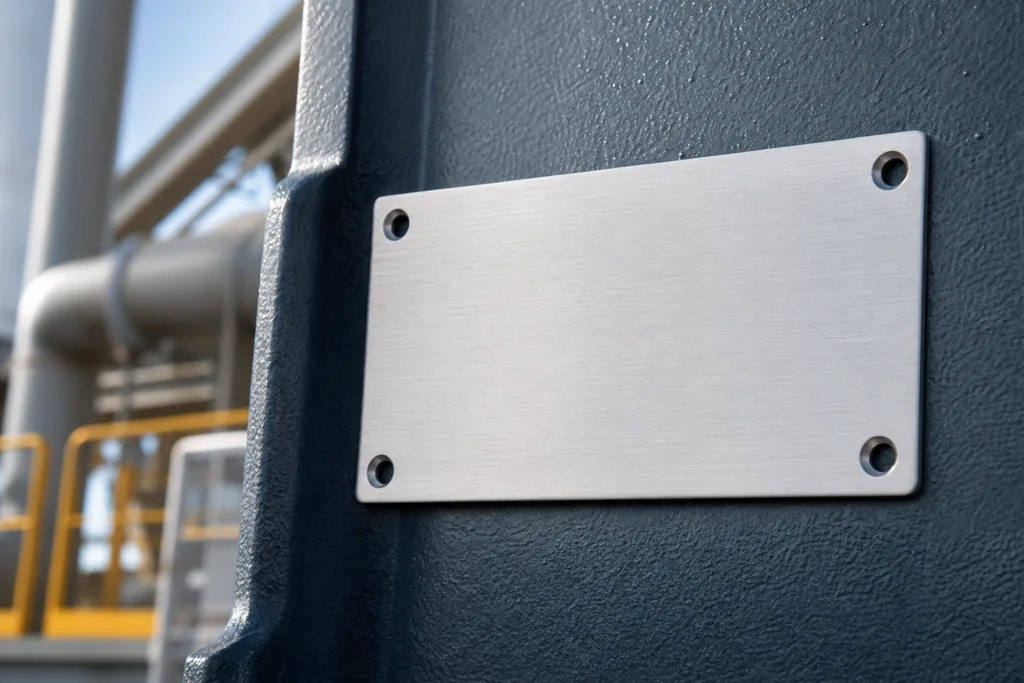
The strongest results usually come from treating serial number plates as part of a full identification system, not as a last-minute accessory. That means defining the data standard, selecting material and marking around the real environment, matching attachment to installation conditions, and controlling samples and production records carefully.
From our metal tag manufacturing perspective, the best projects are the ones where the buyer confirms five things early: what the plate must communicate, where it will be mounted, what it will be exposed to, how variable data will be supplied, and how the finished plates will be installed or packaged. Once those points are clear, the path to consistent production becomes much smoother.
For OEMs, distributors, and industrial asset teams, durable serial number plates support more than identification. They support traceability, maintenance efficiency, record accuracy, and compliance confidence across the life of the machine.
FAQs About Serial Number Plates for Machinery Compliance
What material is best for machinery serial number plates?
The best material depends on the environment. Stainless steel is usually the safer choice for harsh outdoor, chemical, marine, or high-wear conditions, while anodized aluminum often gives a strong balance of readability, corrosion resistance, and cost for many industrial applications. Standard aluminum can work well indoors or in moderate conditions, and brass is more often chosen when appearance matters. The right decision should be based on exposure, service life, and how critical the plate is to compliance and traceability.
Should serial number plates be engraved, etched, stamped, or printed?
It depends on what the plate must withstand and how much variable data it carries. Laser engraving works well for serialized data and flexible customization, etching is a strong option for durable stainless steel plates with precise detail, stamping is useful when a deeper permanent impression is needed, and printing methods can be cost-effective for stable layouts in less aggressive environments. For compliance-sensitive machinery, the main question is which method keeps the serial data readable through actual service conditions.
What information should appear on a serial number plate?
Most machinery serial number plates include the unique serial number, model number, manufacturer name, and any technical or operating data needed for identification, service, or inspection. Some projects also add batch codes, dates, barcodes, QR codes, or market-specific labeling content. The key is that the plate data should match internal production, maintenance, and asset records exactly, with a format that remains consistent across all units.
Are barcode or QR code options worth adding to serial number plates?
Yes, if the equipment will be tracked, serviced, audited, or inventoried regularly. Machine-readable codes reduce manual entry errors and speed up maintenance or warehouse workflows. The choice between a barcode and a QR code should be based on your scanner setup, available plate space, and how much data needs to be linked or encoded. It is important to verify code size, contrast, and scan performance during sampling rather than assuming the artwork will work in the field.
What should buyers confirm before approving a sample order?
Buyers should check the material, thickness, finish, marking contrast, text size, serial format, barcode or QR performance, hole positions, overall dimensions, and mounting fit on the real machine. It is also important to confirm how the variable data file is structured, how rejected numbers will be handled, and how the plates will be packaged for installation. A sample approval that only looks at appearance can miss data or installation issues that become expensive during bulk production.
How can a supplier reduce numbering mistakes in bulk production?
A reliable supplier should control artwork versions, verify the variable data file before production, check first articles, inspect sequence accuracy during the run, and reconcile final quantities against the approved numbering list. For projects with serialized plates, process discipline matters as much as the metal itself. Buyers should ask how damaged or rejected plates are handled so skipped, duplicated, or missing serial numbers do not create traceability gaps.