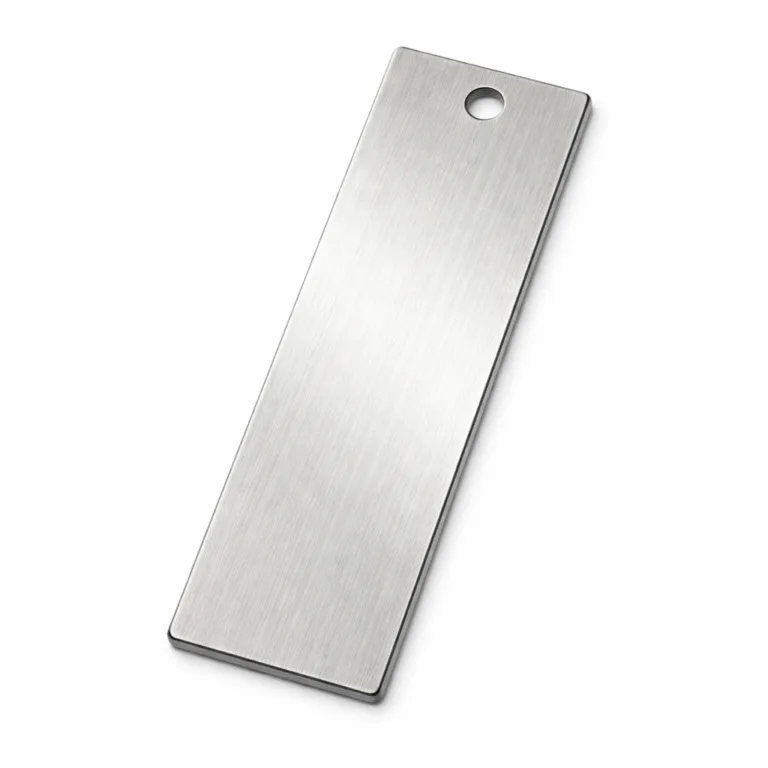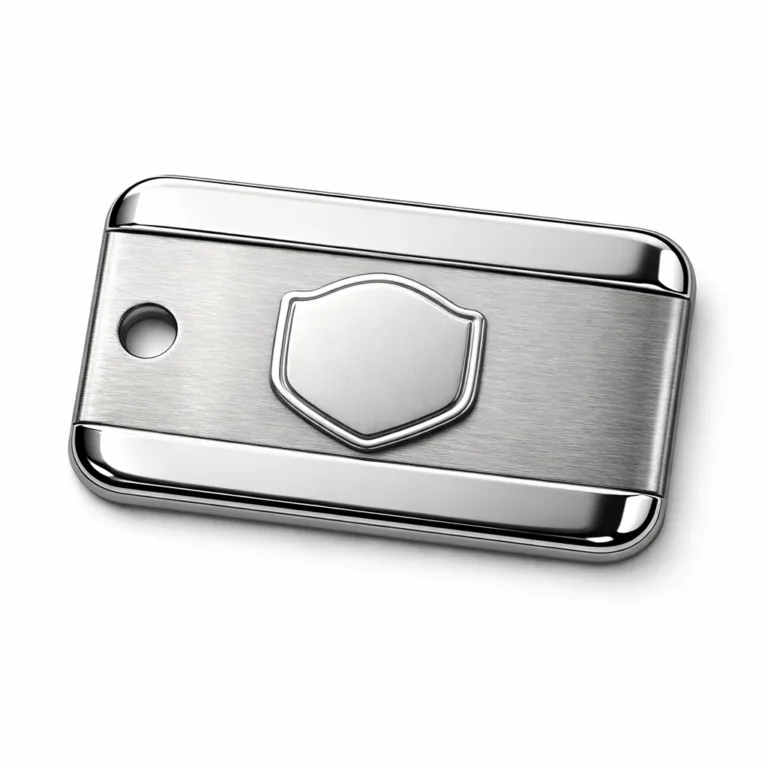
Co-branding has become a powerful engine for driving shared recognition, particularly through innovative tools like dual-logo tags. By placing both partner logos on high-quality metal tags, brands create a physical signal of collaboration that boosts trust and traceability. In this article, we explore practical strategies and design considerations for using Co-Branding, Dual-Logo Tags, Metal Tags, Brand Partnerships to amplify your organization’s marketing efforts and deepen partnership impact.
Understanding Co-Branding and Dual-Logo Tags
Co-branding is a strategy where two or more brands collaborate to create a product or campaign that features their distinct identities. In today’s competitive landscape, such partnerships can be a game changer—especially when both brands bring their logos together on a shared touchpoint like a dual-logo metal tag.
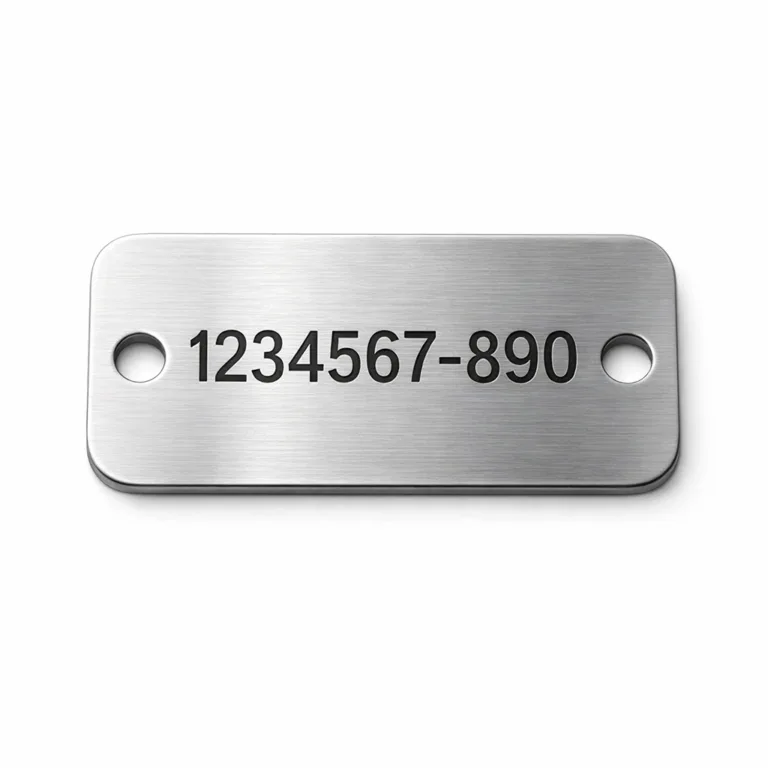
Dual-logo tags are custom metal tags that display both partner logos, typically crafted from materials like aluminum, brass, or stainless steel. These tags are attached to products, equipment, packaging, or promotional merchandise. Their purpose is to visually reinforce the joint value proposition of the partnership for end-users and buyers alike.
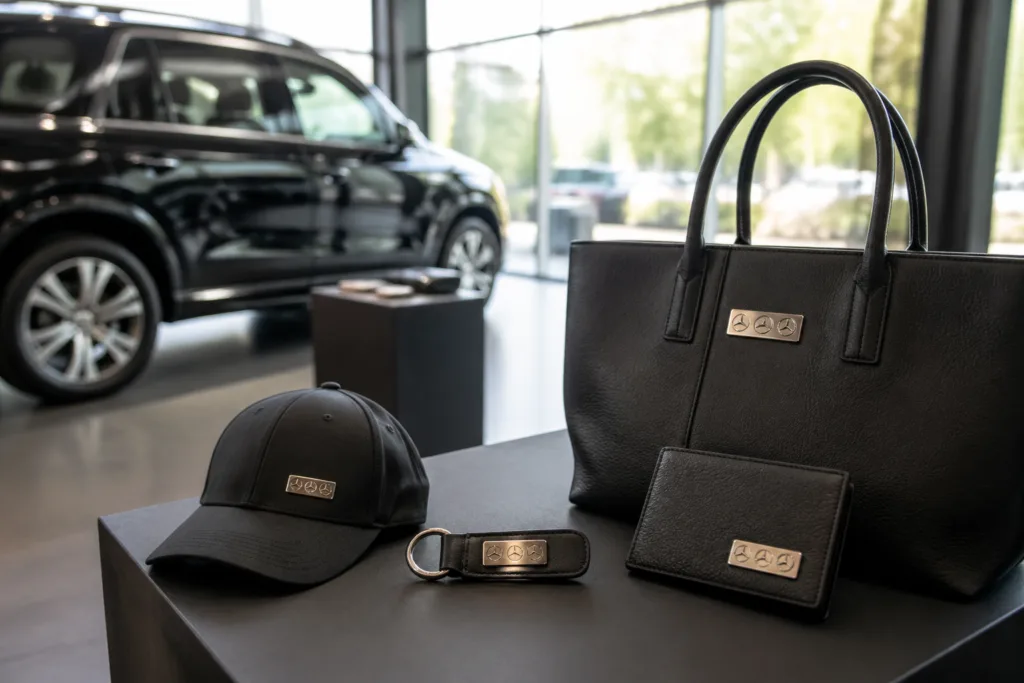
When it comes to enhancing brand visibility, dual-logo tags provide sizable advantages over single-brand solutions. They instantly communicate collaboration, opening doors to new audiences and amplifying each partner’s reach. Think of high-profile campaigns such as automotive manufacturers pairing with luxury apparel brands, leveraging dual-logo elements on limited-edition products. Or, consider sports clubs and beverage companies teaming up, their partnership cemented by metal tags on commemorative items. For B2B buyers, this is more than just hype—dual-logo tags often serve as proof of authenticity and traceability in industrial settings.
It’s crucial that the values and messaging of both brands align before any tag is made. Successful co-branding isn’t just about merging visual assets; it’s about telling a story of shared quality, durability, and trust. When executed thoughtfully, co-branding through dual-logo tags can elevate both brands beyond what they could achieve individually.
Benefits of Dual-Logo Tags in Marketing Campaigns
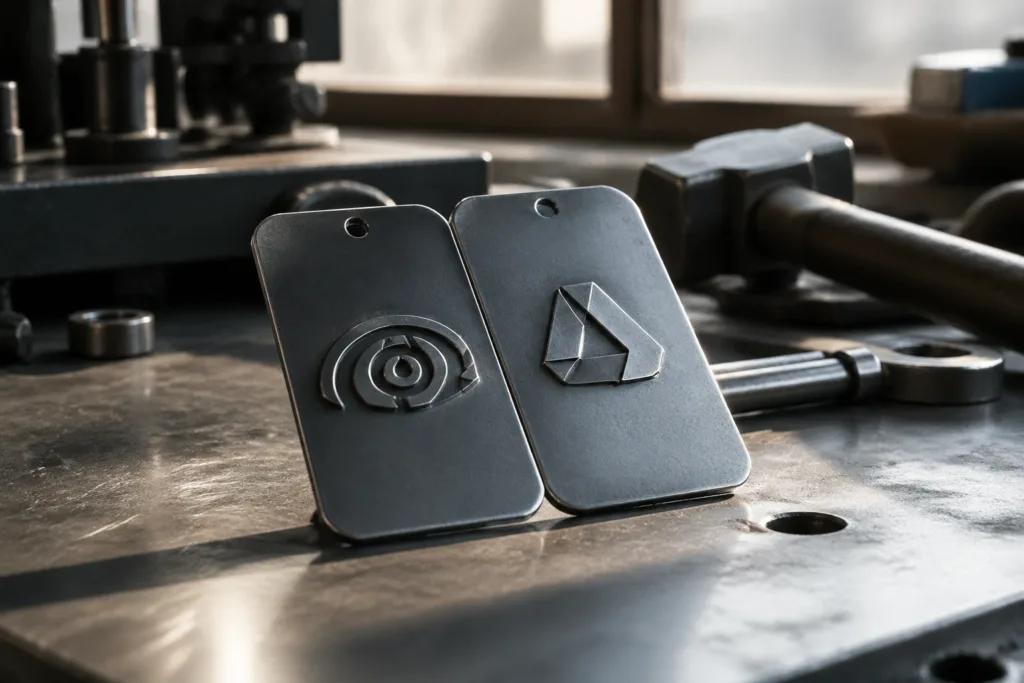
Dual-logo tags provide increased brand visibility in markets where the partnered brands might not traditionally overlap. With two logos side-by-side, each brand can tap into the other’s audience, multiplying exposure and opening the door for new business opportunities.
Such tags are also a tool for strengthening partnerships—physically representing the collaboration wherever the product travels or is used. This visual reminder helps solidify trust both between the brands and with consumers, making campaigns feel more cohesive and intentional.
Customer loyalty is enhanced when consumers see their favorite brands collaborating and investing in quality details. A dual-logo metal tag on a limited product can become a collector’s item or a conversation starter, deepening emotional connections for both brands’ audiences.
- Amplifies impact at trade shows and events
- Provides traceability and authenticity in supply chains
- Enables unique storytelling through shared product identity
Using dual-logo tags during promotional launches or seasonal events can spark engagement and generate buzz. Products tagged with both brands instantly communicate a united narrative—one that outperforms generic marketing. For ideas on how metal tags can elevate customer anticipation and loyalty, see our post on unlocking memorable unboxing experiences.
Choosing Materials for Dual-Logo Tags
Selecting the perfect metal material for your dual-logo tags is mission-critical for both aesthetics and performance. The decision depends on environment, durability requirements, budget, and desired finish. Here’s how the most common metals compare:
| Material | Durability | Corrosion Resistance | Weight | Aesthetic | Cost Impact | Application Fit |
|---|---|---|---|---|---|---|
| Aluminum | Good | Excellent (with anodizing) | Light | Modern, versatile colors via anodizing | Low–Medium | Electronics, consumer goods, light equipment |
| Stainless Steel | Excellent | Superior | Medium–Heavy | Polished or matte, high-tech | Medium–High | Industrial, automotive, harsh/wet settings |
| Brass | Good | Good (can patina over time) | Medium | Premium, classic gold tone | Medium | Luxury, decorative, commemorative |
Durability is critical for tags exposed to outdoor or industrial abuse. Stainless steel offers superior performance—industrial buyers prefer it for machinery or equipment exposed to chemicals, moisture, or abrasion. Aluminum, especially when anodized, resists weather and offers lightweight flexibility for cost-sensitive projects. Brass provides a luxurious appearance, but may develop a patina where a vintage look or warmth is desired.
Each metal’s weight and finish influence not only the product feel but also shipping costs for large orders. In bulk branding campaigns, aluminum’s lightness eases transportation and keeps budgets in check. For insights into how the weight and thickness of metal tags can drive perceived value, explore our article on the science behind thickness and weight.
Always choose materials to match the application environment. Rain Chen, a production craftsman at UC Tag, notes, “For outdoor use or contact with solvents, specify marine-grade stainless or anodized aluminum. Neglecting this step risks early failure.” For more details on specialty finish options and environmental resistance, the Tag Solutions resource breaks down advanced metal tag choices by industry.
Manufacturing Methods for Dual-Logo Tags
Once you’ve chosen the metal, the next step is selecting the best manufacturing process for your dual-logo tags. Each technique offers unique strengths for certain designs and use cases. Let’s break down the main approaches:
- Engraving: Provides precise, permanent markings. Laser and CNC engraving can achieve intricate logo details and variable info, making them ideal for asset tags or serialized parts.
- Stamping: Uses high pressure to imprint logos or text, creating tactile, wear-resistant impressions. Best for bold, simple designs in high volumes.
- Chemical Etching: Removes metal using acid, producing fine lines and subtle textures. Suitable for detailed artwork but may be less tactile than stamping.
- Printing (UV or Screen): Applies ink for full-color graphics. Offers design flexibility but may require protective coatings for outdoor durability.
The method chosen dramatically impacts tag longevity. Engraving and stamping are top options for high-traffic environments because the markings cannot wear off under normal use. Printing and etching are best when logo detail, color, or gradation is crucial.
Consider your desired production speed and order scale. Stamping is highly scalable and cost-efficient for consistent mass production; engraving is unmatched for personalization or lower volumes. For design complexity, intricate dual-logo layouts might favor laser engraving or high-res printing—though these processes may slightly increase lead times.
When unsure, sample a few prototype runs in different methods—a practice that experienced manufacturers such as UC Tag recommend to avoid costly surprises on large orders. For a step-by-step comparison of production methods, our guide on engraved vs printed metal tags offers practical observations.
Design Considerations for Dual-Logo Tags
Designing dual-logo tags means balancing visibility, durability, and manufacturability for both brands. The size and thickness of your tags need to be visible but not cumbersome—2–3mm thickness is common for maximum durability and comfort.
Choosing the ideal finish isn’t just about visual appeal; it protects your tag from wear and tear. Matte nickel, brushed, or anodized finishes provide scratch resistance and reduce fingerprint visibility, while high polish finishes can highlight both logos in luxury settings. Finishes should align with each brand’s identity to ensure consistency across product lines.
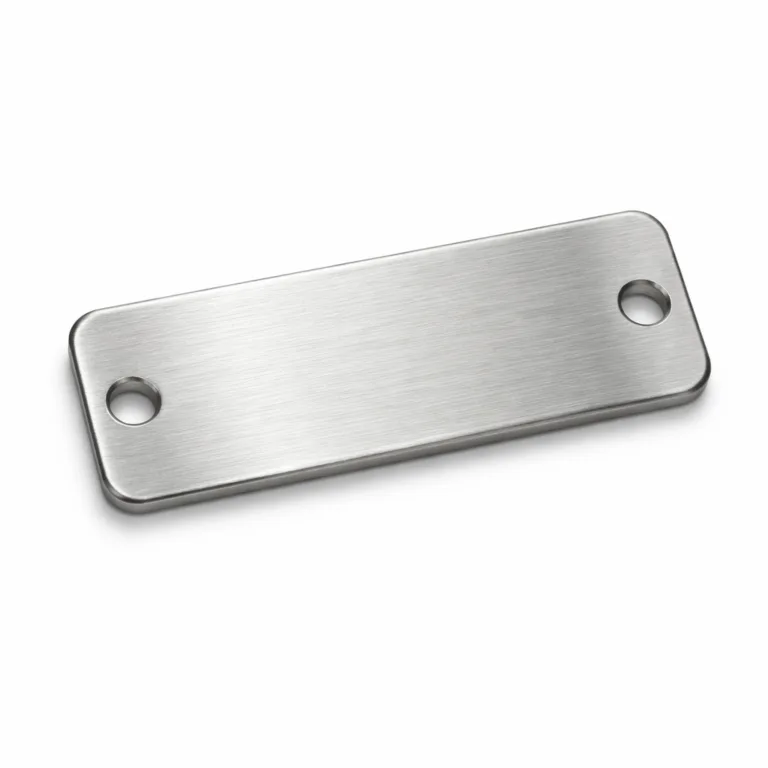
Logo placement matters. Place each logo with enough spacing and contrast so neither overpowers the other. Add necessary text (sku, origin, batch) without crowding the main brand marks. For attachment, consider functional details like holes, adhesive pads, or rivets—these affect both installation utility and brand perception.
- Test logo combinations at real-world tag sizes before full runs.
- Maximize readability by boosting contrast between logos/background.
- Integrate features for traceability (e.g., serial numbers, QR codes).
Clarity leads to easier identification and higher end-user trust. For more practical design strategies, see our discussion on how to upgrade physical assets during rebranding.

Durability & Testing of Dual-Logo Tags
Durability is non-negotiable, especially when tags are exposed to harsh environments. Key durability factors include corrosion resistance, abrasion, mechanical stress, and UV exposure for outdoor or industrial tags. Even elegantly designed tags can fail early if not properly tested.
Manufacturers rely on established tests such as salt spray (for corrosion), Taber abrasion (for surface wear), and UV aging (for sunlight resistance) to verify tag performance. Outdoor exposure trials are essential for products destined for vehicles, tools, or site equipment. Tags that survive these tests reliably preserve both brand identities in the field.
It’s smart to specify tags that meet industry standards—such as ISO, UL, or certain military specs—for traceability and guaranteed lifespan. Production teams at UC Tag have seen real-world failures when clients skipped testing, like logos fading in months due to inadequate coatings. By iterating on design and retesting, many problems can be solved before mass rollout.
When quality is verifiable, product lifespan increases and so does customer satisfaction. Industry professionals recommend requesting durability data and testing certifications as part of your procurement checklist.
Industry and Application Fit for Dual-Logo Tags
Dual-logo tags shine across a surprising range of industries and use cases. In manufacturing and logistics, these metal tags serve as reliable identifiers for traceability—especially when two companies co-own equipment or collaborate on product lines. Asset tracking using co-branded tags is now standard for many industrial fleets and warehouses.
In retail, dual-logo tags add prestige to special editions or collaborative campaigns. Fashion brands collaborate with equipment or lifestyle companies to create exclusive runs, each tagged to signal authenticity. The automotive industry often uses metal tags for partnerships between chassis manufacturers and aftermarket accessory providers—ensuring that both the performance and style credentials are on display.
Real examples abound: A beverage giant and a theme park might issue co-branded collectible bottle tags for an anniversary. Or, an electronics firm might join forces with a luxury house to offer limited-edition devices—each bearing a tag that pairs the brands visually and symbolically.
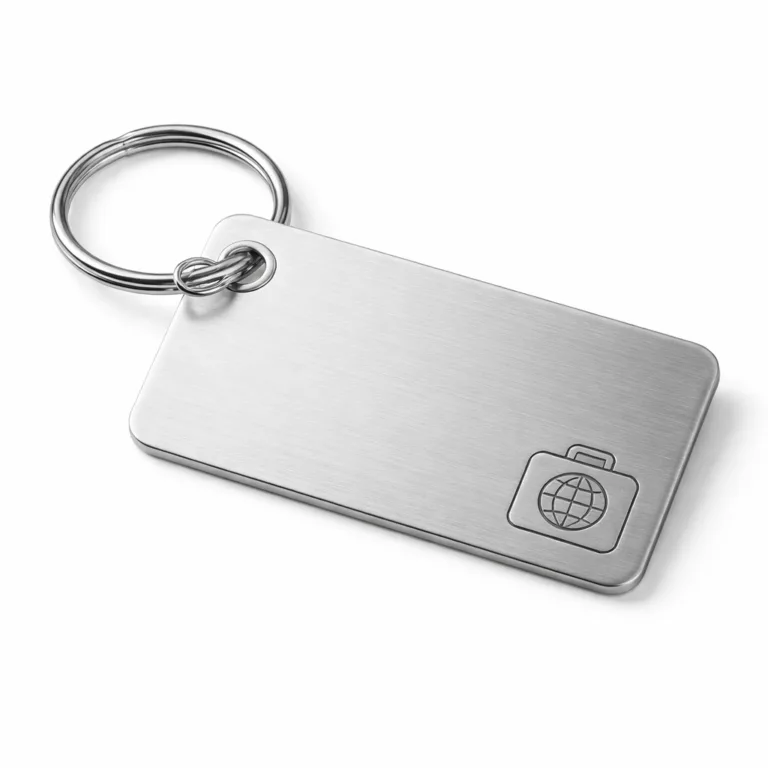
Services businesses also benefit. Hotels and resorts incorporate dual-logo tags on luggage or keychains for brand partnerships or VIP experiences, enhancing the perceived value and ownership. For practical advice on customizing tags for such spaces, review our luggage tag manufacturer and keychain tag manufacturer solutions.
Common Mistakes and Troubleshooting in Dual-Logo Tag Production
Even with diligent planning, avoidable errors can creep into dual-logo tag production. One of the most common pitfalls is poor text clarity—using overly fine fonts or inadequate logo contrast that becomes unreadable after production.
Incorrect choice of adhesive or attachment is another frequent mistake. Some adhesives degrade under heat, moisture, or chemicals, causing tags to fall off. For industrial uses, opt for mechanical attachments such as rivets or select proven adhesive brands like 3M for best bonding performance.
Corrosion and peeling are caused by misjudging the application environment or failing to specify protective finishes. If a colored layer lacks UV stability, it can fade within months under sunlight. When choosing colors for both logos, mind the contrast so both remain legible regardless of lighting.
The proofing stage is critical. Always request physical or digital proofs; check artwork at real size; confirm pantone matches or engrave samples before authorizing full production. For design inspiration and pitfalls to avoid, our post on choosing durable product labeling covers comparable scenarios.
Ordering Guide for Dual-Logo Tags
Procuring custom dual-logo metal tags involves several key steps to ensure a smooth process and optimal results. Vendors typically set minimum order quantities (MOQ), ranging from a few hundred pieces for smaller runs to thousands for scaled campaigns. Lead times depend on tag complexity, quantity, and chosen manufacturing method—expect several weeks for mass production after approval.
Always supply accurate, high-resolution artwork and precise specs up front. Include logo placement, preferred material, dimensions, and any attachment requirements (holes, adhesive). The proofing phase—reviewing digital mockups or receiving a physical pre-production sample—is essential before manufacturing begins.
Sampling is highly recommended, allowing for hands-on quality checks and last-minute tweaks. For more on this, view our custom metal tag samples overview. Pay attention to packaging; adequate protection during shipping preserves finish and prevents dings in transit.
Frequently Asked Questions
What are the best materials for dual-logo metal tags?
Aluminum, stainless steel, and brass are the most common; each offers different balances of durability, weight, cost, and visual appeal, so choose according to your environment and branding goals.
How do I ensure my dual logos are both clear and readable?
Keep logos sufficiently spaced, use high-contrast colors or finishes, and proof designs at actual tag size before production to verify clarity and legibility for both brands.
Is co-branding with dual-logo tags cost-effective?
Yes—by sharing production costs and leveraging both brands’ audiences, dual-logo tags can deliver higher marketing ROI, especially for collaborative product launches or traceability needs.
How long do metal dual-logo tags typically last?
With the right material and protective finish, metal tags can last many years in most environments, particularly if they have passed durability testing such as salt spray and abrasion tests.
What is the typical lead time for custom dual-logo tags?
Lead times vary by material and quantity but generally range from 2–8 weeks after final proof approval; sampling and complex methods may add a few extra days for setup.
Can I order dual-logo tags in unique shapes or with special features?
Absolutely—custom shapes, cutouts, QR codes, and add-ons like adhesive, rivet holes, or special coatings are all possible with the right manufacturer and accurate specifications.
Related Reading
- How Tag Thickness and Weight Boost Brand Value Instantly
- Choosing Between Engraved vs. Printed Metal Tags: Durability and Design Impact
- Transforming Unboxing: Metal Tags that Captivate Customers
- Sticker or Metal Tag? Choosing the Right Durable Labeling for Your Brand
- See Quality First: How Sample Metal Tags Ensure Flawless Branding
- Luggage Tag Solutions for Powerful Travel Branding and Partnership