Introduction to Zipper Pull Branding
Zipper pull branding is the intentional design, material selection, and customization of the small tab attached to a zipper. It serves both as a functional grip and a subtle canvas for conveying a brand’s unique personality.
For many garment makers and brands, zipper pull branding is more than decoration—it’s a crucial quality detail that shapes the first impression. When a consumer’s hand reaches for a zipper, the feel, weight, and look of the pull instantly reveal the garment’s attention to craftsmanship and durability.
Brands often use this tiny element to market luxury, performance, or exclusivity, choosing premium finishes and engraving iconic symbols or logos. High-quality zipper pulls don’t just add polish—they reassure buyers the product is made to last, which underpins repeat business and positive word of mouth.
Throughout this article, we’ll examine why zipper pull branding matters, the impact of material and process choice on perception, successful brand examples, and practical design and specification advice. By the end, you’ll know exactly how to leverage zipper pull branding as a competitive advantage for lasting quality and recognition.
The Basics of Zipper Pulls
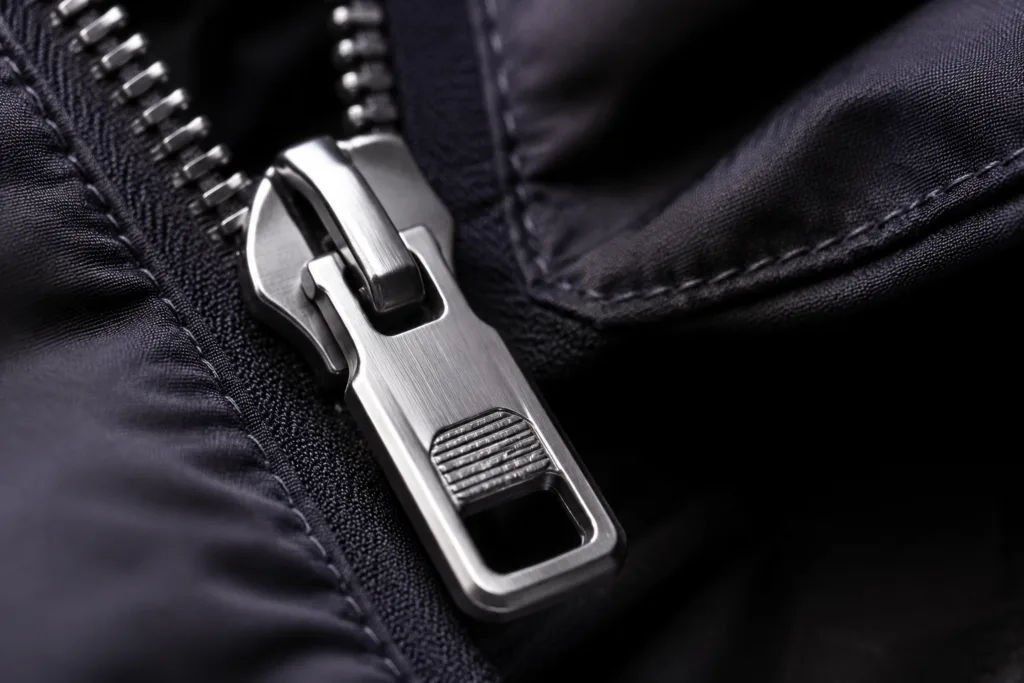
Understanding the types and functions of zipper pulls is vital for any designer striving for a consistent quality detail. Zipper pulls typically fall into one of three groups: fixed, detachable, or decorative.
Fixed pulls are permanently attached and emphasize robustness, commonly seen in outdoor or industrial garments. Detachable pulls can be swapped—ideal for fashion pieces requiring versatility or seasonal updates. Decorative pulls put style first, adding distinctive shapes, colors, or logos to heighten visual appeal.
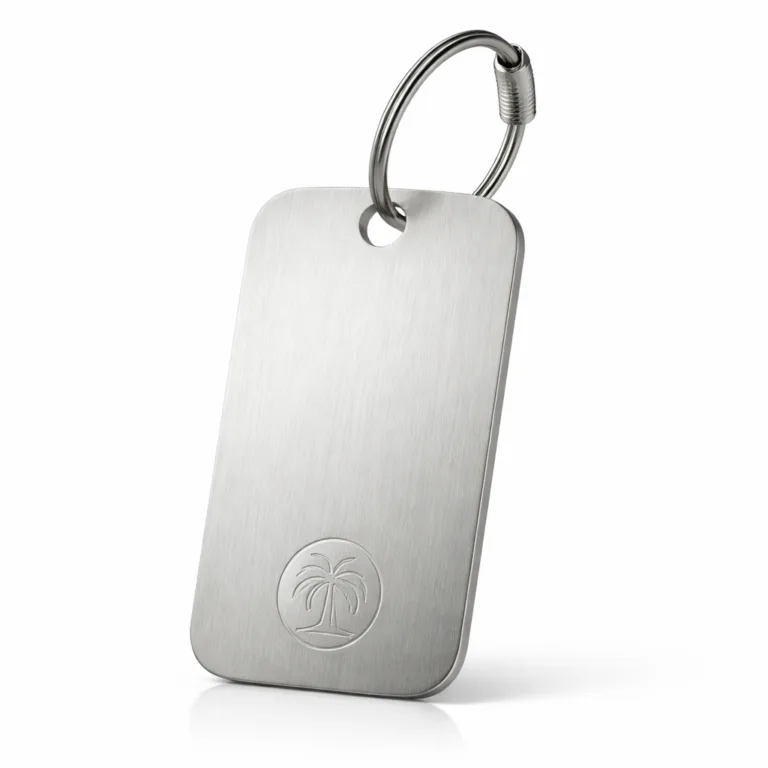
Materials play a significant role here. Metal (aluminum, stainless steel, or brass), plastic, leather, and fabric are all common, but each affects tactile feel, weight, and long-term durability. Metal zipper pulls, for example, offer superior wear resistance and convey a sense of luxury, while fabric or plastic may be lighter but less durable under stress.
- Usability: The right size and shape make zippers easier to grasp—critical in gloves or cold weather.
- Function: The pull’s integrity ensures the zipper operates smoothly over the product’s lifetime.
- Design Impact: A custom-shaped or branded pull can reinforce brand identity as effectively as any visible logo.
When integrating zipper pull branding, consider the pull’s ergonomics, alignment with the garment’s look, and environmental exposure. A holistic approach lets brands deliver both standout aesthetics and dependable daily use.
Materials Comparison for Zipper Pulls
Material choice is the backbone of effective zipper pull branding. Each option—aluminum, stainless steel, and brass—brings unique strengths and trade-offs that shape both performance and perception.
| Material | Durability | Corrosion Resistance | Finish Options | Brand Perception | Eco Factor |
|---|---|---|---|---|---|
| Aluminum | Good | Moderate | Wide (anodized, colored) | Modern, lightweight | Recyclable |
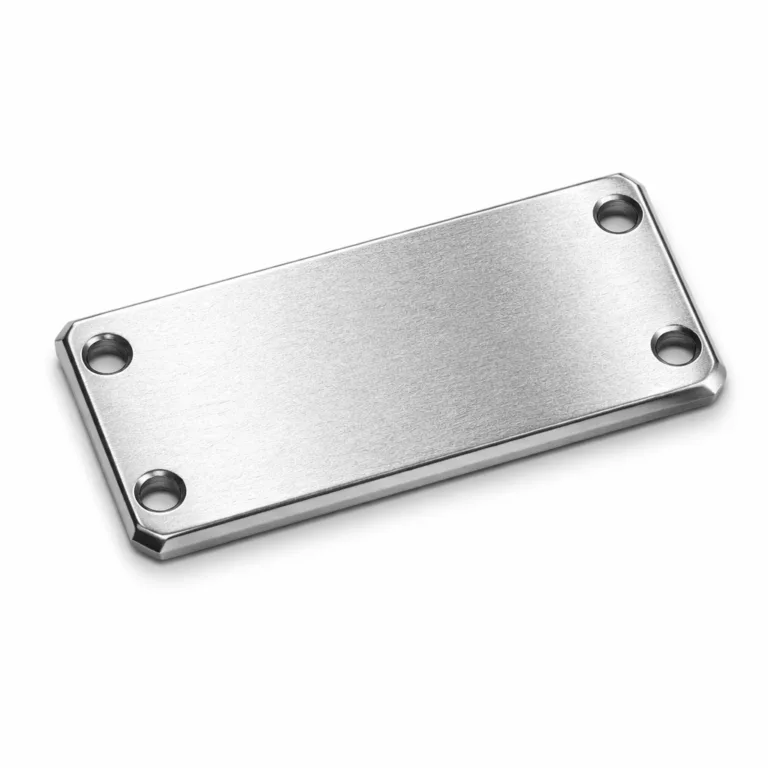
| Stainless Steel | Excellent | Excellent | Polished, brushed, matte | Premium, rugged | Recyclable, inert |
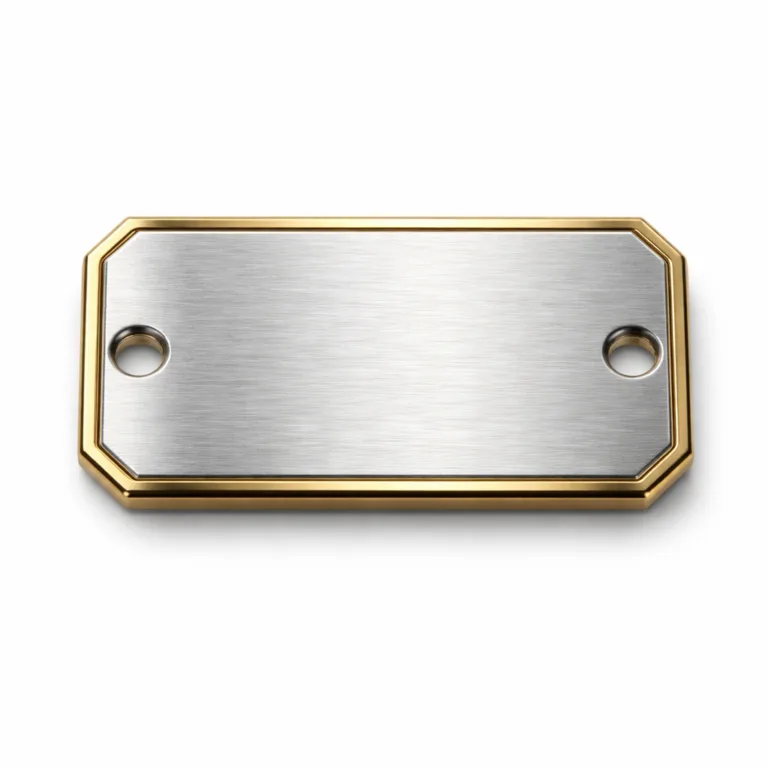
| Brass | Very Good | Good (may patina) | Antique, shiny, satin | Vintage, luxurious | Recyclable (requires more energy) |
Aluminum is prized for its light weight and cost-effectiveness, enabling bold colors through anodizing. While it resists corrosion decently, it may not match stainless steel’s longevity in harsh climates. Premium outdoor and fashion brands choose stainless steel for its unmatched strength and glossy, enduring finish—ideal for reflecting sophisticated branding. Brass brings a warm, vintage look, often used by heritage or lifestyle labels wanting a classic accent. However, brass can develop a patina, which some brands embrace but others may consider tarnish.
Environmental factors matter, too. All three metals are recyclable, but stainless steel and aluminum have simpler, more energy-efficient processing. In applications exposed to saltwater or heavy abrasion (like marine jackets or utility workwear), stainless steel is the go-to for robust zipper pull branding. For lightweight fashion or kidswear, colored aluminum offers the right balance of visual impact and economy. Brass, meanwhile, shines in premium accessories or limited-edition runs.
Rain Chen at UC Tag notes that some luxury clients request brass pulls for the unique way they age, while mass-market sports brands prefer anodized aluminum to maximize color variety at scale without sacrificing cost control.
Manufacturing Methods for Zipper Pulls
How a zipper pull is manufactured directly influences the quality detail it provides, as well as the possibilities for distinctive branding. Four common methods are stamping, engraving, chemical etching, and UV printing.
- Stamping: Suited for high volumes and simple designs, stamping presses shapes and logos into metal for crisp definition. It’s fast and cost-effective, but best for less intricate visuals.
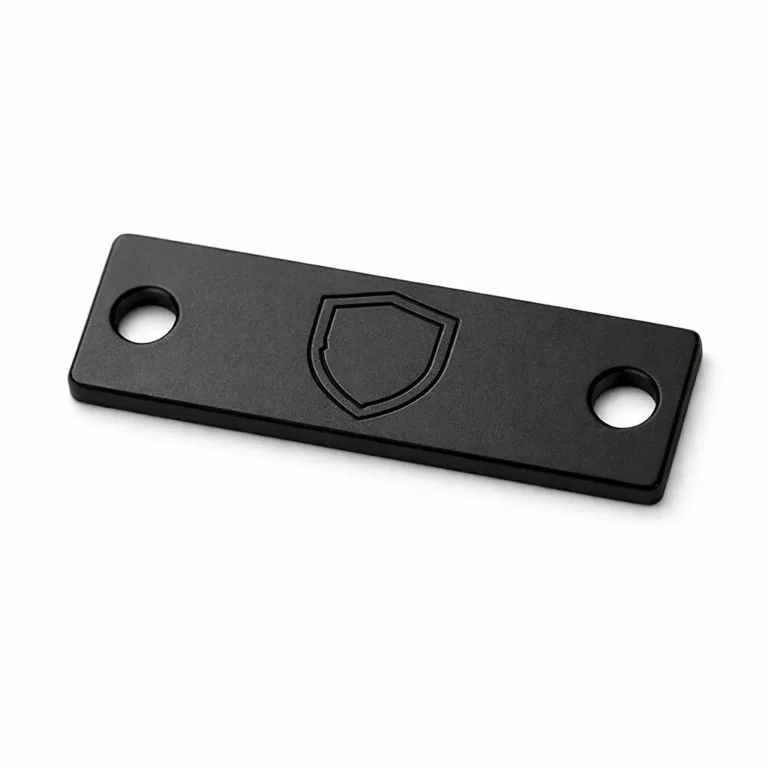
- Engraving: Both CNC and laser engraving carve deep or textured markings into the metal. This method works well for custom logos, small batch runs, and highly detailed artwork, yielding durable, wear-resistant marks.
- Chemical Etching: By applying acid to defined areas, chemical etching allows for subtle gradients and fine details not easily achieved with stamping. It works well for photographic logos or delicate patterns.
- UV Printing: Offers full-color artwork with sharp lines, opening the door to complex graphics and gradient logos. While visually striking, printed surfaces can be more susceptible to fading or abrasion if not properly sealed.
The selection of method depends on both design ambition and production scale. For example, iconic outdoor brands may use deep laser engraving for enduring recognition in rugged settings, while fashion brands employ two-tone UV prints for seasonal collections and limited runs.
Unique touches include dual-process techniques—stamping the base shape, then laser-engraving a micro logo for anti-counterfeit assurance. When batch size grows, stamping typically lowers the unit cost but may limit detail. In contrast, short runs benefit from CNC engraving’s flexibility, albeit at a higher price point per piece.
As a practical example, UC Tag has worked with startup designers to validate concept pulls using rapid CNC engraving, then shifted to stamping for the full launch after feedback and adjustment, ensuring both creative fidelity and cost efficiency.
Design and Specification Checklist
A solid design and configuration process is crucial for zipper pull branding success. Think through the following steps to ensure reliable quality and a compelling finished product.
| Specification | Recommendation |
|---|---|
| Length | 25–40 mm (outerwear); 18–28 mm (fashion/luggage) |
| Thickness | 1.2–2.2 mm (material-dependent) |
| Finish | Matte, brushed, anodized, or electroplated per use |
| Attachment Method | Rivet hole, eyelet, split ring, or adhesive |
| Logo Readability | Minimum 1.5 mm line width; use high-contrast finish |
| Production Tolerance | ±0.15 mm for metal pulls; stricter for matching parts |
Prioritize your garment’s user profile: Large, gloved hands need longer, thicker pulls, while slim pulls suit tailored jackets or handbags. Choose a finish that matches the brand’s requirements—anodizing for vibrant color, brushed surfaces for a modern look, or electroplating for luxury.
Don’t overlook details such as hole placement for secure attachment or properly tested adhesives for non-sewn applications. Always review logo contrast against the chosen finish, and validate legibility at production scale. For mass orders, maintain tight tolerances to avoid visible inconsistencies.
Durability and Testing Standards
A zipper pull is constantly handled—pulled, twisted, and exposed to all environments—so durability is non-negotiable for any serious quality detail. The best zipper pull branding stands up to daily use and the elements without fading, peeling, or corroding.
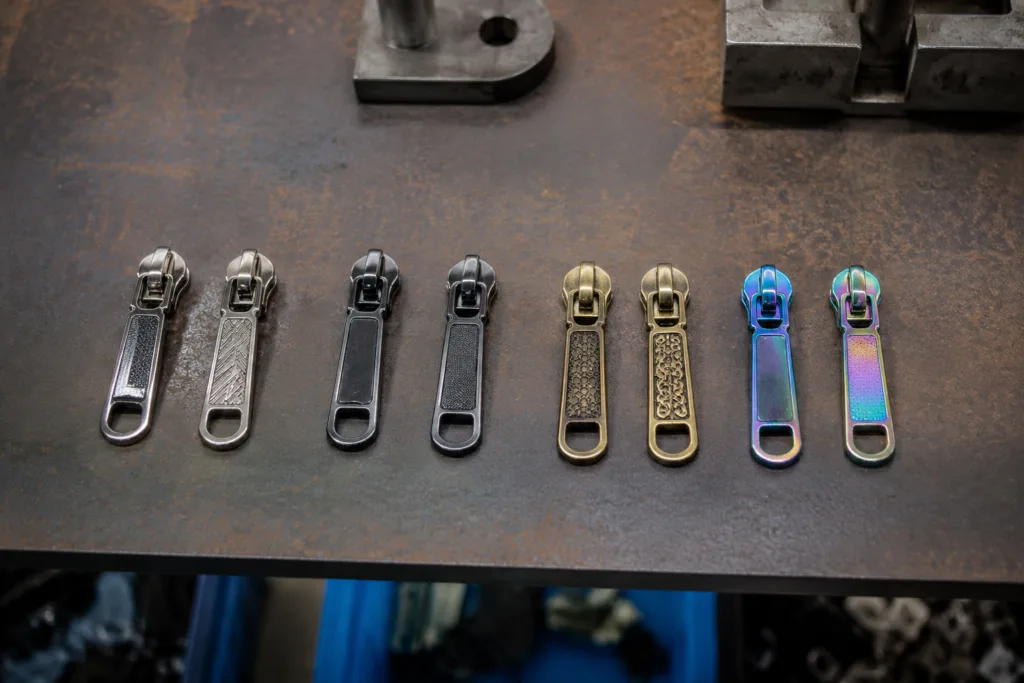
Corrosion resistance is critical, especially for products worn outdoors or near salt water. Laboratory salt spray tests (ASTM B117 or equivalent) simulate years of exposure in mere days, revealing weak spots in material choice or finish. For sun-exposed uses, UV stability tests verify whether colors or logos fade over time. Abrasion testing, using standardized cycles of rubbing, ensures print or engravings withstand regular handling without loss of clarity.
Many industries adopt standards such as ISO 9227 (salt spray), ASTM D4060 (abrasion), or in-house benchmarks tailored to their gear’s end use. Performance gear, military, and marine applications demand the highest test thresholds, while urban fashion may balance aesthetics and durability.
- Test for both the material’s resilience and the finish/logo.
- Match test protocols to the harshest likely environment (e.g., salt spray for boating jackets, UV for mountaineering packs).
- Validate pulls in real-world prototypes before ramping up to full production.
Neglecting durability testing is one of the main causes of premature product complaints—wise designers and specifiers invest here to avoid costly failures and protect brand reputation.
Industry Application Fit for Zipper Pulls
Zipper pull branding shapes consumer perception across industries, from luxury fashion houses to rugged outdoor gear. In high-end apparel, subtle custom pulls—engraved with a house logo or finished in a unique metal tone—signal exclusivity and differentiate limited collections. Think of iconic luxury bags or designer jackets, where the zipper pull is a brand signature.
Performance outerwear brands engineer branded metal pulls for function, size, and weather resistance. Branded pulls on technical jackets are often oversized, tactile, and colored for visibility—even with gloves on. Industrial uniforms or workwear use heavy-duty pulls, sometimes barcode-stamped for asset management or identification in the field.
Promotional merchandise leverages zipper pull branding for large quantity imprinting—cost-efficient colored anodized aluminum pulls for backpacks, totes, and event giveaways. Success stories include sports teams or collaborations whose custom pulls double as collectible memorabilia, reinforcing brand bond with every use.
Fashion and manufacturing experts often collaborate with suppliers like UC Tag to balance visual ambition against specification limits, ensuring every zipper pull meets functional and marketing goals. Thoughtful branding on this small detail can set a product apart in crowded markets and drive lasting recognition.
Common Mistakes and Troubleshooting
Overlooking practical issues during zipper pull branding is a frequent pitfall, even among experienced teams. The chief culprit: branding that becomes unreadable due to extremely small sizing, crowded logos, or low-contrast finishes. To avoid this, ensure all type or symbols maintain a minimum thickness and choose finishes that create sharp logo contrast against the base material.
Another issue is adhesive failure, particularly on pulls for accessories or bags. Not all adhesives bond equally to anodized or plated metals. Testing a range of adhesives with your actual material batch is essential, and for garments exposed to moisture, mechanical attachments are safer.
Corrosion and peeling typically trace back to poor-quality electroplating or untreated base metals. Invest in pre-finished material samples, review supplier certifications, and push for real-world durability testing on random samples before greenlighting full runs.
Use color contrast for visibility, particularly in logo design. Light text on dark backgrounds or vice versa improves recognition. Lastly, always validate prototypes under real usage scenarios to ensure branding stays clear and attachment never fails, especially before starting mass production.
Ordering Guide for Zipper Pulls
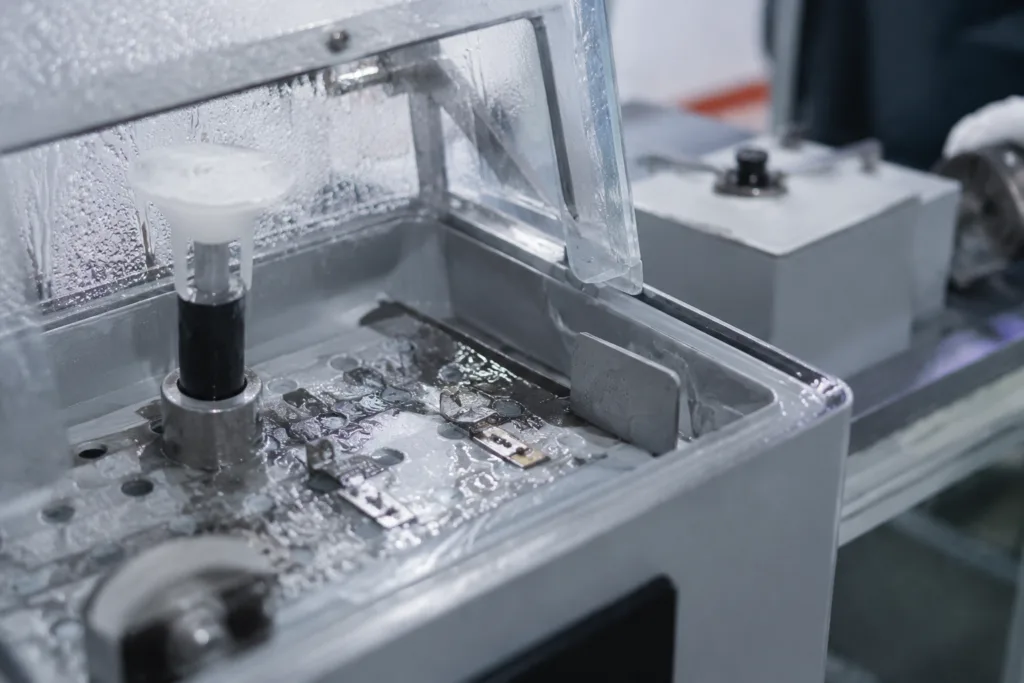
When sourcing custom zipper pull branding, planning ensures you receive the quality detail your brand promises. Begin by checking minimum order quantities—custom metal pulls might start at 500–1000 units for cost efficiency, though some suppliers can prototype smaller runs.
Artwork should be vector-based (AI, EPS, or SVG), with lines and branding elements prepared at production scale. Always request a proof or pre-production sample before large orders to confirm color, thickness, and logo clarity. Standard lead times are 3–6 weeks from approval to shipment, with express service possible for urgent needs.
Packaging also affects both cost and product integrity; opt for protective sleeves or sorted trays to avoid scratching during transit and storage. Reliable manufacturers, such as those listed on the garment tag manufacturer directory, are transparent about processes, tolerances, and quality assurance steps, reducing the risk of post-delivery surprises.
For brands new to custom hardware, consider working with a supplier like UC Tag early on—providing technical drawings and application details can streamline the sampling phase and flag any possible design or attachment concerns before mass production.
Frequently Asked Questions
What materials are recommended for high-end zipper pulls?
Stainless steel and high-grade brass are preferred for luxury zipper pull branding due to their durability, premium look, and corrosion resistance, while anodized aluminum is a lightweight but still quality detail for fashionable items.
How do manufacturing methods affect cost and durability?
Stamping is cost-effective for large batches but limits detail; engraving and etching offer finer quality detail and longevity, with higher per-unit costs, while UV printing allows color flexibility but may wear faster if not well protected.
What are the best practices for incorporating branding elements?
Use simple, bold logos, maintain a minimum line width, ensure high contrast between logo and background, and always proof at full scale to maintain legibility on the final zipper pull branding element.
Can zipper pulls be customized for promotional events?
Yes, many brands use colored anodized aluminum or printed pulls to align with event themes—these provide a memorable yet affordable quality detail and are suitable for limited-edition or one-time campaigns.
How does weather or usage environment impact zipper pull selection?
Outdoor and marine environments demand corrosion-resistant metals and robust finishes, such as stainless steel or anodized aluminum, to ensure the zipper pull branding remains readable and reliable in harsh conditions.
What information is essential for creating a successful RFQ?
Include intended material, size, thickness, logo artwork, finish, attachment method, quantity, durability requirements, and preferred testing standards so that suppliers can accurately quote and advise on your quality detail needs.
Related Reading
- Why Metal Sew-On Labels Are the Go-To Branding Upgrade for Apparel
- Achieve Luxury Branding with Cost-Effective Metal Tag Solutions
- How Heavy Metal Tags Instantly Boost Perceived Brand Value
- Sticker Labels vs. Metal Tags: The Ultimate Durability Showdown
- Upgrade Your Physical Assets with the Ultimate Logo Tag Rebranding Checklist
- Unlock Powerful Co-Branding with Dual-Logo Metal Tags