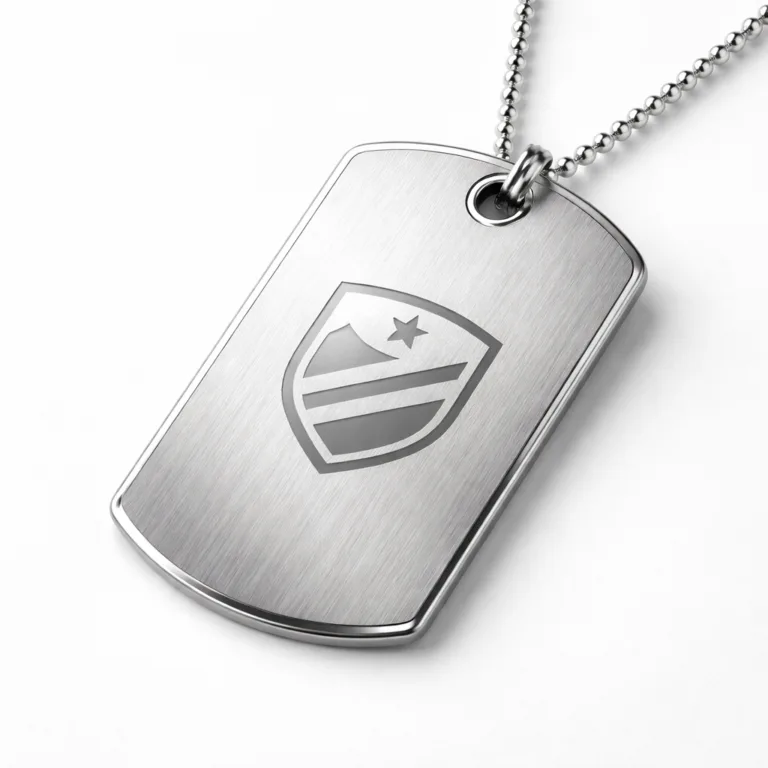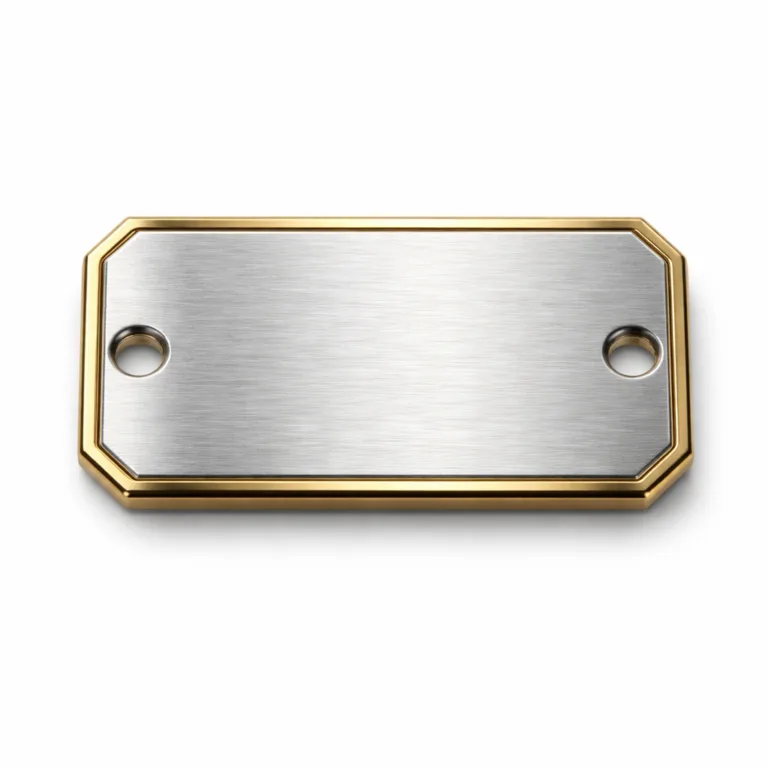
Introduction to Sensory Marketing and Its Relevance in Industrial Products
Sensory Marketing shapes how customers perceive, remember, and value your brand. In manufacturing and branding, this approach focuses on engaging customer senses—including touch and sound—to establish emotional connections. Industrial buyers may believe sensory marketing applies only to consumer goods, but this isn’t so. When applied to metal tags, the benefits reach far beyond appearance alone.
The sound a tag makes and the feel it delivers in the hand influence more than simple user impressions—they solidify perceptions of quality, reliability, and attention to detail. Every sensory detail matters, from the weight of an aluminum nameplate to the satisfying ‘click’ of a brass luggage tag clasp. These cues signal reputation and trust to engineers, procurement officers, and end users alike.
In sectors demanding durability and traceable identification—such as automotive, retail, or healthcare—competing on sensory elements provides a valuable edge. Integrating multiple sensory touchpoints creates a robust brand experience, making Sensory Marketing not only relevant but essential, even in the most technical applications.
The Auditory Appeal of Quality Metal Tags
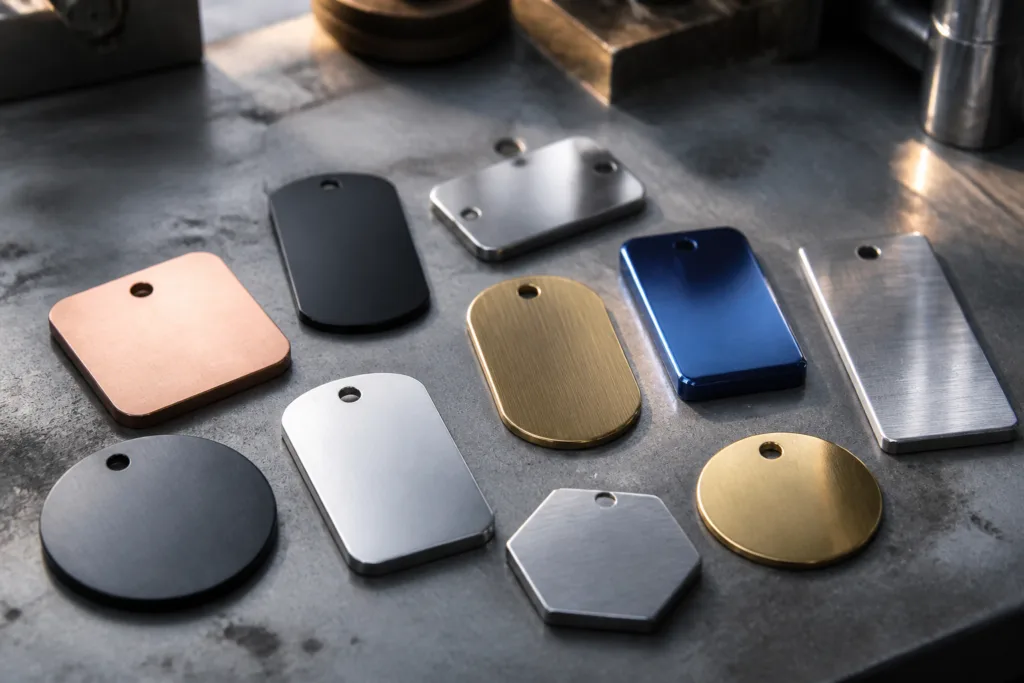
The sound a tag makes when handled or attached to equipment acts as a powerful, nonverbal indicator of value. Aluminum tags tend to deliver a higher-pitched, light chime, while brass tags produce a deeper, richer resonance. Stainless steel tags often offer a crisp, clean ‘snap’ that exudes sleekness and security. Differences between these sounds are subtle—but they are registered by both users and decision-makers.
The auditory signature of metal tags goes beyond novelty. The satisfying ring of a well-crafted metal tag subconsciously communicates solidity and quality. Key luxury brands in luggage and apparel, for example, have engineered their tags to amplify a pleasing metallic sound upon handling—boosting perceptions of premium value. Industrial machinery brands have likewise favored tags that signal strength through their solid, reassuring clinks.
Pleasing sounds create memorability. The click or jingle of a tag during an unboxing or installation process imprints a positive brand experience, driving loyalty and engagement. Customers may not always articulate this, but negative sounds—dull, tinny, or rattling—instinctively erode trust and perceived durability. The right sound creates an advantage that persists across product lifecycles.
The Tactile Experience of Metal Tags
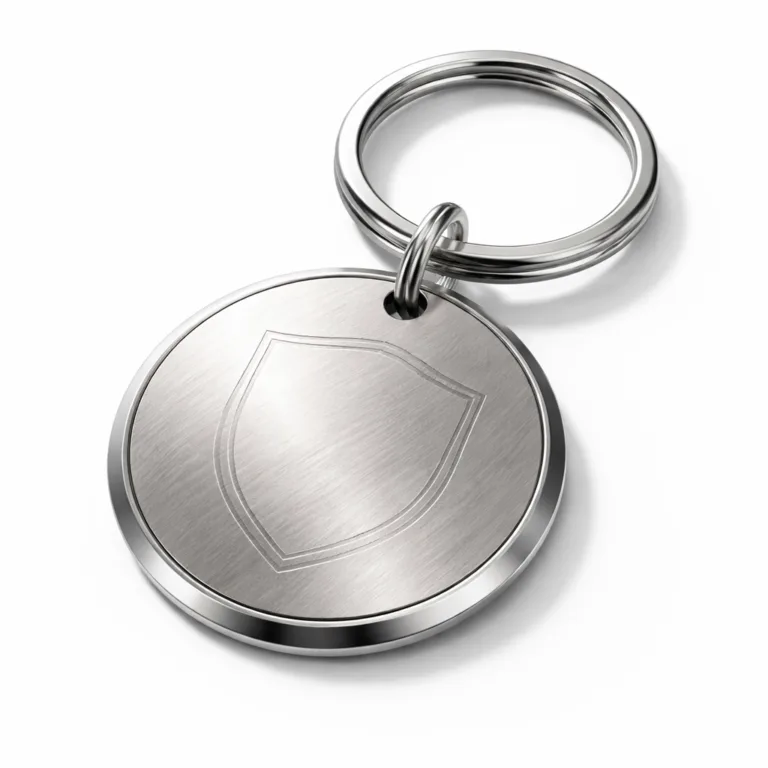
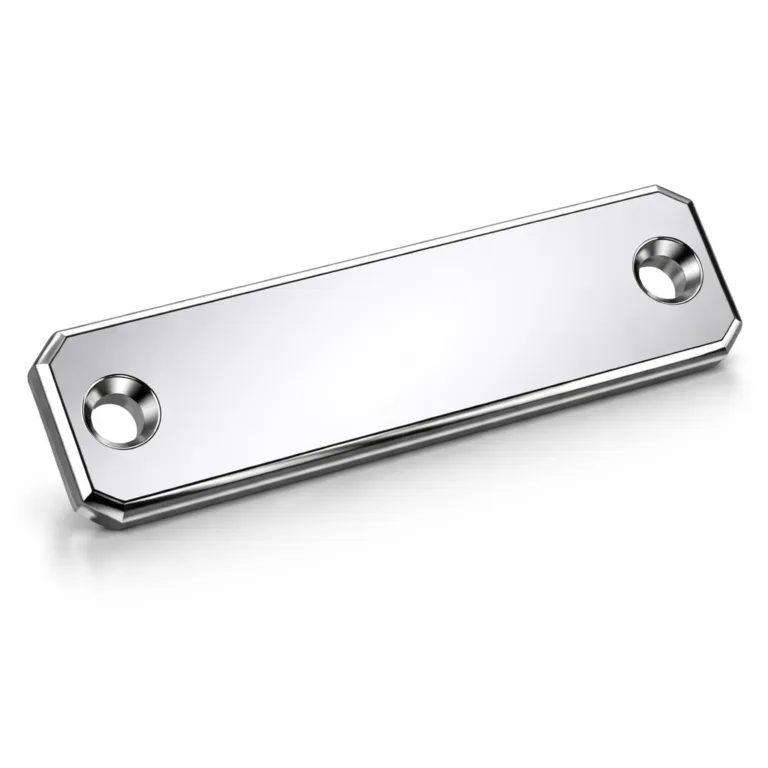
Touch is a direct line to emotion and perception. In Sensory Marketing, the tactile qualities of metal tags—texture, finish, and weight—greatly affect how users interpret quality. A brushed, satin, or sandblasted surface offers grip and texture; mirror-polished or anodized surfaces feel ultra-smooth and cool to the touch. Each selection cues different associations: industrial, luxury, or utility-oriented.
Weight, too, matters. A thicker metal tag—from 1.0mm up through 2.5mm—feels substantial, immediately signaling value and robustness. Lightweight, thin tags may be ideal in situations where mobility and discretion matter, like garment branding or compact electronics.
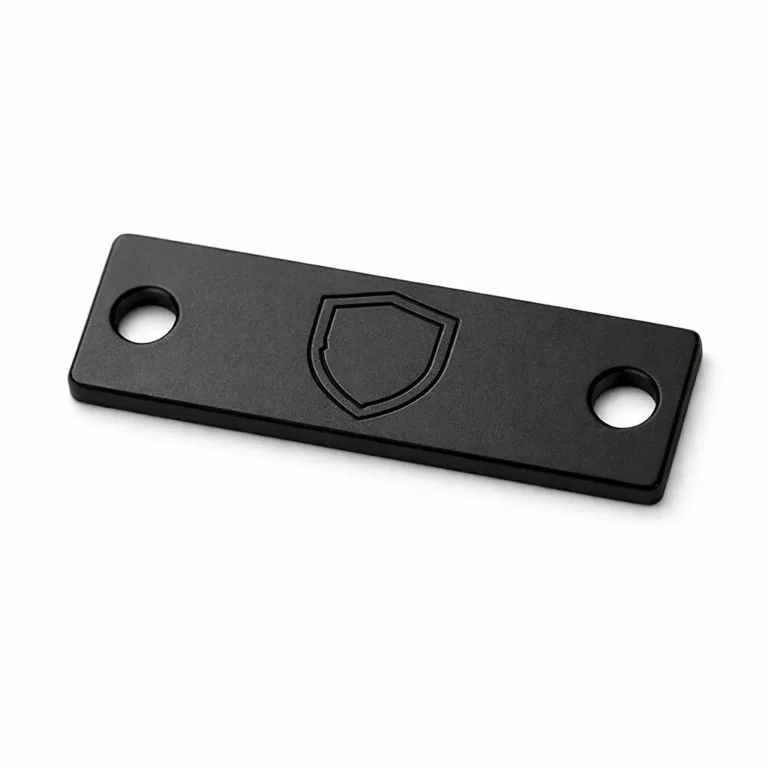
Brands have used deep debossed logos or edge-raised patterns to provide haptic feedback—especially in high-end, limited-edition releases. In the luxury sector, tactile finishes are intentionally accentuated to leave a lasting impression. On the production floor, Rain Chen at UC Tag notes that industrial asset tags often demand a durable, lightly textured finish for grip in oily or gloved conditions. The optimal texture always aligns with the use case, so understanding end-user needs is essential.
- Brushed finishes for professional, tool-centric industries
- Polished and smooth for retail and luxury applications
- Deep-embossed for easy recognition in low-light or tactile-only scenarios
- Lightweight for fashion; heavier for long-term industrial identification
Material Comparison in Metal Tags for Sensory Marketing
When choosing a material for metal tags, each option impacts both sensory qualities and practical performance. Below is a table highlighting core differences between aluminum, stainless steel, and brass for sensory marketing applications.
| Material | Sound Character | Weight (g/cm³) | Typical Finish/Texture | Durability | Best Application Fit |
|---|---|---|---|---|---|
| Aluminum | Light, crisp, high-pitched | ~2.7 | Satin, anodized, smooth | Good corrosion resistance; moderate hardness | Asset tags, electronics, lightweight branding |
| Stainless Steel | Crisp, clean, medium-high | ~7.8 | Brushed, polished, matte | Excellent corrosion resistance; high hardness | Outdoor, industrial, medical, premium |
| Brass | Deep, warm, low resonance | ~8.5 | Polished, antique, textured | Good corrosion resistance; softer, can patina | Luxury, vintage, jewelry, luggage |
Aluminum’s lightweight build makes it perfect for extensive asset tracking and electronics, where excessive tag weight could be problematic. Its anodized surfaces can provide vivid color while maintaining a pleasant tactile feel.
Stainless steel is the go-to choice for harsh environments. Its heavier weight and clean sound match industrial or medical demands where tags must endure abrasion and regular cleaning. The tactile experience here is typically cool, durable, and professional.
Brass, meanwhile, offers both the heaviest heft and warmest resonance, instantly evoking heritage and luxury. The surface will patina with time, adding authenticity for brands that wish to communicate history and timelessness—such as limited-edition wine labels or upscale luggage tags. The material you choose must match not just environmental needs, but the intended sensory message.
Manufacturing Methods and Their Sensory Impact
How a metal tag is made will shape both its sound and tactile essence. Engraving, stamping, chemical etching, and printing each yield distinct results; understanding these differences is key for successful Sensory Marketing in metal tags.
Engraving (mechanical or laser) produces recessed designs. This method enhances tactile sensation—fingers can clearly feel the depth. It also subtly changes sound: deeper engraves can mute or add resonance, depending on material and thickness. Mechanical engraving leaves distinct edge textures, while fiber laser yields a smoother touch.
Stamping creates bold, raised or indented features in a single press. Stamped tags often have a ring or click that feels substantial and high-quality. However, the process can induce slight curves or stress in thinner metals, which may affect both feel and sound, so proper gauge selection is essential.
Chemical Etching allows for precise, lower-relief detail—perfect for graphics and QR codes. The tactile effect is more subtle (shallower than engraving or stamping), ideal when smoothness is prized without sacrificial detail.
Printing is used for full-color needs, such as logos or branding schemes. While color options are nearly unlimited, the lack of physical relief minimizes tactile engagement. However, UV-cured textures and overlays can restore some tactile variation without resorting to deep engraving. Companies like UC Tag balance these methods for clients by matching method, material, and finish to each brand’s desired sensory toolkit.
- Engraving: Deep touch, durable, strong sound—good for premium IDs
- Stamping: Robust shape, bold tactile contrast, distinctive click
- Etching: Subtle, precise, suitable for small data or codes
- Printing: Visual impact, but may lack tactile richness unless textured overlay is added
Design & Spec Checklist for Quality Metal Tags
Designing metal tags with sensory marketing in mind means balancing dimensions, finishes, and usability. Start with the basics: size and thickness. A thicker tag feels heavier in hand, increasing perceived value, while size must match function (small for keys, large for branding plates).
| Dimension/Spec | Recommendation | Why It Matters |
|---|---|---|
| Thickness | 0.8–2.5mm | Heavier tags feel more valuable and sound richer |
| Size | 25–80mm (custom available) | Must align with application and handling comfort |
| Finish | Brushed, polished, anodized, sandblasted | Influences tactile and visual experience |
| Attachment | Rivet holes, adhesive back, loops | Impacts usability and sound during movement |
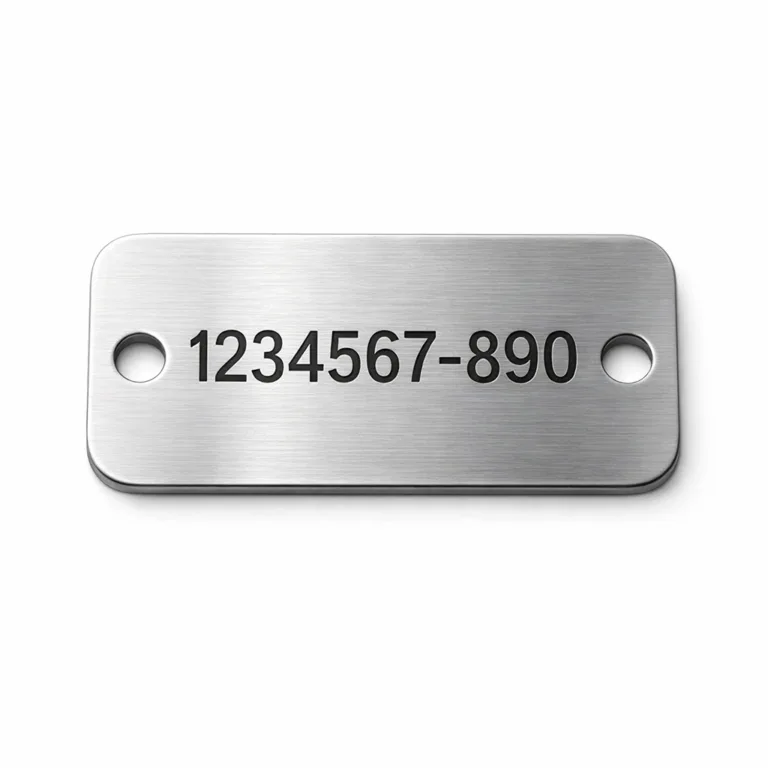
| Legibility | Engraved, etched, bold font | Ensures data is readable throughout product life |
Choose finishes to enhance or mute tactile appeal based on context: matte textures for grip, polish for elegance. Attachment methods like rivets create a firmer, more confidence-inspiring sound, while adhesives offer visual simplicity but can dull sound if not well applied.

Always validate artwork/specs with a physical sample where possible. This allows real-world testing of touch and sound—critical factors rarely captured in digital proofs. Thoughtful choices at this stage ensure both error-free mass production and maximum sensory impact.
Durability Testing and Its Importance in Sensory Marketing
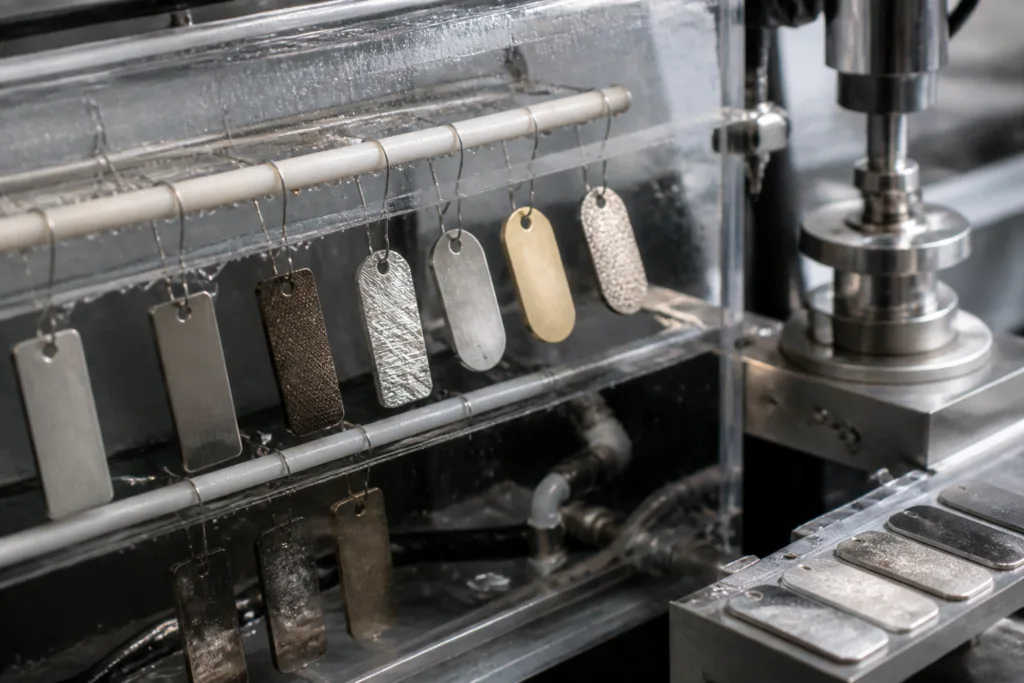
No tag feels impressive if it fails in harsh conditions. Durability isn’t just technical—it’s a sensory promise. Metal tags are tested for corrosion (salt spray), abrasion (wear), UV resistance, and chemical resistance. These tests confirm the tag’s ability to maintain visual and tactile qualities long-term.
Corrosion resistance matters for tags exposed to outdoor, marine, or chemical environments. Salt spray testing simulates years of exposure to determine if the tag will retain its finish and tactile feel. Abrasion tests measure how finishes hold up to repeated handling—crucial for areas like equipment identification, where tags are touched daily.
UV resistance affects appearance and surface temperature, directly impacting touch and visual impression. If a tag’s surface dulls or heats up excessively in sunlight, it erodes trust. Durable tags, that maintain both their feel and look, build emotional confidence. They become enduring, reliable touchpoints that reinforce the value of the product and the brand behind it.
Avoid common misconceptions: not all stainless steel or anodized tags are equally resistant; quality and process matter. For medical, marine, and food applications, demanding documented tests is the best practice, ensuring sensory and technical goals are met.
Industry/Application Fit for Sensory Marketing in Metal Tags
Not every industry values sound and feel equally, but Sensory Marketing in metal tags offers undeniable benefits wherever brand perception and durability intersect. In automotive, for instance, a heavy, crisply stamped VIN or asset tag reassures factory staff and end-consumers of product authenticity. The solid click as it’s affixed is unmistakable.
Retailers and luxury brands use mirror-polished or brass plates on bags and clothing, leveraging tactile feedback and a pleasing jingle to stand out during unboxing—an emotional moment as much as a functional one. Healthcare applications prize smooth, easy-clean tags that remain tactile and readable despite constant sanitization.
Future trends show increased attention to multisensory integration. Environmental concerns, accessibility (tactile for visually impaired users), and digital interactivity (NFC, QR, raised microtext) will shape design priorities. Industries prioritizing sensory excellence include:
- Automotive
- Luxury goods and fashion
- Healthcare and medical devices
- Consumer electronics
- Wine & spirits, hospitality, travel
Regardless of sector, aligning material, sound, and texture with desired brand impact sets leaders apart. Sensory marketing is no longer optional—it’s strategic.
Common Mistakes in Metal Tag Production and Troubleshooting
Even brands with clear sensory marketing strategies can falter in production. Common pitfalls include unreadable text (too small, poor contrast), choosing the wrong adhesive for application surfaces, or using a finish unsuited to the environment (causing corrosion or unpleasant feel). Cheap thin metal tags can produce off-putting tinny sounds, undermining a luxury image.
To solve these issues, test prototypes thoroughly—including listening to and handling samples in real conditions. Ensure fonts and finishes are easily readable under both bright and dim lighting. Work with experts to specify the correct adhesive for application surfaces, and always match sound/feel expectations to your target user’s specific needs.
Real-world fixes include thickening metal gauge for a luxury dog tag (see Thick Gauge Dog Tag) or switching from adhesive to rivet for outdoor asset plates. Continuous improvement based on field feedback, not just in-house evaluation, is your safeguard against hidden issues.
Ordering Guide for Custom Metal Tags with Sensory Considerations
Ordering custom metal tags with sensory marketing in mind starts with details—every choice impacts the final result. Begin by clarifying minimum order quantities (MOQs) and realistic lead times with your manufacturer. Clear, production-ready artwork is essential: submit vector files where possible and always request a digital proof that highlights not just visuals but also texture, thickness, and finish specifications.
Next, request physical samples or utilize standard samples, such as those from UC Tag, to evaluate both sound and feel in hand. This step is critical—even a perfect digital proof can’t tell you if a tag ‘jingles’ or ‘clicks’ to your liking.
Carefully review packaging and shipping methods—protecting surface finish and maintaining the tag’s intended feel is non-negotiable. Insist on clear communication with your manufacturing partner so that every detail aligns with your sensory marketing objectives. Sensory quality begins at the spec sheet and must be protected throughout the process.
Frequently Asked Questions
How does Sensory Marketing enhance the value of metal tags?
Sensory Marketing makes metal tags memorable, signaling quality and attention to detail through their touch and sound, and helping your brand stand out in competitive markets.
Which material provides the most premium sensory experience for metal tags?
Brass typically offers the richest sound and heaviest feel, ideal for luxury applications, while stainless steel is best for durability and a professional, crisp tactile impact.
Why do some metal tags feel more valuable than others?
Perceived value comes from thickness, weight, texture, and finish—heavier, well-finished tags with distinct tactile patterns always feel more premium and reliable to users.
What testing should I request to ensure durability and sensory quality?
Ask for corrosion, abrasion, and UV resistance tests; these confirm the tag will retain its appearance, sound, and tactile quality across different environments and daily use.
How should I evaluate sound and feel before placing a bulk order?
Request physical samples to handle and listen to them; this practical assessment reveals details about both user experience and any adjustments needed in the spec.
Are textured or smooth finishes better for Sensory Marketing in metal tags?
It depends on application—textured finishes are great for grip and durability, while smooth or polished ones are favored for luxury appeal and pleasing tactile sensation.
Related Reading
- Discover How Heavier Metal Tags Instantly Boost Your Product’s Perceived Value
- Transform Unboxing: Using Metal Tags to Drive Lasting Engagement
- Achieve Luxury Branding Without High Costs: Metal Tag Solutions Explained
- Engraved vs Printed: Choose the Most Durable Tag for Every Application
- Ensure the Right Fit: Guide to Dog Tag Dimensions, Shapes & Specs