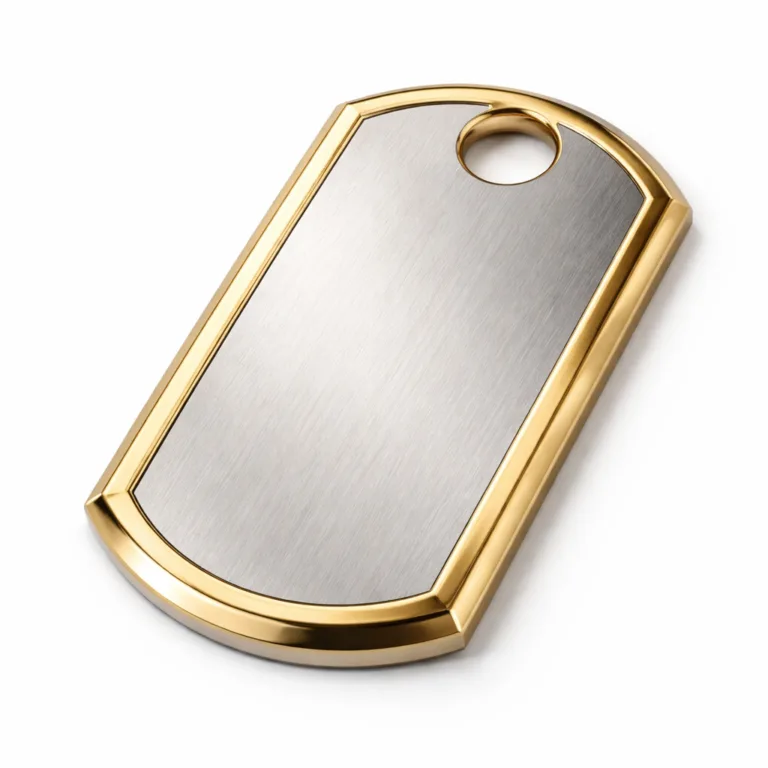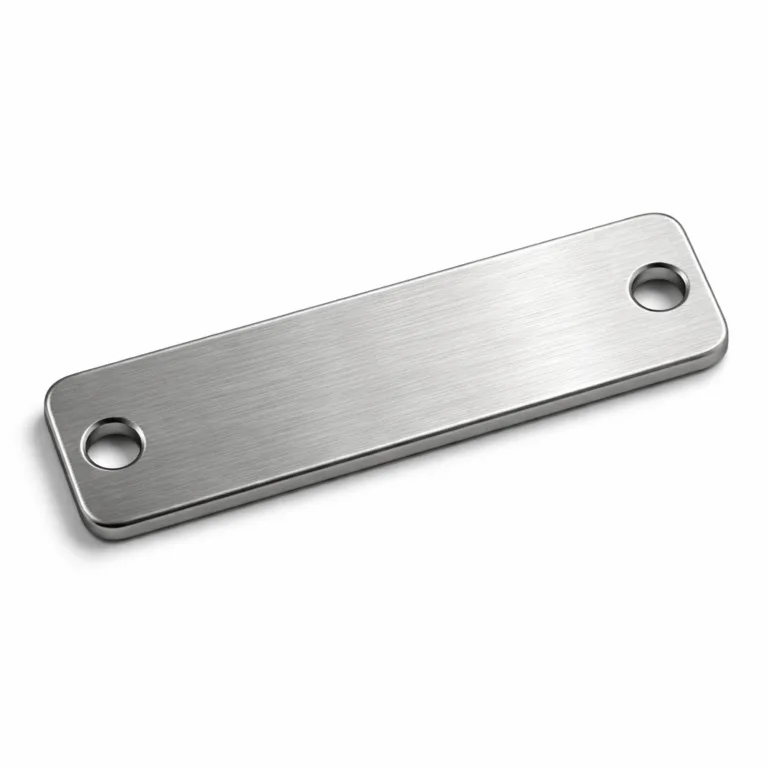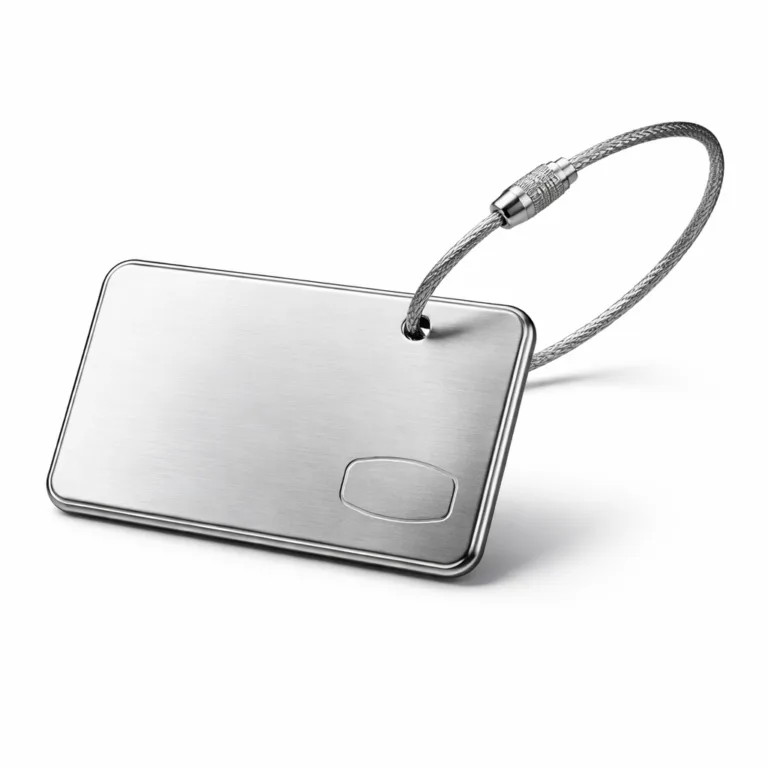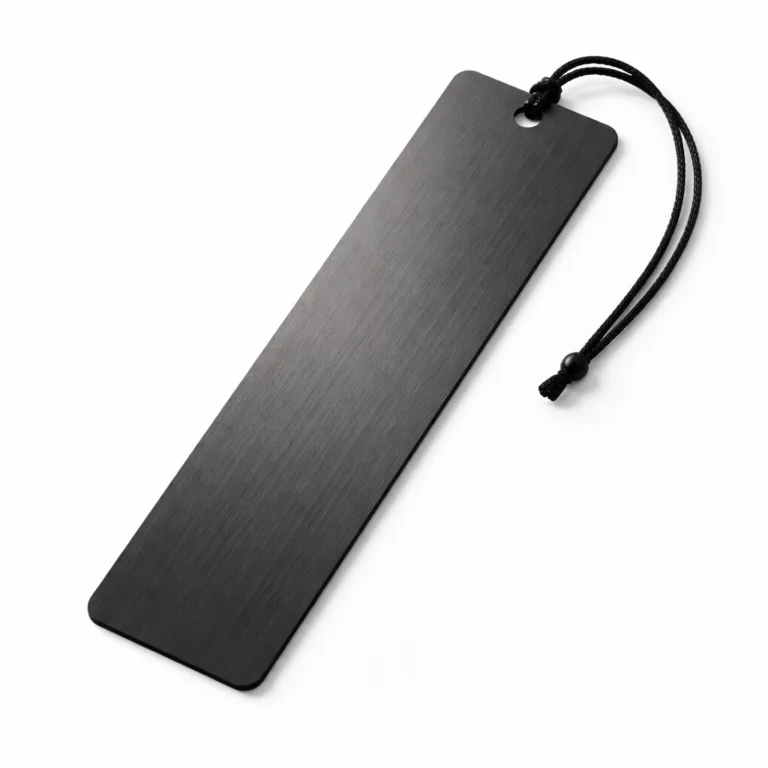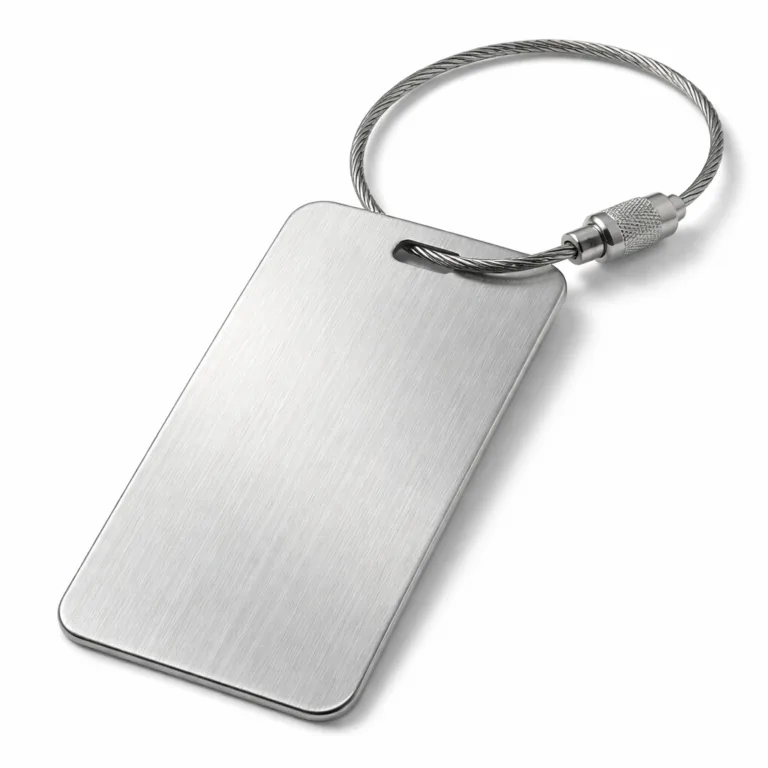
Trade show giveaways are easy to order and easy to get wrong. Many companies spend on volume, hand out hundreds of low-cost items, and still leave the event with weak follow-up quality. In our manufacturing work, we have seen that the giveaway itself is not the main issue. The real issue is whether the item supports brand positioning, feels worth keeping, and creates a clear path from booth interaction to later recall. That is where premium tags can help. Used well, premium tags turn ordinary trade show giveaways into something more memorable, more practical, and more aligned with higher-value B2B lead goals.
If your event plan depends on a giveaway that looks more intentional than standard promo stock, custom metal tag manufacturing solutions can help bridge the gap between a simple handout and a branded item people actually keep. For trade show buyers, this usually means choosing the right metal, finish, shape, attachment style, and data feature early, then confirming artwork, sample feel, and packaging before bulk production. At UC Tag, we support these projects with custom development, logo and code marking, attachment planning, sampling, and production consistency for event quantities.
What makes a trade show giveaway effective
An effective giveaway does four jobs at the same time. It gets noticed in a crowded hall, feels useful enough to keep, stays connected to the brand after the show, and fits the kind of audience you want to attract. Many giveaways only do the first job. They create a moment of booth traffic, but not a lasting impression.
For B2B exhibitors, the goal is usually not maximum handout volume. It is better conversations with the right people. A stronger giveaway can support that if it feels selective, relevant, and well matched to your product category. A precision equipment brand, industrial supplier, software platform for asset management, or premium OEM service provider usually benefits more from a durable, branded tag than from a disposable novelty item.
This is one reason premium tags work well. They are compact, easy to customize, and practical across many show themes. They can be built as branded keychain tags, luggage-style tags, product-inspired shapes, access tags, equipment-style mini nameplates, or QR-enabled lead follow-up pieces. That flexibility matters when you want trade show giveaways to support brand positioning instead of working against it.
Why premium tags stand out in crowded event environments
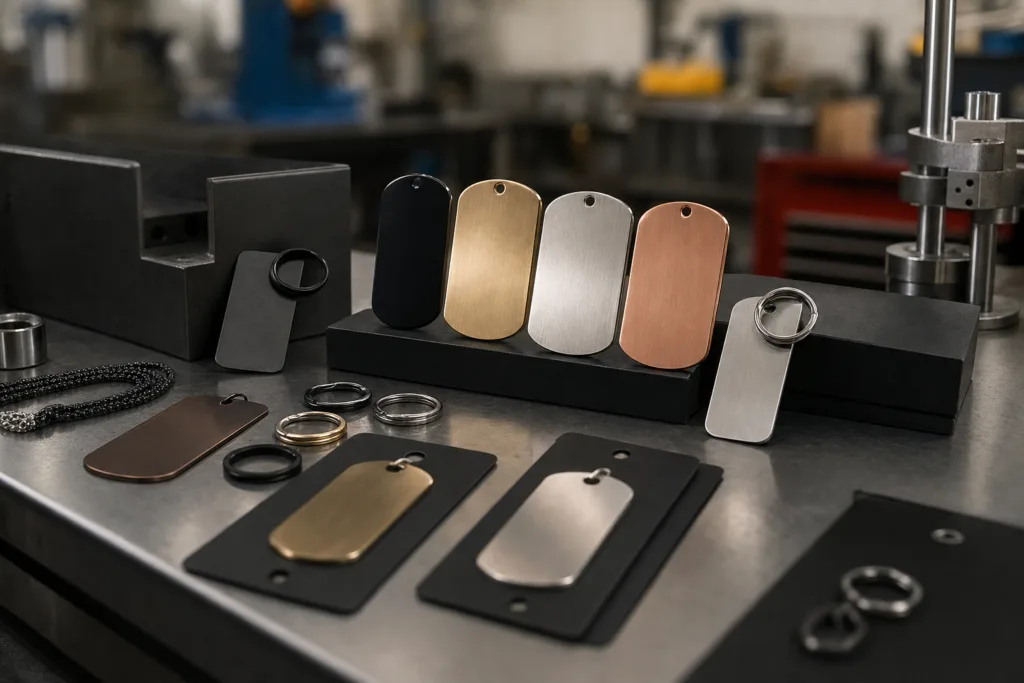
At a busy event, attendees make fast judgments. They do not stop to analyze every free item. They respond to weight, finish, edge quality, readability, and whether something feels disposable or worth keeping. A metal tag with a clean brushed finish, engraved logo, and solid attachment ring immediately reads differently from a thin plastic trinket.
That difference affects behavior. People are more likely to ask about the item, keep it in a bag instead of throwing it away, and remember which booth gave it to them. In the context of commercial investigation, that matters because post-show recall influences whether follow-up emails, QR links, and sales outreach feel familiar or random.
According to PPAI consumer research on promotional products and brand recall, promotional items can create strong memory of branding. For exhibitors, the practical takeaway is simple: if the item is well made and relevant, it has a better chance of staying with the attendee long enough to reinforce your message.
What premium tags are and why they fit trade show giveaways
When we talk about premium tags in this context, we do not just mean adding cost. We mean using better materials, cleaner marking methods, stronger finish control, and more thoughtful design so the final item supports a higher-value brand impression.
Common premium tag options for events include:
- Aluminum tags with anodized color and laser marking
- Stainless steel tags for a more technical or durable look
- Brass tags for heritage, luxury, or gift-oriented branding
- Engraved tags with recessed markings that feel tactile
- Etched tags for fine logos or detailed layouts
- Custom-shaped tags based on products, icons, or brand motifs
- QR code or serial-number tags for campaign tracking
These formats are useful because they combine branding with physical longevity. Unlike many standard giveaways, a premium tag can continue working after the event as a bag tag, key tag, desk accessory, sample identifier, membership token, or conversation piece.
Why metal tags create a stronger brand impression
Material changes perception. Buyers may not know the exact metal grade or process used, but they do notice weight, rigidity, texture, reflectivity, and edge quality. Metal tags tend to signal more intent than low-cost giveaway items because they feel designed, not generic.
For brands in industrial, engineering, electronics, tools, energy, mobility, hospitality, premium services, and equipment sectors, this matters even more. A giveaway should not create a mismatch between the company image on the booth wall and the item in the visitor’s hand. If your brand talks about precision, durability, safety, quality control, or product life cycle, then a weak giveaway sends the wrong message.
That is why many exhibitors choose branded logo tag production options instead of standard catalog items. A custom logo tag lets you control shape, finish, cutout details, attachment style, and marking depth so the item feels connected to your actual market position.
Types of premium tags to consider
Engraved tags
Engraved tags are a strong choice when you want tactile branding and long-term readability. They suit logos, short taglines, individual numbering, and simple contact details. They also work well when the tag will be handled often, such as on keys, bags, or demo kits.
Etched tags
Etched tags are useful when the artwork has finer line detail or more precise layout needs. If your design includes small icons, thinner strokes, or complex borders, etching may give a cleaner result than deeper mechanical methods.
Anodized aluminum tags
Anodized aluminum is popular for event use because it is lightweight, visually clean, and flexible in color. It can support modern branding without making the giveaway too heavy. It is often a good balance between premium appearance and manageable event quantity costs.
Stainless steel tags
Stainless steel gives a technical, durable, and high-confidence look. It fits industrial or engineering exhibitors especially well. It is also a practical choice when the giveaway is expected to stay in use for a long time.
Custom-shaped tags
Shape is often underused in trade show projects. A tag that echoes your product silhouette, machine component, tool profile, or interface icon can improve recall without adding too much complexity if the shape is confirmed early in sampling.
How material choice affects perceived value and recall
Material choice is not only about appearance. It affects shipping weight, marking method, color options, edge treatment, scratch visibility, and how likely the item is to survive everyday use. For buyers, the right decision depends on what the giveaway is supposed to communicate.
| Material | Typical Impression | Best Use in Trade Show Giveaways | Watchpoints |
|---|---|---|---|
| Aluminum | Modern, light, clean | High-volume events, colorful branded tags, keychain formats | Confirm scratch expectations and color consistency |
| Stainless steel | Technical, durable, premium | Industrial, engineering, and equipment-related events | Heavier than aluminum, may cost more |
| Brass | Warm, classic, gift-oriented | Executive gifts, hospitality, luxury, heritage brands | Finish tone should match brand style |
In many projects, the better question is not which material is most premium in theory. It is which material makes sense for your audience, brand tone, and post-event use case. A lightweight anodized aluminum tag may outperform a heavier stainless tag if the attendee is more likely to attach it to a laptop bag or key set and keep it visible.
Design principles that make premium tags work
Good trade show design is usually simpler than people expect. The tag surface is small, and trying to add too much information can reduce the value of the item. The best-performing designs usually focus on clarity and touch.
Keep the logo readable
If the logo becomes too small or crowded by secondary text, the item loses its branding function. A clean logo zone should come first. Supporting details can move to the back side, packaging insert, or QR destination.
Use contrast carefully
Dark marking on a light brushed surface, or light marking on a dark anodized surface, is often easier to read quickly. Readability matters more than decorative complexity.
Make the shape and edge quality intentional
Sharp corners, poorly placed holes, or awkward proportions can make even a premium material feel cheap. We usually advise buyers to review edge radius, hole spacing, and attachment movement during sampling, because these small details affect handling more than expected.
Match finish to brand personality
Matte, brushed, polished, antique, colored anodized, or sandblasted looks can all work. The key is consistency. A brand with clean technical messaging usually benefits from restrained finishes, while a lifestyle or gift-driven campaign may support warmer tones and more decorative surface choices.
How to make premium tags useful, not just decorative
The most effective trade show giveaways usually have a reason to stay in use. If the tag only looks nice but has no practical role, many recipients will still set it aside after the show.
Useful premium tag concepts include:
- Keychain tags with a strong daily-use attachment
- Bag tags for travel-heavy attendees
- Accessory tags for tool cases, sample kits, or work pouches
- QR-enabled tags linked to product catalogs or demo booking
- Serialized tags used in prize draws or post-show activation
- Mini equipment-style plates tied to your industrial identity
Projects in this area often benefit from early review of promotional keychain tag manufacturing choices, because the ring style, tag thickness, and overall dimensions influence whether the item feels functional or ornamental.
Connecting premium tags to lead capture
A giveaway should not sit outside the lead strategy. It should support it. One practical way to do that is by adding unique numbers, short URLs, or QR codes that connect the physical item to a follow-up action.
For example, a booth team can issue serialized tags for a limited daily drop, an expert-demo booking, or a post-show sample request. That makes the giveaway feel selective instead of generic. It also helps qualify interest because the recipient needs to take a small action to unlock the next step.
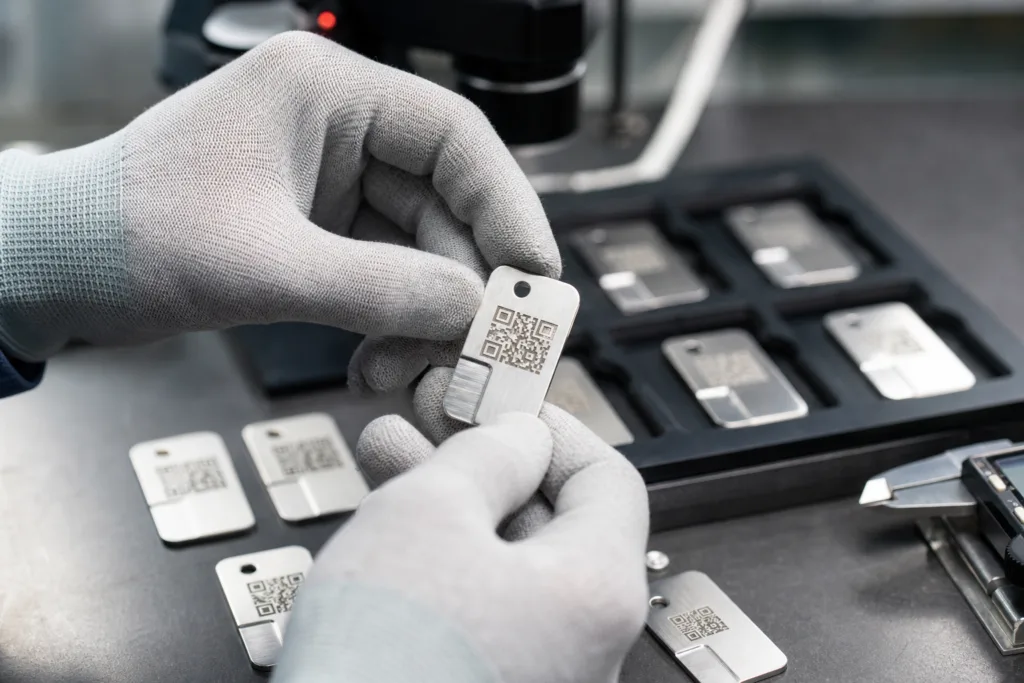
QR codes can work very well on premium tags, but only if the code is sized and produced correctly. Small surfaces create problems when the design gets too dense or contrast is poor. When designing QR codes for compact tag surfaces, it helps to think early about scan distance, printing or marking method, and what happens if the code is reduced too far. In our production planning, we usually recommend testing the actual sample under real phone-scanning conditions before approving bulk output.
Trade show strategies that use premium tags well
Not every event needs the same giveaway logic. The tag should match the campaign structure.
Booth traffic strategy
Use a visually strong, easy-to-hand-out tag near the aisle. This works best when the item can be understood in seconds and does not require a long explanation.
Qualified conversation strategy
Reserve a better-finished tag for attendees who complete a product demo, discuss an active project, or fit a target buyer profile. This creates a subtle qualification layer without making the interaction feel transactional.
VIP or distributor meeting strategy
Use higher-end packaging, a custom shape, or dual-finish design for scheduled meetings, channel partners, or private-label prospects. In these cases, the giveaway becomes a relationship tool rather than just a booth attractor.
Post-event conversion strategy
Use serial numbers or QR-linked tags to move people to an online quote request, catalog download, product registration, or meeting scheduler. The physical tag becomes the memory trigger that supports later action.
Matching premium tags to audience and event goals
This detail may look small, but it can create problems later if it is not confirmed early. A premium tag for procurement managers at an industrial expo should not be designed the same way as a premium tag for hospitality buyers or a lifestyle retail event.
Ask these questions first:
- Is the main goal booth traffic, meeting conversion, or post-show recall?
- Will the audience value utility, design, or exclusivity more?
- Does the brand image lean technical, premium gift, rugged, or minimalist?
- Will the tag be handed to everyone or only to qualified prospects?
- Does the item need to support a QR code, serial number, or specific packaging format?
If your project needs shape development, private-label presentation, or a close match to a brand guideline, OEM metal tag customization support becomes important. The challenge is often not the tag itself, but aligning artwork, finish, hardware, and packaging into one consistent event item.
Packaging and presentation matter more than many buyers expect
A premium tag can lose impact if it is handed over loosely in a pile. Presentation affects perceived value. Even simple packaging choices can make the item feel more intentional.
Useful options include:
- Individual kraft cards or branded paper backers
- Small gift envelopes for executive distribution
- Protective sleeves to reduce scratching in transport
- Short message inserts with a QR call to action
- Set-based packaging for channel or distributor meetings
For campaigns that want a gift-like finish rather than a standard promo feel, buyers often review premium gift keychain tag designs to see how surface finish, hardware choice, and presentation can work together.
Planning quantity, budget, and ROI
With trade show giveaways, low unit cost is not the same as better value. If the item is forgotten immediately, the apparent savings can disappear. A more useful way to plan is to estimate cost against target interactions, qualified scans, meetings booked, or post-show conversions.
For example, you may divide your quantity into tiers:
- General booth traffic quantity
- Qualified lead quantity
- VIP or partner quantity
This structure helps control budget while protecting perceived value. It also reduces the common problem of giving your most effective item to everyone before the best prospects arrive.
At UC Tag, we often advise buyers to connect event quantity planning with manufacturing variables like material choice, attachment hardware, packaging complexity, custom numbering, and sample approval timing. These factors affect both unit cost and production lead time.
Common mistakes to avoid
In many projects, the problem is not that the buyer chose the wrong category. The problem is that some production details were not clarified before sampling or bulk production.
- Choosing a premium material but overloading the layout with too much content
- Using a QR code that is too small to scan reliably
- Ignoring attachment quality, so the tag feels weak in use
- Picking a finish that does not match the brand image
- Ordering event quantities too late for proper sample review
- Distributing all premium items without lead qualification logic
- Focusing only on giveaway volume instead of post-show use and recall
Most of these mistakes can be avoided by treating the giveaway as a small product project, not just a merchandise purchase.
Production and sourcing tips from a manufacturer perspective
From our side, the projects that run smoothly usually have clear inputs early. That means final logo files, vector artwork, target dimensions, hole position, finish expectations, code or numbering rules, packaging needs, and event deadline.
Artwork preparation
Vector files are usually better for logos and cut shapes. If the tag includes variable data, the numbering format and data source should be confirmed before proofing. This is especially important for QR-linked or serialized campaigns.
Sample approval
Do not skip samples when appearance matters. A small shift in finish tone, engraving depth, or ring selection can change the feel of the item. For trade show use, we recommend checking actual hand feel, readability, and scan performance, not only artwork correctness.
Lead time planning
Custom tags are not an off-the-shelf print job. Custom cutting, finishing, marking, hardware assembly, and packaging all affect timing. If the campaign includes multiple versions or private-label packing, build extra time into the schedule.
Quality control
For premium tags, QC should cover logo clarity, edge quality, finish consistency, hardware attachment, data accuracy, packaging count, and scratch control. If the tag carries a serialized or scannable feature, data verification should be part of the process, not an afterthought.
A simple checklist for launching a premium tag giveaway campaign
- Define the event goal: traffic, qualification, follow-up, or relationship building
- Choose a tag format that matches audience and brand position
- Select the material based on perceived value and real use
- Keep the layout simple and readable
- Decide whether to add QR codes, numbering, or scan-based activation
- Confirm hardware and attachment details early
- Review packaging as part of the experience, not a separate issue
- Approve a production sample before bulk release
- Plan quantity by attendee tier, not just total attendance
- Measure results against qualified leads, not handout count alone
Conclusion
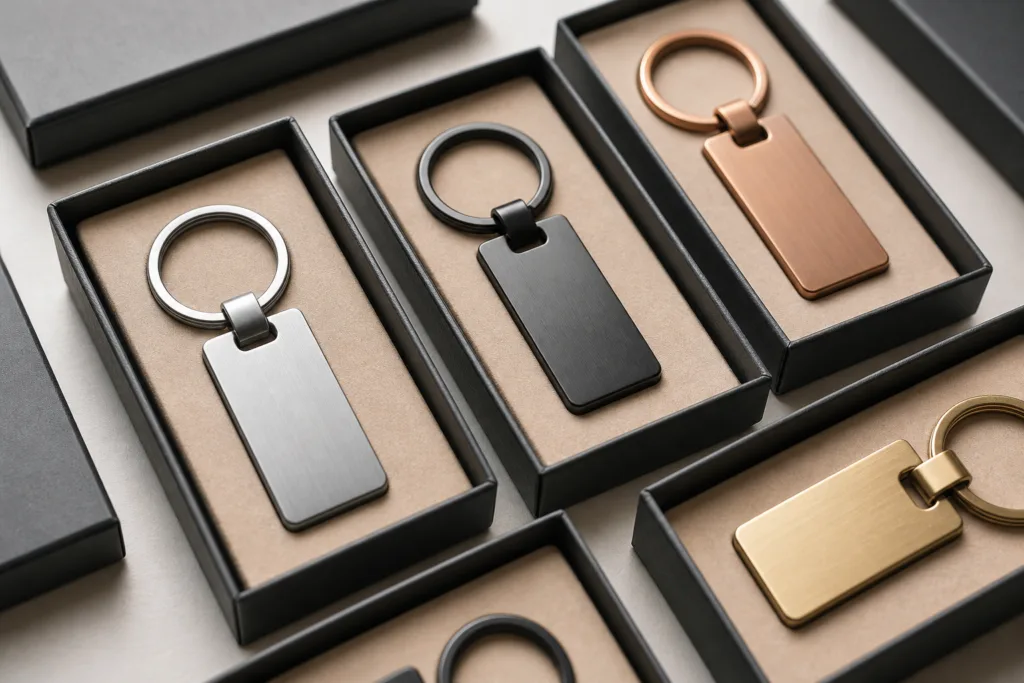
Premium tags can improve trade show giveaways because they change both perception and behavior. They help the item feel worth keeping, strengthen brand fit, and create a better bridge from booth interaction to post-show recall. For B2B exhibitors, that can mean fewer wasted handouts and more meaningful follow-up opportunities.
The key is to treat the giveaway as a practical brand tool. Material, marking method, shape, hardware, packaging, and data features all affect whether the result supports your event goal. If those details are planned well, premium tags can do more than attract attention. They can help attract more qualified leads.
Frequently Asked Questions
Are premium tags better than standard promo items for trade shows?
They often are when your goal is qualified lead generation instead of maximum giveaway volume. Premium tags usually create a stronger first impression, feel more worth keeping, and fit B2B brands better when the company wants to communicate quality, durability, or technical credibility.
Which material works best for premium tags used as trade show giveaways?
The best material depends on the audience and the message. Aluminum is a good choice for lightweight, colorful event items. Stainless steel fits industrial and engineering branding well. Brass is often better for executive-style gifts or warmer premium presentation. The right choice is the one that matches both brand tone and expected use after the event.
Can premium tags include QR codes or serial numbers for lead tracking?
Yes, and that is one of the most useful ways to connect a physical giveaway to a measurable campaign. QR codes can link to booking pages, product details, or gated content, while serial numbers can support limited distribution, prize mechanics, or post-show follow-up. The important part is confirming code size, contrast, and data accuracy before bulk production.
What size should a premium giveaway tag be?
There is no single best size, but the tag should be large enough for the logo and any code or message to stay readable. If the design includes a QR code, small text, or custom hardware, the layout should be tested on a real sample first. Many event projects work best when the size balances visibility with everyday usability on keys or bags.
How early should we start production for custom premium tags?
It is better to start as early as possible because custom tags usually involve artwork review, sampling, finish confirmation, hardware selection, and sometimes packaging assembly. If your event date is fixed, work backward from that deadline and leave time for sample approval and any revisions instead of planning only for final mass production.
What should buyers confirm before placing a bulk order for premium tags?
Buyers should confirm material, thickness, size, hole position, attachment hardware, artwork format, finish, marking method, packaging, quantity split, and any variable data like QR codes or serial numbers. If the tag is being used for trade show giveaways, it is also smart to confirm how the item will be handed out and what action you want the recipient to take next.