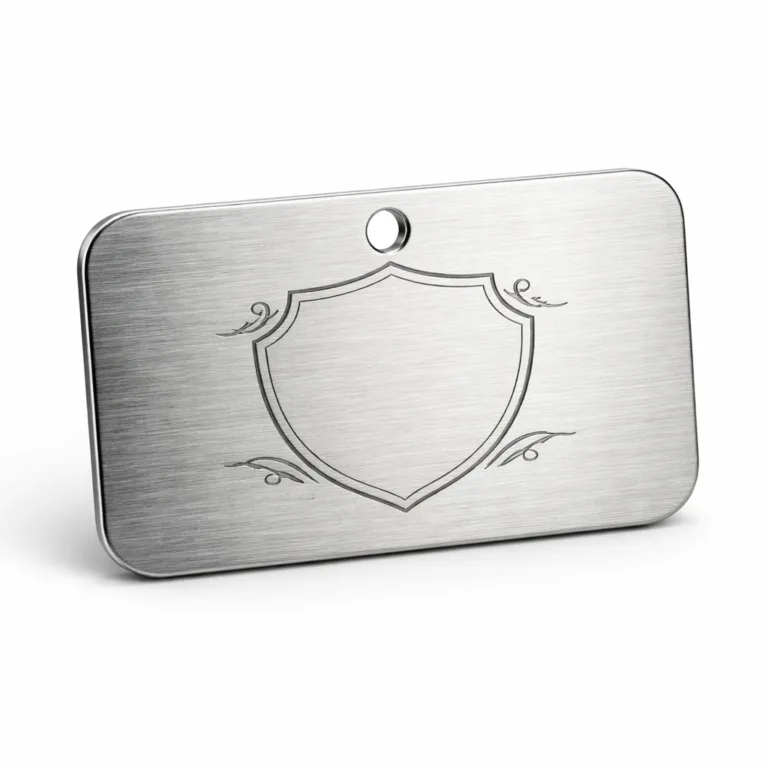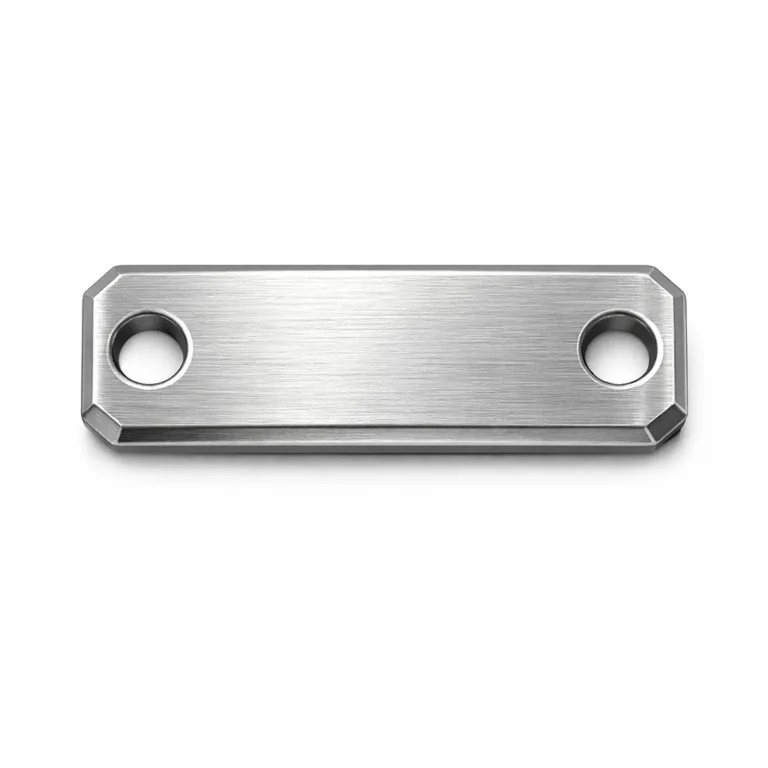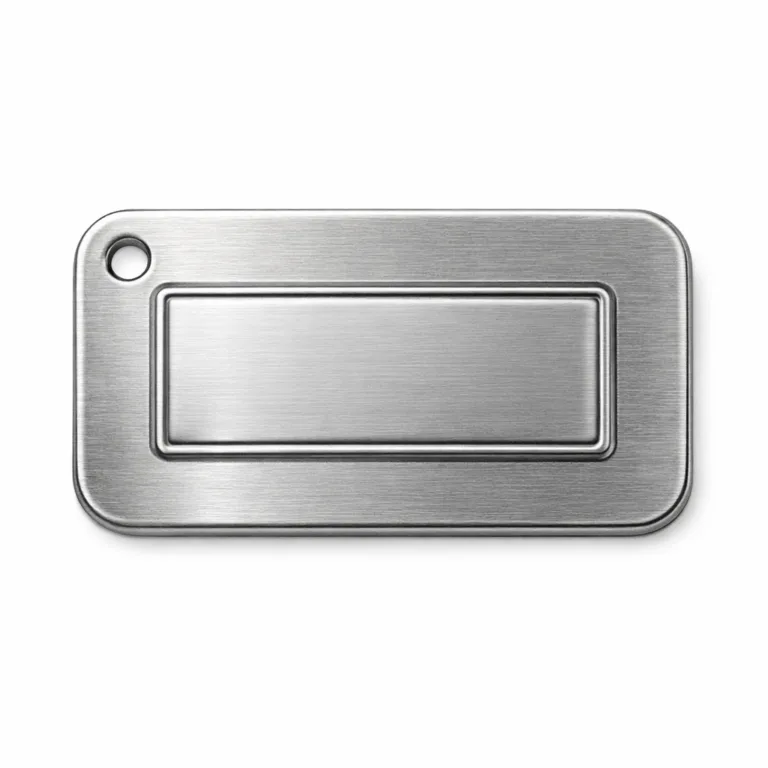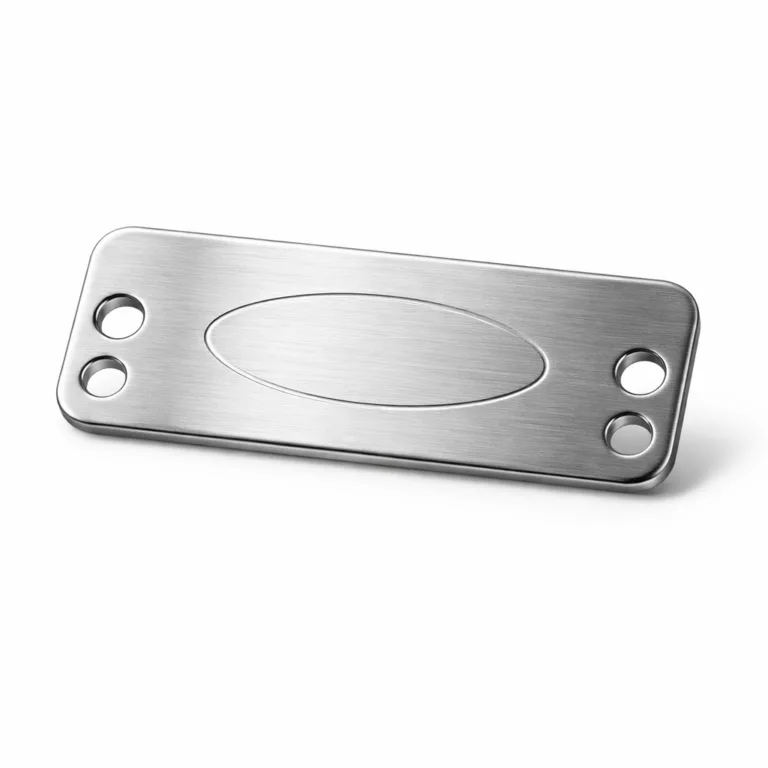
Introduction to Hem Tags and Neck Tags
Choosing the right tag placement for your metal logo isn’t just a design decision—it’s a cornerstone of effective garment branding. Both hem tags and neck tags serve as strategic locations for showcasing your brand identity, and the choice impacts how customers and partners perceive your products. The main keyword, metal logo, is at the heart of this discussion, guiding brands and industrial buyers alike in their search for maximum impact and durability.
Hem tags are typically small branding elements located near the bottom edge of a garment, like the hemline of a shirt or jacket. Neck tags, on the other hand, are placed inside the neckline, often replacing traditional fabric labels or working alongside them. Where the metal logo sits—hem or neck—determines visibility, comfort, and the overall appeal of your product.
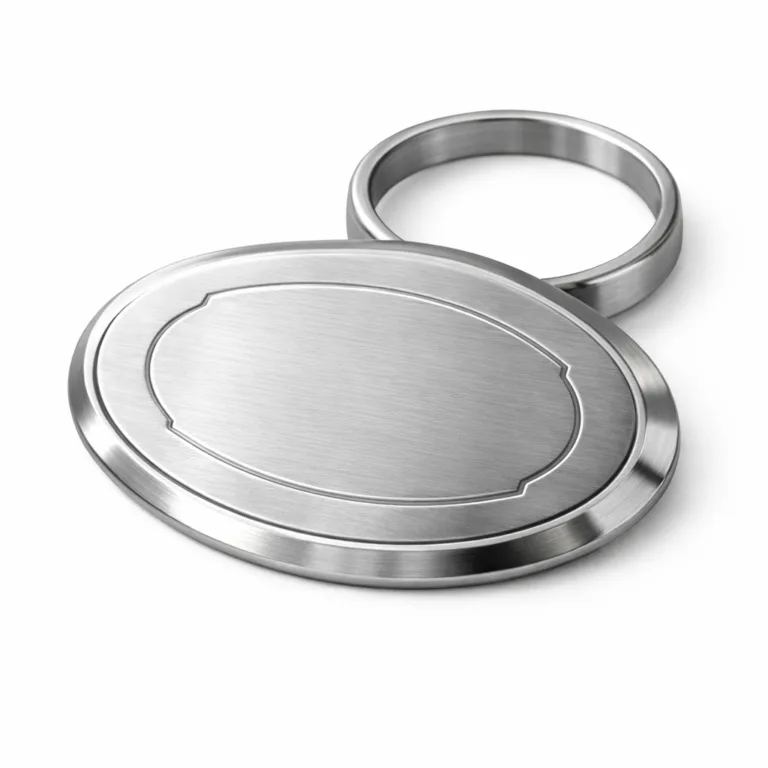
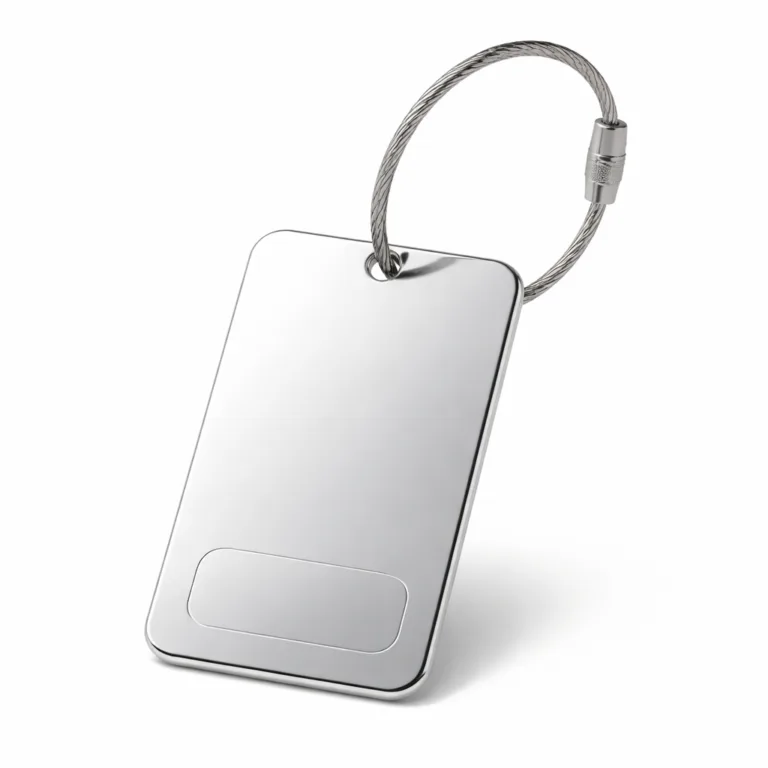
Metal materials—such as aluminum, stainless steel, and brass—are valued for their longevity, corrosion resistance, and crisp readability. Unlike woven or printed tags, metal logos do not fade easily and lend a premium, rugged touch to each piece.
Consumers may perceive metal logos differently depending on tag placement. Visible hem tags can add an understated, stylish accent, while neck tags often serve as a more obvious identifier. This article explores all sides of the hem vs. neck debate, covering advantages, limitations, materials, manufacturing methods, and industry-specific considerations. We also provide a practical checklist and answer frequently asked questions.
Advantages of Hem Tags for Metal Logos
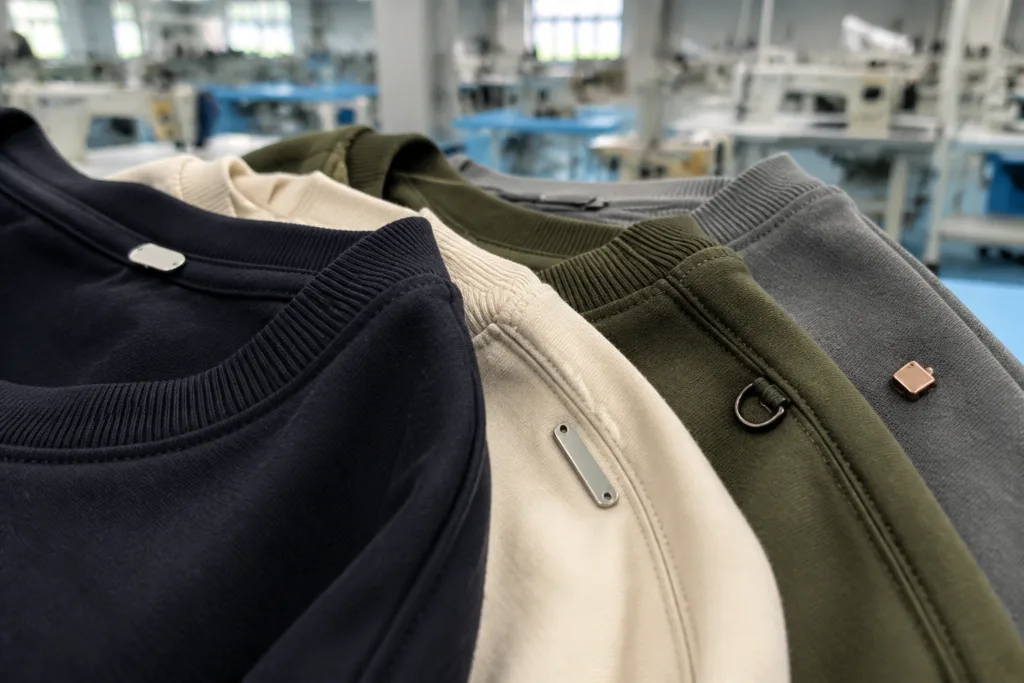
Hem tag placement offers several unique benefits for your metal logo, especially in industrial and workwear settings. Hem tags are highly visible when garments are worn untucked or open, providing brand recognition without overwhelming the overall design.
Hem tags tend to be less intrusive from a visual standpoint. They accent the garment without dominating it, allowing designers to maintain a clean silhouette or focus attention elsewhere. For brands that value subtlety and premium cues, hem tag placement supports both objectives.
Industrial uniforms commonly employ hem tags for practical branding. This placement ensures labels withstand harsh environments while remaining easy to spot during inspections or audits. Hem tags are also less exposed to direct friction from skin or collars, making them resilient against abrasion and wear.
Another advantage is their durability over time. Because hem tags encounter less daily contact, metal logos placed here often retain their finish and readability longer. Outdoor and heavy-duty applications like construction, logistics, or energy-sector workwear particularly benefit from this.
- Excellent brand visibility when not hidden by outerwear
- Protects high-end materials from excessive wear
- Ideal for showcasing logo details and finishes
- Outlasts many other tag placements due to minimal contact
For brands aiming to highlight craftsmanship or premium materials, hem tags allow details of the metal logo—like engraved patterns or custom shapes—to stand out. As Rain Chen from UC Tag notes, hem tags deliver both functional branding and a subtle design upgrade when executed with durable metals and precise manufacturing.
Disadvantages of Hem Tags for Metal Logos
Despite their strengths, hem tag placement can limit the impact of your metal logo in certain scenarios. Hem tags are often out of sight if the garment is tucked in, layered beneath other clothes, or worn in environments where outer coverage is common.
Space constraints are another drawback. Hem tags tend to be smaller, offering less room for detailed branding or essential information like serial numbers, QR codes, or multi-language instructions. This can restrict communication and identification efforts.
Comfort is also a consideration. Improper placement of a metal logo at the hem—especially if the tag is thick or not rounded—might annoy wearers during movement. Selecting tags with smooth edges and matching finish to garment material helps alleviate this issue.
Hem tags may become hidden during use, hampering visibility. In industries like corporate apparel or hospitality, where staff often layer uniforms, the metal logo on the hem can go unnoticed. Brands relying on tag placement for identification in audits or logistical processes might find hem tags less effective.
Finally, while hem tags are well-suited to casual and utility wear, they may be less impactful for luxury garments or fashion items where full branding and storytelling are expected.
Advantages of Neck Tags for Metal Logos
Neck tag placement remains a traditional and visually prominent option for the metal logo. Placing tags inside or just below the neckline ensures that branding is one of the first things a customer or inspector sees. This is particularly true in retail settings, where garments are displayed on racks and hangers.
The larger surface area of neck tags facilitates more detailed branding information. Models, serial numbers, batch codes, or sizing can be included alongside the metal logo, giving buyers and end users more context at a glance.
For designers, neck tags offer opportunities for storytelling and aesthetic integration. Brand colors, custom shapes, and unique finishes can be showcased here without distracting from the garment. Neck tag placement signals recognition and authenticity, making it a staple for high-end fashion, athletic apparel, and corporate uniforms.
- High visibility during retail display and wear
- Accommodates complex or multi-lingual branding
- Supports a wider range of tag placement options
- Aligns with traditional expectations in many markets
Neck tags are easily accessible when garments are inspected or returned. For brands aiming to reinforce identity or verify authenticity, placing metal logos on neck tags is efficient and effective. UC Tag offers neck tag solutions customized for fashion clients seeking enhanced brand storytelling with durable, premium materials.
Disadvantages of Neck Tags for Metal Logos
Neck tag placement exposes the metal logo to more wear and tear, especially from frequent contact with skin, collars, and washing. Over time, engraved or printed logos could become faded or scratched, reducing legibility and perceived quality.
If neck tags aren’t positioned thoughtfully or made from smooth, skin-safe materials, they may cause irritation or discomfort. This is particularly relevant for active wear or garments worn close to the body.
The risk of logo abrasion is higher. Metal logos on neck tags can lose their sharp appearance, especially if exposed to aggressive laundering, dry cleaning, or repeated handling. Ensuring proper finish and edge treatment mitigates this.
Neck tags may also interfere with the garment’s design, especially if the tag is too large, thick, or mismatched in color. Overuse of metal logo tags in the neckline can detract from the visual coherence or make the piece less desirable to style-conscious consumers.
Some markets see neck tag placement as conventional and less innovative. Brands aiming for fresh, distinctive looks may prefer alternative locations, such as hem tags, sleeve tags, or zipper pulls.
Materials Comparison for Metal Tags
The choice of material shapes how your metal logo performs in both hem and neck tag placements. Each metal offers a unique balance of weight, durability, finish, and cost—key factors in branding and long-term use.
Aluminum is lightweight, corrosion-resistant, and cost-effective. It can be anodized for extra protection and color variety, and is favored in environments where weight and budget are considerations. Aluminum tags suit both hem and neck placements but may dent if subjected to high impacts.
Stainless steel is robust, durable, and presents a higher-end perception. It resists corrosion, abrasion, and harsh chemicals. Stainless steel tags are a smart choice for garments exposed to rugged work environments or outdoor conditions—but they come at a premium price and are heavier.
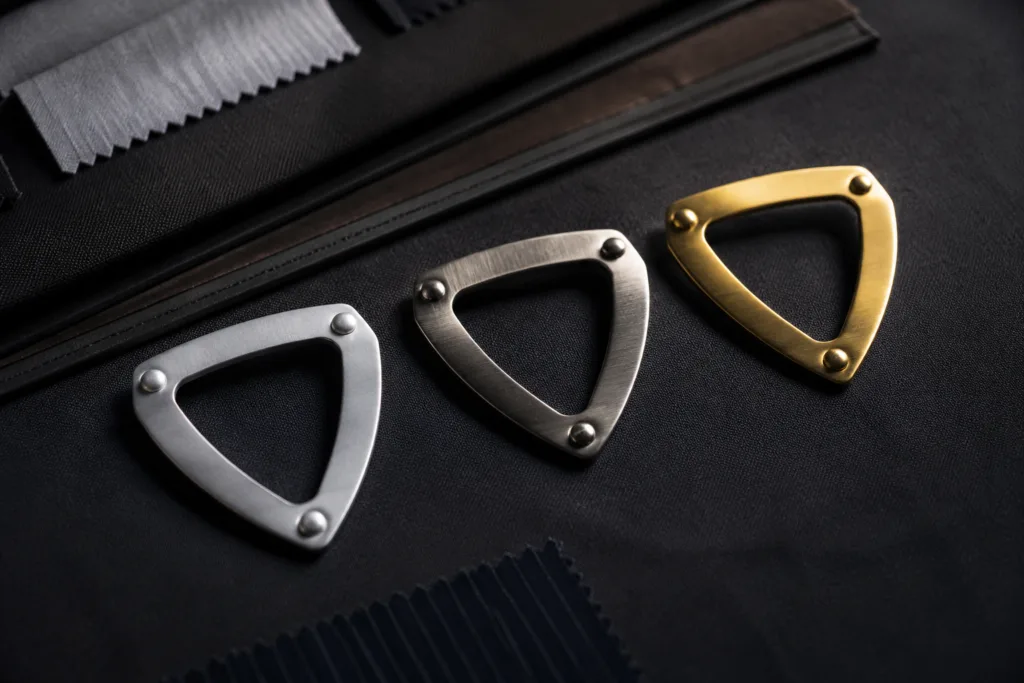
Brass offers classic appeal and an upscale finish, often used in luxury garments. Brass can tarnish over time, but modern coatings help maintain its look. While softer than steel, brass provides excellent detail and rich contrast for metal logos, though it may require more care if used for neck tags.
Material selection affects both the lifespan and appearance of the tag. For outdoor and industrial use, stainless steel is generally the best option. For lightweight or decorative purposes, aluminum or brass might be preferred.
| Material | Weight | Corrosion Resistance | Finish Options | Best For | Pricing |
|---|---|---|---|---|---|
| Aluminum | Light | Excellent | Anodized, Painted | Hem, Neck (budget/weight) | Low |
| Stainless Steel | Heavy | Superior | Mirror, Brushed | Hem, Neck (premium/industrial) | High |
| Brass | Medium | Good (may tarnish) | Polished, Antique | Neck (fashion/luxury) | Mid-High |
Careful selection ensures your metal logo remains readable and attractive in both tag placement scenarios. UC Tag’s shop-floor team regularly recommends materials based on intended environment, industry, and branding goals.
Manufacturing Methods for Metal Tags
The way your metal logo is produced affects durability, legibility, and appearance, as well as environmental performance. Manufacturing processes must align with the tag placement chosen—whether hem or neck—so the final product meets industry standards.
Engraving (including CNC and laser engraving) delivers crisp, permanent logo details and excels in both hem and neck tags. It stands up well to abrasion and cleaning as the design is cut into the metal itself.
Stamping (deep or shallow) produces tactile, embossed or debossed logos. Stamping is excellent for bulk production and offers durability at a lower cost, making it ideal for rugged hem tags and classic neck tags.
Chemical etching provides intricate patterns or micro details, supporting advanced branding needs in sectors like technical apparel or limited editions. However, etched tags can be delicate and may need protective coatings.
For color or visual effects, UV printing and enamel filling yield vibrant, brand-consistent logos that pop in retail or promotional garments. These methods are best suited for fashion-focused neck tags or hem tags where creative differentiation matters.
Manufacturing choices influence environmental performance. For example, tags requiring high UV or salt-resistance benefit from stainless steel and deep engraving, while decorative pieces rely on cutting-edge printing or surface treatments.
Customization helps tailor metal logo tags to unique brand stories. UC Tag’s team advises matching method to material and tag placement, balancing visual impact and practical demands.
Design & Specification Checklist
A precise design and specification process ensures your metal logo tags deliver durability, brand clarity, and functional versatility. Here’s a practical checklist for buyers and engineers to follow:
- Choose the right size and thickness for garment integration
- Select the optimal material for environment and performance
- Decide on finish: mirror, brushed, matte, or antique
- Consider hole placement or adhesive backing for attachment
- Prioritize readability: font, logo scale, and contrast
- Set tight tolerances for manufacturing consistency
- Evaluate environmental factors: sweat, sun, chemicals
Manufacturing precision and tolerances are crucial for quality assurance. Small variations can affect attachment strength or make tags less comfortable. Always request proof samples and conduct final checks against your specs.
| Checklist Item | Hem Tag | Neck Tag |
|---|---|---|
| Size (mm) | 20–35 | 30–50 |
| Thickness | 0.5–1.5mm | 0.6–2mm |
| Finish | Brushed, Matte, Antique | Mirror, Brushed |
| Attachment | Sew-on, Rivet, Adhesive | Sew-on, Snap, Adhesive |
| Readability | Simple fonts, high contrast | Elegant fonts, logo prominence |
By following this checklist, your metal logo will stay clear, durable, and brand-consistent throughout the lifecycle of the garment.
Durability & Testing for Metal Tags
Durability is essential for both hem and neck tag placements; garments are constantly exposed to challenging environments. The metal logo must survive corrosion, abrasion, UV exposure, and mechanical stress.
Corrosion resistance ensures longevity for tags worn outdoors or in high-moisture sectors. Stainless steel and anodized aluminum excel here, protecting against rust and color fading.
Abrasion and UV resistance keep tags readable despite frequent washing or sunlight exposure. For workwear, asset management, and technical garments, these properties pay off with lower maintenance costs and consistent branding.
Salt spray testing is commonly used to simulate harsh environmental impacts. UC Tag implements salt spray and abrasion tests on both hem and neck tags, allowing buyers to compare performance before mass production.
Durability influences the total cost of ownership. A longer-lasting metal logo means fewer reorders, better consumer satisfaction, and stronger brand presence. Consider lifecycle factors like cleaning method, expected garment turnover, and necessary warranties when deciding tag placement.
Common Mistakes and Troubleshooting
Even the best-designed metal logos can fail if common pitfalls aren’t addressed. Issues like unreadable text, poor contrast, or inappropriate material choices can quickly undermine branding efforts.
Adhesive failure is a frequent problem. If attachment methods don’t match garment material or anticipated usage, tags may peel off or shift. Using high-quality adhesives, such as those offered by tag solutions, and proper hole placement resolves this effectively.
Corrosion can occur if material selection doesn’t account for environmental exposure. Always choose metals and finishes based on expected moisture, sweat, or chemical contact.
For troubleshooting, inspect initial samples under real-world conditions. Make adjustments to font size, contrast, thickness, or surface treatment until the metal logo meets readability and durability standards. Planning during design can eliminate costly failures down the line.
Ordering Guide for Metal Tags

Ordering metal logo tags, whether for hem or neck placement, follows a structured path to ensure accuracy and efficiency. Start by confirming minimum order quantities (MOQ), which often range from 100 to 500 units depending on complexity and material.
Lead times depend on manufacturing methods, material choice, and order volume. Deep engraving or stamping may require additional setup time compared to simple printed or filled tags. Planning for production cycles can prevent supply disruptions.
Artwork submission is essential. Prepare your metal logo design in high-resolution vector formats and review proofs before approval. Proofing allows for corrections or tweaks in tag placement, readability, and finish.
Sampling is crucial to evaluate real-world performance. Packaging and shipping requirements must be specified, including protection for the tags and any branding on outer packaging.
Providing detailed specifications—size, material, finish, attachment—ensures the final product aligns with your brand vision. UC Tag offers custom metal tag samples to support testing and evaluation before full production.
- Confirm MOQ and lead times before placing order
- Submit artwork in vector format for accuracy
- Review and approve proofs promptly
- Request samples for evaluation
- Specify packaging and shipping requirements
Frequently Asked Questions
What materials are best for outdoor use?
Stainless steel and anodized aluminum are recommended for metal logos placed in hem or neck tags due to their high corrosion and UV resistance, making them suitable for outdoor environments.
How do I choose between hem and neck tags?
Consider your branding goals, garment type, visibility needs, and user comfort. Hem tags favor subtle branding, while neck tags offer higher visibility and space for detailed information.
What is the expected lifespan of different tag materials?
Aluminum tags typically last 2–5 years, stainless steel tags over 5 years, and brass tags 3–4 years, depending on environmental exposure and tag placement.
Can I customize the size and shape of my tags?
Yes, metal logo tags can be fully customized in size, shape, finish, and attachment. Custom shapes help brands achieve distinctive tag placement and design integration.
How should I care for my metal tags to ensure longevity?
Clean tags gently with mild detergent, avoid abrasive tools, and inspect periodically for wear. Proper care maintains the appearance and readability of the metal logo, regardless of placement.
How can I ensure my logo remains readable over time?
Select high-contrast finishes, durable manufacturing methods, and corrosion-resistant materials. Routine inspection and specifying appropriate attachment help preserve readability across garment lifecycles.
Related Reading
- Upgrade Your Fashion Brand with Metal Sew-On Labels: Durability Meets Style
- How Zipper Pull Branding Instantly Elevates Apparel Quality & Recognition
- Complete Asset Rebranding: The Step-by-Step Checklist for Logo Tag Success
- Luxury Branding on a Budget: Affordable Metal Tag Solutions That Impress
- Explore All Tag Solutions for Custom Metal Logo Placement
- Request Sample Metal Tags and See Branding Results in Action