Introduction to Decanter Tags
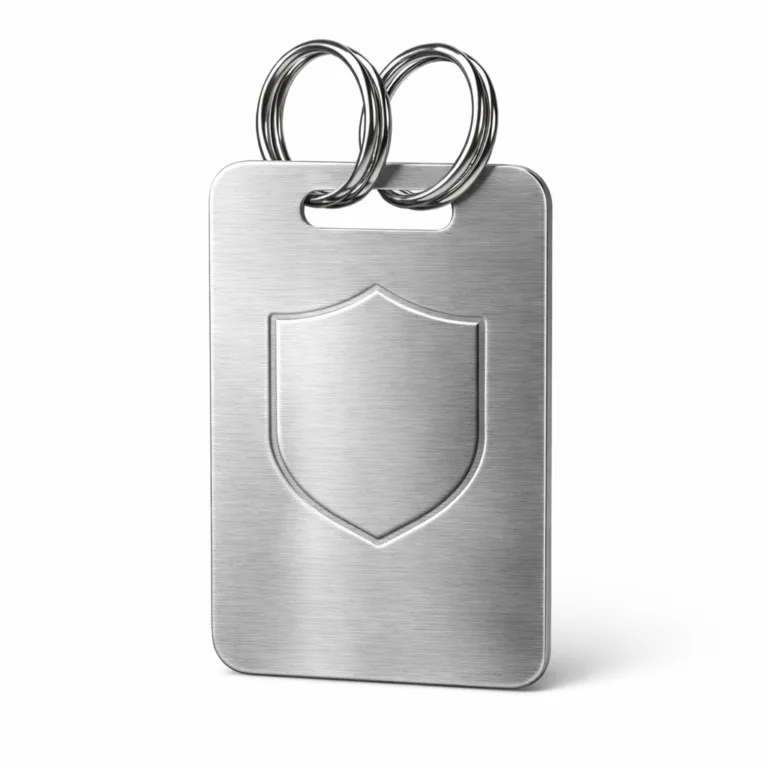
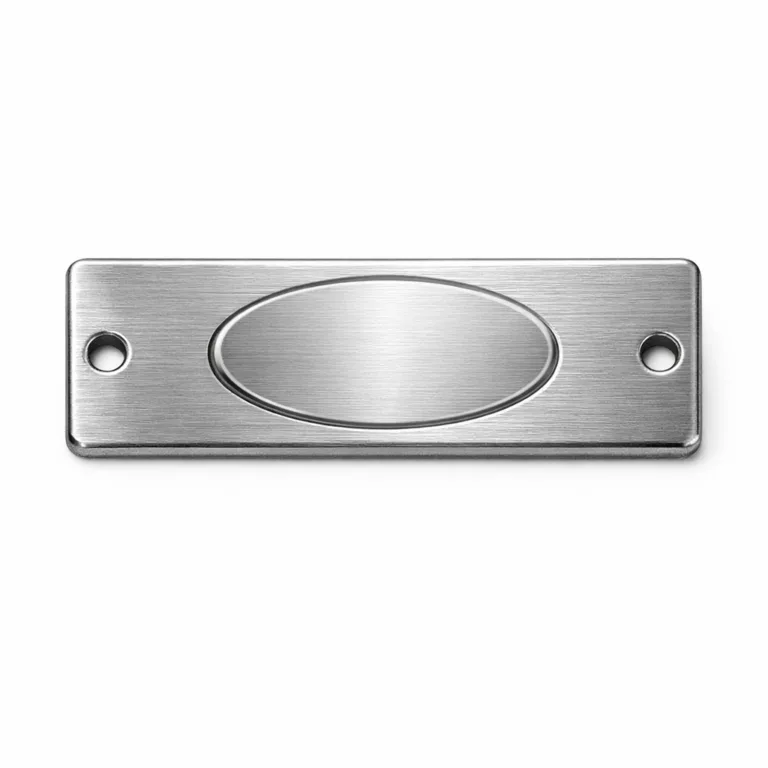
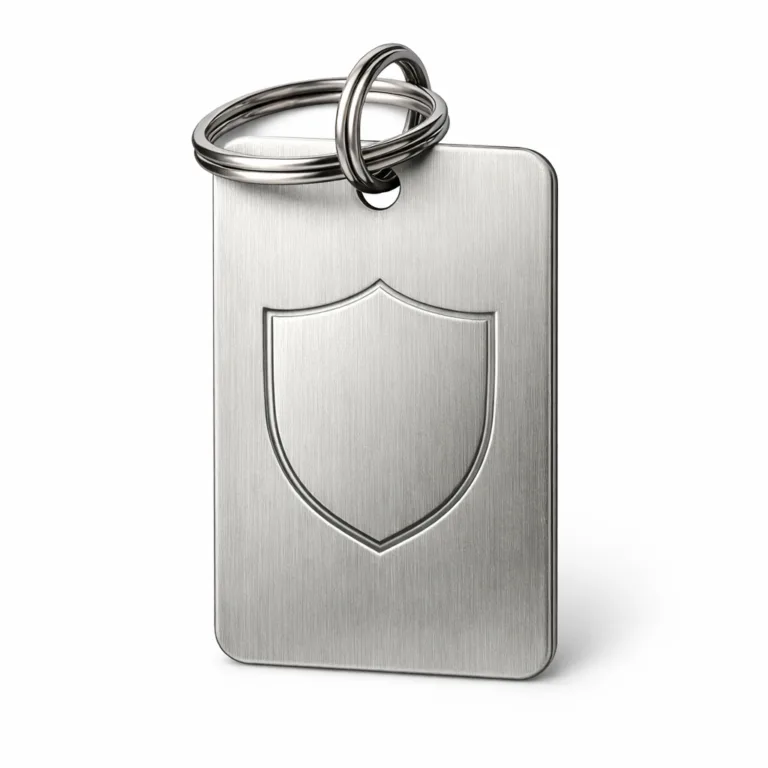
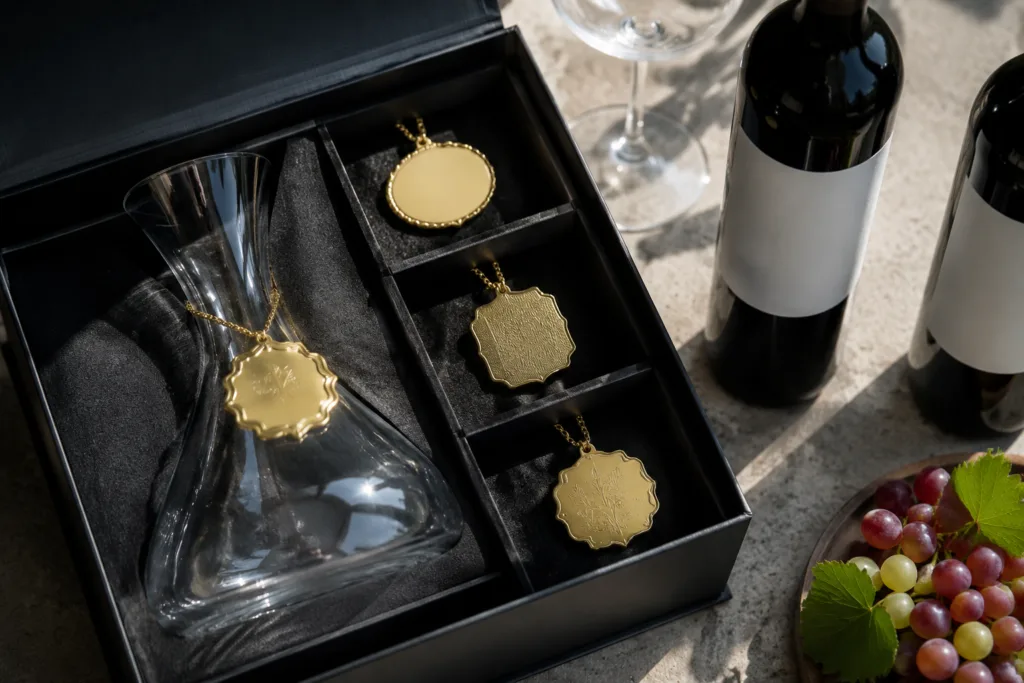
Whether you’re curating a home bar or managing an upscale wine service, decanter tags are a detail that effortlessly elevates both style and functionality. A decanter tag is a small identifier, typically made from durable materials like metal or high-grade plastic, designed to hang from the neck of a decanter. The tags display essential information: the varietal, vintage, or even personalized notes regarding the wine or spirit within.
For anyone serious about a home bar, decanter tags are more than organizational tools. They transform plain glassware into objects of beauty, creating a visual experience that complements the taste and aroma of the drink. Tags allow you to easily distinguish between bottles and confidently serve guests, reducing mix-ups and encouraging conversation.
Many tags can be customized with engraved logos, decorative fonts, and clever shapes—an ideal solution for both commercial and residential settings. The ability to personalize each tag means every decanter in your home bar can express its story, whether you’re celebrating a wine’s provenance or tracking cellar inventory. We’ll delve into different materials, manufacturing methods, and practical design considerations to help you select the perfect decanter tag for your needs.
Types of Decanter Tags
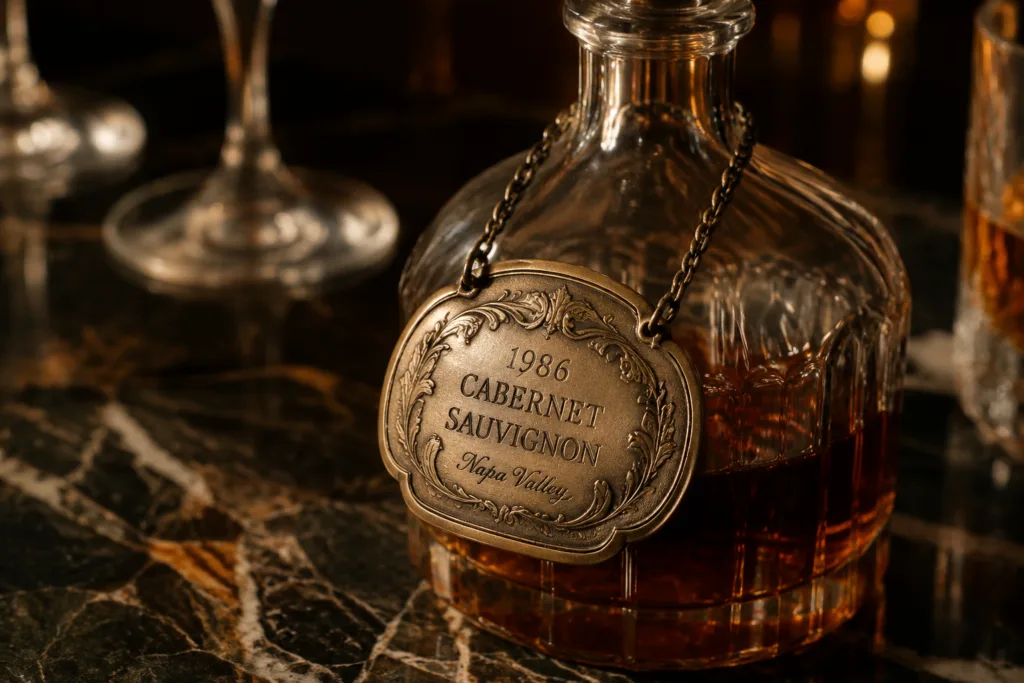
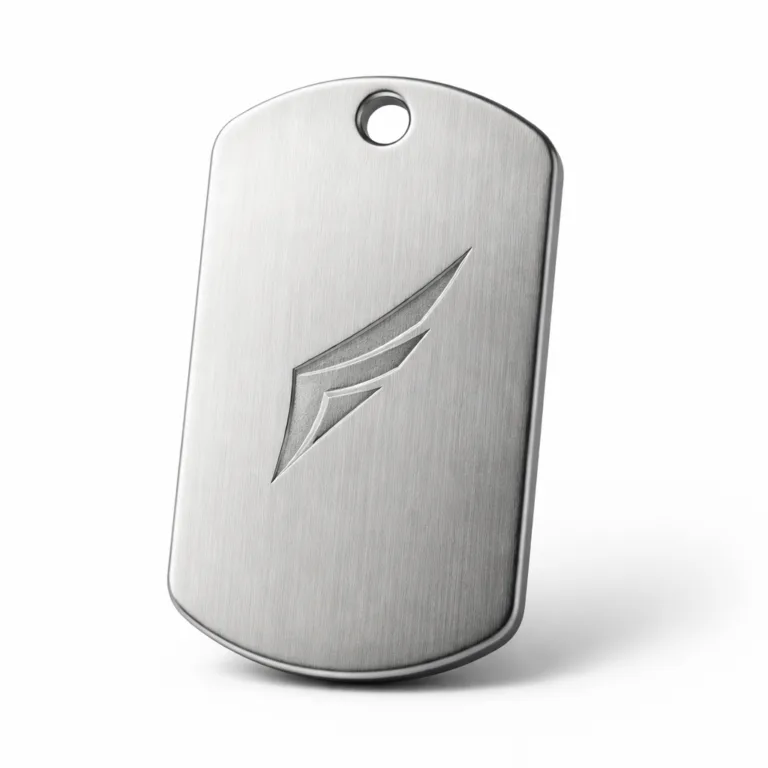
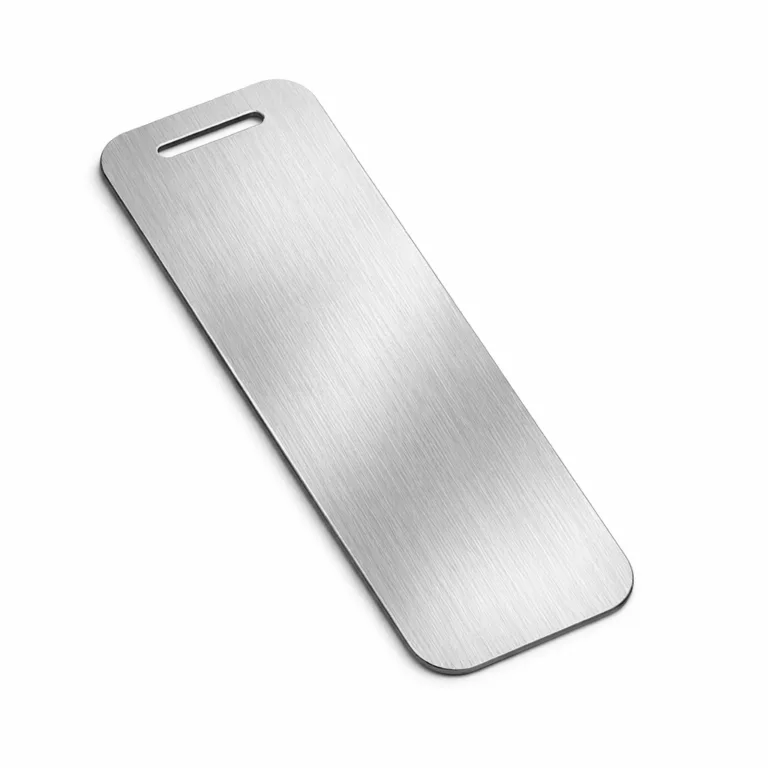
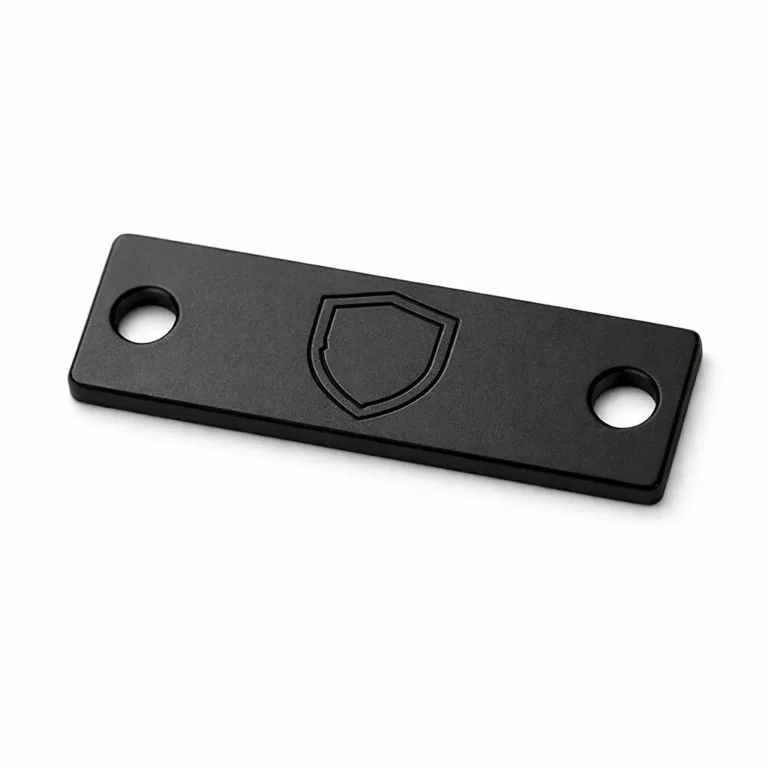
When it comes to decanter tags for your home bar, buyers can choose from a broad range of styles, with metal and printed tags being the two most common categories. Metal tags—including aluminum, stainless steel, and brass—are valued for their resilience and visual impact. Printed tags, usually made from heavy cardstock or laminated plastics, are lighter and often favored for short-term events or gifting.
Metal decanter tags offer superior durability, standing up to repeated handling, moisture, and the inevitable spills that occur at lively gatherings. Their weight and sheen add tactile luxury to any home bar, especially when crafted through engraving or stamping. Engraved metal tags reveal crisp, deep lettering, while stamped tags can introduce raised designs, both of which create lasting, readable impressions.
Printed tags—whether digitally printed or foil-stamped—can be quickly customized for seasonal events, wine tastings, or hospitality packages. They’re economical and easy to replace, but won’t match the longevity and outdoor performance of metal tags.
- Engraved metal tags: for classic, permanent labeling
- Stamped tags: raised artwork or text for prestige
- Printed tags: suitable for quick changes or thematic occasions
- Etched tags: sophisticated, subtle designs
- Custom shapes: align your tags with bar décor or branding
Choosing between metal and printed tags depends on your usage. For everyday home bar setups, metal tags are preferred for their toughness. But for diverse, rotating wine selections or event-driven arrangements, printed tags have their place. Personalizing each decanter tag adds an extra layer of enjoyment to the wine tasting experience, prompting guests to engage with your collection.
Materials Comparison: Choosing the Right Tag
The material you select for your decanter tag significantly influences its appearance, durability, and practical value. Three metals dominate the category: aluminum, stainless steel, and brass. Each brings unique benefits and trade-offs—especially for those looking to optimize their home bar.
| Material | Durability | Corrosion Resistance | Aesthetic | Cost | Suitability |
|---|---|---|---|---|---|
| Aluminum | Good | High (especially anodized) | Modern, lightweight | Moderate | Indoor/Outdoor, casual |
| Stainless Steel | Excellent | Superior | Classic, reflective | Higher | Outdoor/professional |
| Brass | Good | Moderate | Vintage/luxury | High | Premium, gift sets |
Aluminum tags, especially those finished with anodizing, offer a sleek look and withstand corrosion well, making them suitable for both indoor and outdoor home bar environments. They’re lightweight, which means they won’t weigh down delicate glassware or cause wear over time. Stainless steel tags are robust—they resist rust, maintain their shine, and endure humidity or temperature fluctuations with ease. They’re a great choice for outdoor bars, poolside setups, or restaurant environments.
Brass tags strike a luxurious note, evoking classic wine service. However, brass can tarnish and requires occasional maintenance. It’s ideal for gift sets or display bars where ornate presentation matters most. Rain Chen, a seasoned craftsman at UC Tag, notes, “Brass tags are chosen for character. We often do a lacquer coat to preserve shine, but buyers should expect some patina if exposed to the elements.”
Cost considerations are important. While aluminum tags are generally mid-priced and widely available, stainless steel commands a premium but pays off in durability. Brass is often the most expensive, but it’s prized for its high-end appeal. For buyers seeking environmentally responsible tags, aluminum is more easily recyclable, whereas brass and stainless steel can be recycled but require specialized processing.
Manufacturing Methods for Custom Tags
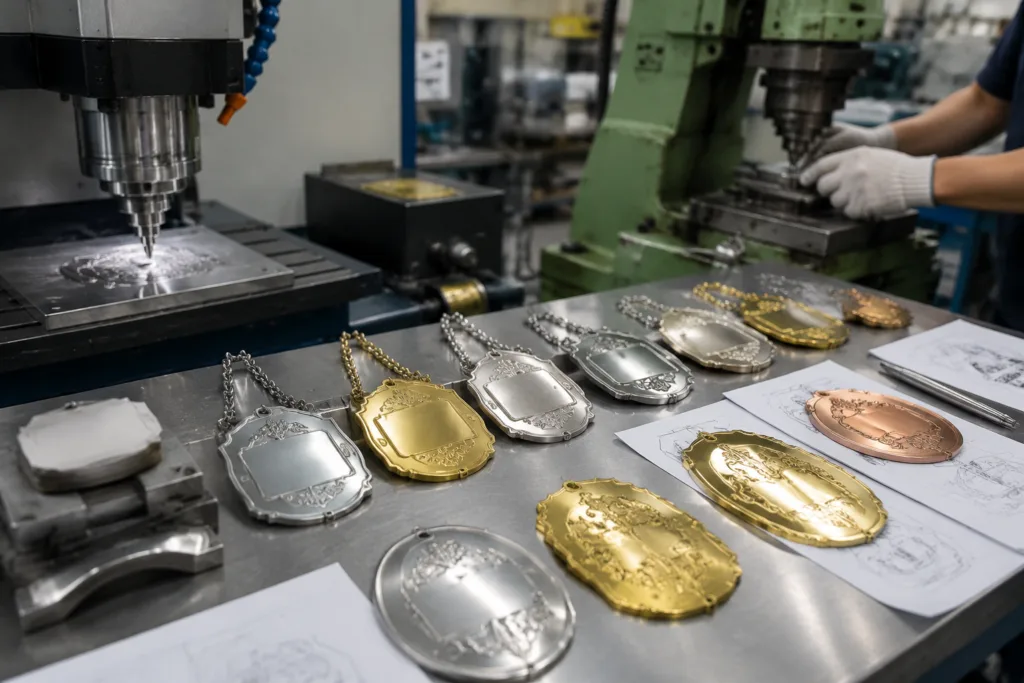
How your decanter tag is manufactured determines not only its look but also its performance, cost, and lead time—essential factors for B2B buyers and home bar enthusiasts. Engraving, stamping, etching, and printing are the main production techniques, each offering distinct outcomes.
Engraving involves carving text or artwork directly into the metal. This method is ideal for stainless steel and aluminum tags, yielding crisp, deep marks that resist fading. Stamping presses designs into metal, creating raised or recessed patterns; stamped tags are especially durable and tactile, ideal for luxury home bar setups.
Etching uses chemical processes to create subtle, nuanced designs, recommended for brass or multi-layered tags. Printing—used on both metal and plastic bases—offers vibrant colors and fast customization, but may be less durable in wet environments.
For demanding bar installations where tags must last years, engraving and stamping are preferred. Buyers should align manufacturing method with the chosen material. UC Tag regularly assists clients in matching process and material to end-use, ensuring a smooth transition from design to production. Standard lead times range from 2–4 weeks for basic engraved tags; complex shapes or color infill can take longer. Case studies from hospitality events highlight that stamped brass tags—with logos and event names—were favored for both durability and visual impact.
Design & Spec Checklist for Decanter Tags
Designing a decanter tag means balancing aesthetics, usability, and technical performance. For a busy home bar, clarity and harmony matter most. Here’s a practical checklist to guide your next order:
- Tag size: Make sure it’s visible but not overpowering—common widths are 40–60 mm.
- Thickness: Opt for 0.5–1.5 mm for metal; thinner for printed tags.
- Finish: Options include brushed, matte, mirror, or antique. Match the finish to your home bar décor.
- Readability: Choose clear, bold fonts. Sans-serif for modern; serif for classic.
- Attachment: Confirm hole placement aligns with decanter neck; adhesive backings (like 3M solutions) suit smooth surfaces.
- Tolerances: Specify size and shape accuracy—some applications demand tighter tolerances.
- Aesthetic alignment: Coordinate tag colors and patterns with bar hardware for a seamless look (read more).
Below is a quick comparison checklist for designing a decanter tag for your home bar:
| Design Factor | Recommended Spec | Buyer Note |
|---|---|---|
| Tag Size | 40–60 mm wide | Accommodates standard decanter necks |
| Thickness | 0.5–1.5 mm (metal) | Balance between rigidity and weight |
| Finish | Brushed, polished, matte | Protects surface and matches décor |
| Font | Sans-serif, 16–22 pt | Enhances readability at a glance |
| Attachment | Hole or adhesive | Depends on decanter shape/material |
| Tolerances | ±0.2 mm | Ensures consistency across sets |
Always request proofs before production begins, especially if personalizing for a home bar or event. Matching the tag design to your decanter’s form creates a polished, high-impact look.
Ensuring Durability: Testing Options
For a home bar environment, decanter tags must survive repeated use, exposure to moisture, and sometimes, harsh cleaning routines. Durability comes from both the material and the testing standards applied before the tags reach your bar.
Corrosion testing involves exposing metal samples to humid, acidic, or saline conditions over extended periods. Stainless steel tags generally pass with ease, even under outdoor conditions (see durability insights). Abrasion testing checks how well the tag surface withstands scratching and rubbing, important for tags that hang and move as bottles are handled.
UV exposure tests simulate sunlight to determine whether colors and finishes fade over time. For home bars with natural light or outdoor service, selecting tags with UV-resistant finishes is crucial. In rainy or humid climates, aluminum tags with anodized layers protect against oxidation.
Case studies highlight that brass tags—when left in a pool area—can tarnish unless properly lacquered. Stainless steel tags survive daily cleaning, even with strong detergents. A classic failure scenario occurred when event organizers selected uncoated printed tags: they warped and faded after just one week, prompting a switch to engraved aluminum.
To maintain tag quality in a high-traffic home bar, gently wipe tags with a soft cloth, avoid harsh chemicals, and store spares in dry conditions. Rain Chen advises, “Specify a test report if your tags will face tough environments. UC Tag provides sample data for abrasion and corrosion cycles.” Proactive care and the right material choice ensure your decanter tags stay pristine for years.
Industry/Application Fit: Decanter Tags in Action
Decanter tags are embraced by wine enthusiasts for their home bars, but their reach extends to commercial spaces and beyond. In personal collections, tags add an element of order, helping owners keep track of vintages and blends with ease.
Restaurants and upscale bars rely on decanter tags to improve customer experiences. Clear labeling reduces serving errors and makes staff training easier. The hospitality industry uses them for gift sets, special event bars, and seasonal displays—tags quickly distinguish bottles, especially in dim lighting.
Gift sets featuring custom decanter tags are a growing trend in retail, corporate gifting, and wine clubs. Personalization—engraving names, event dates, or logos—adds perceived value and builds customer loyalty (see private labeling tips).
Emerging trends include QR-coded tags for digital tasting notes, tags shaped to match branding motifs, and eco-friendly materials like recycled aluminum. Decanter tags have become central to storytelling and sensory branding in modern beverage spaces, seamlessly blending function with flair.
Common Mistakes in Choosing Decanter Tags
Many buyers overlook essential factors when selecting decanter tags for their home bar. One of the most frequent mistakes is choosing text that’s too small or fonts that aren’t legible from across the bar. Unreadable tags frustrate guests and defeat their purpose.
Another pitfall is opting for adhesives that don’t adhere to glass or metal surfaces, causing tags to slip or fall off. Materials that aren’t suited to the bar’s environment—such as low-grade plastics near moisture—will deteriorate quickly. Buyers also sometimes misjudge tag thickness, resulting in tags that bend easily or look out of place.
Misalignment occurs when tag colors or finishes clash with the established home bar theme. A sleek, modern bar won’t suit antique brass tags; a vintage setup might be overwhelmed by polished steel. The solution is to request sample tags or visual proofs before the final order (see standard samples).
Troubleshooting involves reordering tags with larger fonts, proper adhesive backing, and matching materials. Reviewing design specs and consulting with experienced manufacturers helps avoid these mistakes and ensures a cohesive bar aesthetic.
Ordering Guide for Custom Decanter Tags
Ordering custom decanter tags for your home bar or hospitality project involves several key steps. Buyers should first consider minimum order quantities (MOQs), which vary depending on material and production method. Metal tags—engraved or stamped—may require orders of 50–200 units, while printed tags offer lower MOQs.
Lead times range from 2 weeks for basic designs to 5–6 weeks for complex shapes or finishes. To avoid delays, submit clear artwork and detailed specifications. Most suppliers request vector files, preferred fonts, and layout diagrams.
Proofing is critical: review digital or physical samples to ensure design accuracy. This process catches any alignment or readability issues before full production. For delicate metal tags, packaging is vital—individual pouches, bubble wrap, and sturdy cartons protect finished tags during shipping (explore packaging options).
Buyers should factor in logistics, especially for international orders, and confirm the expected shipping timeline. Rain Chen from UC Tag recommends early communication with the manufacturer, “Artwork clarity and tolerance specs greatly reduce errors. Our shop offers standard and custom samples for final approval.” Following these guidelines ensures a smooth ordering experience and delivers tags tailored to your home bar vision.
Frequently Asked Questions
What materials are recommended for outdoor decanter tags?
Stainless steel and anodized aluminum are best for outdoor use as they offer high corrosion resistance and withstand temperature fluctuations.
How long do metal decanter tags last in a home bar environment?
Quality metal decanter tags can last many years, often a decade or more, if properly cared for and protected from harsh chemicals or extreme conditions.
What manufacturing method is the most cost-effective for custom decanter tags?
Engraving is usually more cost-effective for simple personalization, while stamping provides durability for larger batches but incurs higher initial setup costs.
Can I see a sample before ordering custom decanter tags?
Most manufacturers, including UC Tag, offer digital proofs and standard samples so you can review the design and material before committing to production.
What are the best fonts for decanter tag readability?
Bold sans-serif fonts such as Arial, Helvetica, or Open Sans are preferred for clear, at-a-glance readability, especially under bar lighting.
How can I ensure my tags match my home bar’s décor?
Coordinate finish, color, and shape with your bar’s hardware and décor. Request visual proofs or color-matched samples from your tag supplier.
Related Reading
- How Wine Bottle Neck Tags Add Distinction to Your Bar and Brand
- Sticker Labels vs. Metal Tags: Which Is Best for Lasting Product Identity?
- Private Labeling Secrets: Transform Your Gifts with Custom Tags
- Achieving Luxury Branding with Affordable Metal Tag Solutions
- Elevate Your Brand Experience: Sound and Touch of Metal Tags
- Are Stainless Steel Tags the Upgrade Your Bar Needs? In-Depth Durability Tips