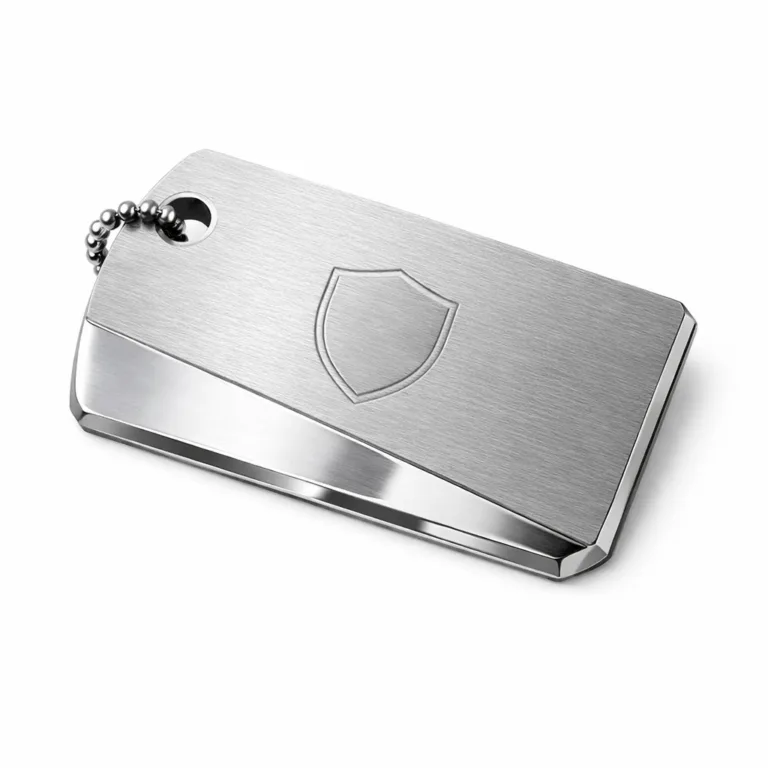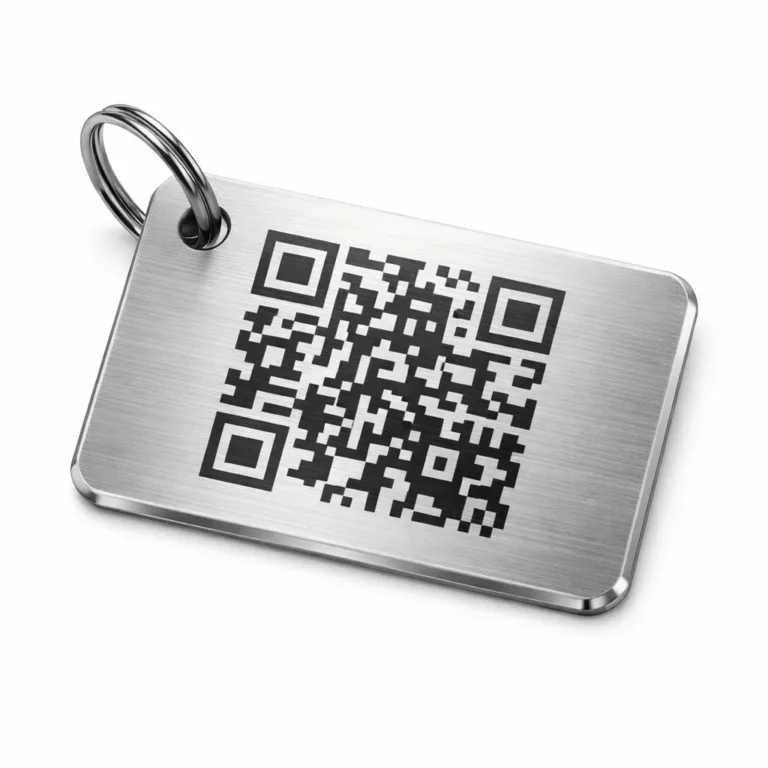
Introduction to Custom Rivets and Metal Tags in Denim
Custom rivets and metal tags are foundational to what sets premium jeans apart in the global denim industry. These small but highly visible hardware elements—rivets for structural reinforcement, metal tags for signage and branding—combine durability with powerful visual identity. Their use dates back to the earliest days of denim, when Levi Strauss first introduced copper rivets to reinforce points of strain and guarantee longevity in workwear jeans. Over decades, these humble origins evolved: custom rivets now signal both authenticity and innovation, and metal tags act as lasting brand signatures.
In today’s ever-expanding denim market, branding and aesthetics are crucial. Jeans must not only outlast heavy use but also stand out across crowded shelves and e-commerce pages. Custom rivets etched with logos and creative shapes, plus metal tags in unique finishes, are instantly recognizable to discerning consumers. These details leave lasting first impressions, often shaping perceptions of quality and status long before a customer tries a pair on.
Common materials for these components include aluminum, stainless steel, and brass, each selected for a particular look and functional advantage. The choice of alloy, plating, and finish impacts factors such as corrosion resistance, tactile feel, and even sustainability. In short, custom rivets and metal tags are much more than accessories; they are a form of silent communication between jean makers and their audience—a mark of durability, identity, and pride.
The Role of Customization in Denim Branding
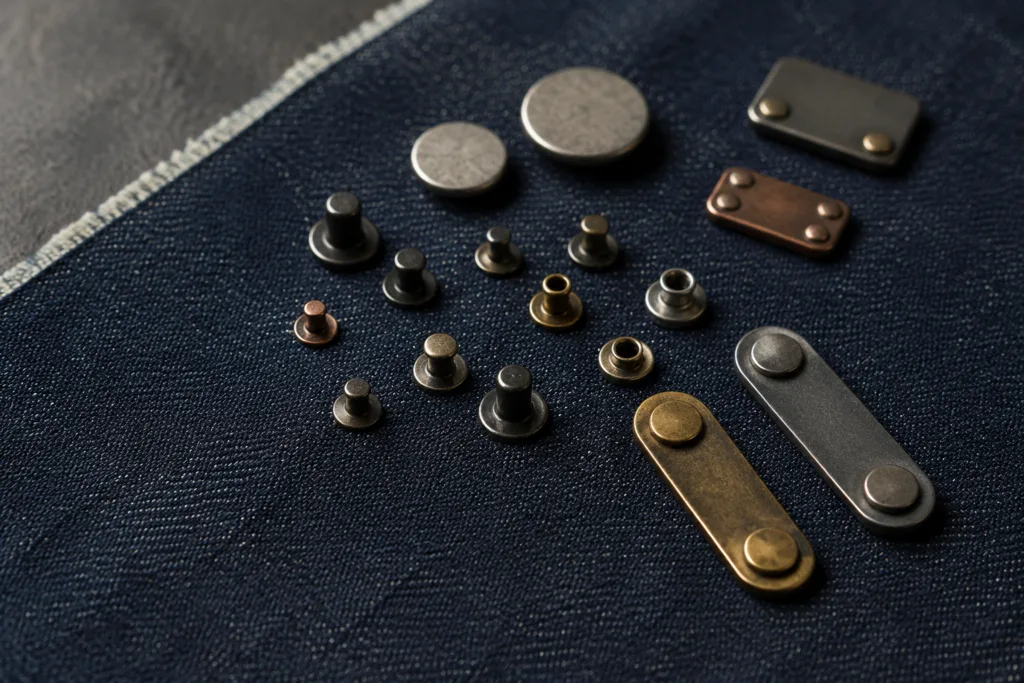
Customization has become an essential differentiator for denim brands looking to build strong, lasting relationships with their customers. In a marketplace flooded with options, a pair of jeans adorned with custom rivets and bespoke metal tags immediately signals exclusivity, care, and personality. Brands like Levi’s, Diesel, and G-Star have mastered the art of signature hardware, using unique rivet shapes, engraved logos, and badge-style tags to tell a compelling visual story.
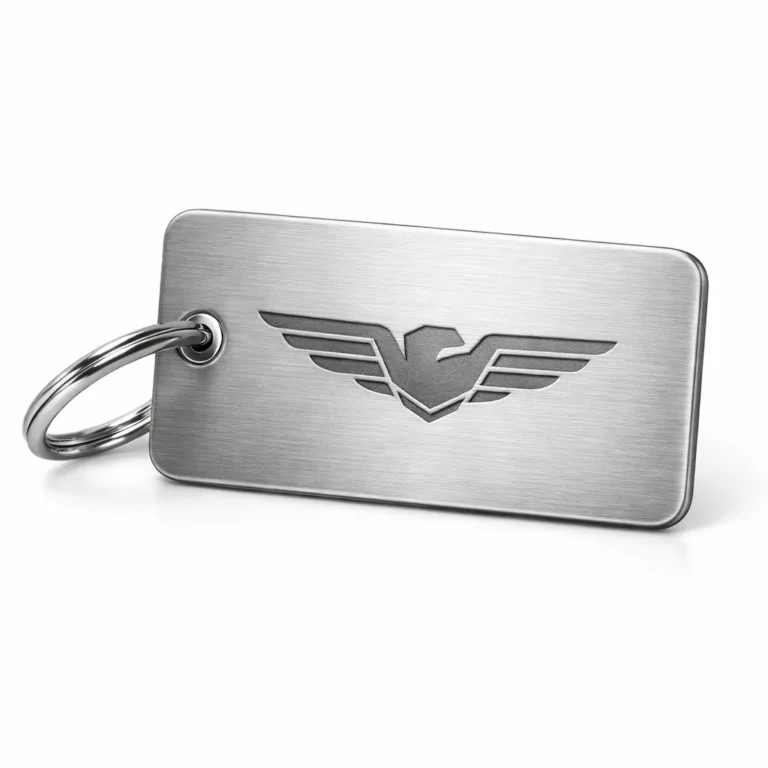
Consumers are increasingly drawn to personalized products that reflect their individual tastes or align with specific lifestyle values. This allows denim brands to connect emotionally through each small detail—whether it’s a vintage-inspired copper rivet, a brushed steel tag embossed with a logo, or a serial-numbered badge evoking authenticity. Custom hardware becomes a tactile way to express brand values: ruggedness, urban style, innovation, or heritage.
Designing effective custom rivets requires a balance of creativity and engineering practicality. Challenges include maintaining readability at small sizes, ensuring the design won’t trap debris, and achieving brand color fidelity through metal finishes or enamel accents. Manufacturers like UC Tag often advise engineering teams to iterate prototypes, test readability, and consider the lifecycle of both the jeans and their hardware before locking in a design. The right custom rivet can serve as both an artistic signature and a technical advantage if thoughtfully planned.
Materials Comparison for Rivets and Tags
Selecting the right material for metal tags and rivets is critical. The wrong choice can lead to premature wear, unsightly corrosion, or a mismatch with a brand’s visual language. Here’s a practical comparison of the three most common choices:
| Material | Corrosion Resistance | Weight | Appearance | Suitability | Relative Cost |
|---|---|---|---|---|---|
| Aluminum | Good (anodized or coated) | Lightweight | Range of colors/finishes, matte or gloss | Fashion, lightweight/stylish jeans, eco-sensitive | $$ |
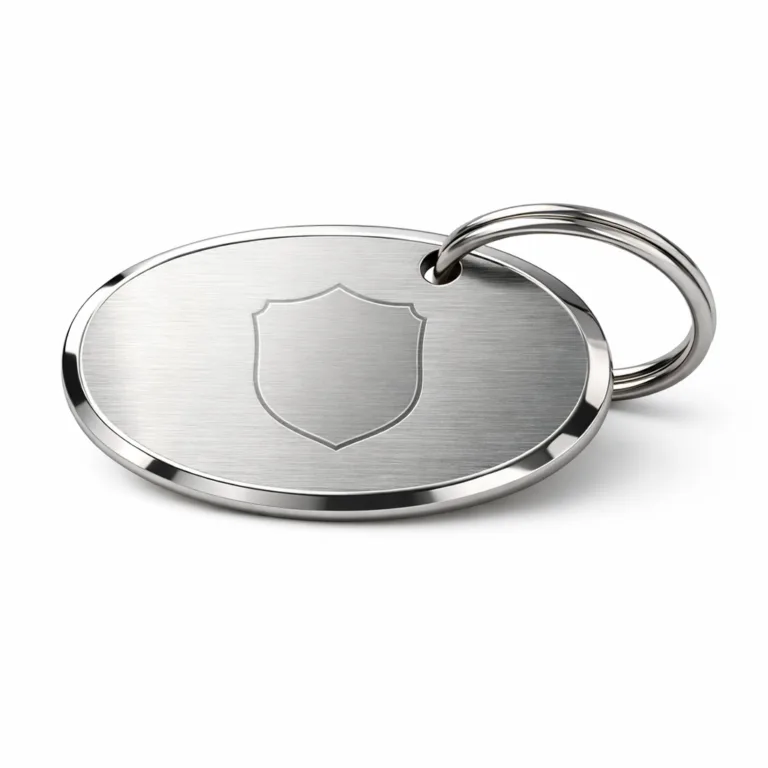
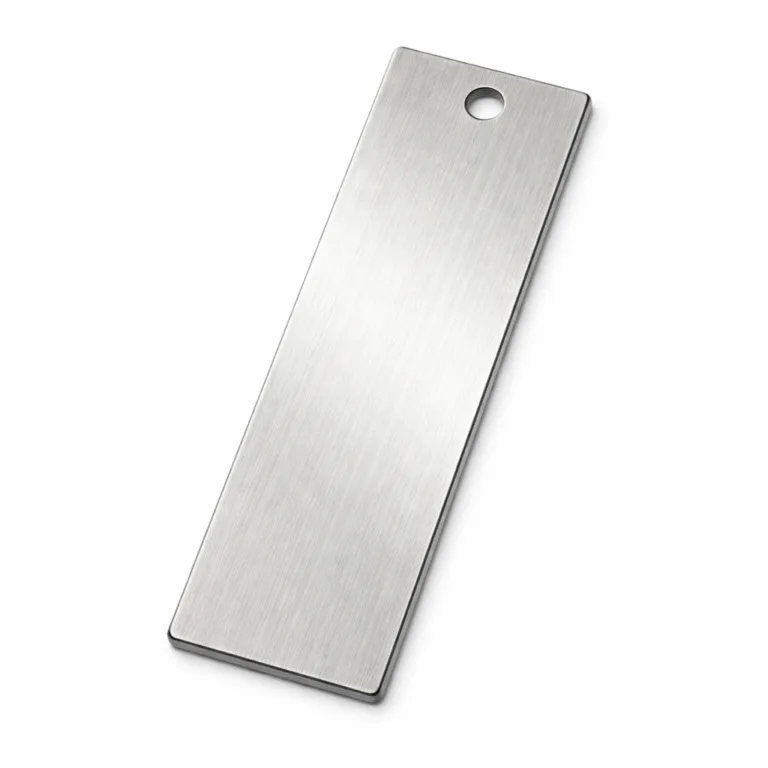
| Stainless Steel | Excellent | Moderate | Classic silver, brushed or high-polish | Workwear, outdoor, luxury/streetwear | $$$ |
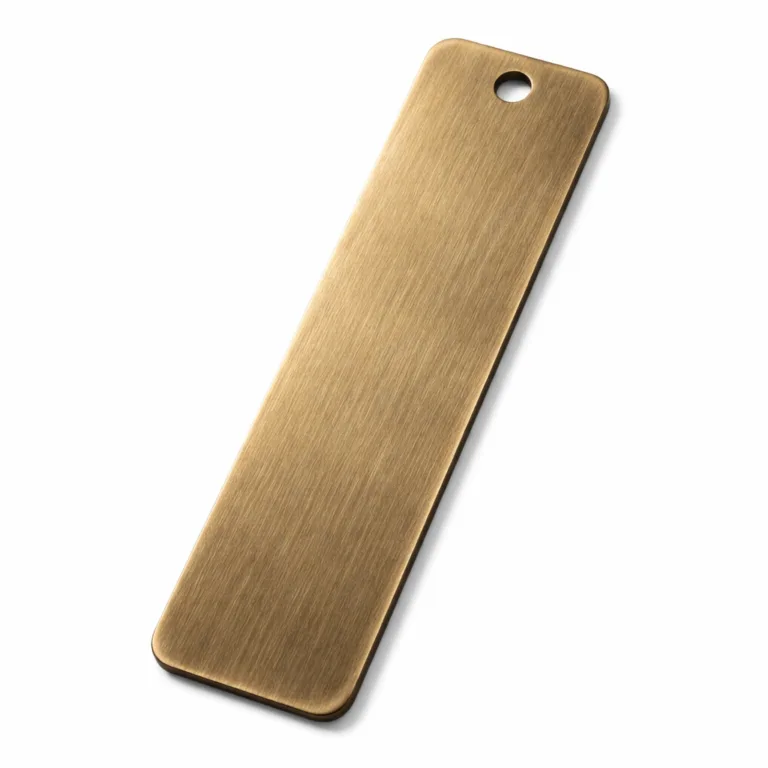
| Brass | Very good (may patina) | Heavier | Warm gold/yellow, antique finish options | Vintage looks, heritage brands, decorative | $$–$$$ |
Aluminum metal tags excel for brands seeking low weight and customizable colors, but require anodizing for maximum resilience. Stainless steel anchors high-durability applications—resisting salt sprays and urban grime alike—at a higher cost. Brass appeals to heritage or luxury labels but will slowly develop a patina; some buyers embrace this as a sign of authenticity, while others may prefer protective coatings. Environment and usage context should be weighed; for jeans exposed to humidity or outdoor use, stainless steel often wins out despite its greater mass and cost.
Manufacturing Methods for Custom Hardware
The method chosen to fabricate custom rivets and metal tags directly shapes their appearance, durability, and even branding effectiveness. The four most common technologies are engraving, stamping, etching, and UV printing—each with unique strengths and potential drawbacks.
- Engraving: Perfect for deep, permanent markings; offers superb legibility and durability. However, deep engraving works best on thicker stock and is less suitable for highly intricate logos.
- Stamping: Ideal for mass production; allows for raised or recessed logos and text. Stamped pieces can achieve high throughput, but ultra-fine details might not reproduce as sharply as with engraving.
- Etching: Chemical etching enables crisp, high-resolution designs without physical pressure; best for complex imagery, but may offer slightly less depth than deep engraving.
- UV Printing: Enables full-color graphics, gradients, and even photo-quality finishes. Durability depends on protective coatings, but this method is unmatched for design flexibility.
Choosing a method depends on several factors: design complexity, expected order volume, and the environment the jeans will be used in. For example, high-relief branding for outdoor workwear may favor deep stamping or engraving, while limited-edition, artist-series jeans might employ UV printing for maximum creativity. Lead times also vary: stamped pieces can run in large batches quickly, while etching and printing usually have slightly longer set-up times. Most manufacturers—like those at UC Tag—recommend customers request physical samples and approve detailed proofs to ensure quality before major production, especially for new designs or subtle finishes.
Design and Specification Checklist for Rivets and Tags
The difference between a well-executed hardware detail and an underwhelming one often comes down to a rigorous design checklist. To guide buyers of metal tags and rivets, consider these essentials:
- Size and Shape: Ensure designs fit the garment proportions without overwhelming or appearing insignificant.
- Thickness: Adequate gauge is vital for tactile quality and durability.
- Finish: Choose from polished, brushed, matte, or antiqued, in line with your brand.
- Readability: Prioritize contrast, text size, and font style—avoid ornate scripts that impede clarity.
- Tolerances: Specify tight tolerances for fit, particularly for snap-on or rivet-on attachments.
- Attachment Type: Decide between rivet holes, adhesive backing, or sew-on holes based on the intended jean style (garment tag manufacturer can offer insight on attachment best practices).
- Logo Placement: Position branding in a high-visibility, wear-resistant area to maximize impact.
- Pitfalls: Don’t ignore minuscule font size, excessive reflective surfaces, or attachment points that interfere with comfort or laundering.
Running through this specification checklist before moving to production helps ensure the resulting custom rivets and metal tags serve both form and function.
Ensuring Durability: Testing and Standards
Denim hardware is only as strong as its weakest point, making rigorous testing a non-negotiable part of the production process. Industry-standard durability tests include corrosion resistance, abrasion simulation, salt spray exposure, and accelerated UV aging. These tests simulate real-world use, from repeated washing and handling to outdoor exposure and accidental impacts.
Salt spray and humidity chambers reveal potential corrosion issues, especially important for jeans marketed in coastal or tropical regions. Abrasion testing checks how well engravings and finishes resist rub-off over time. UV exposure reveals whether colors or coatings will fade over months of sun. Compliance with standards like ISO 9227 (salt spray) or ASTM B117 indicates hardware can reliably perform under stress. Quality-focused suppliers like UC Tag design sample batches specifically for destructive testing, identifying and correcting issues such as premature pitting, finish loss, or weakened attachment points long before mass production begins.
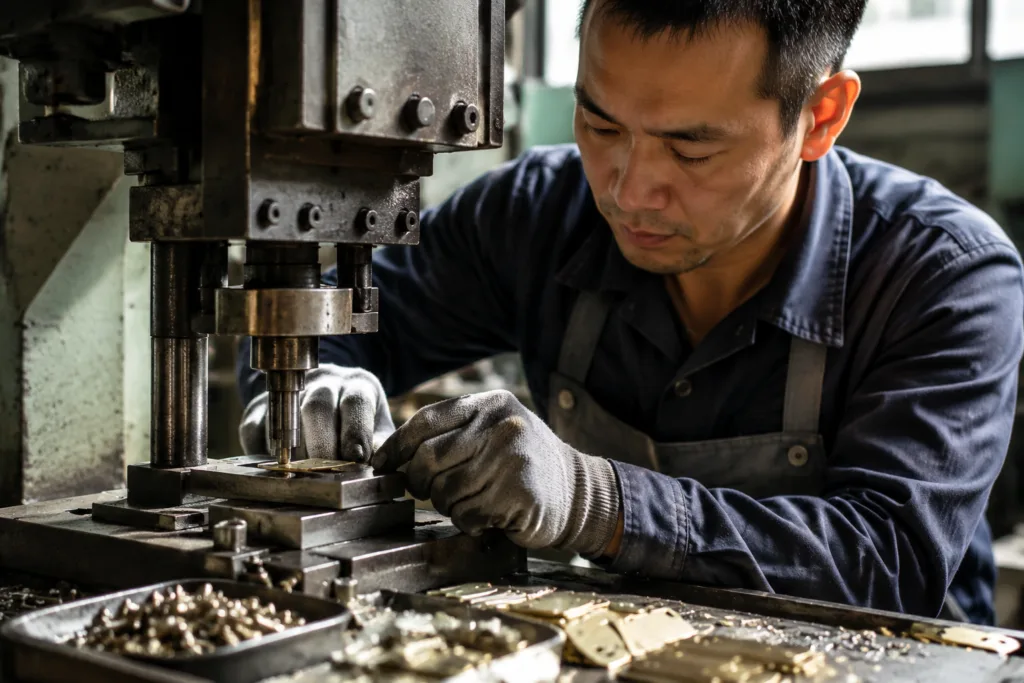
Common hardware failures—like rivet pull-out, rapid tarnishing, or unreadable logos—can often be traced to shortcuts in the testing phase. By sticking to recognized compliance protocols and maintaining a documented quality assurance process, denim brands can confidently promise (and deliver) both style and staying power in every custom rivet and metal tag they attach.
Use Cases: Custom Rivets and Tags in Action
The true power of custom rivets and metal tags comes alive across a range of denim products:
- High-End Fashion Labels: Luxury houses deploy deeply engraved rivets and jeweler’s finish tags to project exclusivity and sophistication.
- Workwear Brands: Rugged jeans rely on oversized stainless steel rivets and oversized, nameplate-style tags for extreme durability (
metal tag branding is vital for this sector). - Outdoor Gear: Adventure brands harness corrosion-resistant alloys and etched QR codes to pair tech with toughness.
- Sustainable/Artisan Lines: Upcycling or boutique labels select laser-etched aluminum or recycled brass for eco-conscious statements.
- Collaborative or Limited Editions: Dual-logo hardware and serial-number tags mark exclusivity for partnerships or artist lines (co-branding dual logo tags are especially impactful here).
Each segment reaps distinct benefits: high-end labels build perceived value, workwear lines boost functional trust, and outdoor styles communicate adventure-ready reliability. Strategic material and finish choices adapt custom rivets to the demands of each use case. For example, a Scandinavian streetwear brand may specify matte black, corrosion-proof tags for urban use, while a vintage Western label opts for heavyweight, antique brass hardware aged by hand. These real-world applications underscore how hardware can elevate a product—and a brand’s reputation—with small but significant creative choices.
Common Mistakes and Troubleshooting
Even experienced buyers of metal tags can run into avoidable issues. The most frequent misstep is choosing fonts or text sizes that become unreadable once scaled down for hardware—always test at actual size, not just on screen.
Incorrect adhesive selection can lead to peeling, especially after exposure to heat or laundering. Consult with your adhesive supplier or a knowledgeable tag solutions provider to verify compatibility with both material and garment substrate.
Material mismatch is another pitfall; for example, using untreated brass in coastal climates can cause rapid tarnishing. For bright, lasting finish, always match your hardware alloy to the environmental demands. Poor color contrast between finish and engraving will make designs invisible in low light; prioritize strong contrast and test samples under varied conditions. Working through a pre-launch checklist and ordering production samples, as offered by most reputable manufacturers, will catch these problems early.
Ordering Guide for Custom Rivets and Tags
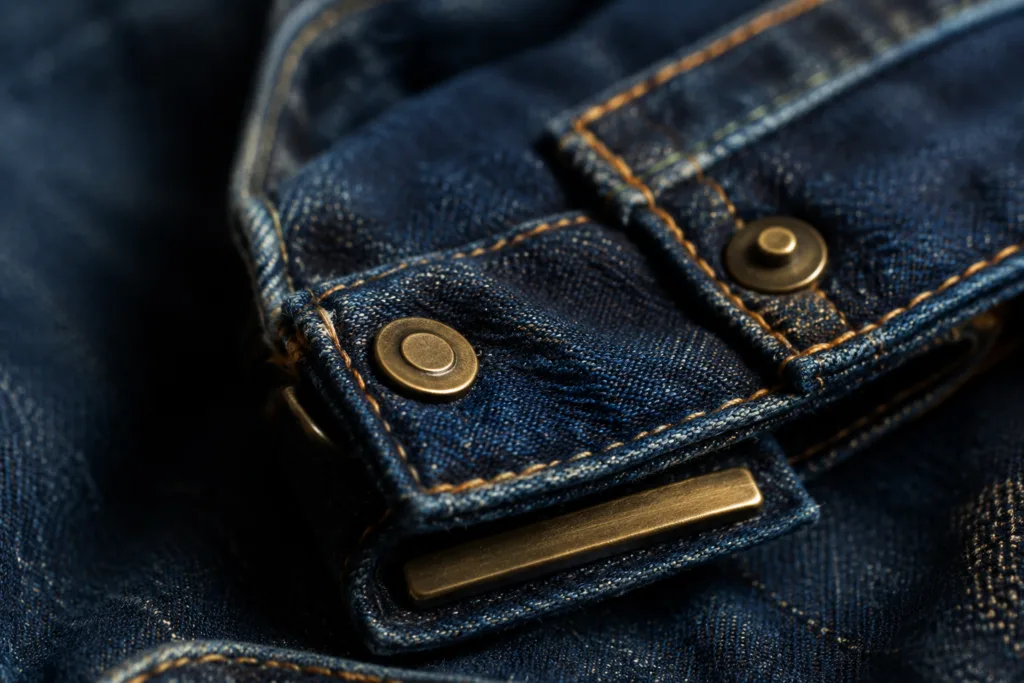
Ordering custom rivets and metal tags doesn’t have to be complicated. Begin by clarifying your minimum order quantity (MOQ), target lead times, and approval rules for artwork and proofs. Most suppliers, including the team behind custom metal tag solutions, recommend a clear sample review process before final production—this is your chance to spot design or fit issues in the real world.
Be mindful that packaging and shipping can affect hardware finish and overall order condition; specify anti-scratch packaging if surface appearance is critical. Throughout the ordering cycle, maintain open lines with your hardware manufacturer for status updates, revisions, or shipment arrangements. It’s also helpful to familiarize yourself with industry language—terms such as “stamping die,” “engravable area,” or “plating formula”—to keep communication efficient and accurate.
With preparation and transparent communication, ordering custom rivets and metal tags becomes a smooth, repeatable process, setting your brand up for quality outcomes batch after batch.
Frequently Asked Questions
What are typical lead times for custom rivets and metal tags?
Lead times vary by method and order size but generally range from 2 to 6 weeks, with complex finishes or design changes extending the timeline slightly.
How do I choose the right material for my hardware?
Consider the end-use environment, visual goals, and your brand’s identity—aluminum for color and low weight, stainless steel for durability, and brass for vintage character.
What is the minimum order quantity for custom hardware?
MOQs depend on manufacturing process; stamping and CNC engraving may require higher volumes than etching or UV printing; most suppliers accommodate both mid-sized and large runs.
Can I request samples before placing a full order?
Yes, reputable manufacturers offer physical samples or pre-production proofs to let you check finish, readability, and fit before committing to full-scale orders.
How are metal tags attached to jeans?
Attachment methods include rivet holes, sewing channels, adhesive backing, or snap-on mechanisms—selection depends on your tag design and garment style.
Are there eco-friendly or recycled custom rivets and metal tag options?
Many manufacturers now offer recycled metals and reduced-impact finishes; discuss sustainability needs upfront to access the latest material options.
Related Reading
- Discover Why More Fashion Brands Switch to Durable Metal Sew-on Labels
- How to Match Your Metal Hardware to Your Brand Colors for Perfect Consistency
- Unlock the Branding Power of Dual-Logo Metal Tags for Premium Collaborations
- Explore Custom Garment Tags That Enhance Your Denim Design and Identity
- Practical Tag Solutions for Apparel: From Adhesive Backing to Custom Shapes
- End-to-End Custom Metal Tag Solutions for Standout Branding