Introduction to Corporate Wine Gifts
Corporate wine gifts have emerged as a preferred way to celebrate business milestones, mark client anniversaries, and express appreciation across industries. In today’s competitive landscape, companies are striving to make their corporate wine gifts stand out, ensuring each gift is memorable and creates a genuine connection with the recipient.
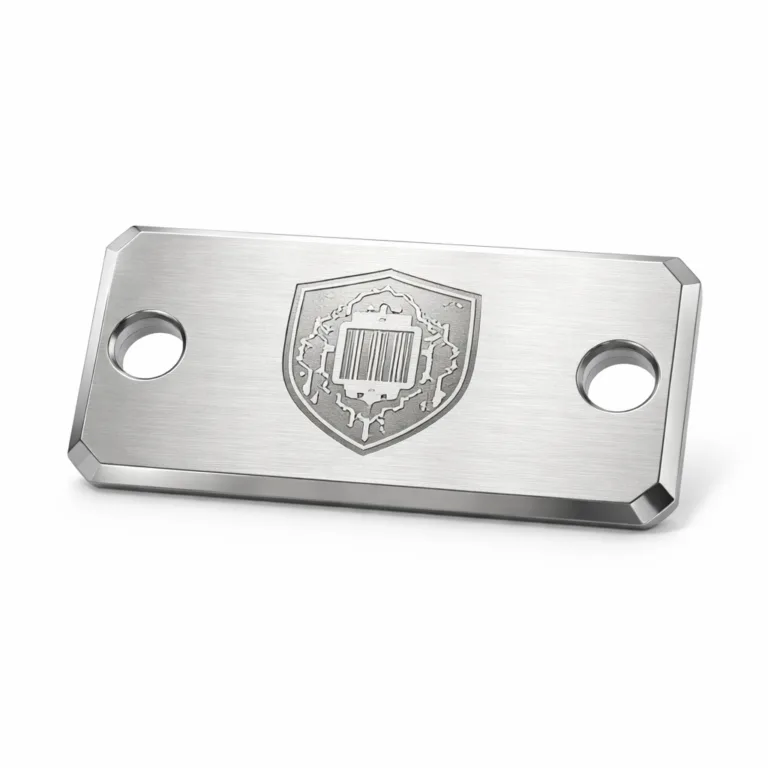
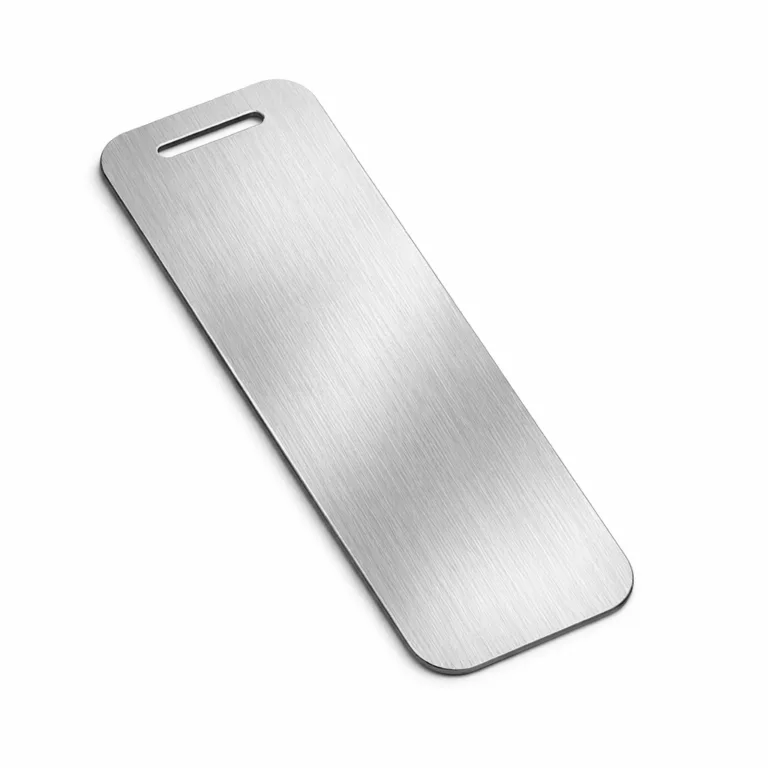
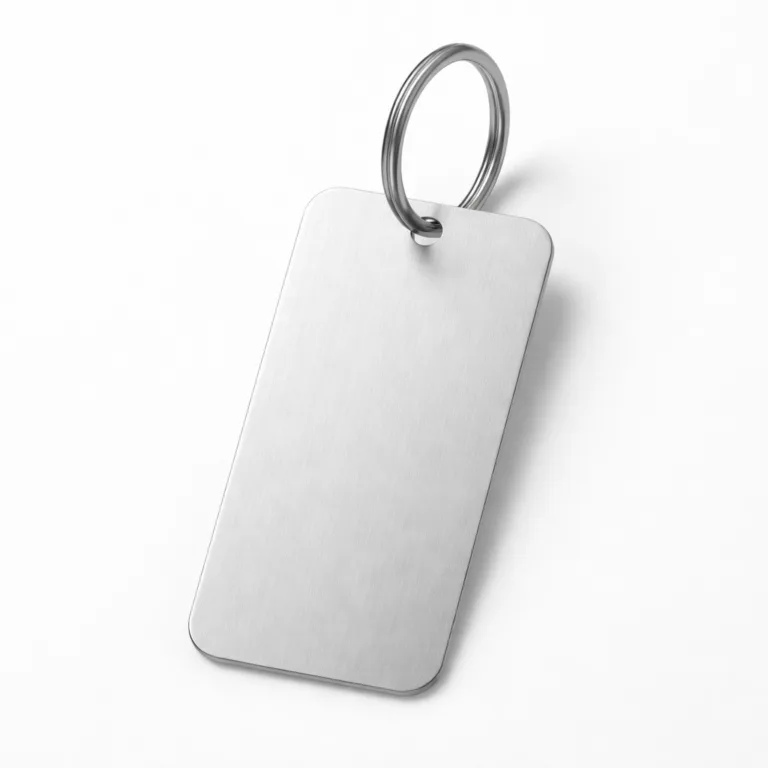
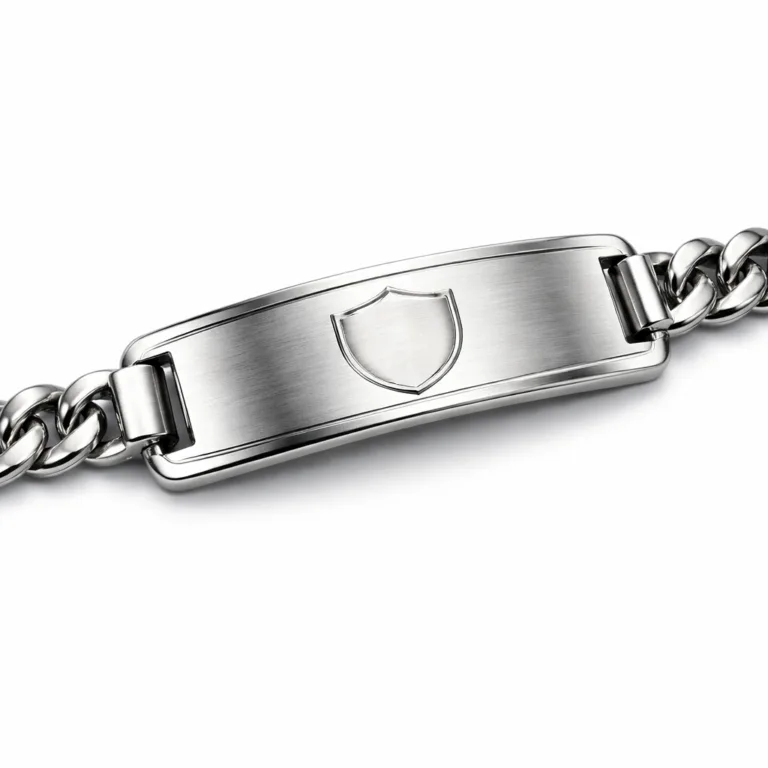
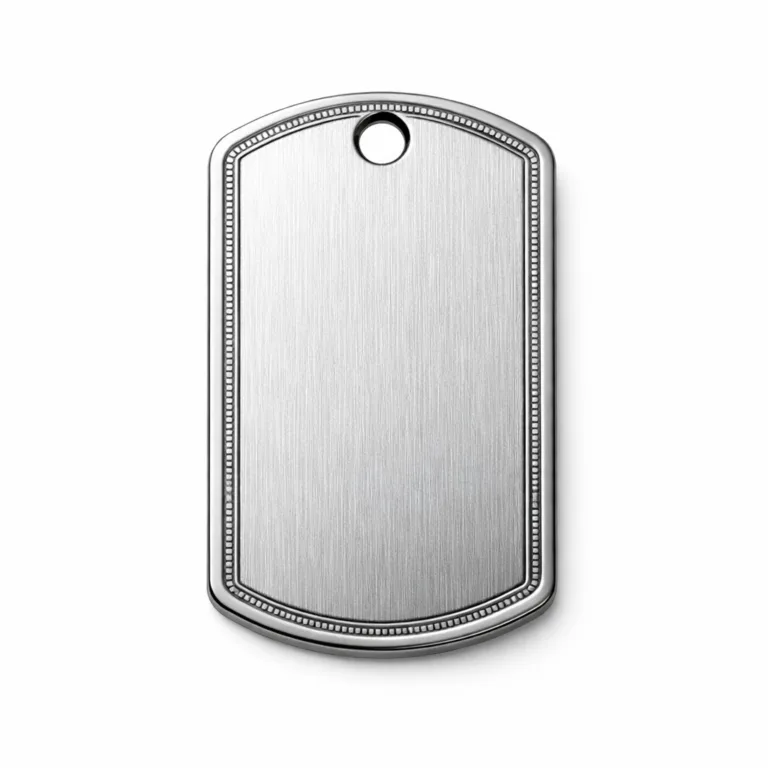
One strategy gaining momentum is the integration of branded tags—or more specifically, metal tags—attached to wine bottles. Branded tags elevate the presentation and add a tactile element of personalization that goes beyond typical labeling. By combining a premium bottle of wine with a carefully designed metal tag, businesses can reinforce their brand identity and deliver a personal touch that clients remember.
Personalization in gifting is increasingly seen as a powerful tool for relationship building. According to recent business gifting surveys, over 72% of executives say personalized gifts are more likely to foster loyalty and ongoing business relationships. The simple act of adding a branded tag to corporate wine gifts not only makes the present more meaningful—it strategically places your brand in the spotlight, right when recipients are feeling most appreciated.
As companies search for innovative ways to impress and build lasting connections, branded tags on corporate wine gifts have become a symbol of thoughtful, personalized gifting. This article explores how the design, manufacturing, and selection of metal tags help create memorable corporate gifts and drive impactful results for client appreciation programs.
The Importance of Personalization
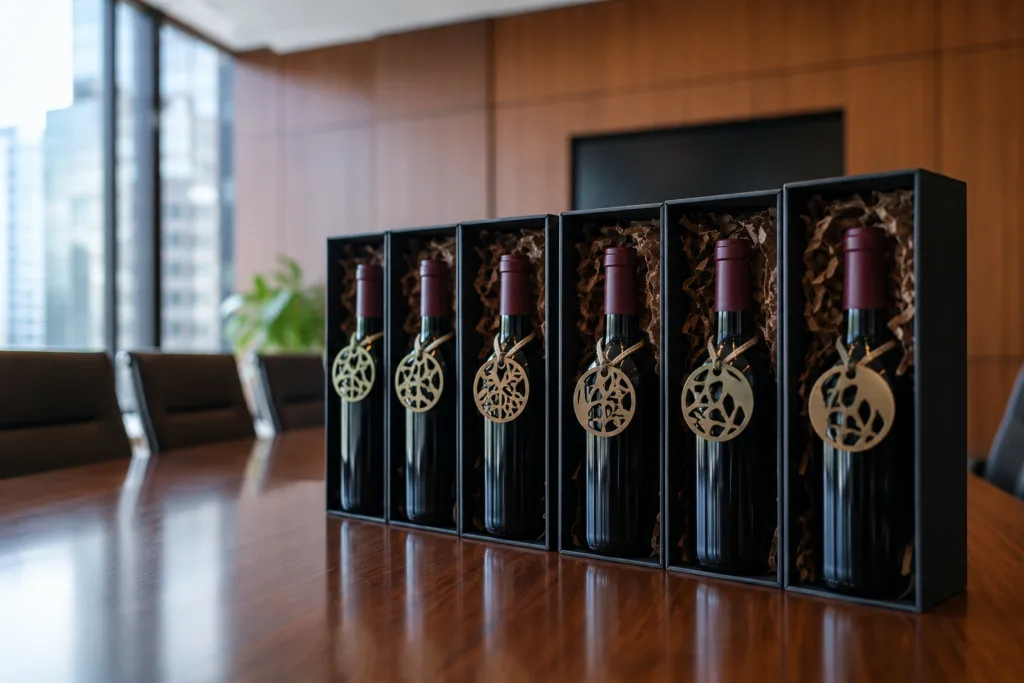
Personalized gifting plays a crucial role in creating emotional resonance with clients. Instead of generic presents, tailored touches—like individualized messaging on branded tags—make recipients feel seen and valued. Personalized wine tags can reference a specific achievement or event, acknowledge the client’s contribution, or simply deliver a warm message that strengthens the business relationship.
The impact of customized messages extends beyond the moment. Effective personalized gifting increases brand recall and builds long-term loyalty. For example, a metal tag engraved with “Thank you for your partnership, 10 Years Strong” or “Celebrating Your Success with Acme Corp” enables the gift to become part of the client’s story. Including your company logo or branded design further reinforces recognition while maintaining elegance.
Some practical branded tag messaging examples include:
- “Cheers to your continued excellence!”
- “With gratitude from [Company Name]”
- “Celebrating a milestone together”
- “Your leadership inspires us”
- “Thank you for trusting us”
The blend of thoughtful text and company branding turns each corporate wine gift into a lasting reminder of your partnership, especially when the messaging is both concise and targeted to the recipient’s achievements.
Materials Comparison for Metal Tags
The choice of material for metal tags on corporate wine gifts directly affects presentation quality, durability, and perceived value. Three leading materials for branded tags—aluminum, stainless steel, and brass—each offer unique benefits and trade-offs.
Aluminum tags are valued for their lightweight structure and affordable pricing, making them ideal for large orders. Anodizing aluminum can add vibrant colors and increase corrosion resistance, perfect for indoor events or short-term use.
Stainless steel is renowned for premium durability, outstanding corrosion resistance, and a sleek, modern finish. Stainless tags are suitable for high-value gifting, outdoor exposure, and long-lasting brand impressions.
Brass provides a classic, luxury look. These tags develop a unique aged patina over time, which appeals to traditional or vintage gifting programs. Brass is heavier and more expensive but undeniably elegant.
When choosing materials, consider budget, visual style, the expected lifetime of the gift, and environmental conditions. Rain Chen, lead craftsman at UC Tag, often advises clients that material selection drives both feel and function. “Don’t overlook corrosion resistance; outdoor events can quickly tarnish the wrong material,” Rain notes. Below is a comparison table highlighting the core differences:
| Material | Appearance | Durability | Cost | Ideal Uses |
|---|---|---|---|---|
| Aluminum | Bright, light, colorable | Moderate (can corrode if uncoated) | Low | High-volume, indoor gifting |
| Stainless Steel | Modern, shiny, matte possible | Excellent (corrosion resistance) | Medium to High | Long-term, premium, outdoor |
| Brass | Classic, gold-tone, ages elegantly | High (but patinas) | High | Luxury, traditional, keepsake |
The material choice for metal tags should be matched to both the occasion and the perception you want to leave with the recipient, ensuring the tag’s durability aligns with its intended environment.
Manufacturing Methods for Metal Tags
The process by which metal tags are created determines not only their look and feel but also the cost, turnaround time, and suitability for corporate wine gifts. Several manufacturing methods are commonly used:
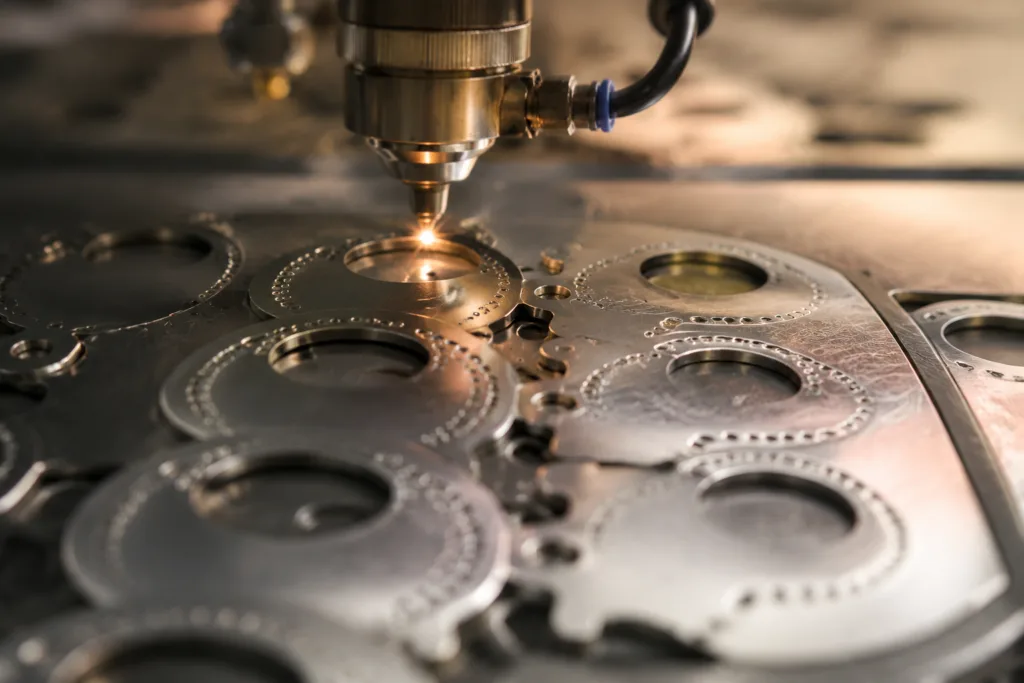
Engraving offers exacting detail and a luxury tactile finish. Laser or CNC engraving creates crisp lettering and graphics, ideal for elegant, personalized gifting when clarity and depth matter.
Stamping is highly efficient for larger runs. This process presses designs into the metal, resulting in durable, repeatable tags at a lower per-unit cost. Stamped tags are often used by event planners seeking consistency and speed.
Chemical etching allows for intricate, fine patterns. It’s perfect for complex logos or text that require attention to detail but adds extra lead time and cost.
UV Printing enables vibrant colors and photographic effects, suitable for smaller batches or short-term promotions. UV-printed metal tags give flexibility for seasonal or creative gifting campaigns.
Each method has distinct trade-offs. Engraving is luxurious but takes longer and costs more. Stamping is durable and affordable but limits detail. Chemical etching excels in detail but is priced at a premium. UV printing offers color flexibility but doesn’t provide deep texture. Choosing the right method requires careful consideration of order size, lead time, and the visual impact you want.
For a full rundown of method differences and which to use for your next tag project, check out our tag solutions resource.
Designing Effective Tags
Designing branded tags for corporate wine gifts involves balancing aesthetics, function, and branding. Your tag must be seen, touched, and remembered. Key design elements include size, thickness, shape, font, and finish.
The tag should suit the wine bottle—too large and it overwhelms; too small and the message gets lost. A thickness of 0.5–1mm provides durability without adding excessive weight. Common shapes include rectangles and ovals; custom silhouettes and die-cut forms add visual appeal. For ideas, browse UC Tag’s wine tag manufacturer gallery.
Readability is critical. Choose high-contrast fonts, bold lettering, and clear spacing. Avoid ornate typefaces that could hinder quick recognition. Selecting a finish—matte, polished, brushed, or anodized—affects how light interacts with the tag and its resistance to handling. For logos, deep engraving or stamping ensures lasting visibility, even as the tag ages.
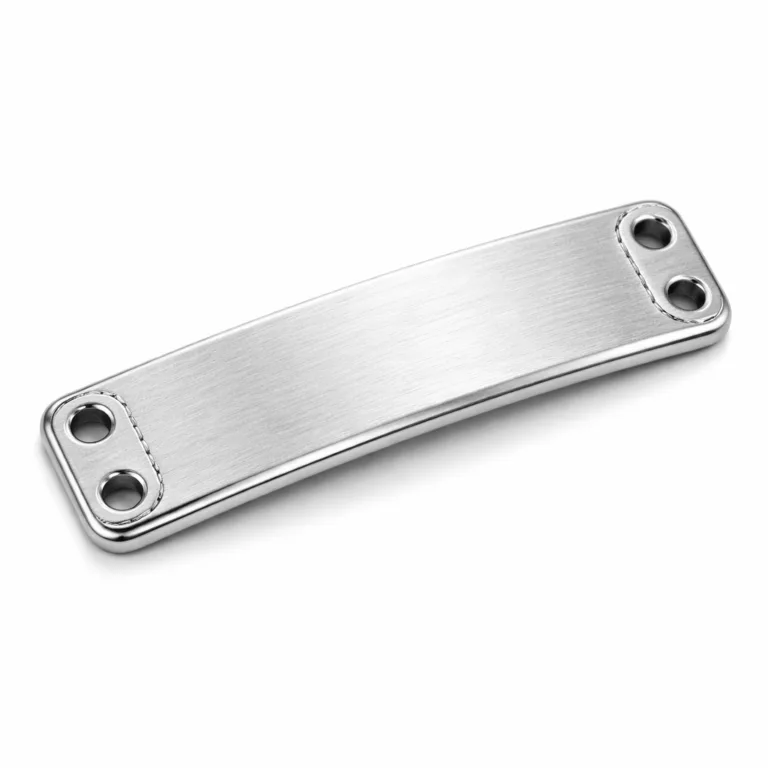
Attachment options also matter. Rivet holes enable secure mounting; high-quality adhesives (like 3M) simplify application. If you intend to co-brand, dual logo placements or event-specific icons can differentiate your gift. For advanced branding strategies, review UC Tag’s co-branding guide How Dual-Logo Metal Tags Power Up Co-Branding Partnerships.
| Spec | Options | Considerations |
|---|---|---|
| Size | 30-80mm width | Balance visibility with bottle proportions |
| Thickness | 0.5-1mm | Durable yet lightweight |
| Shape | Rect, oval, custom | Brand identity & memorability |
| Font | Bold, legible | Contrast for readability |
| Finish | Matte, polished, brushed, anodized | Visual appeal, durability |
| Attachment | Rivet, adhesive | Suit bottle type and usage |
| Branding | Logo, message, dual-brand | Enhances recall and impact |
Integrating all these components ensures your branded tag not only complements the wine but also reinforces your brand with every gift presentation.
Ensuring Durability and Testing Metal Tags
Durability is essential for metal tags, especially when wine gifts may be handled multiple times or exposed to diverse environments. Key performance factors include corrosion resistance, UV stability, and abrasion resistance—attributes ensuring the tag remains attractive and legible after delivery.
Testing methods widely adopted include salt spray tests (simulating harsh outdoor exposure), UV chamber tests, and abrasion rub tests. These methods predict how tags respond to real-life stresses and help manufacturers validate the longevity of their products. UC Tag’s team regularly performs outdoor exposure trials, as Rain Chen observes: “It’s the only way to guarantee that both the branded message and the finish hold up against humidity and sunlight.”
Lifespan expectations depend on material choice and environment—a stainless steel tag in a humid climate will outlast an aluminum tag, for example. Real-world case studies demonstrate how rigorous testing prevents issues like tarnish, peeling, or loss of legibility. In hospitality gifting, tags tested for abrasion and corrosion are still pristine after years in circulation, while untested tags may fade or degrade within a single season.
For food-grade considerations or challenging environments, see our guide Ultimate Guide to Food Grade Safety: Regulations for Metal Tags in Wine & Spirits.
Industry Applications for Branded Wine Gifts
Branded corporate wine gifts are widely used across hospitality, event planning, and client relationship management industries. Their applications go beyond simple celebration, serving as tools for relationship-building and brand reinforcement.
In hospitality, hotels and resorts use personalized wine gifts as VIP welcome amenities, with tags displaying the property logo and curated message. Event planners deploy branded tags for gala dinners or product launches, where wine bottles serve as both gifts and memorabilia for attendees. Corporate gifting departments rely on branded wine tags for holiday and anniversary recognition, tailoring seasonal messaging for maximum impact.
Customization trends show increasing use of QR codes and digital engagement, linking recipients to online experiences or exclusive offers. Tag designs are evolving to reflect both company and client branding, highlighting co-branding strategies. For inspiration on integrating custom tags at tasting events, read Elevate Tasting Events with Custom Metal Tags: The Ultimate Reusable Ticket Solution.
Seasonal gifting strategies—such as Christmas, Lunar New Year, or company milestones—use branded tags to add timely, relevant flair, ensuring each gift leaves a lasting impression well beyond the occasion.
Common Mistakes When Ordering Metal Tags
Avoiding mistakes during the ordering process for branded tags is critical to ensuring your corporate wine gifts turn out as intended. One frequent issue is unclear messaging or fonts that are too small or ornate, leading to unreadable tags. It’s vital to use simple, high-contrast text and carefully proof every detail.
Another pitfall is selecting the wrong adhesive or attachment method—poor adhesives can cause tags to peel, affecting both the appearance and the recipient’s perception of quality. Not specifying corrosion resistance or an appropriate finish may result in tarnishing, especially for tags exposed to moisture or handling.
Ordering without proper material guidance and artwork proofing can produce tags that fail to match your corporate branding or the wine bottle’s style. Rain Chen from UC Tag advises, “Ask your tag supplier to show a sample or proof before mass production. Troubleshooting at this stage ensures your tags will stand up to real-world conditions.”
To troubleshoot:
- Always check artwork proofs for clarity and branding.
- Discuss environmental exposure with your manufacturer.
- Select tested adhesives or reliable rivet attachment.
- Specify finish requirements for both visual appeal and durability.
These simple steps will help prevent costly mistakes and ensure your branded tags make the intended impact.
Comprehensive Ordering Guide for Corporate Gifts
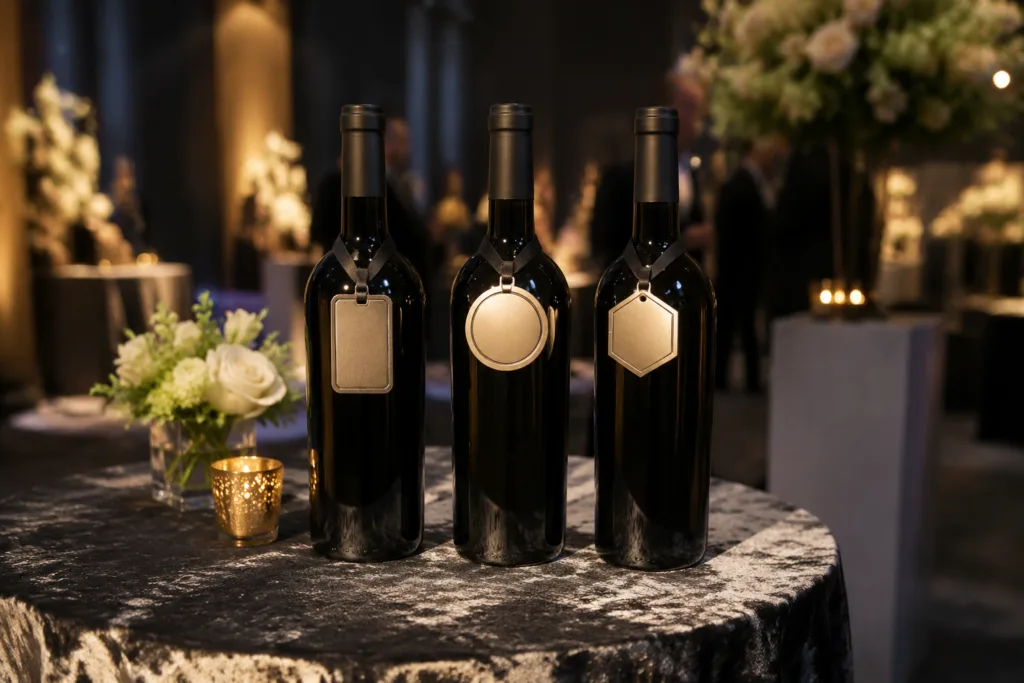
To ensure a smooth ordering process for metal tags on corporate wine gifts, follow a step-by-step procurement plan. Begin by confirming minimum order quantities (MOQ), which vary depending on manufacturing process and material—typically ranging from 100 to 500 units for custom designs. MOQ matters because it affects unit pricing and production feasibility.
Next, establish lead time expectations. Custom tag orders take anywhere from 15 to 40 days, depending on complexity and method. Early planning is essential for event-driven gifting calendars.
Artwork submission and proofing are critical. Provide vector files and brand guidelines, and review detailed proofs before green-lighting production. Sampling options are available—request a pre-production sample to validate quality, finish, and fit. For standard tag examples, preview standard samples or order custom metal tag samples directly.
Packaging and shipping affect the unboxing experience—tag presentation can be upgraded with velvet pouches, branded carding, or box inserts. Coordinating logistics ensures gifts arrive intact and ready for distribution. For more ordering tips, review our custom-metal-tag-solutions page.
| Step | Action | Tip |
|---|---|---|
| MOQ | Confirm minimum order size | Ask for volume discounts |
| Lead Time | Budget for production schedule | Order early for holidays |
| Artwork | Submit vector files | Proof before confirmation |
| Sampling | Request pre-production sample | Validate finish, branding |
| Packaging | Choose presentation upgrades | Coordinate logistics |
By following this guide, procurement and marketing managers can maximize the effect of personalized gifting, ensure quality, and deliver memorable corporate wine gifts with branded tags.
Frequently Asked Questions
What materials are best for durability?
Stainless steel and brass are top choices for durable metal tags because they offer excellent corrosion resistance and maintain their finish over time, making them ideal for corporate wine gifts exposed to varying environments.
How long does production usually take?
Production for custom metal tags generally takes 15 to 40 days, depending on the complexity of design, material selection, and order size. Early planning helps avoid deadline stress for gifting events.
Can I see a proof before finalizing my order?
Yes, most manufacturers provide digital proofs or sample tags for review before full production. Proofing is essential to confirm design accuracy and branding on your corporate wine gifts.
What are the best design practices for readability?
Use bold, high-contrast fonts with clear spacing and avoid ornate typefaces. Keep messages brief and ensure tag size suits both the bottle and legibility needs.
How can I ensure my message stands out on a tag?
Select a finish that enhances contrast, such as polished or brushed metal, and make sure font weight and size are appropriate for fast visual recognition on branded tags.
Are there eco-friendly options available?
Eco-friendly metal tags can be made from recycled aluminum or stainless steel, and many suppliers offer sustainable finishes or packaging to reduce environmental impact during personalized gifting.
Related Reading
- How Metal Wine Bottle Neck Tags Elevate Brand Shelf Appeal
- Unlock Collector Value with Numbered Tags for Limited Edition Wines
- Strategic Metal Tags: Enhance Corporate Gift Unboxing and Brand Loyalty
- Affordable Metal Tag Solutions for High-End Corporate Wine Gifts
- Ensure Food Grade Safety with Metal Tags on Wine & Spirits Gifts
- Maximize Co-Branding with Dual-Logo Metal Tags for Events