Small hardware details can change how a cap or beanie is perceived. In headwear, metal clips are often used as a discreet branding touch that adds structure, contrast, and a more finished product feel without overpowering the garment. For B2B buyers, the real question is not whether the clip looks good in a sample photo, but whether it holds up in production, stays comfortable on the wearer, and matches the brand’s quality level across a full order.
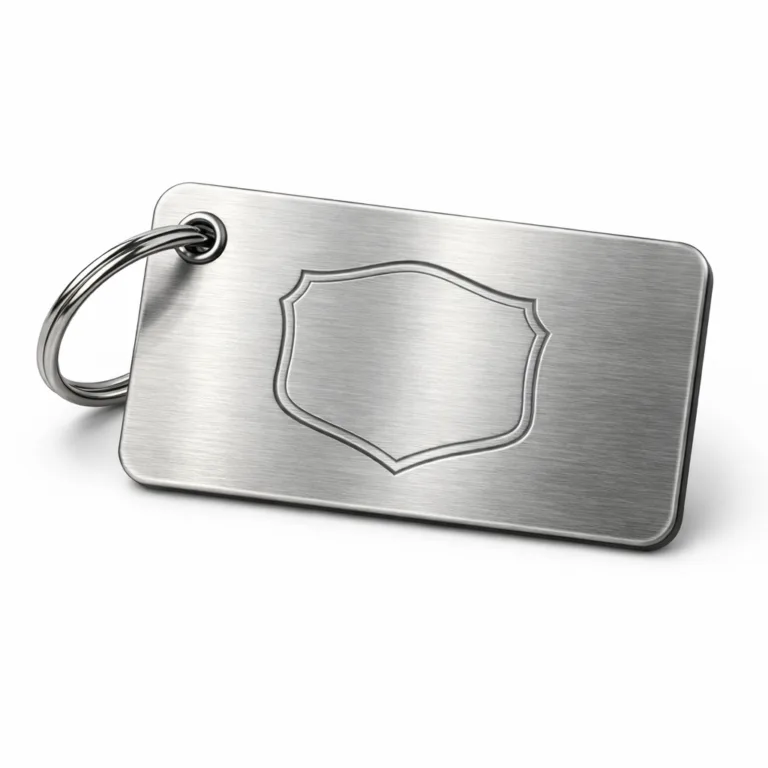
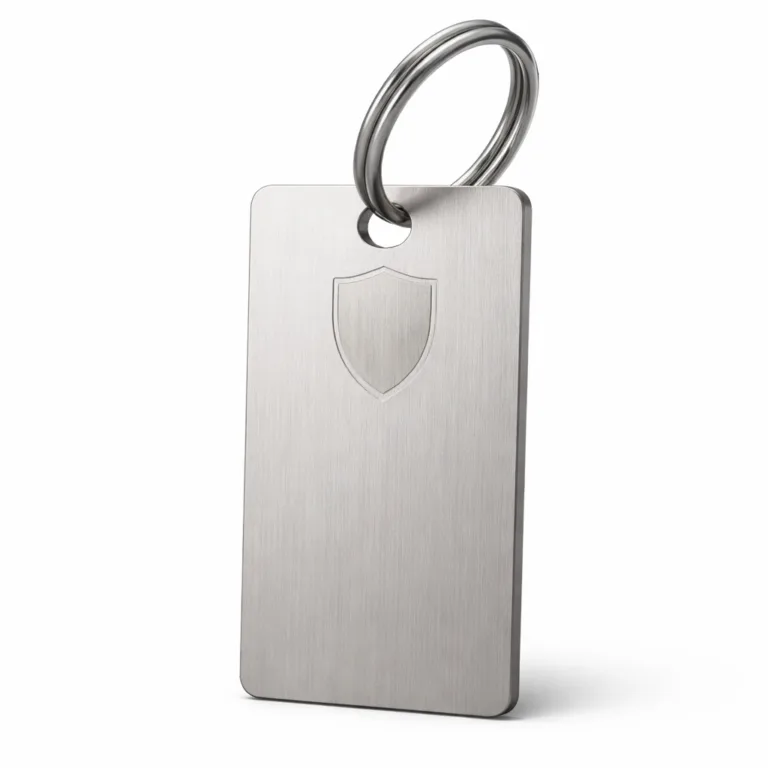
custom metal tag manufacturing solutions are especially relevant when a cap or beanie project needs more than a decorative accent. At UC Tag, we work with buyers who need small-format metal branding that can survive handling, packaging, repeated wear, and the realities of bulk production. That usually means thinking through material selection, edge finishing, fixing method, logo readability, and sample approval before the first run is released.
What Small Metal Clips Do in Headwear Branding
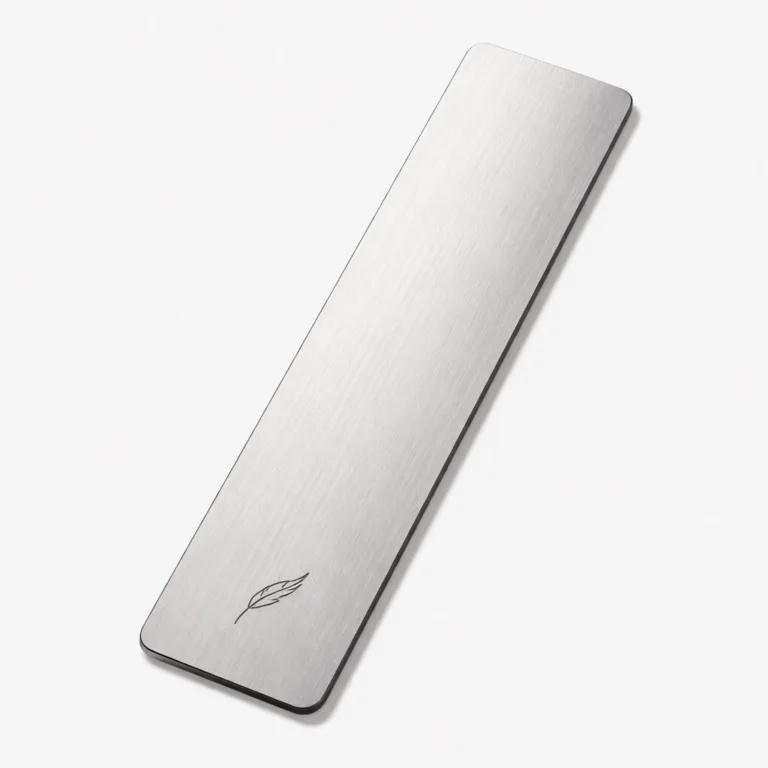
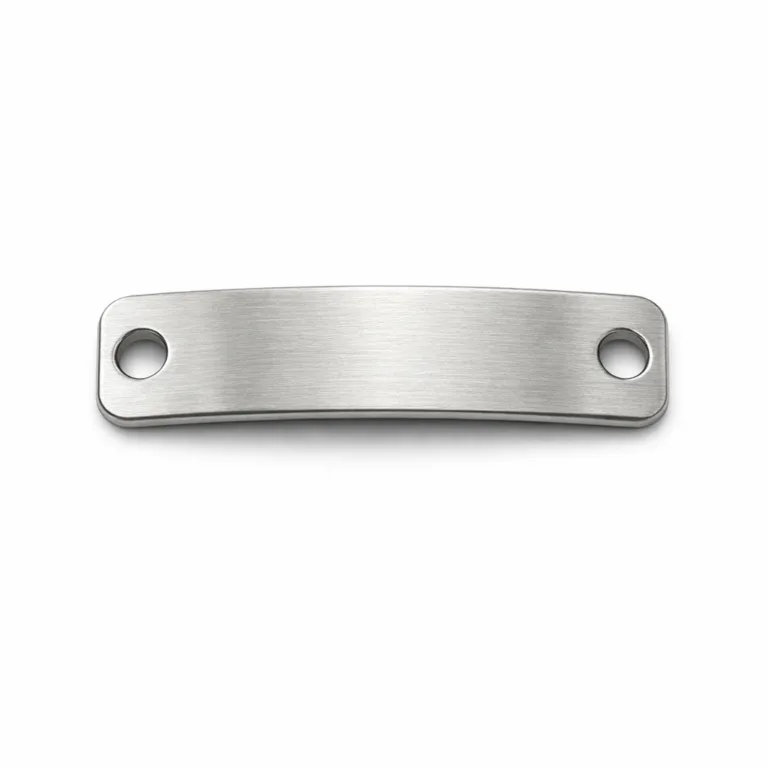
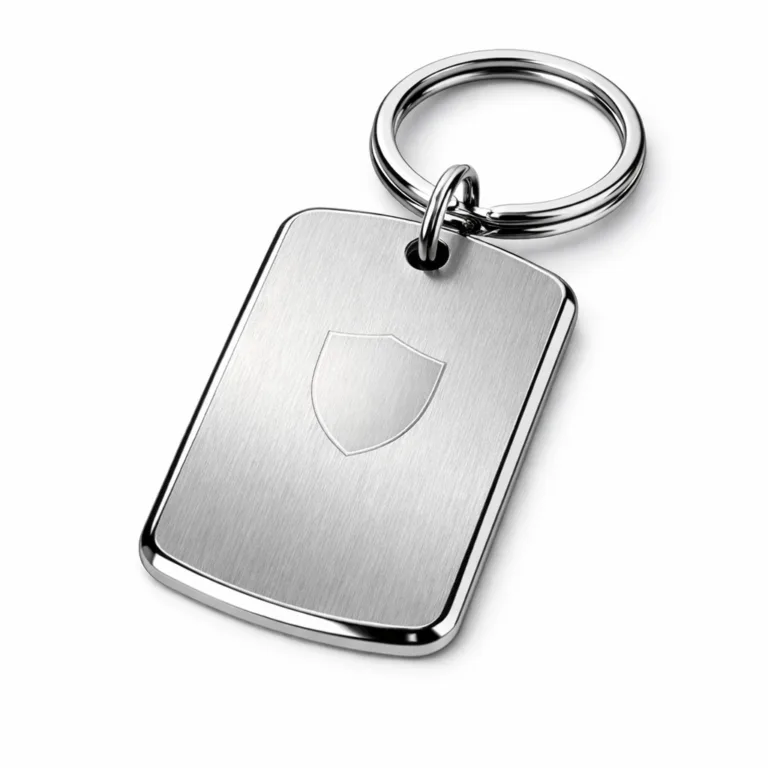
In headwear branding, a metal clip is a compact identification or decoration element that may sit on the brim, side panel, folded cuff, strap end, or a seam area. It can carry a logo, a wordmark, a symbol, a season code, or a subtle premium mark that makes the product feel more intentional. The clip is small, but the branding effect can be strong because it adds a tactile point of recognition that printed graphics do not always provide.
For many cap and beanie programs, metal clips work best when the brand wants subtle visibility rather than large, bold decoration. That makes them useful for uniform collections, retail headwear, promotional headwear, and premium private-label lines. In those cases, metal clips help the product feel engineered rather than simply decorated.
Why Metal Clips Matter for Caps and Beanies
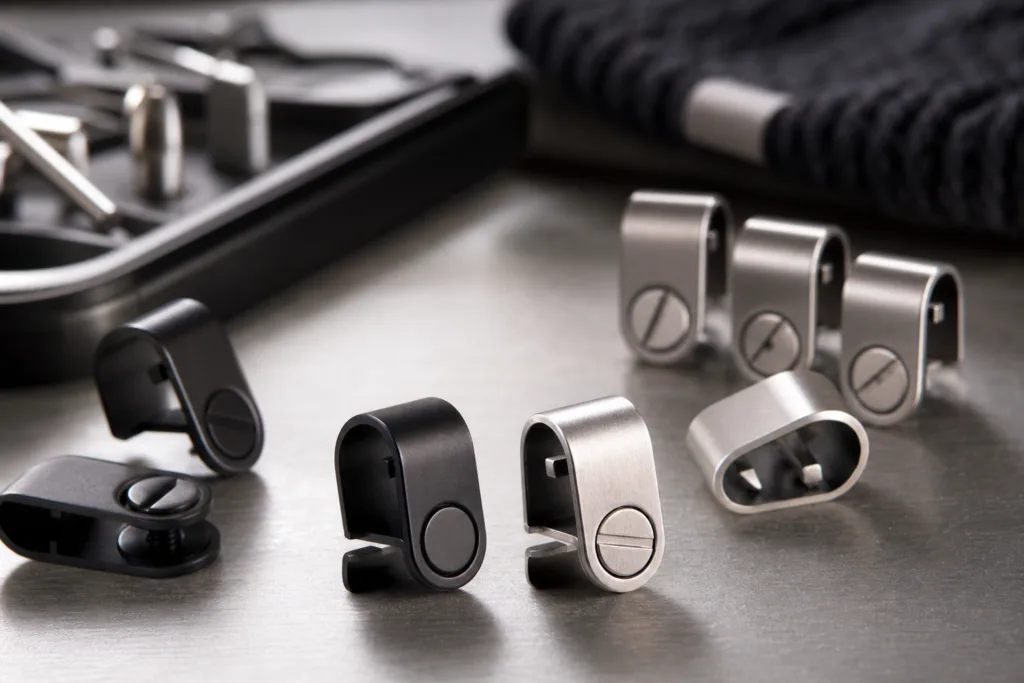
We see three main reasons buyers choose metal clips for headwear branding. First, they create a more durable visual cue than many inks or surface prints. Second, they can support a premium brand story because metal often feels more permanent and refined than soft goods branding alone. Third, they offer a compact space for identity when the garment surface is already crowded with labels, embroidery, woven patches, or care tags.
Metal clips also solve a practical problem in B2B headwear sourcing: the branding element should be noticeable enough to support identity, but small enough not to compete with fit and comfort. A clip can do both when the design is controlled. That is why we encourage buyers to think in terms of brand function, not just decoration. The right clip becomes part of the product architecture.
Branding Roles: Visual Identity, Premium Feel, and Subtle Recognition
A well-designed clip can work in three branding roles at once.
- Visual identity: the clip carries a logo, icon, initials, or a shaped mark that links the item to the brand.
- Premium feel: metal adds a sense of weight, precision, and material quality, even when the overall part is small.
- Subtle recognition: the brand can remain understated, which is often preferred in fashion, outdoor, corporate, and uniform programs.
That balance matters because headwear often sits close to the face. Overly large or glossy elements can look busy, while a smaller, well-proportioned clip can improve the overall design language. For this reason, the clip should be treated as a design component with brand strategy behind it, not an afterthought.
custom logo tag production can be a useful reference point when the clip needs to mirror other brand hardware across the collection. If a buyer already uses metal tags on apparel, bags, or accessories, keeping the same visual language across headwear helps build recognition and creates a more coherent private-label line.
Common Applications on Caps, Beanies, and Knit Headwear
Metal clips appear in different places depending on the headwear type and the intended style.
| Headwear Type | Typical Clip Use | Buyer Priority |
|---|---|---|
| Baseball cap | Side panel, back strap, brim accent, closure detail | Fit, brand visibility, low profile |
| Beanie | Cuff edge, side near hem, fold-over accent | Comfort, softness, subtle identity |
| Knitted hat | Front cuff or lower side placement | Flexibility, weight control, clean finish |
| Fashion headwear | Decorative logo element or series marker | Style consistency, premium look |
Placement matters because knit and woven headwear move differently. A clip that works on a structured cap may feel too rigid on a stretch beanie if the design is not carefully controlled. The best placement is usually where the clip reads clearly while staying out of the main stretch or bend path of the fabric.
Material Choices for Small Metal Clips
Material choice affects appearance, comfort, corrosion performance, and overall cost. For headwear branding, the most common options are aluminum, stainless steel, brass, and plated finishes over a base metal. Each has a different trade-off.
| Material | Strengths | Trade-Offs | Best Fit |
|---|---|---|---|
| Aluminum | Lightweight, easy to finish, cost-effective | May feel less substantial; finish quality matters | Large volumes, lightweight fashion branding |
| Stainless steel | Strong, stable, corrosion resistant | Heavier, may cost more, harder tooling | Outdoor use, premium durability needs |
| Brass | Premium tone, good for decorative detailing | Can tarnish if finish is not controlled | Luxury, heritage, warm metallic appearance |
| Plated alloys | Flexible styling, good decorative range | Plating quality and wear resistance are critical | Fashion programs with specific color matches |
If the clip will be handled often, exposed to weather, or used in a long-life retail line, stainless steel is often the safest durability-minded route. If the goal is a lighter accessory with strong decorative value, aluminum may be more efficient. Brass is often chosen when the brand wants a warmer, more premium look, but the finish must be managed carefully to avoid tarnish or uneven aging.
For programs where finish consistency and brand color matching matter, matching metal hardware to brand colors can help buyers think more clearly about whether the clip should be brushed, polished, blackened, anodized, or color-coated. In headwear branding, the finish often matters almost as much as the logo itself because the clip sits in a highly visible part of the product.
Finish and Surface Options That Affect Brand Perception
The surface finish changes both the look and the usability of the clip. Brushed finishes reduce glare and often work well on sporty or outdoor headwear. Polished finishes can create a sharper premium signal, but they may show fingerprints and fine scratches more easily. Matte finishes are common when the brand wants a modern, understated look. Anodized or colored finishes can add distinction when the design needs a non-traditional tone.
From a manufacturing perspective, the finish should match the brand’s use case. A beanie sold as winter outerwear may benefit from a soft matte finish, while a fashion cap can support a more reflective detail. The key is to avoid a finish that looks attractive in a still image but becomes distracting or fragile after use. Surface choice should always be tied to expected handling and washing.
How Clip Size, Shape, and Placement Affect Appearance and Comfort
Small metal clips work best when their proportions are controlled. The clip should be large enough to hold logo detail, but not so large that it distorts the garment line. On caps, a clip near a seam or closure can reinforce the structure of the piece. On beanies, the clip should avoid thick, bulky edges that can press against the wearer’s head.
Shape also changes the branding message. Rectangular clips feel more technical and label-like. Rounded or softened profiles feel more wearable and less industrial. Custom contours can make the logo look more integrated, but they may increase tooling complexity. Buyers should decide whether the clip is meant to act like a badge, a label, or a decorative hardware accent. That choice drives the geometry.
Comfort should not be treated as secondary
A clip that is visually strong but uncomfortable will create returns or negative user feedback. We pay close attention to edge rounding, thickness, back-side treatment, and how the clip sits against the fabric. Even a small protrusion can feel noticeable on a soft beanie if it is positioned poorly. In headwear, comfort is part of brand quality.
Attachment Methods and Construction Considerations
Attachment is one of the most important decisions in headwear branding. A clip may be sewn, riveted, snapped, or fixed with a custom backing depending on the product construction. The right method depends on fabric thickness, stretch, expected wear, and whether the clip must be removable or permanent.
For structured caps, stable backing and controlled fixing points can help the clip stay aligned. For knit beanies, the fixing method must respect fabric stretch and prevent distortion. If the attachment is too rigid, the fabric may pucker or the wear path may become uncomfortable. If it is too loose, the clip may rotate, shift, or look inconsistent across the batch.
OEM metal tag customization service is relevant here because many headwear programs need clip hardware designed around the garment rather than added afterward. When we develop these parts, we look at hole position, edge treatment, fastening strength, and assembly sequence so the final product can be produced repeatably at scale.
Durability Factors: Corrosion, Wear, Washing, and Outdoor Use
Headwear is often worn in environments where sweat, rain, sun, and handling all matter. That means the clip should be assessed for corrosion resistance, abrasion resistance, and retention of appearance after repeated use. Small hardware can fail in subtle ways: discoloration, finish wear, loose fixing, or sharp edges exposed after flexing.
Metal accessory durability is not just a visual issue. A clip should remain safe and readable over time, especially if it is used on outdoor or performance headwear. When we review a project, we think about how the part will age during storage, transit, retail handling, and consumer wear. If the clip is expected to face repeated abrasion, the finish specification should be chosen more conservatively.
For buyers who need standards-based thinking around corrosion and repeat-wear behavior, corrosion resistance testing for metal trim and accessories is a useful reference. It supports the idea that small metal accessories should be validated for appearance retention, not just initial look. In practice, that means confirming whether the chosen metal and finish can stay stable under the conditions the headwear will actually see.
How to Balance Aesthetic Appeal with Functionality
The most successful headwear branding clips do two things at once: they look intentional, and they stay practical. To achieve that balance, buyers should narrow design decisions around use case rather than chasing the most decorative option. A premium fashion cap might tolerate more shine and a more sculpted logo. A beanie for outdoor use may need a softer finish, lighter weight, and a more subdued profile.
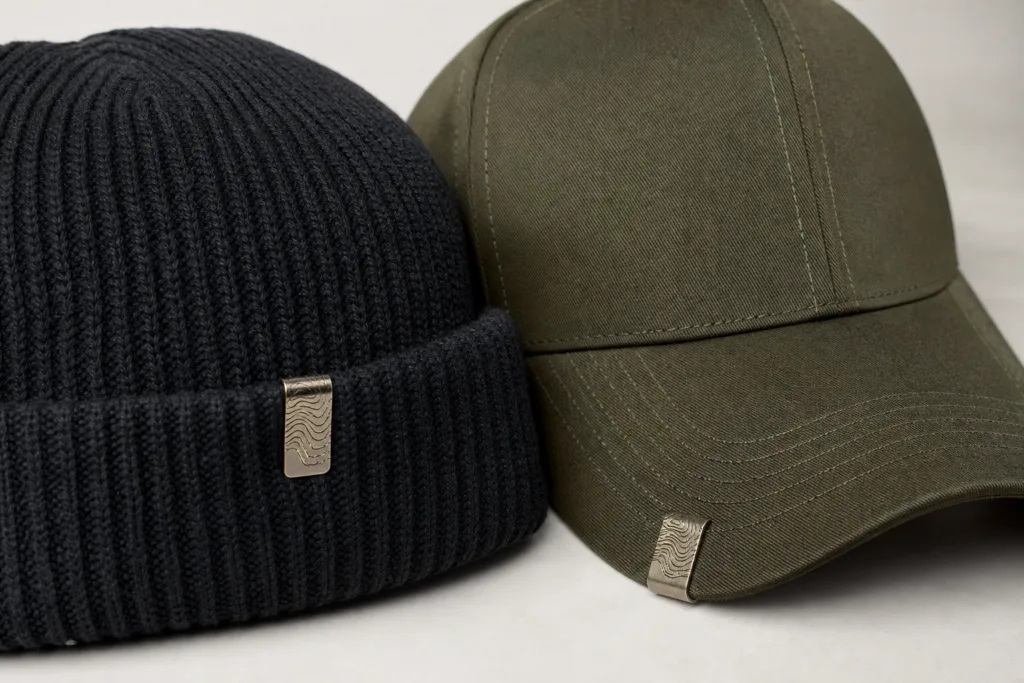
We often advise buyers to compare three questions: Will the clip be touched often? Will it be seen from a distance? Will it need to survive weather or washing? If the answer to all three is yes, the design should prioritize durability and readability over complex surface effects. If the brand is selling a limited fashion collection, it may be able to support a more expressive geometry, but the production risk will usually rise as detail increases.
Customization Options That Strengthen Brand Identity
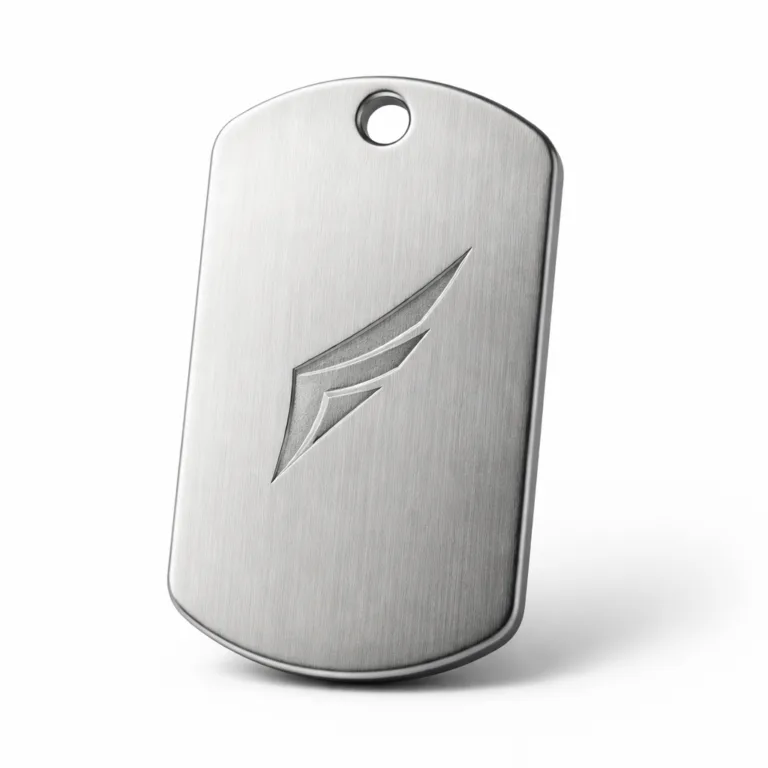
Small metal clips can carry a surprising amount of brand information. Common customization options include engraved logos, debossed symbols, cut-out shapes, text, serial marks, and selective color accents. In some cases, the clip may also carry a product code or collection identifier for internal sorting and packaging control.
The best customization path depends on how the brand wants the clip to read. Engraving gives crisp detail and is often suitable for small logos or text. Debossing creates a tactile identity and can be highly effective when the piece is meant to feel premium. Simple text or initials may be enough for a minimal collection, while more complex logos require careful artwork preparation and production checks.
sportswear branding tag options are helpful when the headwear line needs to feel active, durable, and consistent with apparel hardware used elsewhere in the range. For many buyers, that cross-category consistency is what makes the product line look developed rather than pieced together.
When Metal Clips Help a Brand Stand Out
In a crowded headwear market, differentiation often comes from small details that are repeated consistently. A metal clip can become one of those details when it is used across multiple SKUs, colors, or seasonal drops. Buyers sometimes assume the effect will be too subtle to matter, but subtle branding can be a major advantage when the audience values restrained design and higher perceived quality.
Metal clips are especially effective when a brand wants to move away from loud printed logos and toward a cleaner identity system. They can also support private-label programs where multiple customers need different branding on a shared headwear base. In that case, the clip becomes a flexible brand marker that can be swapped, redesigned, or recolored while preserving the garment construction.
For buyers building a collection strategy around manufacturing consistency, UC Tag can support the hardware side of that program through custom development, sample review, and production planning. That matters because a small clip still has to meet the same commercial expectations as any other branded component: it should be repeatable, readable, and suitable for bulk output.
Production Considerations: Sampling, MOQ, Lead Time, and QC
Before bulk production, the sample stage should confirm visual scale, attachment behavior, edge comfort, and finish quality. A clip may look good in artwork form but appear too small on a finished beanie or too shiny under retail lighting. Sampling helps catch those issues before the order is locked in.
MOQ and lead time depend on the complexity of the part, the finish, and any packaging or assembly requirements. Simpler shapes with standard finishes are easier to scale, while custom contours, plating combinations, or color matching may extend production time. Buyers should also ask how data handling is managed if the clips include serial marks or mixed-batch identification, because small-format branding still requires clear order control.
Quality control should include visual inspection, attachment strength checks, edge review, and finish consistency. If the clip is paired with textiles that stretch or fold, the assembly team should also confirm that the attachment does not distort the garment. In our production work, these checkpoints are not optional extras; they are the difference between a visually appealing sample and a stable bulk order.
For buyers who want to connect headwear branding with broader apparel hardware programs, matching metal hardware to brand colors can also guide packaging and presentation. When hardware tone, garment tone, and brand palette are planned together, the finished product looks more coherent and more expensive without requiring a louder logo.
Common Mistakes to Avoid
Several recurring mistakes can undermine a clip-based headwear project. The first is choosing a design that is too intricate for the available size. Fine detail may disappear once the clip is scaled down. The second is ignoring edge quality. Sharp corners or unfinished backs can make the product uncomfortable and increase garment wear. The third is selecting a finish based only on a digital rendering, without considering how it behaves in real lighting and handling.
Another common issue is weak fixing. If the clip is not matched to the garment structure, it may shift, loosen, or twist after repeated wear. Buyers also sometimes forget to test the branding element in the full pack-out context. On a crowded cap, a clip may compete with embroidery, woven labels, or closure hardware. On a beanie, the same clip may appear too dominant if the placement is too close to the face or cuff edge.
custom logo tag production can help buyers think through these risks early, especially when multiple branded components need to work together visually. The more the headwear program depends on small identity elements, the more important it is to control proportion and production consistency.
Specification Checklist for Ordering Custom Headwear Metal Clips
When preparing an RFQ or production brief, we recommend including the following details:
- headwear type and material
- clip location and orientation
- target size, thickness, and shape
- logo artwork, text, or serial information
- preferred metal and finish
- attachment method and backing style
- color or plating requirements
- sample approval expectations
- MOQ and lead-time target
- packaging or private-label needs
Clear specifications reduce back-and-forth and lower the risk of a clip that looks correct on paper but fails in production. The more precisely buyers define the application, the easier it is to select the right material and fixing method.
How Metal Clips Fit Into a Larger Headwear Program
Metal clips are not only a decorative add-on. They can become part of a broader branding system that includes labels, tags, closures, and packaging. When the hardware language is consistent across caps, beanies, and other apparel, the brand starts to feel more complete. That is particularly valuable for distributors, private-label buyers, and OEM customers who need differentiation without large tooling changes.
matching metal hardware to brand colors is one of the simplest ways to make this system work. Even a small shift in tone, gloss, or finish can change how the headwear is perceived. When that detail is repeated across multiple products, it builds recognition in a quiet but effective way.
Conclusion
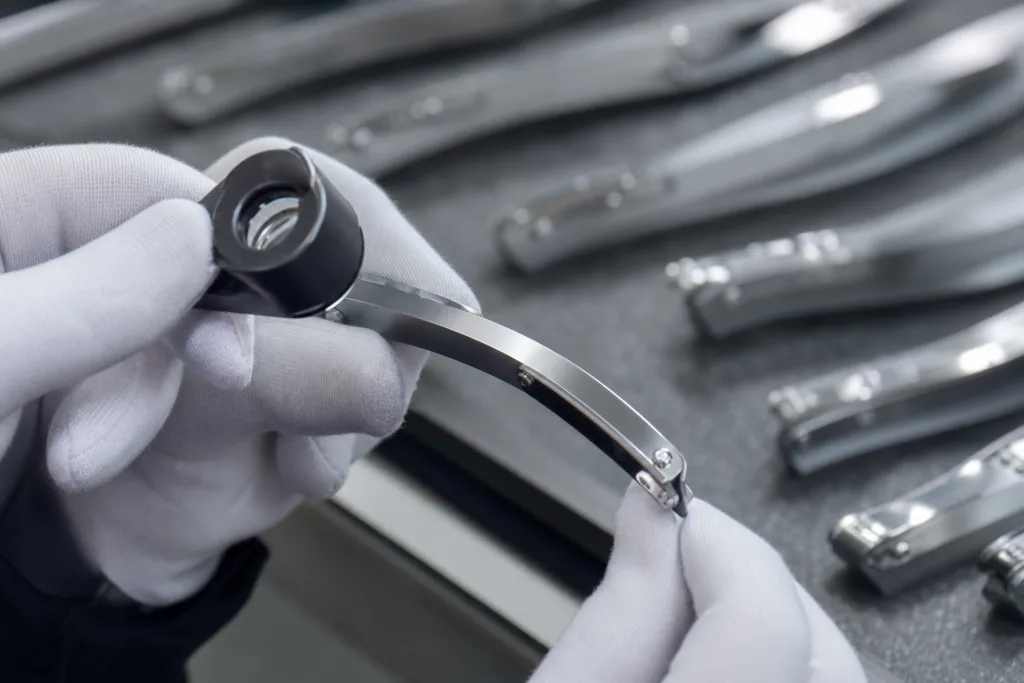
For B2B headwear buyers, metal clips offer a compact way to improve identity, premium feel, and product consistency. The best results come from treating the clip as a manufactured component, not just a decorative idea. Material choice, finish, comfort, attachment design, and QC all shape the final outcome. When those decisions are made early, metal clips can strengthen cap and beanie branding without compromising wearability or production reliability.
From our manufacturing perspective, the most successful projects are the ones that align branding ambition with practical construction. That is where small hardware details become real product value.
FAQs About Metal Clips for Headwear Branding
What are metal clips used for in cap and beanie branding?
Metal clips are used as small branding or identification elements on headwear. They can carry a logo, icon, text, or design accent while adding a more premium and durable feel than many printed decorations.
Which metal is best for small headwear clips?
There is no single best choice for every program. Aluminum is lightweight and cost-effective, stainless steel is strong and corrosion resistant, and brass gives a warmer premium look. The right choice depends on wear conditions, budget, and brand style.
How do you keep a metal clip comfortable on a beanie?
Comfort comes from careful size control, edge finishing, weight management, and placement. On soft or stretch headwear, the clip should avoid high-pressure zones and should not create a rigid point against the head.
Can metal clips include logos or serial numbers?
Yes. They can be engraved, debossed, stamped, or marked with text, logos, and serial identifiers. The key is to keep the artwork readable at the final size and to confirm the marking method during sampling.
Are metal clips suitable for outdoor or performance headwear?
They can be, if the material and finish are selected for corrosion resistance and wear. Outdoor headwear usually needs a more careful finish review because sweat, rain, and handling can affect appearance over time.
What should buyers confirm before ordering custom metal clips?
Buyers should confirm size, shape, material, finish, attachment method, artwork, sample approval, MOQ, lead time, and packaging requirements. Clear specifications help reduce production risk and improve bulk consistency.