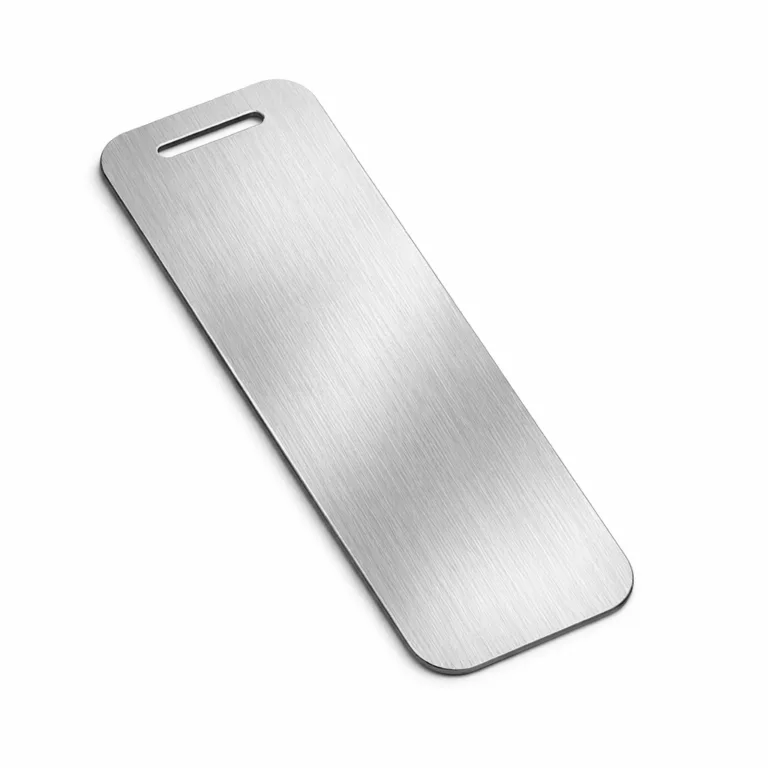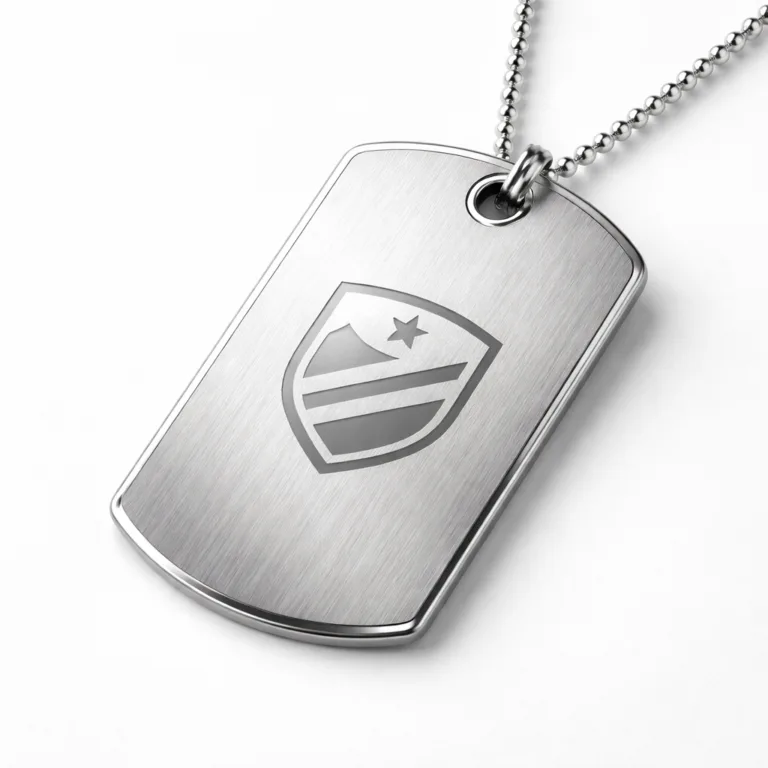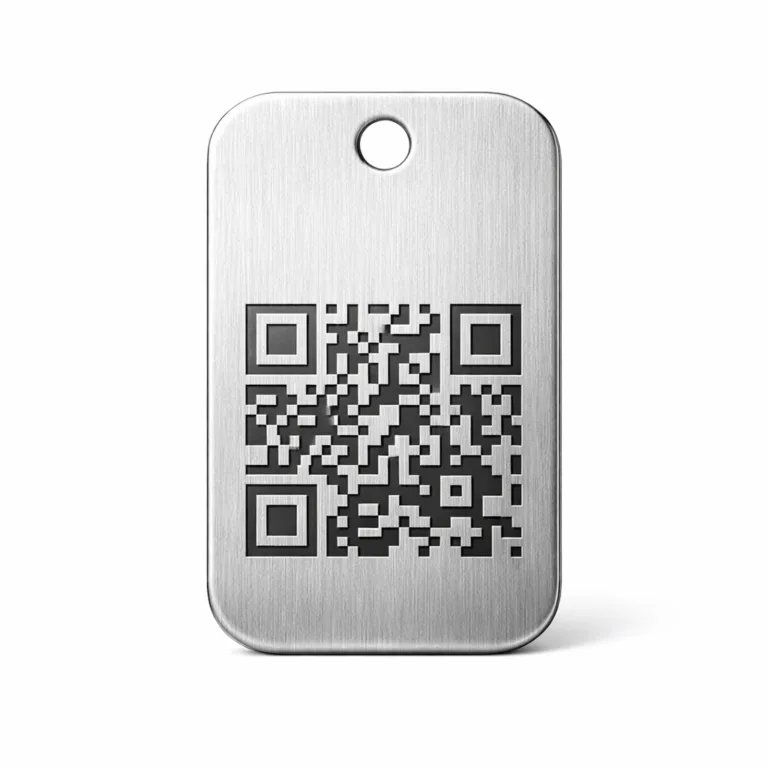
In banking and finance, trust is rarely built by one large gesture. It is usually built through many small signals that tell clients your institution is careful, stable, and professional. That is why promotional gifting in this sector needs more thought than a standard giveaway campaign. When buyers evaluate metal gifts for client trust, the real question is not just which item looks attractive. It is whether the gift feels appropriate for the relationship, reflects brand discipline, and leaves a lasting impression without creating compliance or perception problems.
For teams comparing gift formats, custom metal tag manufacturing solutions are often relevant because many finance gifts depend on the same production logic: material selection, logo detailing, engraved personalization, finish consistency, packaging fit, and controlled bulk quality. We support projects where buyers need durable branded components, custom naming, OEM development, sample approval, and stable production planning for corporate gifting programs that must look polished across every unit.
Why trust matters so much in banking and finance client relationships
Financial services buyers work in a category where perception matters almost as much as message. A client may not consciously analyze a branded gift, but they still notice whether it feels thoughtful, solid, and suitable for a serious institution. In private banking, insurance, wealth management, corporate finance, and commercial banking, the brand signal has to be controlled. A gift that looks cheap can suggest cost cutting. A gift that looks flashy or excessive can suggest poor judgment. A gift that feels balanced and well executed usually supports the right impression: steady, credible, and respectful.
This is also why gifting decisions in finance cannot be separated from ethics and governance. The item should be modest, clearly branded when appropriate, and suitable for a professional relationship rather than personal influence. Many institutions already operate under strict internal rules, and public-facing financial organizations may apply even tighter standards. References such as the Bank of England’s central-bank gift and hospitality rules show why transparency and appropriateness matter in this category.
From our manufacturing perspective, trust-oriented gifting works best when the buyer starts with policy fit, recipient type, and occasion before discussing decorative details. That sequence prevents expensive mistakes later.
Why metal gifts work better than low-cost promotional items for a premium brand image
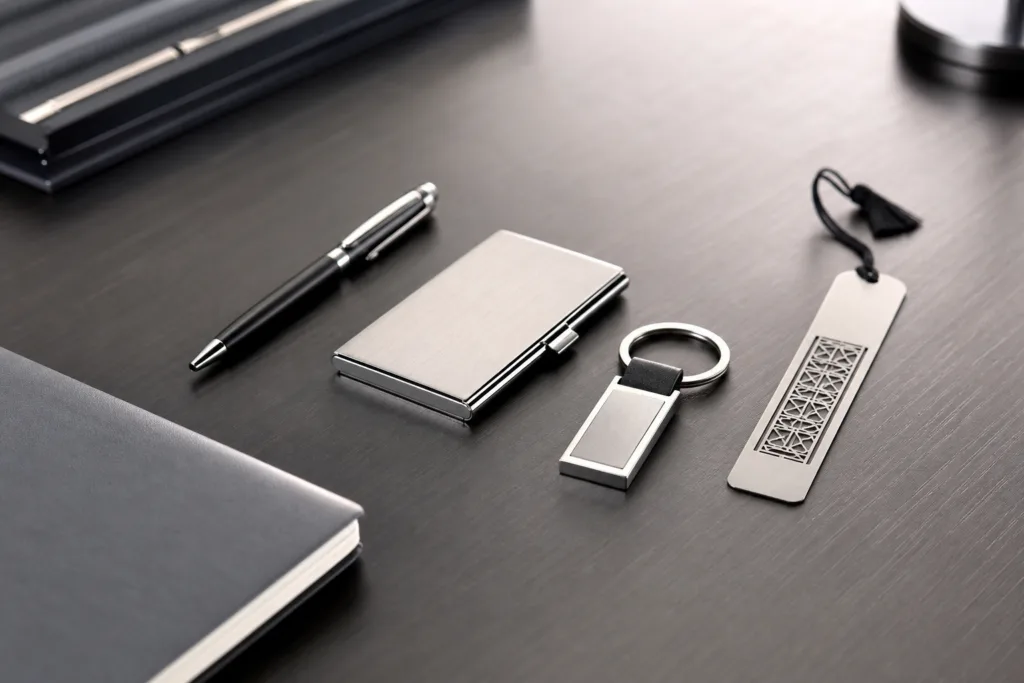
Low-cost promotional products can work for high-volume trade events, but they often do not match the image that banks and finance firms want to project in relationship-driven settings. Metal gifts usually perform better when the goal is long-term brand recall, executive presentation, and a premium feel. The reason is simple: metal carries visual and tactile cues that people associate with permanence, quality, and care.
Compared with disposable plastic giveaways, metal items are more likely to stay on a desk, in a briefcase, or in daily use for a longer time. That extends brand exposure without making the gift feel like mass advertising. It also reduces the mismatch between a premium financial brand and a visibly low-end object.
Another point buyers often overlook is object memory. A gift does not need to be expensive to be memorable, but it does need to feel intentional. Material, finish, edge quality, and personalization all help create that effect. For example, a metal cardholder with clean engraving may generate more professional recall than a more decorative but less useful item.
Common metal gifts used in finance promotions
The most effective banking and finance gifts are usually practical, elegant, and conservative in form. They should support brand recognition without looking like novelty merchandise.
Customized pens
Metal pens remain one of the safest options because they are useful, familiar, and easy to align with professional settings. The important detail is execution. Buyers should pay attention to weight balance, clip strength, refill standard, finish consistency, and engraving clarity.
Desk trophies and recognition pieces
These work well for milestone events, corporate partnerships, retirement recognition, or annual performance acknowledgment. In this category, the base material, plating tone, and engraving layout matter more than visual complexity. Simpler pieces often look more credible.
Keychains
For broader client programs or event distributions, keychains can work if they are positioned as useful accessories rather than cheap souvenirs. Projects that need tighter control over size, logo execution, and plating consistency often benefit from custom metal keychain tag production, especially when buyers want a more premium result than generic imported stock allows.
Cardholders
These are especially suitable for private banking, corporate account programs, and executive gifting. They feel professional because they connect to business use directly. Surface scratches, hinge quality, and logo placement should be reviewed closely during sampling.
Metal bookmarks
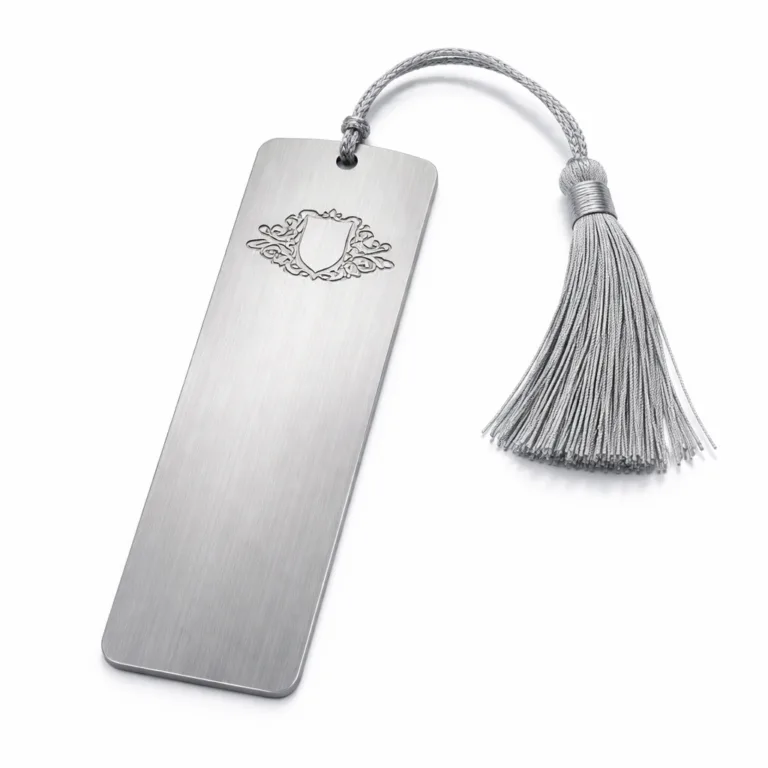
Bookmarks are understated and suitable for conferences, educational programs, commemorative campaigns, or financial literacy initiatives. They are not as high-value in perception as cardholders or pens, but they can be elegant when the design is refined and branding is restrained.
How material quality, finish, weight, and detailing affect perceived professionalism
This is where many projects succeed or fail. Buyers sometimes choose an item category correctly but approve a version with weak execution. In finance gifting, clients notice the difference between solid and superficial quality very quickly.
| Detail | What Buyers Should Check | Why It Affects Client Perception |
|---|---|---|
| Material | Zinc alloy, stainless steel, brass, aluminum, or mixed construction | Material influences strength, polish, edge feel, and long-term durability |
| Finish | Brushed, polished, matte, plated, anodized, or coated surface | Finish determines whether the gift looks refined or generic |
| Weight | Total item weight and how it is distributed in the hand | Heavier, well-balanced items often feel more credible and premium |
| Detailing | Logo depth, corner radius, edge cleanup, assembly fit | Small defects reduce perceived care and professionalism |
| Personalization | Name spelling, date format, engraving alignment | Accuracy is critical when the gift is relationship-based |
Weight deserves special attention because it affects value perception immediately. Buyers choosing executive gifts often review how weight influences perceived value before locking thickness, insert materials, and structural design. This detail may look minor on a drawing, but it changes the user experience a lot in hand.
From our custom production work, we usually advise buyers not to evaluate samples only by appearance in photos. Two items can look similar in an image but feel very different once handled. Surface temperature, rigidity, edge smoothness, and click or closure quality all influence trust-related perception.
Choosing the right metal gift by occasion
The right gift format depends heavily on the moment in the client relationship. A mismatch between occasion and item can make even a high-quality product feel awkward.
Client onboarding
Choose something useful and professional, such as a pen, cardholder, or neat keychain. The message should be welcoming and polished, not overly celebratory.
Client appreciation
For long-term account relationships, modest personalization can work well. An engraved name or subtle anniversary mark can strengthen relevance without crossing into excessive gifting.
Anniversaries and milestones
Recognition pieces, metal bookmarks with commemorative dates, or premium desk accessories fit this occasion better. The item should communicate stability and continuity.
Events and conferences
For larger audiences, practical items with controlled branding usually work best. If keychains are used, we often suggest designs closer to accessories than advertising pieces, such as premium gift keychain tags for branding that focus on finish, shape, and restrained logo placement.
Year-end gifting
This is where packaging becomes more important because the gift may be received outside a business meeting. Presentation should feel complete and professional, while still staying within company policy.
Matching metal gifts to recipient profiles
Not every finance recipient should receive the same product. The most effective gifting programs segment by relationship level, use context, and expected value perception.
Executives usually respond best to gifts that are functional, weighty, and minimally branded. A refined pen or cardholder often works better than a decorative item.
Private banking clients often expect discretion. Branding should be subtle, and personalization should feel service-oriented rather than promotional.
Corporate accounts may value commemorative or desk-based gifts that can be displayed in an office without looking personal or informal.
Event attendees need simpler, scalable items that still maintain a premium impression. Here, manufacturing consistency matters more than complex personalization.
At UC Tag, we see this segmentation issue often. Buyers sometimes try to compress multiple recipient groups into one product to simplify sourcing. That can reduce cost, but it can also weaken message fit. In many campaigns, a two-tier or three-tier gift structure gives better brand results than one universal item.
Branding and personalization best practices
In finance gifting, logo placement should support the object rather than dominate it. The strongest branded gifts usually use one of these approaches: a small engraved logo, a debossed or etched mark, a subtle emblem, or a discreet printed message inside a presentation box.

Personalization should also be controlled. Adding a recipient name can increase relevance, but over-personalizing with large text, multiple messages, or too many variable fields can make the item look less elegant. We usually recommend confirming the following early:
- logo version and minimum readable size
- whether engraving, laser marking, etching, or printing is most suitable
- recipient name format and capitalization rules
- date format consistency across all units
- location of variable data on the item and packaging
- approval workflow for personalized data files
This is also the stage where brand owners should think about packaging labels, inserts, and outer cartons. Programs that include multiple brands, regional campaigns, or distributor channels may require private labeling for branded metal gifts so presentation stays consistent across markets.
Design tips to keep gifts elegant and aligned with financial brand standards
Most finance brands benefit from restraint. Overdesigned gifts can feel less premium than simpler pieces with stronger material quality. A good design review should cover shape, branding scale, color palette, finish tone, and practical usability.
We usually suggest the following principles:
- keep logos smaller than you first expect
- favor clean metal finishes over bright novelty colors
- avoid sharp decorative forms that reduce comfort or safety
- use personalization only where it adds meaning
- test the gift in real use, not only in a presentation mockup
- match plating and coating choices to the brand’s existing visual identity
For example, if the bank’s visual language is conservative and modern, a brushed gunmetal or satin silver finish may fit better than a mirror gold effect. If the brand is premium but understated, a polished edge with a matte center can give contrast without becoming flashy.
How to avoid gift choices that weaken client trust
Some gifts fail not because they are low cost, but because they feel generic or opportunistic. In finance, that risk is higher because clients expect better judgment from institutions handling money, contracts, and long-term planning.
Avoid items that look temporary, over-branded, gimmicky, or unrelated to professional use. Also avoid combining too many visual elements: large logos, slogans, metallic coatings, ribbons, oversized messages, and promotional inserts can quickly make a gift feel like a sales push rather than a relationship gesture.
Another issue is policy fit. Buyers should confirm internal compliance thresholds, event rules, and recipient restrictions before finalizing the item. The most successful gifting programs are often the ones with the clearest rules.
Broader governance frameworks such as the OECD’s guidance on gifts, hospitality, and compliance controls are useful when procurement teams need to align gift programs with approvals, documentation, and anti-bribery expectations.
Packaging, presentation, and unboxing details
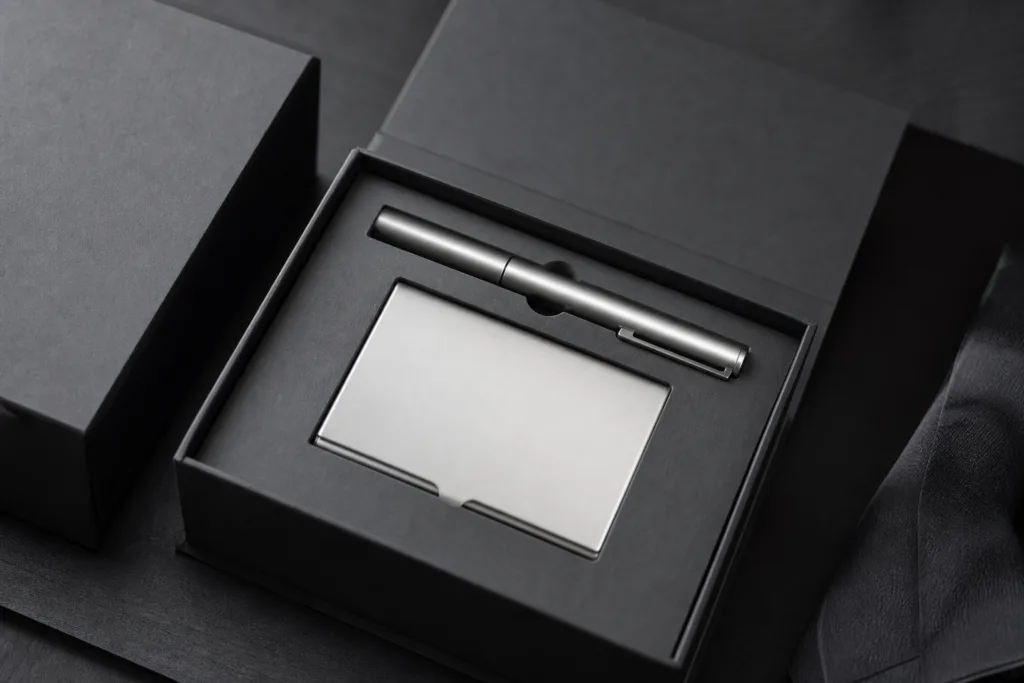
Packaging is not secondary in premium gifting. In many cases, it determines the first impression before the item is even touched. A well-made metal gift in poor packaging can lose much of its value signal.
Buyers should review box material, insert fit, surface texture, opening experience, protection during shipping, and how the item is revealed. A fitted foam or velvet insert usually feels more intentional than a loose pouch for executive-level gifting. For larger campaigns, outer carton design and packing density also matter because damaged corners or rubbing marks can create rework problems in bulk delivery.
Good packaging also protects finish quality. This matters with polished or plated surfaces, which can show fingerprints or abrasion quickly if packed carelessly. In practical terms, presentation and protection need to be considered together, not separately.
Budgeting, MOQ, and lead time for finance gift orders
For B2B buyers, the unit cost is only one part of the decision. Total program cost is affected by tooling, material choice, finish complexity, variable data, packaging level, inspection requirements, and delivery structure.
As a general planning approach, buyers should clarify these points before requesting final pricing:
- expected order quantity and whether repeat orders are likely
- number of personalized units versus standard branded units
- finish options and whether multiple finishes are being quoted
- packaging type for each recipient group
- required sample stages, such as digital proof, pre-production sample, or full set approval
- target delivery date and whether phased shipment is needed
MOQ is often tied to process efficiency and customization complexity. A simple stocked structure with engraving may support a different MOQ than a custom-molded metal gift with branded packaging. Lead time also changes if there are multiple approval steps for personalized names or multilingual inserts.
In finance projects, we often advise buyers to leave more approval time than they expect. The product itself may be straightforward, but internal signoff on wording, names, policy, and presentation can extend the schedule.
Quality control checkpoints that matter in bulk production
Consistency is critical when gifts represent a financial institution. One unit with a misspelled name or poor finish can damage the impression of an otherwise well-planned program.
| QC Checkpoint | What to Confirm | Why It Matters |
|---|---|---|
| Material and plating | Color consistency, coating adhesion, visible defects | Different tones across units look careless |
| Logo execution | Size, depth, placement, edge clarity | Brand inconsistency is easy to notice |
| Personalized data | Name spelling, sequence, alignment, file matching | Data errors are difficult to recover later |
| Assembly | Hinges, closures, rings, moving parts | Functional failure damages trust quickly |
| Packaging | Insert fit, item orientation, outer protection | Poor presentation reduces perceived value |
| Final count and sorting | Correct recipient grouping and carton labeling | Distribution errors create internal project problems |
For personalized orders, one of the most important controls is variable data management. Buyers should confirm master lists, spellings, duplicate handling, replacement procedures, and signoff responsibility before production starts. This detail may look administrative, but it directly affects product quality.
Common mistakes in bank and finance promotional gifting
The most common problems we see are not dramatic design failures. They are small decision gaps that become visible only when samples or bulk goods arrive.
- choosing a gift before confirming compliance rules
- using an oversized logo that makes the item look promotional
- approving a photo sample without checking physical feel
- forgetting to define name format and personalization rules
- underestimating packaging quality
- assuming executive and event audiences should receive the same item
- starting production without a final approved recipient data file
- planning too late for gift-box sourcing or insert printing
In many projects, the issue is not product category selection. The issue is that important production details were not clarified early enough.
Checklist for selecting the right metal gift supplier
When evaluating a supplier for finance gifting, buyers should look beyond catalog photos. The key is whether the supplier can control details that affect professional perception and bulk consistency.
- Can the supplier explain material and finish trade-offs clearly?
- Can they support engraving, etching, printing, or plating options suited to the design?
- Do they have a practical process for personalized data handling?
- Can they provide realistic sample stages before bulk production?
- Can they support custom packaging and private-label presentation needs?
- Do they understand how to balance MOQ, lead time, and quality level?
- Can they define QC checkpoints for both the item and the packaging?
- Are they communicating like a manufacturer that understands production risk, not just quoting price?
That last point matters. In a finance-related campaign, the supplier’s communication discipline often predicts project quality. Clear drawing review, sample comments, data confirmation, and packing approval usually lead to better results than fast pricing alone.
Conclusion
For banking and finance brands, promotional gifting should support trust, not distract from it. The right metal gifts can help because they communicate permanence, care, and professionalism in a way low-end giveaways often cannot. But the result depends on more than choosing a metal item. Buyers need to match the gift to the recipient, the occasion, internal policy, brand standards, personalization needs, and production reality.
If you are evaluating metal gifts for client trust, the strongest approach is usually a practical one: choose useful formats, keep branding restrained, confirm compliance early, test physical quality before approval, and work with a manufacturer that can manage details consistently from sample to bulk delivery.
FAQs
Which metal gifts feel most premium for finance clients?
In most finance settings, premium usually means refined and useful rather than flashy. Metal pens, cardholders, understated desk pieces, and well-made keychains tend to work best because they fit professional use and can carry subtle branding. The premium feel comes from material quality, weight balance, finish consistency, and packaging, not from adding too many decorative features.
How much personalization is enough?
For banking and finance gifts, moderate personalization is usually the safest choice. A recipient name, a discreet date, or a short commemorative line can add relevance without making the gift look overly promotional or too personal. The key is to keep the layout clean and confirm data accuracy early, especially when many names or titles are involved.
What makes a gift appropriate for finance clients?
An appropriate gift should be professional, modest, useful, and aligned with internal compliance rules. It should not feel like a personal incentive or an extravagant gesture. Buyers should check recipient type, event context, value threshold, and approval requirements before choosing the item, then make sure branding and messaging remain restrained.
Are metal keychains suitable for banking promotions?
Yes, if they are designed as quality accessories rather than low-cost giveaways. In finance campaigns, keychains work better when the shape is simple, the logo is subtle, the metal finish is clean, and the item has enough weight to feel intentional. Cheap split rings, rough edges, and oversized branding can quickly weaken the impression.
How should buyers plan MOQ and lead time for personalized metal gifts?
Buyers should separate product lead time from internal approval time. Personalized orders often take longer because names, dates, packaging inserts, and sorting lists all need confirmation. MOQ depends on the product structure and process, so it is better to discuss quantity, personalization ratio, and packaging level with the manufacturer at the start rather than assuming a standard minimum.
What should be checked before approving bulk production?
Before bulk approval, buyers should confirm final artwork, logo size and position, finish tone, sample weight and feel, name list format, spelling rules, packaging details, carton sorting method, and inspection criteria. If the campaign is for multiple client groups, the buyer should also verify that each version is matched to the correct recipient segment and packing label.