For environmental groups, merchandise is more than a product with a logo. It can help raise funds, start conversations, support campaign visibility, and show that the organization takes its environmental position seriously. The challenge is choosing items that are genuinely useful, reasonably sourced, easy to explain to supporters, and practical to sell or distribute. This guide explores plastic-free, eco-friendly merchandise ideas for nonprofits, campaign organizers, conservation groups, and community projects, with attention to material choices, durability, pricing, packaging, supplier communication, and realistic environmental claims.
When a campaign needs a durable identity piece, custom metal tag manufacturing solutions can add a long-lasting element to merchandise, event materials, equipment, or reusable products. We help buyers consider metal selection, marking method, attachment, data handling, samples, and bulk production so the finished item supports both the campaign message and the practical demands of daily use.
Why Plastic-Free Merchandise Matters for Environmental Groups
Environmental groups often face a credibility question that ordinary promotional buyers may not face: does the merchandise support the message being communicated? A low-cost item that is quickly discarded can weaken a campaign about waste reduction. A useful, durable product may have a higher initial cost, but it can remain in use longer and create more repeated visibility.
Plastic-free does not automatically mean low impact. A product may avoid plastic but still involve resource-intensive materials, excessive packaging, poor working conditions, long shipping distances, or a short useful life. The better question is whether the item has a sensible balance of material, durability, usefulness, production quality, and end-of-life options.
For most groups, a practical merchandise strategy starts with reducing unnecessary items, selecting products people will actually use, and ordering quantities based on evidence rather than optimism. Reusable products can support this approach, but buyers should still verify cleaning, repair, recycling, and disposal conditions in the markets where the products will be used. The EPA advice on reducing plastic waste and packaging is a useful reference when building a reuse-first and packaging-conscious campaign plan.
How to Match Merchandise With Sustainability and Fundraising Goals

Before selecting products, define the job each item must do. A campaign giveaway, a donor thank-you gift, a retail product, and a volunteer uniform may all carry the same logo, but they require different decisions.
| Goal | Useful merchandise direction | Important buying question |
|---|---|---|
| Raise funds | Higher-value reusable products or limited editions | Will supporters understand the value and accept the price? |
| Increase awareness | Visible everyday items and wearable products | Will the product be used in public or shared settings? |
| Thank donors | Durable, well-finished products with thoughtful packaging | Does the item feel appropriate for the contribution level? |
| Support events | Reusable badges, cups, signs, and identification pieces | Can the product be collected, reused, or reassigned? |
| Build community identity | Consistent apparel, bags, notebooks, and campaign accessories | Can the same visual system work across multiple products? |
Set a target price before requesting quotes. A product intended for a donation table may need a different cost structure from an item sold through an online store. Also decide whether the organization wants a small number of premium products or a wider range of lower-priced items. Too many product choices can increase inventory risk, complicate fulfillment, and make the campaign message less focused.
Best Sustainable Materials for Plastic-Free Products
Material selection should follow use conditions rather than trend language. Paper, bamboo, wood, cotton, recycled fiber, cork, stainless steel, aluminum, and brass can all be useful in the right application. Each material has different strengths, limitations, finishing requirements, and disposal considerations.
| Material | Good fit | Points to confirm |
|---|---|---|
| Paper or recycled paper | Posters, cards, notebooks, inserts, and event information | Paper source, coating, ink, binding, and local recycling rules |
| Bamboo or wood | Utensils, desk items, plaques, pins, and display pieces | Finish, moisture resistance, grain consistency, and adhesive use |
| Cotton or recycled fiber | Tote bags, shirts, caps, pouches, and banners | Fiber content, dye process, stitching, wash performance, and labeling |
| Stainless steel | Bottles, cups, badges, tags, and durable identification | Grade, surface finish, edge quality, marking method, and attachment |
| Aluminum | Lightweight tags, badges, key pieces, signs, and nameplates | Thickness, anodizing, color consistency, hole position, and scratch resistance |
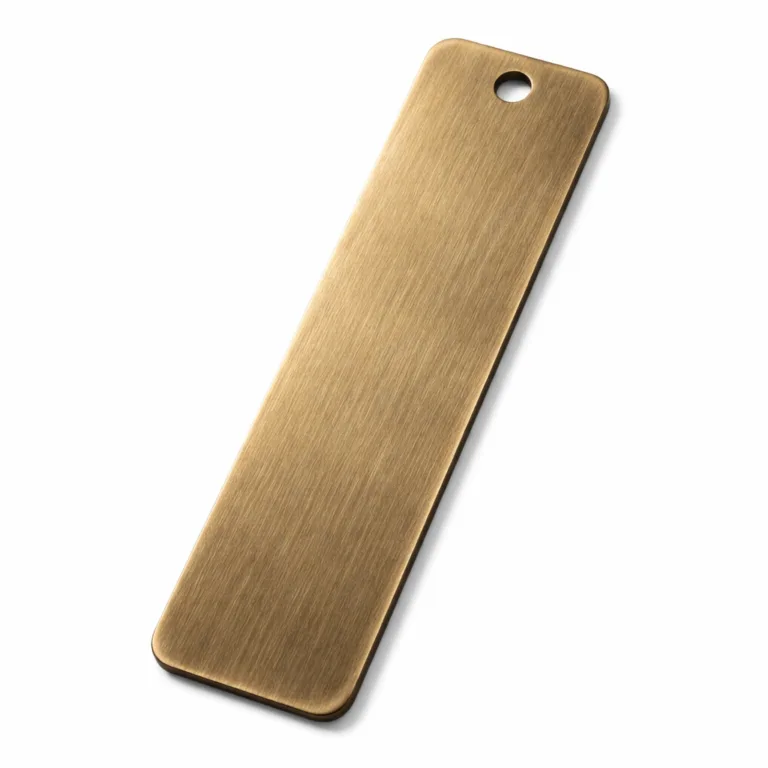
| Brass | Premium badges, plaques, commemorative pieces, and donor gifts | Surface aging, protective finish, weight, and polishing requirements |
Claims such as biodegradable, compostable, recycled, or plastic-free should be tied to a defined product specification. Ask what components are included, including coatings, threads, closures, labels, adhesives, and packaging. A product can meet a narrow material claim while still containing small components that affect reuse or disposal.
Certifications and ecolabels can help, but they should be checked rather than treated as decoration. The EPA overview of ecolabels and greener product standards explains why defined criteria and credible standards matter when comparing environmental claims.
Reusable Everyday Items for Campaigns and Events
Reusable everyday items are popular because their purpose is easy to understand. Bottles, cups, lunch accessories, tote bags, food containers, and utensils can keep a campaign visible beyond a single event. However, the product must be convenient enough to become part of a normal routine.
For drinkware, confirm capacity, lid construction, cleaning instructions, finish durability, and whether replacement parts are available. Stainless steel is often selected for its strength and resistance to routine wear, while aluminum can reduce weight. The key is not simply the material name but the complete product design and the expected use environment.
Tote bags are useful for events and retail sales, but fabric weight, handle stitching, dye quality, and load capacity affect whether supporters keep using them. A thin bag may be inexpensive but can feel disposable. A stronger bag may support a higher price and better long-term visibility. Lunch accessories should also be evaluated for cleaning, moisture, seams, and storage.
For campaign events, consider a return or reuse system. Reusable cups or badges can be collected after a gathering, cleaned, and used at a later event. This may require deposits, clear instructions, storage space, and inventory control, but it can reduce repeated purchasing.
Paper, Bamboo, Wood, and Metal Merchandise Ideas
Paper merchandise can include notebooks, postcards, educational cards, calendars, campaign guides, and donation inserts. It is easy to print and distribute, but paper products should avoid unnecessary layers, plastic lamination, and oversized packaging when those features do not improve useful life.
Bamboo and wood can add a natural appearance to utensils, desk items, ornaments, plaques, and small recognition gifts. Buyers should ask whether the surface is sealed, how the item should be cleaned, and whether the printed or engraved mark will remain legible after use. Wood grain also creates natural variation, so approval samples should represent the expected production appearance.
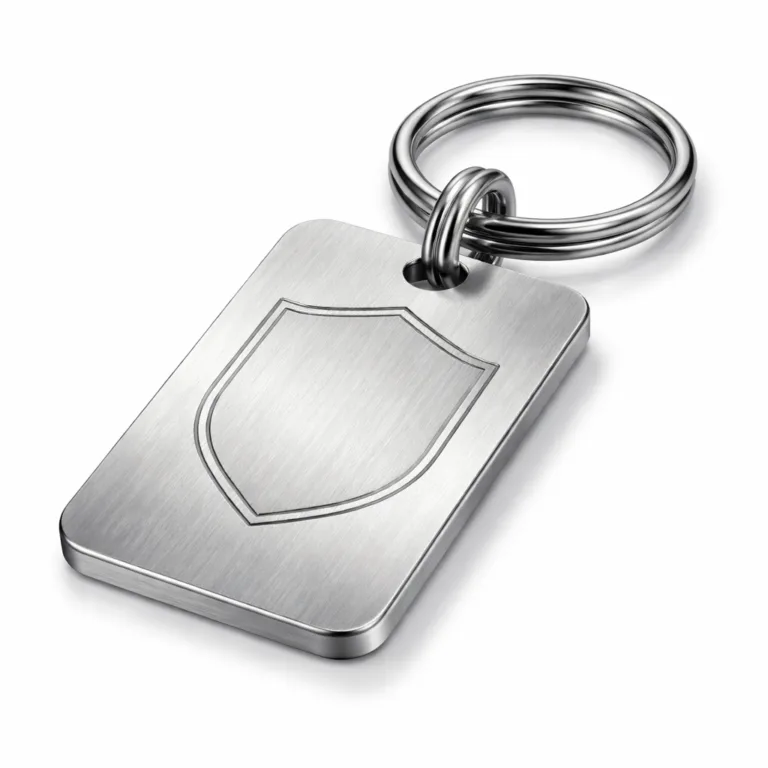
Metal products are useful when the group wants a compact item with a longer service life. Badges, key tags, commemorative pieces, donor recognition plates, and reusable identification tags can be made from aluminum, stainless steel, or brass. Metal also supports several marking methods, including engraving, chemical etching, stamping, screen printing, UV printing, and anodized finishes.
For organizations building a branded product range, custom metal tag solutions for fundraising merchandise can support durable badges, campaign tokens, product labels, donor gifts, and identification pieces. In our work, we usually review the intended use first, then match the material, thickness, shape, marking process, hole or attachment detail, and packaging plan to the actual project.
Wearable Items Made Responsibly
T-shirts, caps, badges, fabric patches, and scarves are effective because people can carry a campaign message in public. They also create more sourcing questions than many buyers expect. Fabric composition, dyeing, stitching, trim, sizing, wash performance, and packaging all affect the product’s useful life.
Start with a focused design. A simple logo, campaign phrase, or recognizable symbol is often easier to wear repeatedly than a crowded graphic. Request a physical sample where possible, especially when color, print position, or garment fit matters. Confirm whether the supplier uses plastic-based packaging, synthetic labels, or mixed-material accessories that conflict with the campaign’s stated position.
Metal badges and tags can provide an alternative to short-lived printed accessories. They can be engraved, etched, stamped, or printed depending on the required detail and quantity. Attachment may use a pin, clasp, ring, chain, rivet, screw, or adhesive backing. The attachment method should be selected together with the application because a strong metal piece can still fail if the fastening is unsuitable.
Office and Community Items
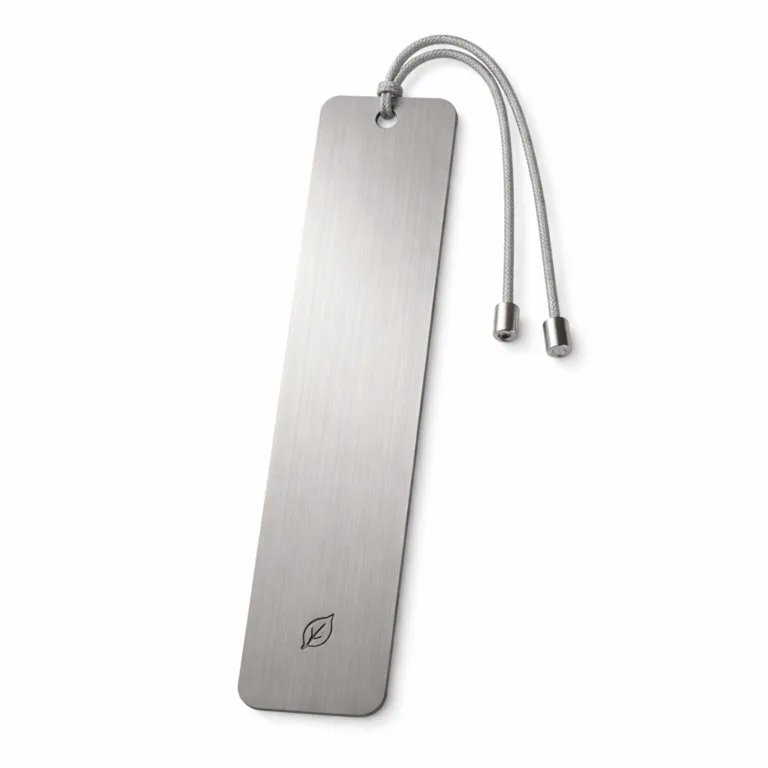
Notebooks, paper folders, wooden desk accessories, metal bookmarks, name badges, and reusable event signs can support offices, workshops, schools, and local groups. These products work best when they solve a real need rather than serving as purely decorative giveaways.
For pens and similar small items, be precise about the plastic-free requirement. Some products marketed as bamboo or recycled may still include plastic barrels, clips, refills, or internal components. Ask for a component breakdown and decide whether a partly plastic item fits the group’s policy. In some cases, a durable metal pen that can accept refills may be a more honest choice than a disposable product with a green-looking exterior.
Metal name badges, tags, and plates can also help volunteers, staff, exhibitors, and event teams identify roles without producing disposable stickers for every gathering. When names or numbers change, plan the replacement and storage process early. A consistent size and attachment system can make future ordering easier.
Low-Waste Packaging and Presentation
Packaging affects both the environmental message and the cost of fulfillment. Use packaging only when it protects the product, keeps sets organized, supports mailing, or provides necessary information. Avoid adding individual wrappers simply to make a low-cost item look more premium.
For retail merchandise, consider paper sleeves, recycled paper envelopes, cardboard inserts, reusable fabric pouches, or consolidated cartons. Confirm whether tapes, labels, coatings, and protective films affect the group’s plastic-free policy. For products shipped in bulk to events, master cartons may be more efficient than individually packaged units.
Packaging should also support accurate inventory. Use clear carton markings, product codes, quantity labels, and batch references so volunteers can receive and count stock quickly. The EPA’s best practices for plastic waste reduction reinforce the value of source reduction, reuse, and planning before recycling becomes necessary.
Merchandise Ideas for Awareness Campaigns
Campaign merchandise should connect the object with a clear action or message. A reusable bottle can support a refill campaign. A metal badge can identify volunteers or carry a short call to action. A notebook can be paired with educational content. A tote bag can be sold as a practical reminder of a local conservation project.
Durability is particularly useful for awareness campaigns because it allows the message to appear repeatedly. A compact metal tag can be attached to a bag, key ring, bicycle, equipment case, or event display. It can carry a logo, short phrase, date, serial number, QR code, or campaign identifier. The design must leave enough space for the marking to remain readable at the expected viewing distance.
Some groups compare inexpensive ribbons or stickers with longer-lasting pieces. The right choice depends on the event, audience, budget, and expected service life. For a broader comparison, durable alternatives for awareness campaign giveaways can help organizers consider when a reusable identification piece makes more sense than a single-use handout.
How to Price Merchandise for Fundraising
Fundraising price should reflect more than the factory unit cost. Include artwork preparation, sampling, freight, customs or local handling, payment processing, storage, packaging, fulfillment labor, event fees, and expected damaged or unsold stock. If the product is sold online, account for picking and shipping materials as well.
| Pricing question | Why it matters |
|---|---|
| What is the landed cost? | The quoted product price may exclude freight, duties, packaging, or handling. |
| What quantity is realistic? | A lower unit price is not useful if excess stock ties up donation funds. |
| What is the supporter value? | Usefulness, durability, design, and story influence willingness to pay. |
| What margin is needed? | The campaign should define whether the product funds operations, a project, or a specific appeal. |
| What happens to unsold stock? | Choose products that remain useful beyond one campaign date. |
Limited editions can create urgency, but scarcity should be real and clearly explained. Avoid implying that a product has a greater environmental benefit simply because it is expensive. A transparent description of material, production, and the intended use of funds is more credible.
How to Market the Environmental Message
Product messaging should explain what the item is, why it was selected, and how the purchase supports the organization. Keep the claim specific. “Reusable stainless steel bottle with paper packaging” is clearer than “planet-saving bottle.” “Made with recycled cotton content” is more useful than an unsupported statement that the product is sustainable.
Show the product in use. Photograph a tote bag at a community event, a badge on a volunteer, or a notebook in a field project. Explain whether the item is designed for repeated use, repair, refilling, or reassignment. A short material and care guide can reduce misuse and improve product life.
For cause marketing, long-lasting tag ideas can help connect a physical item with an ongoing message rather than a single event date. The product should still stand on its own as a useful object, because supporters are more likely to keep merchandise that fits daily life.
At UC Tag, we approach custom metal merchandise as a manufacturing project rather than a simple logo application. Buyers may need artwork review, variable serial numbering, barcode or QR code data handling, attachment options, sample approval, private-label packaging, and consistent QC across a larger order. Clarifying those requirements early makes pricing and production planning more reliable.
Creating a Strong Story Around Materials and Impact
A credible product story has three parts: the product facts, the reason for the selection, and the action supported by the purchase. For example, a group may explain that it chose a reusable metal badge because volunteers need identification at repeated events, then state how sales support habitat restoration or education. The story should distinguish verified facts from organizational goals.
Do not claim that a product eliminates environmental impact. Production, transport, energy use, and end-of-life handling still matter. Instead, describe the practical improvement the group is pursuing, such as reducing disposable event materials, extending product use, or avoiding unnecessary packaging.
Working With Suppliers and Avoiding Greenwashing
Supplier communication should begin with a written specification. Include product type, dimensions, material, thickness or weight, color, finish, artwork, marking method, attachment, packaging, quantity, delivery destination, and required dates. For variable data, provide the exact file format and explain how numbering, names, barcodes, or QR codes should be checked.
Ask suppliers to separate confirmed specifications from optional recommendations. Request material declarations, component information, sample images, and relevant test or certification documents when environmental claims are important. A supplier that cannot explain what is included in a “plastic-free” product may not be able to support a reliable public claim.
Sampling is valuable because it reveals issues that are difficult to catch in a digital proof. Our sample ordering for sustainable merchandise planning helps buyers review actual size, edge quality, surface finish, marking contrast, hole position, attachment strength, packaging, and overall presentation before approving bulk production.
Common Sourcing Mistakes to Avoid
- Choosing a product only because it uses a natural-looking material.
- Ordering a large quantity before testing supporter interest.
- Ignoring closures, coatings, adhesives, labels, and packaging components.
- Using artwork that is too detailed for the selected marking method or product size.
- Assuming recycled, compostable, biodegradable, or plastic-free claims have the same meaning in every market.
- Failing to confirm whether a reusable product is easy to clean and maintain.
- Leaving barcode, QR code, serial number, or name data checks until the last production stage.
- Approving a sample without confirming the exact attachment method and placement.
- Comparing suppliers only by unit price rather than landed cost and quality consistency.
- Using packaging that creates more waste than the product itself requires.
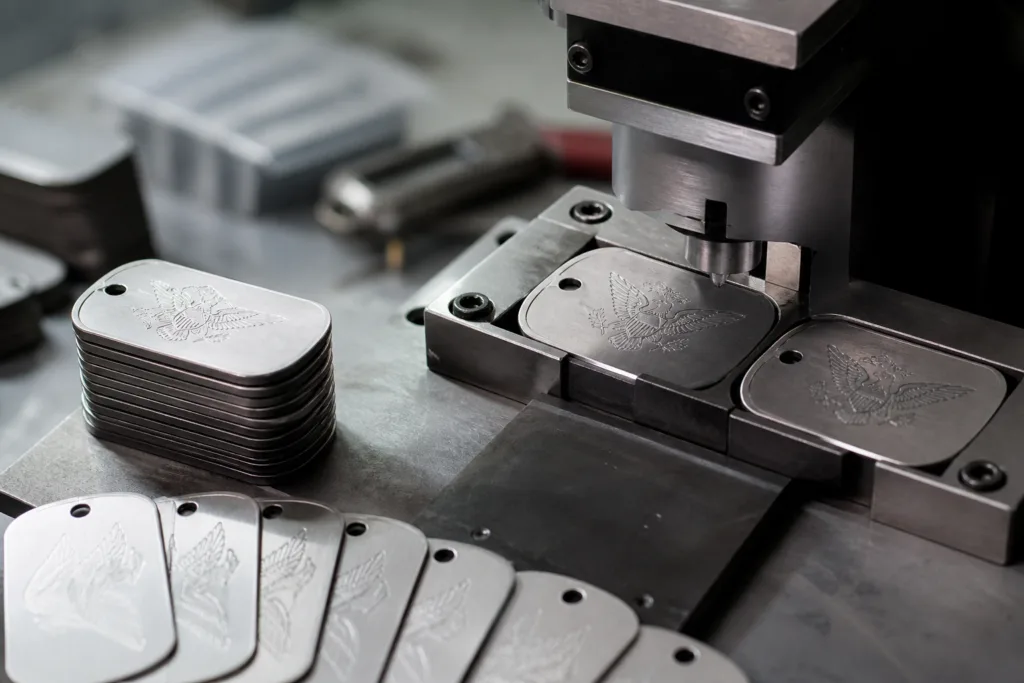
Another common mistake is treating all metal marking methods as interchangeable. Engraving creates a physical mark and can work well for durable identification. Etching can support fine detail and a recessed or chemically treated surface. Stamping changes the material profile and may suit simple characters or repeated production. Printing provides color and visual flexibility but may need an appropriate protective finish for abrasion or outdoor exposure. The correct choice depends on use, artwork, quantity, and expected wear.
A Practical Selection Checklist
Before placing an order, work through the following checklist with the supplier and internal campaign team:
- Define whether the item is for fundraising, awareness, donor recognition, volunteer use, or retail sales.
- Set the intended service life and actual use environment.
- List all materials and components, not only the main visible material.
- Confirm dimensions, weight, thickness, color, finish, and edge requirements.
- Select the marking or printing method based on artwork and wear conditions.
- Review packaging, shipping, storage, and end-of-life expectations.
- Prepare accurate artwork and variable data files.
- Request and inspect a physical sample when appearance or function is important.
- Confirm MOQ, production lead time, approval deadlines, and reorder timing.
- Agree on QC checkpoints for dimensions, finish, marking, attachment, quantity, and packaging.
- Write environmental claims in plain language that can be supported by documentation.
- Estimate landed cost, sales price, fundraising margin, and unsold inventory risk.
The strongest plastic-free, eco-friendly merchandise programs are usually focused rather than crowded. A small group of useful products, selected with clear criteria and honest communication, can support a campaign better than a large catalog of loosely related items.
Frequently Asked Questions

What is the best plastic-free merchandise for an environmental group?
The best choice depends on the campaign purpose, audience, budget, and expected use. Reusable fabric bags, paper goods, wood products, stainless steel items, aluminum badges, and durable metal tags can all work when the product is useful and the material claim is accurate. Start with the item supporters are most likely to keep using.
Are metal tags suitable for environmental awareness campaigns?
Yes. Metal tags can carry logos, short messages, dates, serial numbers, QR codes, or campaign identifiers, and they can be attached to bags, equipment, key rings, displays, or volunteer materials. Choose the material, thickness, marking method, and attachment based on whether the tag will be indoors, outdoors, exposed to abrasion, or reused across events.
Which marking method is best for a durable metal merchandise item?
Engraving, etching, stamping, screen printing, UV printing, and anodized finishes each suit different requirements. Engraving and etching are often considered when the mark must remain readable through regular handling, while printing is useful for color and complex visual designs. The supplier should review artwork, surface, quantity, and wear conditions before recommending a process.
How can a nonprofit verify a supplier’s eco-friendly claims?
Ask for a complete material and component description, relevant certifications or standards, packaging details, care instructions, and clear information about disposal or recycling. Avoid relying on broad words such as green or sustainable without a defined explanation. Claims should describe what is verified and avoid suggesting that the product has no environmental impact.
Should environmental groups order samples before bulk merchandise?
Sampling is recommended when product appearance, fit, marking, attachment, or packaging affects the campaign result. A sample can reveal incorrect dimensions, weak attachment, poor contrast, rough edges, unsuitable packaging, or artwork that does not reproduce clearly. It also gives the organization a chance to confirm the product story before spending fundraising funds on inventory.
How should a group manage MOQ and unsold merchandise risk?
Begin with a realistic quantity based on past sales, confirmed event attendance, preorders, or a small pilot. Ask whether the supplier can support a lower initial quantity, a staged production plan, or a repeat order using the same tooling and artwork. Select products that remain useful after the campaign date so unsold stock does not become immediate waste.
Conclusion
Plastic-free, eco-friendly merchandise can support fundraising and environmental communication when it is chosen with the same care as any other campaign resource. The most important decisions are not limited to the product category. Material composition, useful life, marking quality, attachment, packaging, data accuracy, supplier documentation, order quantity, and end-of-life expectations all shape the real result.
For environmental groups, a focused merchandise mix is usually easier to source, explain, price, store, and sell. Use samples to check the physical product, ask suppliers specific questions, and make claims that can be supported. When the item is useful, durable, and connected to a clear purpose, it can extend the campaign message while respecting the sustainability values behind it.