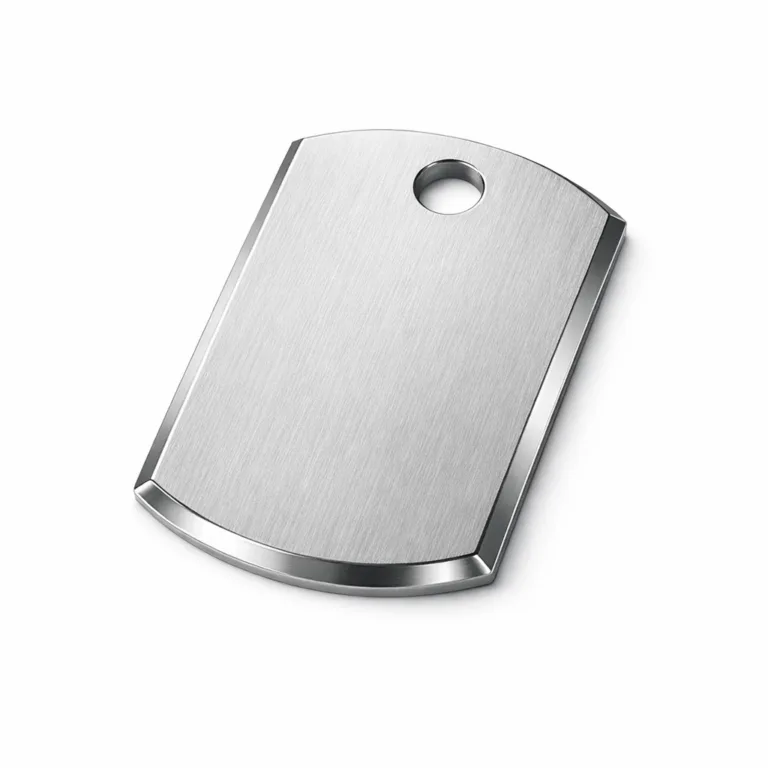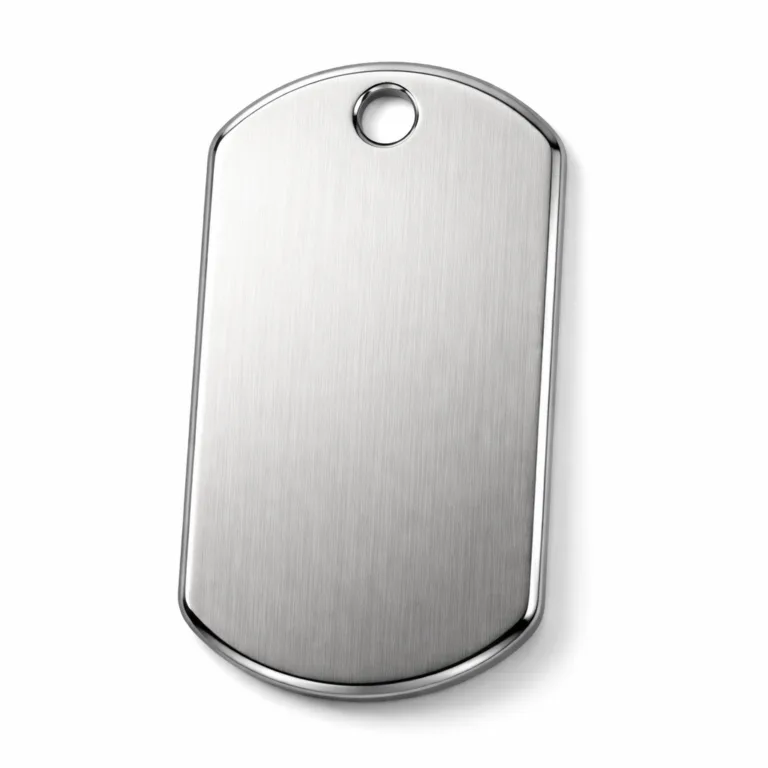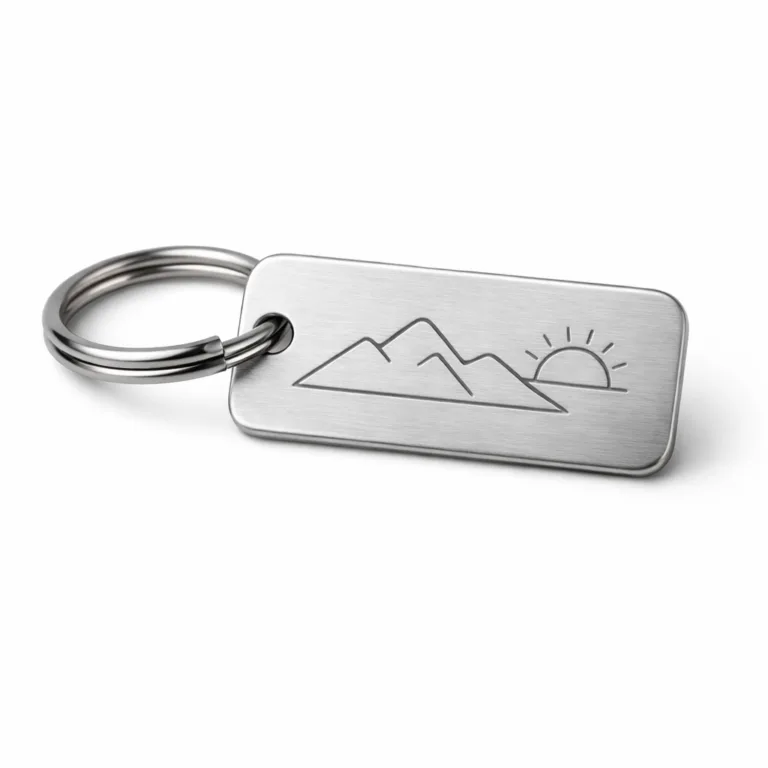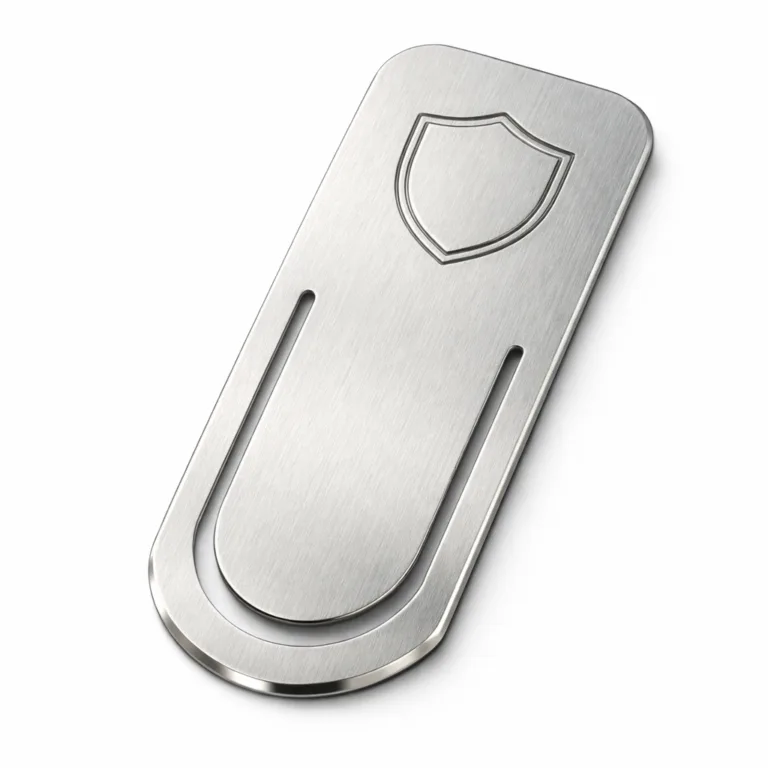
School spirit is often talked about in broad terms, but for schools, PTAs, and fundraising coordinators, the practical question is simpler: what kind of item helps students feel included, represents the school clearly, and still holds up to daily use? That is where backpack tags can make sense. A visible tag on a backpack is small, but it travels with the student every day. It can show a mascot, school colors, house team, grade, club, or student name in a way that is useful as well as symbolic. When schools think about spirit items through the lens of daily use, distribution, and durability, metal backpack tags become a serious option rather than just a novelty. That idea also connects to broader work around school connectedness and student belonging, which is why many school identity programs now look for products that support visibility, participation, and longer-term use.
If your project involves student identification, event giveaways, or a fundraising item that needs to last beyond one season, our custom bag tag manufacturing support is usually most useful when the school confirms a few details early: material, size, edge style, attachment method, and whether each tag needs individual data such as names, grades, or group assignments. In our production work, those points affect not only appearance, but also sampling, packaging by class, and bulk consistency across the full order.
What school spirit means in real purchasing terms
Schools usually do not buy spirit items just to put a logo on something. They are trying to support belonging, recognition, and participation across different student groups. That may mean welcome-week gifts for new students, reward items for house systems, identification pieces for field trips, or fundraiser products that families will actually use.
From a manufacturer perspective, this matters because the use case changes the specification. A tag for a one-day event can be lighter, simpler, and more decorative. A tag intended for all-year backpack use needs better edge finishing, stronger attachment hardware, and a marking method that stays readable after repeated contact with desks, lockers, buses, and outdoor surfaces.
Another point schools sometimes overlook is that spirit products work better when they feel intentional. A mascot-shaped tag for younger students, a cleaner engraved tag for middle or high school groups, or color-coded tags for houses and clubs can all support the same program goal in different ways. The product is small, but the planning should still match the audience.
Why backpack tags work well as school spirit items
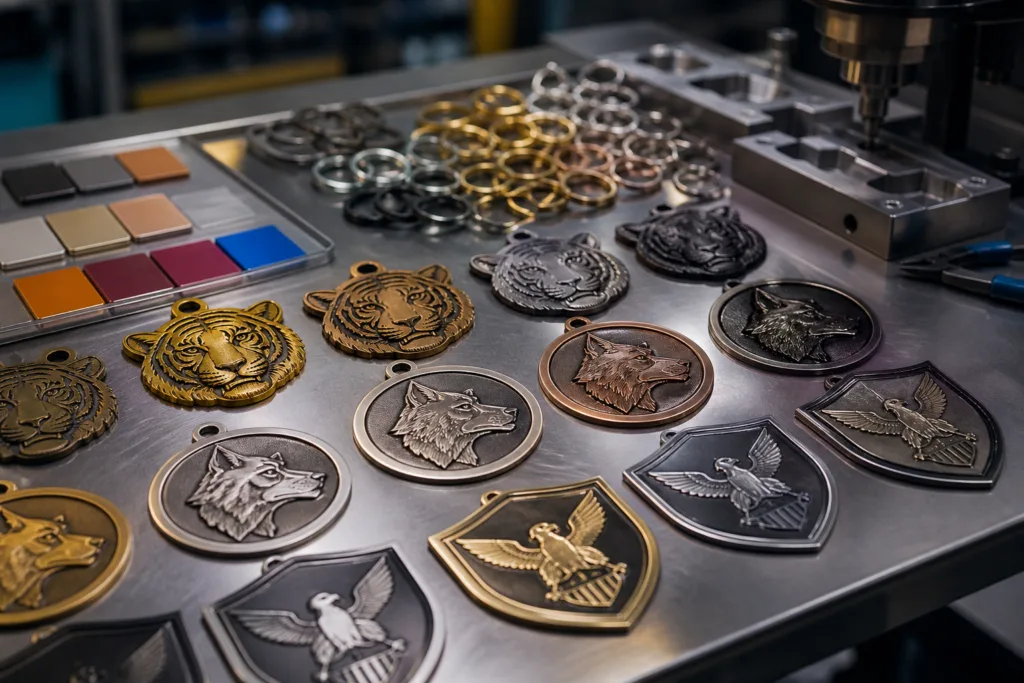
Backpack tags solve a few practical problems at once. They are visible, portable, relatively compact to distribute, and easier to standardize than apparel sizing. A school does not need to manage shirt sizes, return issues, or major style variation. One approved design can be produced for a grade, club, sports program, alumni event, or fundraising campaign with controlled material and finish consistency.
They also work across age groups. Younger students may use them as recognition pieces or bag identifiers. Older students may prefer a more minimal tag with initials, school crest, or a subtle mascot outline. For coordinators comparing products, this flexibility is one reason to review custom metal tag options for school programs before locking a design too early. The same production platform can often support simple logo tags, personalized tags, serial-style tags, or tags with optional QR or contact fields.
For fundraising, backpack tags also have a practical advantage: they feel more durable and giftable than many low-cost event items. Parents are more likely to see value in a product that can stay on a backpack, sports bag, or instrument case for a long time.
Popular backpack tag styles for schools
School projects usually fall into a few style groups. The right one depends on whether the goal is recognition, identity, fundraising appeal, or organization.
Mascot and logo tags
These are often custom-cut to follow the outline of a mascot, crest, shield, paw print, or school initials. They work well for school stores, booster clubs, admissions kits, and spirit-week campaigns because the design is easy to recognize from a distance.
Color-based tags
School colors matter more than many buyers first expect. If the design depends on school identity, anodized or printed color fields should be confirmed against artwork early. This is especially important if the school wants consistency across other branded items.
Personalized student tags
These include names, initials, homeroom, teacher group, or graduating class. The visual style is usually simpler because variable data takes space. In these projects, layout discipline matters more than decoration.
Grade, house, or club tags
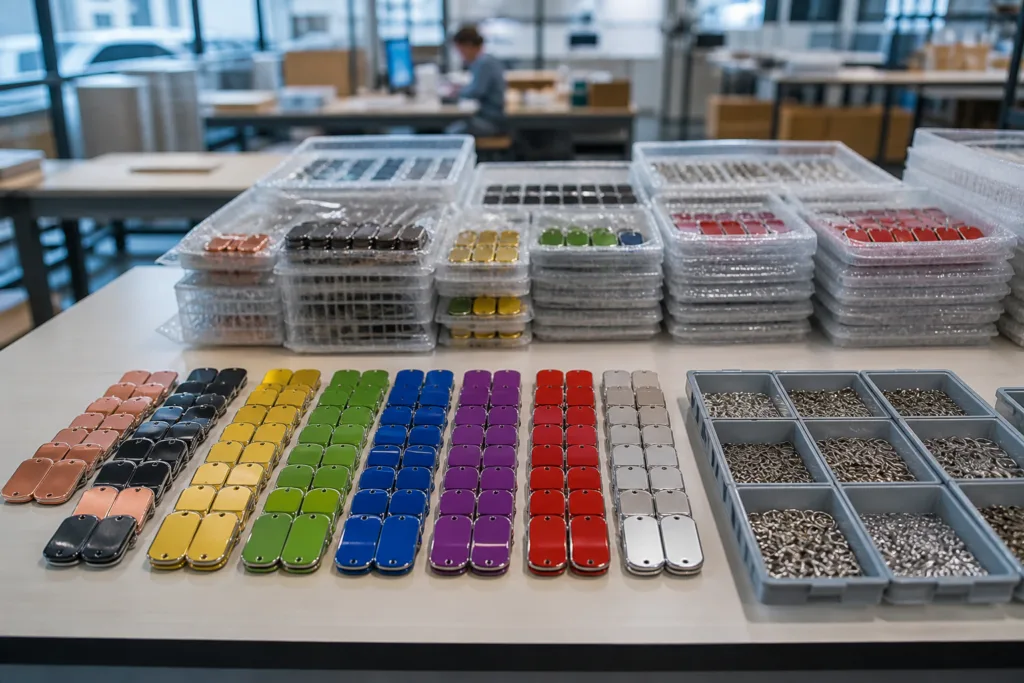
These are useful when the school wants the same base structure with controlled variations. For example, one tag size and shape can be used across four house colors, six grades, or multiple after-school clubs. This keeps tooling and packaging more manageable.
When a school wants the tag to function more like a durable identifier than a souvenir, metal bag nameplates for backpacks can be a better reference point than novelty charms, because the structure, readability, and attachment expectations are closer to daily-use products.
Best metal materials for student backpack tags
Material choice affects weight, appearance, marking compatibility, and cost. For school projects, the goal is usually not simply to choose the strongest metal. It is to match cost, feel, and durability to the actual age group and use environment.
| Material | What It Does Well | Possible Limits | Typical School Use |
|---|---|---|---|
| Aluminum | Lightweight, easy to cut, cost-efficient for bulk orders | Can dent more easily than stainless steel if very thin | General school spirit tags, fundraiser tags, welcome kits |
| Anodized Aluminum | Lightweight with better surface protection and color options | Finish planning matters for scratch visibility and artwork contrast | Color-coded house tags, logo tags, personalized tags |
| Stainless Steel | Strong, rigid, premium feel, good long-term wear | Heavier and usually higher cost | Senior gifts, alumni programs, premium event tags |
| Brass | Warm appearance, classic look, decorative value | Heavier than aluminum and less common for youth bulk projects | Award tags, commemorative sets, formal school branding |
For most student backpack tag projects, aluminum or anodized aluminum is the practical starting point. It keeps weight down, which matters on children’s bags, and it supports a wide range of shapes and marking styles. Where buyers want stronger protection for color and surface performance, anodizing is often the better path. That is one reason many technical buyers pay attention to anodized aluminum durability and corrosion resistance when evaluating finish quality for long-use items.
Stainless steel fits when the school wants a more premium look, better rigidity, or a thinner tag that still feels solid. It can be a smart choice for older students, staff programs, or commemorative projects. Brass is more niche, but it works when appearance and a traditional metal look matter more than keeping unit weight as low as possible.
Customization options that affect both look and durability
Schools often focus first on the front design, but the manufacturing method behind that design matters just as much. The same artwork can produce very different results depending on whether it is engraved, etched, printed, or color-filled.
Laser engraving
Good for names, initials, numbers, and crisp line detail. It is practical for variable data and reorders because the artwork structure can stay consistent while names or groups change.
Chemical etching
Useful for cleaner fine detail, recessed effects, and more controlled decorative surfaces. It is often chosen for logo-heavy tags where depth and line quality are important.
Printing and color fill
These help when the school wants visible colors, mascot details, or stronger logo recognition. The trade-off is that highly decorative surfaces may need more attention to abrasion expectations than a simple engraved layout.
Shape cutting
Custom outlines increase visual appeal, especially for mascots and crests, but they also require more care around edge smoothness, corner radii, and hole placement. A shape that looks good on screen may create weak narrow sections if the ring hole sits too close to an edge.
In many school orders, the strongest result comes from balancing decoration with durability. We often advise buyers to simplify small text, avoid very thin outline elements, and confirm whether the tag is meant to look bright and colorful or understated and long-wearing. Those choices change the recommended process.
Backpack tags design details that matter in daily use
This is where many projects are won or lost. A tag can look fine in artwork approval and still perform poorly in real student use if a few physical details were not checked.
Size and weight
A tag that is too large becomes noisy on the backpack and may catch on other items. A tag that is too small may not show the school identity clearly. For most backpack applications, buyers should aim for a visible but controlled format that leaves enough space for hardware movement without making the bag feel cluttered.
Readability
If the tag includes student names, emergency contact details, teacher groups, or optional codes, contrast and spacing matter more than decorative effects. Small type should not be squeezed into leftover space. In practical terms, clear layout usually matters more than adding one more line of data. Good readability and label layout principles are useful here even for small-format products, especially when the school wants important details to remain easy to identify.
Edge finish
For student products, smooth edges are not optional. This detail may look small, but it can create problems later if it is not confirmed early. Rounded corners, deburred holes, and consistent finishing are important both for comfort and for the overall quality impression.
Wear resistance
Backpack tags rub against zippers, desks, lockers, and sometimes concrete or bus flooring. The project should be specified with that in mind. Decorative finishes can still work well, but the school should confirm the real use expectation rather than assuming all surfaces wear the same way. For that reason, buyers often benefit from reviewing finish options that improve tag durability before approving a final surface treatment.
Attachment methods that work on backpacks
The attachment choice affects user experience almost as much as the tag itself. A good-looking tag with weak or awkward hardware will generate complaints very quickly.
| Attachment Method | Advantages | Watch Points | Good Fit |
|---|---|---|---|
| Split Ring | Secure, familiar, low cost | Can be harder for younger children to install | Standard backpack zipper pulls and loops |
| Ball Chain | Quick to attach, flexible movement | Less secure than split rings in rough use | Event tags, short-term programs |
| Clip | Fast to move between bags | Hardware quality matters | Multi-use school and activity bags |
| Lanyard-Style Loop | Soft connection, visible drop | Can swing more during movement | Decorative spirit tags |
| Direct Rivet or Fixed Mount | Very stable on specific products | Not suitable for general student backpack distribution | Special cases or branded school gear |
Hole diameter and location must be checked with the chosen hardware. We regularly see artwork where the hole is added almost as an afterthought. In production, that can affect strength, symmetry, and how the tag hangs. If the tag has a custom mascot shape, the hanging point should be tested visually so the final piece does not rotate awkwardly or sit upside down.
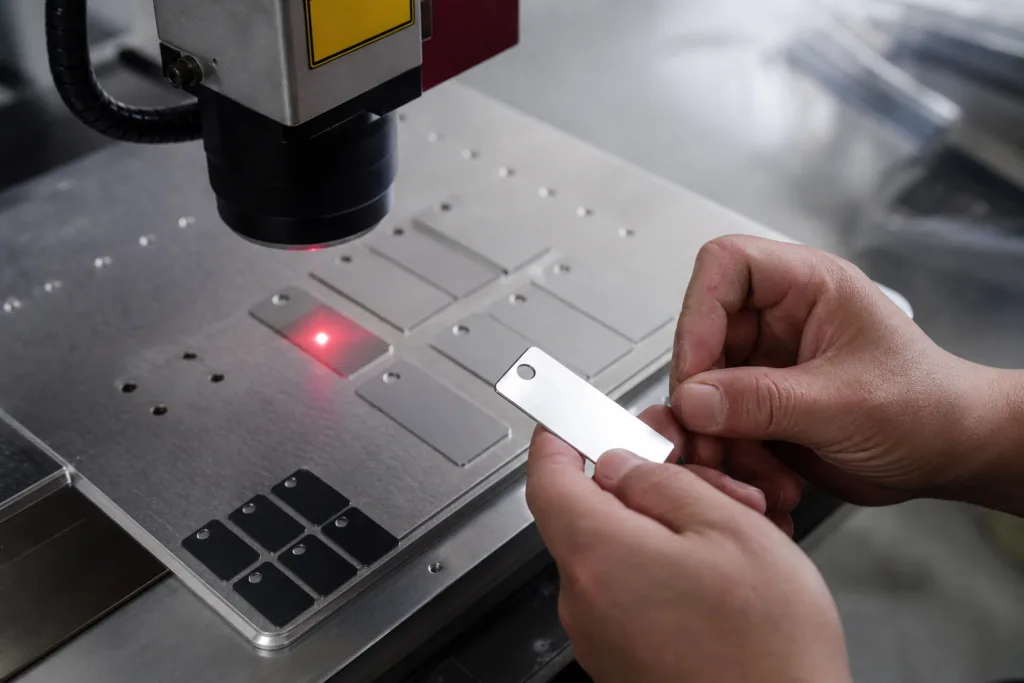
For smaller pieces, buyers who are comparing hardware styles across categories can also use this broader material and attachment guidance for small tags as a practical way to think through wear, mounting, and finish compatibility.
How schools use backpack tags for events and fundraising
Backpack tags are not only year-round items. They also fit short-cycle school programs well when planned clearly.
Fundraising campaigns
A fundraiser product needs a straightforward story. Families should immediately understand what the tag represents and why it is worth buying. Mascot shapes, school crests, student name options, or limited-edition event tags usually perform better than overly technical layouts.
Welcome kits and orientation
New student packs often need an item that is easy to distribute, practical, and school-branded without requiring size selection. A backpack tag works well here, especially when sorted by grade or advisory group.
Spirit weeks and house systems
Color-coded tags can reinforce teams, houses, or grade identity across a visible school campaign. That kind of program fits broader efforts around building relationships and belonging at school, especially when the tag is part of a larger participation activity rather than a stand-alone product.
Field trips, camps, and event IDs
Some schools want the tag to double as a simple identifier. In that case, layout discipline becomes more important than decorative detail. Optional contact fields or QR codes may help, but only if the information is kept concise and privacy concerns are considered appropriately by the school.
Artwork, personalization, and data setup
Personalized orders are usually where timelines become unstable if the setup is loose. Names, grades, teacher groups, initials, or class sections should be provided in a clean file format with one approved structure. The key is not only correct spelling. It is also consistent capitalization, spacing, special characters, and line length.
We recommend schools confirm these points before sampling or mass personalization:
- Final logo artwork in usable vector format when possible
- Exact school colors or closest production references
- List structure for names, grades, clubs, or house groups
- Rules for abbreviations and long names
- Whether duplicate names need extra identifiers
- Front and back content priorities
- Packaging format by class, teacher, or event group
In our custom metal tag production work, variable-data projects go much more smoothly when the buyer designates one person to approve the master list. Most production mistakes in personalized orders do not come from the tag process itself. They come from late data changes, mixed file versions, or unclear formatting rules.
Bulk ordering for schools
Schools and PTAs usually need a balance between affordability and control. That means the order plan should cover more than just unit price.
MOQ
Minimum order quantity depends on material, process, and how much setup is required. A simple standard-shape tag may support lower entry quantities than a fully custom-cut, personalized, multi-variant order.
Sampling
For school programs, sampling is often worth doing when the project includes custom shapes, color matching, or variable data. A sample helps confirm not only look, but also size, edge feel, hole position, and hardware fit on a real backpack.
Lead time
Lead time is affected by tooling, artwork revision rounds, data preparation, and packing requirements. Buyers should also account for school calendar pressure. Spirit weeks, fundraisers, admissions events, and start-of-term distributions usually have hard deadlines.
Packaging and sorting
This point is easy to underestimate. Bulk-packed tags may be fine for one-design fundraiser sales, but personalized student tags often need sorting by class, grade, or teacher. That labor should be planned before production, not after the cartons arrive.
When schools need structured support around material selection, variable data, finishing, and approval flow, UC Tag is typically involved at the stage where those details are translated into a manufacturable specification. That includes checking whether the tag shape works with the hole location, whether the chosen process fits the artwork, and whether the packing method matches the school’s distribution plan.
Quality control and safety considerations for student use
For student products, quality control is not just about appearance. It also includes consistency, handling safety, and attachment reliability. We pay close attention to edge finishing, burr removal, hole quality, hardware matching, marking clarity, and lot-to-lot consistency across the order.
Schools should ask practical questions such as:
- Are corners rounded or sharp?
- Are punched holes smooth and consistent?
- Will color, engraving, or print remain readable after daily rubbing?
- Is the chosen attachment method appropriate for the student age group?
- Can the order be packed by grade or class to reduce distribution errors?
Safety planning should also match the age of the users. Younger student programs may need simpler shapes, softer edge transitions, and attachment hardware that is easy for staff or parents to install correctly.
Common mistakes schools make when ordering custom backpack tags
Most problems are not caused by choosing the wrong product category. They usually come from details that were left vague.
- Choosing a decorative shape without checking where the hole will sit
- Adding too much text to a small tag
- Picking a finish based only on screen artwork
- Skipping a sample on a new custom design
- Sending personalization data in multiple file versions
- Ignoring packaging and classroom distribution needs
- Using hardware that is easy to detach during daily student use
These are preventable issues. The fix is early clarification. Let’s look at what actually affects the result: use environment, age group, visual goal, data requirements, and distribution method. Once those are clear, the manufacturing path becomes much easier to define.
How to choose the right metal tag manufacturer for a school spirit program
Schools do not need a generic merchandise supplier as much as they need a manufacturer that can explain trade-offs clearly. The right partner should be able to discuss materials, edge quality, personalization logic, attachment hardware, sampling, and packaging without forcing the school into a one-size-fits-all template.
Useful questions to ask include:
- Which material gives the right balance of weight, cost, and durability?
- Which marking method works best for names, logos, and school colors?
- How will custom shape cutting affect edge quality and hanging balance?
- What is the cleanest way to submit variable student data?
- Can the order be sorted for distribution by class or grade?
- What should be checked during sample approval before bulk production starts?
From our manufacturing perspective, the strongest school projects are the ones where the buyer and factory agree early on what the tag must do in real life, not just what it should look like in a mockup.
Conclusion
Backpack tags can be a practical school spirit product when the project is specified with daily use in mind. For schools, PTAs, and fundraising coordinators, the decision is not only about choosing a mascot or color. It is about matching material, marking method, shape, attachment, and packaging to the program goal. A simple fundraiser tag, a personalized student backpack tag, and a premium commemorative piece may all look related, but they should not be manufactured the same way. When those details are confirmed early, metal tags can support school identity, organize distribution more easily, and give families something more durable than a short-term novelty item.
Frequently Asked Questions
What material is usually best for school backpack tags?
For most school orders, aluminum or anodized aluminum is the most practical starting point because it keeps weight low, supports custom shapes and colors well, and is usually easier to manage for bulk budgets. Stainless steel is a better fit when the school wants a more rigid, premium-looking tag, while brass is usually reserved for commemorative or more decorative programs.
Can each backpack tag have a different student name or grade?
Yes, variable data is common in metal tag production, but the project runs much better when the school provides one clean master file with approved spelling, grade format, and abbreviation rules. In personalized orders, layout space matters, so long names and extra data fields should be reviewed early during artwork setup rather than added late.
Are printed school colors durable enough for daily student use?
They can be, but the right answer depends on the tag material, finish structure, and how much abrasion the tag will see on a backpack every day. If bright color is the priority, printing or color-filled designs may work well, but schools should confirm wear expectations and sample the final combination before bulk production.
What attachment method is safest and most practical for backpacks?
Split rings are the most common choice because they are secure and familiar, while clips are useful when the tag may need to move between bags. Ball chains and soft loops can work for lighter or shorter-term uses, but the school should choose hardware based on student age, how rough the daily use will be, and how easily staff or families can attach the tag correctly.
How far in advance should schools place a bulk backpack tag order?
Schools should build in time for artwork review, sample approval if needed, data cleanup for personalized tags, production, and packing by class or grade. Calendar-driven programs such as welcome kits, spirit weeks, and fundraisers usually need extra buffer because late artwork changes or list revisions can affect the production schedule more than buyers first expect.
What should schools approve before bulk production begins?
The approval should cover more than the graphic design. Schools should confirm material, thickness, size, hole position, attachment hardware, finish, readable text size, personalization format, and packaging method. In many projects, these physical details are what prevent problems during distribution or daily use.
Related Reading