Introduction: Unlocking Zinc Alloy’s Secret Role in 3D Logo Tags
Zinc alloy is more than just a buzzword in the world of metal tags—it’s the backbone of quality 3D logo tags for businesses, luxury goods, and creative industries alike. This versatile material supports intricate shapes, vivid finishes, and durability that set the standard for metal branding. In this comprehensive guide, you’ll discover the reasons why zinc alloy is the preferred choice for 3D logo tags, how it surpasses other metals, and what it means for your brand’s image—all from a hands-on manufacturing perspective.
Zinc Alloy Demystified: Why It’s the Top Choice for 3D Logo Tags.
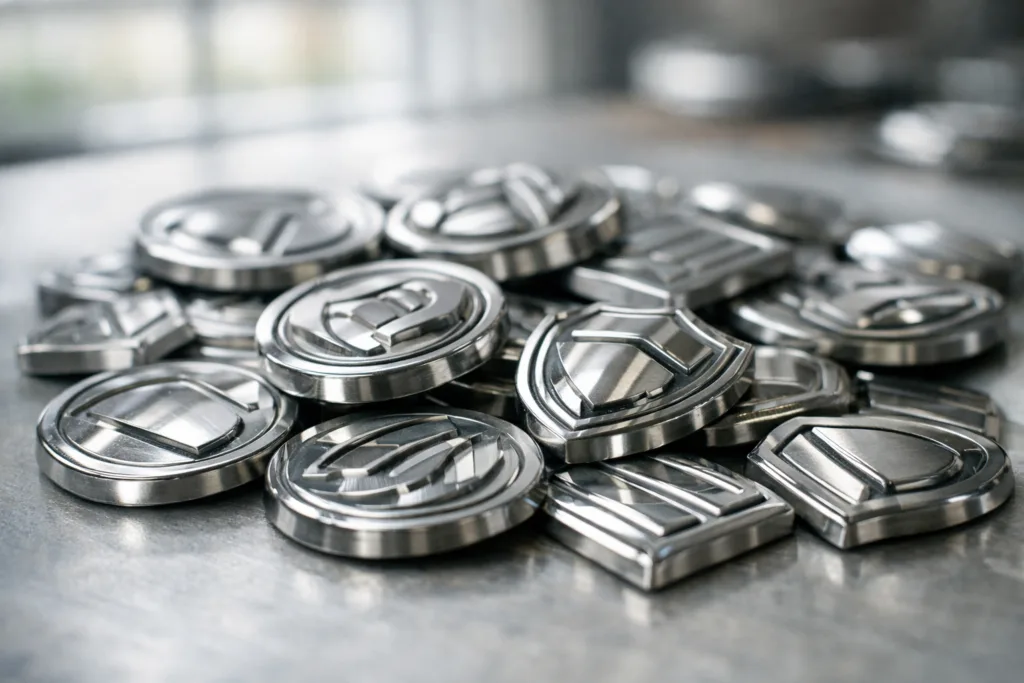
Zinc alloy has rapidly gained popularity in industrial design and branding for tags, especially 3D logo applications. Its unique blend of durability, design flexibility, and cost-effectiveness makes it a standout option. Whether you’re planning branded tags for luxury bags, sports apparel, or corporate gifts, zinc alloy delivers exceptional value and results.
What Is Zinc Alloy? The Science Behind the Material
Zinc alloy is a family of metals formed by combining zinc with elements like aluminum, copper, and magnesium. These combinations enhance strength, corrosion resistance, and casting capabilities. The result? A material that’s tougher and more adaptable than pure zinc or simple metals—ideal for logo tags.
How Zinc Alloy Compares to Other Metals: Aluminum, Brass, and Stainless Steel
| Material | Strength | Corrosion Resistance | Design Versatility | Price |
|---|---|---|---|---|
| Zinc Alloy | High | Excellent | Complex shapes possible | Moderate |
| Aluminum | Moderate | Good | Simple shapes | Low |
| Brass | High | Good | Limited detail | High |
| Stainless Steel | Very High | Excellent | Limited casting | High |
Compared to aluminum or brass, zinc alloy strikes a balance between cost, durability, and flexibility—often the best choice for detailed logo tags. For a deeper comparison specifically between brass and stainless steel in pet tags, check out Brass vs. Stainless Steel.
Core Properties: Strength, Hardness, and Impact Resistance
- Strength: Zinc alloy’s tensile strength supports small, thin features that won’t snap easily.
- Hardness: It stands up to wear and tear from daily use, bag pulls, or garment handling.
- Impact Resistance: Tag edges keep their shape under pressure.
Corrosion Resistance: Surviving Time, Weather, and Use
Zinc alloy contains elements that form a protective surface layer against moisture, salts, and chemicals, giving it excellent corrosion resistance. Unlike steel, it’s less prone to rust, and it stands up admirably to outdoor exposure and frequent handling.
Versatility: Why Zinc Alloy Enables Creative, Accurate Designs
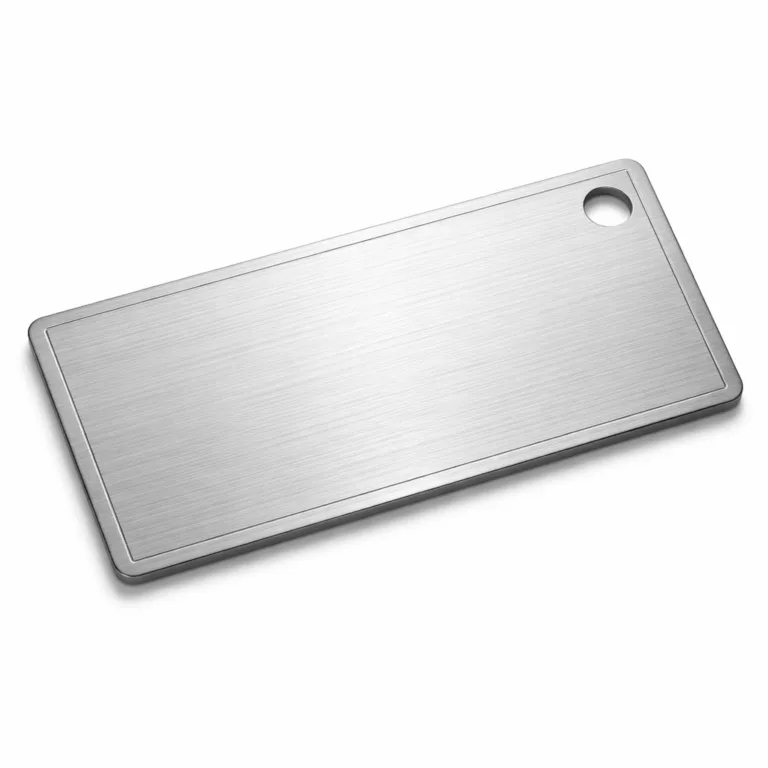
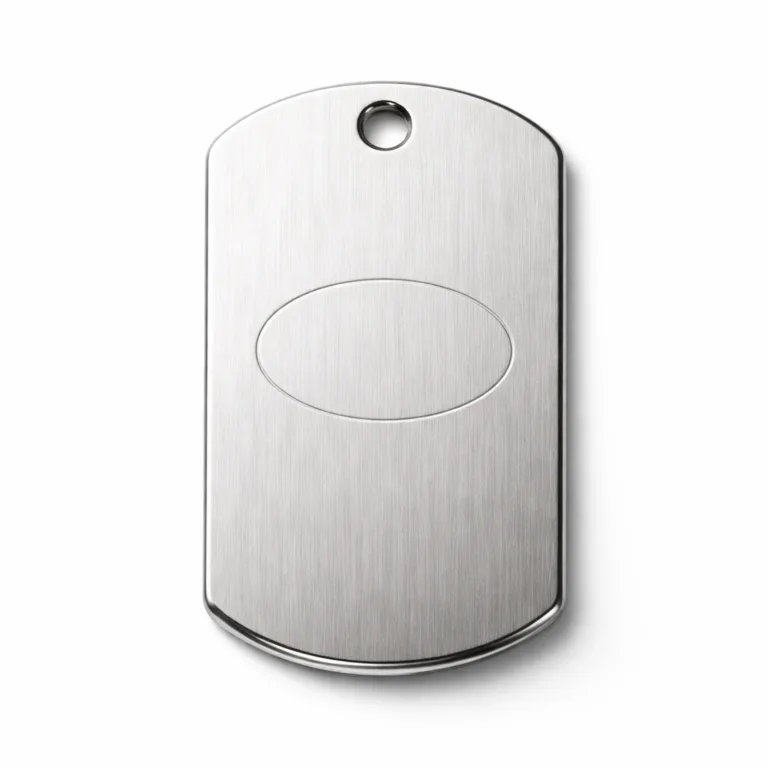
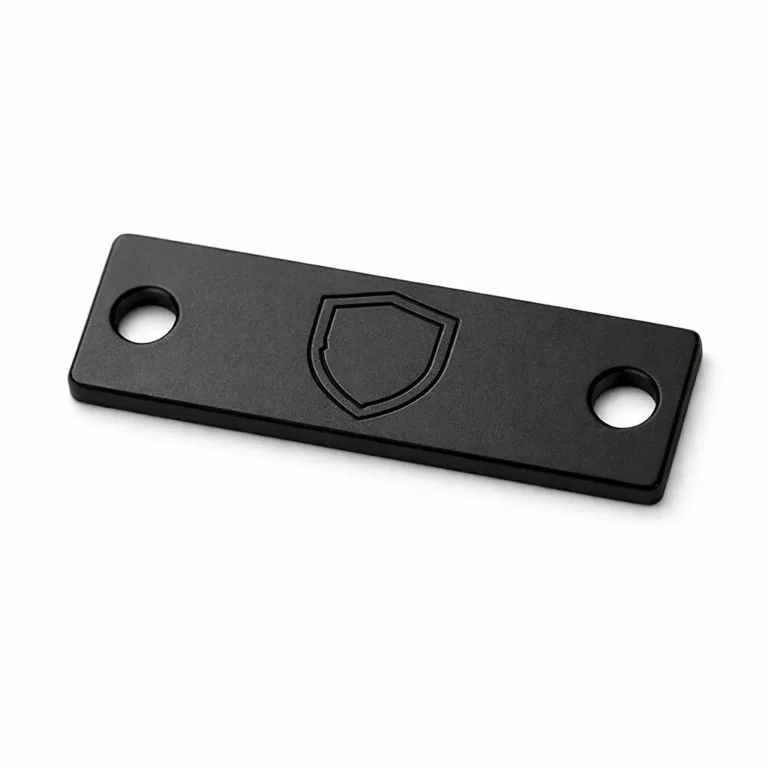
Zinc alloy can be cast into nearly any 3D shape, from sharp-edged shield emblems to ultra-smooth minimal logos. This flexibility opens up design possibilities that would be difficult or costly in other metals. For those focusing on fashion, custom clothing logo tags can benefit greatly from zinc alloy’s design freedom.
Applications Across Industries: From Apparel to Premium Luggage
- Fashion: Raised or recessed logos for clothing, hats, and bags
- Luggage: 3D branded badges for cases that travel with you
- Corporate Gifts: Complex company emblems for gift sets
- Sports Merchandise: Team logos in vibrant, multi-layer finishes
- Packaging: Custom tags for luxury boxes and product displays
Design Freedom: Achieving Intricate, Custom 3D Details
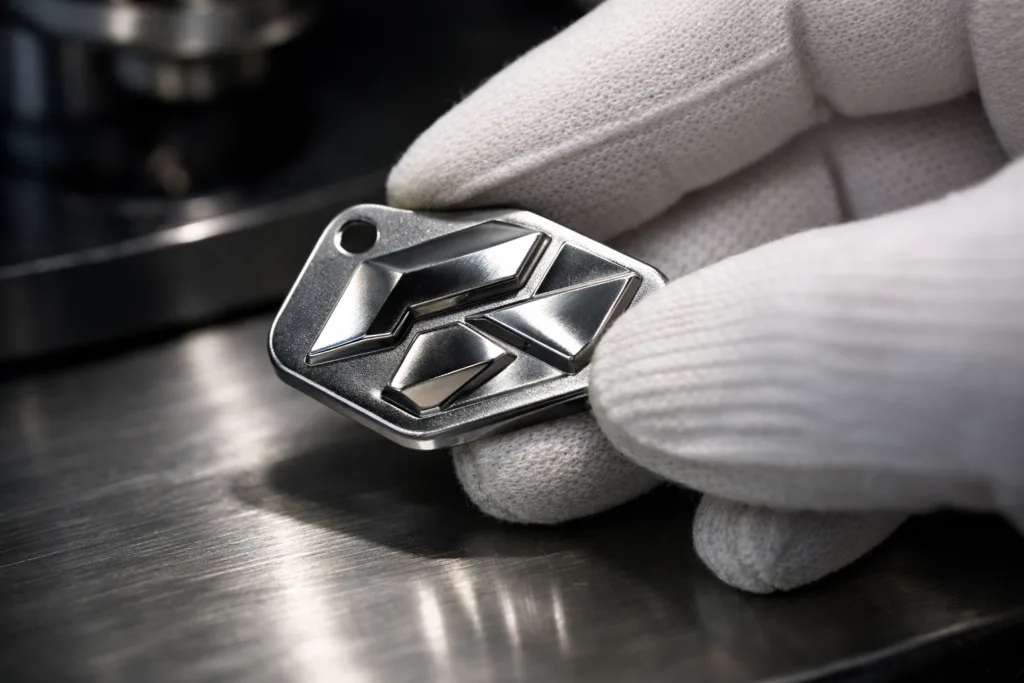
Zinc alloy stands out in its ability to reproduce fine lines, text, and multi-level surfaces. Logos with tiny lettering, layered graphics, or deep contours maintain crispness and legibility—even at small sizes. If you need help with artwork preparation for metal tags, see the guide on artwork prep for metal tags.
Finishes and Colors: From Antique to Glossy Nickel
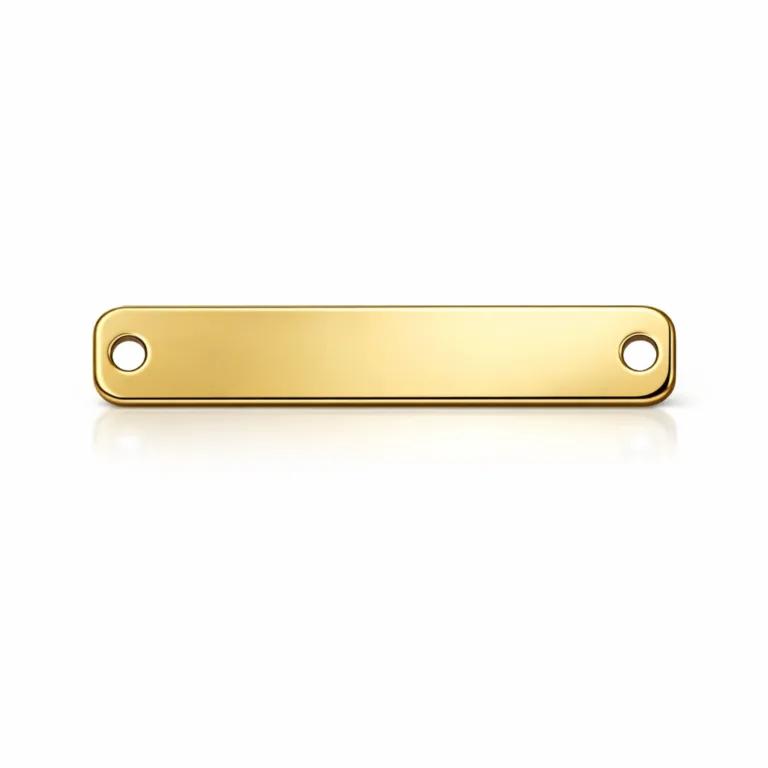
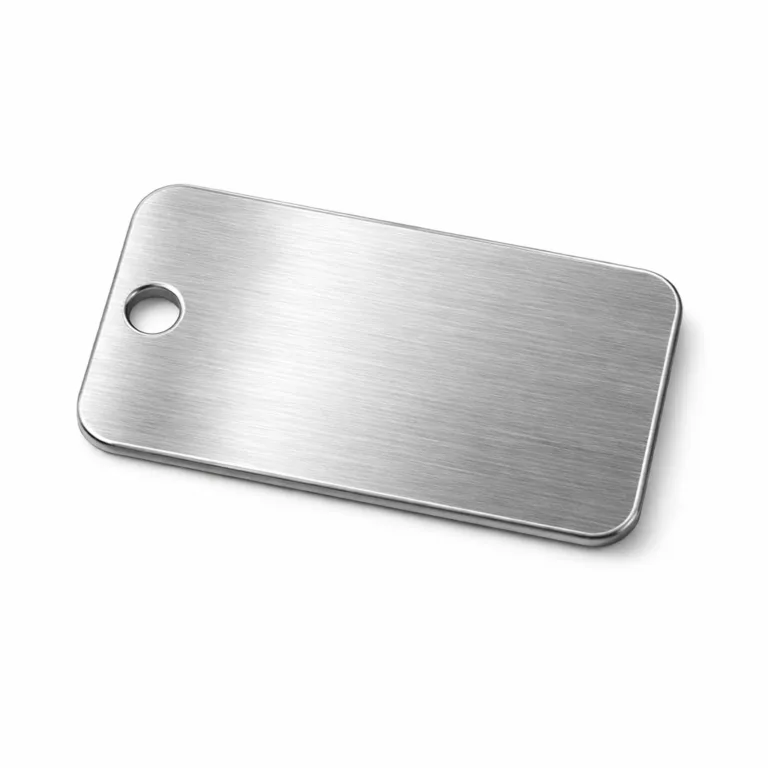
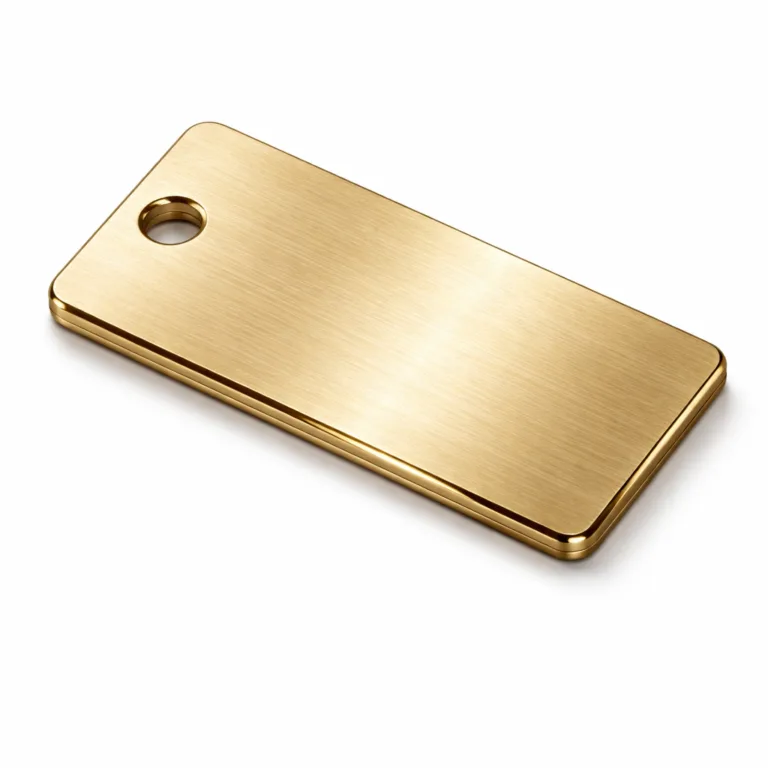
Surface treatment options on zinc alloy include glossy plating (nickel, gold, black), matte or antique finishes, and durable clear coats. Colored enamel fill is highly compatible for Pantone matching, making brand colors pop. For insights on matching colors on metal, explore Pantone matching for metal finishing.
Custom Textures: Sandblasting, Brushing, and Embossed Surfaces
You can add sandblasted backgrounds, brushed surfaces, raised or recessed areas for a tactile branding experience. Zinc alloy holds custom textures consistently across production batches.
Attachment Methods: Rivets, Sewing Holes, Adhesives, Split Rings
Zinc alloy tags are easily integrated with attachment solutions like sewing holes for garments, rivets for bags, adhesives for packaging, and split rings for keychains. Proper mounting prevents loss and enhances user experience.
Manufacturing Processes: Die-Casting, Deburring, and QC
Tags are mainly formed through high-pressure die-casting, allowing thick to ultra-thin profiles. Post-cast, edges are deburred for safe handling. Rain Chen, a veteran craftsman from UC Tag, highlights the importance of precise mold control: “Tight tolerances and even plating are critical—especially for multi-level logos. Good QC means checking every batch for corner burrs and surface uniformity before plating.”
Durability Testing: What Real-World Abuse Looks Like
- Scratch tests: Ensures surface treatments hold up
- Salt-spray trials: Confirms corrosion resistance
- Drop impacts: Checks for chips or warping
- Chemical exposure: Evaluates reaction to sweat, detergents, etc.
Zinc alloy tags consistently pass these everyday challenges in key industries.
Cost Efficiency: Balancing Quality and Budget
Zinc alloy sits between aluminum (cheap, limited detail) and brass/stainless steel (expensive, more for premium tags) for overall cost. Its castability and finishing options keep tooling and production expenses reasonable, even for custom orders and mid-sized batches. Bulk buyers can benefit from cost-effective solutions, as detailed in our custom metal logo tags manufacturing guide.
Eco-Friendliness: Recyclability and Sustainable Sourcing
Zinc is both widely recycled and environmentally safe. Many suppliers use recycled zinc alloy stock to cut environmental impact, while protective finishes are often low-VOC. For those looking for sustainability in metal tags, see the section on eco-friendly tags.
Brand Image: How Zinc Alloy Enhances Visual Appeal
Luxury and lifestyle brands depend on the premium look that 3D zinc alloy logos bring. High shine, sharp edges, and lasting color all feed into strong brand recognition. These tags look and feel expensive—without inflating costs. When combining finishes like black and gold, you get a timeless luxury impression (why black & gold are the ultimate luxury combo).
Typical Thickness and Sizing: What Buyers Should Know
Most zinc alloy logo tags range from 1.5mm to 4mm thick, with sizes from small badges (15mm) up to statement tags (50mm+). Thickness and size are tailored according to application—be it subtle branding for eyewear or bold badges for suitcases. For more guidance on sizing and weight, refer to our pet tag size & weight guide.
Advanced Features: QR Codes, Serial Numbers, and Custom Engraving
Zinc alloy tags can include laser-engraved QR codes, serial numbers for tracking, or micro-text for branding. The base material holds fine engraving without losing detail—a real advantage for smart tags and collectible badges. See examples of smart ID tag features in QR Code & NFC Dog Tags.
Common Challenges and Solutions in Zinc Alloy Tag Production
Though zinc alloy is forgiving, tight design features or extremely small logos may require deeper molds or extra casting QC. Rain Chen notes, “Pay close attention to line weights under 0.3mm—thin lines may not fill perfectly if the mold isn’t prepped diligently. Polishing before plating also minimizes micro-pits and keeps your logo flawless.”
Typical Applications: Where Do You See Zinc Alloy 3D Logo Tags Most?
- Luxury handbags & luggage
- Sports equipment & apparel
- Automotive brand plates
- Corporate giveaways and awards
- Fashion jewelry hang tags
- Limited edition game merchandise
Want to learn how branded tags transform different industries? Explore the impact of clan tags in gaming merchandise.
Comparison Table: Zinc Alloy vs. Other Popular Metals in Logo Tags
| Feature | Zinc Alloy | Aluminum | Stainless Steel |
|---|---|---|---|
| Complex Shapes | Excellent | Moderate | Fair |
| Color Options | Wide | Limited | Limited |
| Corrosion Protection | Strong | Fair | Excellent |
| Weight | Medium | Light | Heavy |
| Budget | Middle | Low | High |
Practical Tips for Buying Zinc Alloy 3D Logo Tags
- Specify details: thickness, finish, attachment style
- Request sample batches for quality review
- Check Pantone color matching capabilities
- Consider anti-corrosion coating options for outdoor items
- Ask suppliers about recycled material use
UC Tag Experience: Manufacturing Realities for High-Quality Zinc Alloy Tags
From mold creation to final QC, UC Tag’s production team prioritizes material integrity and defect-free surfaces. Rain Chen stresses: “Never assume all batches will plate the same—check plating thickness regularly. And for high-value items, always specify deburring standards to avoid snagged threads or sharp corners.” These insights ensure client designs are translated into beautiful, functional tags every time.
Key Questions to Ask Your Supplier
- Can you meet my design’s line weight and detail requirements?
- What finish options do you offer?
- Do you use recycled zinc alloy in production?
- How do you manage quality control for surface defects and edge uniformity?
- Which attachment methods are supported?
Conclusion: Why Zinc Alloy Is the Smart Choice for 3D Logo Tags
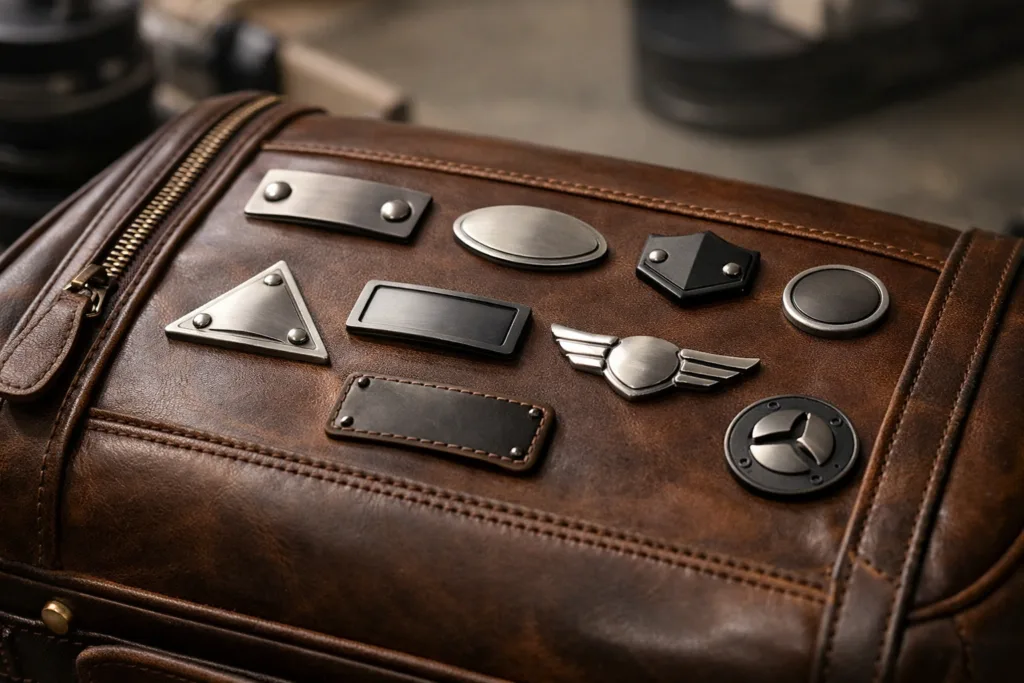
Zinc alloy bridges the gap between durability, design flexibility, and economic value—making it a winning choice for 3D logo tags in almost every industry. Its ability to handle complex designs, withstand everyday abuse, and present luxury finishes ensures your brand looks sharp, season after season. Whether you’re customizing tags for a new fashion line, upgrading bag badges, or creating promotional emblems, zinc alloy delivers both aesthetic excellence and practical strength. Consider it the industry’s secret weapon for memorable, lasting 3D logos.
Frequently Asked Questions
Why is zinc alloy preferred for 3D logo tags?
Zinc alloy combines strength, design flexibility, and cost efficiency—enabling intricate, lasting 3D logos with premium finishes.
Does zinc alloy rust or corrode easily?
No, zinc alloy is naturally corrosion-resistant, especially when coated, making it ideal for durable tags exposed to moisture and wear.
Can zinc alloy tags replicate detailed graphics and tiny text?
Absolutely. Zinc alloy can be cast into sharp, multi-level logos and fine engravings, allowing accurate brand representation.
How does zinc alloy compare in price to other metals?
It’s more affordable than brass or stainless steel while offering more detail and durability than aluminum.
Are zinc alloy tags recyclable or eco-friendly?
Yes, zinc alloy is widely recycled, and many suppliers offer options using recycled material and low-VOC finishes.
Which finishes are available for zinc alloy logo tags?
Popular finishes include nickel, gold, black plating, antique textures, and custom color enamel fills for vibrant branding.
Related Reading
- Custom Metal Logo Tags: Full Manufacturing and Finish Guide
- Brilliant Brand Colors on Metal: How Pantone Matching Works
- Going Green: Eco-Friendly Metal Tags and Sustainable Choices
- Making Fashion Stand Out: Custom Metal Clothing Logo Tags Explained
- Mastering Vector Art and Line Weight for Sharp Logo Tags
- Revolutionizing Esports Identity: Clan Tags in Gaming Merchandise