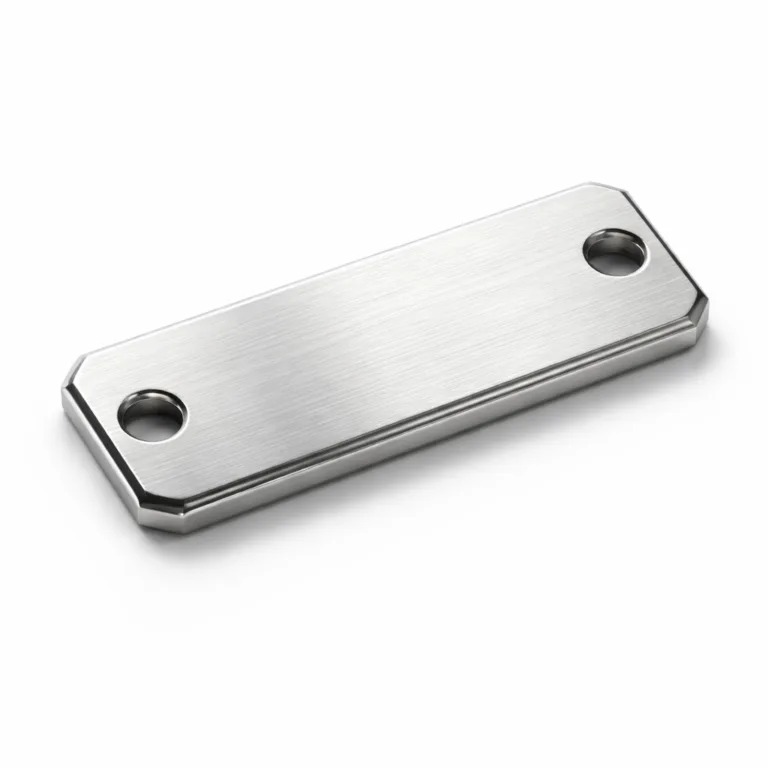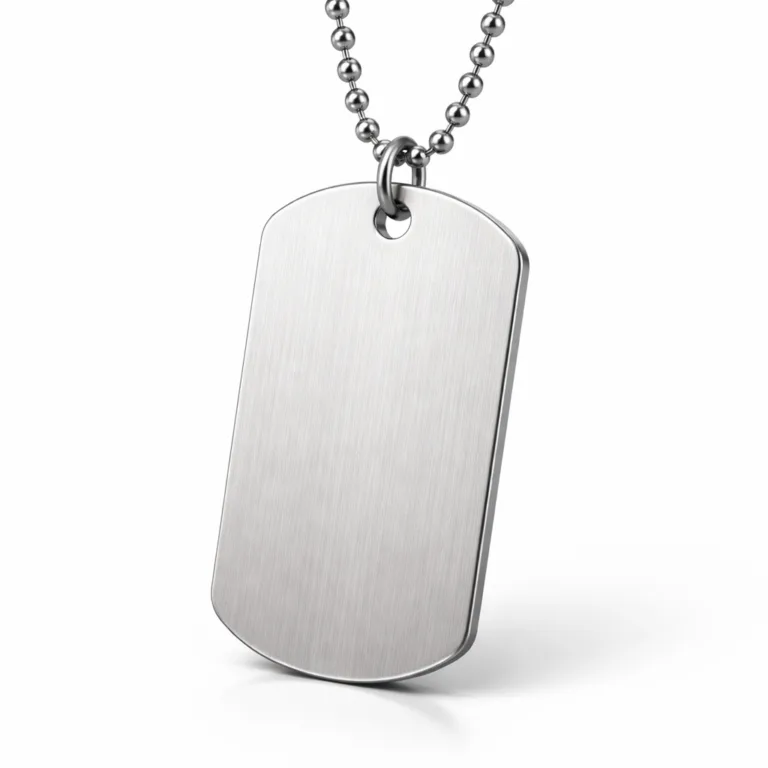
Introduction to Luggage Tag Security
Luggage loss and theft are persistent problems for travelers and organizations handling large volumes of baggage. Airports, hotels, logistics companies, and even event organizers face daily challenges keeping property clearly identified and secure. A tiny tag loss can mean a major headache, ranging from delays and replacement costs to potential reputational damage.
For decades, basic plastic loops and leather straps have been the go-to attachment for traditional luggage tags. However, these materials are easily torn off or unclipped—often failing at the most critical moments. This growing concern has fueled demand for more robust solutions like wire cables, which have rapidly earned a reputation as the heavy-duty answer for luggage tag security. These reinforced attachments offer a reliable way to keep tags securely fastened during the rigors of transport, no matter the environment.
This article explores why wire cables are transforming luggage tag security for industries where durability, readability, and tamper-resistance are paramount. We’ll examine the advantages of wire cable attachments, compare materials, and provide a practical checklist for buyers. Expect tips for choosing options suited to your needs—and insights drawn directly from manufacturing experience. Whether you’re an engineer specifying hundreds of tags or a buyer for a travel brand, understanding wire cables can help you prevent costly losses and safeguard your assets.
Understanding Wire Cables in Tag Security
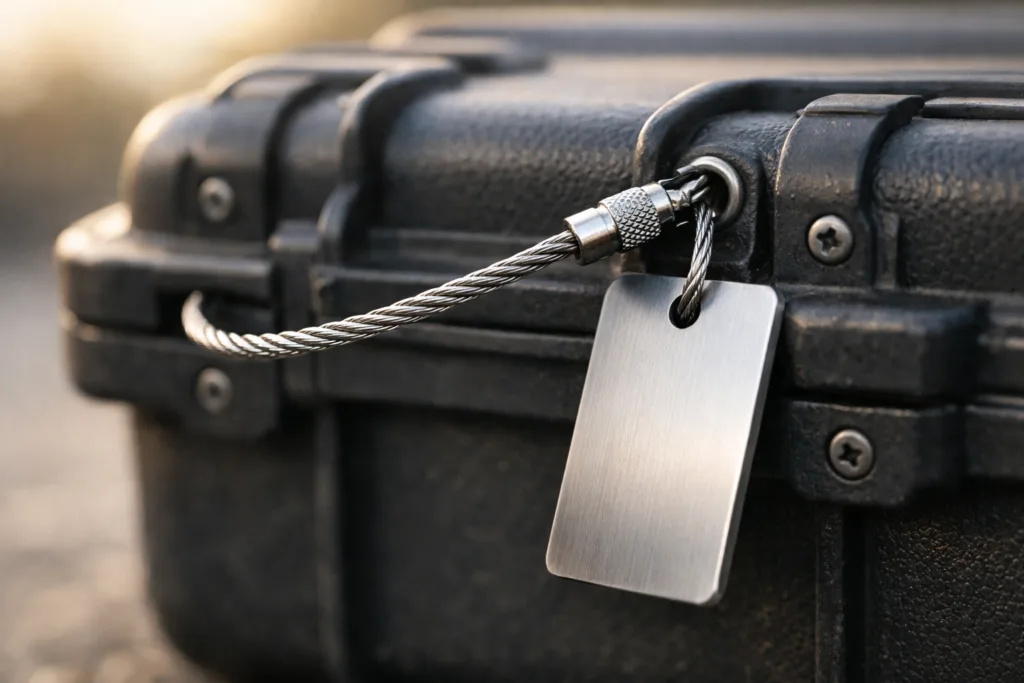
Wire cables play a critical role in elevating luggage tag security beyond what conventional attachments can offer. At their core, wire cables are flexible strands—usually of twisted or braided metal—designed to connect tags to luggage, equipment, or personal items. Their diameter generally ranges from 1 mm (fine for small tags) up to 3 mm or more (for heavy-duty or industrial tags).
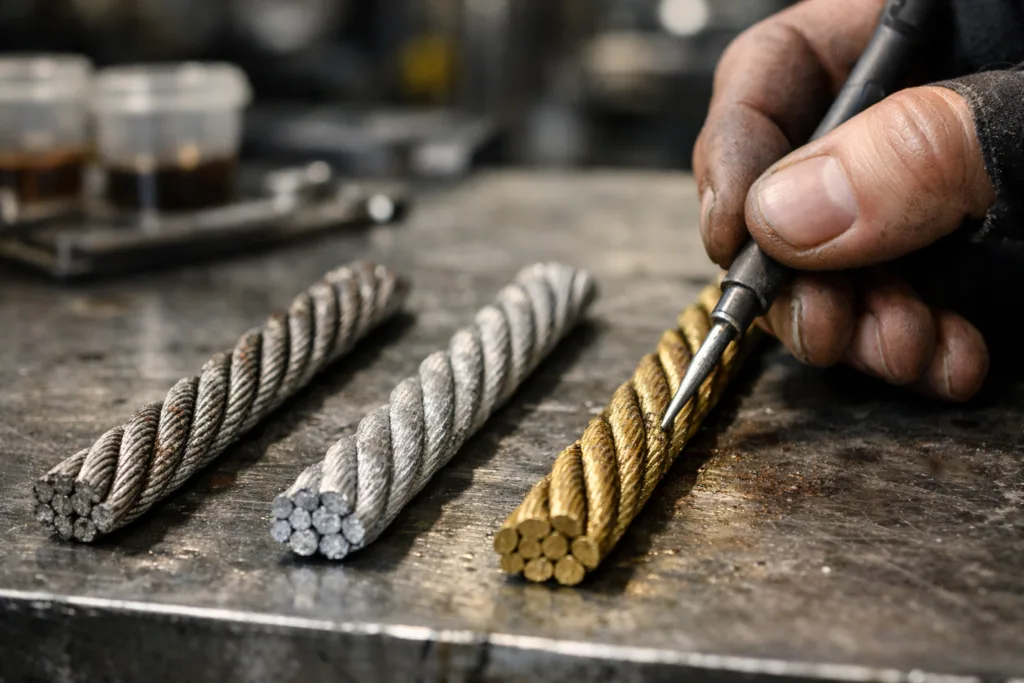
Commonly used types include stainless steel cables (either bare or plastic-coated for abrasion resistance), galvanized steel, and sometimes lighter-duty aluminum or brass cables. Some feature threaded barrel connectors or looped ends secured by crimps, providing quick attachment and removal without the risk of accidental detachment. Plastic-coated options are especially valued for environments where surface scratching or corrosion could be an issue.
The main advantage of wire cables over classic loops, split rings, or fabric straps is superior tensile strength. A robust steel cable can withstand hundreds of pounds of force—far exceeding the strength of leather, vinyl, or even most rigid plastic connectors. This resilience ensures tags remain secure, even under rough handling during shipping or baggage transfers.
Wire cables are also engineered for long-term outdoor use, resisting fraying, cracking, and the effects of oils or moisture. While steel variants tend to be slightly heavier than fabric or plastic options, the additional weight is negligible for tag-size cables and is a worthy trade-off for enhanced security and application versatility.
- Superior resistance to accidental snags, tampering, or deliberate removal
- Minimal added weight for maximum durability
- Compatibility with a wide range of metal, plastic, or composite tags
- Available in custom lengths, materials, and finishes
Comparing Materials for Wire Cables
When choosing wire cables for luggage tag security, the base material directly affects strength, corrosion resistance, and visual appeal. The most common choices for tag applications are aluminum, stainless steel, and brass—each bringing distinct performance characteristics.
Stainless steel wire cables are the gold standard for durability. Their high tensile strength allows them to withstand aggressive pulls and bending, a necessity for luggage that may be tossed, pulled, or dragged. Stainless steel’s innate corrosion resistance makes it ideal for environments exposed to moisture, salt, or chemicals—such as airports, ports, outdoor events, or field operations.
Aluminum wire cables offer another practical solution. While generally lighter than steel, aluminum provides good oxidation resistance and is less likely to add bulk to ultra-slim tag designs. However, aluminum is less elastic and has lower tensile strength, so it’s best for applications where weight is a critical factor, and extreme durability is not the top concern.
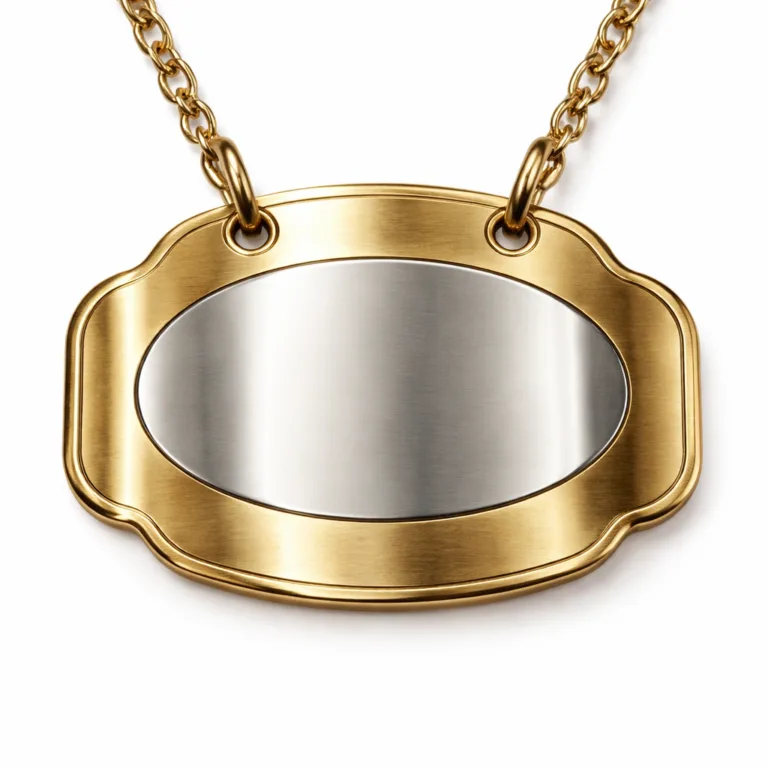
Brass wire cables stand out for their striking gold-like appearance and inherent resistance to rust. While not as strong as stainless steel, brass is more flexible and can be crimped or shaped more easily during custom work. This makes it a desirable choice for luxury bag tags, keychains, or situations where aesthetics and moderate durability are needed.
| Material | Corrosion Resistance | Tensile Strength | Weight | Finish Options | Application Example |
|---|---|---|---|---|---|
| Stainless Steel | Excellent (salt, water, chemicals) | High | Medium | Matte, brushed, polished | Industrial, travel, outdoor logistics |
| Aluminum | Good (oxidation resistant) | Medium | Low | Colored anodized, matte | Travel retail, lightweight luggage tags |
| Brass | Very good (rust-resistant) | Medium-Low | Medium | Polished gold, vintage | Luxury, hospitality, keychains |
Beyond performance, material influences finish options. Stainless steel can be polished to a mirror shine or bead-blasted for a matte look. Aluminum supports vibrant anodized colors. Brass is often polished, antiqued, or lacquered for a classic look—perfect for high-end branding.
Practical considerations matter. For example, airport ground staff favor stainless steel for rough baggage handling, while corporate gift buyers may select brass for elegant tag finishes. For more on the impact of finish type, see the guide to brushed texture luggage tags.
Manufacturing Methods for Wire Cables and Tags
The way a tag and its wire cable are manufactured can make or break long-term luggage tag security. Three primary methods are used: stamping, laser engraving, and chemical etching. Each method influences durability, legibility, aesthetics, and cost.
Stamping involves pressing characters or logos into metal using high force. It produces deep, wear-resistant markings perfect for high-volume runs, but is less suitable for ultra-fine details. Stamped tags pair well with thick-gauge wire cables, supporting industrial identification solutions where long life is non-negotiable.
Laser engraving vaporizes material with precision, enabling crisp fonts, barcodes, logos, or even micro text. It is excellent for asset tags, luggage, or branded plates needing ultimate legibility. Laser methods are ideal for custom, small- to medium-volume jobs, though their surface marks can wear faster if exposed to severe abrasion, unless the tags are further protected with anodizing or coating.
Chemical etching can achieve intricate designs and recessed graphics, leaving a smooth finish. While more process-intensive, it’s often chosen for detailed logos and decorative tags. Readability is excellent when etched regions are filled with enamel paint or contrasting backgrounds.
Manufacturing impacts everything from quality control to lead time. At UC Tag, Rain Chen applies a hands-on approach during QC: “A tag is only as good as its weakest process step. If the cable is too thin or a font is too shallow, durability and security suffer.” High-volume stamping is economical, but set-up costs are higher for smaller batches. Laser and etching suit businesses needing frequent design changes.
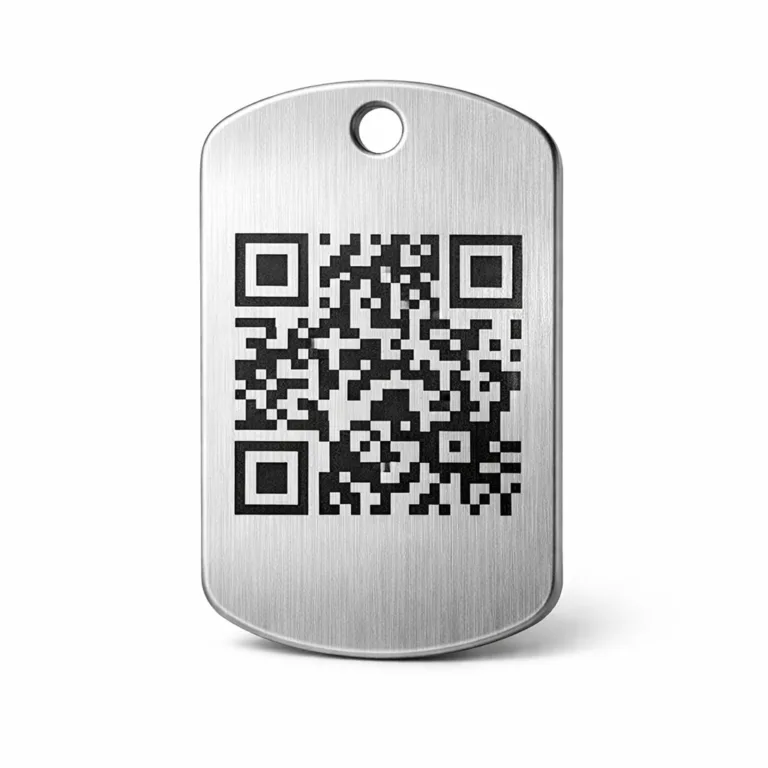
Customization options abound—including tag shape, cable length, and connector type. Some industries require unique features like sequential serial numbers, QR codes, or compliance engravings. Each adjustment affects cost and turnaround time, which is why artwork approval and sample runs are vital steps. For specialized attachments, read the practical guide on securing metal nameplates with the right rivets.
Design & Specification Checklist for Wire Cable Tags
An effective wire cable tag must balance form, function, and environmental fit. Specifying the right dimensions and features is critical, from slim carry-on ID plates to industrial asset tags built for the field.
- Dimensions: Standard tag sizes range from 30x50mm to 38x70mm, with cable diameters commonly at 1.5-2mm for general use. For heavy equipment, thicker cables (≥2.5mm) may be preferred. Always match cable length to tag and application—too short restricts movement, while excess length can snag.
- Thickness: Tag plate thickness from 0.8 mm (lightweight) to over 2 mm (premium/hardwearing) ensures longevity and optimal engraving or stamping depth.
- Finishes: Select from matte, brushed, or polished for durability. Anodized aluminum protects against scratches and color fade. PVD or lacquered brass adds luxury and corrosion shielding.
- Attachments: Cable loops, crimps, threaded closures, or swaged ends. For fixed attachment points or where rivets are needed, ensure tag holes are the correct diameter and spacing. See the engraved address luggage tag for riveted examples.
- Readability: Choose easily legible sans-serif fonts, with character heights above 3 mm for field-utility tags. High contrast fill or deep engraving prevents wear-based fading.
- Tolerances: Industrial tags should maintain tight tolerances, especially for fit (±0.1 mm on holes and +0/–0.2 mm on overall plate size) to minimize vibration and prevent accidental detachment in harsh settings.
For buyers needing a quick reference, see the table below:
| Specification | Standard Range | Typical Use | Notes |
|---|---|---|---|
| Tag Size | 30x50mm–38x70mm | Luggage, asset, keychains | Custom sizes available |
| Cable Diameter | 1mm–2.5mm | Travel, light industrial | Thicker for heavy use |
| Finishes | Matte, polished, anodized | Branding, wear-resistance | Match to material |
| Font Size | ≥3mm height | Asset tracking, logistics | High-contrast for visibility |
| Tolerance | ±0.1mm holes, ±0.2mm plate | Industrial, outdoor | Reduces vibration issues |
Assessing Durability and Testing Standards
For rugged luggage tag security, simply choosing a strong wire cable isn’t enough—real-world durability testing is vital. Leading buyers look to specific industry standards to qualify materials and manufacturing processes that ensure tags and cables hold up under harsh use.
Corrosion resistance is tested using salt spray chambers, per ASTM B117 or similar standards, to simulate years of exposure to moisture and salt air. Acceptable results over 48–168 hours indicate a tag is ready for travel, maritime, or industrial outdoor demands. On a practical note, stainless steel and anodized aluminum cables consistently outperform unprotected steel or inexpensive alloys.
Abrasion testing evaluates how well tag markings, finishes, and wire sheaths resist rubbing, friction, or scraping—key for baggage passing through conveyor belts and bulk handling. Asset tags that survive thousands of abrasion cycles maintain vital identification for longer, reducing costly reissues for operators.
UV resistance is essential for tags used in sunlight, preventing color fade and material breakdown. High-quality anodized or coated tags can maintain legibility and surface finish even after years outdoors. For more details, see the masterclass on UV resistance for outdoor tags.
Case studies show why skimping on durability is a false economy. In one airline deployment, tags with poor-quality steel cables failed salt spray testing, rusted within months, and resulted in hundreds of lost bag claims. In another industrial case, low-contrast laser markings faded after routine abrasion, making equipment unidentifiable and prompting operational delays.
Rain Chen of UC Tag adds, “Never assume a visual inspection is enough. We’ve seen ‘good’ tags fail when exposed to a real logistics chain—only comprehensive testing uncovers design weaknesses.” Building in extra safeguards and checks in your specification pays for itself in lost tag prevention and operational peace of mind.
Industry Applications of Wire Cable Tags
The versatility and reliability of wire cables have secured their place across countless industries requiring durable identifiable markings. Here are some standout applications and real-world results:
Travel and tourism: Airlines, hotels, and luggage brands depend on wire cable tags for checked bags, crew gear, and VIP luggage. Premium hotels often offer branded metal tags with steel cable loops, creating both a luxury feel and a practical, theft-resistant solution for frequent guests.
Logistics and shipping: In freight forwarding and warehousing, wire cable tags identify pallets, cases, and assets that may change handlers multiple times. Here, cable-secured tags prevent accidental tag loss and deliberate tampering, aiding inventory traceability and reducing costs from misplacement.
Event management: Events and expos use customized wire cable tags for crowd control, restricted area passes, and branded souvenirs. The tamper-evidence of a wire cable helps ensure ID cannot be transferred or faked.
Manufacturing and asset management: Factory equipment, industrial tools, and field assets need highly durable tags that can weather abrasion, solvent splashes, and vibration. Wire cable attachments ensure that asset IDs stay affixed for annual audits or maintenance schedules.
A leading international airport switched from standard PVC tags to stainless steel wire cable tags for critical staff equipment. Reports showed zero tag losses in a full year—contrasting with a 5% attrition rate using traditional loops. Similarly, a freight carrier saw asset misplacement cut in half upon adopting wire cable tags with tamper-resistant crimps for high-value shipments.
Hospitality clients have praised the elegant look of brass cable tags on premium bags and key fobs, noting both brand impact and real theft deterrence. For a closer look at how finish affects both form and function, browse our overview on gold-plated luggage tags.
Common Mistakes in Luggage Tag Security Implementation
Implementing luggage tag security with wire cables isn’t foolproof if common pitfalls are neglected. One major misstep is selecting the wrong material for the application. For instance, a non-coated steel cable may quickly rust on maritime equipment, leading to early failures. Always match the material to the environment it will face.
Design flaws can undermine readability. Fonts that are too small, low-contrast markings, or shallow engraving mean tags quickly become illegible after repeated handling. Avoid over-embellished designs and prioritize practical typefaces and adequate font size for field use.
Another error is neglecting attachment quality—using adhesives or connectors not rated for the tag’s operational context. If a luggage tag is only glued to a case, or uses a cable that can unscrew or snap open too easily, security is compromised. Consider mechanical fastenings or tamper-evident crimps for mission-critical tags.
Ignoring environmental stress is risky. High humidity, chemicals, temperature swings, or UV exposure all stress cables and tag plates. Environmental neglect can mean rapid deterioration and unexpected loss. For guidance on smart adhesive use, see how 3M adhesive backings enhance tag durability.
Troubleshooting tips: always benchmark with a sample batch. Test real cable strength, rust resistance, and font contrast under use. A quick field trial can reveal weak points before expensive mass deployment.
Ordering Guide for Wire Cable Tags

Ordering wire cables with tags for industrial, commercial, or travel needs is straightforward if you follow a few key steps. Minimum order quantities (MOQ) typically start at 100–500 pieces for custom work, but can vary with material or finish. Lead times are usually 2–4 weeks after final artwork approval, though complex designs or bulk quantities might require more time.
Submitting clear artwork (preferably in vector format) is critical. Most manufacturers, including UC Tag, provide a digital proof for approval before production. This helps catch design or tolerance issues early on. For first-time buyers, requesting standard samples is wise—this gives a baseline for finish, weight, font sharpness, and attachment function before scaling up.
Packaging options vary. For brand-focused or luxury deployments, consider individual pouches or protective sleeves. Industrial suppliers may prefer bulk packaging with serial number tracking. Shipping options range from bulk freight for large orders to express courier for samples or urgent jobs.
Multiple customization choices exist: specify tag size, thickness, cable type and length, as well as finish (e.g., anodized, lacquered, brushed metal). Don’t forget cut-outs, serial numbering, QR/barcode marking, or unique cable connectors if the mission requires it. Need help choosing the right metal + finish? UC Tag can recommend options for your application.
FAQs on Wire Cables and Luggage Tag Security
How long do wire cable luggage tags typically last?
Well-manufactured wire cable tags using stainless steel or anodized aluminum can last for years, even under heavy handling and outdoor exposure, especially if regularly checked for damage.
What industries benefit most from wire cables for luggage tag security?
Airlines, logistics, manufacturing, hospitality, event management, and any field requiring high-durability asset or luggage identification use wire cables for secure, long-lasting tagging.
How can I maintain and clean my metal luggage tags?
Wipe tags and cables with a damp cloth to remove dirt; use non-abrasive cleaners for tougher stains, and check cable integrity regularly, especially after exposure to salt or chemicals.
Are there weight limits for wire cable tags on different luggage types?
Wire cable tags add minimal weight but are best matched to the size and expected stress of the luggage; higher-gauge cables are available for large or heavy-duty cases and industrial assets.
Can I customize wire cable tags and get a proof before production?
Yes, most manufacturers offer multiple customization options and provide digital proofs or physical samples for approval prior to mass production to ensure requirements are met.
What should I know about lead times and pricing for bulk orders?
Standard lead times run two to four weeks after approval, with pricing depending on material, finish, order quantity, and customization; discounts often apply for larger volumes.
Related Reading
- Choosing the Optimal Luggage Tag Thickness: Durability & Material Tips
- How Salt Spray Testing Ensures Long-Lasting Marine & Outdoor Tags
- Supercharge Tag Durability: The Power of Professional 3M Adhesive Backings
- Stop Color Fading: Mastering UV Resistance for Metal Tags
- Keep Your Luggage Tags Flawless: Benefits of Brushed Textures