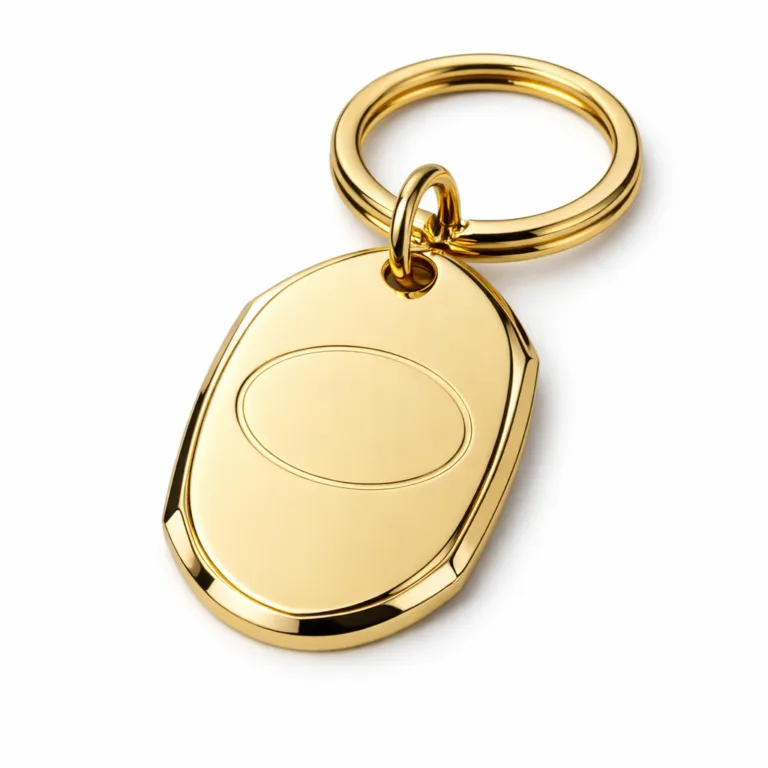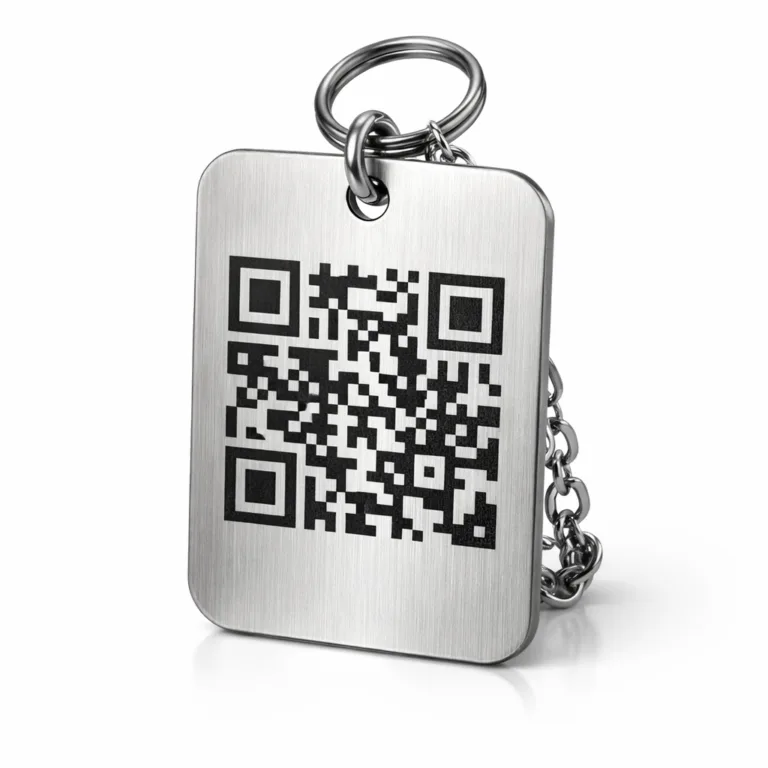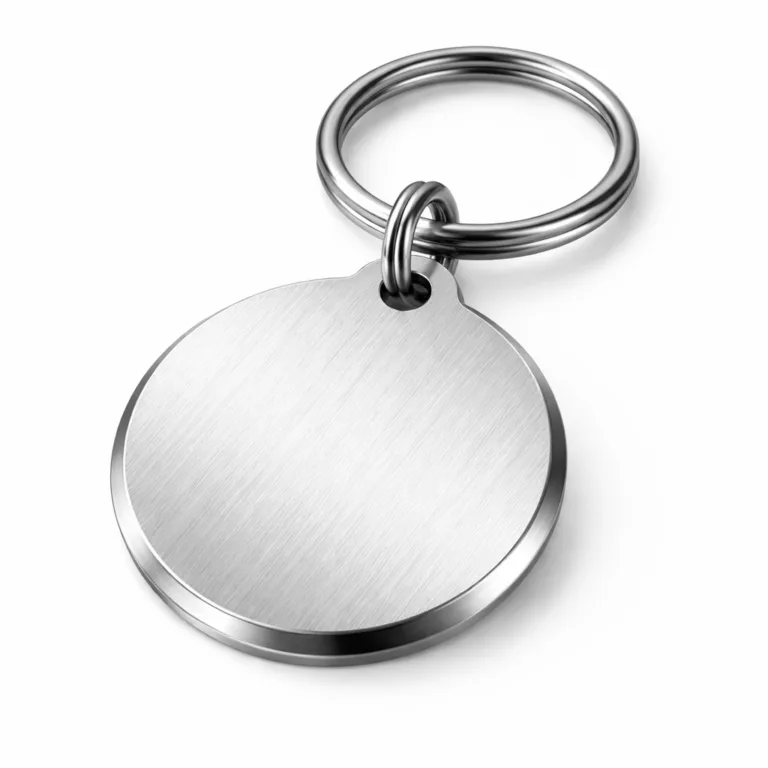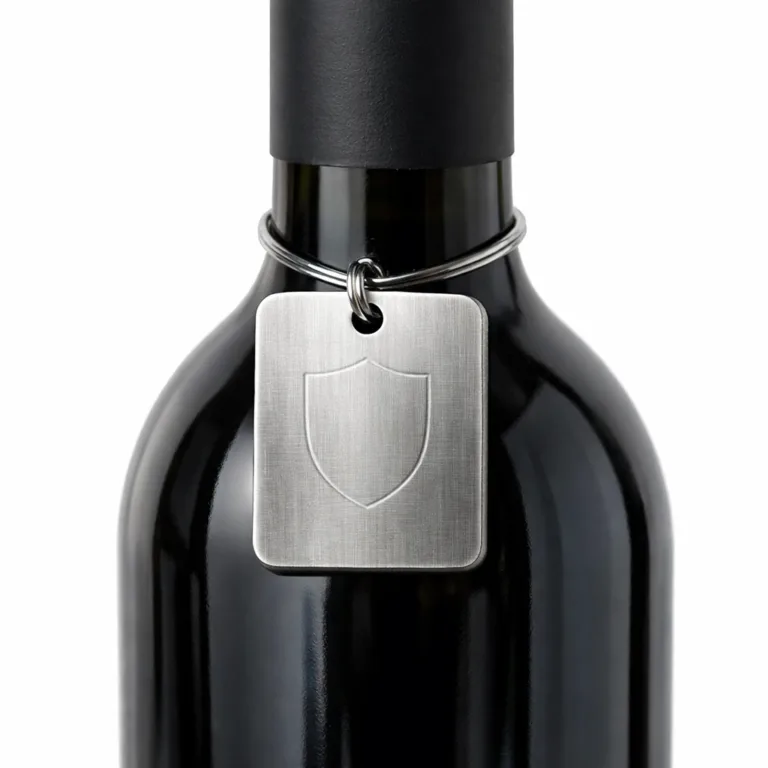
When buyers ask where to get dog tags made, they are usually not just looking for a website that can print a product name on metal. They are trying to reduce sourcing risk. They want to know whether a supplier can actually manufacture custom dog tags to the required material, marking, durability, packaging, and delivery standards. For B2B buyers, that means comparing production capability, customization depth, sample control, data accuracy, and consistency in bulk orders rather than judging a supplier by catalog photos alone.
If your project requires durable tags with custom shapes, engraved data, color fills, serial numbering, or private packaging, reliable custom dog tag manufacturing support matters early in the buying process. At UC Tag, we help buyers evaluate material choices, engraving or stamping suitability, hole placement, attachment options, sample review, and bulk production planning so the finished tags match the actual use case instead of looking acceptable only in a quotation sheet.
What buyers really mean when asking where to get dog tags made
From our manufacturing perspective, this question usually has five hidden parts: who really makes the tags, what material options are available, which marking method will stay readable, how flexible the customization is, and how reliably the supplier can repeat the result in volume. A buyer sourcing for a pet brand, military-style souvenir line, luggage accessory business, or promotional campaign will have different requirements, but the evaluation logic is similar.
A practical supplier comparison should include:
- Whether the supplier is a direct manufacturer or a trading middle layer
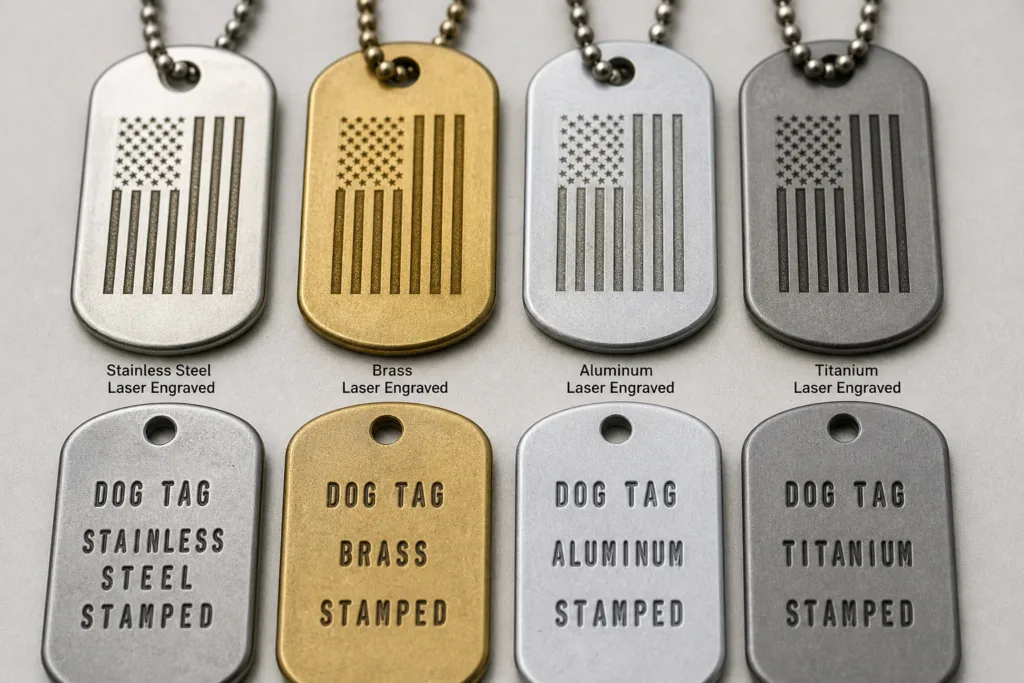
- Material range such as aluminum, stainless steel, brass, and anodized aluminum
- Marking options including laser engraving, etching, stamping, embossing, and printing
- Ability to manage custom data, serial numbers, or variable text
- Sample policy and revision process before mass production
- Lead time realism, MOQ structure, and packaging support
- Quality control checkpoints for edge quality, legibility, and attachment fit
That is why many buyers move beyond simple price comparison and start reviewing a supplier’s broader custom metal tag solutions. The more specialized the application, the more important it becomes to confirm that the supplier can support both the tag itself and the production details around it.
The difference between a reseller and a true custom dog tag manufacturer
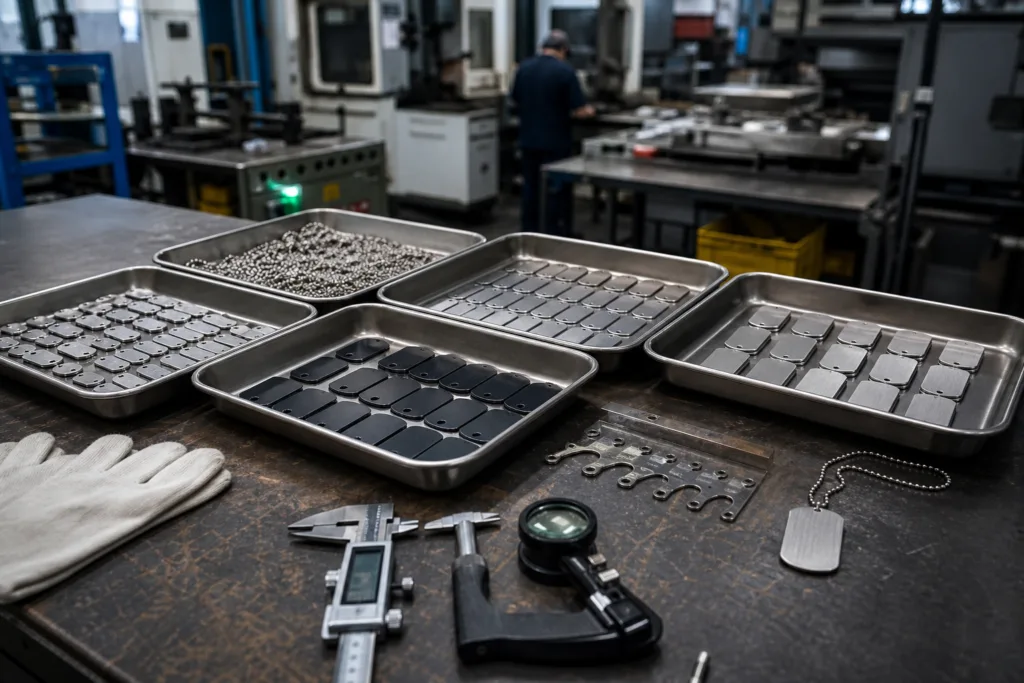
One of the first checks is whether you are dealing with a true manufacturer. A reseller may provide a convenient quotation process, but often has limited control over materials, tooling, production scheduling, inspection, and problem correction. If you need custom thickness, special cutouts, exact engraving depth, serial data handling, or branded packaging, the limitations usually show up after the order starts.
A manufacturer should be able to explain:
- Which processes are performed in-house and which are outsourced
- What metals and thicknesses are regularly processed
- How artwork is reviewed before production
- How variable data files are checked for numbering accuracy
- What inspection points are used during and after production
- How sample signoff links to bulk production control
When buyers review factory capability, it helps to use a structured audit mindset rather than relying only on sales statements. Even basic supplier evaluations benefit from recognized factory audit guidelines when checking process control, documentation, and consistency. The goal is not to demand a complex formal audit for every project, but to verify that the supplier has a repeatable way to review jobs, control revisions, and inspect output.
Start with your use case before comparing factories
Not every dog tag project should be built the same way. The right supplier for pet ID tags may not be the right one for military-style tags, and a factory that handles souvenir embossing well may not be ideal for industrial data tags with serialized content.
Pet tags
Pet tags prioritize day-to-day abrasion resistance, readable contact information, safe edges, and secure attachment points. Buyers should focus on engraving clarity, ring or S-hook compatibility, corrosion resistance, and whether the supplier can keep lightweight tags consistent across batches.
Military-style tags
These often require a standard shape, hole position, chain compatibility, and a marking layout that remains readable after wear. The importance of durable identification content is not just aesthetic; readable core fields are central to function, as seen in discussions of dog tag identification information. For commercial buyers producing military-style tags, that translates into disciplined character spacing, line alignment, and marking consistency.
Luggage and travel tags
Luggage tags may need a more decorative finish, stronger hole reinforcement, and thicker metal if the tags will experience repeated impact. Branding and packaging can also matter more here than for basic ID tags.
Promotional or gift tags
These orders often emphasize color, finish, shape creativity, and lower unit cost. In such cases, printing or lighter metals may be acceptable if long-term abrasion resistance is less critical.
Material range to check before placing an order
Material choice affects not only cost, but also weight, edge feel, finish options, corrosion behavior, and compatibility with different marking methods. Buyers comparing where to get dog tags made should ask for a real material matrix, not just a generic statement like “metal available.”
| Material | Typical strengths | Common trade-offs | Suitable uses |
|---|---|---|---|
| Aluminum | Lightweight, cost-effective, easy to color or anodize | Can show wear faster than steel in rough use | Pet tags, promotional tags, lightweight branded tags |
| Stainless steel | Strong, durable, premium feel, good corrosion resistance | Heavier, typically higher cost, process settings matter | Outdoor use, military-style tags, rugged ID needs |
| Brass | Classic appearance, decorative value, solid feel | Higher material cost, patina may change appearance over time | Gift, commemorative, heritage-style tags |
| Anodized aluminum | Good color options, improved surface finish, clear contrast possibilities | Surface color choice affects readability strategy | Branded tags, coded systems, large-volume custom runs |
| Coated options | Visual flexibility, branding potential | Coating wear must match use condition | Promotional and decorative projects |
For buyers considering stainless steel, the discussion should include not only the base alloy but also processing quality and finish control, because manufacturing details can influence stainless steel corrosion resistance. In practical sourcing terms, this means asking how the supplier handles cutting, deburring, surface finishing, and marking so the tag stays readable and visually stable over time.
If the project is still at the specification stage, our recommendation is to compare weight, finish, expected wear, and budget together. That is the most reliable way to avoid choosing a premium metal for a simple short-term application or, just as risky, choosing a low-cost metal for daily outdoor use. A focused dog tag material selection guide can help teams align material choice with the actual environment and customer expectation.
How to judge engraving quality
For many buyers, engraving quality is the single biggest factor after material. A good dog tag should be readable at a glance, consistent from tag to tag, and durable enough for the intended wear cycle. Yet many quotations describe engraving in broad terms without showing how quality is controlled.
We suggest reviewing engraving quality against four points:
- Depth: Deep enough for lasting readability, but not so aggressive that thin tags distort.
- Legibility: Clean character shape, balanced spacing, and appropriate text size for the available area.
- Wear resistance: The mark should remain identifiable after handling, friction, and exposure relevant to the use case.
- Consistency: Variable names, numbers, or codes should align correctly across the whole batch.
Ask for close-up sample photos and at least one physical sample if the order is important. Fine differences in stroke sharpness, edge burrs, or contrast often do not show clearly in standard catalog images. Buyers should also confirm whether the engraving is surface-marked only or designed for deeper permanence.
Comparing marking methods for dog tags
The right marking method depends on the metal, the visual effect, and the expected wear. There is no single correct answer for every order.
| Method | Main advantage | Main limitation | Best fit |
|---|---|---|---|
| Laser engraving | Precise, flexible, good for custom text and data | Appearance varies by metal and finish | Serialized tags, branded tags, mixed design runs |
| Stamping | Classic indented look, durable mechanical mark | Layout flexibility can be more limited | Military-style tags, standard formats |
| Chemical etching | Fine detail, controlled recessed marking | Setup may be less ideal for very simple low-volume jobs | Detailed logos, precision layouts |
| Printing | Colorful, visually flexible, lower cost for some designs | Usually less durable than recessed marking in hard wear | Promotional tags, short-to-medium term use |
| Embossing | Raised visual effect, tactile appearance | Not ideal for all fonts and small information fields | Decorative or souvenir-style products |
At UC Tag, we usually guide buyers by starting with the use environment rather than the machine name. If the tag must survive daily abrasion and still carry readable data, recessed or durable mechanical marking tends to outperform decorative-only approaches. If branding and color matter more than long-term wear, printing or coated finishes may be enough.
Customization depth is a real supplier test
Many suppliers can offer a basic oval or rectangular dog tag. Fewer can manage true customization depth with repeatable quality. This matters when the order goes beyond standard souvenir products.
Key customization points to verify include:
- Custom shape and corner radius
- Size and thickness range
- Single-hole, dual-hole, or slot options
- Split rings, chains, S-hooks, or other attachment compatibility
- Color fills or contrasting finishes
- Front-and-back marking
- Serial numbering or variable data
- Private label packaging and set assembly
A capable manufacturer should explain how these options affect tooling, cost, and lead time. For example, adding variable serial data can be simple in one process and more complex in another. Likewise, changing thickness may improve durability but alter stamping response, weight, and edge finishing needs.
Sample policy: what to request before bulk production
One of the clearest signs of a reliable supplier is a sensible sample process. B2B buyers should not treat sampling as a formality. It is the stage where material feel, engraving quality, edge finish, hole location, and packaging assumptions can be verified before they become a batch problem.
A useful sample request normally covers:
- Final material and thickness
- Actual marking method
- Real attachment hole size and position
- One or more finish options if still undecided
- Representative artwork and font size
- Any variable data format to be used in production
We recommend that buyers ask how sample approval is documented and how that approval controls mass production. Good sample approval and testing options make it easier to catch issues such as text crowding, chain mismatch, weak contrast, or unintended edge feel before volume is committed.
MOQ, price breaks, and the real cost logic
MOQ is not just a barrier; it usually reflects setup cost, tooling time, process efficiency, and packaging structure. Buyers comparing where to get dog tags made should ask what the MOQ applies to. Is it per design, per material, per finish color, or per shipment? The answer has a direct effect on purchasing flexibility.
Price breaks can also be misleading if the lower unit cost only applies after artwork standardization, limited finish choice, or simplified packaging. For smaller orders, a factory with a slightly higher unit price but lower setup friction may actually be the more efficient option. For large runs, better data handling and production stability often matter more than small headline price differences.
Production lead time and what causes delays
Lead time should be broken into stages: artwork review, sample production, approval cycle, bulk manufacturing, finishing, packaging, and shipment readiness. A supplier that gives one broad estimate without clarifying these stages may not be planning the order carefully.
Common causes of delay include:
- Unclear or low-resolution artwork
- Late changes to size, thickness, or hole position
- Material substitution discussions after quoting
- Incomplete variable data files
- Color or finish re-approval
- Packaging changes added after production starts
For OEM buyers or repeat programs, it helps to review the supplier’s dog tag OEM production workflow so the approval path, revision points, and bulk planning logic are clear before the first PO is issued.
Artwork and data file requirements for clean customization
Some of the most avoidable production issues begin with poor source files. If the tag shape, logo, text hierarchy, or numbering logic is unclear, even a capable factory will have to pause for clarification.
Buyers should prepare:
- Vector artwork when possible
- Final text spelling and capitalization
- Font preferences or acceptable substitutes
- Exact size, thickness, and hole dimensions
- Variable data in a clean spreadsheet with locked columns
- Packaging instructions for sets, bundles, or retail units
For sequential numbering, barcode, or QR content, ask the supplier how files are imported, checked, and verified. If the supplier handles custom data regularly, they should be able to describe practical controls such as sample output checks, sequence validation, and final spot inspection.
Quality control questions to ask before confirming an order
Quality control for dog tags is often simpler than for complex industrial parts, but it still needs discipline. Buyers should ask what is checked during setup, during the run, and before packing.
Useful QC questions include:
- How is material thickness confirmed?
- How are burrs and edge sharpness inspected?
- How is engraving or stamping alignment checked?
- How are variable names or numbers verified?
- How are mixed designs separated during packing?
- What happens if the sample and production output differ?
In our custom metal tag production work, the most common QC failures are not dramatic defects. They are repeatability issues: slight logo shift, inconsistent line weight, weak contrast on one finish, or packaging mix-ups between variants. Buyers who ask process questions early usually reduce these risks significantly.
Durability checks for daily wear and outdoor use
Durability should be matched to the real use pattern. A pet tag rubbing against a collar clip every day has different wear demands than a commemorative dog tag stored in packaging. Outdoor use adds more variables, including moisture, dirt, repeated contact, and cleaning exposure.
Ask the supplier how the chosen material and mark will perform under:
- Constant friction
- Moisture and outdoor storage
- Routine handling and impact
- Cleaning chemicals or pet-care products when relevant
- Long-term readability needs
If the supplier cannot explain why a certain material or finish suits the wear condition, the proposal may be too generic. A good manufacturer should be able to discuss realistic trade-offs, such as when anodized aluminum offers a strong cost-performance balance, or when stainless steel is the better fit for weight, feel, and corrosion resistance.
Packaging, private label, and drop-ship considerations
For distributors, brand owners, and resellers, the tag itself is only part of the program. Packaging method can affect labor cost, damage risk, and customer experience. Some buyers need tags bulk packed by design, while others need chain sets, retail cards, barcoded bags, or private label kits.
Clarify these points before quoting is finalized:
- Bulk loose pack or individual pack
- Chain, split ring, or hook packed separately or assembled
- Private label inserts or outer labels
- Carton marking requirements
- SKU separation for mixed orders
- Drop-ship style packing logic if required
These details can influence labor time as much as the metal process itself, so they should not be treated as late-stage add-ons.
Common mistakes buyers make when choosing a dog tag supplier
The most frequent sourcing mistakes are surprisingly consistent.
- Choosing by unit price without checking material and process equivalence
- Approving digital mockups without requesting a real sample
- Ignoring edge quality and hole strength
- Sending unstructured variable data files
- Changing packaging or finish after production planning begins
- Assuming every “engraved” tag uses the same marking depth and durability level
- Not confirming who actually manufactures the product
Most of these issues are preventable with a better pre-order checklist and clearer communication.
A practical checklist for comparing manufacturers side by side
| Evaluation point | What to ask | Why it matters |
|---|---|---|
| Manufacturer status | Do you produce in-house or through partners? | Shows control over quality and timing |
| Material range | Which metals and thicknesses are standard? | Affects cost, durability, and finish choice |
| Marking capability | Which process suits my design and wear condition? | Determines legibility and longevity |
| Customization depth | Can you change shape, holes, size, and attachments? | Separates standard sellers from capable manufacturers |
| Sampling | What sample matches bulk production most closely? | Reduces approval risk |
| Data control | How do you manage serial or variable text files? | Prevents costly identification errors |
| QC process | What is inspected before shipping? | Improves consistency in volume |
| Packaging | Can you support our packing format? | Protects downstream handling efficiency |
| Lead time | What are the stages and likely delay points? | Helps planning and launch timing |
When to choose a local supplier versus an overseas manufacturer
A local supplier may offer faster communication, simpler sampling logistics, and easier coordination for urgent or low-volume programs. An overseas manufacturer may offer broader customization, stronger process specialization, or better economics at scale. The right choice depends on the order profile, not a fixed rule.
Local sourcing often makes sense when the program needs rapid revisions, frequent small reorders, or close packaging coordination. Overseas sourcing often makes sense when the buyer needs multiple material options, custom finishes, private label support, and a clear scale advantage across repeated bulk runs.
The key is to compare total execution risk, not just FOB price. That includes communication clarity, revision speed, packaging accuracy, and the supplier’s ability to maintain the approved standard across shipments.
Questions to ask before placing your first order
Before issuing the first PO, ask the supplier to confirm the final build in writing:
- What exact material, thickness, and finish will be used?
- Which marking method will be used for this design?
- What sample was approved, and how is it referenced in production?
- What file format is required for artwork and variable data?
- What is the acceptable tolerance for size and hole position?
- How will the tags be packed and labeled?
- What is the production lead time from approval?
- Who reviews quality before shipment?
These questions are simple, but they reveal whether the supplier is organized enough to support long-term repeat business.
Conclusion
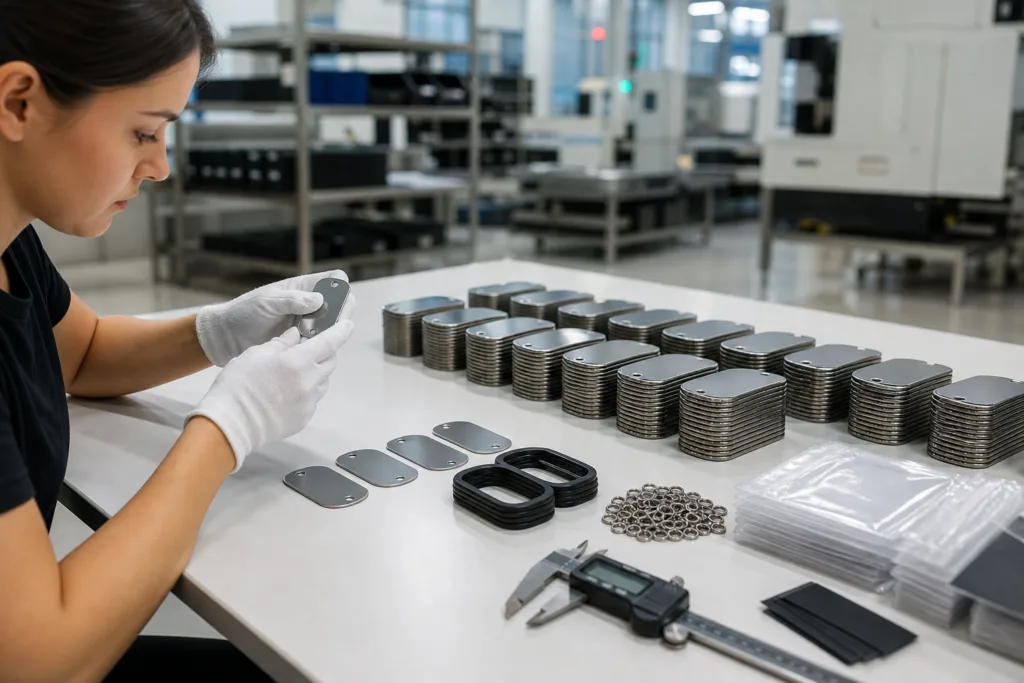
If you are deciding where to get dog tags made, the strongest answer is not simply “from the cheapest source” or “from the nearest supplier.” It is from a manufacturer that can match your application, explain the production method clearly, control data and quality, and repeat the approved standard in bulk. Buyers who compare material options, marking durability, sample policy, MOQ logic, artwork readiness, and packaging support usually make more reliable sourcing decisions and avoid preventable rework later.
FAQs
Where can I get dog tags made for a bulk order?
For a bulk order, the safest option is usually a true custom manufacturer rather than a general reseller. Look for a supplier that can explain its material range, marking methods, sample process, MOQ structure, data handling, packaging options, and quality checks in practical detail. That tells you whether the supplier can support repeatable production instead of only processing a simple one-off order.
What material is usually best for custom dog tags?
The best material depends on the use case. Aluminum is lightweight and cost-effective, stainless steel is stronger and better suited to rougher or outdoor use, brass offers a premium decorative look, and anodized aluminum works well when color and lighter weight matter. Buyers should compare wear, weight, finish, readability needs, and budget together before finalizing the material.
Is laser engraving better than stamping for dog tags?
Neither method is automatically better for every project. Laser engraving is flexible for custom names, logos, and variable data, while stamping provides a durable indented look that suits many military-style formats. The better choice depends on the metal, the artwork style, the required character layout, and how much wear the tag will experience in actual use.
What should I request in a dog tag sample before mass production?
You should request a sample made in the final material, thickness, marking method, and finish whenever possible. The sample should also reflect the real hole position, attachment compatibility, text size, and any variable data format planned for production. A useful sample is not only for appearance; it is also for checking edge feel, readability, and whether the build matches the intended application.
How do MOQ and lead time affect supplier choice?
MOQ affects whether a supplier is practical for small test runs, mixed designs, or larger repeat programs, while lead time affects launch planning and reorder reliability. Buyers should ask whether MOQ applies per design, material, or finish and whether lead time includes sampling, artwork approval, packaging, and shipping preparation. This helps prevent surprises after the quote stage.
What is the biggest mistake when choosing where to get dog tags made?
The biggest mistake is comparing suppliers by unit price alone without checking whether the material, marking method, edge quality, sample standard, and packaging scope are truly equivalent. A low quote can become expensive if the tags wear out too quickly, data is inconsistent, or the final product does not match the approved design. A structured checklist usually prevents that problem.